Can Vitamin D Synergy Support Immune and Autonomic Health in Long COVID?
March 6, 2026
Vitamin D SynergyLong COVIDDysautonomia
Share:
Disclaimer: The information provided here is for educational purposes only and is not intended as medical advice. It should not be used to diagnose, treat, cure, or prevent any medical condition. Instead, use it as a starting point for discussion with your healthcare provider. Always consult with a qualified healthcare provider before starting any new medication, supplement, device, or making changes to your health regimen.
For many individuals living with complex chronic conditions, the journey to finding effective symptom management is paved with trial, error, and immense frustration. You might be diligently taking your daily supplements, trying to cover all your nutritional bases, yet still struggling with the debilitating fatigue, brain fog, and unpredictable heart rates that characterize these invisible illnesses. When standard blood tests come back "normal" but you feel anything but, it is easy to feel dismissed by the medical system. However, the emerging science of post-viral syndromes is revealing that the issue often isn't just a simple deficiency; it is a complex disruption of how your body utilizes, converts, and synergizes nutrients at the cellular level.
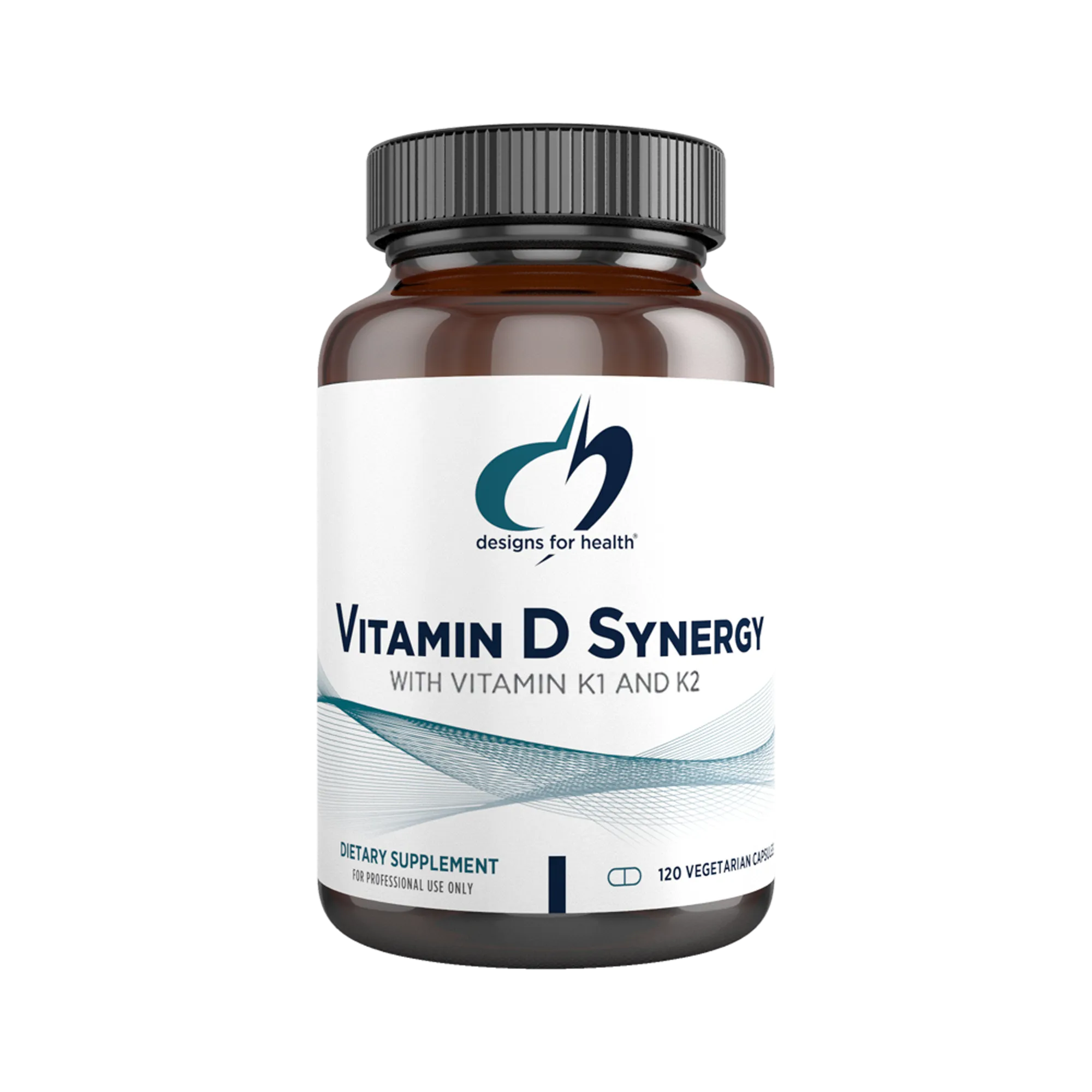
In the context of Long COVID, myalgic encephalomyelitis/chronic fatigue syndrome (ME/CFS), and dysautonomia, the body's biochemical pathways are under immense stress. Chronic inflammation, viral persistence, and autonomic nervous system dysfunction can alter how your cells absorb and deploy essential vitamins. This is where the concept of nutrient synergy becomes critical. Taking high doses of a single vitamin without its necessary cofactors can sometimes be ineffective, or worse, counterproductive. Vitamin D Synergy by Designs for Health represents a paradigm shift in clinical supplementation, combining Vitamin D3 with Vitamin K1, Vitamin K2 (MK-4), and Geranylgeraniol (GG). This comprehensive formulation is designed not just to raise blood levels on a lab test, but to ensure these crucial molecules are properly activated and directed to support immune balance, repair autonomic nerves, and protect cardiovascular health.
TL;DR
Vitamin D Synergy combines D3, K1, K2, and GG to support immune balance and vascular health.
This formula may help manage autonomic dysfunction, brain fog, and fatigue in chronic conditions.
Always take fat-soluble vitamins with meals and consult your doctor, especially if on blood thinners.
What is Vitamin D Synergy?
Beyond Basic Vitamin D
To understand the power of this synergistic formula, we must first look at its foundational ingredient: Vitamin D3 (cholecalciferol). While commonly referred to as a vitamin, Vitamin D is actually a potent secosteroid hormone that acts as a master epigenetic regulator within the human body. When your skin is exposed to ultraviolet B (UVB) radiation, cholesterol in the skin is converted into previtamin D3, which is then processed by the liver into calcifediol and finally activated by the kidneys into calcitriol. This active form binds to Vitamin D Receptors (VDRs), which are present on nearly every cell type in the body, including the vast majority of our immune cells. By binding to these receptors, Vitamin D directly influences the expression of hundreds of genes involved in cellular proliferation, differentiation, and immune homeostasis.
In a healthy body, Vitamin D plays a dual role in the immune system. It enhances the innate immune response by stimulating macrophages and monocytes to produce antimicrobial peptides, such as cathelicidin, which act as the body's first line of defense against invading pathogens. Simultaneously, it prevents the adaptive immune system from overreacting, shifting the balance of T-cells away from a pro-inflammatory state and toward a regulatory, tolerance-inducing state. Furthermore, Vitamin D is the primary gatekeeper for calcium absorption in the gut. Without adequate Vitamin D, the body can only absorb a fraction of the calcium present in the diet, leading to weakened bones and compromised cellular signaling. However, as we will explore, absorbing calcium into the bloodstream is only the first step; directing that calcium requires additional cofactors.
The Role of Vitamin K1 and K2
This is where the inclusion of Vitamin K becomes absolutely essential. Vitamin K is not a single compound, but a family of fat-soluble vitamins that are broadly categorized into Vitamin K1 (phylloquinone) and Vitamin K2 (menaquinones). Vitamin K1 is primarily found in leafy green vegetables and is preferentially utilized by the liver to synthesize the proteins required for healthy blood coagulation. While crucial for preventing excessive bleeding, Vitamin K1 has a very short half-life in the bloodstream and does not efficiently reach extrahepatic (outside the liver) tissues like the bones, brain, and blood vessels.
Vitamin K2, on the other hand, is the form that exerts profound systemic effects on cardiovascular and autonomic health. The Vitamin D Synergy formula specifically includes Menaquinone-4 (MK-4), the most biologically active and predominant form of Vitamin K2 found in the human brain and nervous system. Unlike other menaquinones that are produced by bacterial fermentation in the gut, MK-4 is unique because it is synthesized directly by human tissues. MK-4 acts as an essential cofactor for an enzyme called gamma-glutamyl carboxylase (GGCX). This enzyme is responsible for "activating" specific proteins that regulate calcium deposition, nerve repair, and cellular survival. Without adequate MK-4, these critical proteins remain dormant and non-functional, regardless of how much Vitamin D you consume.
Geranylgeraniol (GG): The Missing Link
The most innovative component of this formula is Geranylgeraniol (GG), an endogenous diterpenoid compound that serves as a fundamental biological building block. GG is naturally synthesized in the human body via the mevalonate pathway—the exact same biochemical assembly line responsible for producing cholesterol and Coenzyme Q10. In its active form, geranylgeranyl pyrophosphate (GGPP), this molecule is absolutely required for the body to create its own Vitamin K2 (MK-4). The body utilizes an enzyme called UBIAD1 to take the basic naphthoquinone ring of Vitamin K and attach a 20-carbon geranylgeranyl side-chain donated directly by GGPP. This specific chemical structure is what gives MK-4 its unique ability to penetrate the blood-brain barrier and integrate into cellular membranes.
Unfortunately, endogenous production of GG naturally declines as we age, and it can be severely depleted by certain medications and chronic illness states. When GG levels fall, the UBIAD1 enzyme is starved of its necessary substrate, and the tissue-specific synthesis of MK-4 grinds to a halt. By including clinically relevant doses of exogenous GG extracted from the annatto plant, Vitamin D Synergy bypasses these metabolic bottlenecks. This ensures that the body has a continuous, abundant supply of the raw materials needed to synthesize MK-4 on demand, thereby guaranteeing that the Vitamin K-dependent proteins activated by Vitamin D can perform their vital functions. This tri-part synergy—D3 to absorb calcium and create proteins, GG to synthesize MK-4, and MK-4 to activate those proteins—represents a complete, closed-loop system for cellular health.
How Long COVID and ME/CFS Impact Immune and Autonomic Systems
Viral Reactivation and Immune Exhaustion
To understand why this specific synergistic formula is so relevant, we must examine the underlying pathophysiology of complex chronic illnesses. What Causes Long COVID? is a question that researchers are actively unraveling, but a leading consensus points toward persistent immune dysregulation and viral reactivation. When an individual contracts SARS-CoV-2, the initial acute infection triggers a massive innate immune response. In a healthy trajectory, the adaptive immune system eventually clears the virus, and regulatory T-cells (Tregs) step in to suppress the inflammation and return the body to homeostasis. However, in Long COVID and ME/CFS, this resolution phase fails. The immune system remains locked in a state of chronic, low-grade activation, constantly churning out pro-inflammatory cytokines like Interleukin-6 (IL-6) and Tumor Necrosis Factor-alpha (TNF-α).
This chronic inflammatory state places immense metabolic stress on immune cells, eventually leading to a phenomenon known as immune exhaustion. A 2023 study published in Brain, Behavior, & Immunity - Health identified a pronounced CD8 T-cell dysfunction in both ME/CFS and Long COVID patients. These cytotoxic T-cells, which are responsible for hunting down and destroying virus-infected cells, become fatigued and lose their ability to produce necessary antiviral cytokines like Interferon-gamma (IFN-γ). This acquired immunodeficiency creates an opportunistic environment for latent neurotropic viruses—such as Epstein-Barr Virus (EBV) and Herpes Simplex Virus 1 (HSV-1)—to reactivate from dormancy. Recent preprint research has shown heightened EBV and HSV-1 reactivation, increased circulating fibronectin, and depletion of natural IgM in ME/CFS and Long COVID.
Autonomic Dysfunction and Sympathetic Overdrive
This persistent neuroinflammation and viral activity directly impacts the autonomic nervous system (ANS), which controls involuntary bodily functions like heart rate, blood pressure, and digestion. Many patients with Long COVID develop secondary dysautonomia, most notably Postural Orthostatic Tachycardia Syndrome (POTS). In these conditions, there is a profound loss of sympathovagal balance. The sympathetic nervous system (the "fight-or-flight" response) becomes hyperactive and dominant, while the parasympathetic nervous system (the "rest-and-digest" response, largely governed by the vagus nerve) is suppressed. This sympathetic overdrive is what causes the debilitating palpitations, adrenaline dumps, and severe resting tachycardia that patients experience daily.
At a structural level, chronic inflammation and oxidative stress can physically damage the delicate myelin sheaths that insulate these autonomic nerve fibers. This is known as cardiovascular autonomic neuropathy. When the myelin is degraded, the electrical signals traveling from the brainstem to the heart and blood vessels become chaotic, delayed, or misfired. The baroreceptors—specialized stretch receptors in the carotid arteries that detect changes in blood pressure and tell the heart how to respond when you stand up—lose their sensitivity. Without proper myelination and baroreceptor function, the body cannot execute the rapid, coordinated vascular constrictions needed to prevent blood from pooling in the lower extremities, leading to the hallmark dizziness and pre-syncope of dysautonomia.
Vascular Inflammation and Endothelial Damage
Compounding the neurological damage is the physical degradation of the vascular system itself. The endothelium, the single layer of cells lining the interior of blood vessels, is highly vulnerable to the circulating spike proteins and inflammatory cytokines present in Long COVID. Endothelial dysfunction leads to a loss of nitric oxide (NO) production, which is necessary for blood vessels to dilate and relax. Instead, the vessels become stiff, inflamed, and prone to microvascular clotting. Research into ME/CFS and Long COVID has highlighted how this endothelial damage contributes to systemic hypoxia—the tissues and muscles are simply not receiving enough oxygenated blood, which is a primary driver of post-exertional malaise (PEM) and profound muscular fatigue.
Furthermore, this chronic vascular inflammation accelerates a dangerous process known as arterial calcification. When the endothelium is damaged, the body attempts to patch the injury. If the biochemical pathways regulating calcium are disrupted—often due to a deficiency in active Vitamin K2—free calcium in the bloodstream precipitates into the smooth muscle walls of the arteries. This calcification physically hardens the blood vessels, further destroying their elasticity and exacerbating the autonomic nervous system's inability to regulate blood pressure. This vicious cycle of immune exhaustion, nerve damage, and vascular stiffening forms the core pathophysiology that Vitamin D Synergy is designed to address.
Vitamin D Synergy: Supporting Immune Balance and Vascular Health
Vitamin D3 and Immune System Modulation
The components of Vitamin D Synergy work at the molecular level to interrupt the vicious cycles of chronic illness. First and foremost, Vitamin D3 acts as a potent immunomodulator, directly addressing the chronic inflammation and immune exhaustion seen in Long COVID and ME/CFS. When adequate levels of Vitamin D3 are present, it binds to the VDRs on T-cells and initiates a critical shift in the immune response. It downregulates the expression of Th1 and Th17 cells, which are responsible for producing the tissue-damaging cytokines IL-6 and TNF-α. Simultaneously, it upregulates the production of regulatory T-cells (Tregs). These Tregs are the "peacekeepers" of the immune system; they secrete anti-inflammatory cytokines like Interleukin-10 (IL-10), which signal the immune system to stand down, thereby helping to resolve the chronic inflammatory state and protect tissues from autoimmune cross-reactivity.
Beyond systemic inflammation, Vitamin D3 plays a crucial role in protecting the central nervous system. The blood-brain barrier (BBB) is a highly selective semipermeable border that prevents circulating pathogens and inflammatory molecules from entering the brain. In Long COVID, neuroinflammation often compromises the integrity of the BBB, contributing to severe brain fog and cognitive dysfunction. Vitamin D3 helps to upregulate the expression of tight junction proteins (such as claudin-5 and occludin) that physically seal the gaps between endothelial cells in the BBB. By restoring this barrier, Vitamin D3 helps shield the brain from systemic cytokine storms, reducing microglial activation and supporting the normalization of monoamine neurotransmission, which is vital for mood and cognitive clarity.
Geranylgeraniol (GG) and the Synthesis of MK-4
While Vitamin D3 sets the stage by reducing inflammation and absorbing calcium, the inclusion of Geranylgeraniol (GG) is what ensures the downstream pathways function correctly. As mentioned, GG is the essential precursor for the endogenous synthesis of Vitamin K2 (MK-4). When you supplement with GG, it is rapidly absorbed and converted into geranylgeranyl pyrophosphate (GGPP). This molecule then binds to the UBIAD1 enzyme, allowing it to continuously synthesize MK-4 directly within the extrahepatic tissues that need it most—the brain, the autonomic ganglia, and the vascular smooth muscle. This localized synthesis is critical because it bypasses the poor systemic distribution of dietary Vitamin K1.
Interestingly, GG exerts powerful therapeutic effects entirely independent of its role in Vitamin K synthesis. Research indicates that the geranylgeraniol molecule can directly induce the activation of inducible nitric oxide synthase (iNOS) in vascular smooth muscle cells. This enzyme produces nitric oxide (NO), a potent vasodilator that signals the blood vessels to relax and widen. By enhancing NO production, GG helps to counteract the endothelial dysfunction and vascular constriction that drive the hypoxic symptoms of Long COVID and ME/CFS. This improved vasodilation ensures that oxygen and nutrient-rich blood can effectively reach fatigued muscles and oxygen-starved neural tissues, directly combating the physical exhaustion associated with these conditions.
Vitamin K2, Gas6, and Autonomic Nerve Repair
Once GG has facilitated the synthesis of MK-4, this specific form of Vitamin K2 goes to work repairing the damaged autonomic nervous system. MK-4 is the required cofactor for the gamma-carboxylation and activation of Growth Arrest-Specific 6 (Gas6), a vital vitamin K-dependent protein. Once activated, Gas6 binds to TAM (Tyro3, Axl, Mer) receptors located on the surface of nerve cells and Schwann cells. This signaling pathway is neuroprotective and neuroregenerative; it stimulates Schwann cell proliferation, prevents neuronal apoptosis (cell death), and actively drives the remyelination of injured peripheral and autonomic nerves. For patients dealing with the sympathetic overdrive of dysautonomia, repairing this myelin insulation is essential for restoring accurate, calm electrical signaling between the brain and the heart.
Furthermore, MK-4 is intrinsically required for the synthesis of sphingolipids, a class of complex lipids that form the foundational structural components of neuronal cell membranes and the myelin sheath itself. Depletion of MK-4 leads directly to myelin degradation and altered nerve conduction velocities. By providing a steady supply of MK-4 (via GG synthesis), Vitamin D Synergy ensures that the nervous system has both the signaling molecules (Gas6) and the physical building blocks (sphingolipids) required to repair autonomic neuropathy. Clinical observations have shown that restoring this structural integrity helps to normalize sympathovagal balance, lowering elevated sympathetic tone and stabilizing the erratic heart rates seen in POTS patients.
Resolving the Calcium Paradox with MGP
Finally, the synergy of D3, GG, and K2 works to resolve the dangerous "Calcium Paradox." When Vitamin D3 increases intestinal calcium absorption, it simultaneously stimulates the production of Matrix Gla Protein (MGP) in the blood vessels and Osteocalcin in the bones. However, these proteins are produced in an inactive, undercarboxylated state. If left inactive, the newly absorbed calcium has no guidance and will precipitate into the arterial walls, causing vascular calcification and stiffening the baroreceptors needed for autonomic blood pressure control. This is where MK-4 steps in as the ultimate "traffic cop."
MK-4 acts as the cofactor for the GGCX enzyme, which adds a carboxyl group to the glutamic acid residues on MGP and Osteocalcin. This gamma-carboxylation process "activates" the proteins, giving them a high affinity for binding calcium ions. Activated Osteocalcin acts like a magnet, drawing circulating calcium out of the blood and locking it securely into the bone matrix, supporting skeletal density. Simultaneously, activated MGP—the most potent known natural inhibitor of vascular calcification—sweeps free calcium out of the soft tissues and arterial walls. By ensuring that MGP is fully carboxylated, Vitamin D Synergy preserves the elasticity and compliance of the blood vessels. This allows the baroreceptors to accurately detect pressure changes and maintain the autonomic heart rate variability (HRV) that is so often lost in dysautonomia.

Symptoms Vitamin D Synergy May Help Manage
Neurological and Autonomic Symptoms
Because Vitamin D Synergy targets foundational cellular mechanisms—immune modulation, nerve repair, and calcium routing—it can help address a wide array of interconnected symptoms experienced by patients with complex chronic illnesses. While not a cure, supporting these biochemical pathways may help manage the following:
Debilitating Brain Fog and Cognitive Dysfunction: By upregulating tight junction proteins to protect the blood-brain barrier and reducing microglial activation, Vitamin D3 helps lower the neuroinflammation that disrupts memory, focus, and mental clarity.
Postural Orthostatic Tachycardia Syndrome (POTS) and Palpitations: The synthesis of MK-4 via GG activates the Gas6/TAM receptor pathway, which promotes the remyelination of autonomic nerves. This structural repair helps normalize sympathovagal balance, reducing the sympathetic overdrive that causes rapid, erratic heart rates upon standing.
Post-Exertional Malaise (PEM) and Severe Fatigue: GG supports the production of nitric oxide (NO) via iNOS activation, promoting vascular vasodilation. This improves endothelial function and microcirculation, ensuring that oxygen reaches fatigued muscle tissues and mitigating the hypoxic stress that triggers crashes.
Musculoskeletal and Immune Symptoms
Bone and Joint Pain: By resolving the Calcium Paradox, the combination of D3 and K2 ensures that calcium is actively directed away from soft tissues (where it causes stiffness and joint pain) and integrated into the skeletal matrix via activated Osteocalcin, improving bone density and structural comfort.
Frequent Infections and Immune Dysregulation: Vitamin D3 acts as a master epigenetic regulator, enhancing the innate immune system's production of antimicrobial peptides (like cathelicidin) while promoting regulatory T-cells (Tregs) to suppress the chronic, autoimmune-like inflammation often seen in post-viral syndromes.
If you are wondering How Can You Live with Long-Term COVID, addressing these foundational nutritional deficits is a critical component of a broader symptom management strategy.
Practical Considerations: Forms, Dosing, and Absorption
Bioavailability and Fat-Soluble Absorption
When incorporating Vitamin D Synergy into your daily regimen, understanding its pharmacokinetic properties is essential for maximizing its benefits. Vitamins D and K are fat-soluble vitamins, meaning they require the presence of dietary lipids (fats) and bile acids to be properly emulsified and absorbed through the intestinal wall. Taking this supplement on an empty stomach will result in poor bioavailability and wasted nutrients. To ensure optimal absorption, it is highly recommended to take your daily capsule with the largest meal of the day, or at least a meal that contains healthy fats, such as avocados, olive oil, nuts, or fatty fish. The formulation provides 2,000 IU (50 mcg) of Vitamin D3 per capsule, which is a clinically flexible dose that allows practitioners to scale the intake based on a patient's baseline serum 25(OH)D levels, geographical sun exposure, and specific immune needs.
The Statin Paradox and GG Depletion
A critical practical consideration for many patients, particularly those managing cardiovascular comorbidities, is the interaction between this formula's mechanisms and statin medications. Statins (such as atorvastatin or rosuvastatin) are widely prescribed to lower cholesterol by inhibiting the HMG-CoA reductase enzyme. However, because this enzyme sits at the top of the mevalonate pathway, statins simultaneously block the downstream production of endogenous Geranylgeraniol (GG). This creates a dangerous bottleneck: without GG, the body cannot synthesize MK-4, leaving MGP uncarboxylated and inactive. This phenomenon, often referred to as the "Statin Paradox," explains why long-term statin users frequently exhibit accelerated arterial calcification despite having lower cholesterol. Supplementing with the exogenous GG found in Vitamin D Synergy effectively bypasses this statin-induced blockade, restoring MK-4 synthesis and protecting arterial elasticity without interfering with the cholesterol-lowering efficacy of the medication.
Contraindications and Medication Interactions
While Vitamin D Synergy is generally safe and well-tolerated, there is one absolute contraindication that patients must be aware of: Vitamin K antagonists. Medications like Warfarin (Coumadin) are powerful anticoagulants prescribed to prevent blood clots. They function specifically by inhibiting the Vitamin K Epoxide Reductase (VKOR) enzyme, effectively inducing a localized Vitamin K deficiency to slow down the liver's production of clotting factors. Because Vitamin D Synergy contains clinically relevant doses of both Vitamin K1 and K2, taking this supplement will directly counteract the pharmacological mechanism of Warfarin, potentially leading to dangerous changes in your INR (clotting time) levels. If you are taking Warfarin or any other coumarin-derivative blood thinner, you must absolutely consult your prescribing cardiologist or hematologist before introducing any Vitamin K-containing supplement into your protocol.

Follow the Science
Vitamin K2 and Systemic Health
The scientific literature surrounding the mechanisms of Vitamin D, Vitamin K, and post-viral syndromes has expanded rapidly, providing robust evidence for their clinical utility. Research provides growing evidence of a proven mechanism showing that Vitamin K2 can impact health conditions beyond bone and cardiovascular health. Specifically, studies indicate that Vitamin K2 may play a role in relieving peripheral neuropathy. This highlights the unique systemic benefits of Vitamin K2 in addressing complex neurological and vascular symptoms.
Emerging Research on Viral Reactivation
Recent immunological research has provided deep mechanistic insights into why this immune exhaustion occurs and how it drives the symptoms of ME/CFS and Long COVID. A pivotal 2023 study published in Brain, Behavior, & Immunity - Health utilized magnetic enrichment techniques to identify a pronounced CD8 T-cell dysfunction in patients suffering from both conditions. The researchers found that these cytotoxic T-cells produced markedly less IFN-γ and TNF-α upon stimulation, indicating a profound acquired immunodeficiency. This failure of the adaptive immune system allows for the unchecked reactivation of latent pathogens. Supporting this, a 2023 preprint study demonstrated heightened Epstein-Barr Virus (EBV) and HSV-1 reactivation, alongside increased circulating fibronectin and depletion of natural IgM in these patient populations. By modulating the immune response and supporting T-cell function, Vitamin D helps the body re-establish control over these latent viral loads.
Vitamin K2 and Cardiovascular Outcomes
The cardiovascular benefits of the Vitamin K2 and GG components are equally well-supported by large-scale clinical data. The landmark Rotterdam Study, a massive 10-year population-based analysis involving over 4,800 subjects, fundamentally shifted the cardiological understanding of arterial calcification. The study revealed that individuals with the highest dietary intake of natural menaquinones (Vitamin K2) experienced a staggering 50% reduction in severe aortic calcification, a 50% reduction in overall cardiovascular risk, and a 25% reduction in all-cause mortality compared to those with low intake. Crucially, the study noted that Vitamin K1 did not provide these same cardiovascular protective effects, highlighting the unique extrahepatic role of MK-4 and MK-7. Furthermore, research into the mevalonate pathway has confirmed that statin-induced depletion of Geranylgeraniol directly cripples the UBIAD1 enzyme's ability to synthesize MK-4, leading to the accumulation of inactive, uncarboxylated MGP and subsequent arterial stiffening—a pathological process that exogenous GG supplementation is specifically designed to rescue.
The Path Forward
Validating Your Experience
Living with a complex, multi-system condition like Long COVID, ME/CFS, or dysautonomia is an arduous journey that requires immense resilience. It is entirely valid to feel overwhelmed by the sheer number of symptoms you are managing and the complex biochemical pathways involved in your care. If you are navigating the difficult process of How Does a Doctor Diagnose Long COVID?, remember that you are not alone, and your symptoms are rooted in real, measurable physiological disruptions. While no single supplement is a cure-all, providing your body with the precise, synergistic tools it needs to modulate inflammation, repair autonomic nerves, and protect cardiovascular function is a powerful step toward reclaiming your baseline.
A Comprehensive Management Strategy
Vitamin D Synergy offers a clinically advanced approach to nutritional support, moving beyond simple deficiency correction to actively facilitate the complex biochemical reactions your cells desperately need. However, supplementation should always be viewed as one pillar of a comprehensive, multidisciplinary management strategy. Pacing to avoid post-exertional malaise, meticulous symptom tracking, autonomic rehabilitation, and ongoing collaboration with a dysautonomia-literate healthcare provider are all essential components of your path forward. Always consult with your medical team before introducing new supplements, especially if you are taking prescription medications like blood thinners or statins.