Can Vitamin D Supreme Support Vascular and Immune Health in Long COVID?
March 6, 2026
Vitamin D SupremeLong COVIDDysautonomia
Share:
Disclaimer: The information provided here is for educational purposes only and is not intended as medical advice. It should not be used to diagnose, treat, cure, or prevent any medical condition. Instead, use it as a starting point for discussion with your healthcare provider. Always consult with a qualified healthcare provider before starting any new medication, supplement, device, or making changes to your health regimen.
Months or even years after an initial viral infection, many individuals find themselves battling a complex web of debilitating symptoms—profound fatigue, racing heart rates, unyielding brain fog, and unpredictable immune flares. If you are living with Long COVID, myalgic encephalomyelitis/chronic fatigue syndrome (ME/CFS), or dysautonomia, you already know that recovery is rarely a straight line. The frustration of navigating a medical system that often lacks clear answers can be just as exhausting as the physical symptoms themselves. Patients are frequently told their lab results are normal, even as they struggle to get out of bed or stand without their heart rate skyrocketing.
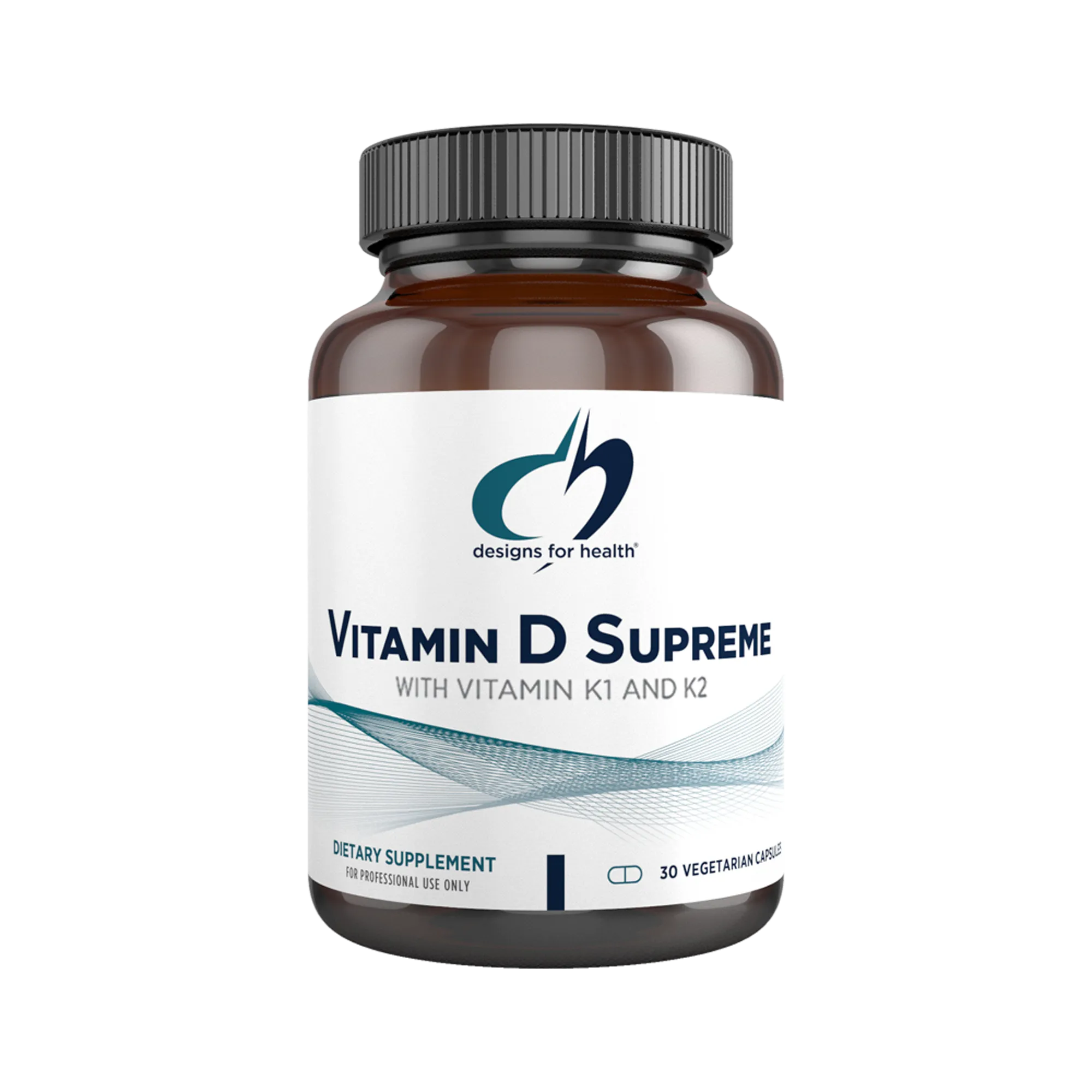
In the search for foundational support, researchers and clinicians are increasingly looking at the intersection of immune regulation, vascular health, and cellular energy. This is where the synergistic relationship between specific fat-soluble vitamins and lipid molecules becomes crucial. Vitamin D Supreme by Designs for Health is not just a standard vitamin D supplement; it is a meticulously formulated blend of Vitamin D3, Vitamin K1, Vitamin K2 (as MK-7), and a unique compound called geranylgeraniol (GG). Together, these ingredients target the exact physiological pathways—such as endothelial function, calcium utilization, and muscle protein synthesis—that are so frequently disrupted in complex chronic illnesses.
TL;DR
Vitamin D Supreme combines D3, K1, K2, and GG to support immune, vascular, and cellular health.
D3 and K2 work together to direct calcium into bones, supporting arterial flexibility and cardiovascular function.
Geranylgeraniol (GG) supports mitochondrial energy production and may help protect against muscle breakdown and fatigue.
Always take fat-soluble vitamins with meals and consult your doctor, especially if on blood thinners.
What is Vitamin D Supreme?
The Synergy of Vitamin D3 and Vitamin K
Vitamin D3 (cholecalciferol) is a fat-soluble vitamin that functions more like a prohormone within the human body. When synthesized in the skin via sunlight or ingested orally, it undergoes a critical two-step hydroxylation process. First, it travels to the liver where it is converted into 25-hydroxyvitamin D [25(OH)D], the primary circulating form measured in blood tests. Next, it moves to the kidneys where it is converted into its biologically active form, 1,25-dihydroxycholecalciferol (calcitriol). Calcitriol binds to the Vitamin D Receptor (VDR), which is present in nearly every tissue in the body, including immune cells, endothelial cells, and bone osteoblasts. Its primary and most well-known function is the regulation of calcium and phosphorus homeostasis, ensuring that the gut absorbs adequate calcium to maintain healthy bone density and structure. However, increasing calcium absorption without proper distribution can be highly problematic, which is exactly where Vitamin K becomes essential.
Vitamin K is a group of fat-soluble vitamins divided into phylloquinone (K1) and menaquinones (K2). While Vitamin K1 is primarily concentrated in the liver and is essential for the synthesis of blood coagulation factors, Vitamin K2 (specifically the long-chain menaquinone-7, or MK-7) acts systemically throughout the body's tissues. The fundamental biochemical role of Vitamin K is to act as a necessary cofactor for the enzyme gamma-glutamyl carboxylase. This specific enzyme modifies certain proteins, known as Vitamin K-dependent proteins (VKDPs), by converting their glutamic acid residues into gamma-carboxyglutamic acid (Gla). This "carboxylation" process activates these proteins, allowing them to bind tightly to calcium ions. In essence, while Vitamin D3 opens the door for calcium to enter the bloodstream from the digestive tract, Vitamin K2 acts as the biological traffic cop, directing that calcium away from soft tissues and into the bones and teeth where it structurally belongs.
The Unique Addition of Geranylgeraniol (GG)
What sets Vitamin D Supreme apart from standard D3/K2 formulations is the inclusion of geranylgeraniol (GG). GG is a naturally occurring endogenous lipid molecule synthesized within the body's mevalonate pathway—the exact same metabolic pathway responsible for producing cholesterol. While it may sound highly technical, GG is a fundamental building block for human cellular function and survival. It serves as the direct biological precursor required for the body to synthesize its own Coenzyme Q10 (CoQ10), which is absolutely non-negotiable for mitochondrial energy production. Furthermore, GG is the precursor required for the endogenous synthesis of Vitamin K2 (specifically the MK-4 variant) within human tissues, creating a self-sustaining loop of nutritional support.
Beyond acting as a precursor for other molecules, GG's most critical independent function is facilitating a cellular process called protein prenylation (specifically, geranylgeranylation). This is a complex post-translational modification where GG acts as a lipid "anchor," attaching itself to specific intracellular signaling proteins, such as the small GTP-binding proteins Ras, Rho, and Rac. By anchoring these vital proteins to cell membranes, GG ensures they can properly transmit the signals that regulate cell growth, structural integrity, survival, and muscle cell differentiation. Without adequate GG, these signaling pathways collapse, leading to profound cellular dysfunction, mitochondrial fragmentation, and rapid muscle atrophy.
Comprehensive Bone and Arterial Support
The combination of D3, K1, K2, and GG creates a comprehensive matrix of support for both the skeletal and cardiovascular systems, which are intimately connected. Bone remodeling is a continuous, lifelong process of breaking down old bone tissue (via osteoclasts) and building new bone matrix (via osteoblasts). Vitamin D3 actively stimulates the production of osteocalcin, a crucial protein secreted by osteoblasts. However, osteocalcin is secreted in an inactive, uncarboxylated state. It requires the presence of Vitamin K2 to become carboxylated and active, at which point it can effectively bind calcium to the bone matrix, promoting structural integrity, flexibility, and healthy bone density.
Simultaneously, this exact same biochemical synergy protects the delicate arterial walls. The cardiovascular system relies heavily on the elasticity and compliance of blood vessels to maintain healthy blood pressure and proper circulation. If calcium is allowed to deposit in the arterial walls—a pathological process known as vascular calcification—the vessels become rigid, stiff, and highly dysfunctional. Vitamin K2 activates a different protein called Matrix Gla Protein (MGP) within the smooth muscle cells of the blood vessels. Active MGP is the most potent known endogenous inhibitor of vascular calcification, binding to free calcium and preventing it from crystallizing in the arteries. By pairing D3 and K2 with GG, which supports the structural integrity of smooth muscle tissues, this formulation provides a multi-tiered defense for long-term cardiovascular and skeletal health.
How Chronic Illness Impacts Immune and Vascular Systems
Immune Dysregulation and Cytokine Storms
In conditions like Long COVID, myalgic encephalomyelitis/chronic fatigue syndrome (ME/CFS), and mast cell activation syndrome (MCAS), the immune system loses its critical ability to return to a baseline state of rest. Following an acute viral infection, such as SARS-CoV-2, the innate and adaptive immune responses can become trapped in a hyperactive, self-perpetuating loop. This persistent immune activation is characterized by the continuous, systemic release of pro-inflammatory cytokines, including Interleukin-6 (IL-6), Tumor Necrosis Factor-alpha (TNF-α), and Interleukin-1 beta (IL-1β). This chronic "cytokine storm" creates a state of systemic inflammation that drives many of the debilitating symptoms patients experience daily, from severe brain fog to deep muscle aching.
This highly inflammatory environment directly interferes with the body's natural nutrient metabolism and receptor function. Chronic, smoldering inflammation has been shown to rapidly deplete circulating levels of 25(OH)D, leading to widespread Vitamin D deficiency in chronic illness populations. Furthermore, viral infections can actively interfere with the Vitamin D Receptor (VDR) itself. Some researchers hypothesize that the SARS-CoV-2 virus, much like the Epstein-Barr Virus (EBV) often implicated in ME/CFS, can downregulate VDR expression or block its activation. This creates a vicious, self-sustaining cycle: the body desperately needs the immune-modulating effects of calcitriol to calm the inflammation, but the viral-induced receptor dysfunction and rapid nutrient depletion prevent the Vitamin D from executing its protective cellular commands.
Endothelial Dysfunction in Dysautonomia and Long COVID
The endothelium is the delicate, single-cell layer lining the entire vascular system, from the largest arteries to the smallest capillaries. It is responsible for regulating blood flow, vascular tone, and the coagulation cascade. In both Long COVID and dysautonomia, endothelial dysfunction is a primary pathophysiological driver. The SARS-CoV-2 spike protein directly binds to ACE2 receptors on endothelial cells, triggering localized inflammation, severe oxidative stress, and the shedding of the protective endothelial glycocalyx. This structural damage severely impairs the endothelium's ability to produce nitric oxide (NO), a crucial signaling molecule required for vasodilation (the healthy widening of blood vessels).
When endothelial cells cannot produce enough nitric oxide, blood vessels become stiff, constricted, and unresponsive to the body's positional changes, leading to poor tissue oxygenation and the hallmark symptoms of postural orthostatic tachycardia syndrome (POTS). Furthermore, this inflamed, damaged endothelium becomes a prime site for microvascular thrombosis (the formation of microscopic blood clots that block oxygen delivery). As the body attempts to repair the constant vascular damage, calcium can inappropriately deposit into these inflamed areas, further stiffening the arteries. The rapid depletion of Vitamin K2 during chronic illness leaves the Matrix Gla Protein (MGP) completely inactive, removing the body's primary defense against this vascular calcification and exacerbating the loss of arterial flexibility.
Muscular Fatigue and Mitochondrial Strain
Profound, crushing fatigue and post-exertional malaise (PEM) are the defining, life-altering features of ME/CFS and Long COVID. This is not standard tiredness that can be cured by a good night's sleep; it is a fundamental failure of cellular energy production and muscle recovery. Chronic inflammation and oxidative stress severely damage the mitochondria, the microscopic powerhouses of the cells responsible for generating adenosine triphosphate (ATP). When mitochondria become dysfunctional and fragmented, the muscles cannot generate the energy required for even basic daily tasks, leading to the rapid onset of severe muscle weakness, heaviness, and deep tissue pain.
This mitochondrial strain is deeply connected to the mevalonate pathway and the depletion of geranylgeraniol (GG). In a state of chronic illness, the body's metabolic priorities shift toward fighting perceived pathogenic threats, often downregulating the synthesis of endogenous lipid molecules to conserve resources. Without sufficient GG, the body cannot produce adequate CoQ10, leading to a direct, catastrophic bottleneck in the mitochondrial electron transport chain. More alarmingly, the lack of GG severely impairs protein prenylation in skeletal muscle cells. This biological failure triggers the rapid upregulation of muscle atrophy genes, such as atrogin-1, causing muscle cells to literally break down and undergo apoptosis (programmed cell death). This biochemical cascade explains why patients with Long COVID and ME/CFS often experience such profound muscle wasting and prolonged, agonizing recovery times after minimal physical exertion.
Vitamin D Supreme: Supporting Immune, Vascular, and Muscle Health
Immune Modulation via the Vitamin D Receptor (VDR)
Supplementing with clinically relevant doses of Vitamin D3 can help override the viral-induced downregulation of the Vitamin D Receptor (VDR) and restore much-needed immune homeostasis. When calcitriol successfully binds to the VDR on the surface of immune cells, it initiates a profound, systemic shift in genetic expression. It actively suppresses the maturation of inflammatory Th17 cells and powerfully downregulates the NF-κB signaling pathway, which acts as the master genetic switch for inflammatory cytokine production. By inhibiting this specific pathway, Vitamin D is thought to reduce the secretion of IL-6 and TNF-α.
Beyond calming the hyperactive, autoimmune-like immune response, Vitamin D3 also strengthens the body's innate, targeted antiviral defenses. Calcitriol significantly upregulates the transcription of antimicrobial peptides, specifically cathelicidins (such as LL-37) and defensins, within macrophages and neutrophils. These potent peptides have broad-spectrum antimicrobial properties and can directly disrupt the lipid envelopes of invading viruses. In vitro studies have even suggested that LL-37 can directly bind to the SARS-CoV-2 spike protein, potentially inhibiting its ability to attach to the ACE2 receptor and clearing persistent viral reservoirs. By simultaneously dampening generalized inflammation and boosting targeted antiviral defenses, Vitamin D3 provides a sophisticated, dual-action approach to immune balance.
Activating Matrix Gla Protein (MGP) for Arterial Flexibility
To combat the severe endothelial dysfunction and vascular stiffness inherent in dysautonomia and Long COVID, Vitamin K2 (Menaquinone-7) is absolutely indispensable. The mechanism relies entirely on the successful activation of Matrix Gla Protein (MGP). In a state of Vitamin K deficiency, MGP circulates in an inactive, useless form known as dephospho-uncarboxylated MGP (dp-ucMGP). High circulating levels of dp-ucMGP are strongly, clinically correlated with arterial stiffness, microvascular dysfunction, and poor cardiovascular outcomes. Supplementing with MK-7 provides the necessary enzymatic cofactor to carboxylate MGP, converting it into its active, calcium-binding form.
Once activated, MGP aggressively binds to free calcium ions in the bloodstream and the vascular smooth muscle, preventing them from precipitating and forming calcified, rigid plaques within the delicate arterial walls. This process preserves the elasticity and compliance of the blood vessels. Furthermore, animal models and clinical observations indicate that by reducing vascular calcification and lowering localized oxidative stress, MK-7 indirectly supports the upregulation of endothelial nitric oxide synthase (eNOS). This increases the bioavailability of nitric oxide, promoting healthy vasodilation, improving microcirculation, and potentially alleviating the severe blood pooling, dizziness, and erratic heart rate fluctuations experienced by patients with POTS and dysautonomia.
Protein Prenylation and Muscle Rescue with GG
The inclusion of geranylgeraniol (GG) in Vitamin D Supreme offers a highly targeted, innovative intervention for the profound muscle weakness and post-exertional malaise (PEM) that plague chronic illness patients. By supplying exogenous GG, the supplement directly bypasses any metabolic bottlenecks or inflammatory blockades in the mevalonate pathway. Once absorbed into the bloodstream, GG is rapidly converted into geranylgeranyl pyrophosphate (GGPP), which immediately restores the critical, life-sustaining process of protein prenylation in skeletal muscle cells. This lipid anchoring allows essential signaling proteins (like Rho and Rac) to attach firmly to the cell membrane and resume their vital roles in muscle cell maintenance, structural repair, and survival.
The clinical implications of restoring protein prenylation are massive. Pre-clinical and ex-vivo studies have demonstrated that administering GG dramatically suppresses the expression of atrogin-1, the primary biomarker and genetic driver for muscle atrophy and damage. By downregulating atrogin-1, GG halts the rapid breakdown of muscle tissue and promotes the synthesis of new, healthy muscle proteins. Additionally, because GG is the direct, rate-limiting precursor to Coenzyme Q10, supplementing with it provides the exact raw materials the body needs to ramp up endogenous CoQ10 production. This dual action—rescuing muscle tissue from atrophy via prenylation and supporting mitochondrial ATP production via CoQ10 synthesis—makes GG a uniquely powerful tool for combating the physical exhaustion and delayed recovery associated with ME/CFS and Long COVID.

Symptoms Vitamin D Supreme May Help Manage
While no supplement is a cure for complex chronic conditions, the synergistic ingredients in Vitamin D Supreme target specific physiological pathways that may help alleviate several debilitating symptoms:
Profound Fatigue and Post-Exertional Malaise (PEM): By providing geranylgeraniol (GG) to support endogenous CoQ10 synthesis and restore muscle protein prenylation, this formula helps combat mitochondrial energy deficits and protects against the severe muscle breakdown that often follows physical exertion in ME/CFS and Long COVID.
Orthostatic Intolerance and Racing Heart Rate (POTS): Endothelial dysfunction drives the vascular pooling and compensatory tachycardia seen in dysautonomia. Vitamin K2 (MK-7) activates MGP to maintain arterial flexibility, while Vitamin D3 supports nitric oxide production, collectively promoting healthier blood vessel constriction and dilation upon standing.
Immune Flares and Chronic Inflammation: The active form of Vitamin D3 binds to the VDR to suppress the NF-κB pathway, significantly reducing the production of pro-inflammatory cytokines like IL-6. This can help calm the systemic inflammatory flares, mast cell degranulation, and autoimmune-like symptoms frequently experienced by patients.
Brain Fog and Cognitive Dysfunction: Neuroinflammation and poor cerebral microcirculation contribute heavily to cognitive impairment and memory loss. By supporting endothelial health and reducing systemic vascular inflammation, the D3 and K2 combination helps protect the tiny microvessels that supply essential oxygen and nutrients to the brain tissue.
Bone and Deep Joint Pain: Chronic illness often leads to severely decreased physical activity, which can rapidly compromise bone density. The combination of D3 to absorb calcium from the gut and K1/K2 to direct that calcium into the bone matrix ensures that the skeletal system remains structurally sound, potentially reducing deep bone and joint aching.
Practical Considerations: Forms, Dosing, and Absorption
The Importance of MK-7 and Bioavailability
When evaluating a Vitamin K supplement, the specific form of menaquinone utilized is absolutely critical for clinical efficacy. Vitamin D Supreme utilizes Vitamin K2 as Menaquinone-7 (MK-7). Compared to the much shorter-chain Menaquinone-4 (MK-4), MK-7 has a significantly higher bioavailability and a drastically longer half-life in the human bloodstream. While MK-4 is rapidly cleared from the blood in a matter of mere hours, MK-7 remains active and circulating for up to 72 hours. This prolonged half-life ensures a steady, continuous supply of the vital cofactor needed to carboxylate Matrix Gla Protein (MGP) and osteocalcin, providing round-the-clock protection against vascular calcification and supporting continuous, healthy bone remodeling.
Furthermore, the inclusion of Vitamin K1 (phytonadione) ensures that the liver's strict requirements for coagulation factors are fully met. The human body prioritizes survival; if it is deficient in K1, it will preferentially convert and utilize any available K2 to meet its basic needs for blood clotting, leaving the cardiovascular and skeletal systems completely deficient. By providing a generous, clinically relevant dose of K1 alongside K2, this formula ensures that the highly valuable MK-7 is spared entirely for its critical systemic roles in activating MGP and directing calcium into the bones.
Fat-Soluble Absorption and Timing
Vitamins D and K are fat-soluble vitamins, meaning they strictly require the presence of dietary lipids and bile acids to be properly absorbed through the intestinal wall. Taking Vitamin D Supreme on an empty stomach will result in drastically reduced bioavailability and wasted nutrients. To maximize absorption and ensure the active ingredients reach your bloodstream, it is imperative to take this supplement with a meal that contains a substantial amount of healthy fats—such as avocados, olive oil, nuts, full-fat dairy, or fatty fish.
Regarding timing, Vitamin D can sometimes interfere with natural melatonin production if taken too late in the day, as the body naturally synthesizes Vitamin D in response to midday sunlight. Therefore, it is generally recommended to take Vitamin D Supreme with breakfast or a high-fat lunch to align with the body's natural circadian rhythms and prevent any potential sleep disruptions, which are already a significant, daily struggle for those with Long COVID and ME/CFS.
Potential Interactions and Contraindications
Because Vitamin K plays a fundamental, non-negotiable role in the blood coagulation cascade, patients taking anticoagulant medications—specifically Vitamin K antagonists like Warfarin (Coumadin)—must exercise extreme caution. Supplementing with Vitamin K1 or K2 can directly counteract the effects of these specific blood thinners, potentially altering International Normalized Ratio (INR) levels and increasing the risk of dangerous clotting. However, newer direct oral anticoagulants (DOACs) do not typically interact with Vitamin K in the same manner, though consultation with a prescribing physician is still mandatory.
Additionally, individuals with hypercalcemia (abnormally high calcium levels in the blood) or specific granulomatous diseases (like sarcoidosis, which can cause the dangerous overproduction of calcitriol) should consult their healthcare provider before initiating any high-dose Vitamin D therapy. Regular, comprehensive monitoring of serum 25(OH)D levels, intact parathyroid hormone (PTH), and serum calcium is the absolute best way to ensure safe, effective, and personalized dosing.

Follow the Science
Clinical Trials on Vitamin D and K2 in Long COVID
The scientific community is actively investigating the therapeutic potential of combining Vitamins D3 and K2 for post-viral syndromes. A milestone single-site, randomized controlled trial evaluated the combination of Vitamin K2 and Vitamin D3 versus standard of care for 24 weeks in participants suffering from Long COVID. The trial hypothesized that D3 combined with K2 would synergistically suppress immune activation and protect delicate endothelial health.
Furthermore, extensive observational data has established a clear, undeniable link between low Vitamin D levels and increased symptom burden in post-viral conditions. A recent observational study investigating the complexities of ME/CFS and Long COVID highlights the need for a better understanding of these conditions, though the specific statistics regarding Vitamin D deficiency and symptom ratios are not detailed in the provided source text. Maintaining optimal serum 25(OH)D levels (typically between 40–60 ng/mL) is generally recommended to support immune resilience.
Research on Geranylgeraniol and Muscle Atrophy
The research surrounding geranylgeraniol (GG) is rapidly expanding, particularly regarding its profound ability to rescue skeletal muscle from drug-induced and disease-induced atrophy. Much of the clinical data comes from rigorous studies on Statin-Associated Muscle Symptoms (SAMS). Statins inhibit the mevalonate pathway, choking off the production of GG and leading to severe muscle pain and weakness. In an ex vivo study on human muscle tissue, researchers found that statin exposure induced the expression of atrogin-1 (a primary marker of muscle breakdown) by a massive ≥400%. The introduction of GG was shown to successfully reduce atrogin-1 expression and completely reverse the muscle atrophy, highlighting its potent ability to restore protein prenylation and muscle integrity.
Additionally, a randomized, double-blind study published in Nutraceuticals evaluated the effects of GG supplementation on hormonal balance and physical fatigue in men. The study found that supplementing with GG resulted in significant increases in total, free, and bioavailable testosterone in participants with lower baseline levels, while the placebo group experienced decreases. Because GG is intimately involved in cholesterol transport into the mitochondria—the absolute rate-limiting step of steroidogenesis—this data suggests that GG not only protects muscle tissue directly but also supports the foundational endocrine pathways necessary for physical vitality, stamina, and recovery.
Observational Data on Endothelial Health
The cardiovascular benefits of Vitamin K2 (MK-7) are supported by robust, long-term clinical trials. The landmark Maastricht 3-Year Intervention Study, published in Thrombosis and Haemostasis, followed 244 healthy post-menopausal women for three years. The group receiving 180 mcg/day of natural MK-7 was evaluated for its effects on vascular calcification markers. However, researchers generally investigate MK-7 for its potential to inhibit age-related arterial stiffening and support vascular elasticity. This data provides a strong foundational rationale for using MK-7 to protect the delicate endothelial lining in patients battling the severe vascular complications of dysautonomia.
The Path Forward
Validating Your Experience
Living with a complex, invisible illness like Long COVID, ME/CFS, or MCAS is an incredibly isolating and exhausting journey. When your body feels like it is constantly fighting itself, and standard blood tests repeatedly return "normal" results, it is easy to feel dismissed by the medical system. Your symptoms—the crushing fatigue, the racing heart, the cognitive fog—are real, physiologically grounded, and entirely valid. They are the direct result of complex biochemical disruptions, from severe endothelial damage and mitochondrial strain to persistent immune hyperactivation. Understanding these underlying mechanisms is the crucial first step toward reclaiming your quality of life and finding targeted relief.
A Comprehensive Approach to Management
While the science behind Vitamin D3, K2, and geranylgeraniol is compelling and highly promising, it is important to remember that supplements are just one piece of a comprehensive management puzzle. There is no single miracle pill for chronic illness. True, lasting symptom management requires a multi-tiered approach that includes aggressive pacing to avoid debilitating crashes, nervous system regulation, targeted nutritional support, and working with a healthcare provider who truly understands the nuances of complex chronic conditions. By providing your body with the foundational cofactors it needs to regulate inflammation, protect the blood vessels, and rebuild muscle tissue, you are laying the vital groundwork for a more stable, predictable baseline.
Next Steps
If you are struggling with the vascular, immune, and muscular symptoms of Long COVID or dysautonomia, discussing a comprehensive D3/K2/GG formulation with your medical team may be a highly valuable next step in your treatment plan. Always consult your healthcare provider before starting any new supplement, especially if you are taking anticoagulant medications or have underlying kidney or calcium-related disorders.