Can Vitamin D3 Support Immune and Autonomic Function in Long COVID and ME/CFS?
March 6, 2026
Vitamin D3Long COVIDME/CFS
Share:
Disclaimer: The information provided here is for educational purposes only and is not intended as medical advice. It should not be used to diagnose, treat, cure, or prevent any medical condition. Instead, use it as a starting point for discussion with your healthcare provider. Always consult with a qualified healthcare provider before starting any new medication, supplement, device, or making changes to your health regimen.
Months after recovering from an initial viral infection, many people find themselves fighting a new, unpredictable battle. Instead of returning to their baseline health, they are met with debilitating fatigue, sudden heart rate spikes upon standing, and a brain fog so dense it makes simple daily tasks feel insurmountable. For individuals living with complex chronic conditions like Long COVID, myalgic encephalomyelitis/chronic fatigue syndrome (ME/CFS), dysautonomia, and mast cell activation syndrome (MCAS), this is a daily reality. The frustration of navigating a medical system that often lacks clear answers can be just as exhausting as the physical symptoms themselves. Patients are frequently left searching for validating, science-backed strategies to help manage their complex, overlapping symptoms and regain some semblance of their former quality of life.
In the search for foundational support, one nutrient consistently emerges in both clinical research and patient experiences: Vitamin D. Often dismissed as just a simple supplement for bone health, Vitamin D is actually a powerful, systemic prohormone that dictates the function of the immune system, the stability of mast cells, and the balance of the autonomic nervous system. When the body is locked in a state of chronic inflammation, viral persistence, or immune dysregulation, maintaining optimal levels of this critical prohormone becomes both incredibly difficult and absolutely essential. In this comprehensive guide, we will explore the intricate biochemistry of Vitamin D3, how chronic illness depletes it, and how targeted supplementation may help support your body's recovery and daily symptom management.
TL;DR
Vitamin D3 is a vital prohormone that supports immune balance, mast cell stability, and autonomic nervous system function.
Chronic illnesses like Long COVID and ME/CFS can severely deplete Vitamin D, worsening fatigue and inflammation.
Targeted Vitamin D3 supplementation may help manage symptoms like brain fog, orthostatic intolerance, and immune dysregulation.
Always test your Vitamin D levels and pair supplementation with cofactors like Vitamin K2 and magnesium.
What is Vitamin D3?
While it is commonly referred to as the "sunshine vitamin," Vitamin D is not technically a vitamin at all. In biological terms, it is a fat-soluble prohormone, a precursor to a highly active steroid hormone that regulates over 900 different genes throughout the human body. In a healthy individual, the journey of Vitamin D begins in the skin. When exposed to ultraviolet B (UVB) radiation from sunlight, a cholesterol derivative in the skin called 7-dehydrocholesterol is converted into Vitamin D3 (cholecalciferol). This inactive form then travels through the bloodstream to the liver, where it undergoes its first enzymatic transformation by the enzyme 25-hydroxylase, becoming 25-hydroxyvitamin D [25(OH)D]. This is the major circulating storage form of the prohormone and the biomarker most commonly measured in blood tests to determine a patient's nutritional status.
However, 25(OH)D is still biologically inactive. To exert its powerful effects on the body, it must undergo a second hydroxylation process. Historically, medical science believed this second conversion happened exclusively in the kidneys, where the enzyme 1-alpha-hydroxylase (CYP27B1) converts the storage form into the biologically active hormone known as 1,25-dihydroxyvitamin D3, or calcitriol. Calcitriol is the master key that unlocks Vitamin D's physiological benefits. It is responsible for the classic functions we associate with the nutrient, such as maintaining serum calcium and phosphorous balance, aiding in the absorption of these minerals from the gastrointestinal tract, and supporting overall bone health and musculoskeletal strength.
The paradigm shifted dramatically when researchers discovered that the kidneys are not the only tissues capable of producing active calcitriol. Extensive research over the last few decades has revealed that the enzyme CYP27B1 is expressed in nearly all immune cells, including macrophages, dendritic cells, and T-cells. This means that the immune system can locally synthesize its own active Vitamin D on demand, using it as an autocrine (self-signaling) and paracrine (neighbor-signaling) hormone to regulate immune responses, combat pathogens, and prevent systemic inflammation. This localized production is entirely dependent on having adequate circulating levels of the storage form, 25(OH)D, available in the blood.
The profound systemic effects of active Vitamin D are mediated almost entirely through the Vitamin D Receptor (VDR). The VDR is a nuclear transcription factor that belongs to the steroid hormone receptor superfamily. It is found in almost every tissue in the body, from the brain and heart to the gut and skeletal muscle. When active calcitriol enters a cell, it binds directly to the VDR. This binding event causes the VDR to undergo a significant conformational change, allowing it to pair up (heterodimerize) with another receptor known as the Retinoid X Receptor (RXR).
Once this VDR-RXR complex is formed, it translocates into the nucleus of the cell. Inside the nucleus, the complex acts as a genetic switchboard. It binds to specific, targeted DNA sequences known as Vitamin D Response Elements (VDREs). By binding to these elements, the VDR-RXR complex can directly upregulate (turn on) or downregulate (turn off) the transcription of hundreds of genes. This genomic action is how Vitamin D controls cellular proliferation, differentiation, and apoptosis (programmed cell death). It is the mechanism by which it dictates whether an immune cell will launch an inflammatory attack or promote immune tolerance.
Beyond its genomic actions, Vitamin D also exerts rapid, non-genomic effects. It can activate intracellular signaling molecules, protein kinases, and ion channels, such as calcium and chloride channels, within seconds to minutes. These rapid responses are crucial for immediate cellular functions, including the regulation of cardiovascular tone, the secretion of insulin for blood sugar balance, and the rapid firing of neurological signals. The combination of slow, sustained genomic regulation and rapid, non-genomic signaling makes Vitamin D one of the most versatile and critical prohormones in human biology.
How Chronic Illness Impacts Vitamin D Status
In complex chronic illnesses, the body's physiological demand for nutrients often skyrockets while its ability to absorb and utilize them plummets. This creates a vicious cycle of depletion that exacerbates symptoms. In the context of Long COVID, researchers are heavily investigating the role of viral persistence and chronic immune activation. When the body is constantly fighting what it perceives as an ongoing viral threat, it heavily upregulates the production of pro-inflammatory cytokines, particularly Interleukin-6 (IL-6). This state of chronic inflammation places a massive metabolic demand on the immune system, rapidly burning through circulating stores of 25(OH)D as immune cells attempt to synthesize enough active calcitriol to regulate the immune response and dampen the cytokine storm. If you are wondering What Causes Long COVID?, this ongoing inflammatory loop and subsequent nutrient depletion is a major piece of the puzzle.
Furthermore, the systemic inflammation seen in Long COVID often leads to endothelial dysfunction—damage to the inner lining of the blood vessels. This damage impairs microcirculation, meaning that even if a patient has adequate nutrients in their bloodstream, those nutrients struggle to reach the deep tissues, muscles, and neurological structures that desperately need them. A 2023 study analyzing mild COVID-19 patients found that those who developed Long COVID had significantly lower blood Vitamin D levels compared to those who recovered, with deficiency associated with a 5.80 times higher risk of developing prolonged symptoms. The virus essentially drains the body's Vitamin D reservoirs, leaving the patient vulnerable to the neurological and musculoskeletal symptoms that define the condition.
For individuals living with myalgic encephalomyelitis/chronic fatigue syndrome (ME/CFS), the pathway to Vitamin D deficiency is often compounded by the physical realities of the illness itself. The hallmark symptom of ME/CFS is post-exertional malaise (PEM), a severe and debilitating exacerbation of symptoms following even minor physical or cognitive exertion. Because of PEM, orthostatic intolerance, and profound fatigue, many patients become largely or entirely housebound, or even bedbound. This drastic reduction in outdoor activity means they are entirely cut off from the primary natural source of Vitamin D: sunlight. The UK's NICE guidelines specifically highlight that people with ME/CFS, particularly those who are housebound, are at a critically high risk for severe Vitamin D deficiency.
This lack of sunlight synthesis creates a secondary layer of suffering. Vitamin D deficiency independently causes bone pain, muscle weakness, and fatigue. When superimposed on the existing pathophysiology of ME/CFS, this deficiency acts as an amplifier, worsening the baseline pain and making the fatigue feel even more insurmountable. Furthermore, researchers are increasingly exploring the overlap between these conditions, asking Can Long COVID Trigger ME/CFS?. As viral infections trigger ME/CFS in susceptible individuals, the resulting housebound state guarantees a drop in Vitamin D, which in turn removes the very immunomodulatory prohormone the body needs to heal from the initial viral insult.
Dysautonomia, including Postural Orthostatic Tachycardia Syndrome (POTS), represents a malfunction of the autonomic nervous system, which controls involuntary functions like heart rate, blood pressure, and digestion. The autonomic nervous system relies heavily on precise mineral balances and neurosteroid signaling to function correctly. Vitamin D acts as a crucial neuromodulator that helps balance the sympathetic ("fight-or-flight") and parasympathetic ("rest-and-digest") branches of this system. When chronic illness depletes Vitamin D, this delicate balance is shattered, often resulting in excessive sympathetic overdrive—the exact state that drives the rapid heart rate and anxiety-like physical symptoms of POTS.
A study published in the American Heart Association's Circulation assessed 180 POTS patients and found that 51% were frankly deficient in Vitamin D, with another 56% having insufficient levels. The deficiency exacerbates cardiovascular deconditioning and impairs baroreflex sensitivity—the body's ability to adjust blood pressure when changing positions. This creates a vicious cycle: autonomic dysfunction makes it difficult to stand or exercise, leading to a sedentary, indoor lifestyle, which further depletes Vitamin D, which in turn worsens the neurological signaling required to fix the autonomic dysfunction. Breaking this cycle requires targeted, highly bioavailable supplementation to restore the neurohormonal balance.
Vitamin D3: Supporting Immune, Autonomic, and Mast Cell Function
When introduced as a supplement, Vitamin D3 acts as a profound immunomodulator, capable of restoring balance to a dysregulated immune system. Its mechanism of action is dual-fold, affecting both the innate (immediate) and adaptive (learned) branches of immunity. In the innate immune system, Vitamin D enhances the ability of macrophages to fight off pathogens. When a macrophage detects a viral or bacterial threat via Toll-Like Receptors (specifically TLR2/1), it triggers an intracellular signal that upregulates the expression of both the VDR and the CYP27B1 enzyme. The locally produced active Vitamin D binds to the VDR, stimulating the production of potent antimicrobial peptides, primarily cathelicidin and beta-defensin 2. These peptides physically destabilize and destroy microbial membranes, aiding in the clearance of persistent viral reservoirs that are theorized to drive Long COVID.
Simultaneously, Vitamin D acts as a crucial "brake" on the adaptive immune system, preventing it from spiraling into autoimmunity and chronic inflammation. It does this by keeping dendritic cells in an immature, "tolerogenic" state, reducing their ability to present antigens and secrete inflammatory cytokines like IL-12. Furthermore, calcitriol heavily influences T-cell polarization. Research demonstrates that it suppresses the proliferation of pro-inflammatory T helper 1 (Th1) and Th17 cells, drastically reducing the production of destructive cytokines like IFN-γ and IL-17. Instead, it actively promotes the development of Regulatory T-cells (Tregs), which secrete the anti-inflammatory cytokine IL-10. This shift from an attack state to a state of immune tolerance is vital for patients whose symptoms are driven by an overactive, confused immune response.
For patients dealing with Mast Cell Activation Syndrome (MCAS), Vitamin D is an indispensable tool for cellular stabilization. Mast cells, which are responsible for releasing histamine and other inflammatory mediators during allergic or immune responses, are heavily populated with Vitamin D Receptors. Research, including a 2017 study by Liu et al., demonstrated that Vitamin D can stabilize mast cells and prevent inappropriate activation by reducing inflammatory signaling pathways.
The mechanism behind this stabilization is intricate. When active Vitamin D binds to the VDR on a mast cell, the receptor forms a complex with a protein kinase called Lyn. This interaction inhibits Lyn from binding to the IgE receptor, which effectively cuts off the signaling cascade that leads to degranulation. By inhibiting Lyn, Vitamin D decreases the phosphorylation of Syk kinase, subsequently lowering the levels of MAPK and NF-κB—the primary signaling pathways responsible for cellular inflammation. Furthermore, the VDR actively binds to the promoter of TNF-α (a major inflammatory cytokine), repressing its expression. By acting at this deep genetic and enzymatic level, Vitamin D3 supplementation helps raise the threshold for mast cell activation, reducing the frequency and severity of MCAS flares.
In the realm of dysautonomia and POTS, Vitamin D3 supplementation targets the neurological and cardiovascular miscommunications that drive the condition. Vitamin D Receptors are densely located throughout the central and peripheral nervous systems, including within the hypothalamus, the brain's autonomic control center. By ensuring adequate Vitamin D levels, patients can support the proper synthesis of neurotrophic factors and the regulation of calcium channels, which are essential for smooth, coordinated electrical signaling in nerves and the muscle contractions of blood vessels.
Clinically, this translates to improved autonomic stability. A pilot study on adolescents with orthostatic intolerance found that Vitamin D supplementation significantly increased the time patients could tolerate standing on a head-up tilt table by approximately 15 minutes. It also improved Heart Rate Variability (HRV) and Baroreflex Sensitivity (BRS), indicating that their bodies were under less sympathetic stress and could adapt more efficiently to changes in blood pressure. By reducing systemic oxidative stress and supporting endothelial health, Vitamin D helps mitigate the blood pooling and rapid tachycardia that make standing so difficult for POTS patients, offering a foundational layer of cardiovascular support.
Symptoms Vitamin D May Help Manage
When the body is equipped with the proper resources, it can begin to restore balance across multiple systems. Here are the specific symptoms that Vitamin D3 supplementation may help manage:
Debilitating Fatigue and Brain Fog: By supporting mitochondrial function, reducing neuroinflammation, and promoting the clearance of persistent viral fragments via cathelicidin production, Vitamin D helps address the deep, cellular exhaustion and cognitive dysfunction characteristic of Long COVID and ME/CFS.
Orthostatic Intolerance and Tachycardia: Vitamin D acts as a neuromodulator in the hypothalamus and supports calcium channel regulation in blood vessels, which improves baroreflex sensitivity and helps the autonomic nervous system manage heart rate and blood pressure upon standing.
Unpredictable Allergic Reactions and Histamine Intolerance: By binding to the VDR on mast cells and inhibiting the Lyn kinase signaling cascade, Vitamin D stabilizes the mast cell membrane, reducing the inappropriate release of histamine and inflammatory cytokines seen in MCAS.
Muscle Weakness and Bone Pain: As a critical regulator of calcium and phosphate absorption, Vitamin D directly supports musculoskeletal strength, alleviating the deep bone aches and myopathy (muscle weakness) that frequently accompany chronic, housebound illnesses.
Frequent Infections and Immune Dysregulation: By shifting T-cell polarization away from pro-inflammatory Th1/Th17 cells and toward anti-inflammatory Regulatory T-cells (Tregs), Vitamin D helps calm autoimmune tendencies while simultaneously boosting the innate immune system's ability to fight off opportunistic pathogens.
Practical Considerations: Forms, Dosing, and Absorption
When considering supplementation, it is critical to understand that not all forms of Vitamin D are created equal. Vitamin D supplements generally come in two forms: Vitamin D2 (ergocalciferol), which is derived from plants and fungi, and Vitamin D3 (cholecalciferol), which is derived from animal sources (like lanolin) or specialized lichen. While both act as prohormones, pharmacological research and systematic reviews consistently prove that Vitamin D3 is vastly superior in terms of bioavailability, potency, and its ability to sustain optimal blood levels over time.
The primary difference lies in their affinity for the Vitamin D Binding Protein (VDBP). Once absorbed, Vitamin D must bind to this transport protein to travel safely through the bloodstream. Vitamin D3 and its metabolites have a much tighter binding affinity to VDBP than D2. This tight bond acts as a protective shield, stabilizing the D3 molecule and preventing it from being rapidly degraded by clearance enzymes in the liver. Because D2 binds poorly, more of it remains "free" in the blood, making it highly susceptible to the enzyme 24-hydroxylase, which quickly breaks it down and excretes it. Consequently, clinical trials have shown that the functional elimination half-life of Vitamin D3 in the human body is approximately 82 days, compared to a mere 33 days for Vitamin D2. Furthermore, high doses of D2 have actually been shown to deplete the body's natural stores of D3, making D3 the unequivocal choice for chronic illness management.
Because Vitamin D is a fat-soluble hormone, it is stored in the body's adipose (fat) tissues. This means that, unlike water-soluble vitamins (like Vitamin C or B-complex) which are easily excreted in urine, Vitamin D can accumulate in the body. While toxicity (hypercalcemia) is rare, it is a serious condition that can cause calcification of soft tissues and kidney damage. Therefore, the golden rule of Vitamin D supplementation is "test, don't guess." Patients should work with their healthcare provider to test their 25-hydroxyvitamin D levels before beginning high-dose therapy, and periodically thereafter to ensure they are reaching and maintaining optimal therapeutic ranges (which many functional medicine practitioners define as 40-60 ng/mL, though standard lab ranges often consider anything over 30 ng/mL as "sufficient").
To maximize absorption and ensure the prohormone is utilized safely, Vitamin D3 should be taken with specific cofactors. First, because it is fat-soluble, it should always be taken with a meal that contains healthy dietary fats (like avocado, olive oil, or nuts) to ensure it is properly absorbed through the intestinal wall. Second, Vitamin D heavily increases the absorption of calcium in the gut. To ensure that this newly absorbed calcium is deposited into the bones and teeth—rather than accumulating in the arteries or soft tissues—it is highly recommended to pair Vitamin D3 with Vitamin K2. Vitamin K2 activates proteins (like osteocalcin) that act as traffic cops, directing calcium away from the cardiovascular system and into the skeletal system. Additionally, the enzymes that metabolize Vitamin D require Magnesium to function; a magnesium deficiency can actually blunt the effectiveness of Vitamin D supplementation, making it a crucial companion nutrient.
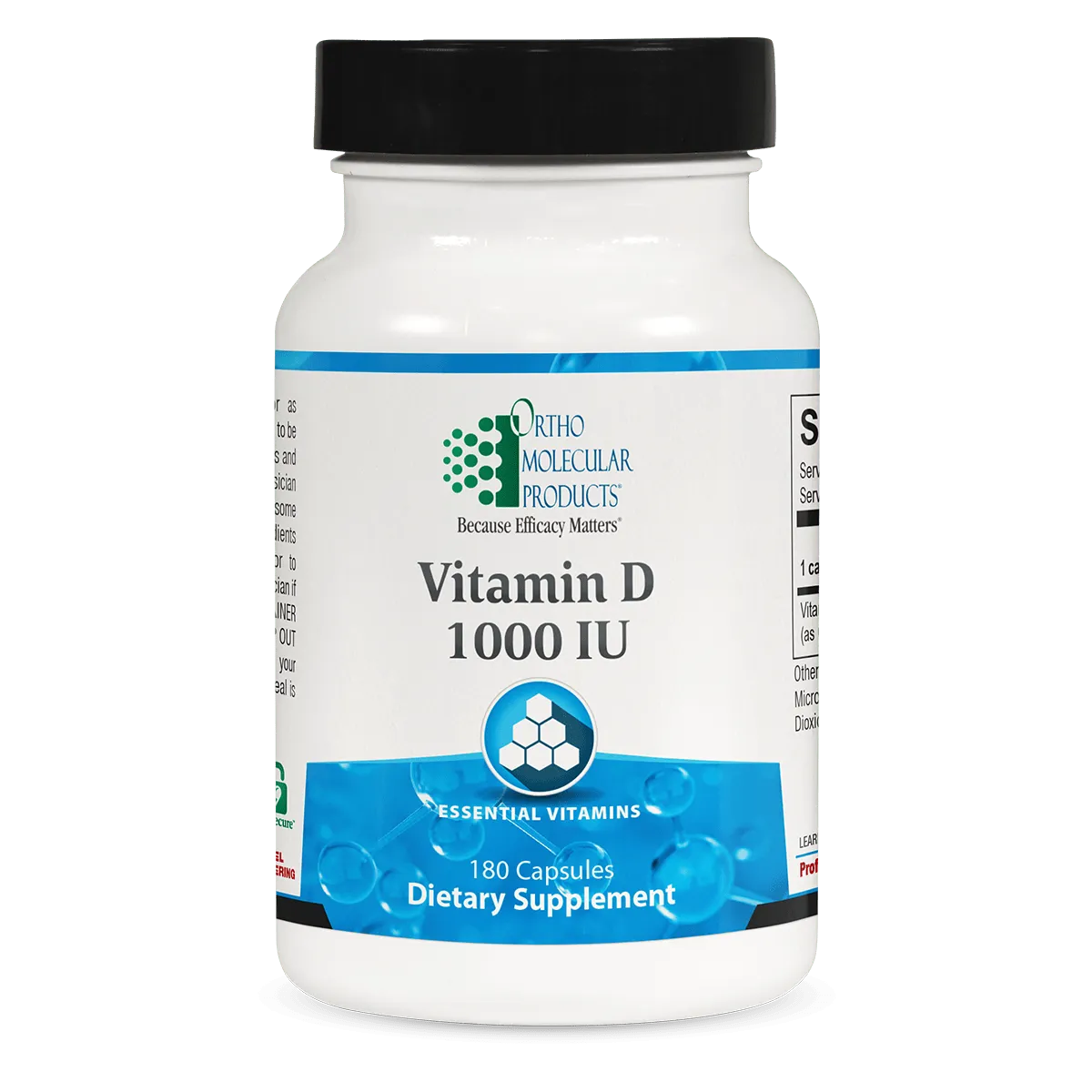
The Ortho Molecular Vitamin D formula delivers the prohormone strictly as D3 (cholecalciferol) for optimal physiological use. Its availability in 1,000 IU capsules allows patients to start with a gentle, foundational dose and titrate upward slowly, which is often necessary for individuals with highly sensitive systems or those navigating the complexities of How Can You Live with Long-Term COVID. Always consult your medical team to determine the exact dosage that aligns with your specific lab results and clinical presentation.
Follow the Science
The scientific community has rapidly accelerated its investigation into Vitamin D as a therapeutic intervention for post-viral syndromes. Throughout 2023 and 2024, multiple clinical trials have sought to quantify the exact benefits of supplementation for Long COVID patients. A direct Randomized Controlled Trial (RCT) published in July 2024 evaluated 80 patients suffering from post-COVID syndrome. The patients were randomized to receive either high-dose Vitamin D or a placebo for 8 weeks. The results were highly encouraging: the Vitamin D group showed statistically significant improvements in fatigue, anxiety, and cognitive function (brain fog) compared to the placebo group, validating its role in neuroprotection and energy restoration.
Furthermore, a comprehensive clinical review analyzing over 58 studies identified a fascinating synergistic relationship between Vitamin D and metformin, a medication recently shown to reduce the risk of Long COVID. Researchers theorize that metformin enhances the sensitivity and efficacy of the Vitamin D Receptor (VDR), suggesting that maintaining optimal Vitamin D levels is a crucial prerequisite for other Long COVID treatments to work effectively. This highlights the foundational nature of the prohormone in systemic recovery.
In the realm of ME/CFS, recent data has provided compelling evidence for aggressive Vitamin D screening and replacement. A cross-sectional study published in the European Journal of Cardiovascular Medicine assessed 100 adult patients diagnosed with CFS and found that a staggering 68% were clinically deficient, with another 22% having insufficient levels. The researchers noted a statistically significant association between the severity of the deficiency and higher fatigue severity scores, proving that lacking this nutrient directly amplifies the core symptoms of the disease.
Furthermore, a 2017 cohort study published in BMJ Open evaluated Vitamin D status in patients with ME/CFS from the North-West of England. The researchers highlighted the importance of monitoring and managing Vitamin D levels in this patient population, as deficiencies can further complicate the clinical picture and exacerbate baseline symptoms, underscoring the profound impact of correcting this specific metabolic deficit.
For patients navigating the dizzying reality of dysautonomia, the science points to Vitamin D as a key stabilizer of autonomic tone. Research published in the Annals of Noninvasive Electrocardiology tracking individuals with hidden cardiac autonomic dysfunction demonstrated that standard Vitamin D replacement successfully recovered and normalized cardiac autonomic tone, improving Heart Rate Variability (HRV).
Furthermore, case reports have detailed POTS patients who, upon correcting their active Vitamin D levels, experienced a significant reduction in standing heart rate, the eradication of post-meal gastrointestinal distress, and the resolution of palpitations. While it is not a standalone treatment, the scientific consensus is clear: establishing a robust foundation of Vitamin D3 is a non-negotiable step in rehabilitating the autonomic nervous system. If you are navigating the diagnostic process, understanding How Does a Doctor Diagnose Long COVID? and its autonomic complications often begins with these exact metabolic panels.
The Path Forward
Living with a complex chronic condition often feels like trying to build a house on shifting sand. Every time you try to establish a routine or manage a symptom, a new flare-up or unpredictable reaction knocks you off balance. It is a profoundly exhausting experience, and the grief of losing your baseline health is valid. However, understanding the deep, biochemical mechanisms of your body—such as the critical role of the Vitamin D Receptor in immune tolerance and mast cell stability—provides a map forward. It proves that your symptoms are not in your head; they are the result of measurable, physiological disruptions that can be supported and managed.
Vitamin D3 is not a quick fix for Long COVID, ME/CFS, dysautonomia, or MCAS. But it is a foundational pillar of cellular health. By providing your immune system with the prohormone it needs to synthesize calcitriol, you are giving your body the raw materials required to calm inflammation, stabilize hyperactive mast cells, and restore autonomic balance. Supplementation is one vital piece of a comprehensive management strategy that should also include aggressive pacing, symptom tracking, nervous system regulation, and compassionate medical care.
Disclaimer: The information provided in this blog is for educational purposes only and is not intended as a substitute for professional medical advice, diagnosis, or treatment. Always seek the advice of your physician or other qualified health provider with any questions you may have regarding a medical condition or before starting any new supplement regimen, especially if you have a history of hypercalcemia or kidney issues.
Sources
Vitamin D Deficiency and Long COVID Risk: A 2024 Observational Study
American Heart Association: Vitamin D Deficiency in POTS Patients
Suppression of Th1/Th17 Cells and Promotion of Tregs by Calcitriol
Allergy Journal: Vitamin D Contributes to Mast Cell Stabilization
High-Dose Vitamin D for Post-COVID Syndrome Fatigue: A Randomized Controlled Trial
Clinical Review: Vitamin D, Metformin, and Long COVID Interplay
European Journal of Cardiovascular Medicine: Vitamin D Deficiency in CFS
Open-Label RCT on Vitamin D Replacement Therapy in Post-Viral ME/CFS