Can Vitamin D3 Support Immune and Autonomic Function in Long COVID and POTS?
March 6, 2026
Vitamin D3Long COVIDPOTS
Share:
Disclaimer: The information provided here is for educational purposes only and is not intended as medical advice. It should not be used to diagnose, treat, cure, or prevent any medical condition. Instead, use it as a starting point for discussion with your healthcare provider. Always consult with a qualified healthcare provider before starting any new medication, supplement, device, or making changes to your health regimen.
Months after recovering from an initial viral infection, many people find themselves fighting a complex web of debilitating symptoms—profound fatigue, racing heart rates, unpredictable allergic reactions, and cognitive dysfunction. If you are living with Long COVID, myalgic encephalomyelitis/chronic fatigue syndrome (ME/CFS), dysautonomia, or mast cell activation syndrome (MCAS), you are likely intimately familiar with the frustration of seeking answers for these invisible, systemic issues. While the medical community continues to unravel the intricate pathophysiology of these conditions, one critical piece of the biological puzzle consistently emerges in clinical research: the profound impact of severe nutrient deficiencies on immune and autonomic regulation.
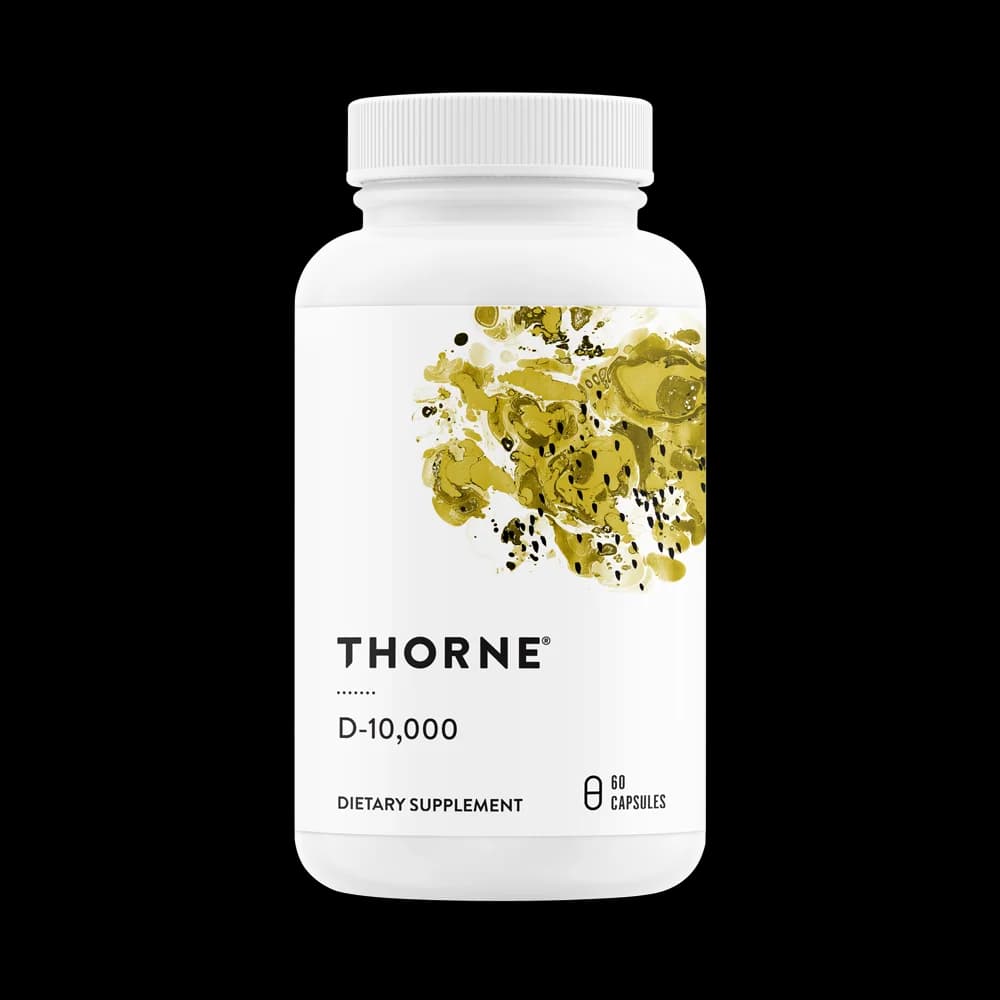
Among these crucial nutrients, Vitamin D stands out not merely as a vitamin, but as a potent neuroactive prohormone that governs hundreds of genetic pathways throughout the body. In the wake of the COVID-19 pandemic, researchers have discovered that Vitamin D deficiency is exceptionally prevalent among individuals with post-viral syndromes. This deficiency acts as a persistent physiological stressor, sustaining the vicious cycles of chronic inflammation, mast cell hyper-reactivity, and autonomic nervous system dysfunction. Understanding how high-quality supplementation, such as Thorne Vitamin D-10,000, interacts with your cells at a molecular level can empower you to make informed decisions about your comprehensive management strategy.
TL;DR
Vitamin D3 acts as a prohormone, supporting immune regulation and autonomic balance in complex chronic illnesses.
It helps stabilize hyper-reactive mast cells, potentially reducing histamine overload and allergic-type flares.
Always take Vitamin D3 with a fat-containing meal and co-supplement with magnesium for optimal absorption.
High-dose supplementation requires medical supervision and regular blood testing to ensure safety and prevent toxicity.
What is Vitamin D3?
More Than Just a Vitamin: The Prohormone Reality
To truly understand the therapeutic potential of Vitamin D3 (cholecalciferol), we must first reframe how we view it. Despite its name, Vitamin D is not a traditional vitamin; it is a highly complex, fat-soluble prohormone that plays a foundational role in human biology. In a healthy body, when ultraviolet B (UVB) radiation from sunlight strikes the skin, it converts a cholesterol derivative into Vitamin D3. However, this initial form is biologically inactive. To become functional, it must undergo two distinct enzymatic conversions, known as hydroxylations. The first occurs in the liver, where the enzyme CYP2R1 converts it into 25-hydroxyvitamin D [25(OH)D], the primary circulating storage form that doctors measure in standard blood tests. The second conversion primarily takes place in the kidneys, where the enzyme CYP27B1 transforms it into 1,25-dihydroxyvitamin D [1,25(OH)2D3], also known as calcitriol, the highly active, hormone form of the nutrient.
Once converted into calcitriol, Vitamin D functions as a master genetic regulator. It exerts its effects by binding to the Vitamin D Receptor (VDR), a specialized nuclear receptor present in almost every tissue in the human body, including the brain, heart, muscles, and immune cells. When calcitriol binds to the VDR, the receptor forms a complex with the Retinoid X Receptor (RXR). This powerful VDR-RXR complex then travels directly into the nucleus of the cell, where it binds to specific sequences of DNA known as Vitamin D Response Elements (VDREs). By interacting with these genetic sequences, Vitamin D can upregulate or downregulate the expression of over 1,000 different genes, controlling everything from calcium transport and bone mineralization to cellular proliferation and inflammatory signaling.
The Vitamin D Receptor (VDR) and Cellular Signaling
One of the most fascinating discoveries in modern immunology is that immune cells—such as macrophages, dendritic cells, and T cells—do not have to rely solely on the kidneys to supply them with active Vitamin D. These immune cells possess their own supply of the CYP27B1 enzyme, allowing them to locally convert circulating 25(OH)D into active calcitriol right where it is needed. This localized, "intracrine" signaling means that when a macrophage encounters a pathogen, it can immediately synthesize its own active Vitamin D to trigger an immune defense. This localized production is entirely driven by immune signals, such as cytokines and Toll-like receptor activation, rather than the endocrine signals that regulate bone health. This mechanism highlights why maintaining adequate circulating levels of the storage form of Vitamin D is so critical; without it, immune cells lack the raw materials necessary to mount a localized, controlled response to physiological threats.
At the cellular level, this localized VDR activation acts as a sophisticated communication network. For example, when the VDR is activated in a macrophage, it strongly suppresses the NF-κB signaling pathway. NF-κB is a primary transcription factor responsible for initiating the cascade of pro-inflammatory cytokines, including Interleukin-6 (IL-6), Interleukin-1 beta (IL-1β), and Tumor Necrosis Factor-alpha (TNF-α). By inhibiting NF-κB, Vitamin D effectively acts as a molecular brake, preventing the immune system from spiraling into the state of chronic, hyper-inflammatory overdrive that is so frequently observed in complex chronic illnesses. This braking mechanism is essential for preventing the immune system from causing collateral damage to the body's own tissues during and after an infection.
Balancing Innate and Adaptive Immunity
Vitamin D's brilliance lies in its dual ability to simultaneously enhance the innate immune system while regulating the adaptive immune system. The innate immune system is the body's first line of defense. When activated by Vitamin D, macrophages produce potent antimicrobial peptides, specifically cathelicidin (LL-37) and beta-defensin 4 (DEFB4). These peptides act like natural antibiotics, physically disrupting the cell membranes of invading bacterial and viral pathogens. Furthermore, Vitamin D induces a process called autophagy, allowing immune cells to efficiently engulf, digest, and clear out intracellular debris and pathogens, which is vital for cellular cleanup and recovery.
Conversely, Vitamin D acts as a crucial suppressor of the adaptive immune system, which is responsible for long-term, targeted immune responses (and, when dysfunctional, autoimmune reactions). Calcitriol directly suppresses the proliferation of inflammatory T-helper 1 (Th1) and Th17 cells, which are heavily implicated in autoimmune tissue damage. Simultaneously, it actively promotes the differentiation of naive T cells into Regulatory T cells (Tregs). Tregs are the peacekeepers of the immune system; they secrete anti-inflammatory cytokines like IL-10 and are entirely responsible for maintaining immune tolerance to the body's own tissues. By shifting the balance away from aggressive Th1/Th17 cells and toward calming Treg cells, Vitamin D plays an indispensable role in preventing the immune system from attacking the host, a mechanism that is deeply relevant to post-viral autoimmune manifestations.
How Complex Chronic Illness Impacts Vitamin D Pathways
The Post-Viral Depletion Cycle in Long COVID and ME/CFS
The onset of complex chronic illnesses like Long COVID and myalgic encephalomyelitis/chronic fatigue syndrome (ME/CFS) is frequently triggered by a severe viral infection that sends the immune system into a state of prolonged dysregulation. During the acute phase of an infection, the body rapidly consumes its available stores of Vitamin D to fuel the production of antimicrobial peptides and to regulate the intense inflammatory response. If these stores are not adequately replenished, the patient enters the post-viral phase in a state of severe depletion. This deficiency creates a vicious cycle: without sufficient Vitamin D to activate the VDR and suppress the NF-κB pathway, the immune system remains locked in a pro-inflammatory state. This persistent inflammation drives the debilitating symptoms of ME/CFS and Long COVID, including severe post-exertional malaise (PEM), profound neuroinflammation, and the cognitive impairment commonly known as brain fog.
Furthermore, chronic inflammation inherently disrupts the body's ability to utilize the nutrients it does have. Inflammatory cytokines can alter the expression of the enzymes responsible for Vitamin D metabolism, effectively blunting the conversion of the storage form into the active hormone form. This means that even if a patient with Long COVID manages to get some sun exposure, their inflamed system may struggle to synthesize and utilize the resulting Vitamin D efficiently. This metabolic blockade exacerbates the cellular energy crisis seen in ME/CFS, where mitochondrial dysfunction prevents cells from generating adequate adenosine triphosphate (ATP). Because Vitamin D is essential for maintaining mitochondrial health and preventing excessive oxidative stress, its depletion directly contributes to the profound, unyielding fatigue that characterizes these conditions.
Autonomic Dysfunction and the POTS Connection
Dysautonomia, and specifically postural orthostatic tachycardia syndrome (POTS), represents a severe malfunction of the autonomic nervous system, which controls involuntary bodily functions like heart rate, blood pressure, and digestion. Recent large-scale demographic surveys, including those conducted by Dysautonomia International, have revealed that Vitamin D deficiency is one of the most common comorbidities in the POTS population, affecting up to 60% of patients. The autonomic nervous system relies heavily on Vitamin D receptors, which are densely distributed throughout the central nervous system, including in the hypothalamus and the vagus nerve. When Vitamin D levels plummet, the delicate balance between the sympathetic ("fight or flight") and parasympathetic ("rest and digest") branches of the nervous system is shattered, leaving the patient stuck in a state of chronic sympathetic overdrive.
This autonomic imbalance has direct, devastating effects on cardiovascular hemodynamics. In a healthy individual, standing up triggers a coordinated constriction of blood vessels to push blood upward against gravity and into the brain. In POTS, this mechanism fails, leading to blood pooling in the lower extremities, a compensatory, rapid spike in heart rate (tachycardia), and severe lightheadedness. Vitamin D is crucial for maintaining the endothelial health of blood vessels and regulating the renin-angiotensin-aldosterone system (RAAS), which controls blood volume and vascular tone. A deficiency in Vitamin D directly impairs the body's ability to regulate blood pressure and constrict blood vessels upon standing, severely worsening the orthostatic intolerance that makes daily tasks so challenging for POTS patients.
Mast Cell Hyperactivity and Histamine Overload
Mast cell activation syndrome (MCAS) frequently co-occurs with Long COVID, ME/CFS, and POTS, creating a triad of interconnected systemic dysfunction. Mast cells are the immune system's first responders, packed with granules containing histamine, leukotrienes, and inflammatory cytokines. In a healthy state, they release these chemicals only in response to a genuine threat, like a parasite or a severe allergen. However, in MCAS, these cells become highly unstable and hyper-reactive, degranulating inappropriately in response to minor triggers like temperature changes, specific foods, or even emotional stress. This constant flood of histamine causes widespread symptoms, ranging from hives and gastrointestinal distress to severe neurological inflammation and sudden drops in blood pressure.
The link between MCAS and Vitamin D deficiency is profound. Mast cells are heavily populated with Vitamin D Receptors (VDRs). Clinical research has demonstrated that in a Vitamin D-deficient environment, mast cells lose their regulatory brake and begin to activate spontaneously, even in the absence of an external trigger. Without the stabilizing presence of the calcitriol-VDR complex, the intracellular signaling pathways within the mast cell become highly volatile. This spontaneous degranulation floods the system with histamine, which in turn exacerbates autonomic dysfunction by causing vasodilation (widening of the blood vessels), further complicating the blood pooling and tachycardia seen in POTS. Thus, Vitamin D deficiency acts as a primary driver of the interconnected symptom web experienced by patients with these complex chronic conditions.
Vitamin D3: Supporting Immune, Autonomic, and Cellular Function
Stabilizing Mast Cells at the Molecular Level
When navigating the unpredictable and often frightening symptoms of mast cell activation syndrome (MCAS), finding ways to stabilize hyper-reactive immune cells is paramount. Supplementation with high-quality Vitamin D3, such as Thorne Vitamin D-10,000, offers a targeted, mechanistic approach to calming this volatility. At the molecular level, when the active form of Vitamin D binds to the VDR on the surface and inside the mast cell, it initiates a powerful inhibitory cascade. The VDR complex physically interacts with the Lyn tyrosine kinase protein, a critical signaling molecule involved in the inflammatory response. By binding to Lyn, Vitamin D disrupts the downstream phosphorylation of Syk and the activation of the MAPK pathway, effectively short-circuiting the mast cell's ability to degranulate and release its inflammatory payload.
This stabilization process has profound clinical implications for patients dealing with severe histamine intolerance and allergic-type reactions. Studies have shown that adequate Vitamin D3 profoundly suppresses IgE-dependent mast cell activation, which is the primary pathway involved in classic allergic responses. By downregulating the gene expression required to produce Tumor Necrosis Factor-alpha (TNF-α), Vitamin D ensures that even if a mast cell is triggered, the resulting inflammatory explosion is significantly dampened. Furthermore, long-term exposure to optimal Vitamin D levels has been shown to induce apoptosis (programmed cell death) in chronically overactive mast cells, helping to reduce the overall systemic burden of these hyper-reactive immune defenders and providing much-needed relief from constant systemic flares.
Modulating the Immune Response: The Th1 to Th2 Shift
For individuals living with Long COVID and ME/CFS, the immune system is often trapped in a destructive, pro-inflammatory loop. Vitamin D3 supplementation acts as a vital immunomodulator, helping to guide the immune system back toward a state of homeostasis. One of its most critical functions is facilitating the shift from a Th1-dominant immune response to a Th2-dominant response. Th1 cells are responsible for aggressive, cell-mediated immunity and produce highly inflammatory cytokines like Interferon-gamma (IFN-γ). While necessary for fighting acute infections, a prolonged Th1 response drives the chronic tissue inflammation and neuroinflammation seen in post-viral syndromes. Vitamin D actively suppresses Th1 proliferation while simultaneously boosting the production of Th2 cells, which secrete calming, anti-inflammatory cytokines like IL-4 and IL-10.
This immunomodulatory shift is essential for protecting the body from the autoimmune-like manifestations frequently observed in Long COVID. By promoting the development of Regulatory T cells (Tregs), Vitamin D helps restore immune tolerance, teaching the immune system to stop attacking the body's own tissues, including the delicate endothelial lining of the blood vessels and the myelin sheaths protecting the nerves. This reduction in systemic inflammation is a critical step in alleviating the profound, neuroimmune fatigue and cognitive dysfunction that keep so many patients bedbound or housebound. By lowering the overall inflammatory burden, Vitamin D helps conserve cellular energy, allowing the mitochondria to begin the slow process of repairing and restoring normal ATP production.
Restoring Autonomic Balance and Cardiovascular Tone
Addressing the debilitating orthostatic intolerance of POTS and dysautonomia requires interventions that support both neurological and cardiovascular health. Vitamin D3 plays a multifaceted role in restoring this autonomic balance. Within the brain, Vitamin D acts as a neuro-modulator, supporting the synthesis of critical neurotransmitters and neurotrophic factors that help regulate the balance between the sympathetic and parasympathetic nervous systems. By reducing neuroinflammation in the brainstem and hypothalamus—areas critical for autonomic control—Vitamin D helps quiet the chronic sympathetic overdrive that causes the racing heart rates, adrenaline dumps, and severe anxiety-like physical sensations experienced by POTS patients.
On a cardiovascular level, Vitamin D is essential for maintaining the structural integrity and responsiveness of the blood vessels. It regulates the renin-angiotensin-aldosterone system (RAAS), which is responsible for managing blood volume and vascular resistance. In POTS, the inability to properly constrict blood vessels upon standing leads to cerebral hypoperfusion (lack of blood flow to the brain). Vitamin D supports endothelial function, improving the blood vessels' ability to contract efficiently when you change positions. Furthermore, by stabilizing mast cells and reducing the release of vasodilating histamine, Vitamin D prevents the inappropriate widening of blood vessels, helping to maintain adequate blood pressure and reducing the severity of lightheadedness and pre-syncope (near-fainting) episodes.
Enhancing Calcium Absorption and Musculoskeletal Integrity
While its immune and autonomic roles are critical, we cannot overlook Vitamin D's classical, essential function: the regulation of calcium and phosphorus metabolism for musculoskeletal health. In the intestinal tract, active Vitamin D is absolutely required for the absorption of dietary calcium. Without adequate Vitamin D, the body can only absorb about 10-15% of the calcium consumed in the diet. This is particularly concerning for patients with chronic illnesses who may have limited diets, malabsorption issues due to gut dysbiosis, or who are largely housebound and lack sun exposure. Thorne Vitamin D-10,000 provides a potent dose to ensure that the calcium transport proteins in the gut are fully activated, maximizing the absorption of this vital mineral.
This enhanced calcium absorption is crucial for helping to reduce the risk of bone demineralization and osteoporosis that can occur when patients are forced into prolonged periods of inactivity or bed rest due to severe ME/CFS or Long COVID crashes. Furthermore, Vitamin D is deeply involved in muscle protein synthesis and the maintenance of fast-twitch muscle fibers. A deficiency in Vitamin D is a well-documented cause of profound muscle weakness, deep bone pain, and myopathy. By restoring optimal Vitamin D levels, patients can support their muscle strength and function, which is a vital component of maintaining physical resilience and learning how to maintain your independence with chronic illness.

Symptoms Vitamin D3 May Help Manage
Targeting the Core Manifestations of Chronic Illness
Because Vitamin D receptors are ubiquitous throughout the body, optimizing your levels can have a widespread, positive impact on a variety of systemic symptoms. While supplementation is not a cure, it is a foundational tool that may help manage the following specific manifestations of Long COVID, ME/CFS, POTS, and MCAS:
Orthostatic Intolerance and Dizziness: By supporting endothelial function, regulating the RAAS pathway, and reducing histamine-induced vasodilation, Vitamin D helps improve the blood vessels' ability to constrict upon standing, reducing the severity of lightheadedness and blood pooling in POTS.
Unpredictable Allergic Reactions and Hives: By binding to the VDR on mast cells and disrupting the Lyn tyrosine kinase signaling pathway, Vitamin D acts as a molecular brake, preventing spontaneous degranulation and reducing the systemic histamine overload characteristic of MCAS.
Profound Muscle Weakness and Bone Pain: Vitamin D is essential for intestinal calcium absorption and muscle protein synthesis. Correcting a deficiency can alleviate the deep, aching bone pain and myopathy that frequently accompany chronic, fatiguing illnesses.
Cognitive Dysfunction (Brain Fog): By suppressing the NF-κB pathway and reducing the production of pro-inflammatory cytokines like IL-6 and TNF-α, Vitamin D helps lower neuroinflammation in the central nervous system, which is a primary driver of confusion, memory loss, and poor concentration.
Post-Exertional Malaise (PEM) Vulnerability: While pacing remains the primary management tool for PEM, Vitamin D supports mitochondrial health by reducing oxidative stress and shifting the immune system away from energy-draining Th1 inflammation, potentially improving the cellular energy baseline.
Frequent Viral Infections: By upregulating the production of antimicrobial peptides like cathelicidin in macrophages, Vitamin D enhances the innate immune system's ability to clear opportunistic pathogens, providing crucial defense for patients with dysregulated immunity.
Practical Considerations: Forms, Dosing, and Absorption
The Crucial Role of Dietary Fat in Bioavailability
When incorporating a high-dose supplement like Thorne Vitamin D-10,000 into your protocol, understanding the mechanics of bioavailability is just as important as the dosage itself. Vitamin D3 (cholecalciferol) is a fat-soluble molecule. When ingested, it does not simply dissolve in the watery environment of the stomach. Instead, it must be dissolved in dietary lipids, emulsified by bile salts secreted by the gallbladder, and incorporated into tiny droplets called micelles before it can be absorbed across the intestinal wall and transported to the liver. Because of this complex physiological requirement, the presence of dietary fat in your stomach at the time of supplementation heavily dictates how much of the prohormone actually reaches your bloodstream.
Clinical research has definitively proven that taking Vitamin D on an empty stomach drastically reduces its efficacy. A landmark study by Dawson-Hughes et al. demonstrated that plasma Vitamin D3 levels were 32% higher when the supplement was taken with a meal containing roughly 30% of its calories from fat, compared to a fat-free meal. Interestingly, the type of fat (monounsaturated versus polyunsaturated) did not significantly alter absorption—only the presence of fat mattered. To optimize the absorption of your Thorne Vitamin D supplement, it is highly recommended to take your capsule with the largest meal of the day, or at least with a snack containing roughly 10 to 15 grams of healthy fats, such as half an avocado, a handful of nuts, or eggs. This ensures the necessary bile release and micelle formation for maximum bioavailability.
Magnesium: The Essential "Ignition Key" for Activation
Perhaps the most critical, yet frequently overlooked, aspect of Vitamin D supplementation is its absolute interdependency with magnesium. You can consume massive amounts of Vitamin D3, but without adequate magnesium, it will remain biologically inert in your bloodstream. Research published in the American Journal of Clinical Nutrition concluded that 100% of the enzymes responsible for metabolizing Vitamin D require magnesium as a cofactor. This includes the hepatic enzyme CYP2R1, which creates the storage form, and the renal enzyme CYP27B1, which creates the active hormone form. Furthermore, the Vitamin D Receptors (VDRs) on your cells cannot properly bind to active Vitamin D without magnesium present.
This interdependency creates a significant clinical challenge for patients with chronic illness, as magnesium deficiency is incredibly common in conditions like dysautonomia and ME/CFS. If you introduce a high dose of Vitamin D3 into a magnesium-deficient system, the body will rapidly consume whatever trace amounts of magnesium are left to try and process the new prohormone. This can lead to a severe, functional magnesium depletion, triggering an exacerbation of dysautonomia symptoms, including severe heart palpitations, muscle cramps, and increased anxiety. Therefore, it is imperative to ensure you are co-supplementing with a highly bioavailable form of magnesium (such as magnesium glycinate or malate) when undertaking high-dose Vitamin D therapy, acting as the necessary "ignition key" to unlock its therapeutic benefits.
Understanding the 10,000 IU Dose and Safety Parameters
Thorne Vitamin D-10,000 provides a potent, therapeutic dose of 10,000 International Units (IU) per capsule. It is crucial to understand that this is considered a high-dose intervention, significantly above the National Institutes of Health's Tolerable Upper Intake Level of 4,000 IU per day for general maintenance. A 10,000 IU dose is typically utilized in clinical practice as a "loading dose"—a short-term strategy (usually spanning 6 to 10 weeks) designed to rapidly correct a documented, severe Vitamin D deficiency. It is highly effective for pulling patients out of the dangerous, depleted state that drives mast cell instability and autonomic dysfunction. However, it is generally not intended for unmonitored, long-term daily use over several years.
The primary safety concern with prolonged, unmonitored high-dose Vitamin D supplementation is the risk of toxicity, which manifests as hypercalcemia—a dangerous buildup of calcium in the blood. Because Vitamin D radically increases intestinal calcium absorption, an overdose strips the body of its ability to regulate serum calcium. Severe hypercalcemia can lead to the deposition of calcium into soft tissues and blood vessels, potentially causing recurrent kidney stones, vascular calcification, and permanent renal damage. Symptoms of toxicity include profound nausea, excessive thirst, frequent urination, and severe confusion. Furthermore, certain individuals possess genetic mutations in the CYP24A1 gene, which impairs their ability to break down active Vitamin D, making them highly susceptible to toxicity even at lower doses. Therefore, the use of a 10,000 IU supplement must always be guided by regular blood testing (monitoring both 25(OH)D and serum calcium levels) under the strict supervision of a qualified healthcare practitioner.

Follow the Science
Clinical Evidence in Long COVID and POTS
The intersection of Vitamin D deficiency and post-viral autonomic dysfunction is supported by a robust and growing body of clinical literature. A pivotal presentation at the 2023 European Congress of Endocrinology detailed the findings of the Milan Long COVID Study, which examined hospitalized COVID-19 patients six months post-discharge. The researchers discovered that patients who developed Long COVID had significantly lower 25(OH) Vitamin D levels compared to those who achieved full recovery. Notably, this severe deficiency was most pronounced in the subset of patients experiencing profound neurocognitive symptoms, validating the link between low Vitamin D, neuroinflammation, and the debilitating brain fog that plagues so many survivors.
In the realm of dysautonomia, the data is equally compelling. A landmark clinical data review presented in the journal Circulation assessed the Vitamin D status of 180 randomly selected patients with Postural Orthostatic Tachycardia Syndrome (POTS). The findings were stark: over 56% of the POTS patients were overtly deficient (with levels below 20 ng/mL), and an additional subset was insufficient. This data aligns perfectly with the massive demographic surveys conducted by Dysautonomia International, which consistently rank Vitamin D deficiency as a top comorbidity in the POTS population. These clinical observations underscore why correcting this specific nutritional deficit is viewed by specialists as a foundational, low-risk, high-reward intervention for improving orthostatic tolerance and autonomic stability.
Validating the Mechanisms of Mast Cell Stabilization
The therapeutic application of Vitamin D for mast cell activation syndrome (MCAS) is grounded in precise, molecular-level research. A landmark 2017 study published in the journal Allergy by Liu et al. provided definitive proof that Vitamin D contributes directly to mast cell stabilization. The researchers meticulously mapped the intracellular mechanisms, demonstrating that in a Vitamin D-deficient environment, mast cells activate spontaneously. They proved that the Vitamin D Receptor (VDR) forms a complex with the Lyn tyrosine kinase protein, actively repressing the inflammatory cascade and significantly reducing the expression of the highly inflammatory cytokine TNF-alpha. This study provided the vital biological mechanism explaining why MCAS patients experience heightened reactivity when their Vitamin D levels drop.
The Synergy of Co-factors in Clinical Trials
Modern nutritional science emphasizes that nutrients do not operate in isolation, a fact clearly demonstrated in clinical trials examining Vitamin D's co-factors. A major 2018 randomized controlled trial by Dai et al., published in the American Journal of Clinical Nutrition, investigated the critical interaction between magnesium supplementation and Vitamin D status. The researchers found that personalized magnesium supplementation successfully raised 25(OH)D levels in people whose baseline levels were deficient. Fascinatingly, it also helped lower 25(OH)D levels in individuals whose levels were excessively high. This trial definitively proved that magnesium acts as a vital regulatory cofactor, required both to synthesize active Vitamin D when the body needs it and to degrade it when levels become dangerously elevated, highlighting the absolute necessity of co-supplementation for safety and efficacy.
The Path Forward
A Validating Approach to Recovery
Living with the unpredictable, systemic symptoms of Long COVID, ME/CFS, dysautonomia, or MCAS is an exhausting and often isolating experience. The profound fatigue, the racing heart rates upon standing, and the sudden, unexplained allergic flares are not manifestations of anxiety or deconditioning; they are the result of measurable, physiological dysregulation at the cellular and autonomic levels. Understanding the intricate biological mechanisms behind your symptoms—such as the loss of the Vitamin D regulatory brake on your mast cells, or the autonomic imbalance driven by neuroinflammation—is a crucial step in validating your experience. You are dealing with complex, multi-system illnesses, and it is entirely understandable that managing them requires immense patience, resilience, and targeted biological support.
Integrating Supplementation with Comprehensive Care
While correcting a severe deficiency with a high-quality product like Thorne Vitamin D-10,000 can provide vital support for your immune and autonomic systems, it is important to remember that supplements are just one piece of a much larger management puzzle. True stabilization requires a comprehensive, multidisciplinary approach. This includes meticulous symptom tracking, strict adherence to pacing to avoid post-exertional malaise (PEM), optimizing your hydration and sodium intake for blood volume support, and working closely with specialists who understand the nuances of neuroimmune conditions. Even during stressful times, such as surviving the holidays with a chronic illness, maintaining your nutritional baselines can provide the cellular resilience needed to navigate physical and emotional stressors.
As you build your personalized management toolkit, always prioritize safety and medical oversight. Because Thorne Vitamin D-10,000 provides a potent, therapeutic loading dose, it is imperative that you consult with your healthcare provider to test your baseline 25(OH)D and calcium levels before beginning supplementation, and to establish a schedule for ongoing monitoring to prevent toxicity. By combining targeted, science-backed nutritional support with comprehensive lifestyle management and expert medical guidance, you can take meaningful steps toward stabilizing your symptoms and improving your quality of life.
Sources
References
Adams JS, et al. Vitamin D and the Immune System. J Investig Med. 2011.
Liu ZQ, et al. Vitamin D contributes to mast cell stabilization. Allergy. 2017.
Dawson-Hughes B, et al. Dietary fat increases vitamin D-3 absorption. J Acad Nutr Diet. 2015.
Hewison M. Vitamin D and immune function: an overview. Proc Nutr Soc. 2012.
Bishop EL, et al. Molecular Mechanisms of Vitamin D-Mediated Immunomodulation. Front Immunol. 2020.