Can Vitamin D3 Support Immune and Autonomic Balance in Long COVID and ME/CFS?
March 6, 2026
Vitamin D3Long COVIDME/CFS
Share:
Disclaimer: The information provided here is for educational purposes only and is not intended as medical advice. It should not be used to diagnose, treat, cure, or prevent any medical condition. Instead, use it as a starting point for discussion with your healthcare provider. Always consult with a qualified healthcare provider before starting any new medication, supplement, device, or making changes to your health regimen.
Living with a complex chronic condition often feels like navigating a maze in the dark. Whether you are battling the unpredictable crashes of myalgic encephalomyelitis/chronic fatigue syndrome (ME/CFS), the dizzying heart rate spikes of postural orthostatic tachycardia syndrome (POTS), the systemic allergic reactions of mast cell activation syndrome (MCAS), or the lingering, multi-systemic grip of Long COVID, the daily reality is exhausting. You are likely frustrated by a lack of clear medical answers, dealing with debilitating symptoms like brain fog and severe fatigue, and searching for validating, science-backed strategies to regain some semblance of control over your body.
In the quest to manage these invisible illnesses, we often look for foundational biological puzzle pieces that might be missing or depleted. One of the most critical, yet frequently overlooked, pieces is Vitamin D. While traditionally known simply as the "bone vitamin," modern neuro-immune research has revealed that Vitamin D is actually a potent master hormone that dictates immune balance, autonomic nervous system function, and cellular energy. In this comprehensive guide, we will explore the intricate science behind Vitamin D3, how chronic illness disrupts its pathways, and why ensuring optimal levels with a clean supplement like Thorne’s Vitamin D-1,000 might be a vital step in your management strategy.
TL;DR
Vitamin D3 acts as a master hormone, supporting immune balance and cellular energy in chronic conditions.
Chronic inflammation and gut issues can deplete Vitamin D, worsening symptoms like fatigue and brain fog.
Supplementing with a clean, highly absorbable Vitamin D3 may help manage MCAS, POTS, and Long COVID symptoms.
Always pair Vitamin D3 with cofactors like magnesium and Vitamin K2 for optimal absorption and safety.
What is Vitamin D3?
The "Sunshine Hormone" and Its True Nature
Despite its name, Vitamin D is not actually a vitamin in the traditional sense; it is a powerful, fat-soluble secosteroid hormone that plays a foundational role in human biology. In a healthy body, Vitamin D is primarily synthesized in the skin upon exposure to ultraviolet B (UVB) radiation from sunlight, which converts a cholesterol derivative into vitamin D3 (cholecalciferol). From there, it embarks on a complex metabolic journey, traveling first to the liver to be converted into 25-hydroxyvitamin D [25(OH)D], the primary circulating storage form. Finally, it moves to the kidneys, where it is converted into its biologically active, hormone form known as 1,25-dihydroxyvitamin D, or calcitriol. This active hormone is responsible for maintaining calcium homeostasis, which is why it is so famous for supporting healthy teeth and bones.
However, the story of Vitamin D extends far beyond skeletal health. Over the last few decades, extensive research into its cellular mechanisms has revealed its equally critical role as a potent immunomodulator and neuro-steroid. Almost every tissue and cell type in the human body—including immune cells, brain tissue, and vascular endothelium—possesses receptors for this hormone, indicating its vast systemic influence. When we conceptualize Vitamin D as a master regulatory hormone rather than just a simple nutrient, its profound impact on complex, multi-systemic conditions begins to make biological sense.
The Intracellular Journey: CYP27B1 and VDR Activation
To truly understand how Vitamin D functions at a molecular level, we must look at how it interacts with individual cells, particularly within the immune system. While the kidneys are the primary site for creating the active hormone for systemic circulation, immune cells such as macrophages, monocytes, and dendritic cells possess their own localized machinery. These cells express an enzyme called 1α-hydroxylase (CYP27B1), which allows them to locally convert circulating, inactive Vitamin D directly into active calcitriol right where it is needed. This localized conversion is a brilliant evolutionary mechanism that allows the immune system to arm itself on demand without waiting for systemic hormonal shifts.
Once activated locally, calcitriol binds to the Vitamin D Receptor (VDR), a nuclear transcription factor found in the cytoplasm of almost all immune cells. The binding of the hormone to the receptor creates a specialized complex that physically translocates into the cell's nucleus. Inside the nucleus, this complex pairs up with another receptor called the Retinoid X Receptor (RXR). Together, the VDR-RXR complex binds to specific sequences of DNA known as Vitamin D Response Elements (VDREs), acting as a genetic switch that can turn cellular processes on or off.
Gene Transcription and Systemic Homeostasis
The binding of the VDR-RXR complex to the DNA is not a minor cellular event; it is a massive regulatory action. Studies have shown that this complex directly upregulates or suppresses the expression of over 900 different genes involved in immune regulation, cell proliferation, and apoptosis (programmed cell death). By controlling this vast array of genetic instructions, Vitamin D essentially dictates the behavior of the immune system, telling it when to aggressively attack invading pathogens and when to stand down to help reduce the risk of autoimmune damage to the body's own tissues.
Furthermore, this genetic regulation extends to the cardiovascular and nervous systems. Vitamin D influences the expression of genes that control the biosynthesis of neurotransmitters, the integrity of the blood-brain barrier, and the regulation of blood pressure. In a healthy individual, adequate Vitamin D levels ensure that these complex physiological systems remain in a state of dynamic homeostasis, capable of responding to stressors without spiraling into chronic dysfunction. When this master hormone is depleted, the genetic instructions become garbled, setting the stage for systemic illness.
How Complex Chronic Illness Impacts Vitamin D Pathways
The Vicious Cycle of Inflammation and Depletion
In complex chronic illnesses like Long COVID, ME/CFS, and dysautonomia, the body is often locked in a state of chronic, systemic inflammation. This persistent inflammatory state wreaks havoc on the body's nutritional reserves, particularly its stores of Vitamin D. When the immune system is constantly activated—fighting off persistent viral reservoirs or reacting to environmental triggers—immune cells rapidly consume circulating 25(OH)D to produce the active calcitriol needed for their localized defense mechanisms. This high metabolic demand quickly depletes the body's storage of the vitamin, creating a vicious cycle where the very nutrient needed to calm the inflammation is exhausted by the inflammatory process itself.
As Vitamin D levels plummet, the immune system loses its master regulator. Without adequate calcitriol to bind to the Vitamin D Receptors (VDRs), the immune response becomes increasingly skewed toward a pro-inflammatory state. Research into neuro-immune conditions demonstrates that this depletion allows pro-inflammatory T-cells (Th1 and Th17) to proliferate unchecked, flooding the body with inflammatory cytokines like IL-6 and TNF-α. This unchecked inflammation exacerbates the debilitating symptoms of chronic illness, such as severe fatigue, cognitive dysfunction, and widespread pain, while further driving down the remaining reserves of Vitamin D.
Viral Persistence and Receptor Downregulation
The pathophysiology of Long COVID and ME/CFS frequently involves the persistence of viral fragments or the reactivation of latent viruses, such as the Epstein-Barr Virus (EBV). These pathogens have evolved sophisticated mechanisms to evade the immune system, and one of their primary targets is the Vitamin D pathway. While SARS-CoV-2 infection may actively downregulate the expression of Vitamin D Receptors (VDRs) on host cells, clinical investigations into Long COVID are actively exploring how supplementing with Vitamin D and magnesium can help manage Post-COVID Syndrome. By reducing the number of available receptors, the virus effectively mutes the body's ability to utilize whatever Vitamin D is present, blunting the innate immune response and allowing the virus to persist in hidden reservoirs.
This receptor downregulation is compounded by the virus's impact on the Angiotensin-Converting Enzyme 2 (ACE2) pathway. SARS-CoV-2 binds to ACE2 receptors to enter cells, leading to a depletion of ACE2 at the cell surface. Because Vitamin D normally works in tandem with the ACE2-Ang(1-7)-Mas axis to protect endothelial (blood vessel) health and regulate blood pressure, the simultaneous disruption of VDRs and ACE2 creates a perfect storm for vascular damage. This endothelial dysfunction is a major driver of the micro-clotting, tissue hypoxia, and autonomic instability seen in both Long COVID and POTS.
Malabsorption and the Gut-Immune Axis
Another critical factor impacting Vitamin D pathways in chronic illness is gastrointestinal dysfunction. Many patients with ME/CFS, dysautonomia, and MCAS suffer from severe gut issues, including altered motility, dysbiosis, and intestinal permeability (leaky gut). Because Vitamin D is a fat-soluble hormone, its absorption relies heavily on a healthy gastrointestinal tract and proper fat digestion. When the gut lining is inflamed or when autonomic neuropathy impairs the digestive process, the body struggles to absorb dietary or supplemental Vitamin D, leading to profound deficiencies even if the patient is spending time outdoors.
This malabsorption creates a secondary vicious cycle along the gut-immune axis. Vitamin D is essential for maintaining the integrity of the tight junctions in the intestinal lining and for regulating the local gut immune system. A deficiency caused by malabsorption leads to further intestinal permeability, allowing endotoxins and undigested food particles to enter the bloodstream. This triggers systemic immune activation, particularly in mast cells, which then release massive amounts of histamine and inflammatory mediators, further exacerbating the symptoms of MCAS and systemic chronic illness. Breaking this cycle requires a highly absorbable, clean form of supplementation.
Vitamin D3: Supporting Immune, Autonomic, and Cellular Function
Modulating the Immune System and T-Cell Balance
When introduced into a depleted system, Vitamin D3 acts as a profound immunomodulator, working to restore the delicate balance between fighting infection and helping to prevent autoimmune damage. At the cellular level, active calcitriol binds to VDRs on resting T-cells, helping to prevent their excessive proliferation into pro-inflammatory Th1 and Th17 cells. Simultaneously, research indicates that it promotes the differentiation of anti-inflammatory Th2 cells and Regulatory T cells (Tregs). These Tregs are crucial for producing IL-10, an anti-inflammatory cytokine that helps maintain immune tolerance and cools down the systemic "cytokine storms" frequently experienced by Long COVID and ME/CFS patients.
Furthermore, Vitamin D3 heavily supports the innate immune system's ability to clear persistent pathogens. When monocytes and macrophages encounter viral or bacterial fragments, they rely on localized Vitamin D to induce the gene transcription of powerful antimicrobial peptides, primarily cathelicidin (LL-37) and β-defensin 2. These peptides are capable of directly destroying the cell membranes of intracellular pathogens and inhibiting viral replication. By boosting these innate defenses, Vitamin D supplementation may help the body finally clear the latent viral reservoirs—such as reactivated EBV—that are thought to drive ongoing post-viral fatigue.
Stabilizing Mast Cells and Reducing Histamine
For patients battling mast cell activation syndrome (MCAS), Vitamin D3 offers a vital, non-pharmacological mechanism for stabilization. Mast cells, which are responsible for releasing histamine and triggering allergic responses, express a high density of Vitamin D Receptors. Clinical studies have demonstrated that in a Vitamin D-deficient environment, mast cells become highly unstable and can spontaneously degranulate, releasing massive amounts of histamine even without an allergic trigger. This explains the unpredictable, systemic reactions that characterize MCAS.
When Vitamin D3 is supplemented and calcitriol binds to the mast cell VDRs, it helps physically block the inflammatory signaling pathways (such as MAPK and NF-κB) that normally instruct the mast cell to explode with histamine. By down-regulating these genetic instructions and physically stabilizing the cell membrane, Vitamin D acts to help prevent the inappropriate release of chemical mediators. This stabilization is crucial for reducing the systemic allergic reactivity, gastrointestinal distress, and neurological inflammation that MCAS patients endure daily.
Autonomic Nervous System and RAAS Regulation
The therapeutic reach of Vitamin D extends deeply into the management of dysautonomia and POTS. The active hormone crosses the blood-brain barrier, where it binds to VDRs heavily concentrated in the brainstem and hypothalamus—the exact command centers that regulate the autonomic nervous system. By acting as a neuroactive substance, Vitamin D enhances cardioprotective parasympathetic (vagal) activity, helping to counteract the hyperadrenergic (sympathetic overactivity) state that causes the rapid heart rates and palpitations in POTS patients.
Additionally, Vitamin D is a known negative endocrine regulator of the Renin-Angiotensin-Aldosterone System (RAAS). In many POTS patients, RAAS dysfunction leads to relative hypovolemia (low blood volume) and a failure of the blood vessels to constrict properly upon standing. Recent cardiovascular research shows that adequate Vitamin D levels help modulate the ACE2 axis, which governs endothelial health and vascular tone. By supporting this pathway, supplementation can help improve blood volume regulation and vascular resistance, directly addressing the dizziness, blood pooling, and orthostatic intolerance that make standing so difficult for those with dysautonomia.
Mitochondrial Energy and Muscle Function
Finally, Vitamin D plays an indispensable role in cellular energy production and musculoskeletal health, directly targeting the profound fatigue and muscle weakness seen in ME/CFS and Long COVID. Mitochondria, the powerhouses of our cells, rely strictly on precise calcium signaling to produce adenosine triphosphate (ATP), the energy currency of the body. Vitamin D is the master regulator of this cellular calcium homeostasis. Without it, the mitochondria cannot efficiently run the electron transport chain, leading to a severe drop in ATP production and an increase in oxidative stress.
This mitochondrial dysfunction is a primary driver of post-exertional malaise (PEM), the hallmark symptom of ME/CFS where even minor physical or cognitive exertion leads to a devastating crash. By restoring calcium signaling and supporting mitochondrial dynamics, Vitamin D3 supplementation helps optimize cellular energy output. Furthermore, studies indicate that Vitamin D is directly involved in muscle protein synthesis. Replenishing depleted levels can promote lean muscle mass, enhance muscle strength, and alleviate the widespread musculoskeletal pain that so often accompanies complex chronic conditions.

Symptoms Thorne's Vitamin D-1,000 May Help Manage
Post-Exertional Malaise (PEM) and Severe Fatigue: By regulating cellular calcium homeostasis, Vitamin D supports mitochondrial ATP (energy) production, helping to mitigate the profound energy crashes and delayed fatigue that follow physical or cognitive exertion in ME/CFS and Long COVID.
Orthostatic Intolerance and Dizziness: Vitamin D modulates the Renin-Angiotensin-Aldosterone System (RAAS) and supports the ACE2 pathway, which helps improve vascular tone, blood volume regulation, and blood pressure stability upon standing for those with POTS and dysautonomia.
Rapid Heart Rate and Palpitations: By acting as a neuro-steroid in the brainstem, Vitamin D enhances parasympathetic (vagal) tone, helping to calm the sympathetic nervous system overactivity that drives tachycardia in dysautonomia patients.
Unpredictable Allergic Reactions and Flushing: Vitamin D binds directly to Vitamin D Receptors (VDRs) on mast cells, physically stabilizing the cell membrane and helping to prevent the spontaneous, inappropriate release of histamine and inflammatory cytokines in MCAS.
Brain Fog and Cognitive Dysfunction: By reducing systemic neuroinflammation and supporting the integrity of the blood-brain barrier, Vitamin D helps clear the inflammatory cytokines that disrupt neurotransmitter synthesis and cause cognitive impairment.
Widespread Musculoskeletal Pain: Vitamin D is essential for calcium absorption and muscle protein synthesis; replenishing levels can alleviate the deep bone aching and muscle weakness frequently experienced by patients with chronic immune and autonomic conditions.
Frequent Infections and Viral Reactivation: By stimulating the production of antimicrobial peptides like cathelicidin, Vitamin D boosts the innate immune system's ability to fight off novel infections and keep latent viruses (like EBV) in a dormant state.
Practical Considerations: Forms, Dosing, and Absorption
Why Vitamin D3 (Cholecalciferol) is Superior to D2
When considering supplementation, it is critical to understand the profound differences between Vitamin D3 (cholecalciferol) and Vitamin D2 (ergocalciferol). While both forms are available on the market, they are not biologically equivalent. Vitamin D3 is the natural form produced in human skin and is typically derived from animal sources like lanolin, whereas D2 is derived from exposing plant sterols (like yeast or mushrooms) to UV light. Although both are absorbed in the intestines, multiple meta-analyses have demonstrated that Vitamin D3 is significantly more bioavailable and efficacious once inside the human body.
The superiority of D3 lies in its pharmacokinetics. Vitamin D3 has a much higher binding affinity for the Vitamin D-binding proteins (VBP) in the bloodstream and the human Vitamin D receptors. Because D2 is a slightly different molecular shape, the body works much harder to convert it, leading to rapid clearance from the bloodstream. Clinical data shows that Vitamin D3 is roughly 87% more effective at increasing baseline serum 25(OH)D levels compared to D2, and it boasts an elimination half-life of approximately 82 days compared to just 33 days for D2. For patients with chronic illness who struggle with malabsorption, utilizing the highly potent D3 form found in Thorne's Vitamin D-1,000 is essential for achieving and maintaining therapeutic blood levels.
The Importance of Fat Solubility and Timing
Because Vitamin D is a fat-soluble hormone, it does not dissolve in water. This means that its bioavailability is heavily dependent on how and when you take it. If taken on an empty stomach or with a completely fat-free meal, a significant portion of the supplement will pass through the digestive tract unabsorbed. To maximize intestinal uptake, it is highly recommended to take your Vitamin D3 supplement alongside a meal that contains healthy fats, such as avocados, olive oil, nuts, eggs, or fatty fish.
Timing also plays a subtle but important role. Because Vitamin D is naturally synthesized by the body in response to midday sunlight, some functional medicine practitioners suggest that taking it earlier in the day aligns better with the body's natural circadian rhythms. There is some anecdotal and preliminary evidence suggesting that taking high doses of Vitamin D late in the evening might interfere with melatonin production and disrupt sleep architecture, which is already a major struggle for those with ME/CFS and Long COVID. Therefore, taking your dose with breakfast or lunch is generally considered optimal.
Essential Cofactors: Magnesium and Vitamin K2
Vitamin D does not work in isolation; it relies on a network of nutritional cofactors to be properly metabolized and utilized by the body. The most critical of these is Magnesium. All of the enzymes that metabolize Vitamin D—from its conversion in the liver and kidneys to its binding at the cellular receptor level—require magnesium to function. If you are deficient in magnesium (which is common in dysautonomia and chronic stress states), taking high doses of Vitamin D can actually deplete your remaining magnesium stores, potentially exacerbating symptoms like muscle twitching, palpitations, and fatigue.
Another vital cofactor is Vitamin K2. While Vitamin D is responsible for absorbing calcium from the gut into the bloodstream, Vitamin K2 acts as the "traffic cop" that directs that calcium into the bones and teeth where it belongs, keeping it out of the soft tissues and arteries. Recent clinical trials have shown that combining Vitamin D3 with K2 provides synergistic benefits for vascular health and systemic inflammation, particularly in Long COVID patients. When starting a Vitamin D regimen, discussing these cofactors with your healthcare provider is a crucial step in a comprehensive management plan.
Purity Matters: Avoiding Fillers and Preservatives
For individuals with Mast Cell Activation Syndrome (MCAS) or severe chemical sensitivities, the inactive ingredients (excipients) in a supplement can be just as important as the active ingredient. Many commercial supplements contain lactose, artificial dyes, preservatives like BHT or sodium benzoate, and inflammatory carrier oils that can trigger massive mast cell degranulation and symptom flares.
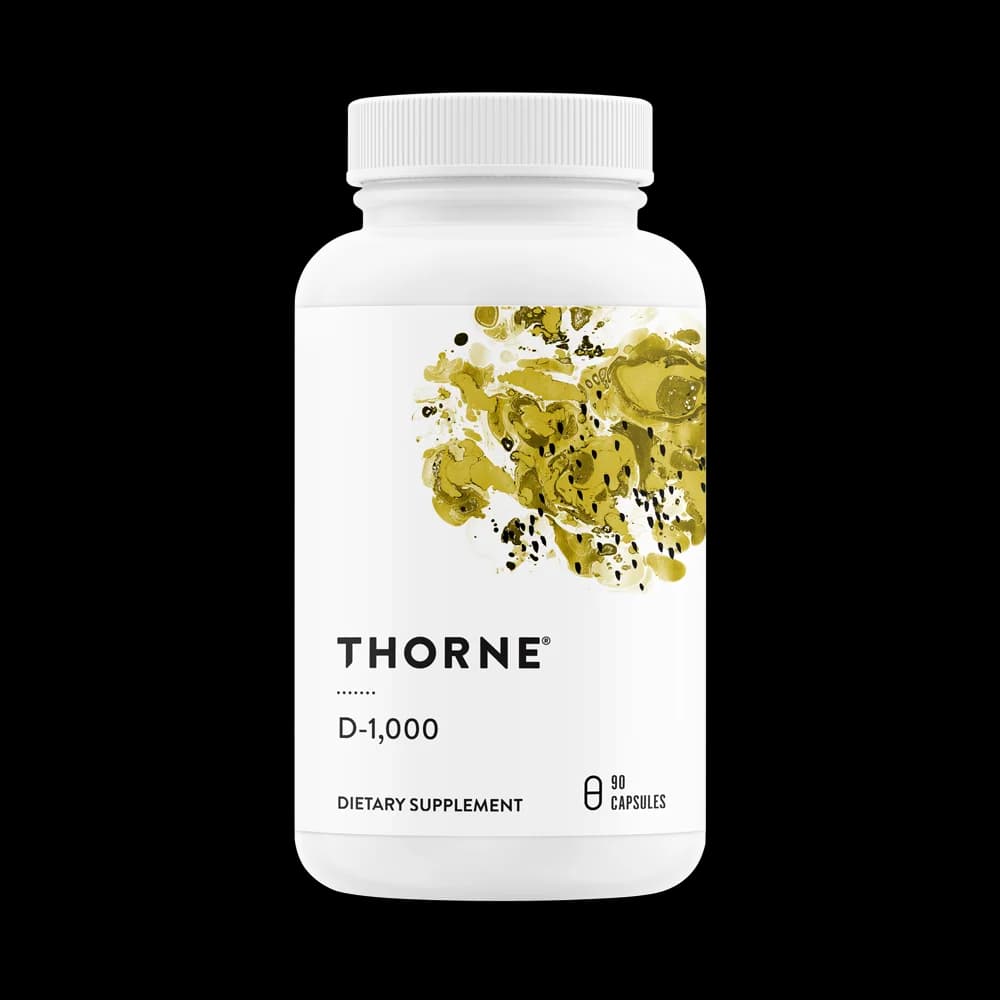
This is why product purity is paramount. Thorne’s Vitamin D-1,000 is specifically formulated without lactose and contains no preservatives like BHT, BHA, sodium benzoate, or sorbic acid. This clean formulation caters directly to individuals with hypersensitivities, ensuring that you receive the immune-modulating benefits of Vitamin D3 without inadvertently triggering an allergic cascade. Furthermore, the 1,000 IU dosage allows for flexible, individualized titration, enabling patients to slowly build up their levels safely under the guidance of a practitioner.

Follow the Science: Clinical Trials and Research
Vitamin D and Long COVID Risk Reduction
The scientific community has heavily investigated the role of Vitamin D in both the risk reduction and management of Post-Acute Sequelae of SARS-CoV-2 (Long COVID). Observational data consistently highlights deficiency as a major, modifiable risk factor. For instance, a prospective cohort study published in the European Journal of Cardiovascular Medicine evaluated patients post-hospitalization and found that 68.1% of Vitamin D deficient patients developed Long COVID, compared to only 42.9% of those with sufficient levels. After adjusting for confounding variables, the researchers concluded that Vitamin D deficiency was independently associated with a 2.35-fold increased risk of experiencing persistent fatigue, dyspnea, and cognitive dysfunction.
These observational findings are supported by interventional trials aiming to reverse established Long COVID symptoms. A randomized controlled trial published in January 2025 enrolled 151 adults experiencing Long COVID symptoms for over three months. The intervention group received a daily combination of 2000 IU of Vitamin D3 and 240 µg of Vitamin K2 for 24 weeks. The results demonstrated a statistically significant reduction in Long COVID symptoms, particularly fatigue and muscle-related issues, alongside improved markers of systemic inflammation and gut dysfunction. This underscores the therapeutic potential of steady, daily D3 supplementation in cooling post-viral inflammation.
Dysautonomia and the 1-Alpha Hydroxylase Defect
In the realm of dysautonomia and POTS, clinical data reveals a startling prevalence of Vitamin D abnormalities. A study presented by the American Heart Association evaluating 180 POTS patients found that over 56% of the cohort had suboptimal or outright deficient Vitamin D levels. However, the research goes deeper than simple deficiency. Studies on pediatric syncope and POTS have shown significantly impaired levels of the 24- and 25-hydroxylase enzymes required to process the vitamin.
Fascinatingly, a subset of POTS patients appear to possess a metabolic defect where they cannot efficiently convert inactive Vitamin D3 into the active calcitriol form. Case studies have demonstrated that when these specific patients were treated directly with activated calcitriol (under strict endocrinological supervision), their orthostatic intolerance and POTS symptoms went into complete remission. While standard D3 supplementation is the foundational starting point for most, this research highlights the profound, direct control that the Vitamin D pathway exerts over autonomic vascular tone and heart rate regulation.
Mast Cell Stabilization Studies
The evidence supporting Vitamin D as a mast cell stabilizer is robust and growing. A 2017 study by Liu et al. demonstrated that Vitamin D can stabilize mast cells and prevent inappropriate activation by reducing the levels of inflammatory signaling pathways like MAPK and NF-κB.
Further supporting this, research by Yip et al. (2014) investigated how Vitamin D3 impacts IgE-dependent allergic reactions. They found that cultured mast cells exposed to Vitamin D3 for 24 hours prior to antigen exposure showed a profound reduction in histamine release, as well as a significant drop in the production of inflammatory cytokines like TNF and IL-6. This clinical data firmly establishes Vitamin D not just as a nutrient, but as a critical, targeted intervention for managing the erratic immune responses seen in MCAS.
The Path Forward
Validating Your Experience with Chronic Illness
Living with conditions like Long COVID, ME/CFS, dysautonomia, and MCAS is a profound challenge that tests your physical and emotional endurance every single day. The exhaustion, the unpredictable symptom flares, and the cognitive fog are not just "in your head"—they are the result of measurable, physiological disruptions in your immune system, autonomic nervous system, and cellular energy pathways. It is completely valid to feel overwhelmed when your body no longer responds the way it used to. Finding the right tools to navigate this complex landscape requires patience, self-compassion, and access to science-backed interventions.
Integrating Vitamin D into a Broader Strategy
While the clinical research surrounding Vitamin D3 is incredibly promising, it is important to remember that no single supplement is a miracle cure for complex chronic illness. Restoring your Vitamin D levels is a foundational step—a way to give your immune system and mitochondria the raw materials they need to begin repairing the damage. However, this should be viewed as one vital piece of a much larger, comprehensive management strategy. You can learn more about building these strategies in our guides on managing fatigue with Long COVID and navigating daily life with chronic illness.
Effective management also requires rigorous symptom tracking, aggressive pacing to avoid post-exertional malaise, dietary modifications to support gut health, and addressing co-occurring deficiencies like magnesium and B-vitamins. Always work closely with a dysautonomia or neuro-immune literate healthcare provider who can order the proper 25(OH)D blood panels, monitor your progress, and help you tailor your dosage to your specific metabolic needs.
Exploring Thorne's Vitamin D-1,000
If you and your healthcare provider determine that Vitamin D supplementation is the right step for your recovery journey, choosing a high-quality, highly absorbable form is paramount. Thorne’s Vitamin D-1,000 provides a clean, preservative-free, and lactose-free source of the superior D3 (cholecalciferol) form, making it an excellent option for those with sensitive systems and MCAS. By prioritizing purity and bioavailability, you can ensure your body is getting the support it needs without unnecessary triggers.
Disclaimer: The information provided in this blog is for educational purposes only and is not intended as medical advice. Always consult your healthcare provider before starting any new supplement, especially if you are pregnant, nursing, or managing a complex chronic condition.
Sources
Clinical Trial: Magnesium and Vitamin D in Post-COVID Syndrome
Vitamin D Contributes to Mast Cell Stabilization (Allergy, 2017)
Vitamins K2 and D3 Improve Long COVID: Randomized Controlled Trial (2025)
Association Between Vitamin D Deficiency and Long COVID Risk
Pediatric Syncope, POTS, and Vitamin D Hydroxylase Impairment
Calcitriol Suppresses IgE-Induced Mast Cell Activation (Yip et al., 2014)