Can Buffered Vitamin C Support Energy and Immunity in Long COVID and ME/CFS?
March 6, 2026
Vitamin CLong COVIDME/CFS
Share:
Disclaimer: The information provided here is for educational purposes only and is not intended as medical advice. It should not be used to diagnose, treat, cure, or prevent any medical condition. Instead, use it as a starting point for discussion with your healthcare provider. Always consult with a qualified healthcare provider before starting any new medication, supplement, device, or making changes to your health regimen.
Months or even years after an initial viral infection, many individuals continue to battle debilitating, unpredictable symptoms. Whether you have been diagnosed with Long COVID, myalgic encephalomyelitis/chronic fatigue syndrome (ME/CFS), or dysautonomia, the daily reality of profound fatigue, brain fog, and exercise intolerance can be overwhelming. Patients often find themselves trapped in a cycle of pushing through their days, only to experience severe crashes—a phenomenon known as post-exertional malaise (PEM). While there is no single cure for these complex chronic conditions, emerging research continues to highlight the critical role of systemic inflammation and cellular energy deficits in driving these lingering symptoms.
One of the most heavily researched areas in post-viral recovery is the impact of oxidative stress on the body's vascular and mitochondrial systems. When the body is locked in a prolonged state of immune activation, it rapidly depletes its natural antioxidant reserves, leaving cells vulnerable to damage. This is where targeted nutritional support becomes a vital piece of the management puzzle. Buffered Vitamin C—a specialized formulation that combines ascorbic acid with alkalizing minerals like calcium, magnesium, and potassium—offers a gentle, highly tolerable way to replenish these critical antioxidant stores. By understanding the intricate biochemistry of how Vitamin C and essential electrolytes support cellular health, patients can make informed decisions about integrating this powerful nutrient into their recovery protocols.
TL;DR
Buffered Vitamin C combines ascorbic acid with alkalizing minerals for gentler digestion and better tolerability.
It provides potent antioxidant support to help neutralize oxidative stress common in Long COVID and ME/CFS.
Essential minerals like magnesium and potassium in the formula support cellular energy and electrolyte balance.
Always consult your healthcare provider to ensure the mineral load aligns with your specific medical needs.
What is Buffered Vitamin C?
The Biochemical Role of Ascorbic Acid
To understand the benefits of a buffered supplement, we must first examine the foundational role of Vitamin C (ascorbic acid) in a healthy human body. Unlike most mammals, humans lack the specific enzyme required to synthesize Vitamin C endogenously, meaning we must obtain it entirely through our diet or supplementation. At a molecular level, Vitamin C is an essential water-soluble vitamin that acts as a highly potent electron donor. This unique chemical property allows it to function as a primary physiological antioxidant, circulating throughout the aqueous environments of the body to neutralize harmful free radicals before they can damage cellular structures, proteins, and DNA.
Beyond its well-known antioxidant capabilities, Vitamin C is an indispensable enzymatic co-factor for numerous critical biochemical pathways. It is required for the function of a family of enzymes known as hydroxylases, which are responsible for the synthesis of collagen—the most abundant structural protein in the human body. Collagen forms the structural scaffolding for our skin, blood vessels, tendons, and connective tissues. Without adequate Vitamin C, this scaffolding becomes weak and compromised, leading to vascular fragility and impaired tissue repair. This mechanism is particularly relevant for individuals managing conditions that involve connective tissue laxity or vascular inflammation.
Furthermore, Vitamin C plays a vital role in neurobiology and cellular energy metabolism. It is a required co-factor for the enzyme dopamine beta-hydroxylase, which converts dopamine into norepinephrine, a neurotransmitter essential for regulating mood, attention, and autonomic nervous system function. Additionally, Vitamin C is necessary for the endogenous synthesis of carnitine, a specialized molecule that transports long-chain fatty acids into the mitochondria so they can be burned for energy. A deficiency in Vitamin C directly impairs this carnitine shuttle, leading to a measurable drop in cellular adenosine triphosphate (ATP) production and resulting in profound physical fatigue and muscle weakness.
The Synergy of Alkalizing Minerals
While standard ascorbic acid is highly effective, the Buffered Vitamin C Powder formulation elevates its clinical utility by chemically binding the ascorbic acid to alkalizing minerals—specifically calcium, magnesium, and potassium. This creates what are known as mineral ascorbates. These minerals are not merely inert carriers; they are biologically active electrolytes that provide their own robust physiological benefits. Magnesium, for instance, is involved in over 300 enzymatic reactions in the body. Crucially, it must bind to ATP to create the biologically active Mg-ATP complex, making magnesium absolutely essential for every energy-dependent process in human biology.
Potassium is the primary intracellular cation (positively charged ion) in the body, playing a fundamental role in maintaining the electrochemical gradient across cell membranes. This gradient is what allows nerve impulses to fire, muscles to contract, and the heart to maintain a steady rhythm. In conditions like dysautonomia and postural orthostatic tachycardia syndrome (POTS), maintaining optimal potassium and general electrolyte balance is a cornerstone of symptom management, as it directly influences blood volume and vascular tone. By delivering Vitamin C alongside potassium bicarbonate, the body receives a dual benefit of antioxidant support and vital electrolyte replenishment.
Calcium, while most famous for its role in bone mineralization, is also a critical signaling molecule. Intracellular calcium fluxes trigger neurotransmitter release, muscle contraction, and the activation of various immune cells. The inclusion of calcium ascorbate in a buffered formula ensures that the body has the necessary mineral building blocks to support these rapid signaling pathways. Together, these three minerals transform a simple vitamin supplement into a comprehensive metabolic support tool, addressing both oxidative stress and the electrolyte imbalances frequently seen in chronic, complex illnesses.
The Science of "Buffering"
The term "buffered" refers to a specific chemical process designed to alter the pH of the supplement. Standard ascorbic acid, as the name implies, is a weak acid with a pH typically around 2.0 to 3.0. When consumed in the large, clinically relevant doses often recommended for immune and antioxidant support, this high acidity can cause significant gastrointestinal distress. Sensitive individuals may experience epigastric pain, severe heartburn, acid reflux, or general stomach upset when taking regular Vitamin C, particularly on an empty stomach. This often limits the amount of the vitamin a patient can comfortably ingest, thereby limiting its potential therapeutic benefits.
By reacting ascorbic acid with mineral carbonates or bicarbonates (like potassium bicarbonate), the resulting mineral ascorbates have a pH that is much closer to neutral (around 6.0 to 7.0). This neutralization process completely eliminates the harsh acidic bite of the supplement. As a result, buffered Vitamin C is vastly gentler on the delicate mucosal lining of the esophagus and stomach. This allows patients to comfortably take higher, therapeutic doses of Vitamin C throughout the day without triggering the upper gastrointestinal side effects that would otherwise derail their supplementation protocol.
How Long COVID and ME/CFS Impact Cellular Health
The Cascade of Systemic Oxidative Stress
To understand why a potent antioxidant like Vitamin C is so relevant to chronic illness, we must explore What Causes Long COVID? and ME/CFS at a cellular level. A unifying feature of these conditions is a state of severe, unremitting oxidative stress. When the body encounters a severe viral infection, such as SARS-CoV-2, the immune system launches a massive inflammatory response to clear the pathogen. This response generates high levels of reactive oxygen species (ROS)—unstable molecules that act as chemical weapons against the virus. In a healthy recovery, once the virus is cleared, the body's endogenous antioxidants neutralize the remaining ROS, and inflammation subsides.
However, in Long COVID and ME/CFS, this process goes awry. Research suggests that viral persistence, lingering spike proteins, or a dysregulated immune response keeps the body locked in a state of chronic inflammation. The continuous overproduction of ROS rapidly depletes the body's natural antioxidant stores, including its reserves of Vitamin C. Once these defenses are exhausted, the excess ROS begin to indiscriminately attack the body's own tissues, causing widespread lipid peroxidation (damage to cell membranes), protein degradation, and DNA damage. This systemic oxidative stress is a primary driver of the debilitating symptoms patients experience daily.
Endothelial Dysfunction and Microvascular Compromise
One of the most critical targets of this unchecked oxidative stress is the endothelium—the delicate, single-cell layer lining the inside of every blood vessel in the body. The endothelium is responsible for regulating blood flow, controlling vascular tone, and preventing abnormal blood clotting. In Long COVID, the SARS-CoV-2 virus directly attacks endothelial cells via the ACE2 receptor, triggering profound endothelial dysfunction. The resulting oxidative stress damages the enzymes responsible for producing nitric oxide (NO), a crucial molecule that tells blood vessels to dilate and relax.
Without sufficient nitric oxide, blood vessels remain constricted, and the endothelial lining becomes "sticky" and inflamed. This environment promotes the formation of microscopic blood clots (fibrin amyloid microclots), a phenomenon extensively documented by researchers studying What Are the Symptoms of Long COVID?. These microclots clog the tiny capillaries, drastically reducing the amount of oxygen and vital nutrients that can reach the muscles, brain, and organs. This microvascular compromise is a leading explanation for why patients experience such severe cognitive dysfunction (brain fog) and why their muscles ache and fatigue so rapidly upon exertion.
Mitochondrial Exhaustion and Energy Depletion
The downstream consequence of oxidative stress and microvascular damage is profound mitochondrial dysfunction. Mitochondria are the powerhouses of our cells, responsible for generating the ATP that fuels every biological process. They are incredibly sensitive to their environment. When oxygen delivery is impaired due to endothelial dysfunction, mitochondria cannot perform oxidative phosphorylation efficiently. Furthermore, the high levels of intracellular ROS directly damage the delicate inner mitochondrial membrane, causing the energy-producing machinery to physically break down and leak electrons, which ironically generates even more ROS in a vicious, self-perpetuating cycle.
This mitochondrial failure is the biochemical heart of ME/CFS and Long COVID. When patients attempt to exert themselves—whether physically, cognitively, or emotionally—their damaged mitochondria cannot meet the increased demand for ATP. The cells are forced to switch to anaerobic metabolism, which is highly inefficient and generates toxic byproducts like lactic acid. This metabolic crisis triggers the hallmark symptom of these conditions: post-exertional malaise (PEM). Understanding How Can You Live with Long-Term COVID requires acknowledging that this fatigue is not mere tiredness; it is a profound, cellular-level energy failure driven by oxidative damage.
Buffered Vitamin C: Supporting Recovery and Cellular Function
Neutralizing Reactive Oxygen Species (ROS)
Supplementing with Buffered Vitamin C provides the body with a direct, highly effective tool to break the cycle of oxidative stress. As a premier electron donor, ascorbic acid rapidly circulates through the bloodstream and extracellular fluid, actively seeking out and neutralizing destructive reactive oxygen species (ROS). By donating an electron to these unstable molecules, Vitamin C stabilizes them, preventing them from stealing electrons from healthy cell membranes and tissues. This massive reduction in systemic oxidative burden is the crucial first step in allowing the body's overactive immune system to calm down and begin the repair process.
Furthermore, Vitamin C works synergistically with other antioxidants in the body, most notably Vitamin E. When Vitamin E neutralizes a free radical in a lipid (fat) membrane, it becomes oxidized and inactive. Vitamin C has the unique ability to "recycle" Vitamin E, donating an electron to restore it back to its active antioxidant state. This synergistic network effect amplifies the body's overall defensive capabilities, providing a robust shield against the ongoing inflammatory cascades seen in complex chronic illnesses like mast cell activation syndrome (MCAS) and Long COVID.
Restoring Endothelial Health and Microcirculation
One of the most clinically significant mechanisms of Vitamin C in the context of post-viral recovery is its ability to restore endothelial function. Vitamin C directly supports the production and bioavailability of nitric oxide (NO). It does this by stabilizing tetrahydrobiopterin (BH4), a critical co-factor required by the enzyme endothelial nitric oxide synthase (eNOS). When oxidative stress is high, BH4 is destroyed, and eNOS becomes "uncoupled," producing more damaging superoxide radicals instead of healthy nitric oxide. Vitamin C prevents this uncoupling, ensuring that the endothelium can produce the NO required to dilate blood vessels.
By restoring nitric oxide levels, Vitamin C helps to relax constricted blood vessels, improving microcirculation and ensuring that oxygen-rich blood can once again reach oxygen-starved tissues in the brain and muscles. Additionally, the alkalizing minerals in the buffered formula—particularly potassium and magnesium—play a direct role in regulating vascular tone and maintaining healthy blood pressure dynamics. This comprehensive vascular support is why researchers are increasingly investigating antioxidant therapies for patients experiencing the severe orthostatic intolerance and tachycardia associated with dysautonomia and POTS.
Fueling Mitochondrial Energy Production
Buffered Vitamin C also directly addresses the profound energy deficits characteristic of ME/CFS. As mentioned earlier, Vitamin C is an absolute requirement for the biosynthesis of carnitine. Carnitine acts as a biological shuttle, transporting long-chain fatty acids across the impermeable inner mitochondrial membrane so they can undergo beta-oxidation and generate ATP. By ensuring adequate Vitamin C levels, patients support the endogenous production of carnitine, thereby providing their struggling mitochondria with the vital fuel they need to produce sustained cellular energy and combat debilitating fatigue.
The inclusion of magnesium ascorbate in the buffered formula further amplifies this energy-supporting mechanism. Magnesium is structurally required to stabilize the ATP molecule; without magnesium, ATP cannot be utilized by the cells. By delivering Vitamin C bound to magnesium, the supplement provides two essential components of the cellular energy pathway simultaneously. This dual action helps to optimize mitochondrial efficiency, potentially raising the patient's energetic baseline and increasing their threshold for post-exertional malaise (PEM).
Supporting Adrenal Function and Neurotransmitter Synthesis
Living with a chronic, invisible illness places an immense burden on the body's stress response system, particularly the adrenal glands. The adrenal glands store the highest concentration of Vitamin C of any organ in the human body. During times of physical or emotional stress, the adrenals rapidly consume Vitamin C to synthesize cortisol and catecholamines (epinephrine and norepinephrine). In chronic illness, this constant demand can lead to severe localized depletion, contributing to the phenomenon often colloquially referred to as "adrenal fatigue" or HPA-axis dysfunction. Supplementing with high doses of Vitamin C helps replenish these critical adrenal stores, supporting a more resilient and balanced stress response.
Additionally, Vitamin C's role in neurotransmitter synthesis is vital for managing the cognitive and mood-related symptoms of Long COVID. By acting as a co-factor for dopamine beta-hydroxylase, Vitamin C ensures the proper conversion of dopamine to norepinephrine. This pathway is essential for maintaining focus, attention, and cognitive clarity, directly combating the pervasive "brain fog" that plagues so many patients. The combined effects of improved cerebral blood flow (via endothelial repair) and optimized neurotransmitter production make Vitamin C a foundational nutrient for neurological recovery.

Symptoms Buffered Vitamin C May Help Manage
Targeted Symptom Relief
Based on its mechanisms of action, Buffered Vitamin C may help manage a variety of specific symptoms associated with complex chronic conditions. While it is not a cure, supporting these underlying biochemical pathways can improve daily quality of life:
Profound Fatigue and Muscle Weakness: By supporting the synthesis of carnitine and providing magnesium for ATP stabilization, Buffered Vitamin C helps optimize mitochondrial energy production, potentially reducing the severity of daily fatigue.
Brain Fog and Cognitive Dysfunction: Vitamin C improves endothelial health and nitric oxide production, which enhances cerebral microcirculation. Additionally, its role in neurotransmitter synthesis supports better focus, memory, and mental clarity.
Post-Exertional Malaise (PEM): By neutralizing the massive influx of reactive oxygen species (ROS) generated during exertion, Vitamin C helps protect cells from the oxidative damage that triggers severe post-exertional crashes.
Orthostatic Intolerance and POTS Symptoms: The inclusion of potassium and magnesium helps maintain critical electrolyte balances, supporting proper vascular tone, blood volume regulation, and a more stable heart rate upon standing.
Joint Pain and Connective Tissue Fragility: As an essential co-factor for collagen synthesis, Vitamin C supports the structural integrity of joints, blood vessels, and connective tissues, which is particularly beneficial for those with hypermobility spectrum disorders.
Mast Cell Activation (MCAS) Symptoms: Vitamin C acts as a natural mast cell stabilizer and helps degrade circulating histamine, potentially reducing the frequency and severity of allergic-type reactions, skin flushing, and systemic inflammation.
Practical Considerations: Forms, Dosing, and Absorption
Bioavailability: Buffered vs. Standard Ascorbic Acid
When selecting a supplement, understanding pharmacokinetics and bioavailability is crucial. A common question among patients is whether mineral ascorbates (buffered Vitamin C) are absorbed as effectively as standard ascorbic acid. Extensive research, including data compiled by the Linus Pauling Institute, confirms that the bioavailability of buffered Vitamin C is virtually identical to that of regular ascorbic acid. The human body readily dissociates the mineral from the ascorbate molecule in the digestive tract, absorbing the active Vitamin C through specific sodium-dependent Vitamin C transporters (SVCT1 and SVCT2) in the intestines.
It is important to note that intestinal absorption of Vitamin C is subject to strict saturation kinetics. At oral doses up to 200 mg, absorption efficiency is nearly 100%. However, as the dose increases beyond 500 mg, the active transporters become saturated, and the percentage of absorbed Vitamin C steadily declines, with the excess being excreted. Therefore, to maximize total daily absorption, it is often more effective to take smaller, divided doses of Buffered Vitamin C throughout the day (e.g., 500 mg to 1,000 mg at a time) rather than a single massive dose.
Gastrointestinal Tolerance and the "Bowel Tolerance" Limit
The primary clinical advantage of Buffered Vitamin C Powder is its superior gastrointestinal tolerability. Because standard ascorbic acid has a very low pH, taking large, therapeutic doses can cause severe epigastric discomfort, heartburn, and acid reflux, especially in patients with sensitive stomachs or those prone to gastritis. By neutralizing the pH with alkalizing minerals, buffered formulations eliminate this acidic irritation, allowing patients to comfortably ingest the higher doses often required to combat severe oxidative stress without triggering upper GI pain.
However, patients must still be aware of the "bowel tolerance" limit. While buffering prevents stomach irritation, it does not bypass the intestinal absorption limits mentioned above. When a large amount of unabsorbed Vitamin C remains in the colon, it acts as an osmotic agent, drawing water into the bowel. This can result in loose stools or osmotic diarrhea. This phenomenon will occur with any form of oral Vitamin C if the dose exceeds what the intestines can absorb. Patients are generally advised to slowly titrate their dose upward until they experience loose stools, and then reduce the dose slightly to find their optimal, personalized "bowel tolerance" level.
Understanding the Mineral Load
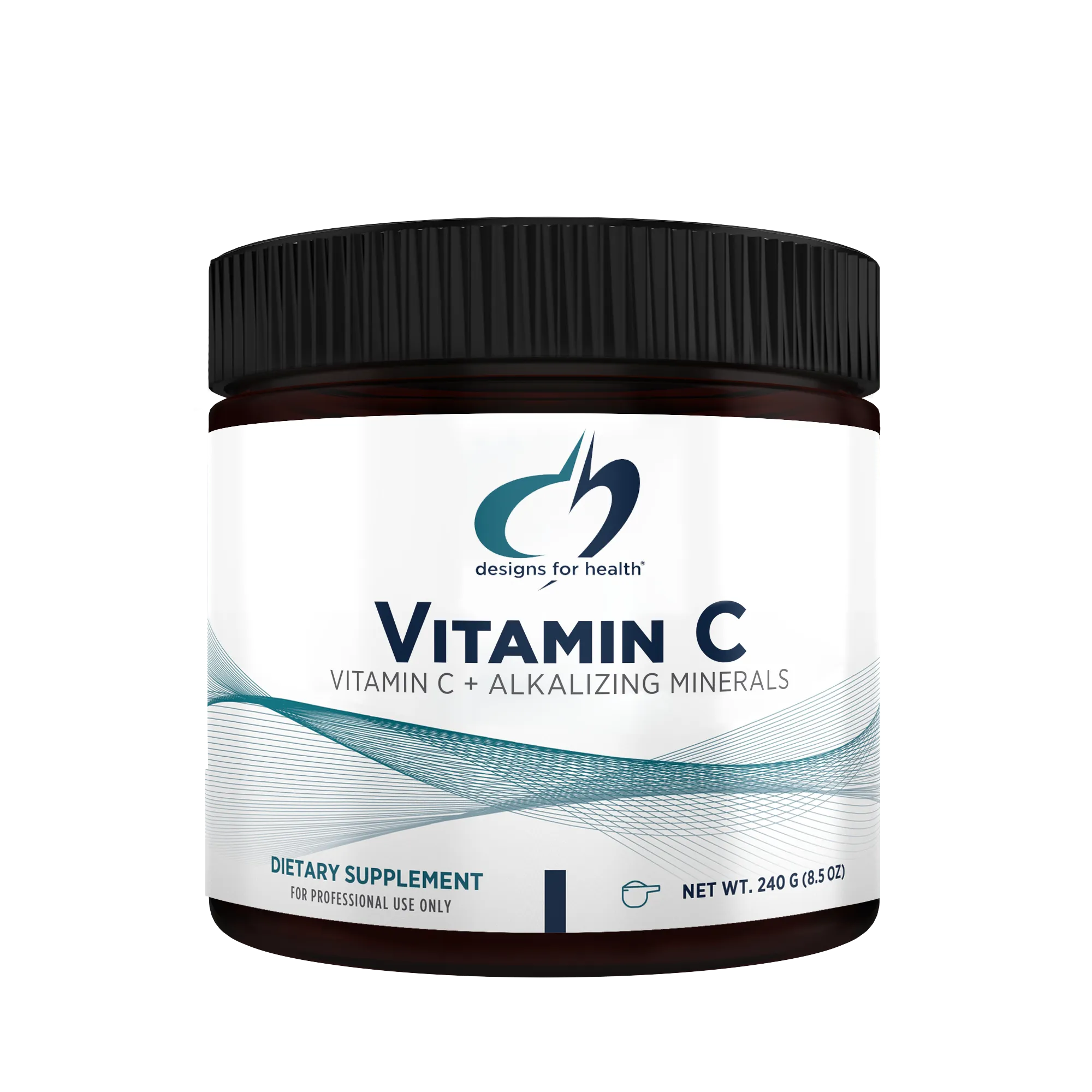
A critical, often overlooked aspect of using a buffered powder is accounting for the accompanying "mineral load." Because the ascorbic acid is bound to minerals, mega-dosing the supplement also means ingesting significant quantities of calcium, magnesium, and potassium. For example, the Designs for Health Vitamin C Buffered Powder provides 80 mg of Calcium, 160 mg of Magnesium, and 200 mg of Potassium per 2000 mg serving of Vitamin C. While these electrolytes are highly beneficial for supporting cellular energy and managing dysautonomia, they must be factored into the patient's overall daily intake.
Patients with specific medical conditions need to monitor this mineral intake carefully. Individuals with advanced kidney disease or those taking potassium-sparing diuretics must be cautious with extra potassium. Similarly, excessive magnesium can have a compounding laxative effect, and high calcium intake should be monitored in those prone to specific types of kidney stones. Always consult with a healthcare provider to ensure that the specific mineral profile of a buffered Vitamin C supplement aligns safely with your current medications and comprehensive metabolic panel results.

Follow the Science
Clinical Trials and Research
Evidence in Fatigue and Other Conditions
The use of Vitamin C for fatigue has been studied in various populations. A 2012 double-blind randomized controlled trial published in the Nutrition Journal investigated the effects of intravenous (IV) Vitamin C, finding that its administration reduces fatigue in office workers.
Patient-Reported Outcomes and Real-World Data
Beyond formal clinical trials, large-scale patient data continues to highlight the value of antioxidant support. A massive 2025 study published in PNAS surveyed nearly 4,000 patients with ME/CFS and Long COVID to evaluate the real-world effectiveness of over 150 different treatments. The data mapping confirmed that targeted antioxidant therapies, including Vitamin C, frequently resulted in patient-reported improvements in core symptoms like fatigue, brain fog, and post-exertional malaise. This real-world evidence underscores the importance of addressing the overlapping oxidative stress pathology shared by these complex conditions.
While much of the most dramatic clinical data involves high-dose intravenous (IV) Vitamin C—which can achieve pharmacological blood concentrations impossible to reach orally—daily oral supplementation with a highly tolerable form like Buffered Vitamin C remains a foundational strategy. It provides the continuous, baseline antioxidant support necessary to protect tissues from daily oxidative damage, support adrenal function, and maintain the enzymatic pathways critical for long-term cellular healing.
The Path Forward
A Comprehensive Approach to Healing
Navigating the complexities of Long COVID, ME/CFS, and dysautonomia is an exhausting journey, both physically and emotionally. It is entirely valid to feel frustrated by the unpredictable nature of these symptoms and the lack of simple, definitive cures. However, understanding the underlying mechanisms of your illness—such as oxidative stress, endothelial dysfunction, and mitochondrial failure—empowers you to take targeted, scientifically grounded steps toward managing your health. If you are wondering What Drugs Are Used for COVID Long Haulers?, it is important to recognize that treatment is rarely a single pill, but rather a carefully orchestrated combination of therapies.
Supplements like Buffered Vitamin C are a vital piece of this broader management puzzle. By providing your body with the potent antioxidants and essential electrolytes it needs to neutralize inflammation and support cellular energy, you are laying a stronger foundation for recovery. However, supplementation must always be paired with other foundational management strategies, including aggressive pacing to avoid PEM, adequate hydration, symptom tracking, and nervous system regulation. Healing from a complex chronic illness requires patience, self-compassion, and a multifaceted approach.
Finding the Right Support
Before introducing any new supplement into your regimen, it is crucial to consult with a healthcare provider who understands the nuances of complex chronic conditions. They can help you determine the appropriate dosage, monitor your mineral intake, and ensure there are no interactions with your current medications. At RTHM, we are committed to providing patients with the clinical expertise, validating care, and science-backed tools necessary to navigate their recovery journey and improve their daily quality of life.