Can Vitamin B12 Lozenges Support Energy Levels and Brain Fog in Long COVID and ME/CFS?
March 6, 2026
Vitamin B12MethylcobalaminLong COVID
Share:
Disclaimer: The information provided here is for educational purposes only and is not intended as medical advice. It should not be used to diagnose, treat, cure, or prevent any medical condition. Instead, use it as a starting point for discussion with your healthcare provider. Always consult with a qualified healthcare provider before starting any new medication, supplement, device, or making changes to your health regimen.
Months or even years after a viral infection, many individuals find themselves battling a profound, unyielding exhaustion that sleep simply cannot fix. If you are living with Long COVID, myalgic encephalomyelitis/chronic fatigue syndrome (ME/CFS), or dysautonomia, you are likely intimately familiar with this debilitating fatigue, alongside the cognitive impairment often described as 'brain fog' and the unpredictable nerve pain that can disrupt daily life. You are not alone in this experience, and these symptoms are not in your head—they are rooted in complex, physiological disruptions at the cellular level.
One of the most critical components of cellular energy production and neurological health is Vitamin B12. While it is a well-known nutrient, its role in complex chronic illness goes far beyond basic nutrition. Emerging research suggests that viral infections and chronic oxidative stress can severely deplete the body's B12 reserves, stalling the microscopic engines that power our cells. In this comprehensive guide, we will explore the intricate science behind Vitamin B12—specifically its active form, methylcobalamin—and examine how high-dose lozenges may help restore vital biochemical pathways, support the nervous system, and improve the quality of life for those navigating post-viral conditions.
What is Vitamin B12 (Methylcobalamin)?
The Foundation of Cellular Energy and Nerve Health
Vitamin B12, also known as cobalamin, is a water-soluble, cobalt-containing micronutrient that is absolutely essential for human survival. Unlike some vitamins that the body can synthesize on its own, B12 must be obtained through diet or supplementation. In a healthy body, this remarkable molecule acts as a foundational pillar for the central and autonomic nervous systems, the synthesis of the protective myelin sheath around nerves, the regulation of immune function, and the generation of cellular energy. However, not all forms of Vitamin B12 are created equal. The body primarily utilizes two active coenzyme forms: methylcobalamin in the fluid of the cell (the cytosol) and adenosylcobalamin inside the mitochondria, the cell's power plants.
Many standard over-the-counter supplements contain cyanocobalamin, a synthetic form of B12 that the liver must painstakingly convert into an active state before the body can use it. In contrast, methylcobalamin is a pre-methylated, highly bioactive form of B12. Because it is already in its active state, methylcobalamin bypasses the need for hepatic (liver) conversion, making it immediately available for cellular use. This is particularly crucial for individuals with impaired liver function, chronic systemic inflammation, or genetic variations like the MTHFR mutation, which can severely hinder the body's natural ability to process and utilize standard B vitamins. By providing the body with a direct supply of methylcobalamin, we can ensure that critical biochemical pathways remain fueled even when the body's conversion mechanisms are compromised by illness.
The Methylation Cycle and SAMe Production
To truly understand the power of methylcobalamin, we must look at its role in the methylation cycle—a continuous biochemical assembly line that occurs in every cell of your body. Methylation is responsible for DNA synthesis, detoxification, the production of neurotransmitters (like serotonin and dopamine), and the maintenance of nerve health. At the molecular level, methylcobalamin acts as a vital cofactor for an enzyme called methionine synthase. This enzyme is responsible for taking a potentially toxic amino acid called homocysteine and converting it into methionine, a beneficial building block for proteins. During this process, a folate derivative donates a methyl group to Vitamin B12, which then passes it along to complete the conversion.
Once methionine is created, it is quickly transformed into S-adenosylmethionine (SAMe). SAMe is the body's universal "methyl donor," meaning it travels around the cell handing out methyl groups to various proteins, DNA segments, and neurotransmitters that need them to function properly. Without adequate methylcobalamin, this entire assembly line grinds to a halt. Homocysteine builds up to toxic levels in the blood, triggering widespread oxidative stress and inflammation, while the production of SAMe plummets. This biochemical traffic jam is often referred to as the "folate trap," because without B12, folate becomes trapped in an unusable state, completely stalling DNA synthesis and cellular repair mechanisms.
Mitochondrial ATP Generation
Beyond the cytosol, Vitamin B12 is equally critical inside the mitochondria, the microscopic powerhouses responsible for generating adenosine triphosphate (ATP), the energy currency of the cell. Inside the mitochondria, the other active form of B12, adenosylcobalamin, acts as a cofactor for an enzyme known as methylmalonyl-CoA mutase. This specific enzyme catalyzes the conversion of methylmalonyl-CoA—a byproduct of the breakdown of certain fats and amino acids—into a crucial molecule called succinyl-CoA. Succinyl-CoA is a primary intermediate that feeds directly into the Krebs cycle (also known as the citric acid cycle), the central driver of cellular respiration and ATP production.
When Vitamin B12 levels drop, this mitochondrial pathway is severely disrupted. The conversion to succinyl-CoA stalls, causing a buildup of methylmalonic acid (MMA) in the bloodstream—a classic clinical marker of B12 deficiency. More importantly, without succinyl-CoA feeding the Krebs cycle, the mitochondria cannot produce adequate ATP. The cells are effectively starved of energy, forcing them to shift away from highly efficient mitochondrial respiration and toward less efficient, inflammatory pathways like aerobic glycolysis. Furthermore, B12 is required alongside iron and folate to synthesize healthy red blood cells. Without it, the body develops macrocytic anemia, meaning red blood cells become enlarged and inefficient at carrying oxygen to tissues, further suffocating the mitochondria and halting the final stages of ATP production.
How Chronic Illness Impacts B12 and Energy Systems
Viral Depletion and Long COVID
When a complex chronic illness takes hold, the body's delicate biochemical balance is thrown into chaos. In the context of post-viral conditions, researchers are increasingly investigating What Causes Long COVID? and how the initial SARS-CoV-2 infection alters long-term nutritional status. Emerging evidence establishes a strong link between Long COVID severity, neurocognitive deficits, and profound Vitamin B12 depletion. During an acute viral infection, the immune system consumes massive amounts of cellular resources, including B vitamins, to mount a defense. If these reserves are not adequately replenished, the patient is left in a state of chronic depletion that perpetuates lingering symptoms long after the virus has been cleared.
Clinical data paints a striking picture of this phenomenon. A comprehensive study evaluating patients with confirmed Long COVID found that up to 85% of the cohort was deficient in Vitamin B12. Similarly, a 2022 retrospective study involving over 400 Long COVID patients revealed a 60% deficiency rate, noting that patients with lower B12 levels exhibited significantly higher inflammatory markers and a worse clinical progression. This widespread deficiency directly impairs the methylation cycle and mitochondrial ATP production, creating a vicious cycle where the body lacks the very energy and cellular tools it needs to repair the immune system and resolve chronic inflammation.
Oxidative Stress and the "Folate Trap" in ME/CFS
For those wondering Can Long COVID Trigger ME/CFS? Unraveling the Connection, the answer lies heavily in the shared pathophysiology of oxidative stress and mitochondrial dysfunction. Myalgic encephalomyelitis/chronic fatigue syndrome (ME/CFS) is characterized by a state of severe, unrelenting oxidative and nitrosative stress. Pioneering research suggests that ME/CFS is perpetuated by elevated levels of reactive oxygen species (ROS) and toxic molecules like peroxynitrite and excess nitric oxide. These highly volatile molecules wreak havoc on cellular structures, damaging mitochondrial membranes and degrading vital enzymes.
In this highly oxidative environment, the body rapidly burns through its supply of antioxidants and methyl donors. The heavy demand on the methylation cycle to produce glutathione—the body's master antioxidant—drains methylcobalamin stores. As B12 is depleted, the "folate trap" snaps shut. Homocysteine levels rise, further damaging the vascular system and increasing neuroinflammation. Because B12 deficiency perfectly mimics the hallmark symptoms of ME/CFS—profound fatigue, sensory ataxia, and cognitive impairment—it is a critical factor that must be evaluated when considering How Does a Doctor Diagnose Long COVID? or ME/CFS. Even if a standard blood test does not show a severe systemic deficiency, localized B12 depletion within the central nervous system can drive debilitating symptoms.
Gut Dysfunction and Absorption Barriers
One of the most frustrating aspects of chronic illness is that simply eating a nutrient-dense diet is often not enough to correct these deep cellular deficits. Conditions like Long COVID, ME/CFS, and mast cell activation syndrome (MCAS) frequently involve severe gastrointestinal inflammation, microbiome dysbiosis, and altered gut motility. To absorb Vitamin B12 from food or standard oral supplements, the stomach must produce adequate hydrochloric acid and a specialized protein called Intrinsic Factor (IF). The B12 binds to IF in the stomach, and the complex travels to the small intestine where it is finally absorbed into the bloodstream.
However, chronic inflammation, chronic stress, and the frequent use of acid-blocking medications (like proton pump inhibitors) can severely diminish stomach acid and destroy Intrinsic Factor. Furthermore, viral persistence in the gut lining can damage the very mucosal cells responsible for nutrient uptake. When the gut is compromised, standard dietary B12 passes through the digestive tract unabsorbed, leaving the brain and mitochondria starving for this essential coenzyme. This physiological barrier necessitates alternative delivery methods, such as sublingual lozenges or high-dose therapies, to bypass the broken digestive machinery and deliver methylcobalamin directly to the bloodstream.
Vitamin B12 Lozenges: Supporting Energy and Neurological Function
Restoring the Methylation Cycle for Cognitive Health
Supplementing with high-dose methylcobalamin offers a direct, targeted intervention to support the disrupted biochemical pathways seen in chronic illness. By providing the body with the pre-activated form of Vitamin B12, lozenges bypass the need for liver conversion, immediately resupplying the cytosol with the necessary cofactor for methionine synthase. This action effectively re-starts the stalled methylation cycle. As the cycle resumes, the toxic buildup of homocysteine is cleared, and the production of SAMe (S-adenosylmethionine) is restored. This is profoundly important for cognitive health and managing the "brain fog" that plagues so many patients.
With adequate SAMe available, the brain can resume the synthesis of critical neurotransmitters, including serotonin, dopamine, and norepinephrine, which regulate mood, focus, and autonomic function. Furthermore, recent research highlights methylcobalamin's role as an "epidrug"—a compound that influences epigenetics. By promoting DNA methylation in the hippocampus, B12 has been shown to safely downregulate neuroinflammatory genes, such as CCL11, which are heavily implicated in the visuoconstructive deficits and spatial processing issues commonly experienced by Long COVID patients. This epigenetic modulation helps quiet the inflamed microglial cells in the brain, paving the way for improved memory and cognitive clarity.
Protecting the Myelin Sheath in Dysautonomia
For individuals living with dysautonomia and Postural Orthostatic Tachycardia Syndrome (POTS), the integrity of the nervous system is paramount. The autonomic nervous system relies on rapid, precise electrical signaling to regulate heart rate, blood pressure, and digestion. These electrical signals travel along nerve fibers that are insulated by a protective lipid coating called the myelin sheath. The synthesis and maintenance of myelin basic protein rely entirely on the methylation cycle and the continuous supply of SAMe generated by methylcobalamin.
When B12 is depleted, the myelin sheath begins to degrade—a process known as demyelination. This degradation causes nerve signals to misfire or slow down, directly contributing to the erratic heart rates, blood pressure drops, and neuropathic tingling characteristic of dysautonomia. By supplementing with high-dose methylcobalamin, patients provide the exact molecular building blocks required to repair and maintain this vital insulation. Clinical reviews on B12 as a pain treatment highlight its capacity to upregulate brain-derived neurotrophic factor (BDNF) and increase nerve conduction velocity, demonstrating significant potential for alleviating neuropathy and supporting autonomic stability.
Bypassing the Liver with Active Methylcobalamin
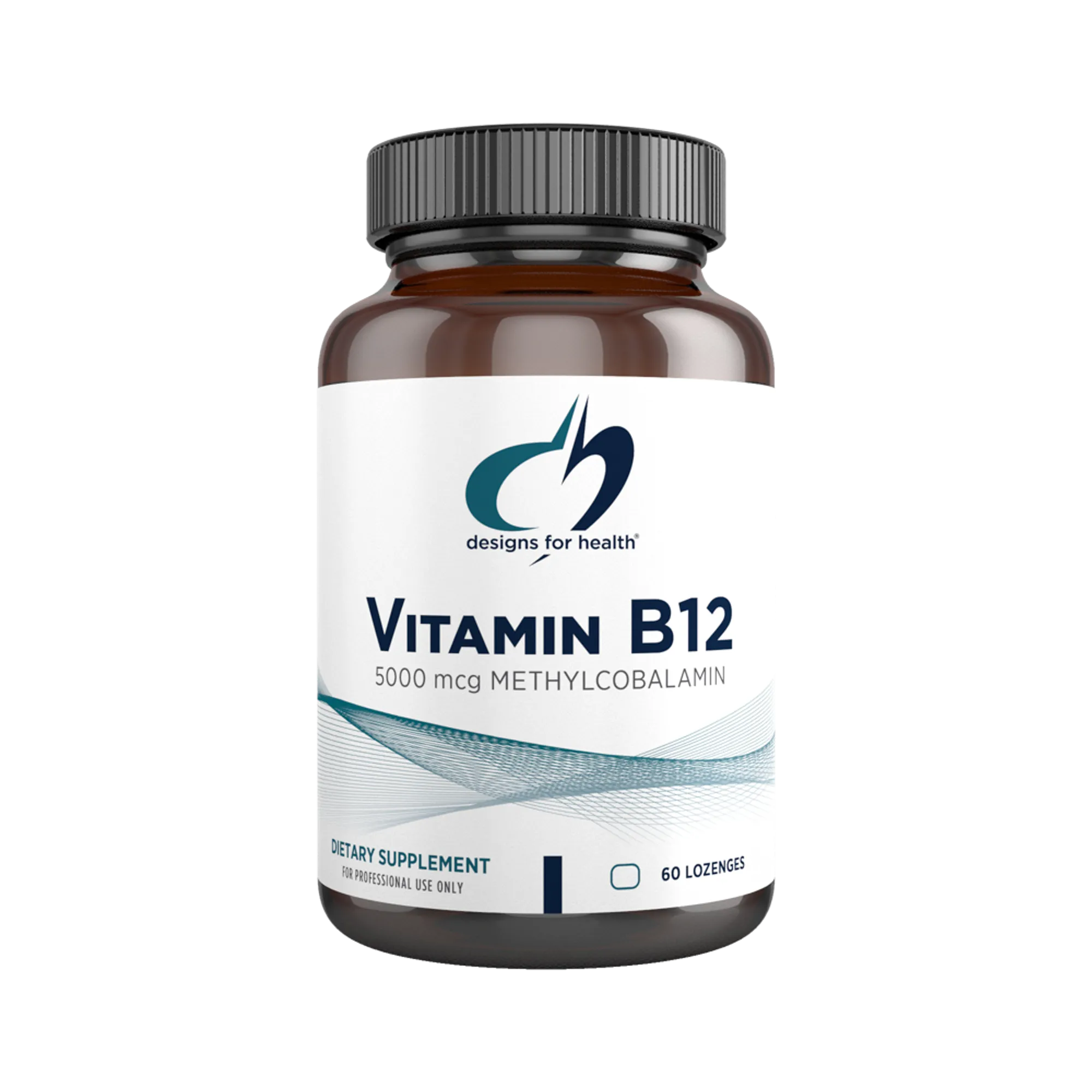
The delivery format of a supplement is just as crucial as the active ingredient itself. Vitamin B12 lozenges are specifically designed to dissolve slowly in the mouth, allowing the methylcobalamin to mix with saliva. While the majority of the dose is eventually swallowed, the sheer concentration of a high-dose lozenge (such as 5000 mcg) ensures that a clinically significant amount of the vitamin is absorbed into the bloodstream via passive diffusion in the digestive tract, completely bypassing the need for Intrinsic Factor.
This mechanism is a game-changer for patients with severe gastrointestinal distress or those who have trouble swallowing large capsules. Furthermore, because the lozenge delivers methylcobalamin—the active, pre-methylated form—the body does not need to expend precious cellular energy or rely on a perfectly functioning liver to convert the supplement into a usable state. It is immediately available to enter the cells, support the mitochondria, and begin the complex work of neutralizing oxidative stress and restoring ATP production. This direct support is why B12 is frequently discussed when exploring What Drugs Are Used for COVID Long Haulers? and holistic management strategies.

Symptoms Vitamin B12 May Help Manage
Targeting the Core Symptoms of Chronic Illness
When exploring What Are the Symptoms of Long COVID? and ME/CFS, the clinical overlap with B12 deficiency is striking. High-dose methylcobalamin supplementation targets several core physiological disruptions, potentially helping to manage the following debilitating symptoms:
Profound Fatigue and PEM: By acting as a crucial cofactor for methylmalonyl-CoA mutase in the mitochondria, B12 supports the Krebs cycle and the generation of ATP. It also ensures the proper synthesis of red blood cells, maximizing oxygen delivery to starved tissues and helping to mitigate the crushing exhaustion and post-exertional malaise (PEM) that follow minor physical or cognitive effort.
Brain Fog and Cognitive Dysfunction: Methylcobalamin restarts the methylation cycle, lowering neurotoxic homocysteine levels and increasing SAMe production. This supports the synthesis of vital neurotransmitters and promotes epigenetic downregulation of neuroinflammatory genes, helping to clear cognitive haziness, improve memory recall, and enhance spatial processing.
Neuropathy, Tingling, and Numbness: The maintenance of the myelin sheath—the protective coating around nerves—is entirely dependent on B12-driven methylation. High-dose supplementation provides the building blocks to repair damaged myelin and upregulate brain-derived neurotrophic factor (BDNF), significantly reducing neuropathic pain, tingling in the extremities, and nerve degeneration.
Orthostatic Intolerance and POTS: Dysautonomia symptoms, such as rapid heart rate upon standing and severe dizziness, are driven by autonomic nerve dysfunction. By repairing the myelin sheath and improving nerve conduction velocity, B12 supports the autonomic nervous system's ability to accurately regulate vascular constriction and heart rate.
Mood Instability and Anxiety: The production of mood-regulating neurotransmitters like serotonin and dopamine requires SAMe, which is generated through the B12-dependent methylation cycle. Restoring this pathway can help stabilize mood, reduce secondary anxiety, and support overall mental well-being during the stress of chronic illness.
Practical Considerations: Forms, Dosing, and Absorption
Sublingual vs. Oral Absorption: The 1% Rule
When considering Vitamin B12 supplementation, one of the most common questions revolves around bioavailability and the best delivery method. There is a widespread marketing claim that sublingual B12 (dissolved under the tongue) provides vastly superior absorption by passing directly through the oral mucosa into the bloodstream, bypassing the digestive system entirely. However, recent clinical trials and massive systematic reviews paint a different, highly fascinating picture of human biology. Vitamin B12 is a remarkably large molecule, and very little of it can actually pass directly through the mucous membranes under the tongue.
Instead, whether you swallow a standard pill or dissolve a lozenge in your mouth, high-dose B12 relies on a mechanism called passive diffusion. When you take a high dose (such as 1000 mcg to 5000 mcg), approximately 1% to 2% of the total dose is absorbed directly across the mucosal lining of the entire gastrointestinal tract, completely independent of stomach acid or Intrinsic Factor. A 2025 meta-analysis evaluating over 6,000 participants found no statistically significant difference in raising blood cobalamin levels between sublingual and oral routes. Both methods successfully utilize passive diffusion to bypass digestive barriers, making lozenges an excellent, equally effective choice—especially for those who struggle with swallowing capsules or prefer a dissolvable format.
Why 5000 mcg of Methylcobalamin?
You might wonder why supplements offer 5000 mcg of B12 when the Recommended Dietary Allowance (RDA) is only 2.4 mcg. The answer lies in the mathematics of passive diffusion. Because only about 1% of a high-dose supplement is absorbed without Intrinsic Factor, a 5000 mcg lozenge yields an actual absorption of roughly 50 mcg into the bloodstream. This amount is more than enough to rapidly correct severe deficiencies, saturate the cellular receptors, and provide the massive influx of methyl donors required to combat the severe oxidative stress seen in ME/CFS and Long COVID.
Furthermore, choosing the methylcobalamin form over the synthetic cyanocobalamin form is crucial for chronic illness patients. Cyanocobalamin contains a cyanide molecule that the body must actively cleave off and detoxify using glutathione—the very antioxidant that ME/CFS patients are already desperately lacking. Methylcobalamin, on the other hand, provides a beneficial methyl group that actively supports detoxification and cellular repair, making it a far superior, biologically harmonious choice for compromised systems.
Potential Side Effects and "Over-Methylation"
Because Vitamin B12 is a water-soluble vitamin, it is generally considered exceptionally safe, even at high doses like 5000 mcg. The body simply excretes any excess vitamin in the urine, making toxicity exceedingly rare. However, patients with complex chronic conditions, particularly those with mast cell activation syndrome (MCAS) or specific genetic mutations (like COMT variations), should be aware of a phenomenon known as "over-methylation."
When a highly sensitive individual introduces a large dose of methyl donors (via methylcobalamin) into a stalled methylation cycle, the sudden surge in neurotransmitter production and detoxification can cause a temporary exacerbation of symptoms. This may manifest as feeling "wired and tired," increased anxiety, insomnia, or a histamine flare. If you experience these symptoms, it does not necessarily mean B12 is harmful to you; rather, it indicates that your body is highly sensitive to the sudden influx of methyl groups. In such cases, practitioners often recommend starting with a lower dose, breaking the lozenge into smaller pieces, or temporarily switching to an unmethylated form like hydroxycobalamin or adenosylcobalamin while the body adjusts.

Follow the Science
Clinical Evidence in Long COVID and ME/CFS
The scientific community is increasingly recognizing the therapeutic potential of high-dose Vitamin B12 for complex, post-viral syndromes. A landmark study published in PLOS One by Regland et al. evaluated patients with ME/CFS who received frequent, high-dose Vitamin B12 combined with oral folic acid. The researchers found a stark contrast between responders: the patients classified as "Good responders" utilized significantly higher doses of B12 and tailored their folic acid intake to their specific genetic needs. Remarkably, these good responders were able to entirely avoid strong opioid analgesics for pain management, whereas 70% of the mild responders remained reliant on them. This underscores B12's profound impact on neuroinflammation and neuropathic pain.
In the realm of Long COVID, recent patient-reported outcome studies surveying nearly 4,000 individuals with ME/CFS and Long COVID revealed that Vitamin B12 therapies were among the top treatments providing perceived benefits. The data showed that high-dose B12 significantly outperformed standard oral multivitamins in improving core symptoms like fatigue, post-exertional malaise (PEM), and brain fog. Furthermore, a 2026 case series published in the Medical Research Archives observed Long COVID patients suffering from severe neurocognitive deficits. Following one month of targeted supplementation with methylcobalamin and benfotiamine (Vitamin B1), all patients reported a significant reduction or complete disappearance of their debilitating brain fog, highlighting the synergistic power of B vitamins in neurological repair.
Bioavailability Studies on Sublingual Delivery
The efficacy of the lozenge delivery format is also strongly supported by clinical literature. A classic randomized controlled trial by Sharabi et al. directly compared oral and sublingual B12 at high doses. The researchers definitively found that both administration routes effectively corrected B12 deficiencies equally well, concluding that the 1% passive diffusion mechanism is highly reliable. Independent testing by organizations like ConsumerLab further confirms that purified, high-dose B12 in lozenge form does not require stomach acid for absorption, making it an ideal, evidence-based intervention for older adults or chronic illness patients reliant on acid-blocking medications.
The Path Forward
Integrating B12 into Your Management Plan
Living with conditions like Long COVID, ME/CFS, and dysautonomia often feels like navigating a maze in the dark. The profound fatigue, cognitive impairment, and unpredictable neurological symptoms can be incredibly isolating, and it is entirely valid to feel frustrated by the lack of simple medical answers. However, understanding the biochemical roots of your symptoms—such as the disruption of the methylation cycle, mitochondrial starvation, and B12 depletion—provides a tangible, scientific framework for healing. You are not fighting an invisible enemy; you are working to restore measurable, physiological pathways.
While no single supplement is a cure for complex chronic illness, high-dose Vitamin B12 lozenges represent a powerful, scientifically grounded tool in your management arsenal. By providing your body with the active methylcobalamin it desperately needs, you can support cellular energy production, protect your nervous system, and help clear the fog that obscures your daily life. Remember that supplementation is most effective when integrated into a comprehensive care plan that includes aggressive rest, symptom tracking, pacing to avoid PEM, and ongoing medical supervision.
Finding the Right Approach for You
As you explore targeted nutritional support, it is crucial to partner with a healthcare provider who understands the nuances of post-viral illness and complex chronic conditions. They can help you determine the optimal dosage, monitor your response, and ensure that your treatment aligns with your unique genetic and physiological needs. By taking a strategic, science-backed approach to your cellular health, you can begin to rebuild your energy reserves and improve your quality of life, one biochemical step at a time.
Sources
Patient-Reported Treatment Outcomes in ME/CFS and Long COVID
Possible Application of Melatonin in Long COVID (Discussing ME/CFS and oxidative stress)
Epigenetic Downregulation of Neuroinflammatory Genes via Vitamin B12
Response to Vitamin B12 and Folic Acid in Myalgic Encephalomyelitis and Fibromyalgia (PLOS One)
Sublingual vs. Oral Vitamin B12: A Systematic Review and Meta-Analysis