Can Vitamin A and Carotenoids Support Immune and Cognitive Function in Long COVID?
March 5, 2026
Vitamin AAstaxanthinLong COVID
Share:
Disclaimer: The information provided here is for educational purposes only and is not intended as medical advice. It should not be used to diagnose, treat, cure, or prevent any medical condition. Instead, use it as a starting point for discussion with your healthcare provider. Always consult with a qualified healthcare provider before starting any new medication, supplement, device, or making changes to your health regimen.
Months or even years after an initial viral infection, many individuals find themselves trapped in a cycle of debilitating symptoms, battling what we now recognize as Long COVID or myalgic encephalomyelitis/chronic fatigue syndrome (ME/CFS). The profound exhaustion, unpredictable cognitive dysfunction often described as "brain fog," and persistent immune dysregulation can make daily life feel like an insurmountable challenge. For those navigating these invisible illnesses, the search for answers and effective medical management strategies is often fraught with frustration and a lack of clear guidance. However, emerging medical research is shedding light on the intricate cellular mechanisms that drive these conditions, revealing potential pathways for targeted nutritional and biochemical support.
One area of growing scientific interest is the critical role of fat-soluble vitamins and dietary antioxidants in modulating the immune response and protecting cellular infrastructure. Specifically, the synergistic combination of preformed Vitamin A and potent carotenoids like astaxanthin, lutein, and zeaxanthin offers a fascinating biochemical approach to addressing the oxidative stress and neuroinflammation characteristic of complex chronic illnesses. By understanding how genetic variations can impair our natural ability to utilize plant-based nutrients, and how viral infections deplete our cellular reserves, we can better appreciate the potential of targeted supplementation. This comprehensive guide explores the science behind Vitamin A and carotenoids, detailing how they work at the molecular level to support immune, ocular, and cellular health in the context of Long COVID, ME/CFS, and related dysautonomia.
TL;DR
Preformed Vitamin A bypasses genetic bottlenecks to directly support immune function and mucosal repair.
Astaxanthin protects cellular mitochondria, helping to manage fatigue and post-exertional malaise (PEM).
Lutein and zeaxanthin cross the blood-brain barrier to support cognitive health and reduce brain fog.
Taking these fat-soluble nutrients with healthy fats ensures optimal absorption for chronic illness support.
What is Vitamin A + Carotenoids?
The Dual Nature of Vitamin A and Provitamin A
To understand the therapeutic potential of this supplement blend, it is essential to first distinguish between the different forms of Vitamin A found in nature. Vitamin A is not a single molecule, but rather a broad term encompassing a group of fat-soluble retinoids, including retinol, retinal, and retinoic acid. In a healthy human body, active Vitamin A (retinol) is absolutely critical for maintaining the structural integrity of mucosal barriers, regulating the differentiation of immune cells, and supporting the complex phototransduction cascade required for vision. At the molecular level, the active metabolite retinoic acid enters the nucleus of cells and binds to specific Retinoic Acid Receptors (RAR) and Retinoid X Receptors (RXR). This binding event acts as a transcription factor, directly turning specific genes on or off to orchestrate the body's immune and inflammatory responses.
In contrast, provitamin A compounds, such as beta-carotene, are plant-based precursors that the body must actively convert into usable retinol. Alongside beta-carotene, the plant kingdom produces hundreds of other carotenoids, which are vibrant pigments responsible for the red, orange, and yellow hues in fruits and vegetables. While some carotenoids can be converted into Vitamin A, others, like lutein, zeaxanthin, and astaxanthin, belong to a subclass called xanthophylls. These specific xanthophylls cannot be converted into Vitamin A; instead, they serve an entirely different, yet equally vital, biological purpose. They act as highly specialized, fat-soluble antioxidants that embed themselves directly into the lipid bilayers of human cell membranes, protecting delicate cellular machinery from oxidative damage.
The distinction between preformed active Vitamin A (retinol) and provitamin A (beta-carotene) is a crucial concept in nutritional biochemistry, particularly for individuals dealing with chronic illness. While a diet rich in colorful vegetables provides ample beta-carotene, the biological reality is that the human body's ability to transform these plant pigments into the active retinol required for immune surveillance is highly variable. This variability is governed by specific enzymatic pathways in the gut and liver, which can be severely compromised by both genetic predispositions and states of chronic systemic inflammation.
The BCMO1 Enzyme and Genetic Bottlenecks
The conversion of dietary beta-carotene into active retinol is entirely dependent on a specific enzyme produced in the lining of the small intestine and the liver, known as β-carotene 15,15'-monooxygenase 1 (BCMO1). When a healthy individual consumes beta-carotene, the BCMO1 enzyme acts like a pair of molecular scissors, cleaving the large beta-carotene molecule precisely at its central double bond to yield two functional molecules of retinal, which are then rapidly converted into retinol. This enzymatic pathway is the primary mechanism by which humans derive Vitamin A from plant-based diets. However, groundbreaking nutrigenomic research has revealed that this pathway is inherently flawed for a significant portion of the global population.
Scientific studies have identified several common Single Nucleotide Polymorphisms (SNPs)—which are slight genetic variations in the DNA sequence—within the BCMO1 gene that drastically reduce the enzyme's catalytic efficiency. The two most well-documented coding region mutations, known as rs12934922 and rs7501331, affect up to 45% of the population. When an individual carries these variant alleles, the physical structure of their BCMO1 enzyme is altered, making it highly inefficient at binding to and cleaving beta-carotene. In human clinical studies, individuals carrying a double mutation for these SNPs demonstrated a staggering 69% reduction in their ability to convert beta-carotene into active Vitamin A.
This genetic bottleneck creates a paradoxical state of malnutrition known as the "poor converter" phenotype. These individuals can consume massive quantities of beta-carotene-rich foods, resulting in high circulating blood levels of beta-carotene (hypercarotenemia), while simultaneously suffering from a functional, cellular-level deficiency of active retinol. Because active retinol is required to regulate T-cell function and maintain the mucosal barriers of the lungs and gut, this genetic limitation can leave poor converters highly vulnerable to prolonged respiratory infections and chronic immune dysregulation, a factor that is increasingly relevant when discussing susceptibility to post-viral syndromes.
Cellular Defense and Macular Pigment
While the body struggles with beta-carotene conversion, the non-provitamin A carotenoids—lutein, zeaxanthin, and astaxanthin—bypass this enzymatic bottleneck entirely, absorbing directly into the bloodstream to perform their specialized protective roles. Lutein and zeaxanthin are uniquely drawn to the central nervous system and the retina of the eye. In the eye, they accumulate in the macula, forming a dense, yellow protective shield known as the macular pigment. This pigment acts as internal sunglasses, filtering out high-energy, damaging blue light before it can strike the delicate photoreceptor cells, while simultaneously neutralizing the free radicals generated by constant light exposure.
Astaxanthin, derived primarily from the microalgae Haematococcus pluvialis, operates with a slightly different, yet profoundly powerful, mechanism. It is widely considered one of nature's most potent antioxidants, with studies suggesting its free radical neutralizing capacity is up to 6,000 times greater than Vitamin C. What makes astaxanthin truly unique is its molecular structure; it features polar (water-loving) ends and a long, non-polar (fat-loving) middle. This specific geometry allows the astaxanthin molecule to span the entire width of a cell's lipid bilayer membrane. By anchoring itself across the membrane, it provides comprehensive protection against lipid peroxidation from both the inside and the outside of the cell, a feature that is critical for protecting the highly vulnerable membranes of our mitochondria.
Together, this blend of direct, preformed Vitamin A and specialized carotenoids creates a comprehensive defense system. The Vitamin A provides the necessary signaling molecules to direct immune cell behavior and tissue repair, while the carotenoids provide the structural antioxidant shielding required to protect the body's energy-producing and neurological tissues from the intense oxidative stress that characterizes daily life and chronic disease states.
How Long COVID and ME/CFS Impact Immune and Cellular Function
Viral Depletion and Immune Dysregulation
In complex chronic illnesses like Long COVID and ME/CFS, the body's immune system is locked in a state of maladaptive, chronic activation. During an acute viral infection, such as SARS-CoV-2, the virus aggressively attacks the epithelial cells lining the respiratory tract and the olfactory bulb. To mount a defense and repair this immediate tissue damage, the body rapidly consumes its localized stores of active Vitamin A. Retinoic acid is heavily utilized to drive the proliferation of immune cells and to signal the regeneration of the mucosal barrier. However, in cases that develop into Long COVID, this initial depletion is rarely fully restored, leaving the tissues vulnerable and the immune system without its primary regulatory molecule.
Without adequate retinoic acid to bind to nuclear receptors, the delicate balance of the adaptive immune system begins to fail. Vitamin A is specifically required to promote the development of regulatory T-cells (Tregs), which are responsible for calming the immune system and helping to prevent autoimmune reactions once an infection has cleared. Simultaneously, Vitamin A suppresses the production of Th17 cells, which drive aggressive, tissue-damaging inflammation. When Vitamin A is depleted, this balance flips: Tregs decrease, Th17 cells proliferate, and the body enters a state of chronic, self-perpetuating inflammation. This mechanism is a core component of the Autoimmunity and Immune Dysregulation in Long COVID that leaves patients feeling constantly inflamed and feverish.
Furthermore, this localized depletion in the olfactory bulb is a primary driver of the persistent loss of smell and taste (anosmia and parosmia) experienced by many Long COVID patients. The olfactory receptor neurons require constant turnover and regeneration to function properly, a process entirely dependent on retinoic acid signaling. When the viral assault depletes these local retinoid stores, the neurons cannot regenerate, and the sensory pathways remain broken long after the virus has been cleared from the body.
Oxidative Stress and Mitochondrial Degradation
A hallmark of both ME/CFS and Long COVID is profound, debilitating fatigue that is not alleviated by rest, known as post-exertional malaise (PEM). This is not merely a sensation of being tired; it is a fundamental breakdown in cellular energy production. Research has consistently shown that these conditions are driven by severe mitochondrial dysfunction. The mitochondria, the powerhouses of our cells, generate adenosine triphosphate (ATP) through a complex process called the electron transport chain (ETC). However, this process naturally produces highly volatile byproducts known as Reactive Oxygen Species (ROS).
In a healthy body, natural antioxidant defenses neutralize these ROS before they can cause harm. But in chronic illness, the persistent immune activation creates a "cytokine storm" that overwhelms the body's antioxidant capacity. This results in massive oxidative stress. The un-neutralized ROS begin to attack and oxidize the delicate lipid membranes of the mitochondria themselves, a process known as lipid peroxidation. As the mitochondrial membranes degrade, the electron transport chain becomes "leaky" and inefficient, drastically reducing ATP output and forcing the cell into a low-energy, survival state. This biochemical energy crisis is a key factor in understanding Can Long COVID Trigger ME/CFS? Unraveling the Connection.
This vicious cycle of oxidative stress and mitochondrial degradation creates a systemic energy deficit. Every tissue in the body, from the skeletal muscles to the cardiovascular system, struggles to function without adequate ATP. Patients experience this as profound muscle weakness, heavy limbs, and an inability to sustain physical exertion without triggering a massive inflammatory crash. The body's natural reserves of antioxidants, including fat-soluble vitamins, are rapidly burned through in a desperate attempt to halt the lipid peroxidation, leaving the patient severely depleted.
Neuroinflammation and the Blood-Brain Barrier
The impact of this oxidative stress is perhaps most devastating in the central nervous system. The brain is an incredibly energy-demanding organ, making it highly susceptible to mitochondrial dysfunction and ROS damage. In Long COVID and ME/CFS, systemic inflammation can compromise the integrity of the blood-brain barrier, allowing pro-inflammatory cytokines like Interleukin-6 (IL-6) and Tumor Necrosis Factor-alpha (TNF-α) to infiltrate the brain tissue. This infiltration triggers the activation of microglia, the brain's resident immune cells.
Once activated, microglia shift from their normal housekeeping duties into an aggressive, inflammatory state, releasing their own localized wave of neurotoxic cytokines and free radicals. This localized neuroinflammation directly impairs synaptic transmission, slows down neural processing speeds, and disrupts the delicate balance of neurotransmitters. Patients experience this neuroinflammatory cascade as severe cognitive dysfunction, commonly referred to as "brain fog." They struggle with word retrieval, short-term memory loss, inability to concentrate, and a profound sense of mental fatigue after even minor cognitive tasks.
Furthermore, this neuroinflammation suppresses the production of Brain-Derived Neurotrophic Factor (BDNF), a crucial protein required for neuroplasticity, learning, and the survival of existing neurons. Without adequate BDNF, the brain loses its ability to adapt, heal, and form new connections, locking the patient into a state of persistent cognitive impairment. Breaking this cycle of microglial activation and restoring BDNF levels is a critical therapeutic target for resolving the neurological symptoms of these complex chronic conditions.
Vitamin A + Carotenoids: Supporting Immune, Ocular, and Cellular Health
Bypassing the BCMO1 Bottleneck with Direct Retinol
The inclusion of Vitamin A acetate in this specific supplement blend is a highly targeted clinical strategy designed to bypass the genetic and inflammatory bottlenecks that plague chronic illness patients. By providing preformed, active retinol directly, the body does not need to rely on the often-compromised BCMO1 enzyme to cleave plant-based beta-carotene. This ensures that the immune system receives an immediate, reliable supply of the substrate it needs to synthesize retinoic acid, regardless of the patient's genetic rs12934922 or rs7501331 polymorphisms.
Once absorbed, this direct retinol is transported to the immune tissues, where it actively begins to restore the balance of the adaptive immune system. By binding to the RXR and RAR receptors in the nucleus of T-cells, retinoic acid directly upregulates the transcription of genes that promote the development of regulatory T-cells (Tregs). This influx of Tregs helps to actively suppress the hyperactive, autoimmune-like responses that drive the persistent fever, joint pain, and systemic inflammation seen in Long COVID. Simultaneously, it downregulates the tissue-damaging Th17 pathways, helping to cool the systemic "cytokine storm."
Furthermore, this direct supply of retinol is critical for repairing the mucosal barriers damaged by viral infection. In the respiratory tract, retinoic acid signals the epithelial cells to regenerate, helping to heal micro-scarring in the lungs and restore normal pulmonary function. In the olfactory bulb, it provides the necessary molecular signal to trigger the regeneration of olfactory receptor neurons, offering a biochemical pathway to help restore the lost senses of smell and taste that isolate so many Long COVID patients.
Astaxanthin's Role in Mitochondrial Protection
While Vitamin A directs the immune response, astaxanthin serves as the ultimate structural protector for the body's energy-producing machinery. Because astaxanthin is highly lipophilic (fat-soluble) and possesses a unique trans-membrane structure, it readily absorbs into the lipid bilayers of the mitochondria. Once embedded, it acts as a highly efficient electron donor, neutralizing the volatile Reactive Oxygen Species (ROS) generated by the electron transport chain before they can cause lipid peroxidation.
By physically shielding the mitochondrial membrane from oxidative degradation, astaxanthin helps to restore the integrity of the electron transport chain. This allows the mitochondria to resume efficient ATP production, directly addressing the cellular energy crisis that underlies post-exertional malaise (PEM) and profound fatigue. Clinical studies evaluating astaxanthin in models of chronic fatigue have demonstrated its ability to significantly improve skeletal muscle antioxidant capacity, protect mitochondrial membrane potential, and reduce biomarkers of muscle damage, translating to improved physical endurance and reduced recovery times.
Beyond its mitochondrial benefits, astaxanthin is a potent inhibitor of the NF-kB (Nuclear Factor kappa B) signaling cascade. NF-kB is a primary master switch for inflammation in the body. By suppressing this pathway, astaxanthin significantly reduces the systemic release of pro-inflammatory cytokines, including IL-1β, IL-6, and C-Reactive Protein (CRP). This broad-spectrum anti-inflammatory action helps to lower the overall inflammatory burden on the body, providing systemic relief from the constant, low-grade fever and body aches that characterize ME/CFS and Long COVID.
Lutein and Zeaxanthin for Neuroprotection and BDNF
To address the debilitating neurological symptoms of these conditions, lutein and zeaxanthin play a highly specialized role. Unlike many compounds, these specific xanthophyll carotenoids readily cross the blood-brain barrier, selectively accumulating in the brain tissue where they exert profound neuroprotective effects. Once inside the brain, they act as localized antioxidants, specifically scavenging the free radicals that trigger microglial activation and neuroinflammation.
By calming the localized neuroinflammation, lutein and zeaxanthin help to restore normal synaptic transmission and neural processing speeds. Crucially, clinical trials have demonstrated that supplementing with a specific ratio of lutein and zeaxanthin significantly increases serum and brain levels of Brain-Derived Neurotrophic Factor (BDNF). This upregulation of BDNF is essential for repairing damaged neural pathways, improving cognitive flexibility, and enhancing complex attention, directly combating the frustrating symptoms of "brain fog."
Additionally, these carotenoids maintain their traditional role in supporting ocular health. By increasing macular pigment optical density, they protect the retina from oxidative stress and digital eye strain. Because the retina is an extension of the central nervous system, reducing visual fatigue directly reduces the overall cognitive load and neural fatigue experienced by the patient. This dual eye-brain mechanism provides comprehensive support for patients struggling with light sensitivity, visual processing issues, and cognitive exhaustion.
Synergistic Antioxidant Defense
The true power of this supplement blend lies in the synergistic interaction of its ingredients. While water-soluble antioxidants like Vitamin C provide rapid, short-term defense in the blood plasma, fat-soluble compounds like Vitamin A, astaxanthin, lutein, and zeaxanthin provide deep, long-lasting structural protection within the cell membranes themselves. They work together to create a comprehensive "antioxidant shield" that protects the cell from every angle.
This synergistic defense is particularly relevant for patients dealing with mast cell activation, a common comorbidity in these conditions. Oxidative stress is a known trigger for mast cell degranulation. By stabilizing the cellular membranes and reducing the overall ROS burden, these fat-soluble antioxidants help to raise the threshold for mast cell activation, working in tandem with strategies discussed in our guide on Ketotifen: Unveiling Relief for the Hidden Battles of MCAS, Long COVID, ME/CFS, and Dysautonomia.
Ultimately, by combining direct immune-regulating retinol with targeted, blood-brain barrier-crossing carotenoids, this formula addresses the complex pathophysiology of chronic illness on multiple fronts. It bypasses genetic limitations, protects mitochondrial energy production, calms systemic and neurological inflammation, and provides the biochemical substrates necessary for deep tissue repair and cognitive recovery.

Symptoms Vitamin A + Carotenoids May Help Manage
Immune and Respiratory Symptoms
Frequent or Lingering Infections: By providing direct Vitamin A acetate, this blend bypasses BCMO1 gene variations to ensure adequate retinoic acid levels, which are essential for regulating T-cell function and maintaining a robust, balanced adaptive immune response against opportunistic pathogens.
Loss of Smell and Taste (Anosmia/Parosmia): Vitamin A is a critical signaling molecule required for the regeneration and turnover of olfactory receptor neurons in the nasal cavity, helping to repair the localized tissue damage caused by acute viral infections like SARS-CoV-2.
Chronic Cough and Shortness of Breath: Retinoic acid promotes the regeneration of the epithelial cells lining the respiratory tract, supporting the healing of micro-scarring in the lungs and helping to restore normal mucosal barrier function.
Cognitive and Neurological Symptoms
Brain Fog and Cognitive Fatigue: Lutein and zeaxanthin cross the blood-brain barrier to neutralize localized oxidative stress, calming the microglial activation that disrupts neural processing and causes the sensation of mental cloudiness.
Poor Memory and Lack of Focus: By significantly upregulating Brain-Derived Neurotrophic Factor (BDNF), lutein and zeaxanthin support neuroplasticity and the repair of synaptic connections, improving complex attention, spatial memory, and cognitive flexibility.
Visual Fatigue and Light Sensitivity: Lutein and zeaxanthin accumulate in the macula of the eye, increasing macular pigment density to filter out damaging blue light and reduce the neural strain associated with visual processing and screen time.
Systemic Energy and Fatigue
Post-Exertional Malaise (PEM): Astaxanthin embeds itself in the mitochondrial membrane, protecting the electron transport chain from lipid peroxidation. This preserves the mitochondria's ability to produce ATP efficiently, directly addressing the cellular energy deficit that drives severe crashes after physical or mental exertion.
Systemic Inflammation and Body Aches: Astaxanthin acts as a potent inhibitor of the NF-kB signaling pathway, significantly reducing the systemic release of pro-inflammatory cytokines (like IL-6 and TNF-α) that cause widespread tissue inflammation and chronic pain.
Muscle Weakness and Poor Endurance: By neutralizing the massive oxidative stress generated during cellular metabolism, astaxanthin protects skeletal muscle tissue from free radical damage, improving muscular antioxidant capacity and supporting better physical endurance.
Practical Considerations: Forms, Dosing, and Absorption
The Importance of Preformed Vitamin A (Acetate)
When selecting a Vitamin A supplement, the specific chemical form is of paramount importance, particularly for individuals managing complex chronic illnesses. Many standard multivitamins and immune supplements rely on beta-carotene as their primary source of Vitamin A, assuming the body will convert it as needed. However, as discussed, up to 45% of the population carries BCMO1 genetic polymorphisms that severely impair this conversion. For these individuals, taking a beta-carotene supplement is not only ineffective but can actually lead to a buildup of unconverted carotenoids in the blood while leaving the cells functionally deficient in active retinol.
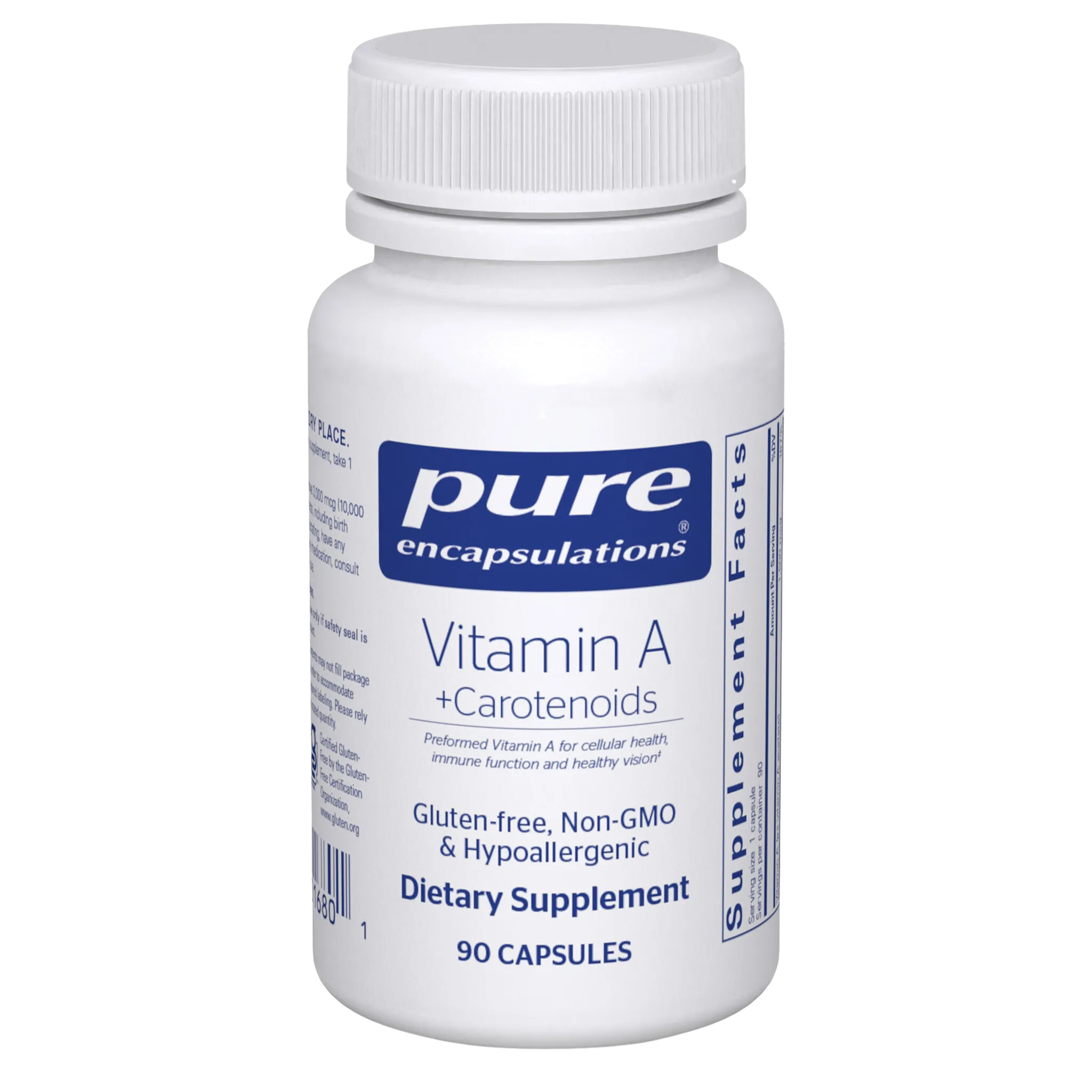
This formula utilizes Vitamin A acetate, a highly stable, preformed version of active retinol. By providing the vitamin in its preformed state, it entirely bypasses the enzymatic bottleneck of the gut and liver. The body does not need to expend energy or rely on compromised pathways to convert it; the retinol is immediately available for absorption and transport to the immune tissues, lungs, and central nervous system. This direct delivery system is crucial for ensuring that the immune-regulating and tissue-repairing benefits of Vitamin A are reliably achieved, regardless of the patient's genetic background or current state of systemic inflammation.
Furthermore, Vitamin A acetate is highly bioavailable and easily utilized by the cells to synthesize retinoic acid. This precise, targeted form ensures that patients are receiving the exact molecular key required to unlock the nuclear receptors (RXR and RAR) that govern T-cell differentiation and mucosal barrier repair, making it a vastly superior choice for post-viral recovery protocols compared to standard provitamin A blends.
Fat Solubility and Micelle Formation
A critical practical consideration for this supplement is its fat-soluble nature. Vitamin A, astaxanthin, lutein, and zeaxanthin are all lipophilic compounds. Unlike water-soluble vitamins (such as Vitamin C or the B-complex), which can be absorbed directly across the intestinal wall, fat-soluble nutrients require a specific digestive process to enter the bloodstream. They must be emulsified by bile acids in the small intestine and incorporated into tiny lipid droplets known as micelles.
To ensure optimal absorption and bioavailability, it is absolutely essential to take this supplement alongside a meal that contains healthy dietary fats. Consuming it on an empty stomach or with a fat-free meal will drastically reduce the amount of the active compounds that actually make it into your systemic circulation, rendering the supplement largely ineffective. Incorporating sources of healthy fats, such as avocados, olive oil, nuts, seeds, or fatty fish, into the meal when you take the capsule will trigger the necessary bile release and facilitate the formation of the micelles required for maximum absorption.
Additionally, because these compounds are fat-soluble, they are stored in the body's lipid tissues and the liver, rather than being rapidly excreted in the urine like water-soluble vitamins. This means that they build up in the system over time, providing a sustained, long-lasting antioxidant shield. However, this storage mechanism also necessitates careful attention to dosing and safety guidelines to prevent accumulation to toxic levels.
Safety, Toxicity, and Contraindications
While Vitamin A is essential for immune recovery, it operates within a narrow therapeutic window. Because it accumulates in the liver, chronic high-dose supplementation of preformed Vitamin A can lead to a dangerous condition known as hypervitaminosis A. Symptoms of toxicity include severe liver damage, elevated intracranial pressure, bone pain, dry and peeling skin, and profound fatigue. It is crucial to respect the established upper limits for daily intake. The warning label on this product explicitly states that Vitamin A at levels above 3,000 mcg (10,000 IU) daily can lead to serious adverse side effects.
This specific formula provides 1,500 mcg of Vitamin A acetate per capsule, which is a safe, effective, and moderate therapeutic dose designed for daily immune support without approaching the toxicity threshold. However, patients must be mindful of their total cumulative Vitamin A intake from all sources, including other multivitamins, cod liver oil, and heavily fortified foods, to ensure they do not inadvertently exceed the 3,000 mcg daily limit.
Crucially, high doses of preformed Vitamin A are highly teratogenic, meaning they can cause severe birth defects. Pregnant women, or women who are actively trying to conceive, must strictly avoid high-dose Vitamin A supplementation and should only use this product under the direct, close supervision of their obstetrician or primary healthcare provider. As always, individuals with pre-existing liver conditions or those taking medications processed by the liver should consult their medical team before introducing fat-soluble vitamin supplements into their regimen.

Follow the Science
Clinical Evidence on Astaxanthin and Fatigue
The scientific literature robustly supports the use of astaxanthin for combating oxidative stress and cellular fatigue. A pivotal randomized, double-blind, placebo-controlled crossover study published in MDPI evaluated the effects of astaxanthin supplementation on healthy volunteers experiencing daily mental and physical fatigue. The researchers found that the supplement significantly attenuated the buildup of Phosphatidylcholine Hydroperoxide (PCOOH)—a major blood biomarker of oxidative lipid damage—and resulted in vastly improved subjective recovery from mental fatigue compared to the placebo group. This demonstrates astaxanthin's direct ability to halt the lipid peroxidation that degrades cellular energy systems.
In the context of post-viral syndromes, astaxanthin is gaining significant traction. The ongoing ImmuneRecov Clinical Trial (NCT06166030) is actively investigating a targeted nutritional blend featuring high-dose astaxanthin for post-COVID-19 patients. The trial is specifically tracking the compound's ability to minimize respiratory sequelae, halt peripheral muscle loss, and restore immunohematological responses over a 30-day period. Furthermore, the International Society for Orthomolecular Medicine has officially included astaxanthin in its proposed therapeutic protocols for Long COVID, citing its unique capacity to cross the blood-brain barrier, protect mitochondrial structures, and aggressively suppress the NF-kB inflammatory cascade.
These clinical findings align with pre-clinical animal models of chronic exercise fatigue, which show that astaxanthin dramatically improves skeletal muscle antioxidant capacity (increasing Glutathione Peroxidase and Catalase levels) while protecting the mitochondrial membrane potential. By preserving the structural integrity of the mitochondria under extreme oxidative stress, astaxanthin effectively prolongs physical endurance and helps prevent the massive inflammatory muscle damage that characterizes post-exertional malaise (PEM) in ME/CFS patients.
Lutein, Zeaxanthin, and Cognitive Function
The cognitive benefits of lutein and zeaxanthin are backed by rigorous, long-term clinical trials. A landmark 6-month randomized, double-blind, placebo-controlled trial published in Frontiers in Nutrition evaluated adults with self-reported cognitive complaints. Patients receiving a daily dose of 10 mg lutein and 2 mg zeaxanthin showed statistically significant improvements in visual episodic memory and visual learning compared to the placebo group. They performed markedly better in complex location learning recall and picture recognition tasks, proving that these carotenoids actively improve the brain's ability to encode and retrieve information.
The mechanism behind this cognitive enhancement was further elucidated in a clinical trial published in Physiology & Behavior. Researchers found that supplementing with lutein and zeaxanthin established a direct, significant relationship between increased retinal levels of the carotenoids, reduced systemic inflammation, and a marked increase in Brain-Derived Neurotrophic Factor (BDNF). This increase in BDNF directly drove corresponding improvements in cognitive performance, complex attention, and cognitive flexibility, providing a clear biochemical explanation for how these compounds alleviate the symptoms of "brain fog."
Additionally, functional MRI (fMRI) studies have visually confirmed these neuroprotective effects. Scans of older adults supplementing with lutein and zeaxanthin revealed increased neural activation and enhanced cerebral blood flow to regions of the brain responsible for memory and executive function. While the placebo groups in these studies exhibited typical cognitive decline, the supplemented groups maintained their cognitive processing speeds, demonstrating that these fat-soluble antioxidants physically protect the brain's structural and vascular integrity from age and inflammation-related degradation.
Vitamin A in Post-Viral Olfactory Repair
The role of Vitamin A in repairing the specific tissue damage caused by SARS-CoV-2 has been the subject of intense clinical scrutiny, particularly regarding the loss of smell (anosmia). Because retinoic acid is fundamentally required for the regeneration of olfactory receptor neurons, researchers have explored various delivery methods to restore this sensory pathway. A notable 2023 pilot study out of Hong Kong randomized Long COVID patients to receive a 14-day short-course of oral Vitamin A combined with olfactory training. The patients in the combination group showed significantly higher smell test scores and improved functional brain connectivity on fMRI scans compared to the control group, suggesting that systemic, preformed Vitamin A can successfully support neural regeneration.
However, the clinical application of Vitamin A requires precision. The highly anticipated APOLLO trial, which evaluated high-dose intranasal Vitamin A drops for post-infectious olfactory dysfunction, recently found no significant effect on directly restoring olfactory function compared to a placebo, though patients did report improvements in overall quality of life. This divergence in trial outcomes highlights that while Vitamin A is an essential molecular building block for tissue repair, the method of delivery, the presence of necessary co-factors (like zinc), and the systemic absorption of oral, preformed retinol (like Vitamin A acetate) may be more critical for achieving therapeutic tissue saturation than localized topical applications.
Furthermore, recent research into the broader immune dysfunction of these conditions, such as the Identification of CD8 T-cell dysfunction associated with symptoms in ME/CFS and Long COVID, underscores the need for comprehensive, systemic immune support. The profound exhaustion of the adaptive immune system seen in these patients requires the foundational regulatory signaling provided by active retinoic acid to help restore T-cell balance and combat the persistent, low-grade viral reactivations that drive chronic symptomatology.
The Path Forward
Validating the Chronic Illness Experience
Living with a complex chronic illness like Long COVID, ME/CFS, or dysautonomia is an incredibly isolating and exhausting experience. The invisible nature of these conditions often means that patients are forced to constantly advocate for themselves, explaining their profound fatigue, cognitive dysfunction, and unpredictable symptom flares to a medical system that is still catching up to the science. It is deeply validating to understand that your symptoms are not in your head; they are the direct result of measurable, physiological disruptions at the cellular level. The oxidative stress damaging your mitochondria, the neuroinflammation clouding your cognition, and the genetic bottlenecks impairing your nutrient absorption are real, biochemical phenomena that require targeted, science-backed interventions.
Understanding the specific mechanisms of your illness—such as how a BCMO1 gene variation might be starving your immune system of vital retinol, or how a post-viral cytokine storm is degrading your cellular energy production—empowers you to move beyond generic advice and seek out precise, mechanistic support. While there is no single miracle cure for these complex conditions, breaking down the pathophysiology into manageable, addressable components allows you to regain a sense of agency over your health and your recovery trajectory.
A Comprehensive Management Strategy
It is crucial to approach supplementation as one piece of a much larger, comprehensive management puzzle. While the combination of Vitamin A acetate, astaxanthin, lutein, and zeaxanthin offers profound, targeted support for mitochondrial protection, neuroinflammation, and immune regulation, it cannot replace the foundational pillars of chronic illness management. Aggressive pacing to avoid post-exertional malaise (PEM), meticulous symptom tracking to identify specific triggers, and prioritizing restorative rest are absolutely essential for stabilizing your baseline and allowing your body the energetic space it needs to utilize these nutritional tools effectively.
Furthermore, navigating the complexities of post-viral syndromes requires professional medical guidance. Working with a healthcare provider who understands the nuances of neuroimmune conditions is vital for ensuring that your supplement regimen is safe, appropriately dosed, and tailored to your specific lab results and genetic profile. If you are struggling to find a diagnosis or a clear path forward, exploring resources like How Does a Doctor Diagnose Long COVID? can provide valuable insights into the clinical evaluation process and help you advocate for the comprehensive care you deserve.
Next Steps
If you are experiencing persistent immune dysregulation, profound physical fatigue, or debilitating brain fog, supporting your body's cellular defense mechanisms with highly bioavailable, fat-soluble antioxidants may be a valuable addition to your management toolkit. By bypassing genetic bottlenecks with preformed Vitamin A and protecting your mitochondria and central nervous system with potent carotenoids, you can provide your body with the biochemical support it needs to begin the slow, complex process of cellular repair.
Disclaimer: This content is for educational purposes only and is not intended as medical advice. Vitamin A and carotenoid supplements can interact with certain medications and have specific contraindications, particularly regarding pregnancy and liver health. Always consult with your healthcare provider before starting any new supplement regimen to ensure it is safe and appropriate for your individual health needs.