Can VisionPro Nutrients Help Manage Dry Eyes and Blurry Vision in Long COVID and Dysautonomia?
March 5, 2026
VisionPro NutrientsLong COVIDDysautonomia
Share:
Disclaimer: The information provided here is for educational purposes only and is not intended as medical advice. It should not be used to diagnose, treat, cure, or prevent any medical condition. Instead, use it as a starting point for discussion with your healthcare provider. Always consult with a qualified healthcare provider before starting any new medication, supplement, device, or making changes to your health regimen.
For many individuals living with complex chronic conditions, the battle doesn't stop at profound fatigue, brain fog, or a racing heart. Often, some of the most frustrating and debilitating symptoms manifest right in front of their eyes—literally. Patients frequently report a sudden onset of severe dry eyes, fluctuating blurry vision, visual snow, and an intense sensitivity to light (photophobia) that makes looking at screens or stepping outside incredibly painful. When standard over-the-counter eye drops fail to provide lasting relief, it becomes clear that these ocular symptoms are not just a surface-level nuisance. Instead, they are a direct reflection of systemic neurological, autonomic, and vascular dysfunction occurring throughout the body.
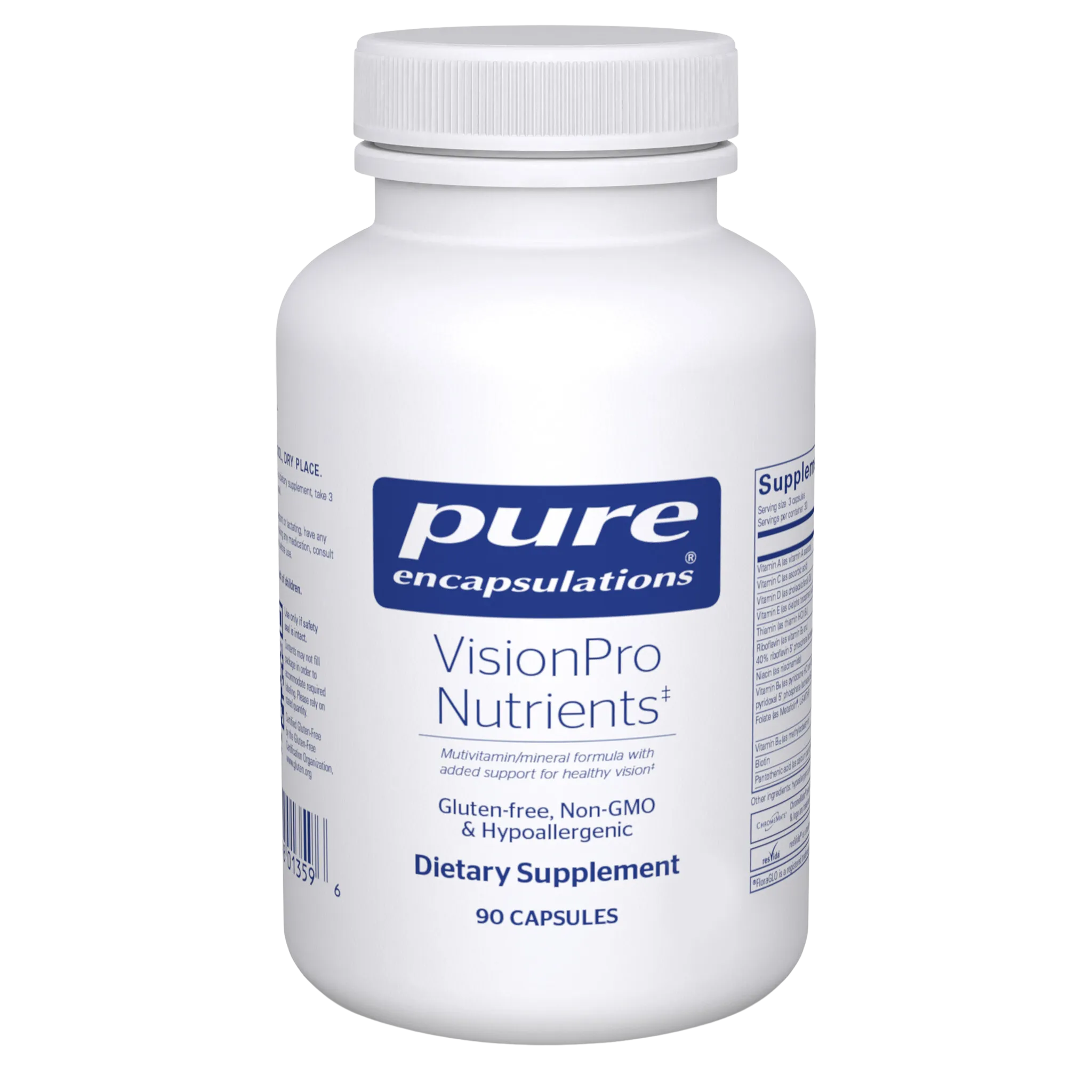
In the wake of a viral infection or the onset of conditions like myalgic encephalomyelitis/chronic fatigue syndrome (ME/CFS), the autonomic nervous system and the delicate microvasculature of the eye can sustain significant damage. This is where targeted nutritional support becomes a vital piece of the symptom management puzzle. VisionPro Nutrients by Pure Encapsulations is a comprehensive multivitamin and mineral complex specifically designed to support macular health, tear production, and photoreceptor activity. By delivering clinically researched levels of antioxidants, macular carotenoids, and neuroprotective compounds, this formula targets the underlying oxidative stress and nerve dysfunction that often drive vision changes in chronic illness.
TL;DR
Chronic illnesses like Long COVID and ME/CFS often cause severe dry eyes, light sensitivity, and blurry vision.
These ocular symptoms stem from systemic autonomic dysfunction, small fiber neuropathy, and microvascular damage.
VisionPro Nutrients provides targeted vitamins, macular carotenoids, and antioxidants to support eye and nerve health.
Ingredients like lutein, zeaxanthin, and alpha-lipoic acid may help manage visual fatigue and neuropathic pain.
What are VisionPro Nutrients?
A Comprehensive Ocular Support Formula
At its core, VisionPro Nutrients is a meticulously formulated multivitamin and mineral complex that provides the foundational building blocks required for optimal ocular health. The eye is one of the most metabolically active organs in the human body, requiring a constant and robust supply of specific nutrients to maintain its structural integrity and perform the complex task of converting light into neurological signals. This formula delivers clinically researched levels of essential vitamins, including 500 mg of vitamin C, 268 mg of vitamin E, and 750 mcg of vitamin A. These vitamins work synergistically to protect the delicate tissues of the eye, particularly the cornea and the conjunctiva, from daily environmental stressors and oxidative damage.
In addition to these foundational vitamins, the complex includes a highly bioavailable spectrum of trace minerals, such as 25 mg of zinc and 2 mg of copper. Zinc is found in highly concentrated amounts in the macula, the central portion of the retina responsible for sharp, detailed vision. It serves as an essential cofactor for numerous enzymatic reactions, including the function of superoxide dismutase (SOD), a critical endogenous antioxidant enzyme that neutralizes harmful free radicals before they can damage retinal cells. Copper is included alongside zinc to prevent the mineral imbalances that can occur with long-term zinc supplementation, ensuring that the body's delicate mineral homeostasis is maintained.
The Power of Macular Carotenoids
What elevates this formula beyond a standard multivitamin is its inclusion of specialized macular carotenoids: 10 mg of FloraGLO® lutein, 2 mg of zeaxanthin, and 1 mg of lycopene. Out of the dozens of carotenoids found in the human diet, lutein and zeaxanthin are entirely unique because they possess the ability to cross both the blood-retina barrier and the blood-brain barrier. Once inside the eye, they selectively accumulate in the macula to form the "macular pigment." Zeaxanthin concentrates in the central foveal region, while lutein gathers in the perifoveal region. Together, they act as internal sunglasses for the eye, absorbing up to 90% of high-energy, short-wavelength blue light.
By physically filtering out phototoxic blue light, these carotenoids directly help protect against photochemical and photo-oxidative damage to vulnerable photoreceptor cells. Furthermore, lutein and zeaxanthin are physically oriented transversely within the lipid bilayers of retinal cell membranes. This specific structural positioning provides mechanical reinforcement to the cell membranes, protecting the retina from degradation. They also act as powerful direct antioxidants, efficiently quenching reactive oxygen species (ROS) and neutralizing singlet oxygen, which helps prevent the light-induced lipid peroxidation that can lead to progressive visual impairment and cellular death.
Neuroprotective and Mitochondrial Compounds
To provide comprehensive support, VisionPro Nutrients incorporates a trio of powerful compounds known for their neuroprotective and mitochondrial-boosting properties: alpha-lipoic acid (ALA), taurine, and resveratrol. Alpha-lipoic acid is a unique, amphipathic antioxidant, meaning it functions effectively in both water-soluble and fat-soluble environments. It plays a critical role in mitochondrial energy metabolism as a necessary cofactor for alpha-ketoacid dehydrogenase complexes. Beyond energy production, ALA directly scavenges free radicals and is uniquely capable of regenerating other depleted antioxidants in the body, including vitamin C, vitamin E, and intracellular glutathione.
Taurine is an amino sulfonic acid found in exceptionally high concentrations in the retina and the central nervous system. Because the photoreceptors in the retina are constantly exposed to severe light and oxygen stress, taurine is vital for maintaining healthy photoreceptor activity and helping to prevent programmed cell death (apoptosis). Finally, resveratrol, a polyphenolic compound, targets mitochondrial dysfunction by activating the SIRT-1 and AMPK pathways. These pathways are critical for cellular energy homeostasis and longevity. By improving mitochondrial integrity, resveratrol reduces the production of reactive oxygen species and helps preserve the microvascular circulation that supplies oxygen and nutrients to the optic nerve and retinal tissues.
How Long COVID and Dysautonomia Impact Vision
Autonomic Dysfunction and Tear Film Degradation
To understand why vision issues are so prevalent in chronic illnesses, we must examine how conditions like Long COVID and ME/CFS disrupt the body's regulatory systems. A hallmark of these complex conditions is dysautonomia, a dysfunction of the autonomic nervous system (ANS). The ANS controls all of the body's involuntary functions, including heart rate, blood pressure, digestion, and crucial ocular functions like tear production and pupil dilation. Research into the autonomic manifestations of Long COVID has shown that the virus can cause severe dysregulation of both the sympathetic and parasympathetic nervous systems, leading to conditions like Postural Orthostatic Tachycardia Syndrome (POTS).
When the autonomic nervous system dysfunctions, the secretomotor pathways that signal the lacrimal glands to produce tears are interrupted. This leads to a severe reduction in the aqueous (watery) layer of the tear film, resulting in chronic, painful dry eyes. Furthermore, patients often experience "pupillary unrest" or pupil fatigue. Because the eyes cannot properly adapt to changes in light due to a constant state of adrenergic over-activity (the "fight-or-flight" response), patients suffer from severe photophobia, or light sensitivity. Understanding what causes Long COVID helps illuminate why these systemic autonomic disruptions manifest so prominently in the eyes, turning everyday visual tasks into exhausting endeavors.
Small Fiber Neuropathy and Ocular Surface Pain
Dry eye syndrome in ME/CFS and Long COVID is rarely just a simple lack of lubrication; recent studies show it is closely linked to small fiber neuropathy (SFN) and neuropathic pain. The cornea is one of the most densely innervated tissues in the human body, packed with sensory nerve fibers. In chronic inflammatory states, the immune system can inadvertently damage these delicate peripheral nerves. A landmark 2023 cross-sectional study by the Miami Veterans Affairs Medical Center analyzed veterans with ME/CFS and found that they reported significantly higher and more severe ocular surface pain compared to healthy controls.
Crucially, this study revealed a clinical anomaly: standard clinical signs of dry eye, such as tear film volume, were broadly similar between the ME/CFS group and controls. However, the ME/CFS patients experienced persistent, severe pain even after the administration of topical eye anesthesia. This indicates that the dry eye symptoms in these conditions are primarily driven by nerve abnormalities and nociplastic pain, rather than just a dry ocular surface. The pain is generated by malfunctioning, damaged nerves misfiring signals to the brain, which explains why standard over-the-counter artificial tears often fail to provide meaningful relief for these patients.
Microvascular Damage and Retinal Hypoxia
Another major factor impacting vision in chronic illness is widespread vascular damage. Long COVID is highly associated with endothelial dysfunction—damage to the inner lining of blood vessels—and hypercoagulability, which can lead to the formation of micro-clots. The SARS-CoV-2 virus can breach the blood-retinal barrier, causing microaneurysms, retinal vein occlusions, and a severe drop in capillary blood flow. When exploring how a doctor diagnoses Long COVID, clinicians are increasingly looking at the eyes as a window into the body's overall vascular health, a field known as "oculomics."
This microvascular damage leads to a phenomenon known as neurovascular coupling (NVC) dysfunction. NVC is the vital connection between nerve cells and blood vessels that ensures areas of the brain—including the visual cortex—receive enough blood when they are active. When NVC is disrupted, the visual processing centers of the brain and the retina itself do not receive adequate oxygen and nutrients (hypoxia). This lack of microcirculation directly mirrors the decreased blood flow seen in the brain, tying fluctuating blurry vision and visual fatigue directly to broader systemic symptoms like brain fog and post-exertional malaise (PEM).
VisionPro Nutrients: Supporting Visual Function and Nerve Health
Restoring Tear Production and Corneal Integrity
VisionPro Nutrients addresses the complex ocular manifestations of chronic illness through multiple targeted biochemical pathways. To combat the severe dry eyes driven by autonomic dysfunction, the formula provides a robust 750 mcg dose of vitamin A. Vitamin A is absolutely essential for the maintenance of the conjunctival goblet cells, which are specialized epithelial cells that secrete mucins. These mucins form the innermost layer of the tear film, anchoring the watery layer to the surface of the eye and helping to prevent rapid tear evaporation. By supporting goblet cell density and function, vitamin A helps restore the structural integrity of the tear film, providing much-needed lubrication to the ocular surface.
Additionally, the 500 mg of vitamin C in the formula plays a crucial role in maintaining the structural integrity of the cornea. The cornea is highly dependent on collagen for its strength and transparency. Vitamin C is an obligatory cofactor for the enzymes prolyl hydroxylase and lysyl hydroxylase, which are required for the biosynthesis and cross-linking of collagen fibers. By ensuring adequate vitamin C levels, the formula supports the physical repair of the corneal surface, which is often compromised in patients suffering from chronic dry eye and persistent ocular inflammation.
Shielding the Macula and Reducing Neuroinflammation
To address the neuroinflammation that drives neuropathic eye pain and visual fatigue, the formula relies heavily on its macular carotenoids. Once lutein and zeaxanthin cross the blood-retina barrier, they do more than just filter blue light; they actively modulate localized immune responses. Research indicates that lutein strongly attenuates neuroinflammation in activated microglia, the primary immune cells of the central nervous system and retina. It achieves this by blocking the NF-κB signaling pathway, which subsequently suppresses the expression of pro-inflammatory cytokines such as IL-1β, IL-6, and TNF-α.
Furthermore, lutein stimulates the ERK (extracellular signal-regulated kinase) pathway, causing the Keap1 protein to dissociate from the Nrf2 complex. Once freed, Nrf2 translocates to the cell nucleus, where it binds to specific DNA sequences to upregulate the body's own powerful antioxidant enzymes, including Heme Oxygenase-1 (HO-1) and superoxide dismutase. This endogenous antioxidant activation is critical for protecting the delicate optic nerve and retinal tissues from the chronic oxidative stress that characterizes conditions like Long COVID and ME/CFS.
Combating Neuropathy with Alpha-Lipoic Acid and Taurine
The inclusion of alpha-lipoic acid (ALA) and taurine provides a direct countermeasure to the small fiber neuropathy that causes severe ocular surface pain. ALA is considered a first-line, disease-modifying compound for peripheral neuropathy. By neutralizing reactive oxygen species and regenerating intracellular glutathione, ALA protects the microvasculature that supplies blood to the peripheral nerves in the cornea. Clinical studies on ALA have demonstrated its ability to ameliorate neuropathic deficits, reduce nerve pain, and improve microcirculation by helping to prevent the apoptosis (cell death) of nerve fibers.
Taurine works synergistically with ALA to provide profound neuroprotection. In the retina, taurine blunts the inflammatory cascades that cause nerve damage and regulates the same NF-κB and Nrf2 pathways targeted by lutein. Because it is highly concentrated in the central nervous system, taurine acts as an osmolyte, helping to maintain cellular hydration and volume in the face of metabolic stress. By helping to prevent the apoptosis of retinal ganglion cells and photoreceptors, taurine helps preserve visual acuity and reduces the sensory misfiring that leads to neuropathic pain.
Boosting Mitochondrial Function and Nerve Myelination
Finally, VisionPro Nutrients supports the underlying energy demands of the visual system through resveratrol and a highly bioavailable B-vitamin complex. Resveratrol activates the AMPK pathway, which stimulates mitochondrial biogenesis—the creation of new, healthy mitochondria. This is vital for patients whose visual fatigue is driven by systemic mitochondrial dysfunction. By improving energy output at the cellular level, resveratrol helps the eye muscles and visual processing centers function more efficiently, reducing the strain of focusing and tracking.
The formula also includes Metafolin® L-5-methyltetrahydrofolate (L-5-MTHF) and methylcobalamin (active vitamin B12). These activated B-vitamins are essential for the methionine cycle and the reduction of homocysteine, an amino acid that is highly toxic to endothelial cells when elevated. By lowering homocysteine and providing the methyl groups necessary for the synthesis of myelin basic protein, these vitamins support the repair and remyelination of damaged nerves. For patients exploring what drugs are used for COVID long haulers, adding targeted nutritional support for nerve myelination is often a critical complementary strategy.

Symptoms VisionPro Nutrients May Help Manage
Targeted Relief for Ocular Manifestations
Severe Dry Eyes: By providing a clinical dose of vitamin A, the formula supports the conjunctival goblet cells that produce the mucin layer of the tear film. This helps anchor tears to the eye surface, helping to prevent rapid evaporation and alleviating the gritty, burning sensation caused by autonomic dysfunction.
Neuropathic Ocular Pain: The combination of alpha-lipoic acid (ALA) and taurine directly targets the small fiber neuropathy common in chronic illness. By regenerating glutathione and reducing oxidative stress in the microvasculature, these compounds help calm misfiring corneal nerves and reduce nociplastic pain.
Photophobia (Light Sensitivity): Lutein and zeaxanthin act as internal sunglasses, physically absorbing up to 90% of phototoxic blue light. By reinforcing the macular pigment, they help reduce the intense glare and physical pain associated with pupillary unrest and light sensitivity.
Fluctuating Blurry Vision: Resveratrol and trace minerals like zinc support microvascular circulation and mitochondrial energy production. By improving blood flow and cellular energy in the retina, the formula helps combat the neurovascular coupling dysfunction that leads to difficulty focusing and blurred vision.
Visual Fatigue and Strain: The activated B-vitamins (Metafolin L-5-MTHF and methylcobalamin) support nerve remyelination and efficient neural transmission. This helps reduce the cognitive and physical exhaustion associated with processing visual information, a common issue for those managing brain fog. If you often wonder do Long COVID symptoms come and go, you may notice that visual fatigue flares up in tandem with systemic crashes; supporting nerve health can help stabilize these fluctuations.
Practical Considerations: Forms, Dosing, and Absorption
Highly Bioavailable Nutrient Forms
The efficacy of any nutritional supplement is entirely dependent on its bioavailability—the proportion of the nutrient that actually enters the systemic circulation and reaches the target tissues. VisionPro Nutrients is formulated with highly bioavailable, clinically researched forms of its key ingredients to ensure maximum absorption, even in patients with compromised gastrointestinal function. For example, the folate in this formula is provided as Metafolin® L-5-methyltetrahydrofolate (L-5-MTHF). This is the naturally occurring, universally metabolized, and active form of folate. Unlike synthetic folic acid, which requires the MTHFR enzyme for conversion, L-5-MTHF can be used directly by the body, making it crucial for individuals with MTHFR genetic mutations.
Similarly, the minerals in this complex are provided in highly absorbable chelated forms. Zinc is included as zinc citrate, while copper, manganese, and molybdenum are provided as glycinate chelates (including TRAACS® molybdenum glycinate). Chelation binds the mineral to an amino acid (like glycine), which allows it to bypass the competitive absorption pathways in the gut and be absorbed more efficiently through the intestinal wall. The lutein used is FloraGLO® lutein, a patented, free-form lutein that is structurally identical to the lutein found naturally in dietary sources like dark leafy greens, ensuring high uptake into the macular tissues.
Optimal Dosing and Timing Strategies
The suggested use for VisionPro Nutrients is three capsules daily. Because the formula contains significant amounts of fat-soluble vitamins (vitamins A, D, and E) as well as lipid-soluble macular carotenoids (lutein, zeaxanthin, and lycopene), it is highly recommended to take these capsules with a meal that contains healthy fats. Dietary fats stimulate the release of bile acids from the gallbladder, which are necessary to emulsify these fat-soluble compounds into micelles, allowing them to be absorbed efficiently across the intestinal lining. Taking them on an empty stomach will significantly reduce the absorption of these critical ocular nutrients.
For patients who struggle with fatigue or gastrointestinal sensitivity, the three-capsule dose can be divided throughout the day (e.g., one capsule with breakfast, lunch, and dinner) to maintain steady blood levels of the water-soluble B-vitamins and vitamin C. If you are managing changes to your sense of smell and taste and find it difficult to eat large meals, simply ensuring that your smaller meals or snacks contain a source of fat—such as avocado, olive oil, or nut butter—will suffice for proper absorption.
Safety and Potential Interactions
VisionPro Nutrients is certified vegetarian and non-GMO, with no major allergens listed, making it suitable for a wide range of dietary needs. However, because it contains potent, active ingredients, certain precautions should be taken. Alpha-lipoic acid (ALA) is known to improve insulin sensitivity and can lower blood glucose levels. Patients who are currently taking medications for diabetes or insulin resistance should monitor their blood sugar closely when starting this supplement, as the combination may lead to hypoglycemia, requiring a medication dosage adjustment by a healthcare provider.
Additionally, because this formula contains 150 mcg of iodine (as potassium iodide) and 75 mcg of selenium, individuals with pre-existing thyroid conditions—particularly hyperthyroidism or Hashimoto's thyroiditis—should consult their endocrinologist or primary care physician before use. While these minerals are essential for healthy thyroid function, sudden changes in iodine intake can occasionally trigger fluctuations in thyroid hormone levels. Always discuss new supplements with your medical team to ensure they fit safely into your comprehensive care plan.

Follow the Science
Clinical Evidence for Macular Carotenoids
The foundational science supporting the use of lutein, zeaxanthin, and specific vitamins for eye health is robust and internationally recognized. The most significant body of evidence comes from the landmark Age-Related Eye Disease Study 2 (AREDS2), sponsored by the National Eye Institute. This massive clinical trial demonstrated that supplementing with a specific combination of vitamin C, vitamin E, zinc, copper, lutein, and zeaxanthin significantly reduced the risk of progression from intermediate to advanced macular degeneration by about 25%. The trial confirmed that replacing beta-carotene with the macular carotenoids lutein and zeaxanthin provided superior safety and efficacy for preserving visual function and protecting the retina from structural degradation.
Beyond age-related decline, recent meta-analyses have highlighted the broader neuroprotective effects of these carotenoids. Studies have shown that individuals with higher macular pigment optical density (MPOD)—achieved through lutein and zeaxanthin supplementation—exhibit statistically significant improvements in visual acuity, contrast sensitivity, and glare recovery. Furthermore, research published in Nutrients has demonstrated that lutein successfully reduces neuroinflammation in animal models of demyelination and traumatic brain injury, proving its ability to protect the central nervous system by downregulating the expression of pro-inflammatory cytokines like IL-6 and TNF-α.
Research on Dysautonomia, Neuropathy, and Eye Health
The connection between systemic chronic illness and ocular manifestations is an rapidly expanding field of research. A 2023 study published in Investigative Ophthalmology & Visual Science definitively linked the severe dry eye symptoms seen in ME/CFS patients to neuropathic pain and small fiber neuropathy, rather than simple tear deficiency. This paradigm shift explains why traditional eye drops fail and highlights the need for systemic neuroprotective compounds. Furthermore, studies analyzing the autonomic manifestations of Long COVID have confirmed that the virus severely attenuates cardiac and vascular autonomic function, which directly impairs the secretomotor pathways responsible for tear production and pupillary control.
To combat this neuropathy, the scientific community heavily supports the use of alpha-lipoic acid (ALA). Multiple clinical trials, including the SYDNEY 2 trial, have established ALA as a gold-standard natural therapy for peripheral neuropathy. A meta-analysis of over 1,200 patients demonstrated that ALA successfully ameliorates neuropathic deficits and improves microcirculation by neutralizing oxidative stress. When learning how to live with long-term COVID, integrating these clinically validated, neuroprotective antioxidants offers a targeted approach to managing the painful and disruptive ocular symptoms driven by systemic nerve damage.
The Path Forward
Integrating Ocular Support into Your Care Plan
Living with the unpredictable and systemic symptoms of Long COVID, ME/CFS, and dysautonomia is an exhausting journey. When those symptoms begin to affect your vision—causing burning dry eyes, intense light sensitivity, and fluctuating blurriness—it can feel incredibly isolating and overwhelming. It is important to validate that these ocular manifestations are real, physically grounded symptoms driven by underlying autonomic dysfunction, neuroinflammation, and small fiber neuropathy. You are not imagining the visual fatigue, and standard over-the-counter eye drops are often not enough to address the root cause.
While there are no quick fixes for complex chronic illnesses, targeted nutritional support can play a vital role in improving your quality of life. By supplying your body with clinically researched levels of macular carotenoids, neuroprotective antioxidants like alpha-lipoic acid, and highly bioavailable vitamins, VisionPro Nutrients offers a comprehensive strategy to support tear production, shield the retina, and combat neuropathic eye pain. As always, supplements should be part of a broader, holistic management plan that includes pacing, symptom tracking, and guidance from a knowledgeable healthcare provider.