Can VisionPro EPA/DHA/GLA Relieve Severe Dry Eyes in Long COVID and Dysautonomia Patients?
March 5, 2026
VisionPro EPA/DHA/GLALong COVIDDysautonomia
Share:
Disclaimer: The information provided here is for educational purposes only and is not intended as medical advice. It should not be used to diagnose, treat, cure, or prevent any medical condition. Instead, use it as a starting point for discussion with your healthcare provider. Always consult with a qualified healthcare provider before starting any new medication, supplement, device, or making changes to your health regimen.
Living with complex chronic conditions often means dealing with a cascade of overlapping, frustrating symptoms that extend far beyond the initial illness. For many individuals navigating the aftermath of a viral infection, severe ocular discomfort—such as burning, grittiness, and chronic dry eyes—becomes a daily, debilitating reality. These symptoms are rarely just "tired eyes"; they are often profound manifestations of systemic inflammation, neurovascular damage, and autonomic nervous system dysfunction. When the body's delicate moisture-producing pathways are disrupted at a cellular level, standard over-the-counter artificial tears frequently fall short, leaving patients searching for deeper, biologically targeted support that addresses the root cause.
Enter VisionPro EPA/DHA/GLA, a specialized nutritional formulation designed to address the foundational biochemical causes of ocular surface dehydration and inflammation. By combining ultra-pure, triglyceride-form omega-3 fatty acids (EPA and DHA) with the potent omega-6 fatty acid gamma-linolenic acid (GLA) from cold-pressed borage oil, this supplement targets the intricate enzymatic pathways responsible for tear production and tear film stability. In this comprehensive guide, we will explore the rigorous science behind this unique lipid combination, how conditions like Long COVID and dysautonomia hijack your body's natural moisture barriers, and how targeted essential fatty acid supplementation may help restore visual comfort and support your broader autonomic health.
TL;DR
VisionPro EPA/DHA/GLA combines essential fatty acids to support natural tear production and eye moisture.
Long COVID and dysautonomia can disrupt autonomic functions, leading to severe dry eyes and inflammation.
Re-esterified triglyceride forms of omega-3s offer superior bioavailability compared to standard ethyl ester supplements.
Targeted fatty acid supplementation may help manage ocular discomfort and support broader autonomic health.
What is VisionPro EPA/DHA/GLA?
The Essential Fatty Acid Foundation
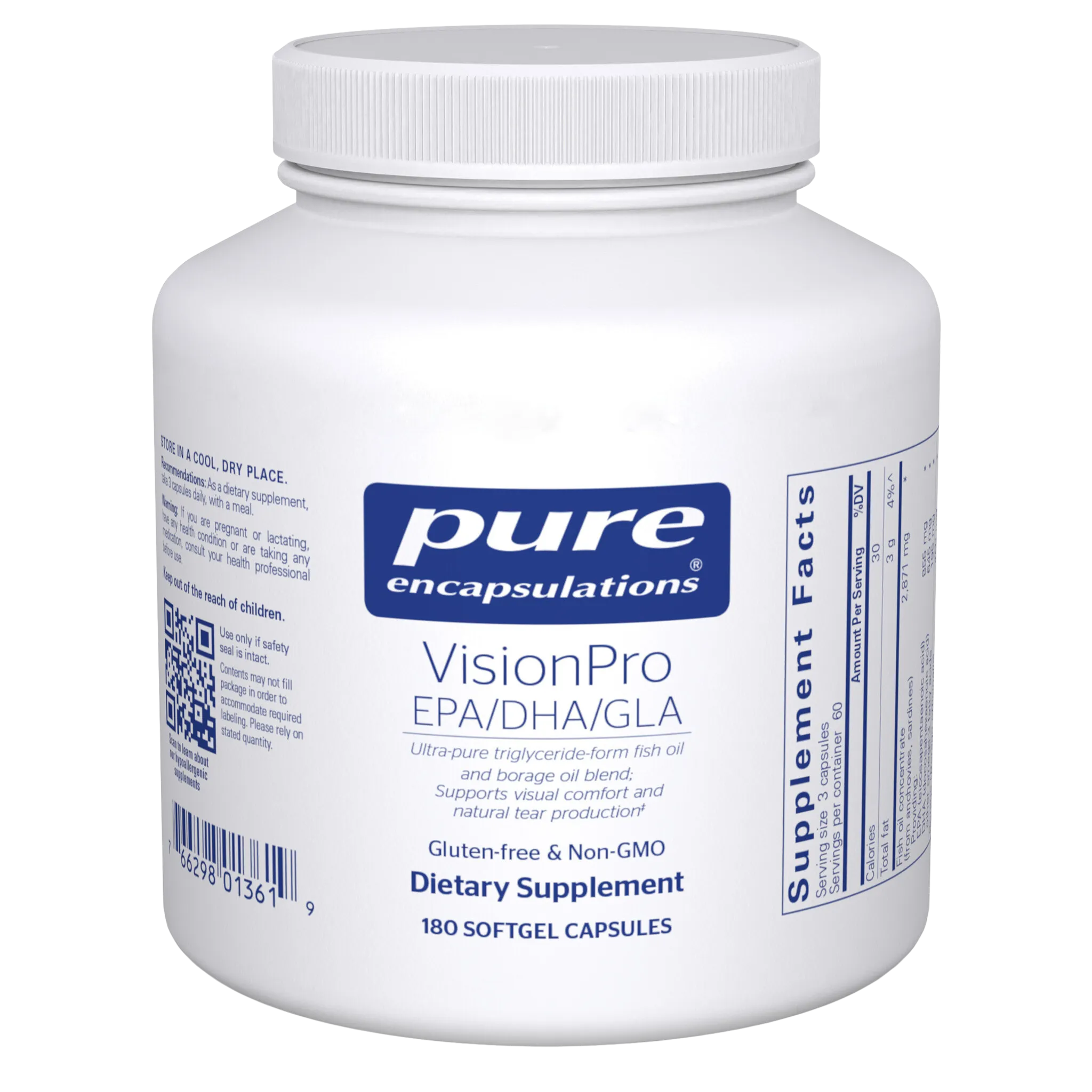
VisionPro EPA/DHA/GLA is a targeted nutritional supplement meticulously formulated by Pure Encapsulations to support natural tear production, healthy tear film composition, and the long-term retention of eye moisture. At its core, this formula provides a potent, synergistic blend of essential fatty acids: 855 mg of eicosapentaenoic acid (EPA) and 645 mg of docosahexaenoic acid (DHA) derived from ultra-pure fish oil concentrate, alongside 75 mg of gamma-linolenic acid (GLA) sourced from 450 mg of cold-pressed borage seed oil. In a healthy human body, these specific polyunsaturated fatty acids (PUFAs) are critical structural components of cellular membranes, dictating membrane fluidity, receptor function, and cellular signaling. They act as foundational precursors to a vast network of signaling molecules known as eicosanoids, which are localized hormones that meticulously regulate inflammation, blood flow, and glandular secretions throughout the body. Because the human body lacks the specific enzymes required to synthesize these essential fatty acids from scratch, they must be consistently obtained through diet or high-quality supplementation to maintain optimal physiological function and support overall health.
The Biochemical Pathways of EPA and DHA
EPA and DHA are the most biologically active and heavily researched forms of omega-3 fatty acids, playing a profound, mechanistic role in modulating the body's inflammatory cascades. At the molecular level, EPA and DHA compete directly with arachidonic acid (AA)—a highly inflammatory omega-6 fatty acid prevalent in the standard Western diet—for access to the critical metabolic enzymes cyclooxygenase (COX) and lipoxygenase (LOX). When the cellular environment is saturated with sufficient levels of EPA and DHA, these enzymes preferentially convert them into anti-inflammatory or biologically inert mediators, such as Prostaglandin E3 (PGE3) and Leukotriene B5 (LTB5), effectively starving the pathways that produce tissue-damaging inflammatory compounds. Furthermore, DHA is heavily concentrated in the retina and neurological tissues, where it maintains the structural integrity of photoreceptor cell membranes and supports optimal neurovascular coupling. By shifting the cellular environment away from chronic, self-perpetuating inflammation, EPA and DHA protect the delicate secretory tissues of the eye from oxidative stress and immune-mediated cellular apoptosis.
The Unique Role of Gamma-Linolenic Acid (GLA)
While many omega-6 fatty acids are clinically associated with promoting systemic inflammation, gamma-linolenic acid (GLA) represents a remarkable, biologically unique exception with potent anti-inflammatory and secretomotor properties. Sourced from the seeds of the Borago officinalis plant, the GLA in this formula undergoes a highly specific metabolic journey once ingested, rapidly converting into dihomo-gamma-linolenic acid (DGLA). DGLA serves as the direct, rate-limiting precursor to Prostaglandin E1 (PGE1), a highly beneficial signaling molecule that acts as a powerful vasodilator and directly stimulates the lacrimal glands to produce aqueous (watery) tears. Additionally, GLA and its downstream lipid mediators actively suppress the generation of pro-inflammatory cytokines, such as tumor necrosis factor-alpha (TNF-α) and Interleukin-6 (IL-6), which are known primary drivers of ocular surface disease and systemic viral aftermath. By providing a direct, highly bioavailable supply of GLA, this supplement bypasses the often-impaired enzymatic steps required to convert dietary linoleic acid into these crucial tear-stimulating compounds, ensuring a steady production of protective prostaglandins.
How Long COVID and Dysautonomia Impact Tear Production
Autonomic Nervous System Dysfunction and Secretomotor Failure
To understand why supplements like VisionPro EPA/DHA/GLA are so clinically relevant for chronic illness, we must examine how post-viral conditions mechanically disrupt the body's moisture-producing systems. When patients ask what causes Long COVID, researchers increasingly point to a complex web of persistent systemic inflammation, microvascular damage, and profound autonomic nervous system dysfunction (dysautonomia). The autonomic nervous system controls involuntary bodily functions, including heart rate, digestion, and the critical "secretomotor" functions that dictate the production of tears, saliva, and sweat. In conditions like Long COVID and myalgic encephalomyelitis/chronic fatigue syndrome (ME/CFS), autoantibodies and neuroinflammation can physically damage the small autonomic nerve fibers that innervate the lacrimal glands. When these neural signals are impaired, misfiring, or entirely blocked, the glands simply fail to receive the biological command to produce adequate aqueous tears, resulting in a severe, neurologically driven condition known as aqueous tear deficiency.
The Vicious Cycle of Ocular Surface Inflammation
When tear production drops due to autonomic failure or systemic inflammation, a vicious, self-perpetuating cycle of cellular destruction begins on the surface of the eye. A healthy, robust tear film is absolutely essential for washing away debris, neutralizing invading pathogens, and providing vital oxygen to the avascular cornea. Without adequate tears, the simple friction from blinking causes micro-traumas to the corneal epithelium, triggering a localized, aggressive immune response that recruits inflammatory cells to the ocular surface. These recruited cells release destructive enzymes called matrix metalloproteinases (MMPs), specifically MMP-9, which further degrade the ocular tissue and destabilize whatever remaining tear film exists. This hyper-osmolar, highly inflammatory environment makes it nearly impossible for the eye to heal itself naturally, transforming a mild annoyance into a chronic, painful condition. Understanding what the symptoms of Long COVID are requires recognizing that these localized inflammatory loops are a direct, measurable extension of the patient's broader systemic illness.
Mucin Layer Degradation and Viral Impact
The human tear film is not merely salt water; it is a highly complex, three-layered structure consisting of an outer lipid (oil) layer, a middle aqueous (water) layer, and a foundational inner mucin layer. The mucin layer is produced by specialized goblet cells located in the conjunctiva, acting as the biological glue that anchors the watery tears to the hydrophobic surface of the eye. Recent clinical research attempting to explain the neurological symptoms of ME/CFS highlights how post-viral conditions can profoundly impact the nervous system, which may indirectly compromise the function of these crucial goblet cells. Furthermore, the chronic, lingering inflammation characteristic of Long COVID rapidly destroys goblet cell populations through apoptosis, leading to a profound, long-term mucin deficiency. Without a healthy, intact mucin layer, even if the lacrimal glands manage to produce enough water, the tears will simply bead up and roll off the eye, leaving the cornea exposed, chronically dry, and highly susceptible to secondary infections and severe light sensitivity.
VisionPro EPA/DHA/GLA: Supporting Ocular Health and Autonomic Function
The Delta-5-Desaturase Block: A Synergistic Mechanism
Supplementing with VisionPro EPA/DHA/GLA offers a multi-targeted, mechanistic approach to dismantling the vicious cycles of ocular inflammation and autonomic dysfunction. The therapeutic power of this formula lies not just in the individual ingredients, but in their precise, documented biochemical synergy. The most brilliant aspect of combining EPA with GLA is a biochemical interaction known as the delta-5-desaturase block. When GLA is consumed entirely on its own, a significant portion of its beneficial intermediate, DGLA, can be inadvertently converted by the enzyme delta-5-desaturase into arachidonic acid, potentially fueling the very inflammation it is meant to extinguish. However, advanced lipid research demonstrates that EPA acts as a potent, direct inhibitor of the delta-5-desaturase enzyme, effectively creating a metabolic roadblock. By including high doses of EPA alongside GLA, this formulation blocks the metabolic traffic from turning into inflammatory arachidonic acid, forcing the GLA entirely down the beneficial pathway to maximize the production of tear-stimulating Prostaglandin E1 (PGE1).
Restoring the Lipid Layer and Preventing Evaporation
While GLA drives the production of the watery aqueous layer, EPA and DHA are absolutely critical for optimizing the outermost lipid layer of the tear film. This vital lipid layer is secreted by the meibomian glands located along the margins of the eyelids, and its primary physiological job is to seal the tears in, creating a smooth optical surface and preventing rapid evaporation. In states of chronic systemic inflammation, the oils produced by these glands become thick, stagnant, and cloudy—raising their melting point and leading to meibomian gland dysfunction (MGD), the leading cause of evaporative dry eyes. Clinical studies indicate that targeted dietary supplementation with high-quality EPA and DHA directly alters the fatty acid composition of the meibum, lowering its melting point and restoring its natural, healthy fluidity. By thinning these oils and supporting the functional properties of the lipid layer, EPA and DHA promote the retention of water in the underlying aqueous layer, significantly extending the time it takes for the tear film to break apart between blinks.
Protecting Goblet Cells and Mucin Production
The final piece of the tear film puzzle is the foundational mucin layer, and this is where the addition of cold-pressed borage oil truly shines in a clinical setting. Chronic ocular surface inflammation is highly toxic to the delicate conjunctival goblet cells responsible for secreting mucin, leading to rapid cell death and a destabilized tear film. Research using optical coherence tomography angiography (OCT-A) to examine Long COVID patients highlights the microvascular impacts of the disease, while broader ocular research suggests that GLA-rich oils may provide targeted support for mucin production by actively suppressing localized inflammatory cytokines (like IL-1β and TNF-α) that drive goblet cell apoptosis. By extinguishing this localized cytokine storm, the synergistic blend of EPA, DHA, and GLA protects the secretory function of the conjunctival epithelium, allowing the tissue to heal. This critical protection allows the goblet cell populations to recover, multiply, and resume their robust production of mucin, ensuring that the newly produced tears can properly adhere to, coat, and nourish the damaged surface of the eye.

Symptoms VisionPro EPA/DHA/GLA May Help Manage
Ocular Surface Discomfort
When the autonomic nervous system is compromised and systemic inflammation runs rampant, the resulting ocular symptoms can be diverse, painful, and deeply debilitating. VisionPro EPA/DHA/GLA is formulated to target the underlying biochemical imbalances that drive these specific manifestations. By restoring lipid layer fluidity, stimulating aqueous tear production, and extinguishing localized cytokine storms, this targeted fatty acid therapy can help alleviate a wide range of uncomfortable symptoms. If you are working with a healthcare provider to determine how a doctor diagnoses Long COVID, detailing these specific ocular symptoms can provide critical clues about the extent of your autonomic and inflammatory dysfunction.
Severe Dryness and Grittiness: By stimulating PGE1 production via the GLA pathway, this supplement helps increase aqueous tear volume, directly alleviating the painful sensation of having sand, gravel, or glass trapped in the eyes.
Burning and Stinging Sensations: These symptoms are often caused by a hyper-osmolar (overly salty and concentrated) tear film resulting from rapid evaporation. EPA and DHA stabilize the lipid layer, preventing this evaporation, diluting the tears, and soothing the burning sensation.
Foreign Body Sensation: Chronic inflammation can cause the surface of the eye to become irregular, rough, and highly sensitized. By reducing inflammatory markers like HLA-DR, this formula supports the return of a smooth, healthy, and desensitized corneal surface.
Visual Instability and Fatigue
Beyond physical discomfort, an unstable tear film heavily impacts the optical quality of the eye, leading to frustrating visual fluctuations that can severely interfere with reading, driving, and daily cognitive tasks.
Blurry Vision that Clears with Blinking: When the tear film breaks apart too quickly, incoming light scatters before hitting the retina, causing transient blurriness. By extending the Tear Break-Up Time (TBUT), this supplement helps maintain a smooth optical surface for consistent, clear vision.
Light Sensitivity (Photophobia): A dry, inflamed, and micro-abraded cornea is highly sensitive to light, a very common and debilitating complaint in ME/CFS and Long COVID. Reducing corneal inflammation helps lower the threshold of trigeminal nerve excitability, significantly mitigating photophobia.
Eye Fatigue and Strain: Constantly struggling to focus through a degraded, rapidly evaporating tear film exhausts the visual system and exacerbates brain fog. Restoring ocular surface hydration reduces the cognitive and physical effort required to maintain clear sight throughout the day.
Autonomic and Systemic Overlap
Because the active ingredients in this formula act systemically rather than just locally, their profound anti-inflammatory benefits can extend far beyond the eyes, supporting broader autonomic, cardiovascular, and immune health.
Dry Mouth (Xerostomia): The exact same secretomotor autonomic neural pathways that control tear production also control the salivary glands. Systemic support for glandular function via PGE1 may provide concurrent, much-needed relief for chronic dry mouth.
Systemic Inflammatory Flare-ups: By aggressively competing with arachidonic acid at the enzymatic level, high doses of EPA and DHA help lower the overall systemic burden of circulating pro-inflammatory cytokines, potentially reducing the severity and frequency of systemic symptom crashes.
Autonomic Heart Rate Spikes: Emerging research suggests that the neuroprotective and anti-inflammatory properties of omega-3s can help stabilize autonomic nerve function, potentially assisting in the management of abnormal heart rate fluctuations seen in POTS and dysautonomia.
Practical Considerations: Forms, Dosing, and Absorption
The Bioavailability Advantage: Triglycerides vs. Ethyl Esters
When evaluating omega-3 supplements, the molecular form of the fatty acids is just as critical as the milligram dosage listed on the bottle. Not all fish oils are created equal, and the specific way the oil is processed dictates how effectively your body can absorb, transport, and utilize the active ingredients. VisionPro EPA/DHA/GLA specifically utilizes an ultra-pure, triglyceride-form fish oil concentrate. Understanding the profound biochemical distinction between natural triglyceride forms and cheaper synthetic alternatives is absolutely essential for patients with chronic illnesses, who often already struggle with gastrointestinal malabsorption, leaky gut, and severe metabolic inefficiencies. Making informed, science-backed choices about bioavailability ensures that the supplements you invest in are actually reaching your systemic circulation to exert their therapeutic effects.
In the standard manufacturing of commercial fish oil, the raw oil is often purified using molecular distillation to remove heavy metals and concentrate the EPA and DHA. This harsh process strips the fatty acids from their natural glycerol backbone, replacing it with an ethanol (alcohol) molecule to create an Ethyl Ester (EE) form. While EE oils are significantly cheaper to produce, they are notoriously difficult for the human body to absorb. Landmark bioavailability studies have demonstrated that the bioavailability of EPA and DHA from ethyl esters is inferior (73%) compared to natural fish oil. In contrast, premium formulas like VisionPro utilize a specialized, costly enzymatic process to reattach the purified EPA and DHA back to a natural glycerol backbone, creating a Re-esterified Triglyceride (rTG) form. Clinical research shows that re-esterified triglyceride forms offer superior bioavailability (124%) compared to natural fish oil, while ethyl esters are inferior (73%), ensuring rapid, efficient absorption into the bloodstream.
Optimal Timing and Dietary Fat Interactions
Because EPA, DHA, and GLA are strictly fat-soluble molecules, their absorption in the gastrointestinal tract is heavily dependent on the presence of dietary lipids. While the triglyceride form utilized in this supplement is inherently more absorbable than ethyl ester alternatives, taking the softgels on a completely empty stomach will still result in suboptimal uptake and wasted potential. To maximize micellarization—the critical biological process where bile salts package dietary fats into microscopic spheres for transport across the intestinal wall—it is highly recommended to take the suggested dose of 3 softgel capsules daily alongside a substantial meal that contains healthy fats. Incorporating foods like avocados, olive oil, nuts, seeds, or fatty fish into your dosing routine will significantly spike the plasma concentrations of these essential fatty acids, ensuring they successfully reach the ocular tissues and autonomic nerves where they are needed most.
Safety, Tolerability, and Potential Contraindications
While essential fatty acids are generally very safe, well-tolerated, and naturally occurring, high-dose supplementation does carry specific physiological effects that require medical supervision, particularly for complex chronic illness patients. EPA and DHA possess natural, documented blood-thinning properties; they reduce platelet aggregation and improve blood viscosity, which is highly beneficial for cardiovascular health and microvascular clotting issues, but can increase the risk of bleeding. Patients taking prescription anticoagulants (blood thinners), antiplatelet medications, or those with upcoming surgeries should consult their healthcare provider before starting this supplement to avoid potential drug interactions. Additionally, high doses of omega-3s can mildly lower systemic blood pressure. For patients managing dysautonomia or POTS with baseline hypotension (low blood pressure), this specific effect should be monitored closely. Finally, because the triglyceride form is highly stable and less prone to rapid oxidation, it significantly reduces the likelihood of gastrointestinal side effects, such as the infamous "fish burps" or nausea commonly associated with rancid, lower-quality EE oils.

Follow the Science
Clinical Trials on EPA, DHA, and GLA Synergy
The therapeutic use of essential fatty acids for ocular health is one of the most rigorously researched and clinically validated areas in nutritional science. The specific combination of EPA, DHA, and GLA found in VisionPro EPA/DHA/GLA is not based on theoretical guesswork; it is firmly grounded in decades of randomized controlled trials (RCTs) and peer-reviewed clinical observations. For patients wondering how long Long COVID lasts and searching for evidence-based, non-pharmaceutical interventions to manage their lingering, painful symptoms, the scientific literature provides a highly compelling case for targeted lipid therapy. By examining the clinical data, we can better understand the expected timelines for symptom relief and the measurable, objective biological changes that occur with consistent, high-quality supplementation.
The synergistic mechanism of combining marine omega-3s with borage-derived GLA has been validated in several high-quality clinical trials. A pivotal 6-month randomized, double-blind, placebo-controlled trial published in the journal Cornea rigorously evaluated patients suffering from moderate-to-severe dry eye disease. The treatment group received a daily supplement containing precise, therapeutic ratios of EPA, DHA, and GLA. After just three months of consistent use, the researchers observed a statistically significant reduction in patient-reported ocular irritation symptoms and a notable, physician-graded improvement in corneal surface smoothness. Most importantly, the study utilized advanced impression cytology to measure inflammatory biomarkers directly on the surface of the eye. The findings revealed that the EPA/DHA/GLA supplementation successfully halted the progression of cellular inflammation by suppressing the expression of HLA-DR, a critical inflammatory marker, whereas the placebo group experienced a marked, measurable worsening of both irritation and cellular inflammation over the study period.
Impact on Tear Break-Up Time and Ocular Surface Disease Index
Broader, large-scale meta-analyses further reinforce the profound efficacy of this specific nutritional intervention. A comprehensive 2023 Systematic Review and Meta-Analysis evaluated 19 randomized controlled trials encompassing over 4,200 patients to definitively assess the impact of omega-3 intake on dry eye disease. The aggregated clinical data demonstrated that patients receiving targeted fatty acid therapy experienced massive, statistically significant improvements in their Ocular Surface Disease Index (OSDI) symptom scores compared to those taking a placebo. Furthermore, objective clinical measurements of Tear Break-Up Time (TBUT)—the standard test used by optometrists and ophthalmologists to see exactly how fast tears evaporate from the cornea—showed profound, sustained improvements. The researchers concluded that high-dose, long-duration supplementation with high-quality EPA and DHA is a highly effective, first-line strategy for restoring tear film stability and mitigating the evaporative drivers of dry eye syndrome.
Emerging Research in Post-Viral Autonomic Dysfunction
In the specific context of Long COVID and post-viral syndromes, emerging research is rapidly highlighting the systemic, neuroprotective benefits of omega-3 fatty acids on the autonomic nervous system. A recent 2023 study published in Children investigated the therapeutic approaches to Long COVID-induced dysautonomia, specifically focusing on patients diagnosed with Postural Orthostatic Tachycardia Syndrome (POTS). The researchers found that high-dose omega-3 supplementation effectively and significantly reduced the abnormal, debilitating heart rate spikes experienced by POTS patients upon standing, providing a measurable improvement in autonomic cardiovascular regulation. While more longitudinal research is needed to fully map the complex neuroprotective pathways, these findings strongly suggest that the potent anti-inflammatory and immunomodulatory properties of EPA and DHA can help heal the damaged autonomic nerve fibers responsible for both cardiovascular irregularities and the profound secretomotor failures that cause severe dry eyes.
The Path Forward
Validating the Chronic Illness Experience
Navigating the daily, unpredictable realities of Long COVID, ME/CFS, and dysautonomia is an exhausting, often deeply isolating journey. When profound, painful symptoms like severe, burning dry eyes are dismissed by medical professionals as minor annoyances or simple fatigue, it can feel incredibly invalidating and discouraging. However, the clinical science is absolutely clear: these ocular symptoms are real, biologically driven manifestations of severe systemic inflammation, microvascular damage, and autonomic nerve dysfunction. Validating your physical experience is the crucial first step toward reclaiming your quality of life and seeking appropriate care. By understanding the intricate biochemical pathways that govern your body's moisture barriers, you can confidently move away from temporary, ineffective band-aids and toward targeted, mechanistic support that addresses the root cause of your discomfort.
Comprehensive Management Strategies
It is important to remember that while VisionPro EPA/DHA/GLA is a highly potent, scientifically backed tool, it is just one piece of a comprehensive, holistic chronic illness management strategy. Healing the autonomic nervous system and extinguishing post-viral cytokine storms requires a multifaceted, patient-centric approach. Consistent pacing to avoid debilitating post-exertional malaise (PEM), rigorous daily symptom tracking, prioritizing deep restorative sleep, and working closely with a dysautonomia-literate healthcare provider are all essential, non-negotiable components of your recovery toolkit. Supplements provide the foundational, biological building blocks your cells desperately need to heal and regenerate, but they work best when supported by a lifestyle that actively minimizes physiological stress and honors your body's unique limits.
Taking the Next Step in Your Health Journey
If you are struggling with chronic dry eyes, severe visual fatigue, or the overlapping, frustrating symptoms of autonomic dysfunction, targeted essential fatty acid therapy may offer the profound biological support your body is searching for. Always consult with your healthcare provider before introducing any new supplements into your regimen, especially if you are currently taking blood thinners, managing complex cardiovascular symptoms, or navigating severe gastrointestinal issues. When you are ready to explore high-quality, bioavailable lipid support that targets inflammation at the cellular level, we invite you to take the next step.
Sources
Therapeutic Approaches to Dysautonomia in Childhood, with a Special Focus on Long COVID
Long-term Supplementation with EPA and DHA Improves Ocular Surface Hydration
Bioavailability of marine n-3 fatty acid formulations: Triglycerides vs. Ethyl Esters
Effect of a Novel Omega-3 and Omega-6 Fatty Acid Supplement on Dry Eye Disease
Study using optical coherence tomography angiography (OCT-A) to examine Long COVID patients