Can Viracid Support Immune Function and Viral Clearance in Long COVID and ME/CFS?
March 6, 2026
ViracidImmune SupportLong COVID
Share:
Disclaimer: The information provided here is for educational purposes only and is not intended as medical advice. It should not be used to diagnose, treat, cure, or prevent any medical condition. Instead, use it as a starting point for discussion with your healthcare provider. Always consult with a qualified healthcare provider before starting any new medication, supplement, device, or making changes to your health regimen.
Months or even years after an acute infection, many individuals living with Long COVID, myalgic encephalomyelitis/chronic fatigue syndrome (ME/CFS), and dysautonomia find themselves trapped in a relentless cycle of symptom flares. A common thread among these complex chronic conditions is profound immune dysregulation. Whether it is the persistence of the original virus, the reactivation of dormant pathogens like the Epstein-Barr Virus (EBV), or an immune system stuck in a hyper-reactive state, the body's defense mechanisms become both exhausted and overactive. This constant immunological battle drains cellular energy, driving debilitating symptoms like profound fatigue, post-exertional malaise (PEM), and cognitive dysfunction.
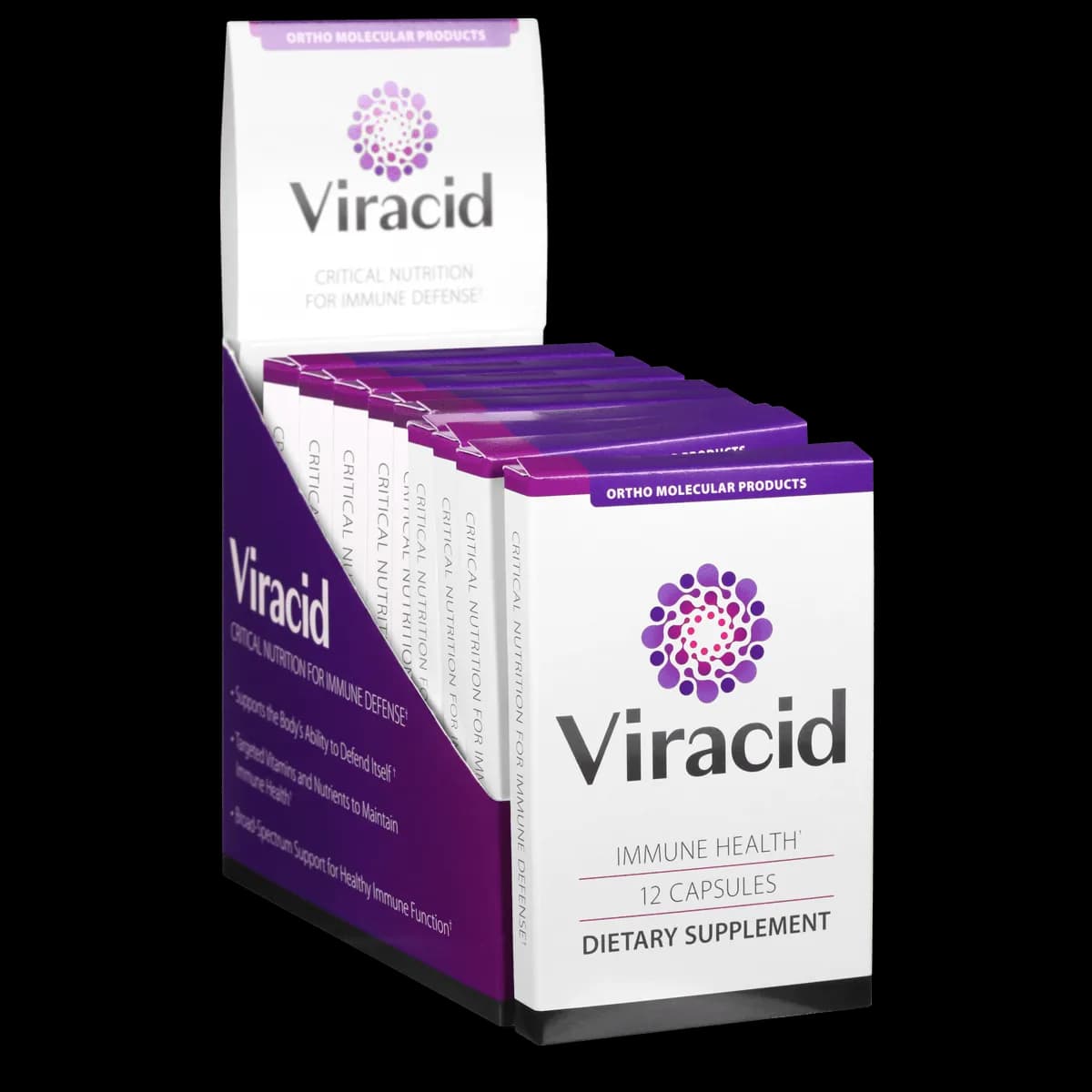
For patients navigating this complex landscape, finding targeted, science-backed support is paramount. Viracid by Ortho Molecular Products is formulated to provide immediate, comprehensive support for immune challenges. By combining highly bioavailable micronutrients—like zinc bisglycinate and vitamin C—with a synergistic blend of potent botanical extracts including andrographis, elderberry, astragalus, and echinacea, Viracid aims to address the multiple facets of immune health. In this article, we will explore the deep cellular mechanisms behind Viracid’s ingredients and how they may support viral clearance, modulate inflammation, and help restore immune balance in complex chronic illnesses.
TL;DR
Viracid combines bioavailable micronutrients and botanical extracts to support immune health and viral clearance.
Ingredients like zinc and andrographis may help modulate inflammation and support the body's defense mechanisms.
Targeted nutritional support can be a valuable part of managing complex conditions like Long COVID.
Always consult a healthcare provider before starting new supplements, especially if you have autoimmune conditions.
What is Viracid?
Viracid is a comprehensive immune support formulation designed to address the dynamic nature of the human immune system. In a healthy body, the immune response operates as a highly coordinated, multi-layered defense network. It relies on a constant supply of specific micronutrients to fuel the rapid proliferation of immune cells, synthesize antibodies, and produce the enzymes necessary to neutralize pathogens. When a viral or bacterial challenge occurs, the metabolic demand on the immune system skyrockets. If the body lacks the precise biochemical building blocks required for this response, pathogens can evade detection, replicate unchecked, and establish persistent infections.
The foundation of Viracid relies on essential vitamins and minerals that act as critical cofactors in immune biochemistry. Vitamin A (provided as 4,500 mcg of natural beta carotene and palmitate) is vital for maintaining the structural integrity of mucosal barriers in the respiratory and gastrointestinal tracts, which serve as the body's first line of defense. At the cellular level, Vitamin A regulates the differentiation of regulatory T-cells (Tregs) and the production of secretory IgA, an antibody that traps pathogens before they can enter the bloodstream. Vitamin C (300 mg, enhanced with Acerola fruit juice extract) is a potent water-soluble antioxidant. During an active infection, immune cells called neutrophils absorb massive amounts of Vitamin C to protect themselves from the reactive oxygen species (ROS) they generate to destroy viruses.
Furthermore, Viracid includes Pantothenic Acid (Vitamin B5) and Vitamin B12 (as highly bioavailable methylcobalamin). Pantothenic acid is a crucial precursor to Coenzyme A (CoA), a molecule essential for cellular energy production in the mitochondria and the synthesis of antibodies. Methylcobalamin acts as a methyl donor in the methylation cycle, supporting DNA synthesis—a process strictly required for the rapid cloning and expansion of white blood cells during an immune response. Together, these foundational nutrients ensure that the immune system has the metabolic energy and structural components necessary to mount a robust defense.
Beyond basic micronutrients, Viracid distinguishes itself through a synergistic blend of potent botanical extracts that actively modulate immune signaling pathways. These botanicals do not simply "boost" the immune system indiscriminately; rather, they act as intelligent regulators, enhancing targeted antiviral defenses while suppressing the excessive, tissue-damaging inflammation often seen in chronic immune responses. This dual-action approach is critical, as an overactive immune system can be just as debilitating as an underactive one.
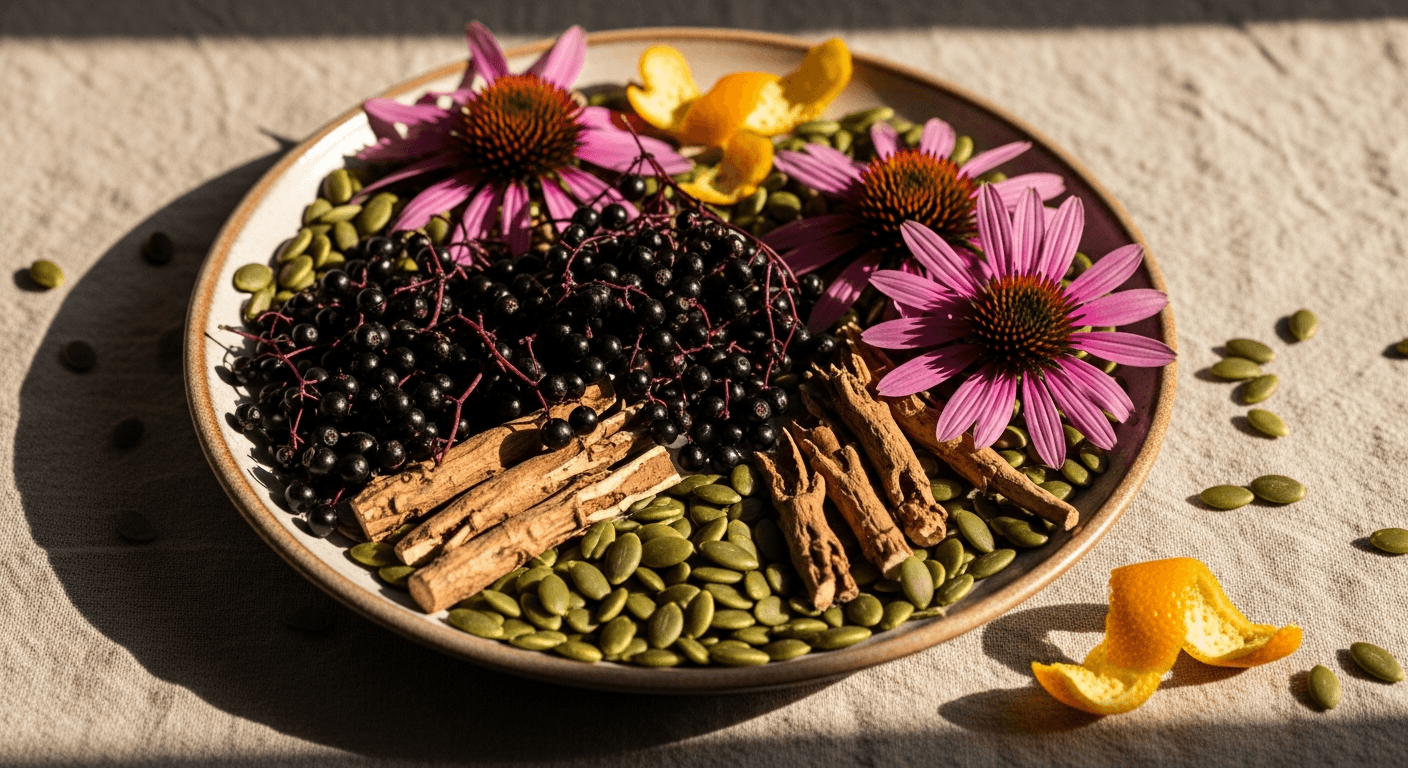
The formulation includes Andrographis paniculata (standardized to 30% andrographolides), a medicinal plant renowned for its broad-spectrum antiviral properties. Andrographolides interact directly with cellular signaling pathways, such as the Nuclear Factor-kappa B (NF-κB) pathway, to fine-tune the inflammatory response. Viracid also features European Elderberry (Sambucus nigra, standardized to 13% anthocyanins), which is rich in phenolic compounds that physically interfere with viral replication cycles.
To support long-term immune resilience, Viracid incorporates Astragalus membranaceus and Echinacea purpurea. These botanicals contain complex polysaccharides and alkylamides that interact with receptors on the surface of macrophages and T-cells. By engaging these receptors, they help prime the innate immune system to respond more rapidly to threats while helping to mitigate the hyper-inflammatory "cytokine storms" that can cause severe collateral damage to host tissues. Finally, the inclusion of L-Lysine, an essential amino acid, provides a unique mechanism for suppressing the replication of specific viral families by altering the cellular amino acid pool.
How Immune Dysregulation Impacts Long COVID and ME/CFS
In complex chronic conditions like Long COVID and ME/CFS, the immune system fails to return to a state of baseline homeostasis following an initial infectious trigger. One of the leading pathophysiological mechanisms driving these diseases is viral persistence. In Long COVID, research suggests that fragments of the SARS-CoV-2 virus, or even replication-competent virions, can hide in tissue reservoirs—such as the gut lining, nervous system, or vascular endothelium—long after the acute respiratory infection has resolved. The immune system remains locked in a perpetual state of high alert, continuously expending massive amounts of cellular energy in a futile attempt to clear the lingering pathogen.
This chronic, low-grade battle leads to a phenomenon known as T-cell exhaustion. Cytotoxic CD8+ T-cells are the immune system's primary weapon for seeking out and destroying virus-infected cells. However, when these cells are continuously exposed to viral antigens over months or years, their function degrades. Recent studies have identified a pronounced CD8+ T-cell dysfunction in both ME/CFS and Long COVID patients, noting that these exhausted cells produce markedly less Interferon-gamma (IFN-γ) and Tumor Necrosis Factor-alpha (TNF-α) when stimulated. As T-cells lose their efficacy, the body becomes increasingly vulnerable to secondary infections and the reactivation of latent viruses.
The exhaustion of the adaptive immune system creates an opportunistic environment for latent viruses that have been dormant in the body since childhood. Viruses belonging to the Herpesviridae family, particularly the Epstein-Barr Virus (EBV) and Herpes Simplex Virus 1 (HSV-1), are notorious for reactivating during periods of immune stress. Groundbreaking research has demonstrated frequent EBV and HSV-1 reactivation in patients with ME/CFS and Long COVID. When these viruses reactivate, they produce proteins (such as dUTPase) that bind to cytoskeletal proteins and severely disrupt mitochondrial dynamics, impairing oxidative phosphorylation and cellular energy production.
This viral reactivation creates a vicious cycle. The reactivated viruses further suppress the immune system, leading to a state of localized immune paralysis. For example, EBV can hijack B-cells, altering their function and promoting the production of autoantibodies. This contributes to the autoimmunity and immune dysregulation frequently observed in these patient populations. The continuous production of viral proteins and autoantibodies drives systemic inflammation, which manifests clinically as profound fatigue, swollen lymph nodes, chronic sore throats, and post-exertional malaise (PEM).
While parts of the immune system (like CD8+ T-cells) become exhausted, other parts become hyper-reactive. In an attempt to compensate for the failure to clear persistent or reactivated viruses, the innate immune system (macrophages and mast cells) may continuously release high levels of pro-inflammatory cytokines, such as Interleukin-6 (IL-6) and Interleukin-1 beta (IL-1β). This chronic inflammatory state is often referred to as a localized "cytokine storm."
These inflammatory cytokines can cross the blood-brain barrier, triggering the activation of microglia (the resident immune cells of the brain). Current research indicates that this neuroinflammation activates neural circuits responsible for "sickness behavior"—a primal biological response characterized by lethargy, social withdrawal, and cognitive impairment. In Long COVID and ME/CFS, this neuroinflammatory loop is a primary driver of debilitating brain fog, sensory overload, and dysautonomia. Breaking this cycle requires interventions that can simultaneously support viral clearance and suppress excessive cytokine production.
Viracid: Supporting Viral Clearance and Immune Balance
Viracid provides 4 mg of zinc as TRAACS™ Zinc Bisglycinate Chelate, a highly bioavailable form of this essential mineral. Zinc acts as a potent, direct intracellular antiviral agent. Its primary mechanism against RNA viruses—including SARS-CoV-2—is its ability to halt the virus's replication cycle inside the host cell. Inside the cytoplasm, zinc directly inhibits RNA-dependent RNA polymerase (RdRp), the core enzyme that coronaviruses use to synthesize and replicate their viral RNA. Furthermore, molecular modeling studies show that zinc binds to and inhibits the 3C-like main protease (3CLpro), another enzyme vital for viral replication.
Beyond direct viral inhibition, zinc is strictly required for the production, proliferation, and maturation of white blood cells, including natural killer (NK) cells and T-lymphocytes. In the context of chronic illness, restoring systemic zinc levels is critical. By providing a highly absorbable chelated form, Viracid ensures that zinc can effectively reach the intracellular compartments where it is needed most.
The botanical extracts in Viracid offer sophisticated mechanisms for disrupting the viral life cycle. Andrographis paniculata contains a bioactive diterpenoid lactone called andrographolide. Pharmacological research demonstrates that andrographolide interferes with viral replication by targeting various stages of the viral life cycle, such as impeding the entry of influenza viruses and blocking the activity of the HCV NS3/4A protease. It also induces apoptosis in infected cells via the activation of caspase-3 and caspase-9, effectively halting viral spread.
Similarly, European Elderberry (Sambucus nigra) is rich in anthocyanins, particularly cyanidin-3-glucoside (C3G) and cyanidin-3-sambubioside (C3S). These compounds inhibit viral replication through a multi-targeted mechanism. Studies, including a systematic review, have evaluated elderberry for the prevention and treatment of viral respiratory illnesses, supporting its role in containing infections.
To address the immune exhaustion and hyper-inflammation seen in Long COVID and ME/CFS, Viracid utilizes Astragalus membranaceus and Echinacea purpurea. The active components of Astragalus, known as Astragalus polysaccharides (APS), act as dynamic immune adaptogens. Current research highlights that APS binds to Toll-like receptor 4 (TLR4) on macrophages, actively enhancing their polarization toward the virus-fighting M1 phenotype. Crucially, APS also helps remodel the immune microenvironment to overcome CD8+ T-cell exhaustion, restoring their effector functions and shifting a Th2-dominant (immunosuppressive) profile back toward a balanced Th1 antiviral response.
Echinacea provides a complementary "dual effect" on cytokine modulation. Its polysaccharides prime naive macrophages to be on high alert, while its alkylamides bind to human endocannabinoid receptors (CB2) on immune cells. This helps prevent the tissue-damaging cytokine storms that drive neuroinflammation and systemic symptoms in chronic illness.
Finally, Viracid includes 100 mg of L-Lysine Hydrochloride. L-Lysine's primary antiviral property stems from its structural similarity to L-Arginine, an amino acid that many viruses—particularly those in the Herpesviridae family (like EBV and HSV-1)—rely heavily upon to synthesize viral proteins and capsids.
Furthermore, when a virus attempts to use lysine instead of arginine during protein translation, it results in the formation of malformed, non-functional viral capsids, halting the assembly of new infectious virions. By suppressing the replication of latent herpesviruses, L-Lysine helps reduce the viral load that constantly triggers the immune system, thereby alleviating the chronic immune activation that drains cellular energy in ME/CFS and Long COVID patients.

Symptoms Viracid May Help Manage
By targeting multiple stages of the viral life cycle and modulating inflammatory pathways, the ingredients in Viracid may help manage several debilitating symptoms associated with chronic immune dysregulation:
Frequent or Prolonged Infections: By providing highly bioavailable zinc and vitamin C, Viracid supports the rapid proliferation of neutrophils and NK cells, helping the body mount a faster, more effective response to novel pathogens and seasonal viruses.
Chronic Sore Throat and Swollen Glands: These symptoms are classic indicators of localized immune activation and latent viral reactivation (such as EBV). L-Lysine's ability to suppress herpesvirus replication, combined with elderberry's direct viral inhibition, may help reduce the viral load driving this localized inflammation.
Post-Exertional Malaise (PEM) and Profound Fatigue: When the immune system is locked in a chronic battle against persistent antigens, it drains massive amounts of cellular ATP. By utilizing Astragalus to reverse T-cell exhaustion and Andrographis to clear viral reservoirs, the body can begin to redirect energy back to normal cellular function, potentially reducing the severity of crashes.
Brain Fog and Cognitive Dysfunction: Neuroinflammation is largely driven by systemic cytokine storms. Echinacea's alkylamides and Andrographis's ability to inhibit the NF-κB pathway help suppress the overproduction of cytokines like IL-6, potentially reducing the inflammatory signaling that crosses the blood-brain barrier and impairs cognition.
Immune Hyper-Reactivity (MCAS-like symptoms): For patients dealing with immune dysregulation and MCAS, the intelligent immunomodulation provided by Astragalus and Echinacea helps balance Th1/Th2 responses, helping to keep the immune system from overreacting to minor triggers while maintaining strong antiviral defenses.
Practical Considerations: Forms, Dosing, and Absorption
The efficacy of any immune supplement relies heavily on its bioavailability—the proportion of the nutrient that actually enters systemic circulation and reaches the target cells. Viracid utilizes TRAACS™ Zinc Bisglycinate Chelate, a superior form of zinc where the mineral ion is bound to two molecules of the amino acid glycine. Bioaccessibility studies have demonstrated that zinc bisglycinate has an exceptional absorption rate of 9.38%, compared to just 1.13% for standard zinc sulfate. The glycine molecules protect the zinc from dietary interference in the gut (such as phytates) and allow it to pass easily through the intestinal wall, ensuring maximum intracellular delivery without the gastrointestinal distress common with cheaper zinc forms.
Similarly, the inclusion of Vitamin B12 as methylcobalamin ensures that the body does not have to expend energy converting synthetic cyanocobalamin into an active form. Methylcobalamin is immediately available to participate in the methylation cycle, supporting the rapid DNA synthesis required for immune cell cloning. The botanical extracts in Viracid are also highly standardized (e.g., 30% andrographolides, 13% anthocyanins), ensuring a consistent, therapeutic dose of the active phytochemicals in every capsule.
Viracid is uniquely formulated to be used dynamically based on the body's immediate needs. The manufacturer suggests two distinct dosing strategies. For immediate immune support—such as at the very first sign of a viral infection, a sore throat, or a sudden flare in immune-related symptoms—the recommendation is 1-2 capsules per hour, not exceeding 2 capsules every hour, as directed by a healthcare professional. This intensive dosing strategy rapidly saturates the blood with zinc, vitamin C, and viral-inhibiting botanicals, aiming to halt viral replication during the crucial early stages of infection.
For immune maintenance—which is often more appropriate for patients with Long COVID or ME/CFS seeking to stabilize their baseline immune function and help manage latent viral reactivation—the suggested use is 2 capsules per day. This lower, sustained dose provides a steady stream of immunomodulating polysaccharides and essential micronutrients without overstimulating the immune system. The blister pack format makes it highly convenient for patients to carry the supplement and initiate immediate dosing the moment they feel a symptom flare approaching.
While Viracid is formulated with natural ingredients, its potent immunomodulatory effects require careful consideration, especially for patients with complex chronic illnesses. Because botanicals like Astragalus and Echinacea actively stimulate certain immune pathways (like macrophage polarization), individuals with severe autoimmune diseases (such as rheumatoid arthritis or lupus) should consult their healthcare provider before use, as immunostimulants can theoretically exacerbate autoimmune flares.
Additionally, high doses of zinc taken over long periods can deplete copper levels in the body, as they compete for the same absorption pathways. If taking Viracid daily for extended maintenance, practitioners may recommend monitoring serum copper and ceruloplasmin levels. Finally, L-Lysine can increase intestinal calcium absorption; patients with a history of hypercalcemia or those taking high-dose calcium supplements should use caution. Always integrate new supplements under the guidance of a medical professional who understands the nuances of diagnosing and treating Long COVID.
Follow the Science
The scientific literature strongly supports the use of the individual ingredients in Viracid for immune modulation and viral defense. Zinc, in particular, has been the subject of extensive clinical research during the COVID-19 pandemic. A 2022 meta-analysis found that correcting zinc deficiency through supplementation reduced the duration of COVID-19 symptoms by 25% and decreased symptom severity by 20%. Furthermore, a randomized controlled trial published in Clinical Infectious Diseases demonstrated that COVID-19 patients given oral zinc experienced a nearly 40% lower rate of severe complications and ICU admissions compared to the placebo group.
The link between systemic zinc deficiency and prolonged post-viral symptoms is also becoming clearer, underscoring the critical importance of maintaining adequate intracellular zinc levels to help mitigate the long-term sequelae of viral infections.
The botanical components of Viracid also boast robust clinical backing. Andrographis paniculata has gained attention for its broad antiviral properties, with research showing it can inhibit the replication of viruses like hepatitis C and influenza, and enhance the antiviral immune response. Network pharmacology studies further validate its traditional use, showing it targets specific genes involved in the TNF signaling pathways to rapidly reduce symptoms of upper respiratory tract infections.
European Elderberry has been extensively studied for its efficacy against influenza and coronaviruses. A 2022 study evaluated a standardized elderberry extract against SARS-CoV-2 variants in human lung epithelial cells, observing that it effectively inhibited viral replication at very low concentrations. Furthermore, clinical trials on influenza have consistently shown that elderberry extract can significantly reduce the duration of flu symptoms when taken at the onset of illness, validating its use as an immediate-action antiviral supportive agent.
The Path Forward
Living with the unpredictable nature of Long COVID, ME/CFS, and immune dysregulation is an exhausting daily reality. When your immune system is locked in a chronic battle, it can feel like your body is constantly working against you. Validating this underlying biological struggle is the first step toward reclaiming your health. Your symptoms are not in your head; they are the result of complex, measurable dysfunctions in viral clearance, T-cell activity, and inflammatory signaling.
While there is no single cure for these complex conditions, a comprehensive management strategy that includes targeted nutritional support can make a profound difference. By supplying the body with highly bioavailable zinc, essential vitamins, and intelligent botanical immunomodulators like andrographis and astragalus, you can help tip the scales back toward immune balance. Viracid offers a powerful, science-backed tool to support viral clearance, suppress hyper-inflammation, and restore cellular resilience.
As always, supplements should be integrated into a broader pacing and symptom management plan under the guidance of a knowledgeable healthcare provider. If you are looking to support your immune system's ability to fight off persistent challenges and regain stability, Explore Viracid to see if it aligns with your recovery journey.