Can VesselMax Support Microcirculation and Vascular Tone in Long COVID and POTS?
March 6, 2026
VesselMaxLong COVIDPOTS
Share:
Disclaimer: The information provided here is for educational purposes only and is not intended as medical advice. It should not be used to diagnose, treat, cure, or prevent any medical condition. Instead, use it as a starting point for discussion with your healthcare provider. Always consult with a qualified healthcare provider before starting any new medication, supplement, device, or making changes to your health regimen.
When living with complex chronic illnesses like Long COVID, myalgic encephalomyelitis/chronic fatigue syndrome (ME/CFS), and postural orthostatic tachycardia syndrome (POTS), patients often experience a perplexing array of symptoms that seem entirely disconnected. From debilitating brain fog and profound fatigue to racing heart rates upon standing and purple, pooling blood in the extremities, the daily reality can be overwhelming. However, emerging medical research is increasingly pointing to a singular, unifying mechanism underlying many of these systemic issues: profound dysfunction within the vascular system, specifically at the level of the microcirculation and the endothelial lining.
The microscopic blood vessels that weave through our tissues are responsible for delivering life-sustaining oxygen and nutrients while clearing away metabolic waste. When these vessels become damaged, inflamed, or lose their natural elasticity—a state known as endothelial dysfunction—the entire body suffers from a state of chronic hypoperfusion, or low blood flow. VesselMax is a targeted nutritional supplement formulated with a powerful blend of botanical extracts, including Diosmin, Troxerutin, Horse Chestnut Extract, and Gotu Kola. This comprehensive guide explores the intricate science behind how these potent bioflavonoids work synergistically to support vascular strength, promote healthy vasomotor tone, and support vital microcirculation for those navigating post-viral syndromes.
TL;DR
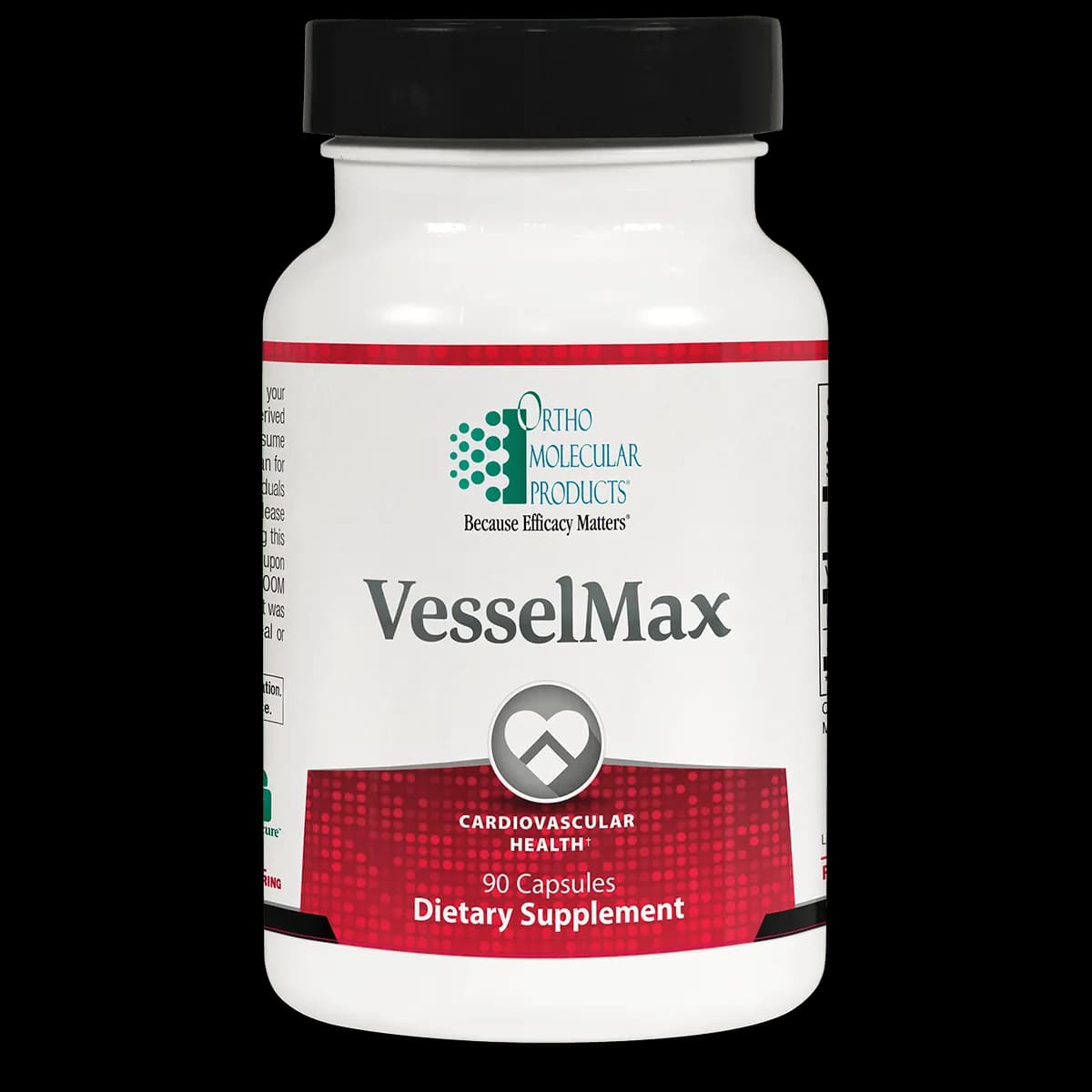
VesselMax is a botanical supplement designed to support microcirculation and vascular health in complex chronic conditions.
It contains Diosmin, Troxerutin, Aescin, and Gotu Kola to promote healthy endothelial function and vasomotor tone.
Research suggests these ingredients may help manage symptoms like brain fog, fatigue, and orthostatic intolerance.
Always consult your healthcare provider before starting new supplements, especially if you take blood thinners.
What is VesselMax?
The Anatomy of Healthy Blood Vessels
To understand how a targeted botanical blend like VesselMax functions, it is essential to first examine the intricate architecture of the human vascular system. Blood vessels are not merely passive, hollow tubes through which blood flows; they are highly dynamic, biologically active organs that constantly adapt to the body's metabolic demands. The innermost lining of every blood vessel, from the largest arteries to the smallest microscopic capillaries, is composed of a single layer of specialized cells known as the endothelium. This endothelial layer serves as the critical interface between circulating blood and the surrounding tissues, acting as a highly selective barrier that regulates what enters and exits the bloodstream.
Beyond its role as a physical barrier, the endothelium is an active endocrine organ that secretes a variety of signaling molecules to maintain cardiovascular homeostasis. One of the most important molecules produced by healthy endothelial cells is nitric oxide (NO), a potent vasodilator that signals the surrounding smooth muscle cells to relax, thereby widening the blood vessel and increasing blood flow. The endothelium also produces factors that inhibit blood clotting and prevent inflammatory cells from adhering to the vessel wall. When this delicate cellular lining is functioning optimally, blood flows smoothly, tissues receive abundant oxygen, and metabolic waste products are efficiently removed from the microcirculation.
Understanding Vasomotor Tone
The muscles embedded within the walls of blood vessels require constant, precise stimulation to maintain a resting level of contraction, a physiological phenomenon known as vasomotor tone. This baseline level of tension is absolutely crucial for maintaining adequate blood pressure and ensuring that blood can be effectively pumped against the force of gravity, particularly when we transition from lying down to standing up. Vasomotor tone is tightly regulated by the autonomic nervous system, which sends continuous signals to the vascular smooth muscle to either constrict (vasoconstriction) or relax (vasodilation) based on real-time feedback from pressure sensors throughout the body.
When vasomotor tone is properly balanced, the circulatory system can rapidly adapt to physical exertion, temperature changes, and postural shifts. However, vasoconstriction can be triggered abnormally by an increase in venous wall stress, biomechanical stretch, or systemic inflammation. When blood vessels narrow excessively or lose their ability to dilate, it leads to a significant reduction in blood supply, consequently depriving various organs and tissues of the oxygen they need to produce cellular energy. VesselMax is specifically designed to address these imbalances by providing a synergistic blend of botanical extracts that have been scientifically shown to promote healthy microcirculation and support optimal vascular strength and tone.
The Role of the Endothelial Glycocalyx
Coating the surface of the endothelial cells is a microscopic, gel-like layer known as the endothelial glycocalyx. This complex network of glycoproteins, proteoglycans, and glycosaminoglycans acts as the first line of defense for the vascular wall, protecting the delicate endothelial cells from the sheer stress of flowing blood. The glycocalyx also houses crucial enzymes, including endothelial nitric oxide synthase (eNOS), which is responsible for the continuous production of nitric oxide. Furthermore, this protective layer acts as a molecular sieve, preventing large proteins and fluid from leaking out of the capillaries and into the surrounding tissues.
In a healthy state, the glycocalyx prevents white blood cells and platelets from inappropriately sticking to the blood vessel walls, thereby inhibiting pathological inflammation and unwanted blood clotting. Unfortunately, this fragile structure is highly susceptible to damage from oxidative stress, viral infections, and chronic inflammation. When the glycocalyx is degraded, the underlying endothelial cells become exposed and vulnerable, leading to a cascade of vascular dysfunction. The ingredients in VesselMax have been extensively studied for their remarkable ability to protect and support this vital endothelial glycocalyx, thereby preserving the integrity of the entire microcirculatory system.
How Long COVID and POTS Impact the Vascular System
Viral Injury and Endothelial Dysfunction
To grasp why vascular support is so critical, we must look at how post-viral conditions physically alter the circulatory system. When exploring What Causes Long COVID?, researchers consistently point to the fact that the SARS-CoV-2 virus binds directly to ACE2 receptors, which are highly expressed on the surface of endothelial cells throughout the body. This initial viral binding triggers a profound inflammatory response, leading to direct injury of the vascular lining. Even long after the acute infection has cleared, the immune system may remain locked in a hyperactive state, continuously releasing pro-inflammatory cytokines like TNF-alpha and Interleukin-1 beta (IL-1β).
These inflammatory cytokines wreak havoc on the endothelium. They suppress the production of endothelial nitric oxide synthase (eNOS), drastically reducing the bioavailability of nitric oxide. Without sufficient nitric oxide, blood vessels lose their ability to dilate properly, leading to chronic, inappropriate vasoconstriction. Furthermore, this inflammatory storm degrades the protective endothelial glycocalyx, exposing the underlying cells to sheer stress and oxidative damage. This widespread endothelial dysfunction is a primary reason why patients with Long COVID and ME/CFS experience such profound, debilitating fatigue; their microcirculation is simply unable to deliver adequate oxygen to their muscles and organs during exertion.
The Threat of Persistent Microclots
As the endothelial lining becomes damaged, it loses its natural antithrombotic (anti-clotting) properties. This shift creates a hypercoagulable state within the bloodstream. Groundbreaking research on Long COVID pathology has revealed the presence of persistent, fibrinaloid microclots in the blood of patients suffering from post-viral syndromes. These microscopic clots are highly resistant to the body's natural breakdown processes and are accompanied by hyperactivated platelets. As these microclots circulate, they can physically lodge in the smallest capillaries, creating microscopic roadblocks that completely halt microcirculation to specific tissue beds.
This phenomenon of microvascular occlusion is a key factor when considering Can Long COVID Trigger ME/CFS? Unraveling the Connection. When muscles are deprived of oxygen due to blocked capillaries, they are forced to rely on anaerobic metabolism, which rapidly produces lactic acid and leads to the severe post-exertional malaise (PEM) characteristic of ME/CFS. The vascular system becomes trapped in a vicious cycle: endothelial damage promotes microclotting, and the resulting microclots cause further hypoxic damage to the surrounding endothelium.
Autonomic Misfires and Autoantibodies
The vascular damage seen in Long COVID is deeply intertwined with autonomic nervous system dysfunction, particularly in conditions like POTS. The autonomic nervous system relies on healthy blood vessels to execute its commands. If the brain signals the blood vessels in the legs to constrict upon standing, but those vessels are inflamed and dysfunctional, blood will inevitably pool in the lower extremities, forcing the heart to race to compensate. A landmark study published in the American Heart Association's Hypertension journal demonstrated that patients with POTS have significantly impaired Flow-Mediated Dilation (FMD), confirming that their blood vessels physically struggle to adapt to blood flow changes.
Furthermore, recent studies suggest that this dysautonomia may be driven by autoimmunity. Researchers have found that many patients with Long COVID and POTS have elevated autoantibodies targeting specific vascular receptors, such as the Endothelin type A receptor (ETAR) and various G-protein-coupled receptors (GPCRs). These autoantibodies essentially trick the vascular system into inappropriate, sustained constriction. This complex interplay of viral injury, microclotting, and autoimmune receptor activation highlights the desperate need for targeted therapies that can soothe the endothelium, support vasomotor tone, and support the structural integrity of the microcirculation.
VesselMax: Supporting Microcirculation and Vascular Tone
Diosmin and Troxerutin: Restoring Nitric Oxide and Tight Junctions
VesselMax delivers a potent 600 mg dose of Diosmin (sourced from Citrus sinensis), a highly researched flavonoid glycoside renowned for its phlebotropic properties. At the cellular level, Diosmin exerts profound protective effects on the endothelium. It actively stimulates the production of endothelial nitric oxide synthase (eNOS), helping to restore the nitric oxide levels that are so frequently depleted in post-viral syndromes. By boosting NO production, Diosmin helps relax smooth muscle tissue, counteracting the inappropriate vasoconstriction seen in dysautonomia and promoting healthy vasomotor tone. Additionally, recent pharmacological studies demonstrate that Diosmin upregulates the expression of tight junction proteins, specifically zonula occludens-1 (ZO-1) and occludin, which act as the molecular "glue" holding endothelial cells together, thereby preventing capillary leakage.
Working in synergy with Diosmin is 500 mg of Troxerutin, a semi-synthetic bioflavonoid derived from rutin. Troxerutin is a master regulator of oxidative stress within the vascular wall. It activates the Nrf2/HO-1 signaling pathway, which commands the cell to produce its own endogenous antioxidant enzymes, such as Superoxide Dismutase (SOD). By neutralizing reactive oxygen species (ROS), Troxerutin protects the delicate endothelial glycocalyx from oxidative destruction. Furthermore, Troxerutin is a known inhibitor of hyaluronidase, an enzyme that degrades hyaluronic acid. By inhibiting this enzyme, Troxerutin preserves the structural integrity of the endothelial cell membrane, significantly increasing capillary resistance and stopping the pathological vascular leakage that leads to peripheral edema.
Aescin: Regulating Permeability and Water Channels
The third pillar of the VesselMax formulation is 300 mg of Horse Chestnut Extract, standardized to contain 20% Aescin (also known as escin). Aescin is a complex mixture of triterpene saponins that specifically targets endothelial permeability. During inflammatory responses, pro-inflammatory mediators induce the overexpression of Aquaporin-1 (AQP1) water channels in endothelial cells, which allows excessive fluid to leak into surrounding tissues. Clinical research published in peer-reviewed journals has shown that Aescin successfully suppresses this pathological AQP1 overexpression in a dose-dependent manner, effectively sealing the vascular barrier and reducing tissue swelling.
Beyond regulating water channels, Aescin physically stabilizes the architecture of the endothelial cells. Hypoxic stressors—such as those caused by microclots—cause the cellular cytoskeleton to reorganize, forming thick actin stress fibers that physically contract the cell and tear open intercellular gaps. Aescin inhibits this contraction by modulating the RhoA/ROCK signaling pathway, preserving the flat, tight morphology of the endothelium. It also protects Platelet Endothelial Cell Adhesion Molecule-1 (PECAM-1), ensuring that junctional proteins remain evenly distributed along cell borders even under severe hypoxic stress.
Gotu Kola: Stimulating Collagen and Structural Integrity
Rounding out the VesselMax formula is 200 mg of Gotu Kola Extract (Centella asiatica), standardized to contain 10% triterpene derivatives. While Diosmin and Troxerutin focus on cellular signaling and antioxidant defense, Gotu Kola focuses on the physical structural integrity of the blood vessel walls. Its primary active compound, asiaticoside, directly stimulates the production of type I collagen within the vascular extracellular matrix. This influx of fresh collagen fortifies the walls of veins and capillaries, restoring their natural elasticity and significantly improving venous tone, which is critical for patients whose blood vessels struggle to pump blood back to the heart against gravity.
The clinical impact of Gotu Kola on microcirculation is well-documented. By fortifying connective tissue, it reduces the leakage of blood and fluids into the lower extremities. Studies evaluating the microcirculatory parameters of patients taking standardized Gotu Kola extracts have noted significant improvements in transcutaneous partial pressure of oxygen (tcPO2) and carbon dioxide (tcPCO2), indicating that the tissues are receiving vastly improved blood flow and oxygenation. Furthermore, Gotu Kola has been shown to normalize the venoarteriolar response (VAR), the reflex that protects capillaries from damage when a person transitions to a standing position, making it a highly relevant botanical for orthostatic intolerance.

Symptoms VesselMax May Help Manage
Addressing Orthostatic Intolerance
For patients navigating dysautonomia and POTS, the simple act of standing up can trigger a cascade of debilitating symptoms. VesselMax's targeted support for vascular tone and endothelial health may help manage several key manifestations of orthostatic intolerance:
Racing Heart Rate (Tachycardia): By supporting the structural integrity of veins and promoting healthy vasoconstriction in the lower body, VesselMax may help reduce the venous blood pooling that forces the heart to beat excessively fast upon standing.
Dizziness and Lightheadedness: Improved microcirculation and enhanced venous return mean that more oxygenated blood can successfully reach the brain, potentially alleviating the pre-syncope (near-fainting) sensations common in dysautonomia.
Exercise Intolerance: By supporting nitric oxide production and capillary health, the ingredients in VesselMax may help ensure that muscles receive adequate blood flow during physical exertion, potentially raising the threshold for symptom exacerbation.
Combating Cognitive Dysfunction
The brain is a highly vascularized organ that demands a massive, uninterrupted supply of oxygen and glucose. When microcirculation is compromised, cognitive function inevitably suffers. VesselMax may offer support for neurological symptoms driven by hypoperfusion:
Brain Fog and Confusion: By protecting the endothelial lining from inflammatory damage and supporting optimal vasodilation via eNOS upregulation, VesselMax may help restore essential cerebral blood flow, potentially lifting the heavy cognitive fog associated with Long COVID.
Memory and Concentration Issues: The antioxidant properties of Troxerutin and Diosmin help neutralize reactive oxygen species that damage the delicate microvasculature of the brain, supporting the sustained neural energy required for focus and memory recall.
Relieving Peripheral Edema and Blood Pooling
Endothelial hyperpermeability—where blood vessels become "leaky"—is a hallmark of post-viral vascular dysfunction. VesselMax's specific mechanisms for sealing tight junctions and inhibiting water channels may help manage peripheral symptoms:
Acrocyanosis (Purple/Blue Extremities): By improving venous tone and preventing blood stasis in the microcirculation, VesselMax may help reduce the visible pooling of deoxygenated blood in the hands and feet.
Heavy, Aching Legs: The collagen-stimulating effects of Gotu Kola and the anti-edematous properties of Aescin work synergistically to prevent fluid from leaking into the tissues of the lower legs, potentially relieving the sensation of painful, heavy limbs.
Unexplained Swelling (Edema): By suppressing the overexpression of Aquaporin-1 water channels and protecting the endothelial glycocalyx, VesselMax helps keep fluid inside the blood vessels where it belongs, reducing localized tissue swelling.
Practical Considerations: Forms, Dosing, and Absorption
Optimizing Flavonoid Absorption
When considering botanical supplements, bioavailability—the proportion of the active ingredient that successfully enters systemic circulation—is a critical factor. Historically, standard flavonoid extracts like Diosmin have struggled with poor aqueous solubility, meaning the body has a hard time absorbing them through the intestinal wall. To overcome this, VesselMax utilizes µsmin®Plus, a highly advanced, proprietary formulation of Diosmin sourced from Citrus sinensis. This specialized form is micronized and buffered to dramatically enhance its absorption profile, ensuring that therapeutic concentrations of the flavonoid can successfully reach the endothelial tissues where they are needed most.
Because many of the active triterpenes and flavonoids in VesselMax are fat-soluble, it is generally recommended to take the supplement alongside a meal that contains healthy fats (such as avocado, olive oil, or nuts). This dietary fat stimulates the release of bile acids, which help emulsify the botanical compounds and ferry them across the gut lining. By optimizing the digestive environment, patients can maximize the clinical efficacy of the Diosmin, Troxerutin, Aescin, and Gotu Kola extracts.
Dosing Strategies for Vascular Support
The suggested use for VesselMax is 3 capsules per day, or as recommended by your healthcare professional. This dosage is specifically calibrated to deliver the clinically studied amounts of each botanical extract (600 mg Diosmin, 500 mg Troxerutin, 300 mg Horse Chestnut, and 200 mg Gotu Kola). Because the half-life of these natural compounds is relatively short, dividing the dose throughout the day (e.g., one capsule with breakfast, lunch, and dinner) can help maintain a steady, continuous level of vascular support and antioxidant protection in the bloodstream.
It is important to set realistic expectations regarding the timeline for symptom improvement. Unlike pharmaceutical vasoconstrictors that force immediate (but temporary) changes in blood pressure, the botanical extracts in VesselMax work by fundamentally remodeling and repairing the structural integrity of the blood vessels. Stimulating collagen synthesis, repairing the endothelial glycocalyx, and upregulating tight junction proteins are biological processes that take time. Clinical studies on these ingredients typically note significant improvements in microcirculatory parameters and venous tone after 4 to 8 weeks of consistent, daily supplementation.
Potential Interactions and Safety
While the botanical extracts in VesselMax are generally well-tolerated, their potent effects on the vascular system mean they must be used thoughtfully. Because ingredients like Diosmin and Gotu Kola improve blood flow and can mildly influence platelet aggregation, VesselMax may interact with prescription blood thinners (anticoagulants) or anti-platelet medications. Patients currently taking medications like warfarin, clopidogrel, or direct oral anticoagulants (DOACs) for microclot management should exercise caution.
Additionally, because VesselMax supports vasomotor tone, individuals taking prescription medications for high blood pressure (hypertension) should monitor their blood pressure regularly, as the synergistic effects could necessitate medication adjustments. As with any comprehensive management plan for complex chronic illness, it is imperative to consult with a knowledgeable healthcare provider before introducing VesselMax, ensuring it aligns safely with your specific clinical presentation and existing pharmaceutical regimen.

Follow the Science
Clinical Evidence on Endothelial Dysfunction
The scientific understanding of post-viral syndromes has advanced rapidly, with endothelial dysfunction emerging as a central pathological feature. A pivotal study published in the American Heart Association's Hypertension journal provided objective evidence of this vascular impairment by measuring Flow-Mediated Dilation (FMD) in patients with POTS. The researchers found that FMD was significantly lower in POTS patients (6.23%) compared to healthy controls (10.6%), confirming that the blood vessels of dysautonomia patients physically struggle to dilate and adapt to blood flow demands.
Other research has demonstrated that persistent microclots, combined with hyperactivated platelets, create a state of chronic thromboinflammation that damages the endothelial lining and starves tissues of oxygen. This growing body of literature underscores the urgent clinical need for interventions that can stabilize the endothelium and restore healthy microcirculation.
Research on Botanical Flavonoids
The specific ingredients in VesselMax have been rigorously evaluated for their venoactive properties. A 2023 study published in the International Journal of Molecular Sciences investigated the effects of Diosmin and Aescin on human endothelial cells. The researchers found that these compounds significantly protected the cells from oxidative stress and modulated the release of inflammatory cytokines. Furthermore, clinical trials involving patients with Chronic Venous Disease (CVD) have shown that Diosmin therapy leads to a statistically significant decrease in plasma levels of pro-angiogenic and inflammatory markers, including VEGF-A, TNF-alpha, and Interleukin-6 (IL-6), resulting in measurable reductions in peripheral edema.
Troxerutin has similarly robust scientific backing. Research highlights its ability to activate the Nrf2/HO-1 signaling pathway, a critical mechanism for boosting endogenous antioxidant defenses within the vascular wall. By scavenging reactive oxygen species and inhibiting the hyaluronidase enzyme, Troxerutin has been shown to effectively preserve the hyaluronic acid content of the endothelial cell membrane, thereby maintaining capillary resistance and preventing pathological vascular leakage in states of chronic inflammation.
Emerging Data on Post-Viral Vascular Repair
The structural support provided by Aescin and Gotu Kola is also well-documented in the literature. Studies detailing the mechanisms of Aescin (Escin) have revealed its unique ability to suppress the overexpression of Aquaporin-1 (AQP1) water channels induced by inflammatory mediators like HMGB1. By blocking these channels, Aescin effectively seals the vascular barrier. Meanwhile, systematic reviews of Gotu Kola (Centella asiatica) have consistently demonstrated its efficacy in improving objective microcirculatory markers, such as transcutaneous partial pressure of oxygen (tcPO2), confirming its ability to enhance tissue oxygenation by fortifying the collagen matrix of the capillary walls.
The Path Forward
Validating Your Vascular Symptoms
If you are living with Long COVID, ME/CFS, or dysautonomia, it is vital to understand that your symptoms are not in your head—they are rooted in measurable, physiological dysfunction within your vascular system. The heavy legs, the racing heart, the profound brain fog, and the exercise intolerance are all downstream effects of an endothelial lining that has been battered by viral injury, inflammation, and microclotting. Understanding How Can You Live with Long-Term COVID begins with validating this biological reality and shifting the focus toward therapies that support cellular repair and vascular resilience.
A Comprehensive Management Approach
While VesselMax offers a potent, scientifically grounded blend of botanical extracts designed to support microcirculation and vascular tone, it is just one piece of a much larger puzzle. True vascular rehabilitation in complex chronic illness requires a multi-faceted approach. This includes meticulous symptom tracking, aggressive pacing to avoid post-exertional malaise, optimizing hydration and electrolytes, utilizing medical-grade compression garments to assist venous return, and working closely with a medical team to address underlying viral persistence or autoimmune activity.
By combining the targeted endothelial support of Diosmin, Troxerutin, Aescin, and Gotu Kola with a comprehensive, patient-centric management strategy, you can begin to rebuild the structural integrity of your vascular system, improve vital blood flow to your brain and muscles, and take a meaningful step toward reclaiming your quality of life.
Disclaimer: This content is for educational purposes only and is not intended as medical advice. Supplements can interact with medications and may not be suitable for everyone. Always consult your healthcare provider before starting any new supplement regimen, especially if you have a complex chronic condition or are taking prescription medications.
Sources
Scientific References
Vascular Complications of Long COVID—From Endothelial Dysfunction to Systemic Thrombosis (MDPI)
The Effect of Diosmin, Escin, and Bromelain on Human Endothelial Cells (MDPI)
Escin: a review of its anti-edematous, anti-inflammatory, and venotonic properties (PMC)
Mechanisms of long COVID and the path toward therapeutics (ScienceDirect)