Can Systemic Enzymes Like Vascuzyme Support Microcirculation and Recovery in Long COVID?
March 6, 2026
VascuzymeSystemic EnzymesLong COVID
Share:
Disclaimer: The information provided here is for educational purposes only and is not intended as medical advice. It should not be used to diagnose, treat, cure, or prevent any medical condition. Instead, use it as a starting point for discussion with your healthcare provider. Always consult with a qualified healthcare provider before starting any new medication, supplement, device, or making changes to your health regimen.
Months or even years after a mild viral infection, many individuals find themselves battling a bewildering array of debilitating symptoms. From crushing fatigue and brain fog to muscle pain and exercise intolerance, the daily reality of living with complex chronic conditions like Long COVID, myalgic encephalomyelitis/chronic fatigue syndrome (ME/CFS), and dysautonomia can be incredibly isolating. Patients are often told their lab results look "normal," yet they feel fundamentally changed. However, emerging scientific research is finally catching up to the patient experience, revealing that these invisible illnesses often have very physical, measurable roots in the body's vascular system.
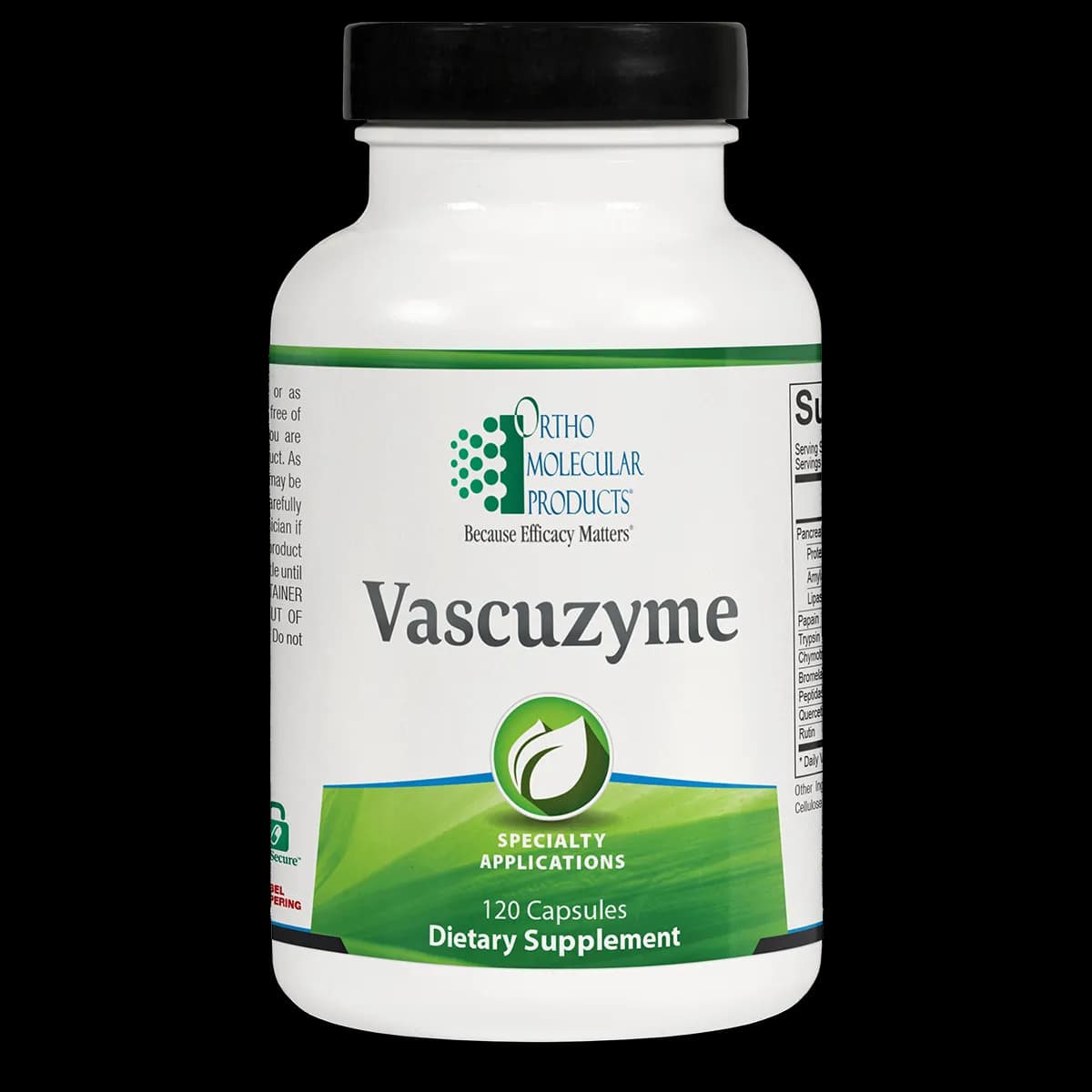
One of the most significant breakthroughs in understanding these conditions is the discovery of widespread endothelial dysfunction and the presence of microscopic blood clots that disrupt normal circulation. When the intricate network of capillaries fails to deliver adequate oxygen and nutrients to tissues, the entire body suffers. This is where targeted nutritional and enzymatic support comes into play. Vascuzyme, a comprehensive multi-enzyme formula, is designed to support normal blood circulation, maintain inflammatory balance, and promote recovery from physical stress. By combining powerful proteolytic enzymes with vascular-supporting flavonoids, this unique formulation targets the very mechanisms that are often disrupted in chronic, post-viral illnesses.
TL;DR
Systemic enzymes may help break down microclots and support healthy blood flow in complex chronic conditions.
Vascuzyme combines proteolytic enzymes and flavonoids to support vascular health and modulate inflammation.
For optimal absorption, always take systemic enzymes on an empty stomach, away from meals.
What is Vascuzyme and How Do Systemic Enzymes Work?
The Biological Role of Enzymes
To understand how a supplement like Vascuzyme works, we must first understand the fundamental role of enzymes in human biology. Enzymes are complex protein molecules that act as biological catalysts, meaning they accelerate chemical reactions within the body that would otherwise occur too slowly to sustain life. Every second, millions of enzymatic reactions are taking place inside your cells, driving everything from DNA replication to energy production. While the body naturally manufactures its own supply of enzymes, the amount produced can vary significantly from person to person due to aging, chronic stress, poor diet, and underlying biochemical imbalances.
Enzymes generally fall into three broad categories: metabolic enzymes, digestive enzymes, and systemic (or proteolytic) enzymes. Metabolic enzymes are manufactured by cells to carry out specific cellular functions, such as neutralizing toxins. Digestive enzymes are primarily secreted by the pancreas to break down the food we eat. However, the third category—systemic enzymes—operates entirely differently when taken appropriately. Instead of staying in the gut to digest food, systemic enzymes are absorbed into the bloodstream, where they circulate throughout the body to support tissue repair, modulate the immune system, and break down unwanted proteins in the blood and soft tissues.
Proteolytic Enzymes and Protein Breakdown
The core mechanism of action for most of the enzymes in Vascuzyme is proteolysis—the breakdown of proteins into smaller polypeptides or individual amino acids. Proteolytic enzymes, also known as proteases, achieve this by hydrolyzing (cleaving) the peptide bonds that hold amino acid chains together. In a healthy body, proteolysis is a tightly regulated process essential for clearing away damaged tissues, dissolving old blood clots, and regulating immune responses. However, in states of chronic illness, the body's endogenous proteolytic capacity can become overwhelmed by a constant influx of inflammatory proteins and persistent clotting factors.
Vascuzyme includes several highly researched proteolytic enzymes derived from both plant and animal sources. Bromelain, extracted from the stems of pineapples, and papain, derived from the papaya fruit, are two of the most well-known plant-based proteases. Research on specific proteolytic enzymes, such as lumbrokinase, has demonstrated their ability to be absorbed intact and exert clot-dissolving effects. Proteolytic enzymes work by breaking down complex protein structures in the blood, including fibrinogen, which is the precursor to the fibrin mesh that forms blood clots. By reducing the concentration of these large, sticky proteins, enzymes like bromelain and papain help maintain optimal blood viscosity, allowing blood to flow more freely through the microscopic capillaries that feed our tissues.
The Power of Serratiopeptidase
One of the standout ingredients in the Vascuzyme formula is peptidase, specifically provided as serratiopeptidase (often referred to as serrapeptase). Originally isolated from the non-pathogenic enterobacterium Serratia E15 found in the digestive tract of the Japanese silkworm, this enzyme is used by the silkworm to dissolve its tough protective cocoon without harming the living tissue inside. In human biology, serratiopeptidase exhibits a remarkable affinity for non-living tissue, such as scar tissue, cellular debris, and the tough fibrin networks that form abnormal blood clots.
Serratiopeptidase is renowned for its powerful fibrinolytic (clot-dissolving) and anti-edemic (swelling-reducing) properties. It works by binding to alpha-2-macroglobulin, a transport protein in the blood, which carries the enzyme to sites of injury or inflammation. Once there, serratiopeptidase aggressively breaks down dead tissue and excess fibrin, facilitating the drainage of fluid from inflamed areas and accelerating the body's natural repair processes. Furthermore, it has been shown to degrade bradykinin, a peptide that induces pain and causes blood vessels to dilate and leak. By neutralizing bradykinin, serratiopeptidase can significantly reduce the pain and swelling associated with soft tissue injuries and chronic inflammatory states.
Flavonoids: Quercetin and Rutin
Beyond its comprehensive enzyme blend, Vascuzyme incorporates two powerful flavonoids: quercetin dihydrate and rutin. Flavonoids are a diverse group of phytonutrients (plant chemicals) found in many fruits and vegetables, celebrated for their potent antioxidant and anti-inflammatory properties. In the context of vascular health, flavonoids play a critical role in protecting the delicate inner lining of the blood vessels, known as the endothelium, from oxidative stress and free radical damage.
Quercetin is particularly well-regarded in the chronic illness community for its ability to stabilize mast cells. Mast cells are immune cells that release histamine and other inflammatory mediators in response to triggers. In conditions like mast cell activation syndrome (MCAS), these cells become hyper-reactive, leading to widespread inflammation and vascular permeability (leaky blood vessels). Quercetin helps inhibit the release of these inflammatory granules, thereby reducing the systemic burden of histamine. Recent studies have highlighted quercetin's potential in modulating the immune response and protecting endothelial integrity during viral infections. Rutin works synergistically with quercetin to strengthen capillary walls, ensuring that oxygen and nutrients reach deep tissues rather than leaking into surrounding spaces.
How Long COVID and ME/CFS Impact Blood Vessels and Circulation
Viral Persistence and Endothelialitis
To understand why systemic enzymes are so relevant for conditions like Long COVID, ME/CFS, and dysautonomia, we must examine how these illnesses physically alter the cardiovascular system. The story often begins with the endothelium, the single layer of cells that lines the entire inner surface of our blood vessels. The endothelium is not merely a passive pipe; it is a highly active organ that regulates blood pressure, controls blood clotting, and manages the passage of immune cells into tissues. During an acute viral infection, such as SARS-CoV-2, the virus can directly infect these endothelial cells by binding to ACE2 receptors, which are highly concentrated in the vascular lining.
This viral invasion, combined with the immune system's aggressive response, leads to a state of widespread vascular inflammation known as endothelialitis. Research into the neuroimmune pathophysiology of Long COVID has demonstrated that this endothelial damage can persist long after the acute infection has cleared. When the endothelium is inflamed, it loses its normal, smooth, non-stick properties. Instead, it becomes highly reactive, releasing large amounts of von Willebrand Factor (vWF) from storage structures called Weibel-Palade bodies. This massive release of vWF acts like biological velcro, causing platelets to become hyperactivated and clump together, initiating a cascade of abnormal blood clotting. You can learn more about how these complex symptoms are evaluated in our guide on How Does a Doctor Diagnose Long COVID?.
The Threat of Fibrinaloid Microclots
Perhaps the most groundbreaking discovery in the pathophysiology of Long COVID and ME/CFS is the identification of fibrinaloid microclots. In a healthy body, blood clots are formed temporarily to stop bleeding and are subsequently broken down by the body's natural fibrinolytic system once the injury has healed. However, pioneering research by scientists like Resia Pretorius and Douglas Kell has revealed that the spike protein of SARS-CoV-2 can interact with fibrinogen in the blood, causing it to misfold into a highly abnormal, amyloid-like structure.
These amyloid fibrin microclots are fundamentally different from normal blood clots. Because of their misfolded beta-sheet structure, they are highly resistant to the body's normal enzymatic breakdown processes (fibrinolysis). As a result, these microscopic clots persist in the circulation for months or even years. Worse still, as these clots form, they trap various inflammatory molecules, autoantibodies, and alpha-2-antiplasmin (a protein that prevents clot breakdown) inside their dense mesh. This creates a vicious cycle where the clots not only block blood flow but also act as circulating reservoirs of inflammation, constantly irritating the blood vessel walls as they travel through the body.
Hypoxia and Post-Exertional Malaise (PEM)
The ultimate consequence of endothelialitis and widespread microclotting is cellular hypoxia—a state where tissues are starved of adequate oxygen. When the capillaries are blocked by amyloid fibrin clots or narrowed by dysfunctional endothelial cells, red blood cells cannot pass through to deliver their oxygen payload. At the cellular level, this means the mitochondria (the powerhouses of the cell) do not have the oxygen they need to produce adenosine triphosphate (ATP), the body's primary energy currency. Instead, the cells are forced to rely on anaerobic metabolism, a highly inefficient process that rapidly produces lactic acid and other metabolic waste products.
This hypoxic environment is a primary driver of post-exertional malaise (PEM), the hallmark symptom of ME/CFS and a common feature of Long COVID. PEM is characterized by a severe, disproportionate worsening of symptoms following even minor physical or cognitive exertion. When a patient with impaired microcirculation attempts to exercise or exert themselves, their muscles quickly run out of oxygen. The resulting buildup of metabolic waste cannot be efficiently cleared away because the blood flow is compromised. This leads to profound muscle pain, heaviness, and a systemic "crash" that can take days or weeks to recover from. Understanding this connection is crucial, as explored in our article, Can Long COVID Trigger ME/CFS? Unraveling the Connection.
Mast Cell Activation and Vascular Permeability
The vascular dysfunction seen in these chronic conditions is frequently compounded by mast cell activation syndrome (MCAS). Mast cells are heavily concentrated around blood vessels, where they act as sentinels for the immune system. In Long COVID and ME/CFS, these mast cells can become chronically destabilized, constantly degranulating and releasing a flood of inflammatory mediators, including histamine, heparin, and various cytokines, directly into the surrounding vascular tissue. Research indicates that mast cell tryptases play a significant role in chronic inflammation and tissue remodeling, further complicating the vascular landscape.
When histamine binds to receptors on the endothelial cells, it causes the tight junctions between the cells to pull apart. This dramatically increases vascular permeability, leading to a condition often described as "leaky blood vessels." Fluid, proteins, and immune cells leak out of the bloodstream and into the surrounding tissues, causing localized edema (swelling), hives, and a drop in blood pressure. This fluid shift exacerbates the symptoms of dysautonomia, as the body struggles to maintain adequate blood volume returning to the heart and brain.
Vascuzyme: Supporting Circulation, Clot Breakdown, and Recovery
Systemic Fibrinolysis and Microclot Breakdown
Given the profound impact of fibrinaloid microclots and endothelial dysfunction on chronic illness, finding ways to support the body's natural clot-busting and repair mechanisms is paramount. This is where the systemic enzymes in Vascuzyme shine. As discussed earlier, the amyloid-like microclots found in Long COVID and ME/CFS are highly resistant to the body's endogenous plasmin, the enzyme normally responsible for breaking down fibrin. However, exogenous proteolytic enzymes like bromelain, papain, and serratiopeptidase possess unique structural specificities that allow them to cleave these stubborn protein formations.
When absorbed into the systemic circulation, these enzymes actively seek out and hydrolyze the peptide bonds within the fibrin mesh. By breaking down the structural backbone of the microclots, systemic enzymes help to gradually dissolve these circulatory roadblocks. This process, known as systemic fibrinolysis, is essential for restoring patency (openness) to the microscopic capillaries. As the clots are cleared, red blood cells can once again navigate the capillary beds, delivering life-sustaining oxygen to the oxygen-starved mitochondria in the muscles, organs, and brain.
Modulating the Inflammatory Cascade
Beyond their clot-dissolving capabilities, the systemic enzymes in Vascuzyme play a crucial role in modulating the body's inflammatory cascade. In chronic conditions like Long COVID, the immune system is often stuck in a hyper-inflammatory loop, constantly churning out pro-inflammatory cytokines such as Interleukin-6 (IL-6) and Tumor Necrosis Factor-alpha (TNF-alpha). Proteolytic enzymes have the unique ability to identify and cleave these circulating inflammatory signaling molecules, effectively neutralizing them before they can bind to cellular receptors and propagate the inflammatory response.
Furthermore, systemic enzymes are highly effective at degrading kinins, particularly bradykinin. As mentioned previously, bradykinin is a potent inflammatory peptide released during tissue hypoxia and injury. It is responsible for causing intense localized pain, vasodilation, and vascular leakage. By hydrolyzing bradykinin into inactive fragments, enzymes like serratiopeptidase and bromelain provide profound relief from the deep muscle aches, joint pain, and tissue swelling that plague so many patients with ME/CFS and Long COVID. This mechanism offers a natural, targeted approach to pain management that addresses the biochemical root cause rather than merely masking the symptoms.
Accelerating Recovery from Physical Stress
For individuals living with ME/CFS and Long COVID, recovering from even minor physical or cognitive stress can be a monumental challenge due to post-exertional malaise (PEM). Vascuzyme's formulation is specifically designed to promote recovery from exercise and physical stress by supporting the body's natural repair processes. During physical exertion, muscle fibers sustain micro-tears, and metabolic waste products like lactic acid and reactive oxygen species accumulate in the tissues. In a healthy person, robust blood flow quickly clears this waste and delivers the proteins needed for repair.
In a patient with compromised microcirculation, this waste clearance is severely delayed, leading to prolonged inflammation and severe symptom exacerbation. By improving capillary blood flow through fibrinolysis, Vascuzyme helps to rapidly flush these toxic metabolic byproducts out of the muscle tissues. Simultaneously, the proteolytic enzymes break down the damaged, non-viable proteins at the site of muscle micro-tears, preventing the excessive buildup of scar tissue and reducing the severity of delayed onset muscle soreness (DOMS). By supporting the breakdown of unwanted proteins and facilitating optimal perfusion, Vascuzyme aids the body in returning to its baseline state more efficiently after exertion.
Endothelial Protection via Flavonoids
The inclusion of quercetin and rutin in Vascuzyme provides a critical layer of defense for the vascular endothelium, perfectly complementing the action of the systemic enzymes. While the enzymes work to clear the blood of clots and inflammatory debris, the flavonoids work to heal and protect the blood vessel walls themselves. Quercetin is a potent antioxidant that scavenges free radicals directly in the bloodstream, preventing them from causing oxidative damage to the delicate endothelial cells. This is crucial because oxidative stress is a primary driver of endothelial dysfunction and the subsequent release of clotting factors.
Moreover, quercetin's ability to stabilize mast cells addresses one of the root causes of vascular permeability. By inhibiting the intracellular pathways that lead to mast cell degranulation, quercetin prevents the massive release of histamine that causes blood vessels to become leaky and inflamed. This stabilization helps to maintain the tight junctions between endothelial cells, ensuring that the vascular barrier remains intact and functional. For patients navigating the complexities of MCAS alongside their Long COVID symptoms, this dual-action support is incredibly valuable.
Symptoms Vascuzyme May Help Manage
Cardiovascular and Circulatory Symptoms
Cold Extremities and Poor Perfusion: Many patients with dysautonomia and Long COVID experience freezing hands and feet, or skin that appears mottled and purplish (livedo reticularis). By breaking down microclots and improving capillary blood flow, Vascuzyme helps restore warm, oxygen-rich blood to the furthest extremities, improving overall peripheral perfusion.
Exercise Intolerance and Heavy Limbs: The sensation of having "lead weights" attached to your arms and legs is a direct result of cellular hypoxia and poor microcirculation in the muscle tissue. By facilitating systemic fibrinolysis, Vascuzyme helps clear the microscopic roadblocks in the capillaries, allowing for better oxygen delivery and reducing the physical sensation of profound muscular heaviness during movement.
Erratic Heart Rate and Palpitations: While not directly addressing POTS, improving endothelial function and reducing blood viscosity can lessen the sheer stress on the cardiovascular system. When blood flows more smoothly and vascular inflammation is reduced, the autonomic nervous system doesn't have to work as hard to maintain blood pressure, which may help stabilize reactive heart rates.
Cognitive and Neurological Symptoms
Brain Fog and Cognitive Fatigue: The brain is incredibly dense with microscopic capillaries and is highly sensitive to oxygen deprivation. When fibrinaloid microclots impair cerebral blood flow, the result is severe brain fog, memory loss, and difficulty concentrating. By supporting the clearance of these clots, systemic enzymes can help restore optimal oxygenation to the brain tissue, potentially lifting the cognitive haze.
Neuroinflammation and Headaches: Chronic vascular inflammation often leads to a breakdown of the blood-brain barrier, allowing inflammatory cytokines to enter the central nervous system. The proteolytic enzymes in Vascuzyme help cleave and neutralize these circulating pro-inflammatory molecules, while quercetin stabilizes the mast cells that drive vascular permeability, collectively helping to reduce the systemic burden of neuroinflammation and associated vascular headaches.
Pain and Inflammatory Symptoms
Muscle and Joint Aches: The deep, unrelenting tissue pain common in ME/CFS is often driven by the localized release of bradykinin in response to tissue hypoxia. Serratiopeptidase and bromelain specifically target and degrade bradykinin, effectively neutralizing this pain-signaling peptide and providing targeted relief from chronic, widespread muscle and joint aches.
Post-Exertional Malaise (PEM) Recovery: Following physical or mental exertion, patients often experience a severe crash due to the buildup of metabolic waste that cannot be efficiently cleared by a compromised vascular system. By improving microcirculation and accelerating the breakdown of damaged tissue proteins, Vascuzyme supports the body's natural repair processes, helping to clear toxic byproducts faster and potentially reducing the duration and severity of PEM crashes.
MCAS Flares and Tissue Swelling: For those dealing with mast cell activation syndrome, the constant release of histamine causes blood vessels to leak fluid into the surrounding tissues, leading to painful swelling (edema) and allergic-type reactions. The quercetin in Vascuzyme helps stabilize mast cells to prevent histamine release, while the proteolytic enzymes help drain existing localized edema by breaking down the proteins that trap fluid in the tissues.
Practical Considerations: Forms, Dosing, and Absorption
The Critical Importance of Timing
When it comes to systemic enzyme therapy, how and when you take the supplement is just as important as the ingredients themselves. The most critical rule for taking Vascuzyme is that it must be consumed on an entirely empty stomach. If you take these enzymes alongside a meal, or even a small snack, the body will utilize them as digestive enzymes. They will remain in the gastrointestinal tract, breaking down the proteins, fats, and carbohydrates in your food, and will never reach the bloodstream to perform their systemic functions.
To ensure the enzymes are absorbed into the systemic circulation, it is generally recommended to take Vascuzyme at least 45 minutes to an hour before eating, or at least two hours after your last meal. Many patients find success taking their dose first thing in the morning upon waking, allowing the enzymes time to absorb before breakfast, or right before bed, ensuring an empty stomach overnight. This strategic timing allows the enzymes to bypass the digestive process and enter the small intestine intact, where they can be absorbed into the blood.
Absorption and Bioavailability
A common misconception in biology is that large protein molecules, like enzymes, cannot be absorbed intact through the intestinal wall. However, decades of research have demonstrated that proteolytic enzymes are indeed well-absorbed from the gastrointestinal tract into the systemic circulation. The body utilizes several specialized transport mechanisms to achieve this, including pinocytosis (a process where the intestinal cells "drink" in the large molecules) and paracellular transport (where the enzymes slip through the tight junctions between the intestinal cells).
Once the enzymes successfully cross the intestinal barrier and enter the bloodstream, they do not simply float around freely. Instead, they are immediately bound by specialized transport proteins in the blood, primarily alpha-2-macroglobulin. This binding process is crucial; it protects the enzymes from being neutralized by the body's own immune system and acts as a targeted delivery mechanism. The alpha-2-macroglobulin complex circulates through the vascular system and specifically releases the proteolytic enzymes at sites of inflammation, injury, or abnormal clot formation, ensuring they are deployed exactly where they are needed most.
Safety, Contraindications, and Interactions
While systemic enzymes are generally very safe and well-tolerated, their potent physiological effects mean they must be used with care, particularly in patients with complex chronic illnesses. Because Vascuzyme actively breaks down fibrin and improves blood flow, it naturally possesses mild blood-thinning properties. Therefore, it is absolutely critical to exercise caution if you are currently taking prescription anticoagulants (blood thinners) like Eliquis, Xarelto, or Warfarin, or antiplatelet medications like Plavix or high-dose aspirin. Combining systemic enzymes with these medications can have an additive effect, potentially increasing the risk of bruising or bleeding.
Additionally, because of their impact on blood coagulation, systemic enzymes should be discontinued at least two weeks prior to any scheduled surgery or major dental procedure to ensure normal clotting function during the operation. Patients with a history of bleeding disorders, active peptic ulcers, or severe liver or kidney disease should consult closely with their healthcare provider before initiating systemic enzyme therapy. It is always best to introduce new supplements slowly and monitor your body's response.
Follow the Science
The Discovery of Microclots in Long COVID
The scientific understanding of Long COVID and ME/CFS has advanced rapidly in recent years, moving away from psychological explanations and focusing heavily on measurable vascular pathology. A 2022 preprint study by researchers Resia Pretorius and Douglas Kell provided evidence suggesting that fibrin amyloid microclots play a central role in the pathophysiology of Long COVID. Their research demonstrated that the SARS-CoV-2 spike protein directly interacts with clotting proteins in the blood, causing them to misfold into dense, amyloid structures that resist the body's normal breakdown processes.
In their clinical observations, Pretorius and Kell found that patients managed with a combination of antiplatelet and anticoagulant therapies experienced significant symptom resolution, alongside a measurable decrease in microclotting and platelet pathology. However, traditional prescription anticoagulants carry significant bleeding risks and require intense medical supervision. This has led researchers and clinicians to explore safer, natural alternatives for fibrinolysis, such as systemic proteolytic enzymes, which can help degrade these stubborn clots without the severe side effect profile of pharmaceutical blood thinners.
Clinical Evidence for Systemic Enzymes
The use of systemic enzymes for cardiovascular health and inflammation is not a new concept; it is supported by decades of clinical research. Studies on specific proteolytic enzymes, such as lumbrokinase and other fibrinolytic agents, have demonstrated their ability to be absorbed intact through the intestinal epithelium and exert dose-dependent clot-dissolving effects in the bloodstream. These findings validate the oral administration of systemic enzymes as a viable approach for supporting cardiovascular health and improving microcirculation.
Bromelain and serratiopeptidase, key components of Vascuzyme, have been extensively studied for their anti-inflammatory and tissue-repair properties. Clinical trials have shown that these enzymes effectively reduce edema, pain, and inflammation following surgery or physical trauma by accelerating the breakdown of cellular debris and modulating inflammatory cytokines. In the context of chronic illness, this mechanism is highly relevant for mitigating the widespread tissue pain and post-exertional malaise experienced by patients with ME/CFS and Long COVID.
The Role of Quercetin in Viral Illness
The flavonoids included in Vascuzyme, particularly quercetin, have also garnered significant attention in recent scientific literature. Extensive reviews of the mechanisms of Long COVID highlight the ongoing issue of viral persistence and chronic immune activation, areas where quercetin has shown significant therapeutic potential. Quercetin has been documented to possess both direct antiviral properties and potent immunomodulatory effects, helping to calm the hyperactive immune response that drives chronic inflammation.
Furthermore, quercetin's role as a mast cell stabilizer is well-supported by clinical data. Research into mast cell tryptases and airway remodeling has shown that hyperactive mast cells contribute significantly to chronic inflammation and tissue damage. By inhibiting the release of histamine and other inflammatory mediators from these cells, quercetin helps protect the vascular endothelium from permeability and damage, working synergistically with systemic enzymes to restore circulatory integrity and reduce the systemic symptom burden.
The Path Forward
A Validating Approach to Chronic Illness
Living with a complex chronic illness like Long COVID, ME/CFS, or dysautonomia is an exhausting journey, often made harder by a medical system that struggles to understand invisible symptoms. It is profoundly validating to realize that your crushing fatigue, brain fog, and muscle pain are not in your head—they are the direct result of measurable physiological changes, such as endothelial inflammation and fibrinaloid microclots. Understanding that your tissues are literally crying out for oxygen due to impaired microcirculation changes the entire paradigm of how we approach management and recovery.
Addressing these deep-rooted vascular issues requires patience and a comprehensive strategy. While systemic enzymes like Vascuzyme offer a powerful, science-backed tool for breaking down microclots and restoring blood flow, they are most effective when integrated into a broader management plan. This means continuing to prioritize radical rest, strict pacing to avoid triggering post-exertional malaise, and managing your unique energy envelope. Supplements provide the biochemical support your body needs to heal, but you must still provide the optimal environment for that healing to occur. For more insights on managing daily life, explore our guide on How Can You Live with Long-Term COVID.
Building Your Management Toolkit
Vascuzyme represents a highly targeted addition to your chronic illness toolkit, specifically designed to address the circulatory and inflammatory roadblocks that prevent recovery. By combining the clot-dissolving power of proteolytic enzymes with the mast-cell-stabilizing benefits of quercetin and rutin, it offers a multifaceted approach to vascular health. However, because every patient's biochemistry is unique, it is vital to track your symptoms carefully when introducing any new supplement. Note changes in your pain levels, cognitive clarity, and exercise tolerance to gauge how your body is responding to the systemic fibrinolysis.
Because of the complex nature of these conditions, and the potential for interactions with other medications or blood thinners, we strongly encourage you to work closely with a dysautonomia-literate or Long COVID-literate healthcare provider. A knowledgeable practitioner can help you determine the optimal dosing schedule, monitor your progress, and ensure that systemic enzymes fit safely within your broader protocol. They can also help address other common comorbidities, as discussed in our article on Diabetes and Long COVID: A Pandemic Within a Pandemic.
Next Steps in Your Healing Journey
If you are ready to support your microcirculation, manage inflammatory balance, and aid your body's recovery from physical stress, systemic enzymes may be the missing piece of your puzzle. Remember to consult your healthcare provider before starting any new supplement regimen.