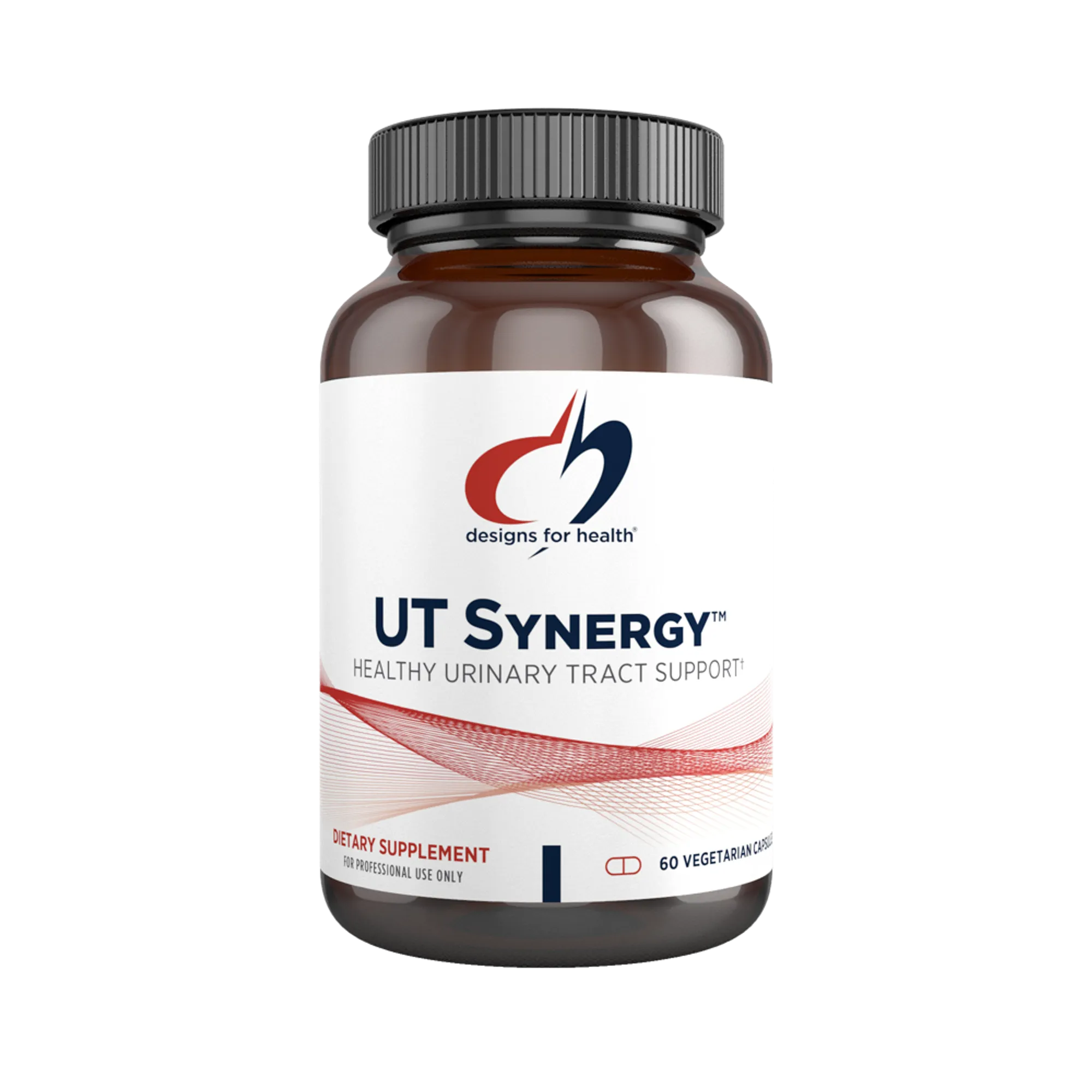
Can UT Synergy™ Support Bladder Health in Long COVID and MCAS?
March 6, 2026
UT SynergyLong COVIDMCAS
Share:
Disclaimer: The information provided here is for educational purposes only and is not intended as medical advice. It should not be used to diagnose, treat, cure, or prevent any medical condition. Instead, use it as a starting point for discussion with your healthcare provider. Always consult with a qualified healthcare provider before starting any new medication, supplement, device, or making changes to your health regimen.
For many individuals navigating complex chronic illnesses like Long COVID—and questioning can Long COVID trigger ME/CFS—urological symptoms often come as an unexpected and highly distressing surprise. You might find yourself suddenly dealing with relentless urinary urgency, painful bladder spasms, or recurrent infections that seem to appear out of nowhere. When your body is already fighting systemic fatigue, autonomic dysfunction, and immune dysregulation, the addition of bladder dysfunction can feel incredibly overwhelming and isolating. "Why is my bladder suddenly failing me?" is a common and entirely valid question we hear from patients.
The reality is that the urinary tract is deeply interconnected with our immune, autonomic, and vascular systems. When these systems are disrupted by a post-viral cascade or chronic inflammation, the bladder and kidneys bear a significant burden. This is where targeted nutritional and botanical support can play a crucial role. UT Synergy™ by Designs for Health is a comprehensive formula designed to support a healthy urinary tract environment, promote microbial balance, and maintain healthy fluid dynamics. By combining well-researched ingredients like D-Mannose, Hibiscus sabdariffa, and Uva Ursi, this supplement offers a multi-mechanistic approach to urological wellness. In this article, we will explore the fascinating science behind these ingredients and how they may support patients managing the complex urinary symptoms associated with chronic illness.
TL;DR
Chronic illnesses like Long COVID and MCAS can trigger severe, non-bacterial bladder inflammation and urinary symptoms.
UT Synergy™ combines D-Mannose, Hibiscus, and Uva Ursi to support urinary tract health and microbial balance.
D-Mannose and Hibiscus help reduce bacterial adhesion, allowing pathogens to be safely flushed out.
Always consult your doctor before starting new supplements, especially if you have kidney or liver conditions.
What is UT Synergy™?
UT Synergy™ is a specialized nutraceutical formulation designed to provide multi-faceted support for the entire urinary system, encompassing the kidneys, ureters, bladder, and urethra. In a healthy body, the urinary tract maintains a delicate state of homeostasis. It must constantly filter waste products from the blood, regulate fluid and electrolyte balance, and defend against ascending microbial pathogens. This defense relies on a combination of mechanical flushing (urination), a robust mucosal barrier lining the bladder wall, and a balanced local microbiome. When these defenses are compromised, individuals become highly susceptible to urinary tract infections (UTIs) and chronic bladder inflammation.
The genius of UT Synergy™ lies in its synergistic blend of specific monosaccharides and botanical extracts that target different stages of urinary tract vulnerability. Rather than relying on a single mechanism, this formula utilizes a "defense-in-depth" strategy. It provides structural decoys to help reduce bacterial adhesion, delivers targeted plant-based antimicrobial compounds directly to the site of potential infection, and includes mild natural diuretics to ensure that pathogens and inflammatory byproducts are efficiently flushed from the system. This comprehensive approach is particularly vital for individuals whose immune systems are already overburdened by chronic illness.
Furthermore, the inclusion of Vitamin B-6 (as Pyridoxal-5-Phosphate) supports the overall enzymatic functions required for proper amino acid metabolism and neurotransmitter synthesis, which indirectly supports the neurological control of the bladder. By addressing both the microbial and physiological aspects of urinary health, UT Synergy™ aims to restore the natural resilience of the urinary tract, helping to break the cycle of recurrent irritation and infection.
A cornerstone of UT Synergy™ is its reliance on highly researched botanical extracts, specifically Hibiscus sabdariffa and Bearberry extract (Uva Ursi). In nature, plants have evolved sophisticated chemical defenses to protect themselves from bacterial and fungal invaders. Modern pharmacognosy allows us to harness these phytochemicals—such as polyphenols, flavonoids, and glycosides—to support human health. These plant compounds often work in ways that are fundamentally different from conventional antibiotics, offering a gentler approach that promotes long-term microbial balance without devastating the body's beneficial flora.
For instance, the Hibiscus extract in this formula is rich in organic acids and proanthocyanidins. These compounds are known for their anti-adhesive properties, meaning they alter the surface tension and chemical environment of the urinary tract, making it incredibly difficult for pathogenic bacteria to anchor themselves to the bladder wall. Without the ability to adhere, bacteria cannot colonize and multiply, effectively halting an infection before it can take root. This mechanism is crucial for maintaining a healthy, balanced microbiome within the urinary system.
Similarly, the Bearberry extract is standardized to contain 20% arbutin, a compound with a long history of traditional use in urological health. As we will explore in detail later, arbutin undergoes a fascinating transformation within the body, converting into a targeted, localized antiseptic specifically within the alkaline environment of the bladder. Together, these botanicals provide a powerful, natural defense system that supports the body's innate ability to manage microbial threats.
Beyond microbial defense, UT Synergy™ incorporates a blend of Nettle, Parsley, and Horsetail extracts to support healthy kidney function and fluid dynamics. The kidneys are the body's master filtration system, processing roughly 200 quarts of blood daily to produce about 1 to 2 quarts of urine. This continuous filtration is essential for removing metabolic waste, regulating blood pressure, and maintaining the precise balance of electrolytes like sodium, potassium, and calcium.
The botanical trio of Nettle root, Parsley leaf, and Horsetail stem provides mild, natural diuretic properties. Unlike harsh pharmaceutical diuretics that can rapidly deplete the body of essential electrolytes, these botanicals gently encourage the kidneys to increase urine output. This increased flow is a critical component of urinary tract health, as it provides the mechanical force necessary to flush out the bacteria that have been neutralized or kept from adhering by the D-Mannose and Hibiscus.
Moreover, Horsetail is naturally rich in silica, a trace mineral that supports the structural integrity of connective tissues, including the mucosal lining of the urinary tract. By promoting healthy fluid turnover and supporting tissue integrity, these ingredients ensure that the entire urinary system operates efficiently, which is especially important for patients managing complex conditions that impact autonomic fluid regulation.
How Chronic Illness Impacts the Urinary Tract
In the wake of the pandemic, researchers have identified a distinct urological manifestation of Long COVID known as COVID-19-Associated Cystitis (CAC). When discussing what the symptoms of Long COVID are, urological issues are often overlooked, yet many patients report the sudden onset of severe bladder symptoms following a SARS-CoV-2 infection. These symptoms often mimic Overactive Bladder (OAB) or Interstitial Cystitis (IC), characterized by relentless urinary frequency, nocturia (waking up multiple times at night to urinate), and intense pelvic pressure.
Researchers investigating what causes Long COVID point to the virus's profound inflammatory mechanisms. Severe COVID-19 infections can trigger a systemic inflammatory response, often referred to as a cytokine storm. Studies have detected elevated levels of pro-inflammatory cytokines, such as IL-6, IL-8, and IP-10, in the urine of affected patients. When these inflammatory molecules come into contact with the sensitive urothelial cells lining the bladder, they cause severe irritation, nerve sensitization, and sterile inflammation—meaning the bladder is inflamed without the presence of a traditional bacterial infection.
Furthermore, both the SARS-CoV-2 virus and its spike protein interact with ACE2 receptors to enter host cells. Because the urothelial cells of the bladder and urinary tract express high levels of ACE2 receptors, the virus may directly invade the bladder tissue, causing localized viral cystitis. This direct viral damage, combined with the lingering cytokine presence, creates a highly hostile environment in the urinary tract. Patients often wonder, do Long COVID symptoms come and go? The answer is yes, especially with bladder flares, making patients highly susceptible to secondary bacterial infections as their mucosal barriers break down.
Mast Cell Activation Syndrome (MCAS) is a complex immunological condition where mast cells—the body's first responders—inappropriately degranulate, releasing a flood of inflammatory mediators like histamine, tryptase, and leukotrienes. While MCAS is often associated with allergic-type reactions, skin flushing, and gastrointestinal distress, it has a profound and frequently overlooked impact on the urinary tract. In fact, research indicates a strong pathophysiological link between mast cell activation and Interstitial Cystitis (IC) or Bladder Pain Syndrome (BPS).
The bladder wall is densely populated with mast cells, particularly in close proximity to the sensory nerves that signal the brain when the bladder is full. In patients with MCAS, these local mast cells become hyper-reactive. When triggered by stress, certain foods, or even minor fluctuations in urine concentration, they release massive amounts of histamine directly into the bladder tissue. This histamine release causes immediate vasodilation, tissue swelling, and intense stimulation of the local pain receptors (nociceptors).
The result is a vicious cycle of neurogenic inflammation. The patient experiences agonizing pelvic pain, burning sensations, and an overwhelming urgency to urinate, symptoms that are almost indistinguishable from a severe bacterial UTI. However, because the root cause is immunological rather than bacterial, standard urine cultures often come back negative, leading to immense frustration and frequent misdiagnosis. Managing this mast cell-driven inflammation is critical for restoring urological comfort in MCAS patients.
Dysautonomia, particularly Postural Orthostatic Tachycardia Syndrome (POTS), involves the dysfunction of the autonomic nervous system (ANS). The ANS acts as the body's automatic control center, regulating involuntary functions like heart rate, blood pressure, digestion, and crucially, bladder function. The process of storing and voiding urine requires highly coordinated signaling between the sympathetic nervous system (which relaxes the bladder muscle to store urine) and the parasympathetic nervous system (which contracts the bladder to release urine).
In patients with dysautonomia and POTS, this delicate neurological signaling is frequently disrupted, leading to a condition known as neurogenic bladder. Patients may experience urinary retention (the inability to fully empty the bladder), which creates a stagnant pool of urine that serves as a perfect breeding ground for bacterial overgrowth and recurrent UTIs. Conversely, some patients experience autonomic overactivity, leading to severe urinary frequency and urgency.
Additionally, the standard management protocol for POTS often involves consuming massive amounts of fluids (2-3 liters daily) and high sodium intake to boost blood volume. While essential for cardiovascular stability, this heavy fluid load puts continuous, intense pressure on the kidneys' filtration system and requires the bladder to fill and empty much more frequently than normal. This constant mechanical stress, combined with autonomic nerve dysfunction, makes the urinary tract highly vulnerable, underscoring the need for targeted urological support.
UT Synergy™: Supporting Urinary Tract Health
The standout ingredient in UT Synergy™ is D-Mannose, a naturally occurring simple sugar (a C-2 epimer of glucose) that has revolutionized the non-antibiotic management of urinary tract infections. To understand how D-Mannose works, we must look at the molecular mechanics of how a UTI begins. The vast majority (80-90%) of community-acquired UTIs are caused by Uropathogenic Escherichia coli (UPEC). To establish an infection, these bacteria must latch onto the cells lining the bladder (the urothelium) so they are not washed away by the flow of urine.
They achieve this using hair-like appendages called Type 1 pili. At the very tip of these pili is a highly specialized adhesion protein called the FimH adhesin. The human bladder wall is covered in glycoproteins that contain mannose residues. The FimH adhesin is biologically engineered to recognize and bind tightly to these specific mannose receptors on the bladder wall, acting like molecular Velcro.
When you consume D-Mannose as a supplement, it is rapidly absorbed in the upper gastrointestinal tract but is not metabolized by the human body for energy. Instead, it is filtered by the kidneys and excreted completely unchanged into the urine. Once in the urinary tract, this high concentration of free-floating D-Mannose acts as a molecular decoy. The FimH adhesins on the E. coli preferentially bind to the free D-Mannose in the urine rather than the bladder lining. Because the bacteria are now bound to the floating sugar instead of the tissue wall, they are easily and safely flushed out of the body during normal urination. This mechanical clearing process does not kill the bacteria, meaning it does not contribute to antibiotic resistance.
Bearberry extract, or Uva Ursi, provides a fascinating, targeted antimicrobial mechanism that perfectly complements D-Mannose. The primary active pharmaceutical constituent in Uva Ursi is arbutin, a naturally occurring glycoside of hydroquinone. When ingested, arbutin is absorbed and travels to the liver, where it undergoes Phase II metabolism to form inactive conjugates (hydroquinone-glucuronide and hydroquinone-sulfate). These inactive, safe metabolites are then filtered by the kidneys and excreted into the urinary tract.
The brilliance of this mechanism is what happens next. Once these inactive metabolites reach the bladder, they encounter the very bacteria causing the infection. Many uropathogenic bacteria, including E. coli, possess an enzyme called beta-glucuronidase. This bacterial enzyme accidentally cleaves the glucuronide bonds of the arbutin metabolites, releasing free hydroquinone directly at the site of the infection. This acts as a biological "Trojan Horse."
Free hydroquinone is a potent local antiseptic. It disrupts the bacterial cell membrane, causing cellular leakage and death. Furthermore, it alters the characteristics of the microbial cell surface, increasing its hydrophobicity and stripping the bacteria's ability to adhere to the host’s uroepithelial cells. Because the active antimicrobial agent is only released in the presence of the bacteria's own enzymes, Uva Ursi provides highly targeted support without disrupting the systemic microbiome like broad-spectrum antibiotics do.
Hibiscus sabdariffa is another powerful botanical in UT Synergy™, offering a multi-targeted approach to urological health. The clinical efficacy of Hibiscus is attributed to its unique phytochemical profile, which includes high concentrations of polyphenols, flavonoids (such as gossypetin), and organic acids. Similar to cranberry extract, Hibiscus possesses strong anti-adhesive properties, helping to keep uropathogens from anchoring to the uroepithelial cells.
However, Hibiscus goes a step further. Unlike cranberry, which primarily works through anti-adhesion, specific compounds in Hibiscus like gossypetin have been shown in in vitro studies to exhibit direct bacteriostatic and bactericidal effects, actively inhibiting microbial and fungal proliferation. Additionally, the organic acids in Hibiscus help to gently acidify the urine. A slightly more acidic urinary environment is inherently hostile to many pathogenic bacteria, further reducing their ability to colonize and thrive.
Furthermore, the high polyphenol content provides robust antioxidant defense. In conditions like Long COVID and MCAS, the bladder tissue is often subjected to intense oxidative stress due to chronic inflammation and cytokine activity. The antioxidants in Hibiscus help neutralize these free radicals, protecting the delicate urothelial cells from oxidative damage and supporting the repair of the mucosal barrier.
The final piece of the UT Synergy™ puzzle is its blend of Nettle, Parsley, and Horsetail. These botanicals act as aquaretics—mild, natural diuretics that increase urine volume without causing the severe electrolyte imbalances associated with pharmaceutical loop diuretics. For the mechanisms of D-Mannose and Uva Ursi to be effective, the body must produce enough urine to physically flush the neutralized bacteria out of the system.
Nettle root (standardized to contain 0.8% beta-sitosterol) has a long history of use in supporting healthy urinary flow and reducing prostate and bladder inflammation. Parsley leaf is rich in apiol and myristicin, compounds that gently stimulate kidney filtration rates. Horsetail extract, standardized to contain 7% silica, not only promotes diuresis but also provides the structural building blocks necessary to maintain the integrity of the urinary tract's connective tissues.
For patients with dysautonomia and POTS who are consuming large volumes of water and salt, these gentle botanical diuretics help ensure that the kidneys are efficiently processing this fluid load. By promoting healthy, regular flushing of the bladder, this botanical trio helps avoid the urinary stasis (stagnant urine) that so often leads to recurrent infections in patients with autonomic dysfunction.
Symptoms UT Synergy™ May Help Manage
Recurrent Urinary Tract Infections (UTIs): D-Mannose acts as a molecular decoy, binding to the FimH adhesins of E. coli and helping to keep them from attaching to the bladder wall, allowing them to be safely flushed away.
Bladder Pain and Spasms: The anti-inflammatory properties of Hibiscus and Uva Ursi help soothe the irritated urothelium, which may be particularly beneficial for the sterile inflammation seen in Long COVID and MCAS.
Urinary Frequency and Urgency: By reducing localized inflammation and supporting the structural integrity of the bladder lining with silica from Horsetail, the formula helps calm the overactive sensory nerves that trigger constant urges to void.
Incomplete Emptying (Urinary Retention): The mild botanical diuretics (Nettle, Parsley) encourage healthy, consistent urine flow, helping to overcome the sluggish bladder dynamics often experienced by patients with dysautonomia and POTS.
Post-Infection Bladder Irritation: The antioxidant polyphenols in Hibiscus sabdariffa help neutralize oxidative stress and support tissue repair in the bladder following an acute infection or a severe MCAS flare.
Microbial Imbalance: Uva Ursi provides targeted, localized antimicrobial action via its conversion to hydroquinone, helping to clear pathogenic bacteria without destroying the beneficial flora of the gut and urinary tract.
Practical Considerations: Forms, Dosing, and Absorption
When incorporating UT Synergy™ into your management plan, understanding how its ingredients are absorbed and processed by the body is key to maximizing its benefits. D-Mannose is highly bioavailable; studies show that at least 90% of ingested D-mannose is rapidly absorbed in the upper gastrointestinal tract and reaches the urinary tract intact within about 60 minutes. Because it does not enter the standard metabolic pathways for glucose, it does not cause significant spikes in blood sugar, making it generally safe for individuals monitoring their glycemic load.
The botanical extracts, particularly the arbutin in Uva Ursi, require processing by the liver to become active. Arbutin is conjugated in the liver into inactive forms (hydroquinone-glucuronide) before being excreted into the bladder, where bacterial enzymes activate it. This means the efficacy of Uva Ursi is dependent on healthy liver and kidney filtration. The Hibiscus extract, rich in water-soluble polyphenols, is also readily absorbed and excreted through the renal system, providing direct antioxidant and anti-adhesive benefits to the urinary mucosa.
The inclusion of Vitamin B-6 as Pyridoxal-5-Phosphate (P-5-P) is a crucial formulation detail. P-5-P is the metabolically active coenzyme form of B-6, meaning it bypasses the need for liver conversion. This ensures immediate bioavailability to support the enzymatic processes and neurological signaling required for healthy bladder function, which is especially important for patients with genetic methylation or metabolic conversion issues.
The suggested use for UT Synergy™ is 2 capsules per day, or as directed by your healthcare practitioner. Because the primary mechanisms of action—specifically the D-Mannose decoy effect and the flushing action of the botanical diuretics—rely on urine flow, taking the supplement with a large glass of water is essential. Adequate hydration ensures that the active compounds are efficiently transported to the bladder and that there is sufficient fluid volume to mechanically flush out the neutralized bacteria.
For patients managing recurrent UTIs, timing can be strategic. Taking the supplement in the evening before bed may be beneficial, as urine pools in the bladder overnight, providing a longer contact time for the D-Mannose and Uva Ursi metabolites to interact with any present bacteria. However, patients with severe nocturia (frequent nighttime urination) may prefer to take it earlier in the day to avoid exacerbating their nighttime fluid load. Always discuss the optimal timing with your provider based on your specific symptom patterns.
For patients with POTS or dysautonomia who are on high-sodium and high-fluid regimens, UT Synergy™ can be integrated into your existing hydration protocol. The mild diuretic properties of Nettle and Parsley are generally gentle, but it is important to monitor your electrolyte balance, as increased urine output can slightly increase the excretion of sodium and potassium.
While UT Synergy™ utilizes natural compounds, it is a potent formulation that requires mindful usage. D-Mannose and Hibiscus are generally recognized as very safe for long-term use. However, the inclusion of Uva Ursi (Bearberry extract) comes with specific duration guidelines. Because arbutin metabolizes into hydroquinone—which can be hard on the liver and kidneys in chronic, high doses—health authorities generally advise that supplements containing Uva Ursi should be used cyclically rather than continuously for months on end.
Typically, Uva Ursi is recommended for short-term use (1 to 2 weeks) during acute symptom flares or as a pulsed supportive strategy, rather than a daily, year-round supplement. Patients with pre-existing severe kidney disease, liver disease, or those who are pregnant or nursing should strictly avoid Uva Ursi. Furthermore, because the formula contains mild diuretics, patients taking pharmaceutical diuretics, blood pressure medications, or lithium should consult their doctor to avoid potential drug interactions or excessive fluid loss.
Always work with a healthcare practitioner who understands your complete medical history, especially if you have complex conditions like Long COVID or MCAS. They can help you determine the appropriate dosage, duration, and cycling schedule for UT Synergy™ to ensure it safely supports your urological health without interfering with your other treatments.
Follow the Science
The scientific community has extensively validated the efficacy of D-Mannose as a non-antibiotic intervention for urinary tract infections. A landmark randomized, controlled clinical trial by Kranjčec et al. (2014) investigated D-mannose for the management of recurrent UTIs in 308 women over six months. The patients were divided into three groups: one receiving 2g of D-mannose daily, one receiving 50 mg of nitrofurantoin (a standard prophylactic antibiotic), and a control group receiving no prophylaxis.
The results were highly significant. At the end of the 6-month period, the UTI recurrence rate was 60% in the control group, 20% in the antibiotic group, and only 15% in the D-mannose group. This demonstrated that D-mannose was as effective—if not slightly more effective—than standard antibiotic prophylaxis, but with a significantly lower risk of adverse side effects. Furthermore, a 2020 microbiological impact study confirmed that long-term D-Mannose exposure does not induce stable modifications or resistance in the FimH adhesin of E. coli, securing its status as a sustainable supportive option.
Additional systematic reviews, such as those published in Spandidos Publications (2022), have corroborated these findings, highlighting that utilizing D-mannose as a monotherapy exhibits therapeutic effects and symptom relief that are highly comparable to traditional antibiotics in cases of acute, uncomplicated UTIs, significantly improving patients' quality of life.
Hibiscus sabdariffa has garnered significant attention in clinical research as an effective, non-antibiotic intervention, driven by rising global concerns over antibiotic resistance. A foundational double-blind, placebo-controlled study conducted by Dr. F. Allaert (2009) evaluated 61 women with a history of frequent recurrent UTIs. Women taking a standardized hibiscus extract for 6 months experienced a remarkable 77% to 89% reduction in UTI occurrences compared to the placebo group, alongside rapid improvements in overall urinary comfort.
More recently, a landmark randomized Phase III clinical trial by Cai et al. (2018) published in the Archivio Italiano di Urologia e Andrologia tested a hibiscus-based botanical combination against standard antibiotic therapy in 46 patients with acute UTIs. The study proved that the hibiscus formulation was "not inferior" to antibiotics for symptom relief. Notably, at the 3-month follow-up, 26% of the patients in the hibiscus group transitioned from symptomatic UTIs to asymptomatic bacteriuria, compared to 0% in the antibiotic group, highlighting the plant's unique ability to normalize the urinary microbiome without eradicating it.
Furthermore, a 2021 systematic review and meta-analysis published in MDPI evaluated combining Hibiscus sabdariffa with other mucoprotectants. Across multiple randomized controlled trials, the hibiscus combination showed a statistically significant difference in clinical and microbiological resolution compared to placebos, cementing its role as a critical tool for antibiotic stewardship in urological care.
The clinical efficacy of Uva Ursi (Bearberry) and its active compound, arbutin, has been validated through both pharmacokinetic studies and clinical trials. Research confirms that the hydroquinone released from arbutin yields Minimum Inhibitory Concentration (MIC) values of 0.21 to 0.6 mg/mL against common UTI pathogens like E. coli and Staphylococcus saprophyticus, proving its potent localized antiseptic capabilities.
Pharmacokinetic studies, such as those by Schindler et al., have further confirmed that taking Uva Ursi dry leaf extract orally results in rapid and exceptionally high concentrations of antimicrobial hydroquinone conjugates in the urine within just a few hours, validating its traditional use as a fast-acting urinary antiseptic.
The Path Forward
Living with a complex chronic illness like Long COVID, ME/CFS, MCAS, or dysautonomia is an exhausting journey. When new, painful, and disruptive urological symptoms emerge on top of your existing systemic struggles, it is completely normal to feel overwhelmed and frustrated. It is crucial to understand that these bladder symptoms are not in your head; they are a recognized, physiological manifestation of the profound immune, autonomic, and inflammatory dysregulation occurring in your body. Whether it is COVID-Associated Cystitis or MCAS-driven bladder pain, your experience is valid, and finding relief is a critical component of your overall recovery.
Navigating the medical system with these invisible symptoms can be challenging, especially when standard urine cultures return negative despite agonizing pain. Understanding how a doctor diagnoses Long COVID can help you advocate for comprehensive testing and seek out healthcare providers who understand the intricate connections between post-viral syndromes, mast cell activation, autonomic dysfunction, and urological health. You deserve a care team that looks beyond simple bacterial infections and addresses the root inflammatory and neurological causes of your discomfort.
While UT Synergy™ offers a powerful, multi-mechanistic approach to supporting urinary tract health, it is most effective when integrated into a comprehensive, holistic management strategy. Supplements are a valuable tool, but they work best alongside proper hydration, dietary modifications (such as identifying and avoiding personal bladder irritants or histamine triggers), pelvic floor physical therapy, and targeted medical treatments for your underlying conditions.
By combining the molecular decoy action of D-Mannose, the targeted antimicrobial power of Uva Ursi, and the anti-inflammatory, tissue-supporting properties of Hibiscus and botanical aquaretics, UT Synergy™ provides a robust defense system for your vulnerable urinary tract. As you continue to navigate your healing journey, remember that restoring balance takes time, patience, and a multi-faceted approach. We are here to support you with the science, the tools, and the validation you need to reclaim your quality of life.
Disclaimer: The information provided in this blog is for educational purposes only and is not intended to diagnose, treat, cure, or prevent any disease. Always consult with your healthcare provider before starting any new supplement, especially if you have pre-existing kidney or liver conditions, or are taking other medications.