Can UT Intensive™ Chewables Support Bladder Health in Long COVID and Dysautonomia?
March 6, 2026
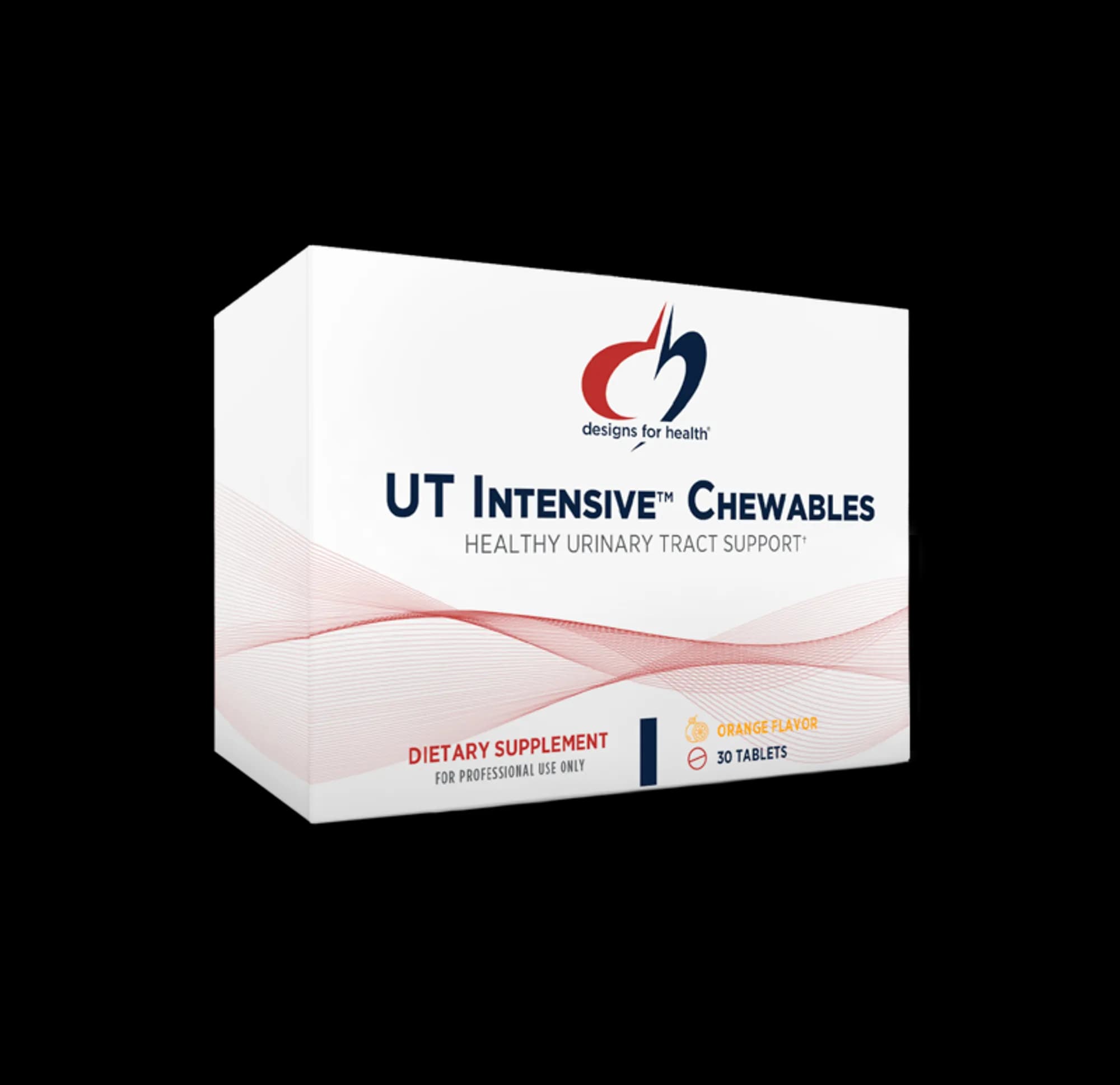
UT Intensive ChewablesD-MannoseCranberry Extract
Share:
Disclaimer: The information provided here is for educational purposes only and is not intended as medical advice. It should not be used to diagnose, treat, cure, or prevent any medical condition. Instead, use it as a starting point for discussion with your healthcare provider. Always consult with a qualified healthcare provider before starting any new medication, supplement, device, or making changes to your health regimen.
"I feel like I constantly have a urinary tract infection, but every time they culture my urine, it comes back negative. The pressure, the urgency, the pain—it’s exhausting, and no one seems to know why it’s happening." This is a remarkably common and deeply frustrating refrain among individuals living with complex, infection-associated chronic conditions. When you are already battling the systemic exhaustion of Long COVID, the unpredictable heart rate spikes of dysautonomia, or the crushing post-exertional crashes of ME/CFS, the sudden onset of severe bladder pain or urinary urgency can feel like an unbearable addition to an already heavy physiological load.
For decades, the standard medical response to urinary discomfort has been a quick prescription for antibiotics. However, for patients with neuroimmune and autonomic disorders, the root cause of these symptoms is rarely a straightforward bacterial infection. Instead, the urinary tract becomes a casualty of systemic inflammation, viral tissue damage, and autonomic nervous system dysregulation. In this compromised state, the bladder is highly vulnerable to both sterile inflammation and opportunistic bacterial adherence. This is where targeted, non-antibiotic nutritional support becomes a critical tool. UT Intensive™ Chewables by Designs for Health offers a specialized, dual-action approach to urinary tract health, utilizing the well-documented mechanisms of D-mannose and cranberry extract to support a healthy bladder environment without disrupting the body's fragile microbiome.
TL;DR
Urinary symptoms in chronic illness often stem from inflammation and autonomic dysfunction, not just bacterial infections.
D-mannose helps flush out bacteria by acting as a decoy, without disrupting your healthy microbiome.
Cranberry extract provides antioxidant support and helps prevent bacteria from adhering to the bladder wall.
UT Intensive™ Chewables offer a dual-action, non-antibiotic approach to support urinary tract health and comfort.
What are D-Mannose and Cranberry Extract?
The Role of D-Mannose in the Body
To understand how targeted nutritional support can influence bladder health, we must first look at the natural biological roles of its key ingredients. D-mannose is a naturally occurring simple sugar, or monosaccharide, that is closely related to glucose. It is found in trace amounts in various fruits, including cranberries, apples, and peaches, and is also synthesized naturally by the human body. At a molecular level, D-mannose is a C-2 epimer of D-glucose, meaning it shares the same chemical formula but has a slightly different structural arrangement. This structural difference is profoundly important for its biological function and how the body processes it.
Unlike glucose, which the body eagerly absorbs and metabolizes for cellular energy, D-mannose is essentially biologically inert when it comes to human energy production. Research indicates that D-mannose is not converted into glycogen, nor does it trigger a significant insulin response. Because the human body does not use D-mannose for fuel, it is rapidly filtered out of the bloodstream by the kidneys and excreted entirely intact into the urine. This unique metabolic pathway is precisely what makes D-mannose so valuable for urinary tract health; it arrives in the bladder in its original, active form, ready to interact with the local environment.
In a healthy human body, mannose plays a crucial structural role. It is a key component of glycoproteins—proteins that have carbohydrate chains attached to them. These highly mannosylated glycoproteins, such as uroplakin 1a, heavily coat the surface of the umbrella cells that line the human urinary tract and bladder wall. This mucous-like coating acts as a protective barrier, shielding the delicate underlying tissues from the acidic and potentially irritating nature of urine, while also playing a complex role in immune signaling and cellular communication.
Cranberry Extract and A-Type Proanthocyanidins (PACs)
The second primary component of this targeted formula is cranberry extract (Vaccinium macrocarpon). For generations, cranberries have been a traditional folk remedy for urinary complaints, often consumed as a juice. However, modern biochemistry has revealed that the true therapeutic power of the cranberry lies not in its acidity, but in its complex polyphenolic compounds, specifically a class of condensed tannins known as proanthocyanidins (PACs). While many fruits, such as apples, grapes, and cocoa, contain PACs, they predominantly feature "B-type" interflavanoid linkages.
Cranberries are botanically unique because they contain a high concentration of rare A-type interflavanoid linkages. Extensive phytochemical research has demonstrated that it is specifically these A-type PACs—particularly epicatechin-based oligomers—that interact with the urinary tract environment. When consumed as a whole-fruit extract, these complex molecules undergo a fascinating journey through the digestive system, interacting with the gut microbiome before their active metabolites are eventually excreted through the kidneys and into the bladder.
The Synergy of Dual-Action Urinary Support
In a healthy, resilient urinary system, the constant mechanical flow of urine is usually sufficient to flush out transient bacteria and cellular debris. The bladder lining remains intact, and the local immune system easily neutralizes minor threats. However, when the body is subjected to chronic physiological stress, immune dysregulation, or autonomic dysfunction, this natural defense system falters. The protective glycoprotein layer can become compromised, and the mechanical emptying of the bladder may become inefficient.
By combining D-mannose and whole-fruit cranberry extract, UT Intensive™ Chewables provides a synergistic, dual-action approach to supporting this vulnerable system. While D-mannose provides a direct, structurally specific intervention in the bladder, the complex polyphenols in cranberry extract offer broad-spectrum antioxidant support and promote a healthy microbial balance. Together, they help maintain the integrity of the urinary tract environment, providing a crucial layer of defense for patients whose natural physiological barriers have been weakened by chronic illness.
How Long COVID and Dysautonomia Impact the Urinary Tract
COVID-Associated Cystitis (CAC) and Viral Inflammation
To comprehend why urinary symptoms are so prevalent in chronic illness, we must examine the profound impact these conditions have on the urological system. For individuals living with Long COVID, the onset of severe bladder symptoms is often a direct result of viral tissue damage. Researchers have identified a specific urological manifestation known as COVID-Associated Cystitis (CAC), which presents as de novo (new onset) or severely exacerbated overactive bladder symptoms following a SARS-CoV-2 infection. This is not a traditional bacterial infection, but rather a state of profound, sterile inflammation.
The pathophysiology of CAC begins with the ACE2 receptor, the primary entry point for the SARS-CoV-2 virus. Clinical studies have shown that ACE2 receptors are highly expressed in the urothelial cells that line the urinary tract and bladder. This allows the virus to directly invade the bladder tissue, triggering a localized cytokine storm. Patients with CAC exhibit highly elevated levels of pro-inflammatory cytokines, specifically IL-6, IL-8, and IP-10, in their urine. This massive inflammatory response damages the bladder mucosa, creating extreme sensitivity and classic UTI-like symptoms—such as burning, frequency, and pelvic pressure—even when urine cultures show no bacterial growth.
Dysautonomia, POTS, and Neurogenic Bladder
Beyond direct viral damage, the neurological consequences of chronic illness play a massive role in urinary dysfunction. Dysautonomia, an umbrella term for the dysfunction of the autonomic nervous system (ANS), is incredibly common in both Long COVID and ME/CFS, often manifesting as Postural Orthostatic Tachycardia Syndrome (POTS). Because the ANS controls involuntary bodily functions, including the complex coordination of bladder storage and emptying, autonomic dysregulation frequently leads to severe Lower Urinary Tract Dysfunction (LUTD).
Recent neurological research suggests that Small Fiber Polyneuropathy (SFPN) is a physiological nexus linking autonomic dysregulation to bladder dysfunction. Patients often exhibit increased sympathetic (adrenergic) nerve innervation of the urinary tract paired with decreased parasympathetic tone. This chaotic nerve signaling can cause the bladder to become hyperactive, leading to sudden urgency and frequency. Conversely, it can also cause an underactive, neurogenic bladder, resulting in urinary retention, hesitancy, and the inability to fully empty the bladder. When urine pools in the bladder due to incomplete emptying, it creates a stagnant environment that is highly susceptible to opportunistic bacterial overgrowth, leading to genuine, recurrent UTIs.
ME/CFS, Mast Cell Activation, and Interstitial Cystitis
For patients with myalgic encephalomyelitis/chronic fatigue syndrome (ME/CFS), urological complications are often intertwined with immune system hyperactivity. A significant number of ME/CFS patients suffer from concurrent Interstitial Cystitis (IC), also known as Bladder Pain Syndrome. A leading clinical theory connects these conditions through mast cell activation. Mast cells, which are heavily involved in the body's allergic and inflammatory responses, can become destabilized and activate inappropriately, releasing cascades of histamine and inflammatory mediators directly into the bladder tissue.
This localized mast cell degranulation slowly erodes the glycosaminoglycan (GAG) layer—the protective mucous lining of the bladder. Studies on cultured urothelial cells show that once this GAG layer is compromised, toxins and potassium from the urine leak into the bladder's mucosal interstitium. This leakage intensely sensitizes the underlying bladder neurons, causing severe, chronic pelvic pain. Furthermore, the constant state of localized inflammation and tissue damage makes the bladder highly vulnerable to bacterial adherence, creating a vicious cycle where sterile inflammation invites bacterial infection, which in turn triggers further mast cell activation and post-exertional symptom crashes.
UT Intensive™ Chewables: Supporting Urinary Tract Health
D-Mannose and FimH Competitive Inhibition
When the urinary tract is compromised by autonomic dysfunction, viral inflammation, or mast cell activation, it loses its natural ability to fend off bacterial invaders. This is where the specific mechanisms of UT Intensive™ Chewables become clinically invaluable. The primary ingredient, D-mannose, operates through a fascinating mechanism known as competitive inhibition, specifically targeting Uropathogenic Escherichia coli (UPEC), the bacteria responsible for 80% to 90% of uncomplicated UTIs.
To cause an infection, UPEC bacteria cannot simply exist in the bladder; they must anchor themselves to the bladder wall so they are not washed away during urination. They achieve this using hair-like appendages called Type 1 pili. At the very tip of these pili is an adhesin protein called FimH. Microbiological studies demonstrate that FimH functions as a mannose-binding lectin; its sole biological purpose is to seek out and bind to the highly mannosylated glycoproteins (uroplakin 1a) that coat the human urinary tract.
When a patient consumes a therapeutic dose of D-mannose, it is rapidly excreted into the urine. Because the chemical structure of D-mannose is virtually identical to the terminal mannose residues on the bladder wall, it acts as a molecular decoy. The FimH adhesins on the E. coli preferentially bind to the free-floating D-mannose molecules in the urine rather than the urothelial cells. By completely saturating the FimH binding sites, D-mannose physically "coats" the bacteria, unmooring them from the bladder wall so they can be harmlessly flushed out of the body. Crucially, research confirms that D-mannose does not kill the bacteria or disrupt their metabolism, meaning it does not induce antimicrobial resistance or disrupt the healthy microbiome.
Cranberry PACs and P-Fimbriae Neutralization
While D-mannose effectively neutralizes Type 1 pili, some uropathogenic bacteria utilize a different anchoring mechanism. This is where the whole-fruit cranberry extract in UT Intensive™ Chewables provides complementary support. Certain aggressive strains of UPEC utilize mannose-resistant appendages known as P-fimbriae, which specifically bind to $\alpha$-Gal(1→4)$\beta$-Gal receptor sequences on human urinary tract cells. Because these fimbriae are mannose-resistant, D-mannose alone cannot prevent their adhesion.
The A-type proanthocyanidins (PACs) found exclusively in cranberries serve as the perfect countermeasure. Ex vivo anti-adhesion studies have proven that the active metabolites of A-type PACs act as receptor analogues for P-fimbriae. They competitively bind to these specific appendages, physically altering the bacterial cell surface and neutralizing its ability to lock onto the bladder wall. By combining D-mannose and cranberry extract, this supplement effectively targets both primary mechanisms of bacterial adhesion, providing a comprehensive, dual-action shield for the vulnerable urothelium.
Breaking the Cycle of Bacterial Adhesion and Biofilms
For patients with chronic conditions like ME/CFS or Long COVID, preventing bacterial adhesion is about more than just avoiding a painful infection; it is about preventing the formation of bacterial biofilms. When bacteria successfully adhere to the bladder wall, they quickly multiply and secrete a protective polymeric matrix, forming a biofilm. These biofilms are highly resistant to the host immune system and standard antibiotics, often serving as a reservoir for chronic, recurrent infections that constantly trigger systemic immune responses and symptom crashes.
By utilizing the anti-adhesive properties of D-mannose and cranberry PACs, UT Intensive™ Chewables helps intervene before biofilm formation can occur. Laboratory models indicate that by keeping bacteria in a free-floating (planktonic) state, these natural compounds prevent the bacteria from establishing the complex colonies required to form biofilms. This proactive mechanism is essential for breaking the vicious cycle of recurrent urinary distress, reducing the overall inflammatory burden on the body, and supporting a more stable baseline for patients managing complex, multi-system illnesses.

Symptoms UT Intensive™ Chewables May Help Manage
Targeting Specific Urinary Complaints
For individuals navigating the complexities of post-viral syndromes and autonomic dysfunction, urinary symptoms can be both painful and highly disruptive to daily life. UT Intensive™ Chewables utilizes the combined mechanisms of D-mannose and cranberry extract to support the bladder environment and help manage several specific, distressing symptoms.
By preventing bacterial adhesion and reducing localized irritation, this targeted nutritional formula may help alleviate the following urological complaints:
Frequent Urge to Urinate: By soothing the inflamed urothelium and preventing bacteria from irritating the bladder lining, this formula helps calm the overactive nerve signaling that causes the constant, uncomfortable sensation of needing to void.
Burning or Pain During Urination (Dysuria): The anti-adhesive properties of D-mannose help flush out irritating pathogens, while the antioxidant properties of cranberry extract help reduce the localized mucosal inflammation that causes a burning sensation during urination.
Recurrent Bacterial Infections: By neutralizing both Type 1 pili and P-fimbriae, the dual-action formula physically prevents uropathogenic E. coli from anchoring to the bladder wall, significantly reducing the likelihood of bacteria establishing the colonies necessary for a full-blown infection.
Pelvic Pressure and Discomfort: For patients with mast cell activation or viral cystitis, the soothing, anti-inflammatory metabolites of cranberry PACs help support the integrity of the bladder's protective GAG layer, reducing the deep pelvic pressure associated with sterile inflammation.
Cloudy or Strong-Smelling Urine: By promoting a healthy microbial balance and facilitating the efficient flushing of bacterial debris and metabolic waste, this supplement supports the return of clear, healthy urine output.
Post-Exertional Urinary Flares: By reducing the baseline inflammatory load in the bladder and helping reduce the risk of opportunistic infections, this formula helps stabilize the immune system, potentially reducing the severity of urological symptom flares that often accompany systemic post-exertional crashes.
Practical Considerations: Forms, Dosing, and Absorption
The Bioavailability of D-Mannose
When utilizing nutritional supplements for targeted therapeutic support, understanding the pharmacokinetics—how the body absorbs, distributes, and excretes the compounds—is crucial for achieving optimal results. D-mannose boasts an exceptionally efficient pharmacokinetic profile. Clinical pharmacokinetic studies demonstrate that D-mannose is highly bioavailable, with at least 90% of an ingested oral dose being rapidly absorbed in the upper gastrointestinal tract. Because it is not metabolized for energy, it moves swiftly through the bloodstream and is filtered directly by the kidneys.
This rapid absorption means that D-mannose reaches the bladder very quickly. It can be detected in blood plasma within 30 minutes of ingestion, and a large portion of the dose is flushed into the urinary tract within 30 to 60 minutes. The remainder of the dose is steadily excreted over the following 8 hours. This specific timing makes D-mannose highly effective for acute, targeted support. For instance, taking a dose shortly before or after a known trigger (such as sexual activity or a period of urinary retention caused by dysautonomia) aligns perfectly with its rapid 30-minute absorption window, ensuring the bladder is saturated with D-mannose exactly when it is most needed.
The Complex Metabolism of Cranberry PACs
In contrast to the rapid, direct action of D-mannose, the cranberry extract in UT Intensive™ Chewables relies on a much more complex, delayed metabolic pathway. The therapeutic A-type proanthocyanidins (PACs) found in whole-fruit cranberry extract are large, complex polymeric molecules. Because of their size, they have very low direct oral bioavailability and cannot be absorbed intact through the stomach or upper GI tract. Instead, pharmacological research shows that these parent PACs must travel down to the large intestine, where they interact with the gut microbiome.
In the large intestine, gut bacteria break down these large PAC molecules into smaller, active secondary metabolites, such as valeric acid derivatives and simple phenolic acids. It is these secondary metabolites that are finally absorbed into the systemic circulation and excreted into the urine to exert their anti-adhesive effects. Because this process relies on microbiome-driven metabolism, the timing is significantly delayed. The active phenolic metabolites typically reach their peak concentration in the urine between 6 and 10 hours post-consumption. This slower, sustained release perfectly complements the rapid action of D-mannose, providing a long-lasting baseline of urinary protection throughout the day and night.
The Advantage of a Chewable Delivery System
Beyond the biochemistry of the ingredients, the physical format of a supplement plays a major role in its clinical utility, particularly for patients managing severe chronic illness. UT Intensive™ Chewables are formulated as a mild, sweet, orange-flavored chewable tablet. For patients dealing with the severe fatigue of ME/CFS or the complex gastrointestinal symptoms of Long COVID, "pill fatigue" is a very real barrier to consistent treatment. Swallowing large capsules can be difficult, nauseating, or simply exhausting.
The chewable format is deliberately designed to increase patient compliance. By offering a palatable, easy-to-consume alternative, Designs for Health ensures that patients can consistently receive the therapeutic dose of 2,000 mg of D-mannose and 500 mg of whole-fruit cranberry extract without the stress of swallowing multiple large pills. Furthermore, chewing the tablet begins the mechanical breakdown of the supplement in the mouth, potentially aiding in the rapid gastric emptying and absorption of the D-mannose once it reaches the stomach. This thoughtful delivery system makes it an ideal, gentle option for individuals with compromised energy envelopes and sensitive digestive systems.

Follow the Science
Clinical Efficacy of D-Mannose
The use of D-mannose and cranberry extract for urinary tract health is heavily supported by robust clinical trials and microbiological research. Over the past decade, the medical community has increasingly recognized the need for non-antibiotic prophylactic strategies to combat the rise of antimicrobial resistance (AMR) and protect the delicate human microbiome. D-mannose has emerged as a leading candidate in this effort. A landmark 2014 randomized clinical trial involving 308 women with a history of recurrent UTIs compared the efficacy of daily D-mannose powder against the standard prophylactic antibiotic, nitrofurantoin.
The results of the trial were highly significant. The researchers found that D-mannose was just as effective as the prescription antibiotic in helping reduce the risk of recurrent UTIs over a 6-month period. Crucially, the patients in the D-mannose group experienced a significantly lower risk of adverse side effects, such as severe diarrhea and gastrointestinal distress, compared to the antibiotic cohort. Further supporting these findings, a 2016 pilot study involving women treated for acute UTIs demonstrated that a 6-month D-mannose prophylactic regimen reduced the recurrent UTI rate to just 4.5%, compared to a staggering 33.3% in the untreated control group, heavily improving patient quality of life scores.
Research on Cranberry Extract for UTI Prevention
The clinical evidence supporting cranberry extract is equally compelling, particularly when utilizing standardized extracts containing A-type PACs. Historically, the efficacy of cranberry products was debated due to the use of highly diluted, sugar-laden commercial juices in early studies. However, modern meta-analyses focusing on standardized extracts have clarified its therapeutic value. Large clinical reviews indicate that standardized cranberry products can reduce the risk of symptomatic UTIs by 26% to 30% in vulnerable populations, with some specific studies showing recurrence rates reduced by up to 50%.
Groundbreaking chemical analysis by researchers such as Foo and Howell isolated the specific proanthocyanidin trimers from cranberries possessing A-type linkages. Their ex vivo studies demonstrated that urine collected from human volunteers after consuming standardized cranberry powder exhibited highly significant, dose-dependent anti-adhesion activity against uropathogenic P-fimbriated E. coli. These studies confirmed that the active metabolites of cranberry PACs successfully survive the digestive process, reach the urinary tract, and actively neutralize bacterial adhesion mechanisms.
Safety, Tolerability, and Microbiome Preservation
One of the most profound advantages of the ingredients in UT Intensive™ Chewables is their exceptional safety profile and their respect for the body's natural microbiome. Traditional antibiotic therapies, while sometimes necessary for acute, systemic infections, act as a "scorched earth" intervention. They indiscriminately eradicate both harmful pathogens and the beneficial bacteria in the gut and urinary tract, often leading to severe dysbiosis, yeast infections, and a weakened immune system—a devastating outcome for patients already managing Long COVID or ME/CFS.
Because the mechanism of action for both D-mannose and cranberry PACs is strictly mechanical (anti-adhesive) rather than pharmacological or bactericidal, they are highly tolerated by the human body. Microbiological evaluations confirm that these compounds do not kill bacteria, alter bacterial cell shape, or induce stable genetic mutations, meaning they do not contribute to antimicrobial resistance. Furthermore, because D-mannose is virtually un-metabolized, it does not disrupt blood sugar regulation, making it a safe, sustainable option for long-term daily prophylactic use in complex, chronically ill populations.
The Path Forward
A Comprehensive Approach to Bladder Health
Living with conditions like Long COVID, ME/CFS, and dysautonomia requires a profound level of resilience. When your autonomic nervous system is dysregulated and your immune system is constantly misfiring, managing secondary symptoms like urinary tract distress can feel like an overwhelming, never-ending battle. It is entirely valid to feel frustrated when standard medical tests fail to explain your pain, or when traditional treatments like antibiotics only seem to offer temporary relief while exacerbating your systemic fatigue and gastrointestinal issues.
While there is no single cure for the complex urological manifestations of neuroimmune disorders, targeted nutritional support can be a powerful tool in your symptom management arsenal. By utilizing the scientifically validated, anti-adhesive properties of D-mannose and whole-fruit cranberry extract, UT Intensive™ Chewables offers a proactive way to support your bladder's natural defenses. By preventing bacterial adherence and soothing localized inflammation, this dual-action formula helps break the cycle of recurrent irritation, allowing your body to redirect its precious energy resources toward systemic healing and stabilization.
Validating Your Experience
Remember that your symptoms are real, they are physiologically grounded, and they deserve comprehensive, compassionate care. Supplements like UT Intensive™ Chewables are most effective when integrated into a broader, holistic management strategy that includes pacing, nervous system regulation, adequate hydration, and close collaboration with a healthcare provider who understands the nuances of living with Long-Term COVID and dysautonomia. By taking proactive, scientifically grounded steps to protect your urinary tract, you are actively reclaiming a measure of control over your daily comfort and quality of life.
Always consult with your healthcare provider before starting any new supplement, especially if you have a history of kidney stones or are currently taking prescription medications for overactive bladder or interstitial cystitis.