Can Uric Acid Formula Support Inflammation and Endothelial Health in Long COVID and ME/CFS?
March 5, 2026
Uric Acid FormulaLong COVIDME/CFS
Share:
Disclaimer: The information provided here is for educational purposes only and is not intended as medical advice. It should not be used to diagnose, treat, cure, or prevent any medical condition. Instead, use it as a starting point for discussion with your healthcare provider. Always consult with a qualified healthcare provider before starting any new medication, supplement, device, or making changes to your health regimen.
Months or even years after a mild initial infection, many individuals with complex chronic conditions like Long COVID, myalgic encephalomyelitis/chronic fatigue syndrome (ME/CFS), and mast cell activation syndrome (MCAS) find themselves battling a relentless cycle of debilitating symptoms. From profound post-exertional malaise (PEM) and severe brain fog to unpredictable heart rates and widespread joint pain, the daily reality of these invisible illnesses is often overwhelming. Patients are frequently told their lab results look "normal," yet their bodies feel fundamentally altered, leaving them searching for validating, science-backed answers to explain their ongoing suffering.
Recent clinical research has begun to illuminate the underlying biochemical drivers of these conditions, pointing toward a complex web of mitochondrial dysfunction, systemic inflammation, and severe oxidative stress. Interestingly, one of the key metabolic pathways implicated in this cascade involves the breakdown of cellular energy and the subsequent production of uric acid. While traditionally associated only with gout, uric acid metabolism is deeply connected to endothelial health, immune mediator activity, and vascular integrity. By understanding how these pathways become dysregulated in post-viral syndromes, we can explore targeted nutritional interventions. In this article, we will examine how the carefully selected ingredients in Uric Acid Formula—including quercetin, bromelain, cherry extract, and potassium citrate—work synergistically at the cellular level to support metabolic balance, manage oxidative stress, and promote overall well-being in the context of chronic illness.
TL;DR
Uric acid metabolism and oxidative stress are key drivers of Long COVID and ME/CFS symptoms.
Uric Acid Formula combines quercetin, bromelain, and cherry extract to support metabolic balance.
These ingredients may help manage post-exertional malaise, brain fog, and systemic inflammation.
Always consult a healthcare provider before starting new supplements, especially if on medications.
What is Uric Acid Formula?
The Biochemistry of Purine Metabolism
To understand the physiological relevance of Uric Acid Formula, we must first explore the natural function of uric acid within a healthy human body. Uric acid is the final metabolic end product of purine degradation. Purines are essential nitrogen-containing compounds that form the structural backbone of our genetic material, specifically the nucleic acids in DNA and RNA. Beyond their genetic role, purines are also the fundamental building blocks of adenosine triphosphate (ATP), the primary energy currency utilized by every cell in the body. When cells naturally turn over, or when ATP is consumed during physical or mental exertion, purines are released and must be broken down and cleared from the system.
In a balanced physiological state, the breakdown of purines is a highly regulated process. The body relies on specific enzymatic pathways to dismantle these molecules, eventually converting them into uric acid. Once formed, uric acid is transported through the bloodstream to the kidneys, where it is filtered and excreted in the urine. Interestingly, in normal concentrations, uric acid acts as a potent endogenous antioxidant, helping to scavenge harmful free radicals in the blood. However, when the production of uric acid exceeds the kidneys' capacity to excrete it, or when cellular energy systems fail and dump massive amounts of purines into the bloodstream, uric acid levels can spike, transforming it from a protective antioxidant into a dangerous pro-oxidant that damages tissues.
The Role of Xanthine Oxidase and Liver Enzymes
The conversion of purines into uric acid is heavily dependent on the activity of specific liver enzymes, most notably xanthine oxidase and xanthine dehydrogenase. These enzymes catalyze the final two steps of purine metabolism: the conversion of hypoxanthine to xanthine, and subsequently, the conversion of xanthine into uric acid. This enzymatic process is biologically expensive and highly reactive. When xanthine oxidase breaks down purines, it simultaneously generates massive amounts of reactive oxygen species (ROS), including superoxide radicals and hydrogen peroxide. In a healthy individual, the body's natural antioxidant defenses quickly neutralize these byproducts.
However, in states of chronic illness, chronic inflammation, or metabolic dysfunction, the activity of xanthine oxidase can become hyperactive. This leads to a dangerous accumulation of both uric acid and reactive oxygen species, creating a state of severe oxidative stress. This oxidative stress directly damages the delicate endothelial cells that line our blood vessels, impairing blood flow and triggering systemic immune responses. Therefore, modulating the activity of xanthine oxidase and supporting the body's antioxidant capacity is a critical strategy for maintaining metabolic homeostasis and protecting vascular health.
A Synergistic Blend of Natural Compounds
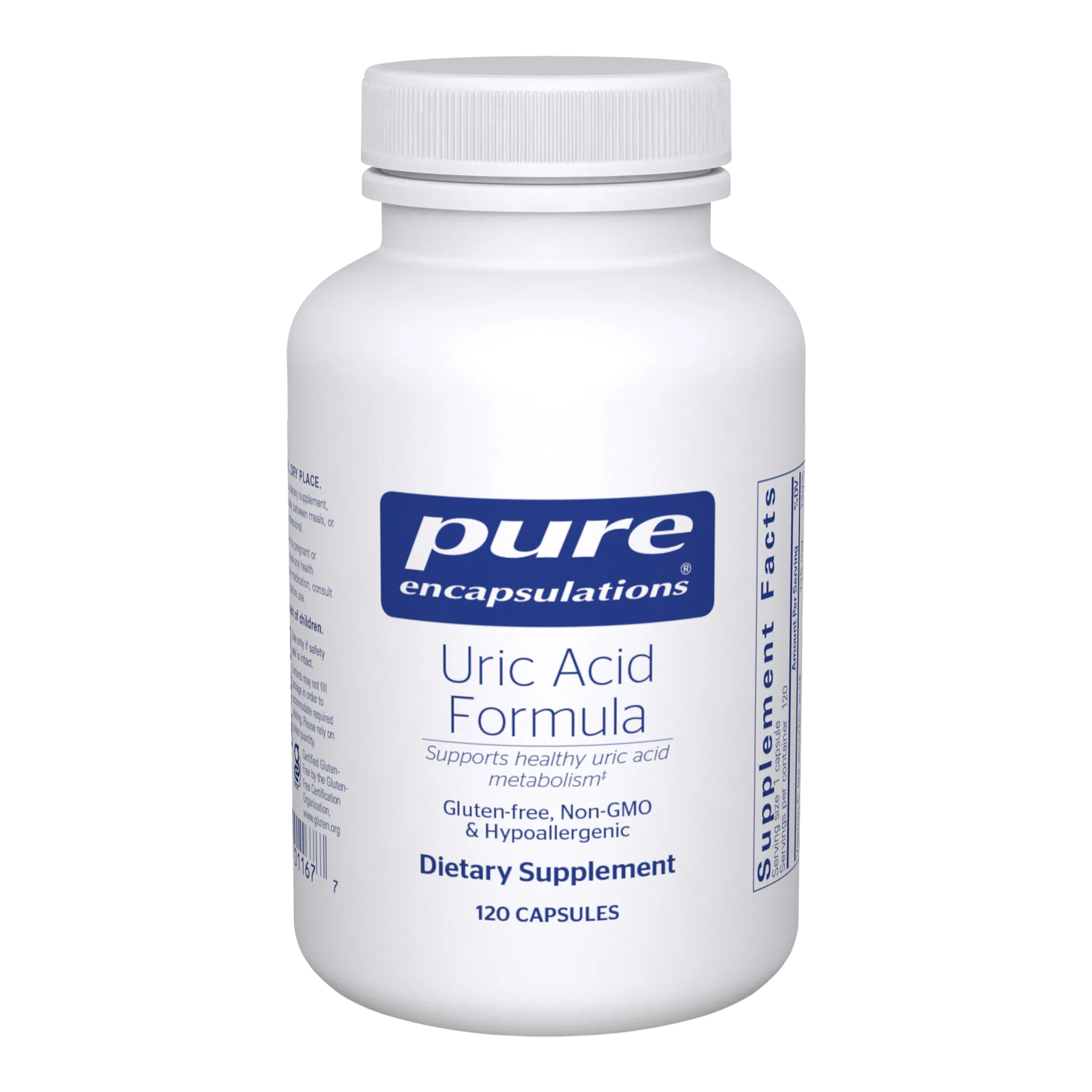
Uric Acid Formula by Pure Encapsulations is a comprehensive nutraceutical designed to support healthy uric acid metabolism through multiple intersecting biochemical pathways. Rather than relying on a single mechanism, this formula provides a synergistic blend of vitamins, herbal extracts, and proteolytic enzymes. It includes vitamin C and potassium citrate to support renal filtration and systemic alkalization, helping the body efficiently excrete metabolic waste. It also features quercetin, a potent bioflavonoid known to modulate xanthine oxidase activity, and bromelain, a proteolytic enzyme that supports healthy immune mediator activity.
Furthermore, the inclusion of cherry extract (rich in anthocyanins) and grape seed extract provides robust antioxidant support to neutralize the free radicals generated during purine breakdown. Finally, devil's claw extract is included to support healthy inflammatory pathways and immune function. By combining these targeted ingredients, the formula addresses the entire lifecycle of uric acid—from its enzymatic production in the liver to its antioxidant neutralization in the bloodstream and its final excretion through the kidneys.
How Long COVID and ME/CFS Impact Uric Acid and Endothelial Function
Mitochondrial Dysfunction and the Purine Dump
For individuals living with Long COVID and ME/CFS, the connection to uric acid metabolism lies in the profound energy failure that characterizes these conditions. Research indicates that oxidative stress is a shared characteristic of ME/CFS and Long COVID, driven largely by severe mitochondrial dysfunction. The mitochondria are the powerhouses of the cell, responsible for generating ATP through aerobic respiration. In post-viral syndromes, these cellular engines are often damaged or functionally impaired, leaving the body unable to meet its energy demands during even minor physical or cognitive exertion.
When aerobic energy production fails, the body is forced to rely on inefficient anaerobic pathways. This metabolic shift causes a rapid and premature depletion of cellular ATP. As ATP is rapidly consumed and broken down, it results in a massive release of purines (specifically inosine and hypoxanthine) into the bloodstream. This phenomenon, often referred to as a "purine dump," overwhelms the body's metabolic pathways. The liver enzymes, particularly xanthine oxidase, must work overtime to convert these excess purines into uric acid, setting off a dangerous biochemical cascade that directly contributes to the debilitating symptom known as post-exertional malaise (PEM).
The Oxidative Stress Spike and Endothelial Damage
As xanthine oxidase aggressively processes the sudden influx of purines, it generates an overwhelming amount of reactive oxygen species (ROS). This creates a massive spike in systemic oxidative stress. In Long COVID and ME/CFS patients, whose endogenous antioxidant defenses (like superoxide dismutase) are depleted, while others like glutathione are aberrantly elevated, this ROS storm goes unchecked. The excess uric acid itself also becomes pro-oxidant, further exacerbating the cellular damage. This vicious cycle of energy failure, purine degradation, and oxidative stress is a primary driver of the chronic fatigue and muscle pain experienced by patients.
Crucially, this oxidative stress directly assaults the vascular endothelium—the thin layer of cells lining the inside of blood vessels. The endothelium is responsible for producing nitric oxide (NO), a molecule essential for vasodilation (the widening of blood vessels) and proper blood flow. The ROS generated during purine breakdown rapidly scavenge and destroy nitric oxide, leading to severe endothelial dysfunction. Without adequate nitric oxide, blood vessels constrict, starving the brain, muscles, and organs of vital oxygen and nutrients. This vascular impairment is a key mechanism behind the orthostatic intolerance, brain fog, and severe exhaustion seen in dysautonomia and POTS.
Fibrinaloid Microclots and Vascular Impairment
The damage to the endothelium in Long COVID and ME/CFS does not stop at vasoconstriction. Endothelial dysfunction also triggers a hypercoagulable state, leading to the formation of fibrin amyloid microclots. These microscopic blood clots, which are highly resistant to the body's natural breakdown processes, physically block the tiny capillaries that deliver oxygen to tissues. This creates a state of chronic cellular hypoxia (oxygen starvation).
Furthermore, the chronic inflammation and immune dysregulation seen in these conditions, potentially driven by latent viral reactivation, keep the immune system in a state of constant high alert. Mast cells, which reside near blood vessels, become hyper-reactive (as seen in MCAS), releasing histamine and inflammatory cytokines that further damage the endothelium and perpetuate the cycle of oxidative stress and vascular impairment. Breaking this cycle requires targeted interventions that can stabilize mast cells, neutralize oxidative stress, and support the breakdown of inflammatory proteins.
Uric Acid Formula: Supporting Endothelial Health and Immune Function
Quercetin and Mast Cell Stabilization
The inclusion of quercetin in Uric Acid Formula offers profound benefits for patients dealing with post-viral immune dysregulation. Quercetin is a naturally occurring plant flavonoid renowned for its potent immunomodulatory and antioxidant properties. At the molecular level, quercetin directly inhibits the activity of xanthine oxidase and xanthine dehydrogenase, the key liver enzymes responsible for converting purines into uric acid. By slowing down this enzymatic process, quercetin helps prevent the massive generation of reactive oxygen species and the subsequent spike in pro-oxidant uric acid levels, thereby protecting the vascular endothelium from oxidative damage.
Beyond its role in purine metabolism, quercetin is one of nature's most effective mast cell stabilizers. In conditions like MCAS and Long COVID, mast cells become hyper-reactive, inappropriately degranulating and releasing a flood of inflammatory mediators like histamine, tryptase, and prostaglandins. Quercetin works by inhibiting calmodulin-dependent enzymes and stabilizing the lipid bilayer of the mast cell membrane. This prevents the release of these inflammatory cytokines, effectively calming the systemic allergic-type reactions, skin flushing, and gastrointestinal distress frequently experienced by patients. Additionally, quercetin acts as a zinc ionophore, facilitating the transport of zinc into cells where it can support healthy immune function and viral defense.
Bromelain's Proteolytic and Fibrinolytic Action
Bromelain, a complex of proteolytic (protein-digesting) enzymes extracted from pineapple stems, works synergistically with quercetin to combat systemic inflammation and vascular dysfunction. Bromelain is highly valued for its fibrinolytic properties, meaning it actively breaks down fibrin, the tough protein mesh that forms blood clots. In the context of Long COVID, where fibrin amyloid microclots block capillaries and cause severe tissue hypoxia, bromelain's ability to degrade these aberrant clots is a crucial therapeutic mechanism. By dissolving these blockages, bromelain helps restore proper microcirculation and oxygen delivery to the brain and muscles.
Furthermore, bromelain exerts powerful anti-inflammatory effects by modulating the arachidonic acid pathway. It downregulates the production of pro-inflammatory prostaglandins (like PGE-2) and thromboxane A2, while promoting the synthesis of anti-inflammatory prostacyclins. This shift in immune mediator activity helps reduce tissue edema, widespread joint pain, and systemic inflammation. When combined with the iridoid glycosides found in devil's claw extract—which inhibit the COX-2 and TNF-alpha inflammatory pathways—bromelain provides robust support for managing the severe musculoskeletal pain and post-viral rheumatism often seen in ME/CFS and Long COVID.
Cherry Extract and Anthocyanin-Mediated Antioxidant Defense
The cherry extract in this formula is standardized to provide a high concentration of anthocyanins, the bioactive flavonoids responsible for the deep red color of tart cherries. Anthocyanins are exceptionally potent free radical scavengers. They work by actively neutralizing the reactive oxygen species generated during the purine dump, protecting cellular DNA, lipids, and proteins from oxidative damage. This is particularly vital for mitigating post-exertional malaise (PEM), as anthocyanins help clear the oxidative waste products that accumulate in muscles during physical exertion, accelerating recovery and reducing muscle soreness.
At a cellular level, anthocyanins also downregulate the NF-κB (nuclear factor-kappa B) signaling pathway, a primary genetic switch that turns on the production of inflammatory cytokines. By keeping this pathway suppressed, cherry extract helps quiet the chronic, low-grade neuroinflammation that drives the severe cognitive dysfunction, or "brain fog," in post-viral syndromes. Additionally, the grape seed extract included in the formula provides oligomeric proanthocyanidins (OPCs), which specifically bind to and protect the collagen and elastin fibers in the vascular endothelium, further reinforcing blood vessel integrity against oxidative attacks.
Systemic Alkalization and Renal Excretion
Finally, the formula addresses the physical clearance of metabolic waste through the inclusion of vitamin C and potassium citrate. Clinical trials have demonstrated that vitamin C supplementation significantly enhances the estimated Glomerular Filtration Rate (eGFR) in the kidneys. By improving renal blood flow and acting as a competitive inhibitor at the URAT1 transporters in the proximal tubules, vitamin C blocks the reabsorption of uric acid, forcing the body to excrete it efficiently in the urine. This uricosuric effect prevents the dangerous buildup of metabolic waste in the bloodstream.
Potassium citrate plays a dual role in this process. First, it acts as a powerful systemic alkalizer. In ME/CFS, the reliance on anaerobic metabolism generates excess lactic acid, leading to low-grade metabolic acidosis that exacerbates muscle fatigue and pain. Once absorbed, potassium citrate is converted into bicarbonate by the liver, acting as an alkaline buffer that neutralizes this acidic waste and promotes a healthy, balanced blood pH. Second, as an essential electrolyte, potassium supports the sodium-potassium pump, which is critical for maintaining blood volume and autonomic nervous system function in patients with dysautonomia and POTS.

Symptoms Uric Acid Formula May Help Manage
Targeting Systemic and Vascular Symptoms
By addressing purine metabolism, oxidative stress, and mast cell activation at the cellular level, the ingredients in Uric Acid Formula may help manage a wide range of complex symptoms associated with chronic illness. Managing these unpredictable flares is especially critical during high-stress periods—like when trying to apply 5 tips for surviving the holidays with a chronic illness. Here are the specific symptoms this comprehensive blend targets:
Post-Exertional Malaise (PEM): Cherry extract and anthocyanins help neutralize the massive spike in oxidative stress and reactive oxygen species generated during physical or cognitive exertion, potentially reducing the severity and duration of post-exertional crashes.
Brain Fog and Cognitive Dysfunction: By downregulating the NF-κB inflammatory pathway and supporting the breakdown of microclots via bromelain, the formula helps improve microvascular blood flow and oxygen delivery to the brain, alleviating neuroinflammation.
Severe Muscle and Joint Pain: The synergistic anti-inflammatory action of devil's claw and bromelain inhibits COX-2 and TNF-alpha pathways, helping to manage widespread musculoskeletal pain and post-viral rheumatism.
MCAS Symptoms (Flushing, Hives, GI Distress): Quercetin acts as a potent natural mast cell stabilizer, preventing the degranulation and release of histamine and other inflammatory cytokines that drive allergic-type reactions.
Orthostatic Intolerance and POTS: Potassium citrate provides essential electrolyte support for blood volume expansion, while vitamin C and grape seed extract protect the vascular endothelium, promoting healthy nitric oxide production and proper vasoconstriction upon standing.
Chronic Fatigue and Heavy Limbs: Systemic alkalization from potassium citrate helps neutralize the lactic acid buildup caused by anaerobic metabolism, reducing the sensation of heavy, burning muscles and supporting overall cellular energy balance.
Practical Considerations: Forms, Dosing, and Absorption
The Synergistic Bioavailability of Quercetin and Bromelain
When considering nutritional supplements, bioavailability—the amount of a substance that actually enters the bloodstream and has an active effect—is just as important as the ingredients themselves. Quercetin, while incredibly powerful, is naturally fat-soluble and has notoriously poor oral bioavailability when taken alone. It struggles to cross the intestinal wall into systemic circulation. This is where the formulation of Uric Acid Formula shines. The inclusion of bromelain acts as a powerful bioavailability enhancer for quercetin. As a proteolytic enzyme complex, bromelain helps break down protein barriers in the digestive tract, significantly increasing the gastrointestinal absorption and tissue distribution of quercetin.
To maximize the systemic benefits of this formula, timing is critical. The manufacturer suggests taking 1 capsule, 2 times daily. Because this formula contains proteolytic enzymes (bromelain), it is highly recommended to take the capsules between meals (on an empty stomach, at least 45 minutes before or 2 hours after eating). If taken with food, the bromelain will simply act as a digestive enzyme, breaking down the proteins in your meal. When taken on an empty stomach, the enzymes can be absorbed intact into the bloodstream, where they can exert their systemic fibrinolytic (clot-busting) and anti-inflammatory effects.
Safety, Contraindications, and Drug Interactions
While the ingredients in Uric Acid Formula are naturally derived, they exert powerful physiological effects and can interact with various medications. Bromelain has notable blood-thinning properties. Patients with Long COVID or ME/CFS who are already taking prescription anticoagulants (like apixaban or warfarin), antiplatelet drugs (like aspirin or clopidogrel), or other clot-busting supplements (like nattokinase or lumbrokinase) must exercise extreme caution, as combining these can significantly increase the risk of bleeding and bruising. Always consult with a healthcare provider before adding new fibrinolytic agents to your regimen.
Additionally, potassium citrate requires careful medical supervision for certain populations. High-dose potassium supplementation is strictly contraindicated for individuals with chronic kidney disease (CKD) or impaired renal function, as the kidneys may struggle to filter excess potassium, leading to dangerous hyperkalemia (high blood potassium). It should also be avoided by patients taking potassium-sparing diuretics, ACE inhibitors, or ARBs for blood pressure management. Finally, devil's claw can stimulate stomach acid production and may exacerbate peptic ulcers or interact with certain heart medications. This product is not intended for use by pregnant or lactating women.

Follow the Science
Clinical Evidence for Quercetin and Bromelain in Post-Viral Syndromes
The scientific community is increasingly validating the use of targeted nutraceuticals for managing the complex pathophysiology of chronic syndromes. The combination of natural anti-inflammatory agents has been the subject of several clinical investigations. For example, an observational study evaluating a complex of plant extracts including bromelain demonstrated significant benefits for patients dealing with inflammatory pain. The synergistic action of these compounds helps manage the systemic inflammation often seen in chronic conditions.
Furthermore, research into the management of chronic pain and inflammation has highlighted the efficacy of combining bromelain with devil's claw and turmeric. The multicenter AINAT study evaluated a complex containing devil's claw, turmeric, and bromelain in patients suffering from chronic degenerative joint pain. Over the 60-day trial, participants experienced a statistically significant reduction in their Visual Analogue Scale (VAS) pain scores, with researchers concluding that the herbal complex provided a safe and highly valuable alternative to traditional NSAID medications for managing chronic, systemic inflammation.
Research on Vitamin C and Glomerular Filtration
The uricosuric (uric-acid-excreting) effects of vitamin C are well-documented in clinical literature. A landmark randomized, double-blind, placebo-controlled trial conducted by Johns Hopkins University investigated the effects of 500 mg/day of vitamin C over two months. The researchers found that vitamin C supplementation significantly reduced serum uric acid levels compared to the placebo. Crucially, the study confirmed the biological mechanism, noting that vitamin C successfully increased the estimated Glomerular Filtration Rate (eGFR), directly linking the reduction in uric acid to enhanced kidney filtration and reduced microvascular ischemia. This aligns with broader meta-analyses confirming the efficacy of oral vitamin C in modulating serum urate levels.
Emerging Data on Potassium Citrate and Dysautonomia
Potassium citrate is also gaining recognition in the treatment of Long COVID and ME/CFS, particularly for its role in systemic alkalization and autonomic support. Emerging interventions are exploring the use of medical foods containing high-dose potassium citrate (such as KetoCitra) for Long COVID patients. These interventions aim to combat neuroinflammation and mitochondrial dysfunction by providing alkaline buffers that neutralize the acidic load of metabolic dysfunction. Additionally, potassium citrate is a foundational ingredient in clinical-grade oral rehydration solutions used by dysautonomia specialists to safely expand blood volume and manage POTS symptoms without causing gastrointestinal distress.
The Path Forward
Integrating Supplements into a Comprehensive Strategy
Living with a complex chronic illness like Long COVID, ME/CFS, or MCAS requires a multifaceted approach to management. While the ingredients in Uric Acid Formula offer powerful, science-backed support for endothelial health, mast cell stabilization, and oxidative stress reduction, they are not a standalone cure. Supplements work best when integrated into a comprehensive care plan that includes aggressive resting, strict pacing to avoid PEM, nervous system regulation, and potentially prescription medications tailored to your specific symptoms. Working closely with a dysautonomia or chronic illness specialist can help you build a protocol that addresses your unique biochemical needs. Ultimately, learning how to maintain your independence with chronic illness often involves finding the right balance of these targeted treatments.
Validating Your Experience
If you are struggling with debilitating fatigue, brain fog, and unpredictable vascular symptoms, it is crucial to know that your experience is valid. The metabolic dysfunction, microclots, and oxidative stress driving your symptoms are real, measurable physiological phenomena, not anxiety or deconditioning. By utilizing targeted nutritional interventions that support your body's natural enzymatic pathways and immune mediators, you can begin to regain a sense of metabolic balance and improve your daily quality of life. As always, consult your healthcare provider before beginning any new supplement regimen, especially if you are taking prescription medications.
Sources
Oxidative stress is a shared characteristic of ME/CFS and Long COVID
Analysis of the Anti-Inflammatory and Anti-Osteoarthritic Potential of Flonat Fast®
Long COVID management: a mini review of current recommendations and underutilized modalities
Long COVID and the role of fibrin amyloid (fibrinaloid) microclots