Can Sucrosomial Zinc Support Immune Balance in Long COVID and MCAS?
March 5, 2026
ZincImmune SupportLong COVID
Share:
Disclaimer: The information provided here is for educational purposes only and is not intended as medical advice. It should not be used to diagnose, treat, cure, or prevent any medical condition. Instead, use it as a starting point for discussion with your healthcare provider. Always consult with a qualified healthcare provider before starting any new medication, supplement, device, or making changes to your health regimen.
Months or even years after an acute viral infection, many individuals find themselves trapped in a cycle of debilitating symptoms—crushing fatigue, unpredictable allergic reactions, and profound cognitive dysfunction. For those navigating the complex realities of Long COVID, myalgic encephalomyelitis/chronic fatigue syndrome (ME/CFS), and mast cell activation syndrome (MCAS), the search for underlying mechanisms often leads to the immune system. Why does the body remain locked in a state of chronic inflammation? Why do mast cells become so hyper-reactive? Emerging research points to a critical, often-overlooked piece of the immunological puzzle: severe cellular depletion of essential trace minerals.
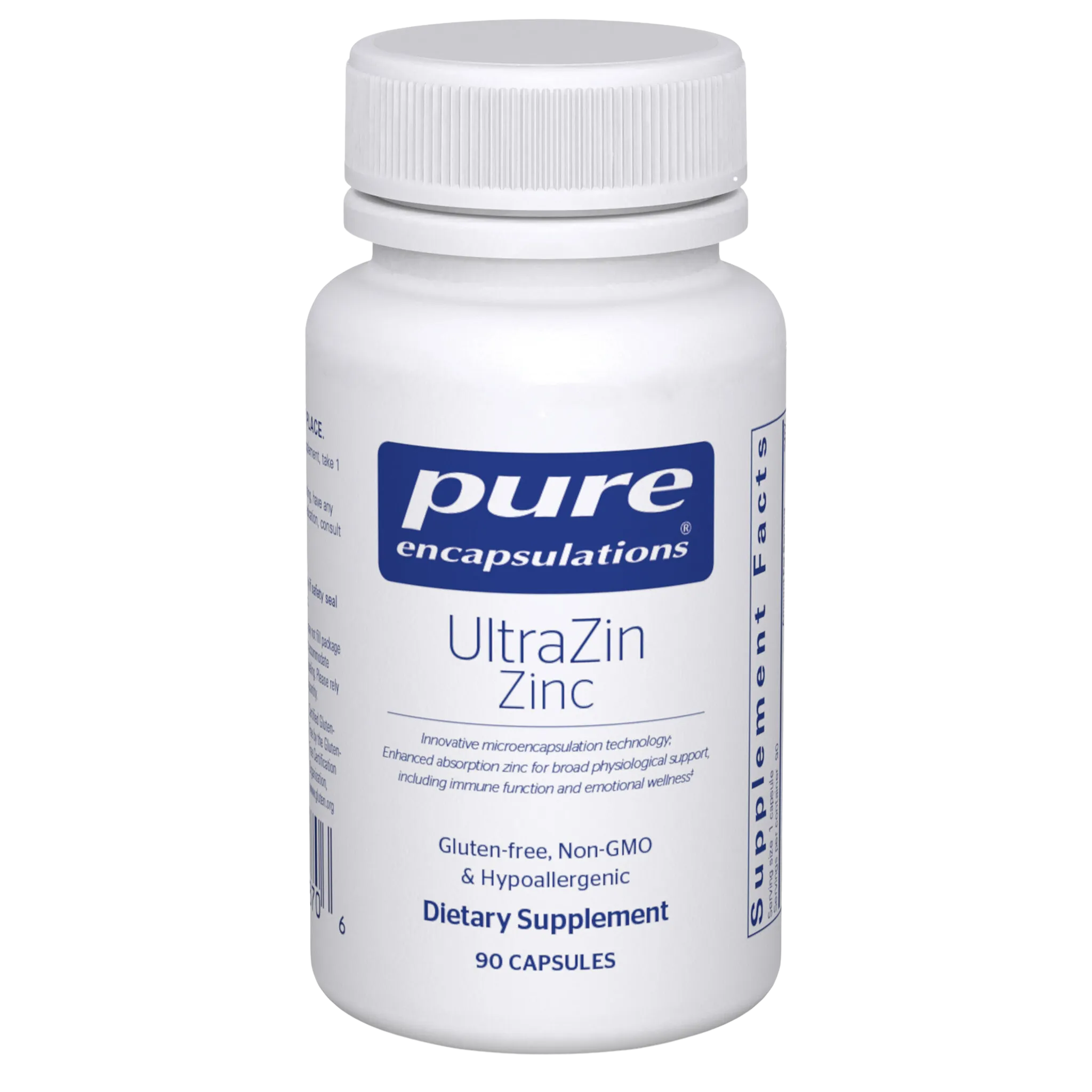
Among these minerals, zinc stands out as a master regulator of immune homeostasis. It is not merely a passive building block; it is a dynamic signaling molecule that dictates how our immune cells respond to threats and, crucially, when they should stand down. However, traditional zinc supplements are notoriously difficult for the body to absorb and frequently cause severe gastrointestinal distress. This is where advanced formulations like UltraZin Zinc, which utilizes patented sucrosomial microencapsulation technology, are changing the landscape of nutritional support. By bypassing traditional digestive barriers, this innovative delivery system offers a highly bioavailable way to restore cellular zinc levels, supporting immune balance, mast cell stability, and overall recovery for patients battling complex chronic conditions.
TL;DR
Zinc is a vital mineral that supports immune balance, mast cell stability, and cellular energy production.
Chronic illnesses like Long COVID, ME/CFS, and MCAS can severely deplete the body's zinc reserves.
Traditional zinc supplements often cause gastrointestinal distress and have poor absorption rates.
Sucrosomial® technology in UltraZin Zinc offers highly bioavailable, gentle support for complex chronic conditions.
What is Zinc?
The Essential Catalyst for Cellular Metabolism
Zinc is an essential trace mineral, meaning the human body cannot synthesize it and must obtain it entirely through diet or supplementation. In a healthy body, zinc acts as a structural and catalytic cofactor for over 300 distinct enzymes, making it fundamentally indispensable for human life. At the most basic cellular level, zinc is required for DNA synthesis, RNA transcription, and cellular division. Without adequate zinc, tissues cannot repair themselves, and rapidly dividing cells—such as those lining the gastrointestinal tract and those comprising the immune system—are the first to suffer and fail.
Beyond its structural role, zinc is heavily involved in cellular metabolism and energy production. It is a necessary component for the proper function of antioxidant enzymes, most notably copper-zinc superoxide dismutase (CuZn-SOD). This enzyme is a frontline defender located in the cellular cytoplasm, responsible for neutralizing highly reactive superoxide radicals into less harmful molecules. When zinc levels are optimal, CuZn-SOD protects the delicate mitochondrial membranes from oxidative stress, ensuring that the cell can continue to produce adenosine triphosphate (ATP) efficiently. In conditions characterized by profound energy deficits, maintaining this antioxidant shield is critical.
The Immunological Second Messenger
For decades, scientists viewed zinc primarily as a static structural component of proteins. However, modern immunology has revealed that zinc acts as a highly dynamic intracellular signaling molecule—often referred to as a "second messenger," functioning very similarly to calcium. Zinc homeostasis is vital for bridging the innate immune response (our body's immediate, non-specific defense) and the adaptive immune response (our targeted, antibody-driven defense). Immune cells, particularly macrophages and T cells, rely on rapid fluctuations of intracellular zinc to communicate, activate, and execute their defensive functions.
When a pathogen is detected, immune cells actively pump zinc in and out of the cytosol (the intracellular fluid) using specialized transport proteins known as ZIP (importers) and ZnT (exporters). This precise orchestration of zinc movement dictates whether an immune cell will mount a fiery inflammatory attack or transition into a tissue-repairing, anti-inflammatory state. If this delicate balance of intracellular zinc is disrupted, the immune system loses its ability to self-regulate, leading to either immunodeficiency or chronic, unyielding inflammation.
Zinc and the NF-κB Inflammatory Pathway
To understand zinc's profound impact on chronic illness, one must understand its relationship with Nuclear Factor kappa B (NF-κB). NF-κB is a master transcription factor—a protein complex that controls the expression of pro-inflammatory genes. When activated by a viral infection or cellular stress, NF-κB travels to the cell nucleus and triggers the massive release of inflammatory cytokines, including Interleukin-6 (IL-6), Interleukin-1 beta (IL-1β), and Tumor Necrosis Factor-alpha (TNF-α). While this inflammatory storm is necessary to clear an acute infection, it must be swiftly turned off once the threat has passed.
Zinc serves as the critical "brake" on the NF-κB pathway. Research published in the Journal of Immunology demonstrates that when macrophages are stimulated by inflammation, they upregulate a specific zinc transporter called ZIP8. ZIP8 rapidly imports zinc into the cell's cytosol. This sudden influx of zinc directly binds to and inhibits an enzyme called IκB kinase (IKK-β). By neutralizing IKK-β, zinc traps NF-κB outside of the nucleus, effectively halting the inflammatory cascade at its source. Furthermore, zinc induces the expression of A20, a potent anti-inflammatory zinc-finger protein that further suppresses NF-κB activation. Without sufficient zinc, this negative feedback loop fails, and the body remains locked in a state of chronic, tissue-damaging hyper-inflammation.
How Chronic Illness Impacts Zinc Levels
Viral Infection and Zinc Depletion in Long COVID
The physiological toll of an acute viral infection, particularly SARS-CoV-2, places an immense demand on the body's micronutrient reserves. During the acute phase of infection, the immune system rapidly consumes zinc to fuel the proliferation of T cells and to power the antioxidant enzymes attempting to mitigate viral-induced tissue damage. If a patient enters the infection with borderline or deficient zinc levels, this rapid consumption leads to severe systemic depletion. This depletion is now recognized as a major contributing factor to the persistence of symptoms in Long COVID.
A massive 2024 retrospective cohort study utilizing the TriNetX database analyzed adults diagnosed with COVID-19 to assess post-acute outcomes. The researchers discovered that patients with baseline zinc deficiency (serum levels below 70 μg/dL) had a significantly higher incidence of long-term hospitalization and post-acute mortality compared to those with sufficient zinc. Crucially, the zinc-deficient group exhibited a markedly higher risk of developing post-acute cardiac and renal complications. This aligns with the understanding that without zinc's protective antioxidant capacity, the cardiovascular and renal systems are left highly vulnerable to the oxidative stress and endothelial dysfunction characteristic of Long COVID.
Furthermore, zinc depletion in Long COVID is closely tied to the gut-brain axis. Zinc is required to maintain the tight junction proteins that seal the intestinal lining. In a zinc-deficient state, these junctions degrade, leading to increased intestinal permeability, commonly known as "leaky gut." This allows endotoxins to leak into the bloodstream, elevating biomarkers like Zonulin and driving systemic inflammation that can cross the blood-brain barrier. This neuroinflammation is a primary driver of the debilitating cognitive dysfunction, or "brain fog," experienced by so many Long COVID patients. You can learn more about these complex mechanisms in our detailed guide on What Causes Long COVID?.
Hypozincemia and Immune Dysregulation in ME/CFS
Long before the emergence of COVID-19, researchers had identified a strong correlation between zinc deficiency and myalgic encephalomyelitis/chronic fatigue syndrome (ME/CFS). ME/CFS is a complex neuroimmune disorder characterized by profound energy impairment and post-exertional malaise (PEM)—a severe worsening of symptoms following even minor physical or cognitive exertion. Multiple clinical studies have demonstrated that serum zinc levels are significantly lower in ME/CFS patients compared to healthy controls, a condition referred to as hypozincemia.
This chronic lack of zinc directly correlates with the severity of ME/CFS symptoms. Research indicates that lower zinc levels exhibit a significant negative correlation with the severity of physio-somatic symptoms, immune dysregulation, and the subjective experience of systemic infection. In ME/CFS, the immune system often shifts toward hyper-inflammation, characterized by a dysregulated neutrophil response and a higher Neutrophil-to-Lymphocyte Ratio (NLR)—a well-established clinical marker for systemic inflammation. Without adequate zinc to facilitate the maturation and function of regulatory T cells, the immune system remains in a perpetually activated, exhausted state, draining the body's already limited ATP reserves and exacerbating PEM. For a deeper dive into how viral triggers lead to this state, explore our article on Can Long COVID Trigger ME/CFS? Unraveling the Connection.
The MCAS "Histamine Catch-22"
Mast cell activation syndrome (MCAS) is a condition where mast cells—the body's primary allergy and defense cells—become highly unstable, inappropriately releasing massive amounts of histamine and other inflammatory mediators into the bloodstream. This triggers a cascade of unpredictable symptoms, ranging from severe hives and gastrointestinal distress to tachycardia and anaphylaxis. Zinc is fundamentally required to stabilize the mast cell membrane and help prevent this erratic degranulation. However, patients with MCAS often find themselves trapped in a cruel dietary paradox.
Many of the most bioavailable, naturally zinc-rich foods—such as oysters, shellfish, spinach, fermented foods, and aged meats—are either naturally exceptionally high in histamine or act as "histamine liberators," meaning they directly trigger mast cells to degranulate. To manage their severe allergic symptoms, MCAS patients are often forced to adopt highly restrictive, low-histamine diets, inadvertently eliminating their primary sources of dietary zinc. This creates a vicious cycle: the dietary restriction meant to limit histamine actually starves the body of the exact mineral it desperately needs to stabilize the mast cells. As zinc levels plummet, the mast cells become even more volatile, leading to worsening MCAS flares and a further skewed, allergy-dominant immune response.
UltraZin Zinc: Supporting Immune and Mast Cell Function
Stabilizing Mast Cells and Blocking Histamine Release
For patients battling the unpredictable flares of MCAS, restoring zinc levels is a critical step in regaining immunological stability. Zinc exerts a profound, dose-dependent inhibitory effect on mast cell degranulation. The process of degranulation—where the mast cell bursts and dumps histamine into the surrounding tissue—is highly dependent on a rapid influx of intracellular calcium. Immunological research has demonstrated that physiological concentrations of zinc competitively antagonize this calcium uptake. By blocking the calcium channels, zinc effectively cuts off the signal that tells the mast cell to explode, keeping the inflammatory mediators safely contained within the cell.
Recent in vitro studies have further illuminated this mechanism, highlighting the role of the TRPM7 (Transient Receptor Potential Cation Channel Subfamily M Member 7) channel. This specific ion channel on the mast cell membrane possesses a high permeability to zinc ions. When zinc binds to and stabilizes the TRPM7 channel, it drastically reduces the mast cell's reactivity to environmental triggers and antigens. By providing a highly bioavailable form of zinc, UltraZin Zinc helps reinforce this cellular barrier, acting as a foundational mast cell stabilizer alongside other targeted therapies. You can read more about comprehensive mast cell management in our article on Ketotifen: Unveiling Relief for the Hidden Battles of MCAS, Long COVID, ME/CFS, and Dysautonomia.
Supporting Histamine Degradation via the DAO Enzyme
Zinc's role in managing MCAS extends beyond merely preventing the release of histamine; it is also essential for clearing histamine once it has entered the bloodstream. Extracellular histamine is primarily broken down and neutralized by an enzyme called Diamine Oxidase (DAO), which is heavily concentrated in the gastrointestinal tract. If the body lacks sufficient DAO activity, histamine accumulates, leading to chronic symptoms such as brain fog, digestive cramping, and vascular instability.
Zinc is a vital, non-negotiable cofactor for the proper expression and function of the DAO enzyme. Alongside copper, magnesium, and vitamin B6, zinc provides the structural integrity required for DAO to bind to and dismantle histamine molecules. By supplementing with a highly absorbable form like UltraZin Zinc, patients can support their body's natural histamine-clearing pathways. This dual-action approach—stabilizing the mast cell to stop the leak, while simultaneously upregulating DAO to clear the flood—makes zinc an indispensable tool in the management of histamine intolerance and MCAS.
Restoring T-Cell Function and Th1/Th2 Balance
In conditions like Long COVID and ME/CFS, the adaptive immune system often becomes deeply dysregulated, losing its ability to effectively clear latent viruses while simultaneously overreacting to harmless stimuli. Zinc supplementation plays a direct role in restoring this lost balance by supporting the maturation and differentiation of T-lymphocytes (T cells). T-cell maturation in the thymus gland is entirely dependent on thymulin, a peptide hormone that requires zinc as a structural cofactor to become biologically active. Without zinc, thymulin remains inert, leading to a severe drop in circulating, functional T cells.
Furthermore, zinc is crucial for maintaining the delicate balance between Th1 and Th2 immune responses. Th1 cells are responsible for antiviral and antibacterial defense, secreting cytokines like Interferon-gamma (IFN-γ) to activate macrophages. Th2 cells, on the other hand, drive the allergic and antibody-mediated response. Chronic zinc deficiency selectively impairs Th1 functions, skewing the entire immune system toward a Th2-dominant, highly allergic profile—a pattern frequently observed in patients with concomitant Long COVID and MCAS. By replenishing intracellular zinc, UltraZin Zinc helps stimulate the generation of IL-2 and IFN-γ, restoring the Th1 antiviral capabilities and pulling the immune system back from the brink of chronic allergic reactivity. For more context on this systemic imbalance, see our guide on Autoimmunity and Immune Dysregulation in Long COVID.
Macrophage Polarization and Tissue Repair
Macrophages are front-line innate immune cells that patrol the body, engulfing pathogens and clearing cellular debris. Zinc dictates whether these macrophages adopt a pro-inflammatory, tissue-damaging phenotype (M1-like) or a healing, tissue-repairing phenotype (M2-like). In a zinc-deficient environment, lysosomal instability occurs, activating the NLRP3 inflammasome and pushing macrophages into a relentless M1 state. This contributes heavily to the widespread muscular and joint pain experienced in ME/CFS.
Supplementation with bioavailable zinc helps reverse this destructive polarization. As zinc enters the macrophage, it modulates the Toll-Like Receptor (TLR) pathways, specifically targeting the TRIF/TRAM pathway to help prevent the nuclear accumulation of inflammatory transcription factors. This shift encourages macrophages to abandon their inflammatory assault and begin the crucial work of resolving inflammation, repairing endothelial damage, and restoring tissue homeostasis. By supporting this transition, zinc directly addresses the underlying pathophysiology driving chronic post-viral fatigue and pain.
Symptoms Sucrosomial Zinc May Help Manage
Targeted Symptom Relief for Complex Conditions
Because zinc is involved in hundreds of enzymatic pathways and acts as a master regulator of both the innate and adaptive immune systems, restoring optimal levels can have a profound, multi-systemic impact. For patients managing the overlapping complexities of Long COVID, ME/CFS, dysautonomia, and MCAS, UltraZin Zinc may help manage and alleviate several debilitating symptoms:
Post-Exertional Malaise (PEM) and Severe Fatigue: By supporting the antioxidant enzyme CuZn-SOD, zinc protects delicate mitochondrial membranes from oxidative stress, ensuring more efficient ATP (energy) production. Furthermore, by downregulating the NF-κB inflammatory pathway, zinc reduces the systemic inflammatory burden that drains cellular energy reserves, potentially raising the threshold for PEM crashes.
Allergic Reactivity, Hives, and Flushing (MCAS): Zinc acts as a potent mast cell stabilizer by antagonizing calcium channels and binding to the TRPM7 receptor, helping to prevent the erratic degranulation of histamine. Additionally, it serves as a necessary cofactor for the DAO enzyme, enhancing the body's ability to break down and clear excess histamine from the bloodstream, thereby reducing the frequency and severity of MCAS flares.
Brain Fog and Cognitive Dysfunction: Neuroinflammation is a primary driver of cognitive impairment in post-viral syndromes. Zinc's ability to tighten the intestinal junctions reduces "leaky gut," helping to prevent endotoxins from entering the bloodstream and crossing the blood-brain barrier. By reducing microglial activation in the brain, zinc helps protect neurons from oxidative damage, supporting clearer cognition and improved focus.
Frequent Infections and Viral Reactivations: Many ME/CFS and Long COVID patients struggle with reactivated latent viruses (like EBV) or frequent secondary infections. Zinc is required for the activation of thymulin, which drives the maturation of T cells. By restoring the Th1 antiviral immune response, zinc helps the body recognize and clear opportunistic pathogens more effectively.
Gastrointestinal Distress and Permeability: Zinc is essential for the rapid cellular division required to maintain and repair the mucosal lining of the gastrointestinal tract. By supporting the integrity of tight junction proteins, zinc helps heal intestinal permeability, reducing the systemic inflammation triggered by gut dysbiosis and improving overall digestive comfort.
Joint and Muscle Aches: Chronic, widespread pain in conditions like ME/CFS is often driven by macrophage-induced inflammation. Zinc helps polarize macrophages away from a pro-inflammatory (M1) state and toward a tissue-repairing (M2) state, reducing the localized release of inflammatory cytokines in muscle tissue and joints.
Practical Considerations: Forms, Dosing, and Absorption
The Problem with Traditional Zinc Supplements
While the clinical benefits of zinc are well-documented, achieving optimal cellular levels through oral supplementation has historically been a significant challenge. Traditional zinc supplements—such as zinc oxide, zinc sulfate, and even zinc gluconate—rely on a specific transport protein in the small intestine called ZIP4 to enter the bloodstream. This standard absorption pathway is highly inefficient and fraught with obstacles. The ZIP4 transporter is easily saturated, meaning that taking a higher dose of standard zinc does not necessarily equate to higher absorption.
Furthermore, traditional zinc must fiercely compete with other divalent cations, such as calcium, magnesium, and copper, for access to these transporters. If taken alongside a meal high in calcium, or with a multivitamin, the absorption of standard zinc plummets. Additionally, standard zinc binds readily to anti-nutrients found in food, such as phytates (in grains and legumes) and oxalates, forming insoluble complexes that the body simply excretes. Beyond poor absorption, raw zinc directly irritates the gastric mucosa, frequently causing severe nausea, cramping, and a lingering metallic taste, leading many patients to abandon supplementation entirely.
The Sucrosomial® Microencapsulation Advantage
UltraZin Zinc overcomes these profound limitations by utilizing patented Sucrosomial® technology. This innovative microencapsulation process fundamentally alters how the mineral is processed by the human body. Instead of leaving the raw zinc exposed, this technology encases the zinc molecule within a "sucrosome"—a highly engineered matrix consisting of a phospholipid bilayer and sucrose esters of fatty acids. This structure closely mimics the body's natural chylomicrons (the lipid vehicles the body uses to transport dietary fats).
Because the zinc is hidden securely inside this lipid bilayer, it is completely protected from the harsh, acidic environment of the stomach, entirely eliminating the nausea and gastric distress associated with traditional zinc. When the sucrosome reaches the small intestine, it completely bypasses the easily saturated ZIP4 transporters. Instead, research indicates that the liposome-like structure permeates the intestinal epithelial cells via paracellular routes and is actively taken up by Microfold (M) cells located in the Peyer’s patches of the intestinal lymphatic system. By hijacking this lymphatic pathway, Sucrosomial zinc is treated more like a dietary fat than a heavy metal, resulting in vastly superior bioavailability—often cited as being significantly more absorbable than even highly bioavailable forms like zinc gluconate.
Dosing, Timing, and Co-Supplementation
UltraZin Zinc provides 30 mg of elemental zinc (as Sucrosomial® zinc) per vegetarian capsule. Because of its unique absorption pathway, this formulation offers unparalleled flexibility. Unlike traditional zinc, which must be taken away from other minerals to avoid competitive inhibition, Sucrosomial zinc can be taken simultaneously with high doses of magnesium, calcium, or copper without the minerals blocking each other's uptake. Furthermore, because the phospholipid bilayer protects the mineral from binding with dietary phytates, it can be taken with or without food, though taking it with a meal is generally recommended as a standard practice.
While zinc is crucial for immune recovery, it is important to monitor long-term, high-dose supplementation. Zinc and copper exist in a delicate balance within the body; excessive zinc intake over many months can induce the synthesis of metallothionein in the gut, a protein that binds to copper and prevents its absorption, potentially leading to a secondary copper deficiency. A dose of 30 mg daily is generally considered safe and therapeutic for addressing deficiencies, but patients should work closely with their healthcare provider to monitor their micronutrient status and ensure their foundational mineral balance remains optimal. For more information on navigating complex diagnostics and lab work, review our guide on How Does a Doctor Diagnose Long COVID?.

Follow the Science
Zinc Deficiency and Post-Viral Outcomes
The scientific literature increasingly supports the critical role of zinc in determining the trajectory of post-viral syndromes. A massive 2024 retrospective cohort study utilizing the TriNetX database provided compelling clinical evidence regarding baseline zinc status and Long COVID. By analyzing adults diagnosed with COVID-19, researchers found that patients with a pre-existing zinc deficiency (levels <70 μg/dL) faced a significantly higher incidence of long-term all-cause hospitalization (25.3% vs. 20.3%) and post-acute mortality (3.8% vs. 2.2%) compared to those with sufficient zinc levels. The study highlighted that zinc-deficient individuals were particularly vulnerable to post-acute cardiac and renal complications, underscoring the mineral's systemic protective effects against viral-induced oxidative stress and endothelial damage.
Clinical Trials in ME/CFS and Fatigue
Clinical trials have also investigated the efficacy of zinc supplementation in alleviating the profound fatigue associated with ME/CFS. A notable randomized controlled trial by Castro-Marrero et al. (2021) explored the synergistic effects of combining oral melatonin with zinc supplementation in ME/CFS patients. At the conclusion of the supplementation period, the group receiving the melatonin and zinc combination experienced a statistically significant reduction in the perception of physical fatigue compared to the placebo group. Furthermore, recent 2023/2024 trials evaluating post-COVID ME/CFS patients found that administering a synbiotic mixture alongside zinc significantly improved tissue metabolism and led to marked reductions in post-exertional malaise (PEM), alongside measurable increases in brain metabolites tied to cognitive function.
Evidence for Microencapsulated Efficacy
The unique advantages of microencapsulated zinc have been rigorously tested in both human and animal models. Because pigs share a highly similar gastrointestinal tract with humans, they are frequently used in zinc absorption studies. A landmark 2015 study published in the journal Animal demonstrated the profound efficiency of lipid-microencapsulated zinc. Researchers found that administering just 150 to 400 ppm of microencapsulated zinc oxide was as physiologically effective as giving 3,000 ppm of conventional, non-encapsulated zinc. The microencapsulated form successfully improved intestinal villi morphology, upregulated tight-junction proteins (healing leaky gut), and lowered inflammatory cytokines at a fraction of the standard dose. This data reinforces the clinical value of Sucrosomial technology in delivering therapeutic zinc directly to the tissues that need it most, without the requisite massive doses that cause gastrointestinal distress.
The Path Forward
Validating the Journey and Moving Forward
Living with conditions like Long COVID, ME/CFS, dysautonomia, and MCAS is an incredibly complex and often exhausting journey. The unpredictable nature of symptoms—from sudden allergic flares and crushing fatigue to pervasive brain fog—can leave you feeling betrayed by your own body. It is vital to remember that these symptoms are not in your head; they are the result of profound, measurable physiological disruptions, including severe oxidative stress, immune dysregulation, and cellular mineral depletion. Identifying and addressing these foundational imbalances is a critical step toward reclaiming your health and stabilizing your system.
While no single supplement is a cure for complex chronic illness, restoring optimal zinc levels with a highly bioavailable formulation like UltraZin Zinc can provide essential support for your immune system, help stabilize hyper-reactive mast cells, and protect your cellular energy production. However, supplementation should always be viewed as one piece of a comprehensive, multi-disciplinary management strategy. Pacing to avoid PEM crashes, identifying and avoiding specific histamine triggers, prioritizing radical rest, and working closely with a medical team are all equally important components of your healing protocol.
As you continue to navigate your recovery, we encourage you to discuss your micronutrient status and the potential benefits of Sucrosomial zinc with your healthcare provider. By addressing the root causes of cellular dysfunction and providing your body with the highly absorbable tools it needs to repair itself, you can begin to quiet the inflammatory storm and move toward a more stable, resilient baseline.