Can UltraMag Magnesium Support Energy and Calm Symptoms in Long COVID and ME/CFS?
March 5, 2026
UltraMag MagnesiumLong COVIDME/CFS
Share:
Disclaimer: The information provided here is for educational purposes only and is not intended as medical advice. It should not be used to diagnose, treat, cure, or prevent any medical condition. Instead, use it as a starting point for discussion with your healthcare provider. Always consult with a qualified healthcare provider before starting any new medication, supplement, device, or making changes to your health regimen.
Months or even years after an acute viral infection, many patients find themselves battling a relentless, invisible exhaustion that sleep simply cannot fix. For individuals living with Long COVID, myalgic encephalomyelitis/chronic fatigue syndrome (ME/CFS), and dysautonomia, this profound lack of energy is often accompanied by muscle cramps, a racing heart, and debilitating brain fog. When you are navigating these complex chronic conditions, it can feel like your body's battery is permanently drained, and you might wonder how long does Long COVID last? This energy crisis is not in your head; it is rooted deep within your cells, and one of the most critical factors in this cellular equation is magnesium.
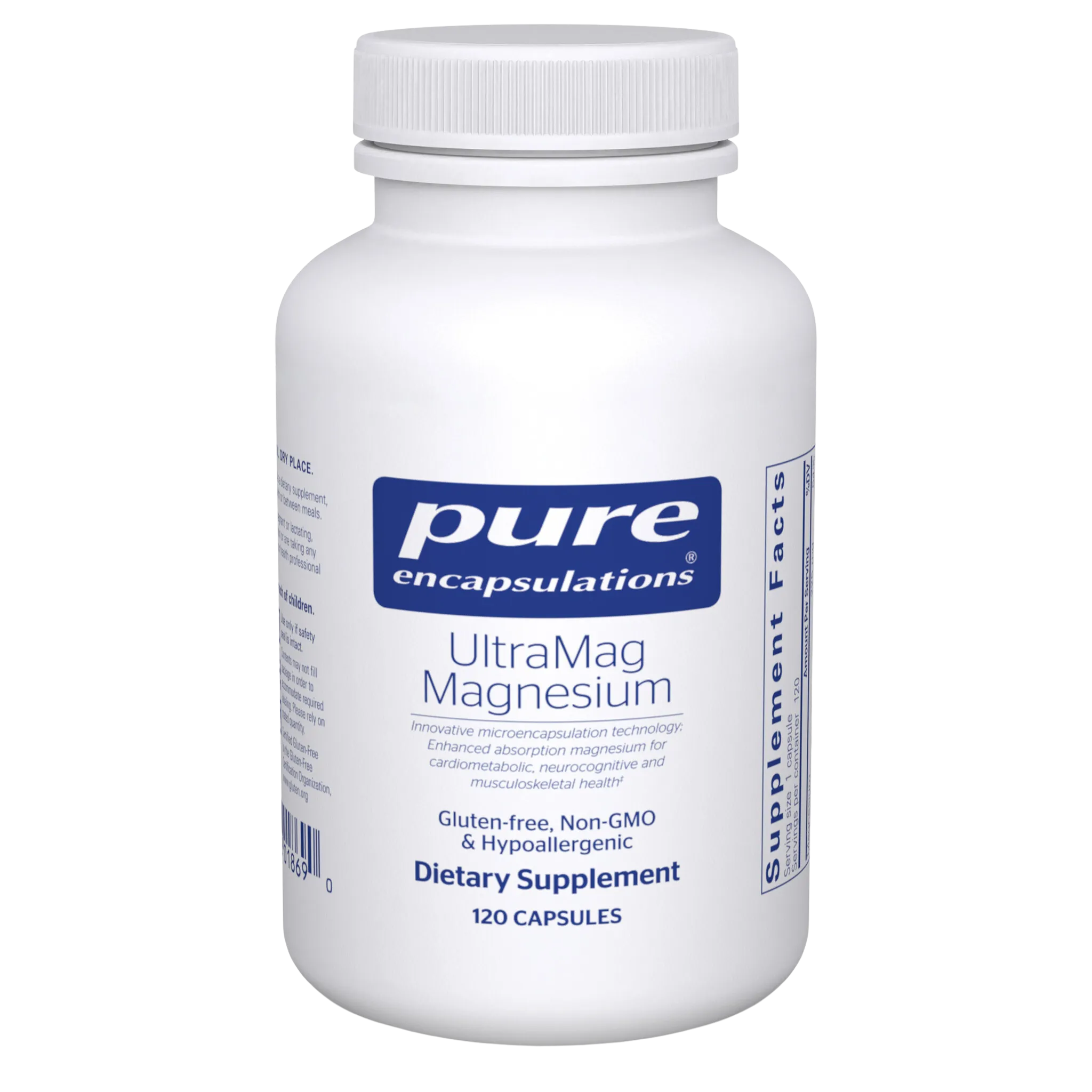
While magnesium is a well-known mineral, the standard supplements found on grocery store shelves often fail to deliver meaningful clinical results for patients with chronic illness. This is largely due to poor absorption and severe gastrointestinal side effects. However, recent advancements in nutrient delivery have introduced a highly bioavailable form known as Sucrosomial® magnesium, featured in UltraMag Magnesium by Pure Encapsulations. By utilizing a unique microencapsulation technology, this formulation bypasses the usual digestive bottlenecks to deliver magnesium directly to the oxygen-starved cells that need it most. In this comprehensive guide, we will explore the intricate biochemistry of magnesium, how chronic illness depletes it, and why this specific formulation may be a vital tool in your symptom management toolkit.
TL;DR
Magnesium is essential for cellular energy and autonomic balance, which are often disrupted in chronic conditions.
Viral infections can severely deplete magnesium stores, worsening fatigue, brain fog, and muscle pain.
UltraMag uses Sucrosomial technology to bypass digestive issues, ensuring high absorption without gastrointestinal side effects.
Supplementing with highly bioavailable magnesium may help manage symptoms of Long COVID, ME/CFS, and dysautonomia.
What is UltraMag Magnesium?
The Essential Role of Magnesium in the Body
Magnesium is the fourth most abundant mineral in the human body and acts as a non-negotiable cofactor for over 600 distinct enzymatic reactions. In a healthy body, it is the master regulator of homeostasis, orchestrating everything from muscle contraction and nerve transmission to blood pressure regulation and protein synthesis. Despite its critical importance, the body cannot manufacture magnesium on its own; it must be continuously acquired through diet or supplementation. Because the body's daily demand for this mineral is so immense, even a slight deficit can trigger a cascade of physiological dysfunctions, particularly in the nervous and cardiovascular systems.
To understand magnesium's role, it is helpful to look at where it resides. Less than 1% of the body's total magnesium is found in the blood serum, which is why standard blood tests often fail to detect a deficiency. The vast majority—over 90%—is stored deep within the bones, muscles, and soft tissues. Inside the cells, magnesium acts as a biological "gatekeeper" for calcium. It regulates the flow of calcium ions into the cell, ensuring that muscles can relax after contracting and that nerve synapses do not become dangerously overstimulated. Without adequate intracellular magnesium, cells remain in a constant state of excitation, leading to spasms, tremors, and neurological hypersensitivity.
The Mg-ATP Complex and Cellular Energy
Perhaps the most vital function of magnesium lies within the mitochondria, the microscopic powerhouses of your cells. The mitochondria are responsible for converting the food you eat into adenosine triphosphate (ATP), the primary energy currency that fuels every biological process. However, ATP is biologically inactive on its own. For the energy stored in ATP to be released and utilized by the body, it must bind to a magnesium ion, creating a biologically active molecule known as the Mg-ATP complex. Without magnesium, your body can produce ATP, but it cannot actually use it, leading to a profound cellular energy crisis.
The biochemical relationship between magnesium and energy production is incredibly intricate. Magnesium is required for six out of the eight enzymatic steps in the Krebs cycle (also known as the citric acid cycle), the primary metabolic pathway for aerobic energy generation. Biologically, magnesium physically "steers" the molecular geometry of enzymes like adenylate kinase, speeding up the chemical reactions required to build ATP. The human body processes and recycles an estimated 116 pounds of ATP every single day, meaning the continuous, microscopic demand for intracellular magnesium is absolutely staggering.
What Makes Sucrosomial Technology Different
Standard magnesium supplements, particularly inorganic salts like magnesium oxide, are notoriously difficult for the body to absorb. Their uptake relies on specific membrane transporters in the gut, such as TRPM6 and TRPM7, which easily become saturated. Furthermore, free magnesium ions often bind to dietary inhibitors like calcium, phosphorus, and phytates in the digestive tract, rendering them useless. This is where the innovative Sucrosomial® technology found in UltraMag Magnesium changes the paradigm. Originally developed by Alesco S.r.l., this proprietary delivery system encases a core of magnesium oxide within a protective, liposome-like matrix called a "sucrosome."
The sucrosome is composed of a phospholipid bilayer combined with sucrose esters of fatty acids (sucresters). This stealth-like coating protects the magnesium from the harsh, acidic environment of the stomach and prevents it from interacting with the intestinal mucosa or dietary inhibitors. Instead of competing for limited active transport proteins, Sucrosomial magnesium relies heavily on passive paracellular diffusion. It passes intact between the intestinal walls, bypassing the usual concentration gradient bottlenecks. Once absorbed into the bloodstream, the sucrosome matrix dissolves in a pH-dependent manner, releasing free magnesium ions directly into systemic circulation for cellular use.
How Long COVID and ME/CFS Impact Magnesium Levels
The Viral Drain on Mineral Stores
When the body encounters a severe physiological stressor, and patients ask what causes Long COVID?, one of the answers lies in how the acute SARS-CoV-2 infection rapidly consumes its micronutrient reserves. The viral phase triggers a massive release of inflammatory cytokines, which drastically increases the metabolic demand for magnesium. Because magnesium is essential for synthesizing antibodies and regulating immune cell function, the body quickly depletes its intracellular stores. If these stores are not adequately replenished, the patient enters the post-viral phase in a state of profound mineral deficit, setting the stage for chronic, lingering symptoms.
The clinical implications of this viral drain are significant. The 2023 COMEPA study evaluated hospitalized COVID-19 patients and discovered that low serum magnesium at the time of admission was a powerful predictor of long-term complications. Patients with magnesium levels at or below 1.96 mg/dL had a staggering 114% higher risk of developing Long COVID symptoms compared to those with optimal levels. This subclinical deficiency promotes low-grade chronic inflammation, characterized by elevated markers like CRP and TNF-alpha, which continuously damages tissues and prevents the immune system from returning to a baseline state of rest.
Mitochondrial Dysfunction and the Energy Crisis
In conditions like ME/CFS, the core pathophysiology revolves around severe mitochondrial dysfunction. As we discussed, the mitochondria require magnesium to produce the Mg-ATP complex. However, chronic illness creates a vicious cycle of energy depletion. Research indicates that viral infections can hijack or directly damage mitochondrial structures, leading to altered energy metabolism. When the mitochondria are damaged, they cannot efficiently utilize the magnesium they have, leading to a drop in ATP production. This lack of energy impairs the cell's ion transport pumps, causing precious intracellular magnesium to leak out of the cell and be excreted in the urine.
This leakage further starves the mitochondria, creating a downward spiral of fatigue that patients experience as post-exertional malaise (PEM) or "crashes." This overlap is why many experts ask, Can Long COVID Trigger ME/CFS? Unraveling the Connection. When the aerobic energy system fails due to this magnesium-ATP bottleneck, the body is forced to rely on anaerobic glycolysis to generate energy. This inefficient backup system produces lactic acid as a byproduct. The rapid accumulation of lactic acid in the tissues is what causes the heavy, burning muscle pain and profound physical exhaustion that ME/CFS and Long COVID patients experience even after minimal physical or cognitive exertion.
Autonomic Nervous System Dysregulation
Dysautonomia, and specifically postural orthostatic tachycardia syndrome (POTS), involves the misfiring of the autonomic nervous system (ANS), which controls involuntary functions like heart rate and blood pressure. In a healthy body, magnesium acts as a natural "brake" on the sympathetic nervous system (the "fight or flight" response) and enhances the parasympathetic nervous system (the "rest and digest" response). When magnesium is depleted by chronic illness, this braking mechanism fails. The body becomes stuck in a state of sympathetic overdrive, leading to the rapid heart rate, palpitations, and adrenaline surges characteristic of POTS.
Furthermore, magnesium deficiency perfectly mirrors the clinical presentation of dysautonomia. Leading specialists note that correcting specific nutrient imbalances is a crucial step in managing POTS. Without adequate magnesium, the blood vessels cannot properly dilate, leading to vascular spasms and poor blood flow to the brain when standing. This cerebral hypoperfusion is a primary driver of the dizziness, lightheadedness, and pre-syncope that dysautonomia patients battle daily. By understanding how chronic illness systematically drains magnesium, we can begin to see why targeted, highly absorbable supplementation is so critical.
UltraMag Magnesium: Supporting Cellular Recovery and Autonomic Balance
Restoring the Mg-ATP Pathway for Energy
The primary therapeutic goal of supplementing with UltraMag Magnesium in chronic illness is to restore the broken Mg-ATP energy pathway. By utilizing the highly bioavailable Sucrosomial delivery system, this supplement bypasses the damaged or inflamed gastrointestinal tracts often seen in Long COVID and ME/CFS patients. Once the sucrosome releases the magnesium ions into the bloodstream, they are rapidly taken up by the cells and transported into the mitochondria. Here, magnesium binds to raw ATP molecules, converting them into the biologically active Mg-ATP complex that the body desperately needs to function.
This restoration of cellular energy is profound. As the mitochondria regain their ability to produce usable ATP, the cells can finally power their ion transport pumps, halting the vicious cycle of magnesium leakage. Furthermore, by restoring the efficient aerobic energy pathway, the body relies less on anaerobic glycolysis. This directly reduces the buildup of lactic acid in the muscles, alleviating the heavy, burning myalgia and improving the patient's threshold for exertion. Over time, this cellular repair translates to a reduction in the severity and frequency of post-exertional malaise (PEM) crashes.
Calming the Sympathetic Nervous System
For patients with dysautonomia and POTS, UltraMag Magnesium acts as a powerful, natural modulator of the autonomic nervous system. Magnesium directly dampens the release of catecholamines (stress hormones like adrenaline and noradrenaline) from the adrenal glands. By lowering these circulating stress hormones, magnesium helps shift the body out of its chronic sympathetic overdrive and back into a restorative parasympathetic state. This shift is critical for stabilizing the erratic heart rates, palpitations, and sudden adrenaline dumps that make dysautonomia so unpredictable and frightening.
At the cardiovascular level, magnesium is essential for maintaining healthy endothelial function and vascular tone. It acts as a natural calcium channel blocker, preventing calcium from flooding the smooth muscle cells lining the blood vessels. This allows the blood vessels to relax and dilate properly, improving venous return to the heart and ensuring adequate blood flow to the brain upon standing. Additionally, magnesium enhances the myocardium's ability to relax during the diastolic phase, which helps naturally lower a racing heart and improves overall cardiac efficiency in POTS patients.
Regulating NMDA Receptors and Brain Fog
One of the most debilitating symptoms of Long COVID and ME/CFS is profound cognitive impairment, commonly referred to as brain fog. This symptom is heavily driven by neuroinflammation and the overactivation of N-methyl-D-aspartate (NMDA) receptors in the brain. In a healthy neurological system, magnesium sits inside the NMDA receptor channel, acting as a physical "plug" that prevents excessive calcium and glutamate from entering the neuron. When intracellular magnesium levels drop, this plug is removed, allowing a flood of excitatory neurotransmitters to overstimulate the brain.
This neuro-excitation leads to sensory overload, anxiety, poor memory consolidation, and the classic "wired but tired" feeling. By aggressively replenishing intracellular magnesium stores with the highly penetrative Sucrosomial formulation, UltraMag Magnesium helps restore this vital NMDA receptor plug. This dampens the excessive neurological firing, protecting the brain from glutamate toxicity and helping to clear the cognitive fog. It also promotes a sense of neurological calm, which is essential for achieving the deep, restorative sleep necessary for cellular healing.
Endothelial Repair and Mast Cell Stabilization
Finally, UltraMag Magnesium plays a crucial role in addressing the vascular and immune dysregulation seen in these complex conditions. The SARS-CoV-2 virus is known to cause severe damage to the endothelial lining of the blood vessels, leading to micro-clotting and chronic vascular inflammation. Magnesium is a potent anti-inflammatory agent that helps repair this endothelial damage by suppressing the production of inflammatory cytokines like CRP and interleukin-6. By improving endothelial health, magnesium helps restore normal blood flow and oxygen delivery to the peripheral tissues.
Furthermore, Long COVID, ME/CFS, and dysautonomia are highly comorbid with mast cell activation syndrome (MCAS). Mast cells are immune cells that inappropriately release histamine and other inflammatory mediators, causing widespread allergic-type symptoms. Adequate intracellular magnesium is required to stabilize the mast cell membrane. By preventing the influx of calcium that triggers degranulation, magnesium helps keep mast cells quiet, reducing the systemic histamine burden and alleviating the cascading symptoms of MCAS.

Symptoms UltraMag Magnesium May Help Manage
Targeted Relief for Complex Conditions
While magnesium is not a cure for complex chronic illnesses, restoring optimal intracellular levels with a highly bioavailable form like UltraMag Magnesium can significantly improve quality of life. Because symptoms can fluctuate, many patients wonder do Long COVID symptoms come and go? By targeting the root mechanisms of cellular energy failure, autonomic dysregulation, and neuro-excitation, this supplement may help manage a wide array of debilitating symptoms. Here are the specific symptoms that Sucrosomial magnesium may help alleviate:
Profound Fatigue and PEM: By providing the essential cofactor needed to create the Mg-ATP complex, magnesium helps restore aerobic energy production in the mitochondria, potentially raising your baseline energy levels and reducing the severity of post-exertional crashes.
Muscle Cramps and Spasms: Magnesium acts as a natural calcium channel blocker, allowing muscle fibers to relax after contraction. This helps alleviate the painful spasms, twitches, and restless legs commonly experienced in ME/CFS and Long COVID.
Rapid Heart Rate (Tachycardia): By dampening sympathetic nervous system overdrive and supporting diastolic relaxation of the heart muscle, magnesium helps stabilize the erratic heart rhythms and palpitations characteristic of POTS and dysautonomia.
Brain Fog and Cognitive Impairment: By acting as a physical plug for NMDA receptors in the brain, magnesium prevents glutamate-induced neuro-excitation, helping to clear cognitive fog, improve focus, and reduce sensory overload.
Unrefreshing Sleep and Insomnia: Magnesium lowers circulating stress hormones like cortisol and adrenaline, promoting the neurological calm required to transition into deep, restorative phases of sleep.
Burning Muscle Pain (Myalgia): By improving aerobic metabolism, magnesium reduces the body's reliance on anaerobic glycolysis, thereby decreasing the buildup of lactic acid that causes heavy, burning muscle aches.
Dizziness and Pre-Syncope: By improving endothelial function and vascular tone, magnesium helps blood vessels constrict and dilate properly, ensuring better blood flow to the brain when standing up.
Practical Considerations: Forms, Dosing, and Absorption
Overcoming the Bioavailability Bottleneck
When selecting a magnesium supplement, the most critical factor is bioavailability—how much of the mineral actually makes it into your bloodstream and cells. Traditional forms like magnesium oxide have notoriously poor absorption rates, sometimes as low as 4%. Even highly regarded organic chelates, such as magnesium glycinate or magnesium citrate, rely on specific active transport channels in the gut that can easily become saturated. UltraMag Magnesium circumvents these limitations entirely through its Sucrosomial® delivery system. By encasing the mineral in a phospholipid bilayer and sucrester matrix, it creates a liposome-like structure that the body easily recognizes and absorbs.
This microencapsulation allows the magnesium to bypass the saturated TRPM6 and TRPM7 transporters and enter the bloodstream via passive paracellular diffusion—slipping between the intestinal cells rather than having to be actively pumped through them. Clinical data shows that this paracellular pathway accounts for about 90% of the intestinal uptake of Sucrosomial magnesium. Because the sucrosome protects the mineral from stomach acid and dietary inhibitors like phytates (found in grains) and calcium, you can take UltraMag with or without food, without worrying about blocking its absorption.
Avoiding Gastrointestinal Distress
The most common reason patients abandon magnesium therapy is severe gastrointestinal distress. Forms like magnesium citrate and magnesium oxide are highly osmotic; they draw large amounts of water into the intestinal lumen, leading to cramping, bloating, and explosive diarrhea. This laxative effect is not only uncomfortable but also counterproductive, as it flushes the mineral out of your system before it can be absorbed. For patients with Long COVID or ME/CFS who already suffer from irritable bowel symptoms or MCAS-related GI issues, this is a major barrier to management.
UltraMag Magnesium solves this problem elegantly. Because the magnesium oxide core is completely shielded by the sucrosome matrix, it never comes into direct contact with the intestinal mucosa. It does not sit freely in the gut, and therefore, it does not exert an osmotic pull on water. This virtually eliminates the risk of nausea, cramping, and osmotic diarrhea, making it exceptionally well-tolerated even at higher clinical doses. Furthermore, because the raw mineral is encased, it does not leave a bitter or metallic taste in the mouth, improving overall patient adherence.
Dosing and Timing Strategies
The suggested use for UltraMag Magnesium is one capsule daily, which provides 225 mg of highly bioavailable elemental magnesium. Because of its superior cellular penetration, this dose is often sufficient to begin correcting intracellular deficits without overwhelming the body. However, patients with severe, chronic depletion may require adjusted dosing under the guidance of a healthcare provider. When integrating this supplement into your routine, consistency is key. It can take several weeks to months of daily supplementation to fully replenish the deep tissue and bone stores of magnesium that have been drained by chronic illness.
Timing your dosage can also help target specific symptoms. If you struggle primarily with daytime fatigue and brain fog, taking UltraMag in the morning can help support the Mg-ATP energy pathway throughout the day. Conversely, if your primary challenges are insomnia, restless legs, or evening adrenaline surges, taking your dose 1-2 hours before bed can leverage magnesium's ability to calm the sympathetic nervous system and regulate NMDA receptors, promoting a deeper, more restorative sleep architecture.
Potential Drug Interactions
While UltraMag Magnesium is highly safe and well-tolerated, it is important to be aware of potential drug interactions. Magnesium can bind to certain medications in the digestive tract, reducing their efficacy. If you are taking bisphosphonates for bone health or certain classes of antibiotics (such as tetracyclines or fluoroquinolones), you should separate your magnesium dose from your medication by at least two to three hours. Additionally, patients taking potassium-sparing diuretics should consult their doctor, as these medications can cause the body to retain magnesium, potentially leading to excessively high levels.
Conversely, some medications actively deplete the body's magnesium stores. Proton pump inhibitors (PPIs) used for acid reflux, as well as loop and thiazide diuretics, are notorious for causing drug-induced hypomagnesemia. If you are on these medications long-term, supplementing with a highly absorbable form like UltraMag is often clinically indicated to help avoid severe deficiency. Always consult with your prescribing physician or a dysautonomia specialist before adding a new supplement to your regimen, especially if you have compromised kidney function, as the kidneys are responsible for clearing excess magnesium from the blood.

Follow the Science
The Foundational Bioavailability Trial
The clinical superiority of Sucrosomial magnesium is not merely theoretical; it is backed by robust, head-to-head clinical trials. The most definitive evidence comes from a 2018 double-blind, crossover study published in the European Review for Medical and Pharmacological Sciences. Researchers administered 350 mg of elemental magnesium in four different forms—Sucrosomial magnesium, magnesium citrate, magnesium bisglycinate, and magnesium oxide—to healthy human subjects. They then measured magnesium concentrations in blood plasma, urine, and red blood cells (RBCs) over a 24-hour period.
The results were striking. Sucrosomial magnesium demonstrated a statistically significant higher increase in magnesium concentration in both blood plasma and urine compared to standard magnesium oxide and citrate. More importantly, it showed a statistically significant advantage over magnesium bisglycinate (glycinate) in penetrating red blood cells. Because RBC magnesium is considered a much more accurate marker of long-term, intracellular magnesium status than standard blood serum, this finding confirms that the Sucrosomial delivery system successfully drives the mineral deep into the cells where the mitochondria can utilize it.
Magnesium's Impact on Long COVID Risk
Recent research has explicitly linked magnesium status to the severity and duration of post-viral syndromes. When considering how does a doctor diagnose Long COVID?, functional medicine providers often look at underlying metabolic markers to build a comprehensive clinical picture. The 2023 COMEPA study, published in the journal Nutrients, investigated the prognostic value of serum magnesium in 260 hospitalized COVID-19 patients. The researchers established a critical threshold of 1.96 mg/dL. Patients who fell below this line at admission faced a 114% higher risk of developing Long COVID symptoms, a 29% higher risk of in-hospital mortality, and significantly longer hospital stays.
This study underscores the massive metabolic toll that acute viral infections take on the body's mineral reserves. The researchers concluded that low magnesium heavily correlates with post-traumatic stress disorder-like symptoms in Long COVID, driven by the unchecked neuro-inflammation and sympathetic overdrive that occurs when magnesium is not present to regulate the nervous system. This data strongly supports the clinical rationale for aggressive, highly bioavailable magnesium repletion in the post-viral recovery phase.
Evidence in ME/CFS and Cellular Fatigue
The connection between magnesium depletion and chronic fatigue has been documented for decades. A hallmark 1991 double-blind, placebo-controlled trial published in The Lancet investigated patients with ME/CFS. The researchers found that these patients had significantly lower red blood cell magnesium levels compared to healthy controls. When treated with intramuscular magnesium injections to bypass poor gut absorption, 80% of the treated patients reported significant improvements in energy levels, emotional state, and pain reduction, compared to only 18% in the placebo group.
Today, we understand that this clinical improvement is rooted in the restoration of the Mg-ATP complex. Magnesium is structurally mandatory for the enzymes that synthesize ATP. By utilizing UltraMag's Sucrosomial technology, patients can achieve the high intracellular penetration previously only accessible via painful intramuscular injections, offering a practical, daily solution for supporting mitochondrial function and combating the profound cellular exhaustion of ME/CFS.
The Path Forward
A Validating Approach to Chronic Illness
Living with invisible, unpredictable conditions like Long COVID, ME/CFS, and dysautonomia is an exhausting journey, and many patients find themselves asking how can you live with long-term COVID. When your body's cellular battery is fundamentally broken, the standard medical advice to simply "rest more" or "push through it" is not only unhelpful—it is deeply invalidating. Your symptoms are real, they are rooted in complex physiological dysfunctions, and they require targeted, science-backed interventions. Understanding the critical role of magnesium in mitochondrial energy production and autonomic nervous system regulation is a powerful step toward reclaiming control over your health.
Integrating UltraMag into Your Routine
While no single supplement is a magic cure, UltraMag Magnesium offers a highly effective, clinically validated way to address the profound intracellular mineral depletion that drives so many chronic symptoms. By overcoming the bioavailability bottlenecks and gastrointestinal side effects of standard magnesium, this Sucrosomial formulation ensures that your cells receive the vital biological "keys" they need to unlock ATP and calm the nervous system. When combined with comprehensive management strategies like strict pacing, symptom tracking, and nervous system regulation, targeted nutritional support can significantly improve your quality of life.
As always, we encourage you to work closely with a dysautonomia specialist or functional medicine provider to tailor your management plan to your unique biochemical needs. If you are ready to support your mitochondrial health and autonomic balance, Explore UltraMag Magnesium today.