Can B12 and Folate Support Brain Fog and Fatigue in Long COVID and ME/CFS?
March 5, 2026
Vitamin B12FolateLong COVID
Share:
Disclaimer: The information provided here is for educational purposes only and is not intended as medical advice. It should not be used to diagnose, treat, cure, or prevent any medical condition. Instead, use it as a starting point for discussion with your healthcare provider. Always consult with a qualified healthcare provider before starting any new medication, supplement, device, or making changes to your health regimen.
Months or even years after a viral infection, many individuals find themselves battling a complex web of debilitating symptoms—profound fatigue, severe brain fog, unpredictable heart rates, and cascading food sensitivities. For those living with Long COVID, Myalgic Encephalomyelitis/Chronic Fatigue Syndrome (ME/CFS), Mast Cell Activation Syndrome (MCAS), and dysautonomia, the search for answers can be incredibly frustrating. Standard blood panels often return "normal" results, leaving patients feeling invalidated while their bodies continue to struggle at the cellular level. However, emerging medical research is increasingly pointing toward a fundamental biochemical process that may be compromised in these conditions: the methylation cycle.
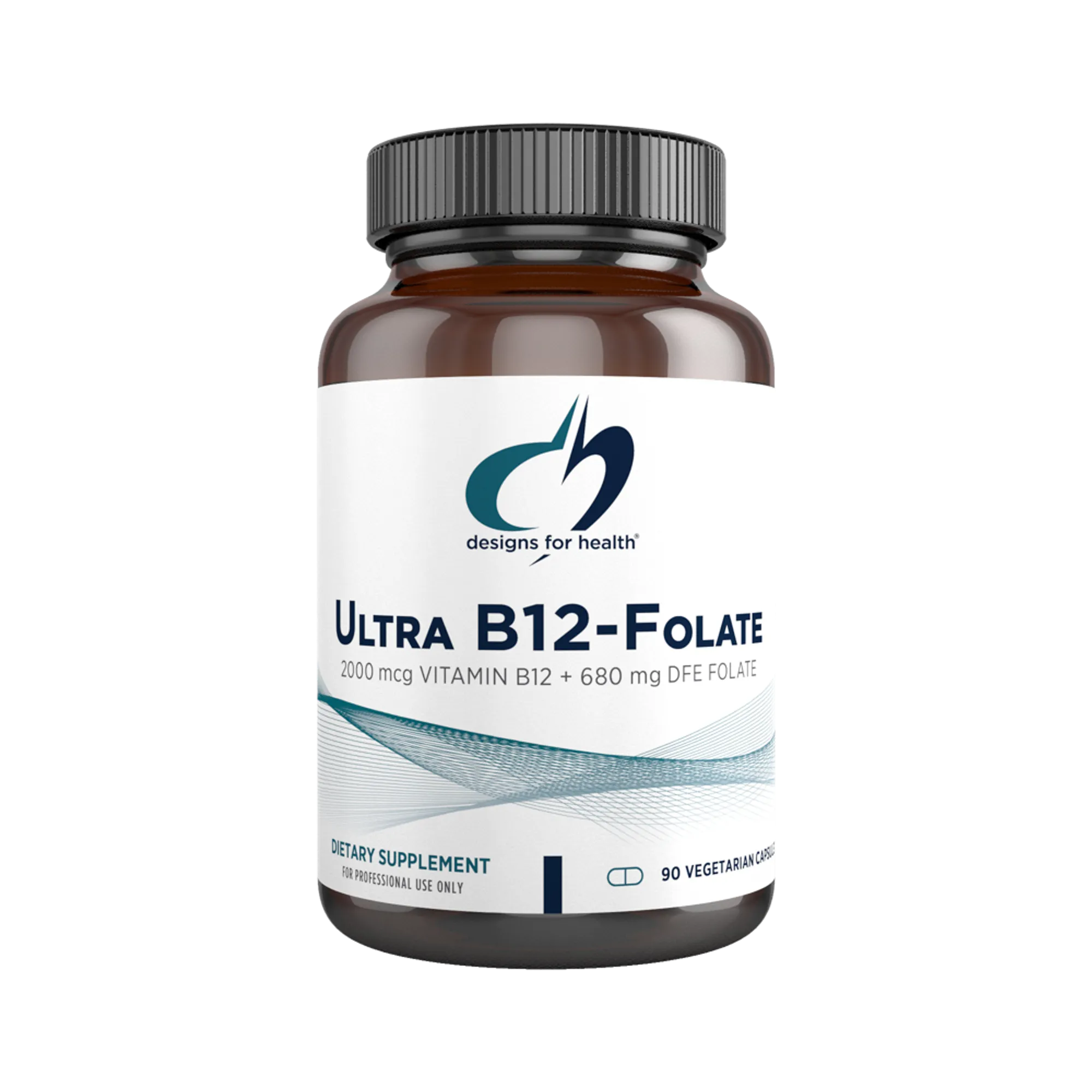
At the heart of this vital cellular engine are two essential nutrients: Vitamin B12 and folate. When these vitamins are depleted, poorly absorbed, or genetically bottlenecked, the body's ability to produce energy, repair nerves, and clear out toxins grinds to a halt. Ultra B12-Folate by Designs for Health is formulated to address these exact metabolic roadblocks. By combining highly bioavailable, active forms of B12 (methylcobalamin and adenosylcobalamin) with the patented Quatrefolic® derivative, this supplement aims to bypass common genetic mutations and support the body's foundational healing pathways. In this comprehensive guide, we will explore the intricate science of how B12 and folate interact, why chronic illness disrupts their function, and how targeted supplementation may help manage the complex symptoms of post-viral and chronic conditions.
TL;DR
B12 and folate are essential for the methylation cycle, supporting cellular energy and nerve repair.
Chronic illnesses and genetic mutations like MTHFR can disrupt this cycle, worsening fatigue and brain fog.
Supplementing with active forms like methylcobalamin and 5-MTHF may help bypass these metabolic roadblocks.
Targeted B-vitamin support may help manage symptoms of Long COVID, ME/CFS, and dysautonomia.
What are Vitamin B12 and Folate?
The Foundation of Cellular Health
Vitamin B12 (cobalamin) and folate (Vitamin B9) are water-soluble vitamins that act as essential coenzymes in the human body. Unlike macronutrients that provide raw caloric fuel, these vitamins function as the biological spark plugs for some of the most critical enzymatic reactions in our cells. In a healthy body, B12 and folate work in perfect tandem to drive a biochemical network known as one-carbon metabolism, or the methylation cycle. This cycle is responsible for synthesizing DNA, producing cellular energy, repairing the protective myelin sheath around nerves, and generating the neurotransmitters that regulate our mood and cognitive function. Without adequate levels of both vitamins, cellular replication and repair become fundamentally flawed.
To understand how these vitamins function, we must look at their specific roles at the molecular level. Folate is primarily responsible for carrying and donating single carbon atoms (methyl groups) to various biochemical reactions. However, dietary folate and synthetic folic acid are inactive; they must undergo a multi-step conversion process in the liver to become 5-methyltetrahydrofolate (5-MTHF), the biologically active form that circulates in the bloodstream. Once 5-MTHF reaches the cells, it carries a vital methyl group that the body desperately needs for cellular repair and genetic regulation. Yet, 5-MTHF cannot deliver this methyl group on its own. It requires a specific cellular mechanism to offload its cargo and complete its biological mission.
The Folate Cycle and 5-MTHF
This is where the Folate Cycle intersects with the Methionine Cycle, and where Vitamin B12 becomes absolutely indispensable. The enzyme responsible for taking the methyl group from 5-MTHF is called methionine synthase (MTR). Methionine synthase is strictly dependent on Vitamin B12—specifically in the form of methylcobalamin—to function. When B12 is present, methionine synthase successfully strips the methyl group from 5-MTHF. This reaction achieves two critical outcomes simultaneously. First, it converts the 5-MTHF back into tetrahydrofolate (THF), which is then recycled back into the folate cycle to help synthesize purines and pyrimidines, the fundamental building blocks of DNA and RNA. Second, it attaches the newly acquired methyl group to a toxic amino acid called homocysteine, neutralizing it by converting it into the beneficial amino acid methionine.
The Methionine Cycle and SAMe Production
The conversion of homocysteine to methionine is just the beginning of the Methionine Cycle. Once methionine is created, the cell converts it into S-adenosylmethionine, commonly known as SAMe. SAMe is the body's universal "methyl donor." It acts as a biological delivery vehicle, traveling throughout the body to donate methyl groups to over 200 different enzymatic reactions. SAMe is required to methylate DNA (which turns specific genes on or off), synthesize myelin (the protective insulation around nerve fibers), and produce crucial neurotransmitters like serotonin, dopamine, and norepinephrine. After SAMe donates its methyl group, it breaks down and eventually reverts into homocysteine, and the entire cycle begins anew. This elegant, continuous loop requires a constant, uninterrupted supply of both active folate and Vitamin B12 to function optimally.
How Chronic Illness Impacts Methylation and Cellular Health
The MTHFR Gene Mutation Connection
In chronic illnesses like Long COVID, Myalgic Encephalomyelitis/Chronic Fatigue Syndrome (ME/CFS), and dysautonomia, the delicate methylation cycle is frequently disrupted by a combination of genetic predispositions and environmental stressors. One of the most significant genetic roadblocks is a polymorphism in the MTHFR (methylenetetrahydrofolate reductase) gene. It is estimated that up to 40% to 60% of the population carries a variation of this gene, such as the 677C>T variant. The MTHFR enzyme is responsible for the final step of converting dietary folate or synthetic folic acid into the active 5-MTHF form. In individuals with this mutation, the enzyme's efficiency can be reduced by up to 70%. Consequently, the body struggles to produce enough active folate to keep the methylation cycle running, leading to a dangerous buildup of unmetabolized folic acid in the blood and a severe deficit in cellular repair mechanisms.
Viral Infection, Oxidative Stress, and the Folate Trap
Even in individuals without the MTHFR mutation, severe viral infections like SARS-CoV-2 can trigger a cascade of oxidative stress that heavily depletes the body's B-vitamin reserves. When the immune system is locked in a state of chronic activation, it rapidly consumes cellular energy and cofactors. If Vitamin B12 becomes depleted due to this immense metabolic demand, a pathological phenomenon known as the Methyl-Folate Trap occurs. Because the conversion of folate to 5-MTHF is a one-way biochemical street, the only way for 5-MTHF to become useful again is via the B12-dependent methionine synthase enzyme. Without sufficient B12, the 5-MTHF becomes biochemically "trapped" in the blood. The cells are starved of the raw materials needed to synthesize DNA, leading to severe cellular dysfunction, even if the patient is consuming adequate amounts of dietary folate.
Gut Dysbiosis and Malabsorption in Chronic Illness
Furthermore, conditions like Long COVID and MCAS are heavily associated with profound gastrointestinal dysfunction. The gut microbiome is often severely altered, leading to conditions like Small Intestinal Bacterial Overgrowth (SIBO) and chronic mucosal inflammation. Vitamin B12 is a notoriously difficult molecule to absorb; it requires adequate stomach acid to be cleaved from dietary proteins, and it must bind to a specialized protein called Intrinsic Factor to be absorbed in the terminal ileum of the small intestine. Chronic gut inflammation, combined with the frequent use of acid-blocking medications (like H2 antihistamines or PPIs) used to manage MCAS symptoms, severely impairs this absorption process. As a result, patients develop a profound functional deficiency, where their bodies simply cannot extract or utilize the B12 and folate required to heal their damaged nervous systems.
Ultra B12-Folate: Supporting Energy, Neurology, and Methylation
Restarting the Methylation Engine
Supplementing with a highly bioavailable formula like Ultra B12-Folate provides the exact molecular keys needed to unlock a stalled methylation cycle. By delivering pre-methylated, active forms of these vitamins, the supplement entirely bypasses the defective MTHFR enzyme and the inflamed gastrointestinal barriers that prevent standard vitamin absorption. When active 5-MTHF (Quatrefolic®) and methylcobalamin are introduced into the system, they immediately bind to the stalled methionine synthase enzymes. This rapidly restarts the conversion of homocysteine into methionine, flooding the cells with the SAMe required to repair virally damaged tissues, synthesize new neurotransmitters, and stabilize the epigenetic expression of immune cells. This restoration of one-carbon metabolism is vital for patients struggling with the profound cognitive dysfunction and mood instability associated with post-viral syndromes.
Lowering Homocysteine to Support Endothelial Function
One of the most critical therapeutic actions of B12 and folate supplementation is the reduction of homocysteine. In conditions like Postural Orthostatic Tachycardia Syndrome (POTS) and dysautonomia, elevated homocysteine acts as a potent vascular toxin. High homocysteine generates intense oxidative stress that destroys nitric oxide (NO) in the blood vessels. Nitric oxide is essential for maintaining endothelial function—the ability of blood vessels to constrict and dilate properly. When NO is depleted, the blood vessels in the lower extremities fail to constrict against gravity, leading to the severe blood pooling and reactive tachycardia characteristic of POTS. Clinical studies demonstrate that targeted supplementation with active folate and B12 rapidly lowers serum homocysteine levels, thereby reducing oxidative stress on the vascular endothelium, restoring nitric oxide sensitivity, and potentially improving orthostatic tolerance.
Clearing Histamine: The MCAS Connection
For patients dealing with Mast Cell Activation Syndrome (MCAS) and severe histamine intolerance, the methylation cycle plays a direct role in symptom management. The body relies on an enzyme called Histamine-N-methyltransferase (HNMT) to break down and clear intracellular histamine. Crucially, HNMT is entirely dependent on SAMe to function. When B12 and folate are deficient, SAMe production drops, the HNMT enzyme shuts down, and histamine rapidly accumulates in the tissues, triggering a vicious cycle of mast cell degranulation, hives, flushing, and neurological irritation. By restoring the methylation cycle with Ultra B12-Folate, the body can resume adequate SAMe production, thereby powering the HNMT enzyme to efficiently degrade excess histamine and lower the overall inflammatory burden on the nervous system.
Mitochondrial Energy and Adenosylcobalamin
Finally, Ultra B12-Folate provides a dual-action approach by including adenosylcobalamin alongside methylcobalamin. While methylcobalamin operates in the cellular cytosol to drive methylation, adenosylcobalamin is transported directly into the mitochondria—the energy-producing powerhouses of the cell. Inside the mitochondria, adenosylcobalamin acts as an essential cofactor for the enzyme methylmalonyl-CoA mutase. This enzyme is required to convert methylmalonyl-CoA into succinyl-CoA, a critical step in the Krebs cycle (Citric Acid Cycle) that generates ATP (cellular energy). In patients with ME/CFS and Long COVID who suffer from profound post-exertional malaise (PEM) and mitochondrial exhaustion, supplying adenosylcobalamin directly supports the biochemical pathways required to restore cellular energy production and combat debilitating physical fatigue.

Symptoms B12 and Folate May Help Manage
Profound Fatigue and PEM: By supplying adenosylcobalamin directly to the mitochondria, this supplement supports the Krebs cycle and ATP production, addressing the cellular energy deficits that drive chronic fatigue and post-exertional crashes.
Brain Fog and Cognitive Dysfunction: Active methylcobalamin and 5-MTHF drive the production of SAMe, which is required to synthesize neurotransmitters (like dopamine and serotonin) and maintain the protective myelin sheath around neurons, thereby improving mental clarity and focus.
Orthostatic Intolerance (POTS/Dysautonomia): By efficiently converting toxic homocysteine into methionine, B12 and folate reduce oxidative stress on the vascular endothelium. This protects nitric oxide levels, supporting proper blood vessel constriction and reducing the blood pooling that causes dizziness and rapid heart rates upon standing.
Histamine Intolerance and MCAS Symptoms: Restoring the methylation cycle ensures adequate production of SAMe, which is the mandatory cofactor for the HNMT enzyme. This allows the body to properly break down and clear intracellular histamine, reducing allergic-type reactions and systemic inflammation.
Neuropathy and Nerve Pain: Vitamin B12 is fundamentally required for the synthesis and maintenance of myelin. Supplementing with active cobalamins can support nerve repair, potentially alleviating the burning, tingling, and numbness associated with small fiber neuropathy often seen in post-viral conditions.
Practical Considerations: Forms, Dosing, and Absorption
Quatrefolic® vs. Synthetic Folic Acid
When considering B-vitamin supplementation, the specific chemical form of the nutrient dictates its clinical efficacy, especially for chronically ill patients. Ultra B12-Folate utilizes Quatrefolic®, a patented "fourth-generation" folate derivative. Unlike synthetic folic acid, which requires extensive enzymatic conversion in the liver and often builds up as toxic unmetabolized folic acid (UMFA) in the blood, Quatrefolic is the biologically active (6S)-5-methyltetrahydrofolate form. Furthermore, older generations of 5-MTHF supplements bound the folate to a calcium salt, which limited absorption. Quatrefolic binds the active folate to a glucosamine salt, making it structurally 100 times more water-soluble than calcium-salt folates. Clinical pharmacokinetic studies have demonstrated that this specific glucosamine salt formulation is highly stable, survives the gastric barrier easily, and is absorbed directly in the small intestine, resulting in a bioavailability that is twice as high as standard folic acid.
Methylcobalamin vs. Adenosylcobalamin
The B12 in this formula is delivered as a 50/50 blend of methylcobalamin and adenosylcobalamin, entirely avoiding the synthetic cyanocobalamin form found in cheaper supplements. Cyanocobalamin contains a cyanide molecule that the body must actively cleave and detoxify before the B12 can be used—a metabolic burden that chronically ill patients cannot afford. Once methylcobalamin and adenosylcobalamin enter the cell via the Transcobalamin II transport protein, they bind to an intracellular chaperone protein called MMACHC. This protein strips the vitamins down to a core cobalamin molecule, allowing the cell to custom-synthesize whichever active form it needs at that exact moment. By providing both natural coenzyme forms upfront, the supplement ensures that both the cytosolic methylation pathways and the mitochondrial energy pathways have immediate access to the necessary biological building blocks.
The Illusion of "Normal" B12 Blood Tests
It is crucial for patients to understand the concept of "functional" B12 deficiency. Standard serum B12 blood tests only measure the total amount of cobalamin floating in the bloodstream; they do not indicate whether the vitamin is actually successfully entering the cells. In conditions characterized by chronic inflammation, such as Long COVID and MCAS, the inflammatory cytokines can block the CD320 receptors on the surface of cells. This prevents the B12 transport proteins from delivering the vitamin intracellularly. As a result, a patient's blood work may show "normal" or even "high" B12 levels, while their nervous system is actively starving for the nutrient. Practitioners often rely on secondary biomarkers, such as elevated Methylmalonic Acid (MMA) or elevated homocysteine, to accurately diagnose a functional intracellular B12 deficiency.
Synergistic Nutrients and Timing
For optimal absorption, Ultra B12-Folate should be taken consistently, typically with a meal to support natural digestive rhythms. Because the methylation cycle is a highly interconnected network, B12 and folate do not operate in a vacuum. They heavily rely on other synergistic cofactors, particularly Vitamin B6 (P5P) and magnesium, to keep the enzymatic wheels turning. Additionally, as high-dose B12 begins to stimulate the rapid production of new red blood cells, the body consumes higher amounts of potassium. Patients should work closely with their healthcare providers to ensure their overall electrolyte and B-complex status is balanced while undergoing targeted methylation support.

Follow the Science
B12 and Folate in ME/CFS Recovery
The clinical application of high-dose B12 and active folate has been extensively studied in the context of infection-associated chronic illnesses. A pivotal long-term study published in PLOS One by Dr. Björn Regland evaluated the efficacy of Vitamin B12 and folic acid therapy in patients with ME/CFS. The researchers found a clear dose-response relationship: patients who received higher, more frequent doses of B12 combined with tailored doses of oral active folate reported the most significant improvements in their debilitating fatigue and cognitive dysfunction. The study highlighted that patients with the MTHFR gene mutation required specific, active forms of folate to achieve these positive outcomes, reinforcing the necessity of bypassing genetic methylation blocks to restore neurological health.
Emerging Data in Long COVID
As researchers draw parallels between ME/CFS and Long COVID, similar therapeutic patterns are emerging. A comprehensive 2024 survey published in PNAS analyzed treatment outcomes from nearly 4,000 patients suffering from ME/CFS and Long COVID. The data revealed that biologically active Vitamin B12 interventions were consistently ranked among the top patient-reported treatments for alleviating core symptoms like profound fatigue, brain fog, and post-exertional malaise. Furthermore, a 2022 study published in Nutrients documented that patients recovering from acute COVID-19 frequently exhibited significantly lower serum levels of Vitamin B12 and folate compared to healthy controls, suggesting that the massive metabolic toll of the viral infection actively depletes these critical methylation cofactors, necessitating targeted replenishment.
Homocysteine Reduction in Dysautonomia
The link between homocysteine, endothelial dysfunction, and dysautonomia is also strongly supported by recent literature. A case-control study evaluating pediatric POTS patients found that plasma homocysteine levels were significantly elevated in the POTS group compared to healthy controls, and that these elevated levels directly correlated with symptom severity and abnormal baroreflex sensitivity. Similar findings were published in Cardiology in the Young, where patients with vasovagal syncope (a form of dysautonomia) demonstrated alarmingly high homocysteine alongside severe deficits in serum B12 and folate. These studies collectively validate the therapeutic strategy of using active B12 and 5-MTHF to lower neurotoxic homocysteine, thereby protecting the vascular endothelium and supporting autonomic nervous system stability.
The Path Forward
Navigating the complexities of Long COVID, ME/CFS, dysautonomia, and MCAS is an exhausting and deeply challenging journey. When your body is caught in a cycle of chronic inflammation, viral persistence, and autonomic instability, it is easy to feel overwhelmed by the sheer number of symptoms you have to manage daily. It is important to remember that your symptoms are real, they are rooted in complex physiological disruptions, and you are not alone in seeking answers. While no single supplement is a cure for these multi-system conditions, addressing foundational cellular processes like the methylation cycle can be a powerful step toward reclaiming your quality of life.
By providing your body with the highly bioavailable, active forms of nutrients it desperately needs, you can help bypass genetic roadblocks, lower neurotoxic homocysteine, and support your mitochondria's ability to generate energy. Supplements like Ultra B12-Folate are designed to be an integral part of a comprehensive, medically supervised management strategy that includes pacing, symptom tracking, nervous system regulation, and targeted therapeutics. Always consult with your healthcare provider before introducing new supplements to ensure they align with your specific lab results, genetic profile, and current medication regimen.