Can a B-Complex with PQQ Support Nerve Health and Energy in Long COVID and ME/CFS?
March 5, 2026
Ultra B-Complex w/PQQLong COVIDME/CFS
Share:
Disclaimer: The information provided here is for educational purposes only and is not intended as medical advice. It should not be used to diagnose, treat, cure, or prevent any medical condition. Instead, use it as a starting point for discussion with your healthcare provider. Always consult with a qualified healthcare provider before starting any new medication, supplement, device, or making changes to your health regimen.
Living with complex chronic conditions like Long COVID, myalgic encephalomyelitis/chronic fatigue syndrome (ME/CFS), and dysautonomia often feels like running a marathon with a drained battery. The profound, unyielding exhaustion—frequently manifesting as post-exertional malaise (PEM)—is not merely "tiredness." It is a fundamental breakdown in how your cells generate and utilize energy. When your body cannot produce enough cellular energy to meet its basic demands, every system suffers, leading to a cascade of debilitating symptoms, from severe brain fog and rapid heart rates to widespread nerve pain.
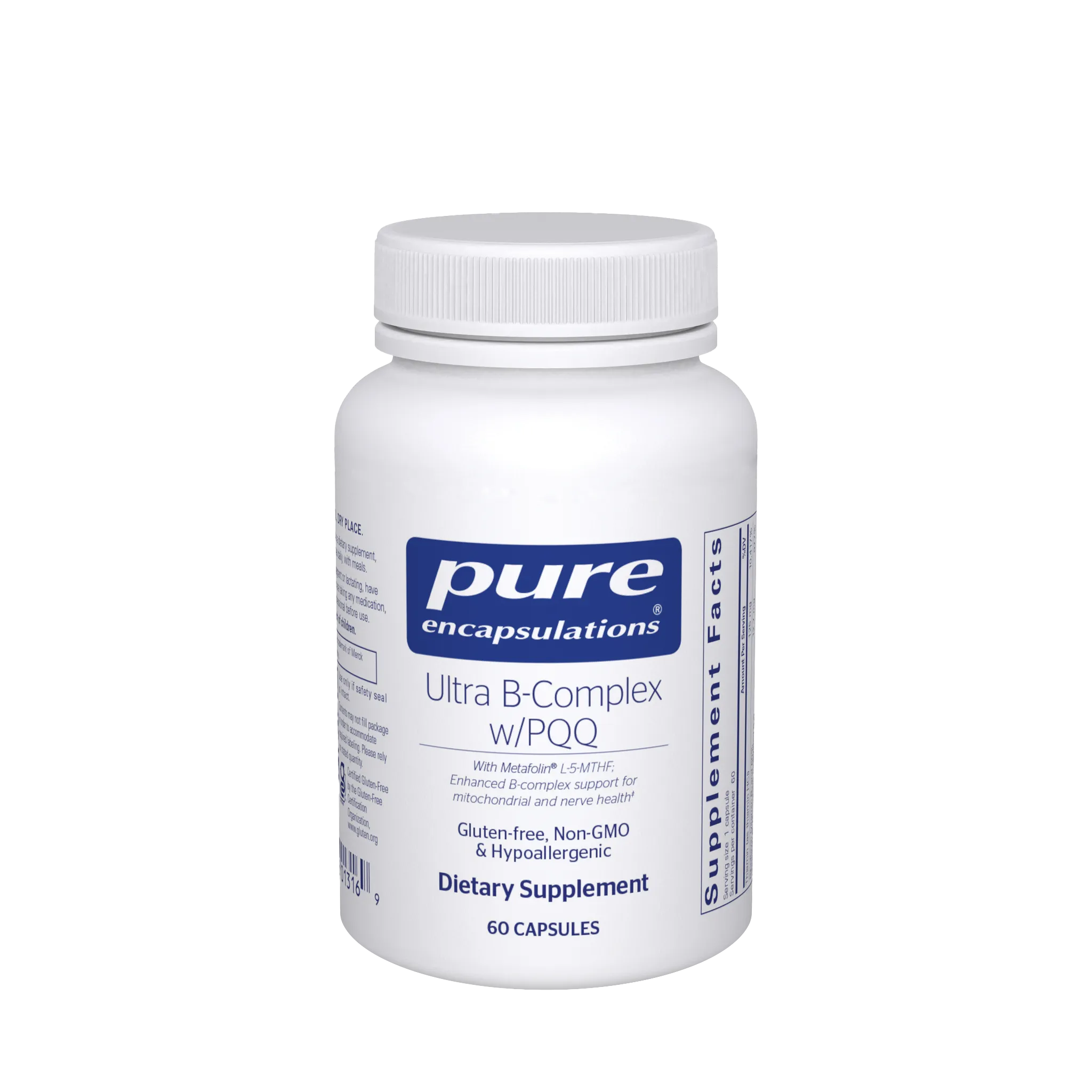
For many patients, finding the right combination of targeted nutritional support is a crucial step in managing these complex, overlapping conditions. Ultra B-Complex w/PQQ by Pure Encapsulations is a comprehensive formula designed to address two of the most critical areas impacted by chronic illness: mitochondrial bioenergetics and peripheral nerve health. By combining highly bioavailable B vitamins with advanced neuroprotective compounds like Pyrroloquinoline Quinone (PQQ), Alpha Lipoic Acid (ALA), and Luteolin, this formula offers a unique, multi-targeted approach to supporting cellular resilience. Let's explore the deep science behind how these specific nutrients work together to support your body at the molecular level.
TL;DR
Ultra B-Complex w/PQQ combines active B vitamins and antioxidants to support cellular energy and nerve health.
PQQ and Alpha Lipoic Acid help stimulate mitochondrial biogenesis and protect against oxidative stress.
Active B vitamins support the methylation cycle, aiding neurotransmitter synthesis and autonomic nervous system regulation.
This formula may help manage fatigue, brain fog, and dysautonomia symptoms alongside a comprehensive care plan.
What is Ultra B-Complex w/PQQ?
The Foundation of Cellular Energy Production
To understand how Ultra B-Complex w/PQQ functions, we must first look at the mitochondria, often referred to as the powerhouses of our cells. In a healthy body, mitochondria are responsible for producing adenosine triphosphate (ATP), the primary energy currency that fuels every biological process. This energy production occurs through a complex, multi-step process known as the electron transport chain. B-complex vitamins act as essential metabolic coenzymes in this process. They are the chemical catalysts that allow enzymes to extract electrons from the food we eat and pass them down the electron transport chain to generate ATP. Without sufficient B vitamins, this metabolic engine stutters, leading to a drastic reduction in cellular energy output.
Beyond basic energy production, specific B vitamins serve as crucial "methyl donors" in the body's methylation cycle. Methylation is a biochemical process that involves the transfer of a methyl group (one carbon atom linked to three hydrogen atoms) to various molecules. This process is fundamental for synthesizing DNA, repairing cellular damage, and producing neurotransmitters. For instance, the active forms of folate and vitamin B12 are strictly required to convert homocysteine into methionine, which is then used to create S-adenosylmethionine (SAMe). SAMe is the universal methyl donor necessary for producing the myelin sheath—the protective fatty layer that insulates our nerves and ensures rapid, efficient electrical impulse conduction.
The Role of PQQ and Antioxidant Defense
While B vitamins provide the raw materials for energy and nerve repair, Pyrroloquinoline Quinone (PQQ) acts as a sophisticated signaling molecule and potent antioxidant. PQQ is a naturally occurring redox-active compound found in various mammalian tissues. Its primary, and most remarkable, function is its ability to stimulate mitochondrial biogenesis—the actual creation of new, healthy mitochondria within the cell. It achieves this by activating the SIRT1/PGC-1α signaling pathway. PGC-1α is widely considered the "master regulator" of mitochondrial growth. By upregulating this pathway, PQQ helps the cell clear out old, damaged mitochondria and replace them with a fresh, highly efficient energy-producing network.
Furthermore, PQQ provides advanced antioxidant protection. The process of generating ATP naturally produces reactive oxygen species (ROS), or free radicals, as a byproduct. In a healthy state, the body neutralizes these free radicals before they can cause harm. However, when ROS levels overwhelm the body's defenses, it leads to oxidative stress, which damages cellular membranes, proteins, and DNA. PQQ activates the Nrf2 pathway, a critical cellular defense mechanism that upregulates the expression of endogenous antioxidant genes. This helps to neutralize free radicals directly at the source, protecting the newly formed mitochondria and delicate neuronal structures from oxidative damage.
Alpha Lipoic Acid and Luteolin: The Neuroimmune Modulators
The final key components of this formula are Alpha Lipoic Acid (ALA) and Luteolin. ALA is an endogenous fatty acid that functions as a powerhouse antioxidant in both water- and fat-soluble environments. It plays a vital role in cellular energy metabolism by assisting enzymes inside the mitochondria, specifically in the citric acid cycle. ALA is uniquely capable of regenerating other antioxidants, such as vitamin C and glutathione, extending their protective lifespan within the cell. This makes it exceptionally effective at clearing out the oxidative stress that accumulates during periods of high metabolic demand or chronic inflammation.
Luteolin, on the other hand, is a naturally occurring bioflavonoid renowned for its potent neuroprotective and anti-inflammatory properties. It is one of the few natural compounds proven to cross the blood-brain barrier effectively. In a healthy immune system, macrophages (in the body) and microglia (in the brain) act as the first line of defense against pathogens. Luteolin helps maintain healthy macrophage activity by modulating their gene expression, ensuring they respond appropriately to threats without triggering excessive, collateral inflammation. Together, ALA and Luteolin provide enhanced nervous system antioxidant activity, creating a synergistic shield against neuroimmune stress.
How Chronic Illness Impacts Mitochondrial and Nerve Health
The Vicious Cycle of Viral Infection and Oxidative Stress
When an individual develops Long COVID or ME/CFS, the fundamental biology of their cells undergoes a profound shift. Current research suggests that an initial viral infection, such as SARS-CoV-2, can trigger a persistent, unresolving immune response. The virus may hijack or directly damage the mitochondria during the acute infection phase. This damage leads to a massive surge in reactive oxygen species (ROS), creating a state of severe oxidative stress. Because the mitochondria are both the primary source of ROS and the most vulnerable to its damaging effects, a vicious cycle emerges. The damaged mitochondria produce less ATP and more free radicals, which in turn causes further structural damage to the mitochondrial network.
Recent studies have identified significant biomarkers of mitochondrial dysfunction in Long COVID patients. Researchers have observed structural abnormalities, such as swollen mitochondria with disrupted cristae (the inner folds where energy production occurs). They have also found elevated levels of proteins related to mitochondrial dynamics, indicating an imbalance in how mitochondria fuse together and divide. This structural and functional breakdown explains why patients experience profound fatigue and post-exertional malaise (PEM). When the cells cannot generate sufficient ATP to meet the demands of even basic physical or cognitive tasks, the body essentially forces a shutdown to conserve energy, resulting in a "crash."
Neuroinflammation and Macrophage Activation
The impact of chronic illness extends far beyond the mitochondria, heavily implicating the central and peripheral nervous systems. In conditions like ME/CFS and Long COVID, the immune system's frontline defenders—macrophages and microglia—often become trapped in a chronic, pro-inflammatory state. Instead of returning to a resting state after the initial infection clears, these cells continuously release inflammatory cytokines, such as IL-6 and TNF-alpha. This persistent neuroinflammation damages the delicate myelin sheath that insulates peripheral nerves and disrupts the delicate balance of neurotransmitters in the brain.
This neuroimmune dysregulation is frequently exacerbated by Mast Cell Activation Syndrome (MCAS), a condition highly comorbid with Long COVID and dysautonomia. When mast cells become hyper-reactive, they degranulate inappropriately, releasing histamine and other neurotoxic mediators into the surrounding tissues. This constant inflammatory bombardment depletes the body's natural antioxidant reserves, including glutathione and endogenous B vitamins, which are rapidly consumed in an attempt to repair the ongoing cellular damage. The resulting nutrient depletion further impairs the body's ability to synthesize new myelin and regulate nerve impulses.
Autonomic Dysfunction and Nutrient Depletion
The autonomic nervous system, which controls involuntary functions like heart rate, blood pressure, and digestion, is highly sensitive to both mitochondrial dysfunction and neuroinflammation. In dysautonomia, particularly Postural Orthostatic Tachycardia Syndrome (POTS), the nerves responsible for constricting blood vessels upon standing fail to signal properly. This leads to blood pooling in the lower extremities, cerebral hypoperfusion (lack of blood flow to the brain), and compensatory tachycardia (a rapid heart rate).
The high metabolic demand of the autonomic control centers in the brainstem means they are acutely vulnerable to ATP shortages. Furthermore, the synthesis of crucial autonomic neurotransmitters, such as acetylcholine, norepinephrine, and epinephrine, relies heavily on specific B-vitamin cofactors. When chronic inflammation depletes these cofactors, the autonomic nervous system loses its ability to regulate itself effectively. The resulting symptoms—dizziness, brain fog, gastrointestinal dysmotility, and temperature intolerance—are direct manifestations of this underlying cellular and nutritional crisis.
Ultra B-Complex w/PQQ: Supporting Cellular Energy and Neuroprotection
Restoring the Methylation Cycle and Neurotransmitter Synthesis
Ultra B-Complex w/PQQ is meticulously formulated to address these specific pathways of dysfunction. The inclusion of 5-MTHF (active Folate) and Vitamin B6 (as Pyridoxal 5'-Phosphate or P5P) provides direct support for the body's methylation cycle and neurotransmitter biosynthesis. 5-MTHF is the biologically active form of vitamin B9, meaning it does not require conversion by the MTHFR enzyme, a genetic bottleneck for many individuals. 5-MTHF is heavily responsible for recycling tetrahydrobiopterin (BH4), the rate-limiting cofactor required to synthesize dopamine, norepinephrine, and serotonin. By supplying pre-methylated folate, this formula ensures the brain has the necessary building blocks to produce these vital chemical messengers, supporting mood stability and autonomic regulation.
Simultaneously, the activated form of Vitamin B6 (P5P) serves as the required cofactor for the final enzymatic step in converting precursors into active dopamine, serotonin, and GABA (the brain's primary calming neurotransmitter). Deficiencies in B6 directly compromise monoamine synthesis, leading to the sympathetic overactivity often seen in dysautonomia. Furthermore, 5-MTHF and B6 work together to clear neurotoxic homocysteine from the bloodstream, converting it back into methionine. This process generates SAMe, the universal methyl donor absolutely essential for synthesizing the myelin sheath, thereby promoting healthy nerve impulse conduction and protecting against peripheral neuropathy.
Powering the Mitochondria with Adenosylcobalamin and Thiamin
To directly combat the ATP depletion seen in Long COVID and ME/CFS, this formula utilizes a highly specific blend of Vitamin B12, featuring both methylcobalamin and adenosylcobalamin. While methylcobalamin supports systemic methylation and neurological health, adenosylcobalamin is the specific form of B12 that is active inside the mitochondria. It boosts mitochondrial energy production by supporting the activity of the methylmalonyl-CoA mutase (MCM) enzyme. Animal studies suggest that adenosylcobalamin specifically enhances mitochondrial bioenergetics, promotes fast-twitch muscle fiber size, and stabilizes neuro-muscular junctions, making it a critical nutrient for combating severe physical fatigue and muscle weakness.
This mitochondrial support is further amplified by a high dose of Thiamin (Vitamin B1). Thiamin is critical for mitochondrial ATP production, particularly within the brainstem and limbic system, which have exceptionally high energy consumption rates. Thiamin is also required to synthesize acetylcholine, the primary neurotransmitter of the vagus nerve and the parasympathetic nervous system. Adequate thiamin levels are essential for maintaining vagal tone, which helps counteract the unchecked sympathetic dominance (the "fight or flight" state) that drives many POTS and dysautonomia symptoms.
Driving Mitochondrial Biogenesis and Calming Microglia
The inclusion of PQQ elevates this formula from a standard B-complex to an advanced mitochondrial therapeutic. By activating the SIRT1/PGC-1α signaling pathway, PQQ actively stimulates mitochondrial biogenesis. This means it doesn't just help existing mitochondria work better; it signals the cell to manufacture entirely new, healthy mitochondria. This process is vital for patients whose cellular energy grids have been structurally damaged by viral infection or chronic oxidative stress. By increasing the total number of functional mitochondria, PQQ helps restore the cell's baseline energy capacity, directly addressing the root cause of post-exertional malaise.
Finally, Alpha Lipoic Acid and Luteolin work synergistically to quench neuroinflammation. ALA activates the Nrf2 pathway, downregulating the NF-κB inflammatory cascade in macrophages and clearing reactive oxygen species from the newly formed mitochondria. Luteolin acts as a potent mast cell stabilizer and microglial modulator. By preventing these immune cells from releasing a continuous stream of inflammatory cytokines and histamine, Luteolin helps to calm the "cytokine storm" in the central nervous system. This dual-action neuroimmune modulation is crucial for helping manage brain fog, supporting the reduction of neurogenic pain, and creating a cellular environment that supports nerve health.

Symptoms This Formula May Help Manage
While individual responses to supplementation vary, the targeted ingredients in Ultra B-Complex w/PQQ are clinically associated with improvements in several key areas affected by complex chronic illnesses:
Profound Fatigue and Post-Exertional Malaise (PEM): By providing adenosylcobalamin, thiamin, and PQQ, this formula directly supports the electron transport chain and stimulates the creation of new mitochondria, helping to restore cellular ATP production and raise the threshold for exertion-induced crashes.
Brain Fog and Cognitive Dysfunction: PQQ has been shown in clinical trials to increase cerebral blood flow and oxygen metabolism in the prefrontal cortex, while Luteolin helps suppress the microglial neuroinflammation that disrupts cognitive processing and memory retrieval.
Neuropathy and Nerve Pain: The combination of 5-MTHF, active B6, and methylcobalamin provides the essential methyl donors required to synthesize and repair the myelin sheath, while Alpha Lipoic Acid offers potent antioxidant protection against the oxidative damage that drives small fiber neuropathy.
Dysautonomia and POTS Symptoms: High-dose thiamin supports the synthesis of acetylcholine, improving vagal tone and parasympathetic regulation, while the active B vitamins support the balanced production of catecholamines (dopamine, norepinephrine) needed for proper blood vessel constriction and heart rate control.
Olfactory and Cognitive Support: Research suggests Luteolin's ability to cross the blood-brain barrier and help modulate neuroinflammation may support neurological recovery, which is often a concern for those with lingering post-viral symptoms.
It is important to remember that while these nutrients target the underlying mechanisms of these symptoms, they are not a cure. They are designed to support your body's natural healing and energy production pathways as part of a broader, comprehensive management strategy.
Practical Considerations: Forms, Dosing, and Absorption
Bioavailability and Active Vitamin Forms
When dealing with chronic illness, the digestive system is often compromised, making the bioavailability of supplements a critical factor. Ultra B-Complex w/PQQ utilizes biologically active, pre-converted forms of essential vitamins. For example, it contains Folate as Metafolin® (L-5-MTHF) rather than synthetic folic acid. This is crucial because a significant portion of the population has genetic variations in the MTHFR gene, which impairs their ability to convert synthetic folic acid into the active form the body can actually use. By providing 5-MTHF directly, this formula bypasses that genetic bottleneck, ensuring immediate availability for the methylation cycle.
Similarly, the formula uses activated forms of Vitamin B2 (riboflavin 5' phosphate) and Vitamin B6 (pyridoxal 5' phosphate or P5P). These active forms do not require conversion by the liver, which is often burdened by chronic inflammation and oxidative stress. The Vitamin B12 is provided as a 50/50 split of methylcobalamin and adenosylcobalamin. This dual approach ensures that both systemic methylation needs (handled by methylcobalamin) and specific mitochondrial energy requirements (handled by adenosylcobalamin) are met simultaneously.
Dosing, Timing, and Absorption Strategies
The suggested use for this supplement is 1 capsule, 1-2 times daily, with meals. Because B vitamins are water-soluble, they are generally absorbed well, but taking them with food can help minimize any potential gastrointestinal upset, which is particularly important for patients with sensitive stomachs or dysmotility issues. Additionally, Alpha Lipoic Acid and Luteolin are absorbed more efficiently when taken alongside a meal containing some healthy fats. Because this formula is designed to boost cellular energy and mitochondrial function, it is generally recommended to take your doses earlier in the day (e.g., with breakfast and lunch) to prevent any potential interference with sleep architecture at night.
Potential Interactions and Considerations
While the ingredients in this formula are generally well-tolerated, there are practical considerations to keep in mind. The formula contains 108 mg of Niacin (Vitamin B3), which includes a blend of niacinamide and inositol hexaniacinate (a "no-flush" form). While this supports neuronal membrane function, patients with severe POTS should monitor their response, as high doses of certain forms of niacin can occasionally cause vasodilation (widening of blood vessels), which may temporarily exacerbate blood pooling. Furthermore, while Vitamin B6 is essential, excessive long-term intake of standard pyridoxine can cause neuropathy; however, this formula uses a safe, balanced dose that includes the activated P5P form to mitigate this risk. Always consult with your healthcare provider before starting a new supplement, especially if you are taking medications for blood pressure, blood sugar regulation, or neurotransmitter modulation.

Follow the Science
Clinical Evidence for PQQ and Cognitive Function
The individual components of this formula are supported by a robust and growing body of scientific literature, particularly in the context of cellular energy and neuroimmune conditions. Research has highlighted the profound effects of Pyrroloquinoline Quinone (PQQ) on mitochondrial health. A landmark 2009 study demonstrated that PQQ stimulates mitochondrial biogenesis by increasing PGC-1α expression and cAMP response element-binding protein phosphorylation. This cellular mechanism provides a biological basis for how PQQ may help enhance mitochondrial density and function, directly correlating with efforts to support cellular energy and reduce fatigue.
The mechanism behind these improvements is deeply rooted in PQQ's ability to activate the SIRT1/PGC-1α signaling pathway. By upregulating PGC-1α, PQQ drives mitochondrial biogenesis, effectively increasing the density and functional capacity of the mitochondrial network. This process is essential for addressing the cellular energy depletion that characterizes conditions like ME/CFS and Long COVID, providing a clear biological basis for supporting energy recovery.
Luteolin, Alpha Lipoic Acid, and Post-Viral Recovery
Neuroprotective compounds and natural antioxidants have also been the subject of intensive research for neurological and post-viral conditions. For example, a 2022 review highlighted the therapeutic potential of plant-derived compounds like Linalool in managing neurological conditions such as depression, showcasing how natural substances can modulate neurological pathways. Similarly, Luteolin and Alpha Lipoic Acid (ALA) are being investigated for their ability to support the nervous system and manage oxidative stress.
Targeting mitochondrial health is another key area of research. A recent study identified novel biomarkers of mitochondrial dysfunction in Long COVID patients, highlighting structural and functional cellular breakdowns. These findings underscore the critical importance of targeting mitochondrial repair and antioxidant defense when managing complex, fatigue-predominant chronic illnesses.
B Vitamins and Autonomic Regulation
Finally, the specific B vitamins in this formula are deeply connected to autonomic nervous system function. Research has shown that even mild thiamin (Vitamin B1) deficiency can mimic or cause dysautonomia. A study evaluating patients with Postural Orthostatic Tachycardia Syndrome (POTS) found that a subset of patients were deficient in Vitamin B1, and upon oral supplementation, experienced significant improvement in their dysautonomia symptoms. This highlights the foundational role that metabolic coenzymes play in maintaining vagal tone and regulating the autonomic nervous system.
The Path Forward
Integrating Targeted Support into Your Care Plan
Living with invisible, unpredictable conditions like Long COVID, ME/CFS, and dysautonomia is an exhausting journey. The frustration of dealing with debilitating brain fog, unyielding fatigue, and unpredictable nerve pain is entirely valid. It is important to remember that these symptoms are not in your head; they are the result of measurable, physiological disruptions at the cellular and mitochondrial levels. While there is no single miracle cure for these complex conditions, understanding the underlying biochemistry allows us to make targeted, science-backed interventions.
Supplements like Ultra B-Complex w/PQQ represent one piece of a comprehensive, multi-disciplinary management strategy. By providing the specific metabolic coenzymes, methyl donors, and advanced antioxidants required to stimulate mitochondrial biogenesis and calm neuroinflammation, this formula aims to rebuild your cellular resilience from the ground up. However, nutritional support must always be paired with fundamental management techniques, such as aggressive pacing, symptom tracking, and careful heart rate monitoring, to prevent exertion-induced crashes and protect your baseline energy levels.
Moving Forward with Medical Guidance
As you navigate your path forward, it is crucial to work closely with a healthcare provider who understands the nuances of post-viral syndromes and autonomic dysfunction. They can help you determine if this specific combination of B vitamins, PQQ, ALA, and Luteolin aligns with your individual lab results, genetic methylation status, and overall treatment goals. By taking a methodical, scientifically grounded approach to your cellular health, you can begin to support your body's natural repair mechanisms and work toward improving your daily quality of life.