Can Mixed Tocopherols Support Cardiovascular Health in Long COVID and Dysautonomia?
March 6, 2026
Ultimate-EVitamin ELong COVID
Share:
Disclaimer: The information provided here is for educational purposes only and is not intended as medical advice. It should not be used to diagnose, treat, cure, or prevent any medical condition. Instead, use it as a starting point for discussion with your healthcare provider. Always consult with a qualified healthcare provider before starting any new medication, supplement, device, or making changes to your health regimen.
Months or even years after a viral infection, many patients find themselves battling a complex web of symptoms—racing heart rates, crushing fatigue, brain fog, and unpredictable allergic reactions. For those living with Long COVID, myalgic encephalomyelitis/chronic fatigue syndrome (ME/CFS), and dysautonomia, these symptoms are not just frustrating; they are profoundly debilitating. While the medical community continues to unravel the exact mechanisms behind these conditions, one common denominator consistently emerges in the research: rampant, unchecked oxidative stress.
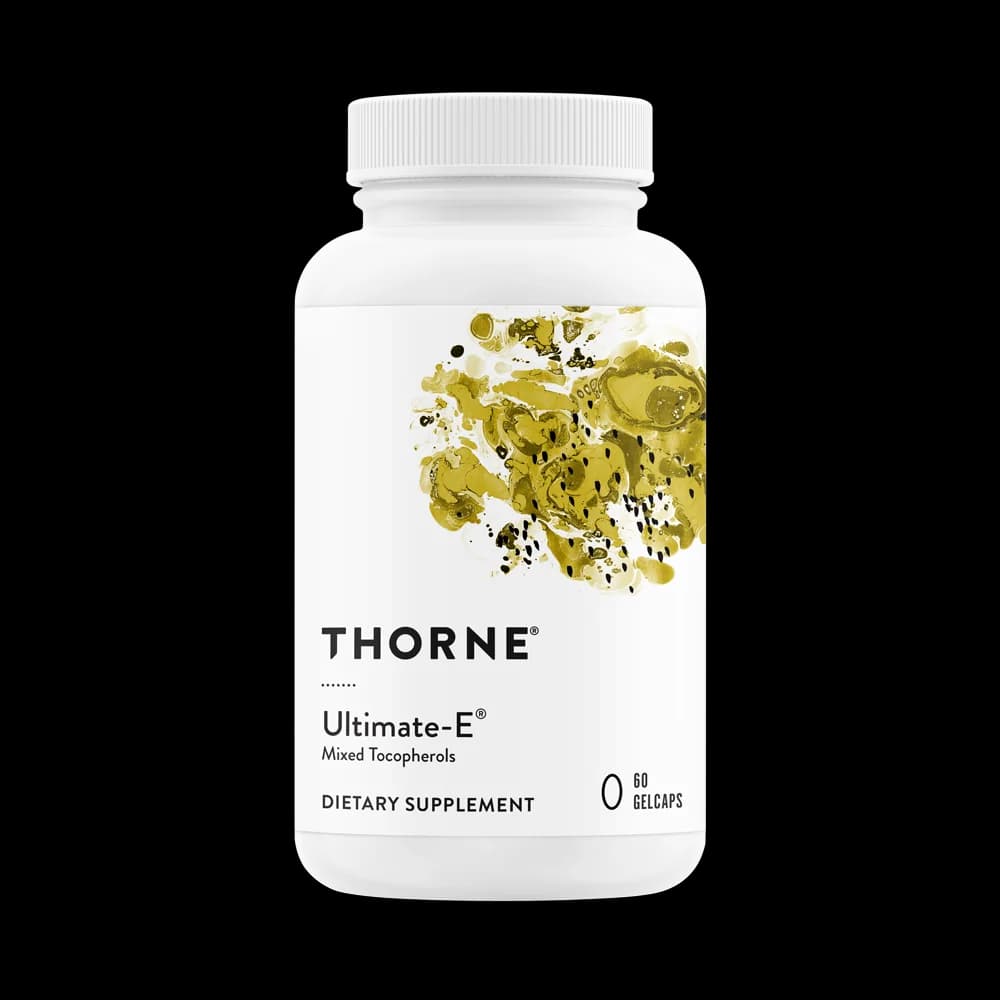
When the body's antioxidant defense systems are overwhelmed, cellular membranes and blood vessels sustain severe damage, driving a vicious cycle of inflammation and autonomic dysfunction. This is where targeted nutritional support becomes a critical piece of the management puzzle. Ultimate-E® by Thorne offers a highly purified, comprehensive blend of mixed tocopherols designed to neutralize free radicals and protect the cardiovascular system. In this article, we will explore the deep biochemistry of Vitamin E, how chronic illness depletes this vital nutrient, and how a molecularly distilled, mixed-tocopherol supplement may help support your cellular healing journey.
TL;DR
Mixed tocopherols help neutralize oxidative stress, a key driver of Long COVID and ME/CFS symptoms.
Vitamin E supports vascular health and may help manage dysautonomia by preserving nitric oxide.
Gamma-tocopherol offers unique anti-inflammatory benefits and acts as a natural mast cell stabilizer.
For optimal absorption, always take Vitamin E supplements alongside a meal containing healthy fats.
What is Ultimate-E®?
The Vitamin E Family and Mixed Tocopherols
When we hear the term "Vitamin E," we often think of it as a single compound. In reality, Vitamin E is a collective term for a family of eight naturally occurring, fat-soluble antioxidant compounds synthesized by plants. This family is divided into two main groups: four tocopherols (alpha, beta, gamma, and delta) and four tocotrienols. In the human body, alpha-tocopherol ($\alpha$-tocopherol) is the most abundant and biologically active form, largely because the liver contains a highly specific transport protein called the alpha-tocopherol transfer protein ($\alpha$-TTP) that preferentially binds and retains it. However, natural dietary sources rarely provide just one isolated form; they provide a synergistic blend known as "mixed tocopherols."
Historically, many dietary supplements relied solely on isolated alpha-tocopherol. However, modern biochemical research has revealed that while alpha-tocopherol is crucial, a comprehensive blend of mixed tocopherols provides vastly superior protection against complex oxidative threats. Each tocopherol variant has a slightly different molecular structure, allowing it to perform unique physiological tasks. For example, while alpha-tocopherol is excellent at stopping the production of new free radicals, gamma-tocopherol ($\gamma$-tocopherol) possesses an unmethylated carbon position on its chromanol ring. This unique structural feature allows gamma-tocopherol to physically trap and neutralize existing reactive nitrogen species—something alpha-tocopherol chemically cannot do.
The Threat of Lipid Peroxidation
To understand why Vitamin E is so vital, we must first understand the destructive process it prevents: lipid peroxidation. Every cell in your body, including the mitochondria (the cellular powerhouses), is encased in a protective lipid bilayer membrane composed of polyunsaturated fatty acids (PUFAs). These PUFAs are highly vulnerable to attack by free radicals—unstable molecules missing an electron. When a free radical, such as a hydroxyl radical, encounters a cell membrane, it violently steals a hydrogen atom from a healthy lipid molecule in a process called "initiation."
This theft transforms the once-healthy lipid into a highly reactive lipid radical. When this lipid radical reacts with oxygen, it forms a dangerous lipid peroxyl radical, which immediately attacks the next neighboring healthy lipid to steal its electron. This triggers a catastrophic, domino-like chain reaction known as "propagation." If left unchecked, lipid peroxidation will rapidly degrade the structural integrity of the cell membrane, leading to cellular leakage, mitochondrial failure, and eventually, cell death. This structural degradation is a primary driver of tissue damage in chronic inflammatory diseases.
The Chain-Breaking Antioxidant Mechanism
Vitamin E is the body's primary defense against this destructive chain reaction. Because it is fat-soluble, Vitamin E physically embeds itself directly within the lipid membranes of your cells and mitochondria. It functions as a potent "chain-breaking antioxidant." When a dangerous lipid peroxyl radical attempts to attack a neighboring lipid, Vitamin E intercepts it. The Vitamin E molecule donates a hydrogen atom from its phenolic hydroxyl group to the radical, instantly neutralizing the threat and transforming the radical into a stable, non-toxic lipid hydroperoxide.
By donating this electron, Vitamin E itself becomes a tocopheroxyl radical. However, unlike lipid radicals, the tocopheroxyl radical is highly stable and unreactive, meaning it will not damage surrounding tissues. Once Vitamin E has neutralized the threat, it relies on a network of other synergistic antioxidants—specifically Vitamin C and Glutathione—to recycle it back into its active form. This intricate biochemical dance is what keeps our cellular membranes intact, our blood vessels healthy, and our mitochondria functioning optimally.
How Chronic Illness Impacts Cellular and Vascular Health
The Oxidative Stress Cycle in Long COVID and ME/CFS
In healthy individuals, the body maintains a delicate balance between the production of free radicals (which are naturally generated during energy production) and the antioxidants available to neutralize them. However, in complex chronic conditions like Long COVID and myalgic encephalomyelitis/chronic fatigue syndrome (ME/CFS), this balance is violently disrupted. Viral infections like SARS-CoV-2 trigger an aggressive, prolonged immune response that generates massive amounts of reactive oxygen species (ROS) as a defense mechanism. This sustained assault leads to a state of severe, chronic oxidative stress.
As the body desperately attempts to fight off this oxidative damage, its endogenous antioxidant reserves—including Vitamin E—become rapidly depleted. Clinical studies have demonstrated that patients with ME/CFS exhibit significantly lower serum concentrations of alpha-tocopherol compared to healthy controls, and that these depleted levels strongly correlate with the severity of their fatigue and cognitive symptoms. Without sufficient Vitamin E to break the chain of lipid peroxidation, the mitochondrial membranes sustain heavy damage. This mitochondrial dysfunction severely impairs the production of adenosine triphosphate (ATP), the body's primary energy currency, leading to the profound, debilitating exhaustion and post-exertional malaise (PEM) characteristic of these illnesses.
Endothelial Dysfunction in Dysautonomia and POTS
The vascular system is particularly vulnerable to the ravages of oxidative stress. The endothelium is a delicate, single-cell layer that lines the entire inner surface of your blood vessels. It is responsible for regulating vascular tone—the ability of your blood vessels to constrict and dilate appropriately—primarily through the release of a signaling molecule called nitric oxide (NO). In patients with dysautonomia and postural orthostatic tachycardia syndrome (POTS), endothelial dysfunction is a major underlying pathology.
When oxidative stress runs rampant, highly reactive superoxide radicals scavenge and destroy nitric oxide before it can signal the blood vessels to relax. Furthermore, lipid peroxidation damages the endothelial cells themselves. This strips the blood vessels of their ability to regulate blood flow effectively. When a patient with POTS stands up, their damaged, unresponsive blood vessels fail to constrict properly, causing blood to pool in the lower extremities. The autonomic nervous system panics and triggers severe tachycardia (a rapid heart rate) in a desperate attempt to pump blood back up to the brain, resulting in dizziness, palpitations, and syncope (fainting).
Mast Cell Hyperactivity and Histamine Release
Another critical component of the chronic illness web is mast cell activation syndrome (MCAS). Mast cells are frontline immune sentinels located in tissues throughout the body, particularly near blood vessels and nerves. They are packed with granules containing potent inflammatory mediators, most notably histamine. In a healthy body, mast cells only release these chemicals in response to genuine threats, like parasites or severe allergens. In MCAS, however, these cells become hypersensitive and hyperreactive, degranulating inappropriately and flooding the body with histamine.
Oxidative stress is a major trigger for mast cell degranulation. Reactive oxygen species can directly provoke mast cells, lowering their activation threshold. When lipid peroxidation damages the mast cell's outer membrane, the cell becomes structurally unstable and more prone to leaking its inflammatory contents. This constant release of histamine drives systemic inflammation, exacerbates vascular permeability (worsening POTS symptoms), and contributes to the severe brain fog and allergic-type reactions frequently seen in Long COVID and ME/CFS patients.
Ultimate-E®: Supporting Cardiovascular and Cellular Function
Superior Defense with Mixed Tocopherols
Ultimate-E® provides a comprehensive solution to these complex physiological disruptions by delivering a full spectrum of mixed tocopherols. While isolated alpha-tocopherol supplements only address one part of the oxidative puzzle, research demonstrates that mixed tocopherols have a significantly stronger inhibitory effect on lipid peroxidation. By embedding a combination of alpha, beta, gamma, and delta tocopherols into the cellular membranes, Ultimate-E® creates a formidable, multi-layered defense system that protects mitochondrial and cellular structures from degradation.
This synergistic protection is vital for patients struggling with severe fatigue. By halting lipid peroxidation, mixed tocopherols preserve the integrity of the mitochondrial inner membrane, where the electron transport chain resides. This allows the mitochondria to efficiently resume ATP energy production without constantly leaking electrons or sustaining structural damage. As cellular energy production stabilizes, patients may experience a gradual improvement in their baseline stamina and a reduction in the severity of their post-exertional crashes. For further mitochondrial support, many practitioners recommend pairing Vitamin E with other targeted nutrients; you can learn more in our CoQ10 supplement guide.
Gamma-Tocopherol and COX-2 Inhibition
One of the most profound benefits of the mixed tocopherols in Ultimate-E® is the inclusion of gamma-tocopherol. While alpha-tocopherol neutralizes oxygen radicals, gamma-tocopherol possesses unique, potent anti-inflammatory properties. Specifically, gamma-tocopherol and its metabolic byproducts act as competitive inhibitors of cyclooxygenase-2 (COX-2), the enzyme responsible for synthesizing highly inflammatory prostaglandins like PGE2. PGE2 is a primary driver of systemic pain, neuroinflammation, and tissue swelling.
By binding directly to the COX-2 enzyme and halting its activity, gamma-tocopherol significantly reduces the body's inflammatory burden without completely obliterating the baseline protective eicosanoids that the stomach and kidneys rely on (a common side effect of pharmaceutical NSAIDs). Furthermore, gamma-tocopherol's unique molecular structure allows it to trap reactive nitrogen species, such as peroxynitrite, which are heavily implicated in the neuroinflammation and brain fog associated with Long COVID and ME/CFS.
Restoring Nitric Oxide and Endothelial Function
For patients battling dysautonomia and POTS, supporting the vascular endothelium is paramount. The mixed tocopherols in Ultimate-E® play a direct role in restoring healthy endothelial function. By aggressively scavenging superoxide radicals in the bloodstream, Vitamin E prevents these destructive molecules from quenching nitric oxide. This preservation of nitric oxide bioavailability allows the blood vessels to properly dilate and constrict in response to autonomic signals.
Additionally, Vitamin E has been shown to increase the activity of endothelial nitric oxide synthase (eNOS), the enzyme responsible for producing NO in the first place. By protecting the delicate endothelial cells from lipid peroxidation and boosting NO levels, Ultimate-E® helps stabilize vascular tone. This improved vascular regulation can help mitigate the severe blood pressure fluctuations, blood pooling, and compensatory tachycardia that make standing and basic daily activities so difficult for POTS patients. To explore other vascular support options, consider reading about Acerola Vitamin C and Bioflavonoids.
Stabilizing Mast Cells and Reducing Histamine
Finally, Vitamin E serves as a powerful, natural mast cell stabilizer. The degranulation of mast cells is heavily dependent on an intracellular signaling enzyme called protein kinase C-alpha (PKCα). Studies have demonstrated that Vitamin E physically binds to the regulatory domain of PKCα, effectively suppressing its activity. By acting as a chemical "brake" on this pathway, Vitamin E prevents the mast cell from releasing its inflammatory payload.
By stabilizing the mast cell membrane against oxidative damage and inhibiting the internal signaling required for degranulation, Vitamin E significantly reduces the amount of histamine released into the bloodstream and tissues. This upstream intervention is incredibly valuable for patients managing MCAS and histamine intolerance, helping to calm systemic allergic reactions, reduce flushing, and alleviate gastrointestinal distress. For a deeper dive into mast cell stabilization, you can read our comprehensive guide on Ketotifen for MCAS and Long COVID.
Symptoms Ultimate-E® May Help Manage
Because Ultimate-E® targets foundational cellular mechanisms like lipid peroxidation, endothelial function, and mast cell stability, it may help manage a wide array of symptoms associated with complex chronic illnesses. Here are the specific symptoms this comprehensive mixed-tocopherol blend targets:
Cardiovascular and Autonomic Symptoms
Tachycardia and Palpitations: By preserving nitric oxide and supporting endothelial function, Vitamin E helps stabilize vascular tone, reducing the autonomic nervous system's need to trigger rapid heart rates upon standing.
Dizziness and Lightheadedness: Improved blood vessel constriction and dilation help prevent severe blood pooling in the lower extremities, ensuring better blood flow and oxygen delivery to the brain.
Exercise Intolerance: By protecting mitochondrial membranes from oxidative damage, Vitamin E supports more efficient ATP energy production, helping to raise the threshold for physical exertion.
Inflammatory and Allergic Symptoms
Severe Fatigue and PEM: By breaking the chain of lipid peroxidation, mixed tocopherols protect the cellular powerhouses, reducing the severity of energy crashes and post-exertional malaise.
Brain Fog and Cognitive Dysfunction: Gamma-tocopherol traps reactive nitrogen species and reduces neuroinflammation, helping to clear the inflammatory haze that impairs memory and focus.
Flushing, Hives, and Itching: By inhibiting the PKC pathway, Vitamin E stabilizes mast cells and prevents the inappropriate release of histamine, calming systemic allergic reactions.
Joint and Muscle Pain: Gamma-tocopherol acts as a potent inhibitor of the COX-2 enzyme, reducing the synthesis of inflammatory prostaglandins that drive widespread pain.
Practical Considerations: Forms, Dosing, and Absorption
Molecular Distillation and Soy Allergens
One of the most common concerns patients have when exploring Vitamin E supplements is the source of the ingredients. Natural Vitamin E is frequently extracted from the oils of plants, including soybeans. For patients with MCAS or severe food sensitivities, the word "soy" can be an immediate red flag. However, Ultimate-E® utilizes an advanced, highly precise manufacturing process known as molecular distillation to ensure the product is exceptionally pure and safe.
Molecular distillation operates under an ultra-high vacuum at low temperatures. This process carefully separates the volatile, beneficial tocopherol molecules from the heavier, bulky proteins found in the raw oil. Because food allergies are triggered by the immune system's reaction to specific proteins, the complete removal of these proteins eliminates the allergenic threat. The resulting purified oil is routinely tested to ensure it contains undetectable levels of soy proteins, making Ultimate-E® a highly suitable and safe option even for individuals with a history of soy sensitivities.
Natural vs. Synthetic Vitamin E Bioavailability
When choosing a Vitamin E supplement, the chemical form dictates how well your body can actually use it. Synthetic Vitamin E (often listed as dl-alpha-tocopherol or all-rac-alpha-tocopherol) is manufactured from petrochemical derivatives and consists of a mixture of eight different stereoisomers. The human body's alpha-tocopherol transfer protein ($\alpha$-TTP) only recognizes one of these eight isomers. As a result, synthetic Vitamin E is highly inefficient, and much of it is rapidly excreted as waste.
Ultimate-E® provides exclusively natural Vitamin E (listed as d-alpha-tocopherol alongside mixed tocopherols). This natural form possesses the exact molecular structure that the human liver's transport proteins are designed to bind to. Research demonstrates that the bioavailability and cellular retention of natural Vitamin E are roughly twice as high as those of synthetic versions, ensuring that the antioxidant reaches the lipid membranes where it is desperately needed.
Optimal Timing and Dietary Fat Requirements
Because Vitamin E is a fat-soluble nutrient, its absorption is heavily dependent on the presence of dietary lipids. When you consume Vitamin E, it must be incorporated into mixed micelles in the intestines and packaged into chylomicrons before it can enter the lymphatic system and bloodstream. Therefore, taking Vitamin E on a completely empty stomach with only water will result in very poor absorption.
For optimal results, you should take Ultimate-E® alongside a meal that contains healthy fats, such as avocados, olive oil, nuts, seeds, or full-fat dairy. Interestingly, a recent clinical study from Oregon State University revealed that the digestive system has a "12-hour window" for absorption. If you take Vitamin E on an empty stomach, the intestinal cells can hold onto it for up to 12 hours, waiting for a fat-containing meal to arrive to transport it into the blood. However, to ensure consistent and reliable absorption, taking your dose directly with a fat-rich meal remains the gold standard.
Potential Drug Interactions and Safety
While Vitamin E is incredibly beneficial, it is a potent biologically active compound that can interact with certain medications. Most notably, high doses of Vitamin E can antagonize Vitamin K-dependent clotting factors and inhibit platelet aggregation. If you are taking prescription blood thinners (anticoagulants) like Warfarin, or antiplatelet drugs like Aspirin, taking high doses of Vitamin E can significantly increase your risk of bruising and bleeding.
Additionally, Vitamin E may alter the absorption of certain cholesterol-lowering medications (statins) and immunosuppressants. Because Vitamin E is fat-soluble, it accumulates in the body's lipid tissues over time, meaning excessively high doses can lead to toxicity. Always adhere to the suggested use of 1 gelcap one to three times daily, and it is imperative that you consult your healthcare provider before introducing Ultimate-E® into your regimen, especially if you are pregnant, nursing, or managing complex medication protocols.
Follow the Science
Evidence for Mixed Tocopherols Over Isolated Forms
The scientific consensus regarding Vitamin E has evolved significantly over the past two decades. Early clinical trials focusing solely on isolated alpha-tocopherol often yielded mixed or disappointing results regarding cardiovascular protection. However, modern research has highlighted the necessity of the full tocopherol spectrum. A landmark 2002 study published in the Journal of Cardiovascular Pharmacology directly compared the efficacy of pure alpha-tocopherol against a mixed tocopherol preparation in protecting human red blood cells from severe oxidative stress.
The researchers found that while both treatments offered some protection, the mixed tocopherol preparation was vastly more potent at inhibiting lipid peroxidation and preventing the depletion of crucial polyunsaturated fatty acids. Furthermore, human dietary studies have demonstrated that diets supplemented with a combination of gamma- and alpha-tocopherols provide significantly more DNA protection than diets relying on alpha-tocopherol alone, underscoring the synergistic power of the complete Vitamin E family.
Clinical Findings in ME/CFS and Inflammation
The link between Vitamin E depletion and chronic fatigue conditions is well-documented. A pivotal study published in the International Journal of Cardiology evaluated the serum alpha-tocopherol concentrations in patients with ME/CFS compared to healthy controls. The researchers discovered that Vitamin E levels were significantly lower in the ME/CFS group, indicating a state of rampant, uncompensated oxidative stress. Crucially, when patients entered a remission phase and their symptoms improved, their serum Vitamin E levels significantly increased, suggesting a direct correlation between antioxidant status and symptom severity.
In the realm of inflammation, research published in the Proceedings of the National Academy of Sciences (PNAS) established gamma-tocopherol as a powerful anti-inflammatory agent. The study demonstrated that gamma-tocopherol effectively inhibits cyclooxygenase (COX-2) activity in macrophages and epithelial cells, drastically reducing the synthesis of inflammatory prostaglandin E2 (PGE2). In stark contrast, isolated alpha-tocopherol showed virtually no inhibitory effect on this inflammatory pathway, highlighting why mixed tocopherols are essential for comprehensive symptom management.
Endothelial and Autonomic Research
The cardiovascular benefits of Vitamin E extend deeply into endothelial function, which is critical for patients with dysautonomia. A clinical trial investigating adults with elevated cholesterol found that daily supplementation with Vitamin E significantly increased plasma alpha-tocopherol concentrations and markedly improved nitric oxide-related endothelial function. By enhancing acetylcholine-mediated vasodilation, Vitamin E demonstrated its ability to restore the blood vessels' capacity to relax and regulate blood flow properly.
Furthermore, groundbreaking neurogenetic research has shown the profound impact of the Vitamin E family on severe autonomic disorders. Studies on Familial Dysautonomia (a genetic neurodegenerative condition) revealed that specific forms of Vitamin E (tocotrienols) could actually induce the expression of deficient genes, leading to a significant decrease (50% or more) in the number of crises for approximately 80% of patients. While POTS and Long COVID have different underlying causes, this research underscores the powerful, neuro-protective, and autonomic-stabilizing potential of the broader Vitamin E family.
The Path Forward
A Comprehensive Approach to Healing
Living with Long COVID, ME/CFS, dysautonomia, or MCAS often feels like navigating a storm without a compass. The symptoms are unpredictable, invisible to many, and profoundly exhausting. It is entirely valid to feel overwhelmed by the sheer complexity of your own biology. However, understanding the mechanisms driving your symptoms—like oxidative stress, lipid peroxidation, and endothelial dysfunction—is the first empowering step toward reclaiming your baseline.
It is important to remember that no single supplement is a magic cure for complex chronic illness. Ultimate-E® is designed to be one powerful tool within a broader, comprehensive management strategy. Healing requires a multi-faceted approach that includes aggressive pacing to avoid post-exertional crashes, meticulous symptom tracking, dietary modifications, and ongoing collaboration with a dysautonomia-literate healthcare provider. By systematically addressing the root causes of cellular damage, you can begin to build a foundation for more stable, predictable days.
Taking the Next Step
If you are struggling with severe fatigue, vascular instability, or systemic inflammation, supporting your body's antioxidant defenses may be a vital next step. The molecularly distilled, mixed tocopherols in Ultimate-E® offer a highly purified, scientifically backed method for neutralizing free radicals and protecting your cardiovascular system. Always consult with your medical team before starting any new supplement to ensure it aligns safely with your current treatment plan.
Sources
Towards the interaction mechanism of tocopherols and tocotrienols (vitamin E)
Tocotrienol (unsaturated vitamin E) suppresses degranulation of mast cells and reduces allergic dermatitis in mice
Vitamin E Fact Sheet for Health Professionals
Fatty foods necessary for vitamin E absorption, but not right away