Can Ubiquinol Support Cellular Energy in Long COVID and ME/CFS?
March 6, 2026
UbiquinolCoQ10Long COVID
Share:
Disclaimer: The information provided here is for educational purposes only and is not intended as medical advice. It should not be used to diagnose, treat, cure, or prevent any medical condition. Instead, use it as a starting point for discussion with your healthcare provider. Always consult with a qualified healthcare provider before starting any new medication, supplement, device, or making changes to your health regimen.
For individuals living with complex, chronic conditions like Long COVID, myalgic encephalomyelitis/chronic fatigue syndrome (ME/CFS), and dysautonomia, fatigue is an entirely inadequate word. What patients experience is not mere tiredness that can be cured by a good night's sleep; it is a profound, debilitating cellular energy crisis. When you are forced to carefully calculate whether you have enough energy to take a shower or walk to the kitchen, you are living the reality of mitochondrial dysfunction. The powerhouses of your cells are struggling to meet the basic energetic demands of daily life, leading to unpredictable crashes and severe post-exertional malaise (PEM).
In the search for validating, science-backed strategies to manage these invisible illnesses, researchers have increasingly focused on the microscopic engines inside our cells and the specific nutrients required to keep them running. One of the most critical molecules in this biological equation is Coenzyme Q10, specifically in its active, reduced form known as ubiquinol. By understanding how this powerful lipid-soluble antioxidant functions at the molecular level, we can begin to unravel why viral infections and chronic inflammation so profoundly disrupt our energy levels, and more importantly, how targeted nutritional support might help restore the cellular assembly line.
TL;DR
Ubiquinol is the active, antioxidant form of CoQ10 that supports cellular energy and mitochondrial function.
Chronic illnesses like Long COVID and ME/CFS can damage mitochondria, leading to severe fatigue and oxidative stress.
Supplementing with highly bioavailable ubiquinol may help bypass enzymatic bottlenecks and restore cellular energy production.
Research suggests ubiquinol supports cardiovascular health and may help manage symptoms like PEM and brain fog.
What is Ubiquinol?
To understand the profound impact of ubiquinol on human health, we must first look at the natural function of Coenzyme Q10 (CoQ10) in a healthy body. CoQ10 is a naturally occurring, vitamin-like, lipid-soluble compound found in the membrane of nearly every single cell in the human body. Its ubiquitous nature is exactly how it earned its name. However, CoQ10 is not a static molecule; it exists in a continuous, dynamic state of flux, constantly shifting between two primary forms to perform its vital duties.
The first form is ubiquinone, which is the oxidized state of the molecule. For decades, this was the standard form found in most dietary supplements. The second form is ubiquinol, which is the reduced, active, antioxidant state of the molecule. In a healthy, optimally functioning body, over 95% of the CoQ10 circulating in the blood and residing in healthy tissues is in the active ubiquinol form. The body must continuously enzymatically convert ubiquinone into ubiquinol to utilize it for cellular protection and energy transfer.
When we refer to ubiquinol as the spark plug of the cellular engine, we are speaking quite literally about its role in human bioenergetics. Without adequate levels of this active molecule, the fundamental processes that keep our cells alive, functioning, and repairing themselves begin to grind to a halt. This is particularly devastating for high-energy organs like the heart, the brain, and the complex networks of the autonomic nervous system.
The primary residence of ubiquinol is deep within the cell, specifically embedded in the inner membrane of the mitochondria. Mitochondria are the microscopic powerhouses responsible for generating adenosine triphosphate (ATP), the universal currency of cellular energy. Every time your heart beats, every time a neuron fires to form a thought, and every time a muscle contracts, your body is spending ATP. The synthesis of ATP is a highly complex, multi-step biochemical process known as oxidative phosphorylation, which occurs along a microscopic assembly line called the electron transport chain (ETC).
The electron transport chain consists of four primary protein complexes (Complexes I, II, III, and IV). As nutrients from the food we eat are broken down, they release high-energy electrons. These electrons must be precisely shuttled down the chain from Complex I and Complex II over to Complex III. This is where ubiquinol steps in. Ubiquinol acts as a highly mobile, lipid-soluble electron carrier. It physically accepts electrons from the first two complexes, changes its chemical structure, and ferries those electrons through the dense lipid membrane to deliver them to Complex III in a process known as the Q-cycle.
As electrons flow smoothly down this chain, the protein complexes pump protons across the mitochondrial membrane, creating a powerful electrochemical gradient. This gradient acts like water behind a dam, eventually flowing through a specialized enzyme called ATP synthase to generate the massive amounts of ATP required for human life. If ubiquinol levels are depleted, this electron shuttle service slows down or stops entirely. The result is a catastrophic drop in ATP production, leading to the profound, cellular-level exhaustion that characterizes conditions like ME/CFS and Long COVID.
While ferrying electrons is its primary metabolic job, ubiquinol serves a second, equally critical function: it is one of the most potent lipid-soluble antioxidants in the human body. The process of generating ATP is inherently "dirty." As electrons move down the electron transport chain, a small percentage of them inevitably leak out and prematurely interact with oxygen. This creates highly reactive, unstable molecules known as reactive oxygen species (ROS), or free radicals.
In a healthy state, the body easily manages this natural exhaust. However, if free radicals are left unchecked, they aggressively steal electrons from surrounding structures, causing massive oxidative damage to the mitochondrial DNA, cellular proteins, and the delicate lipid bilayers that form the cell membrane. Ubiquinol stands as the first line of defense against this internal threat. Because it is embedded directly in the mitochondrial membrane where the ROS are generated, ubiquinol can instantly donate its own electrons to neutralize these free radicals before they cause structural damage.
Once ubiquinol donates its electrons to neutralize a free radical, it becomes oxidized, turning back into ubiquinone. The body then uses specialized enzymes, such as NADH dehydrogenase, to recycle it back into active ubiquinol. This beautiful, continuous recycling loop ensures that the cell has both the energy it needs to function and the protection it needs to survive the harsh biochemical realities of energy production.
How Chronic Illness Impacts Mitochondrial Function
When a patient develops Long COVID, their body is dealing with the complex, destructive aftermath of the SARS-CoV-2 infection. Research has increasingly shown that this virus does not merely cause respiratory distress; it actively hijacks and damages the host's mitochondria. To replicate, the virus forces the mitochondria to divert their resources away from ATP production and toward viral replication, fundamentally altering the cell's metabolic priorities.
Recent clinical investigations into the biomarkers of Long COVID have revealed startling structural abnormalities in the mitochondria of affected patients. Under microscopic examination, these mitochondria often appear swollen, with disrupted and fragmented cristae (the inner folds where the electron transport chain resides). Furthermore, researchers have noted an imbalance in mitochondrial dynamics—the processes of fusion and fission that mitochondria use to repair themselves and clear out damaged units. This structural damage physically breaks the electron transport chain, making efficient ATP production nearly impossible.
This viral hit to cellular energy helps explain why diagnosing Long COVID often involves ruling out other causes of profound fatigue. The fatigue is not psychological; it is the direct result of billions of cellular engines operating with damaged machinery. When the mitochondria cannot produce enough ATP to meet the demands of basic physical or cognitive tasks, the patient experiences the crushing exhaustion and exercise intolerance that define the condition.
When the structural integrity of the mitochondria is compromised by viral infection or chronic immune activation, the electron transport chain becomes incredibly "leaky." Instead of a smooth flow of electrons generating energy, massive amounts of electrons spill out into the cellular environment, creating a tsunami of reactive oxygen species (ROS). This overwhelming surge of free radicals completely outstrips the cell's natural antioxidant defenses, leading to a state of severe oxidative stress.
This oxidative stress creates a devastating vicious cycle. The free radicals directly damage the mitochondrial DNA and the lipid membranes, causing the mitochondria to become even more dysfunctional and leaky. As the damage accumulates, the dying mitochondria release their contents, including circulating cell-free mitochondrial DNA (ccf-mtDNA), into the bloodstream. The immune system recognizes this ccf-mtDNA as a danger signal, triggering widespread, systemic inflammation through pathways like the NLRP3 inflammasome.
For patients with ME/CFS and Long COVID, this cycle of oxidative stress and systemic inflammation is a primary driver of post-exertional malaise (PEM). When a patient attempts to exert themselves—whether through physical activity or cognitive effort—their damaged mitochondria try to ramp up ATP production. Instead of producing energy, they produce a massive spike in oxidative stress and inflammation, leading to a physiological "crash" that can take days or weeks to recover from.
As the body desperately tries to combat this overwhelming oxidative stress, it rapidly burns through its endogenous (internal) stores of antioxidants, particularly CoQ10. Because ubiquinol is the primary lipid-soluble antioxidant defending the mitochondrial membrane, it is oxidized at an accelerated rate. The enzymatic recycling systems that normally convert ubiquinone back into ubiquinol become overwhelmed and impaired by the systemic inflammation.
Clinical studies have consistently demonstrated this depletion. Research evaluating mitochondrial dysfunction in post-viral fatigue has shown that individuals with ME/CFS and Long COVID exhibit significantly lower circulating levels of CoQ10 compared to healthy individuals. In some studies, these levels are even lower than those seen in patients with severe clinical depression or advanced cardiovascular disease.
This depletion leaves the cells incredibly vulnerable. Without adequate ubiquinol, the electron transport chain lacks its crucial electron shuttle, further suppressing ATP production. Simultaneously, the mitochondrial membranes are left without their primary antioxidant shield, allowing oxidative damage to run rampant. This dual failure—a lack of energy production combined with unchecked cellular damage—forms the pathophysiological core of many complex chronic illnesses.
Ubiquinol: Supporting Cellular Energy and Recovery
When addressing the profound mitochondrial dysfunction seen in complex chronic illnesses, targeted nutritional support is essential. However, simply providing the body with standard CoQ10 (ubiquinone) is often insufficient for patients dealing with severe oxidative stress and systemic inflammation. This is because the body must first use specific enzymes to reduce ubiquinone into the active ubiquinol form before it can be utilized for antioxidant defense or efficient electron transport.
In a healthy, young individual, this enzymatic conversion happens seamlessly. However, research indicates that the ability to convert ubiquinone to ubiquinol declines significantly with age, typically beginning in our 40s. More importantly for the chronic illness community, this conversion process is heavily impaired by chronic inflammation, viral persistence, and metabolic dysfunction. The enzymes required for the reduction process become sluggish or overwhelmed, creating a biological bottleneck.
By supplementing directly with ubiquinol, patients can effectively bypass this enzymatic bottleneck. Providing the pre-reduced, active form ensures that the molecule is immediately available to the cells that desperately need it. This direct delivery system is particularly crucial for individuals with Long COVID or ME/CFS, whose metabolic pathways are already under immense strain and who cannot afford to expend additional cellular energy just to activate a supplement.
Once ubiquinol successfully enters the cellular environment and embeds itself in the mitochondrial membrane, it goes to work restoring the stalled ATP assembly line. By replenishing the pool of mobile electron carriers, ubiquinol helps re-establish the smooth flow of electrons from Complex I and II to Complex III. This restoration of the Q-cycle is a critical step in overcoming the energetic blockades caused by viral damage or chronic oxidative stress.
As the electron transport chain begins to function more efficiently, the mitochondria can once again pump protons and generate the vital electrochemical gradient needed by ATP synthase. This directly translates to an increase in cellular energy production. For a patient suffering from the crushing fatigue of ME/CFS, this molecular restoration is not about getting a temporary "jolt" of energy like one might get from caffeine; it is about fundamentally rebuilding the body's capacity to generate its own sustainable energy pools.
Furthermore, by acting as a potent antioxidant exactly where the free radicals are being generated, ubiquinol helps break the vicious cycle of oxidative stress. It neutralizes the reactive oxygen species before they can cause further damage to the mitochondrial DNA and lipid membranes. This protective effect allows the mitochondria to begin the slow process of cellular repair, reducing the constant signaling to the immune system that drives systemic inflammation.
The benefits of restoring mitochondrial function extend far beyond simply reducing fatigue; they are deeply intertwined with the regulation of the autonomic nervous system. Patients with Long COVID and ME/CFS frequently develop dysautonomia, including postural orthostatic tachycardia syndrome (POTS). The autonomic nervous system and the cardiovascular system are incredibly energy-dense networks. The heart muscle, in particular, has one of the highest concentrations of mitochondria of any tissue in the human body.
When mitochondrial ATP production fails, the heart and the autonomic nerves that regulate it struggle to maintain homeostasis. This energy deficit contributes to the erratic heart rates, blood pressure swings, and blood pooling that characterize POTS. By supplementing with ubiquinol, patients provide direct energetic support to the myocardial cells (heart muscle cells) and the neurological pathways responsible for autonomic control.
Clinical observations suggest that as cellular energy is restored and neuro-inflammation is reduced through ubiquinol's antioxidant action, the autonomic nervous system can begin to stabilize. This stabilization is a critical component of managing dysautonomia, helping to reduce the severity of tachycardia upon standing and improving overall cardiovascular resilience in the face of chronic illness.

Symptoms Ubiquinol May Help Manage
Because mitochondria are present in virtually every cell, the symptoms of mitochondrial dysfunction are wide-ranging and systemic. By supporting ATP synthesis and providing robust antioxidant defense, ubiquinol targets the physiological root of several debilitating symptoms experienced by patients with Long COVID, ME/CFS, and dysautonomia.
Debilitating Fatigue and PEM: Ubiquinol directly supports the electron transport chain, helping to restore the body's primary energy currency (ATP). By improving cellular respiration and reducing the oxidative stress that triggers crashes, it may help elevate baseline energy levels and mitigate the severity of post-exertional malaise.
Brain Fog and Cognitive Impairment: The brain consumes roughly 20% of the body's total energy despite being only 2% of its weight. Ubiquinol helps meet this massive energetic demand while its antioxidant properties may help cross the blood-brain barrier to combat the neuro-inflammation that drives cognitive dysfunction, memory issues, and brain fog.
Cardiovascular Instability (POTS/Dysautonomia): The heart muscle requires constant, massive amounts of ATP to maintain a steady rhythm and pump blood effectively. Ubiquinol provides targeted energetic support to the myocardium and helps calm the oxidative stress in the autonomic nerves, which may help stabilize erratic heart rates and blood pressure fluctuations.
Muscle Weakness and Aches: Skeletal muscles rely heavily on mitochondrial efficiency during physical exertion. By neutralizing free radicals and supporting energy production, ubiquinol helps reduce the accumulation of lipoperoxides and lactic acid in muscle tissue, potentially alleviating the heavy, aching muscle weakness common in chronic fatigue conditions.
It is important to recognize that these symptoms do not exist in isolation; they are interconnected manifestations of the same underlying cellular crisis. The brain fog is linked to the neuro-inflammation, which is linked to the oxidative stress, which is driven by the mitochondrial dysfunction that causes the fatigue. Because ubiquinol operates at the foundational level of cellular biology, its benefits have the potential to ripple outward, supporting multiple organ systems simultaneously.
While no single supplement is a cure for complex conditions like Long COVID or ME/CFS, integrating a high-quality, bioavailable mitochondrial support like ubiquinol into a comprehensive management plan can provide the cellular resilience needed to improve daily functioning and overall quality of life.
Practical Considerations: Forms, Dosing, and Absorption
When considering CoQ10 supplementation, the most critical factor is bioavailability—the proportion of the supplement that actually enters systemic circulation and reaches the target tissues. CoQ10 is a notoriously large, highly lipophilic (fat-loving), and hydrophobic (water-repelling) molecule. In its raw, crystalline powder form, it is very poorly absorbed by the human gastrointestinal tract. This has led to extensive clinical research comparing the absorption rates of standard ubiquinone versus the active ubiquinol.
Clinical trials evaluating bioavailability have consistently demonstrated that ubiquinol significantly outperforms standard ubiquinone, particularly in older demographics and individuals with compromised health. For example, crossover studies measuring the Area Under the Curve (AUC)—a measure of total drug exposure across time—have shown that ubiquinol can achieve up to a 4.3-fold higher plasma concentration compared to equal doses of standard ubiquinone. This superior absorption is largely because ubiquinol is already in the water-friendly, reduced state, making it slightly easier for the body to assimilate without requiring prior enzymatic conversion in the gut.
However, formulation technology plays a massive role. A highly optimized, solubilized ubiquinone in a lipid-based softgel can sometimes match the absorption of a poorly formulated ubiquinol powder. This is why choosing a high-quality, stabilized ubiquinol formulation, such as Kaneka Ubiquinol™, which completely dissolves the crystals in carrier oils, is essential for achieving therapeutic blood levels.
Because ubiquinol is a lipid-soluble compound, its absorption is heavily dependent on the presence of dietary fats. Taking the supplement on an empty stomach will result in a significant portion of the active ingredient passing through the digestive tract unabsorbed. To maximize bioavailability, ubiquinol should always be taken with a meal that contains healthy fats, such as avocados, olive oil, nuts, or fatty fish. The presence of these fats stimulates the release of bile and pancreatic enzymes, which form tiny droplets called micelles that shuttle the ubiquinol across the intestinal wall.
Timing is also an important practical consideration. Because ubiquinol directly supports cellular energy production and ATP synthesis, some patients report feeling a mild, natural increase in alertness or energy after taking it. For this reason, functional medicine practitioners generally recommend taking ubiquinol in the morning or early afternoon. Taking it late in the evening could potentially interfere with the natural winding down of the nervous system and disrupt sleep architecture, which is already fragile in patients with ME/CFS and Long COVID.
Determining the optimal dosage of ubiquinol requires a personalized approach, as individual metabolic needs and absorption rates vary wildly. In general wellness contexts, a standard dose might be 50 mg to 100 mg per day. However, for patients battling severe mitochondrial dysfunction, oxidative stress, and dysautonomia, functional medicine protocols frequently utilize higher therapeutic ranges.
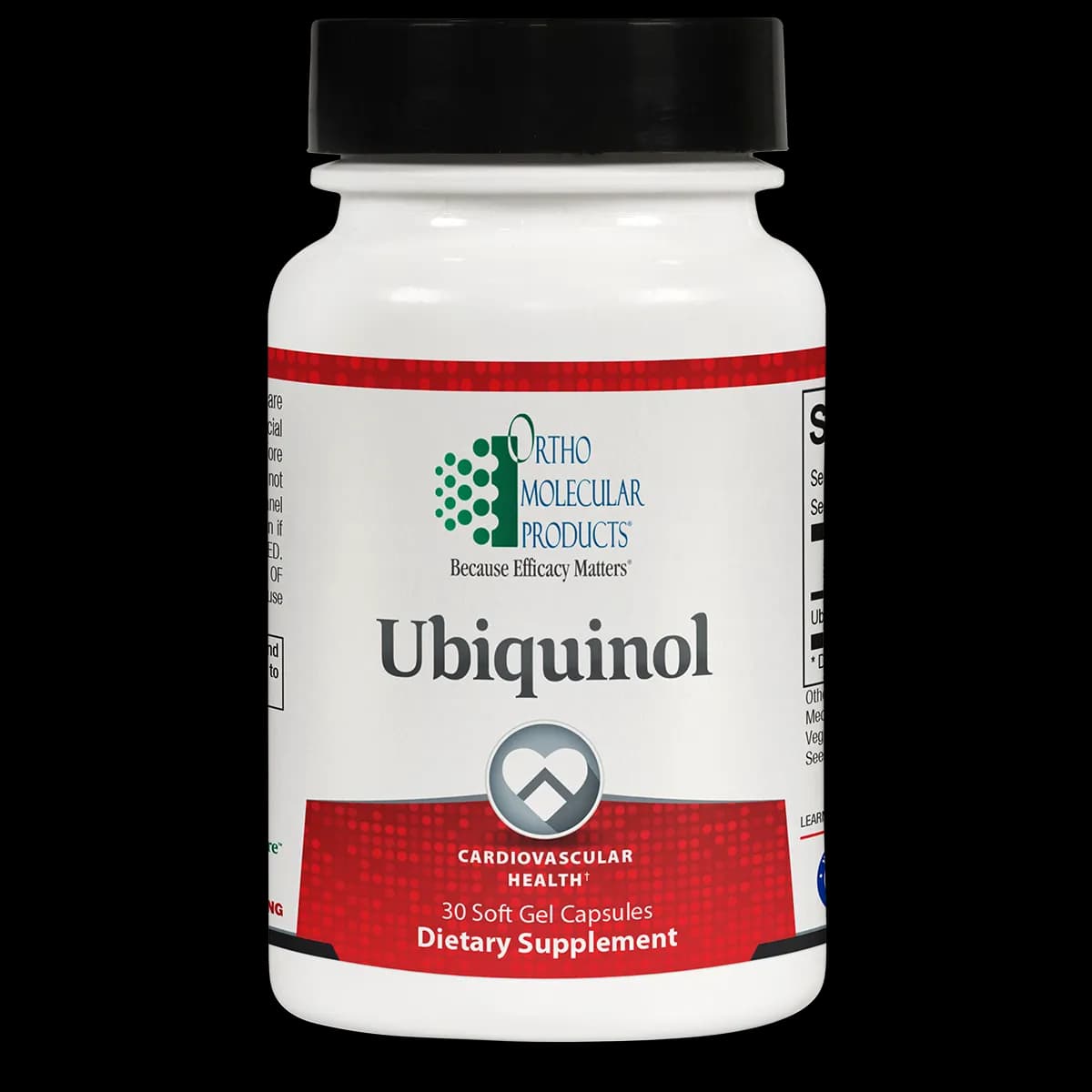
Clinical trials targeting post-viral fatigue, heart failure, and ME/CFS typically employ dosages ranging from 100 mg to 300 mg per day. The Ortho Molecular Ubiquinol formulation provides 100 mg of stabilized Kaneka Ubiquinol™ per softgel, allowing patients to easily scale their dosage under the guidance of a healthcare provider. Often, providers will recommend starting with a standard 100 mg dose to assess tolerance before gradually increasing to a higher therapeutic threshold if needed to manage severe POTS or PEM symptoms.
Ubiquinol boasts an exceptionally strong safety profile. Because it is a naturally occurring compound that the body produces internally, adverse side effects are rare and typically mild, occasionally including minor gastrointestinal upset if taken in very high doses without food. Furthermore, ubiquinol works synergistically with other mitochondrial support nutrients. Combining it with Alpha-Lipoic Acid (ALA), L-Carnitine, or Selenium can amplify its antioxidant and ATP-generating effects, creating a comprehensive cellular repair protocol.
Despite its safety, there are important clinical interactions to consider. Because ubiquinol may naturally help support healthy blood pressure and improve cardiovascular efficiency, it may have an additive effect when combined with prescription antihypertensive medications, potentially requiring dosage adjustments by a physician. Additionally, because its chemical structure is similar to Vitamin K, high doses of CoQ10 or ubiquinol can occasionally interact with blood-thinning medications like warfarin, altering their efficacy. Patients should always consult their healthcare provider before integrating ubiquinol into their regimen, especially if managing complex cardiovascular conditions.
Follow the Science
The scientific community has rigorously investigated the use of mitochondrial antioxidants to combat post-viral syndromes. One of the most compelling pieces of evidence emerged from the 2023 SpaCOVID Trial, which specifically evaluated the use of ubiquinol in Long COVID patients. In this study, patients undergoing rehabilitation were given 200 mg/day of ubiquinol. The researchers tracked endogenous CoQ10 levels and mitochondrial complex I-linked oxidative phosphorylation. The results were striking: the ubiquinol group showed a 68% increase of CoQ10 in platelets and a massive 232% increase in plasma. Clinically, approximately 62.8% of Long COVID symptoms disappeared in the ubiquinol group, demonstrating superior recovery compared to rehabilitation alone.
Conversely, a highly publicized trial from Aarhus University Hospital in 2023 tested a high dose (500 mg/day) of standard ubiquinone in Long COVID patients and found no significant reduction in fatigue severity compared to placebo. Medical reviewers analyzing this discrepancy highlighted that the Aarhus trial used the harder-to-absorb ubiquinone form, and a large portion of the cohort had metabolic impairments that likely hindered the enzymatic conversion to the active ubiquinol state. This underscores the critical importance of utilizing the bioavailable, pre-reduced form in chronically ill populations.
Further supporting the need for a multi-targeted approach, the Requpero observational study evaluated 174 patients with chronic COVID syndrome meeting ME/CFS criteria. Patients were given a combination of 200 mg of CoQ10 and 200 mg of Alpha-Lipoic Acid (ALA) daily. The synergistic treatment resulted in a dramatic improvement on the Fatigue Severity Scale, with 53.5% of the treated patients achieving a "complete response" (drastic reduction in fatigue), compared to only 3.5% in the control group.
In the realm of myalgic encephalomyelitis/chronic fatigue syndrome, the research on CoQ10 is extensive and foundational. A landmark Spanish clinical trial conducted by Castro-Marrero and colleagues evaluated the effects of 200 mg/day of CoQ10 combined with 20 mg/day of NADH in 73 ME/CFS patients over 8 weeks. The double-blind, placebo-controlled study found that the treatment group experienced a significant reduction in fatigue perception.
More importantly, the biochemical findings validated the mechanism of action: treated patients showed restored NAD+/NADH ratios and significantly increased levels of ATP. Crucially, the levels of lipoperoxides—a primary biomarker of oxidative stress and cellular membrane damage—were nearly cut in half compared to the placebo group. Ongoing research, such as the CoSeME Study, continues to explore these mechanisms by pairing CoQ10 with Selenium to modulate the hyperactive inflammatory immune response and reverse cardiovascular risk markers in ME/CFS patients.
Because dysautonomia and POTS heavily impact cardiovascular stability, the broader cardiological research on CoQ10 is highly relevant. The famous Q-SYMBIO randomized, double-blind, placebo-controlled trial evaluated 420 patients with moderate-to-severe heart failure, administering 300 mg/day of CoQ10 for two years. The results were paradigm-shifting: cardiovascular mortality dropped by a relative 43% in the CoQ10 group compared to the placebo, and the incidence of major adverse cardiac events was nearly halved.
While heart failure is distinct from POTS, the underlying principle of supporting myocardial energetics remains the same. Furthermore, a 2016 study published in BioFactors directly linked these cardiovascular benefits to autonomic regulation, finding that supplementing with active ubiquinol significantly improved autonomic nervous function and cognitive performance in patients suffering from chronic fatigue. This robust body of evidence solidifies ubiquinol's role as a critical tool for supporting the high-energy demands of the neuro-cardiovascular system.
The Path Forward
Living with invisible, complex chronic illnesses like Long COVID, ME/CFS, and dysautonomia is an incredibly frustrating journey. It is easy to feel dismissed by a medical system that often struggles to quantify the profound cellular exhaustion you experience every day. Understanding the science behind mitochondrial dysfunction and oxidative stress provides powerful validation: your symptoms are not in your head; they are rooted in the microscopic biochemistry of your cells. By targeting these specific pathways with bioavailable nutrients like ubiquinol, you are taking a scientifically grounded step toward cellular repair.
It is vital to maintain a realistic outlook on the healing process. While ubiquinol is a potent tool for restoring the ATP assembly line and neutralizing free radicals, no single supplement is a miracle cure for multi-systemic conditions. Healing damaged mitochondria takes time, consistency, and a comprehensive management strategy. Ubiquinol works best when combined with rigorous symptom tracking, aggressive rest, and strict adherence to pacing strategies to avoid triggering the oxidative stress that leads to post-exertional malaise.
As you navigate the complexities of chronic illness, building a supportive, knowledgeable healthcare team is essential. Always consult with your healthcare provider before introducing new supplements to ensure they align with your specific medical history and current medications. By combining targeted nutritional support with compassionate medical care, you can begin to rebuild your cellular resilience and improve your quality of life.
Sources
Novel biomarkers of mitochondrial dysfunction in Long COVID patients
Coenzyme Q10 and Alpha-Lipoic Acid in Chronic COVID Syndrome (Requpero Study)
Effect of Dietary Coenzyme Q10 Plus NADH Supplementation on Fatigue Perception in ME/CFS
Effect of CoQ10 Plus Selenium Supplementation in ME/CFS (CoSeME Study)
Towards a Better Understanding of the Complexities of ME/CFS and Long COVID
The potential therapeutic approaches targeting gut health in ME/CFS: a narrative review
Clinical Trial Data on Ubiquinol vs Ubiquinone Bioavailability