Can UA-X Pro Support Uric Acid Metabolism and Vascular Health in Long COVID and POTS?
March 6, 2026
UA-X ProUric AcidLong COVID
Share:
Disclaimer: The information provided here is for educational purposes only and is not intended as medical advice. It should not be used to diagnose, treat, cure, or prevent any medical condition. Instead, use it as a starting point for discussion with your healthcare provider. Always consult with a qualified healthcare provider before starting any new medication, supplement, device, or making changes to your health regimen.
Months or even years after recovering from the initial SARS-CoV-2 infection, many people still fight debilitating, unpredictable symptoms with what we call Long COVID. For those living with complex chronic conditions like Long COVID, myalgic encephalomyelitis/chronic fatigue syndrome (ME/CFS), mast cell activation syndrome (MCAS), and postural orthostatic tachycardia syndrome (POTS), the search for medical answers often leads to deep investigations into cellular metabolism and vascular health. Patients are frequently frustrated by standard blood panels that return "normal" results, despite feeling a profound, systemic lack of energy and severe autonomic dysfunction. One of the most overlooked yet critical physiological markers in this metabolic puzzle is uric acid. While historically associated primarily with joint conditions like gout, modern medical research has revealed that uric acid plays a profound, systemic role in endothelial function, oxidative stress, and the regulation of the autonomic nervous system.
When the body's energy production systems are under immense stress—as seen in the severe fatigue and post-exertional malaise (PEM) characteristic of Long COVID and ME/CFS—cellular breakdown accelerates at an alarming rate. This metabolic crisis leads to an overaccumulation of purines and, subsequently, a surge in uric acid production. This excess intracellular uric acid can severely damage the delicate inner lining of our blood vessels, known as the endothelium. This endothelial damage drives the severe vasoconstriction and poor microvascular blood flow that characterize many forms of dysautonomia. Understanding this biochemical cascade is crucial for patients seeking to manage the root causes of their symptoms rather than just applying temporary band-aids.
In this comprehensive guide, we explore how UA-X Pro, a meticulously crafted, synergistic blend of vitamin C, quercetin, tart cherry, celery seed, and luteolin, may help support healthy uric acid metabolism and promote vascular resilience. By targeting both the hepatic production and the renal excretion of uric acid, this targeted formulation addresses the complex biochemical loops that perpetuate chronic post-viral illness. We will dive deep into the molecular mechanisms of purine metabolism, examine the latest clinical trials, and provide actionable insights for integrating this supplement into a holistic, patient-centric management strategy for those navigating the challenging realities of complex chronic illnesses.
TL;DR
Uric acid acts as an antioxidant in blood but causes oxidative stress inside cells and blood vessels.
Elevated intracellular uric acid can drive endothelial dysfunction, worsening symptoms of Long COVID and POTS.
UA-X Pro blends botanicals and Vitamin C to support healthy uric acid metabolism and vascular function.
Targeted nutritional support may help manage fatigue, brain fog, and vascular health in complex chronic conditions.
What is UA-X Pro?
The Evolutionary Biology and Dual Nature of Uric Acid
To understand the profound impact of UA-X Pro, we must first explore the natural biological function of uric acid within the human body. Uric acid is the terminal end-product of purine metabolism. Purines, such as adenine and guanine, are fundamental nitrogenous building blocks of DNA, RNA, and adenosine triphosphate (ATP), the primary energy currency of our cells. When cells naturally turn over, or when ATP is rapidly consumed and degraded during physical or metabolic stress, these purines are broken down through a series of enzymatic steps. The final stages of this breakdown are catalyzed by an enzyme in the liver called xanthine oxidase (XO), which converts hypoxanthine into xanthine, and finally into uric acid.
Interestingly, humans and higher primates lack the enzyme uricase, which in other mammals breaks down uric acid into a highly soluble compound called allantoin. Because of this evolutionary loss, humans naturally maintain much higher circulating levels of uric acid than most other animals. In a healthy, balanced physiological state, this is actually highly beneficial. Within the blood plasma, uric acid acts as one of the body's most abundant and powerful circulating antioxidants, responsible for neutralizing more than half of the free radicals in the human bloodstream. It protects our cells from oxidative damage and supports a robust immune response.
However, uric acid exhibits a complex, paradoxical dual nature. While it is highly protective in the extracellular blood plasma, it becomes a highly destructive pro-oxidant when it accumulates inside the cells (intracellularly) or within the delicate endothelial cells lining the blood vessels. When uric acid levels become chronically elevated—a condition known as hyperuricemia—it triggers severe oxidative stress, systemic inflammation, and metabolic dysfunction. This delicate balance between antioxidant protection and pro-oxidant destruction is easily disrupted by chronic viral infections, metabolic syndrome, and the severe mitochondrial distress seen in complex chronic illnesses.
A Synergistic Blend for Comprehensive Metabolic Balance
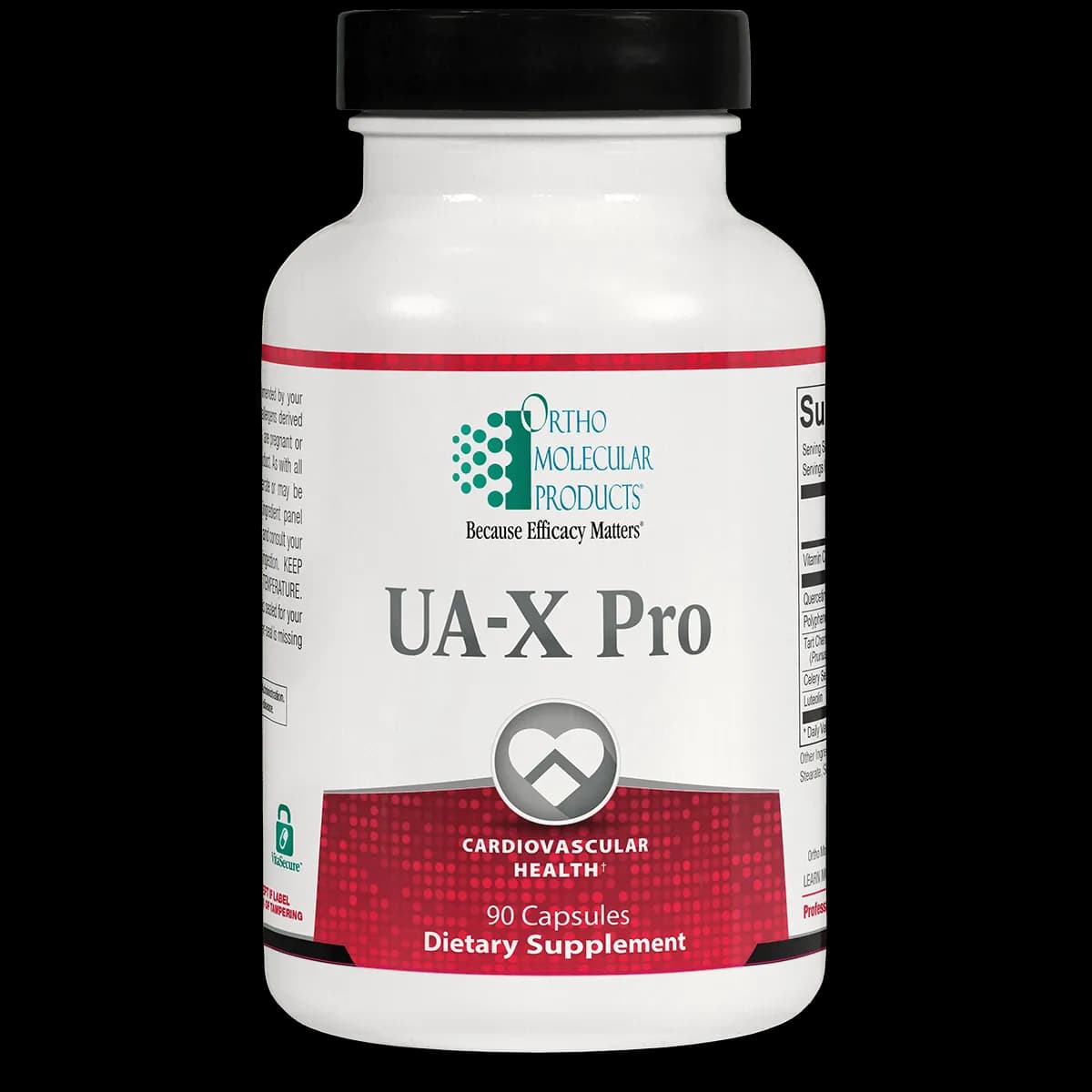
UA-X Pro by Ortho Molecular is a targeted, clinical-grade supplement specifically formulated to address this delicate metabolic balance. Rather than relying on a single mechanism, it utilizes a multi-pathway approach to regulate both the production and the excretion of uric acid. The formulation contains a synergistic blend of 500 mg of Vitamin C (as Ascorbic Acid USP), 500 mg of Quercetin Dihydrate, 300 mg of Apple Extract Polyphenols, 200 mg of Tart Cherry Extract, 200 mg of Celery Seed Extract, and 100 mg of Luteolin. Each of these botanical extracts and vitamins has been strategically selected based on robust clinical evidence demonstrating their ability to modulate specific enzymatic pathways in the liver and kidneys.
The primary goal of this formulation is to support the body's natural homeostatic mechanisms. The flavonoids in the blend, particularly quercetin and luteolin, are designed to interact directly with the hepatic enzyme xanthine oxidase, gently downregulating the overproduction of uric acid at the source. Simultaneously, the Vitamin C and tart cherry extract act on the renal system, stimulating specific urate transporters in the kidneys to enhance the physical excretion of excess uric acid through the urine. This dual-action approach—slowing production while accelerating clearance—provides comprehensive support for healthy uric acid metabolism without the harsh side effects often associated with aggressive pharmaceutical interventions.
The Critical Importance of Cardiometabolic Health
Elevated serum uric acid is no longer viewed merely as a risk factor for joint pain or gout; it is now universally recognized by the medical community as an independent, highly predictive biomarker of overall cardiometabolic health. According to extensive data from the National Health and Nutrition Examination Survey (NHANES), uric acid prevalence rates in the United States have climbed to approximately 20.2% in men and 20.0% in women. This rapid increase is closely intertwined with the rising rates of metabolic syndrome, insulin resistance, and cardiovascular disease. In the context of chronic illness, managing these levels is absolutely critical for protecting the cardiovascular system from the immense oxidative stress that uric acid generates in tandem with its production.
For patients navigating the complexities of post-viral syndromes, understanding the link between metabolism and vascular health is paramount. As we explore in our related article, Diabetes and Long COVID: A Pandemic Within a Pandemic, viral infections like SARS-CoV-2 can trigger profound metabolic disturbances that persist long after the acute infection has cleared. By proactively supporting healthy uric acid levels with targeted nutraceuticals like UA-X Pro, patients can help mitigate the downstream cardiometabolic fallout, protecting their endothelial function and laying a stronger foundation for systemic recovery.
How Long COVID and POTS Impact Uric Acid and Endothelial Function
The ATP Breakdown and Purine Accumulation Cycle
To understand why uric acid metabolism is so deeply relevant to complex chronic illnesses, we must look at the profound mitochondrial dysfunction that occurs in conditions like Long COVID and ME/CFS. Mitochondria are the microscopic powerhouses of our cells, responsible for generating ATP through a complex biochemical process known as the electron transport chain. When a patient suffers from severe fatigue and post-exertional malaise (PEM), it is not simply a matter of being "tired"; it is a systemic failure of cellular energy production. Viral damage, chronic inflammation, and immune dysregulation severely impair the mitochondria's ability to utilize oxygen efficiently, forcing the body into a state of metabolic crisis.
Groundbreaking research utilizing invasive cardiopulmonary exercise testing (iCPET), notably led by researchers like Dr. David Systrom, has provided concrete evidence of this dysfunction. These studies demonstrate that Long COVID and ME/CFS patients suffer from a profound "oxygen extraction defect." Even during mild physical exertion, their muscle tissues fail to extract oxygen from the bloodstream. Because aerobic metabolism is blocked, the cells are forced to switch to highly inefficient anaerobic metabolism. This desperate attempt to generate energy causes a rapid, massive breakdown of the cell's remaining ATP stores.
As ATP is rapidly consumed and degraded, it breaks down into a cascade of purine metabolites: first into adenosine, then into inosine, followed by hypoxanthine, and finally, it is oxidized by xanthine oxidase into massive amounts of uric acid. This metabolic cascade explains why patients experience such severe, delayed crashes after exertion. The body is literally cannibalizing its own energy reserves, flooding the system with purines and generating a massive spike in intracellular uric acid that drives systemic oxidative stress. You can learn more about the physiological realities of these crashes in our guide on Can Long COVID Trigger ME/CFS? Unraveling the Connection.
Endothelial Dysfunction and the Loss of Nitric Oxide
This sudden surge in intracellular uric acid has devastating, immediate consequences for the vascular endothelium—the single layer of delicate cells that lines the entire inner surface of our blood vessels. The endothelium is not just a passive pipe; it is a highly active, dynamic organ responsible for regulating blood pressure, immune cell trafficking, and blood clotting. A healthy endothelium relies heavily on the continuous production of nitric oxide (NO), a vital signaling molecule that tells the smooth muscles around the blood vessels to relax, allowing the vessels to dilate and blood to flow freely to the tissues.
When uric acid accumulates inside the endothelial cells, it acts as a highly destructive pro-oxidant. It directly interferes with the interaction between a critical enzyme called endothelial nitric oxide synthase (eNOS) and its regulatory protein, calmodulin. This biochemical interference causes a phenomenon known as "eNOS uncoupling." Instead of producing healthy, vasodilating nitric oxide, the uncoupled eNOS enzyme begins to produce large quantities of superoxide—a highly reactive and damaging free radical. This superoxide then rapidly combines with any remaining nitric oxide to form peroxynitrite, an even more toxic molecule that causes severe oxidative damage to the blood vessels.
The resulting systemic loss of bioavailable nitric oxide is the hallmark of endothelial dysfunction. Without NO to keep the blood vessels open and relaxed, the vascular system clamps down, leading to chronic, widespread vasoconstriction. This severely restricts microvascular blood flow, depriving the brain, muscles, and organs of the oxygen and nutrients they desperately need to function. This widespread vascular damage is a core component of the pathophysiology discussed in our comprehensive overview, What Causes Long COVID?.
The Connection to Low-Flow POTS and Autonomic Dysregulation
The severe endothelial dysfunction driven by uric acid and oxidative stress is particularly relevant for patients suffering from postural orthostatic tachycardia syndrome (POTS) and other forms of dysautonomia. POTS is a complex disorder of the autonomic nervous system characterized by an abnormal, rapid spike in heart rate upon standing. Recent clinical research has identified a specific, highly debilitating subtype known as Low-Flow POTS, which is heavily driven by the exact mechanisms of nitric oxide depletion and eNOS uncoupling described above.
In Low-Flow POTS, patients suffer from intense, chronic peripheral vasoconstriction. Because their blood vessels are clamped tightly shut due to the lack of nitric oxide, they experience reduced cardiac output and severely diminished regional blood flow, even when lying down completely flat. When they attempt to stand, the cardiovascular system cannot properly adjust, leading to severe dizziness, tachycardia, and pre-syncope. This creates a devastating, self-perpetuating vicious cycle: poor blood flow worsens tissue hypoxia (oxygen starvation), which triggers further ATP breakdown, generating even more uric acid, driving further oxidative stress, and causing even more intense vasoconstriction. Breaking this relentless cycle requires highly targeted interventions that support both purine metabolism and endothelial nitric oxide production.
UA-X Pro: Supporting Uric Acid Metabolism and Vascular Health
Inhibiting Uric Acid Production in the Liver
The botanical ingredients in UA-X Pro are strategically selected to intervene at multiple points within this destructive metabolic cycle. The first line of defense involves regulating the overproduction of uric acid at its source in the liver. Both quercetin and luteolin are potent, naturally occurring bioflavonoids that act as highly effective, competitive inhibitors of the enzyme xanthine oxidase (XO). Xanthine oxidase is the primary catalyst responsible for the final two steps of purine metabolism: converting hypoxanthine to xanthine, and xanthine to uric acid. By slowing down this enzyme, these flavonoids prevent the massive surges of uric acid that follow cellular energy breakdown.
At the molecular level, in vitro steady-state kinetic studies demonstrate that quercetin binds directly and competitively to the molybdenum center of the XO active site. This physical binding drastically reduces the enzyme's turnover rate, effectively putting the brakes on uric acid synthesis. Luteolin operates through a similar mechanism, interacting directly with the first-order amino acid residues within the active site pocket of the enzyme. This natural, plant-based inhibition provides a gentle, modulatory effect that lowers uric acid production without inducing the severe hypersensitivity reactions or renal toxicity that can sometimes accompany aggressive pharmaceutical XO inhibitors like allopurinol.
The inclusion of celery seed extract further amplifies this hepatic regulation. Celery seed has been utilized in traditional medicine for centuries and is exceptionally rich in active phytochemicals, including luteolin, apigenin, and 3-n-butylphthalide (3nB). Modern preclinical studies have shown that these specific compounds actively suppress the inflammatory signaling pathways in the liver while simultaneously inhibiting xanthine oxidase activity. By proactively slowing the synthesis of new uric acid, the celery seed extract in UA-X Pro helps prevent the intracellular accumulation that drives endothelial damage in chronic illness.
Accelerating Uric Acid Excretion in the Kidneys
While the flavonoids in UA-X Pro work to slow the production of new uric acid, the Vitamin C and tart cherry extract are specifically deployed to accelerate the physical excretion of existing, excess uric acid through the renal system. The kidneys play a critical role in maintaining uric acid homeostasis, constantly filtering it out of the blood and deciding how much to excrete in the urine versus how much to reabsorb back into the bloodstream. This delicate reabsorption process is controlled by specific anion-exchange transport proteins located in the proximal tubules of the kidneys, most notably Urate Transporter 1 (URAT1).
Vitamin C (ascorbic acid) acts as a powerful uricosuric agent by directly competing with uric acid at the apical brush border of these renal tubules. Through a process known as cis-inhibition, Vitamin C binds to the URAT1 transporters, effectively blocking uric acid from being reabsorbed back into the systemic circulation. Because the uric acid cannot re-enter the blood, the kidneys are forced to flush it out of the body through the urine. This mechanism provides a highly effective, natural pathway for clearing the systemic burden of hyperuricemia.
The tart cherry extract (Prunus cerasus) in the formulation works synergistically with Vitamin C to enhance this renal clearance. Tart cherry is exceptionally rich in specific polyphenols and anthocyanins that have been clinically shown to increase the fractional excretion of urate. Furthermore, these potent anthocyanins act directly on the kidneys to suppress the activation of the NLRP3 inflammasome—a critical protein complex that triggers severe, systemic inflammatory responses when exposed to high levels of uric acid. By combining Vitamin C and tart cherry, UA-X Pro ensures that excess uric acid is not only neutralized but actively removed from the body.
Restoring Endothelial Function and Nitric Oxide Production
Beyond its role in managing uric acid levels, the comprehensive formulation of UA-X Pro provides direct, profound support for the vascular endothelium itself. By successfully lowering the intracellular burden of uric acid, the supplement helps relieve the intense oxidative stress that causes eNOS uncoupling in the first place. This reduction in metabolic stress allows the endothelial cells to begin repairing themselves and restoring their natural, healthy functions.
Furthermore, the high-dose Vitamin C in the formula acts as a remarkably potent, systemic antioxidant. Clinical research has demonstrated that high levels of ascorbic acid can directly interfere with the destructive interaction between peroxynitrite and uric acid within the blood vessels. By scavenging these highly reactive free radicals, Vitamin C actively helps to "recouple" the eNOS enzyme. This recoupling is a critical physiological victory; it restores the body's ability to produce healthy, vasodilating nitric oxide. As nitric oxide levels rise, the blood vessels can finally relax and dilate, significantly improving microvascular blood flow and directly combating the severe vasoconstriction that drives the debilitating symptoms of POTS and Long COVID.

Symptoms UA-X Pro May Help Manage
Targeting the Downstream Effects of Metabolic Stress
By addressing the fundamental root causes of uric acid overproduction, renal underexcretion, and systemic endothelial dysfunction, UA-X Pro may help manage a wide array of complex, interconnected symptoms associated with chronic post-viral illnesses. While it is crucial to understand that no supplement is a definitive cure for conditions like Long COVID or ME/CFS, providing targeted, mechanistic support to these critical metabolic pathways can significantly improve daily functioning and overall quality of life.
Here is a detailed breakdown of the specific symptoms that the synergistic ingredients in UA-X Pro may help alleviate, and the physiological reasons why:
Post-Exertional Malaise (PEM) and Severe Fatigue: PEM is characterized by a profound, delayed exacerbation of symptoms following even minor physical or cognitive exertion. This crash is heavily driven by the rapid breakdown of ATP into purines and uric acid due to mitochondrial dysfunction. By utilizing quercetin and luteolin to inhibit xanthine oxidase, UA-X Pro helps blunt this massive surge in uric acid production. This reduces the subsequent wave of intracellular oxidative stress, potentially shortening the duration of crashes and protecting cellular integrity during periods of metabolic vulnerability.
POTS, Tachycardia, and Orthostatic Intolerance: The severe dizziness, rapid heart rate, and inability to stand comfortably seen in dysautonomia are frequently exacerbated by chronic peripheral vasoconstriction. The high-dose Vitamin C in UA-X Pro acts as a potent antioxidant that helps "recouple" the eNOS enzyme in the blood vessels. By restoring the production of vasodilating nitric oxide, the supplement promotes healthy, relaxed blood vessels, which may improve systemic blood flow, increase cardiac output, and alleviate the intense orthostatic stress experienced by patients with Low-Flow POTS.
Systemic Joint Pain and Muscular Aches: Chronically elevated uric acid levels can lead to the microscopic crystallization of urate within the joints and surrounding connective tissues, triggering severe, localized pain and inflammation. The tart cherry and celery seed extracts in the formulation are specifically included for their potent anti-inflammatory properties. By accelerating the renal excretion of uric acid and deploying high levels of soothing anthocyanins, these botanicals help dissolve these micro-crystals and suppress the activation of the NLRP3 inflammasome, providing targeted relief for widespread musculoskeletal pain.
Brain Fog and Cognitive Dysfunction: The cognitive impairment, memory issues, and lack of mental clarity frequently described as "brain fog" are heavily linked to neuroinflammation and poor cerebral perfusion (inadequate blood flow to the brain). Endothelial dysfunction restricts the microvascular networks that supply oxygen and vital nutrients to the neurological tissues. By promoting robust vascular health, reducing systemic oxidative stress, and restoring nitric oxide-driven vasodilation, UA-X Pro supports improved blood flow to the brain, which is essential for restoring sharp, clear cognitive function.
Mast Cell Activation and Histamine Intolerance: While not its primary mechanism, the ingredients in UA-X Pro offer secondary benefits for patients struggling with Mast Cell Activation Syndrome (MCAS). Both quercetin and luteolin are well-documented, powerful natural mast cell stabilizers. By inhibiting the release of histamine and other inflammatory cytokines from hyperactive mast cells, these flavonoids provide an additional layer of immunological support, helping to calm the systemic allergic-type reactions that frequently accompany Long COVID and dysautonomia.
Practical Considerations: Forms, Dosing, and Absorption
Dosage and Timing Strategies for Optimal Efficacy
The manufacturer's suggested use for UA-X Pro is 3 capsules per day, or as specifically recommended by your healthcare professional. When integrating a complex, multi-ingredient nutraceutical into your daily routine, understanding the pharmacokinetics—how the body absorbs, distributes, and clears the compounds—is essential for maximizing its therapeutic benefits. Because the active ingredients in this formulation, particularly Vitamin C and water-soluble flavonoids like quercetin, have relatively short half-lives in the human body (often clearing within a few hours), timing your dosage strategically can significantly impact its overall effectiveness.
Rather than taking all three capsules at once, it is generally highly beneficial to divide the dosage evenly throughout the day—for example, taking one capsule with breakfast, one with lunch, and one with dinner. This divided dosing strategy ensures a steady, continuous supply of xanthine oxidase inhibitors and uricosuric agents in your bloodstream. This continuous coverage is critical for preventing the sharp spikes in uric acid production that can occur after meals or following periods of physical exertion. Consistency is absolutely key; managing deeply entrenched metabolic dysfunction and restoring damaged endothelial health requires sustained, long-term support rather than sporadic or intermittent use.
Bioavailability and Absorption Tips
The bioavailability of natural plant extracts can vary significantly depending on your individual digestive health and how the supplement is consumed. Many of the potent botanical extracts in UA-X Pro, particularly the polyphenols found in quercetin, luteolin, and apple extract, are lipophilic (fat-soluble) compounds. This means they require the presence of dietary fats to be efficiently absorbed across the intestinal lining and into the systemic circulation. Taking your capsules alongside a meal or snack that contains healthy, high-quality fats—such as half an avocado, a handful of walnuts, or a drizzle of extra virgin olive oil—can dramatically enhance the intestinal absorption and systemic bioavailability of these crucial flavonoids.
Furthermore, because the Vitamin C and tart cherry extract in this formulation rely heavily on the renal system to physically flush excess uric acid out of the body, maintaining optimal, consistent hydration is absolutely non-negotiable. If you are dehydrated, your kidneys will naturally conserve water and reabsorb more uric acid back into the blood, completely negating the supplement's uricosuric effects. Patients, especially those managing POTS with high fluid requirements, must ensure they are drinking plenty of water and balanced electrolytes throughout the entire day to facilitate the efficient renal clearance of these metabolic waste products.
Safety, Contraindications, and Potential Interactions
While the natural ingredients in UA-X Pro are generally very well-tolerated with a high safety profile, there are several important clinical considerations and contraindications to be aware of. The most notable consideration involves the high dosage of Vitamin C. In the human body, large amounts of unabsorbed ascorbic acid can be metabolized into oxalate in the liver. In susceptible individuals, this increased oxalate load can significantly elevate the risk of developing calcium oxalate kidney stones. Patients with a known personal or family history of kidney stones, hyperoxaluria, or severe renal impairment should exercise caution and consult their nephrologist or primary care provider before initiating high-dose Vitamin C therapy.
Additionally, because the flavonoids in UA-X Pro actively inhibit the xanthine oxidase enzyme, they perform a very similar biochemical function to prescription gout medications such as allopurinol or febuxostat. Taking this supplement concurrently with these pharmaceutical drugs could potentially lead to an additive effect, driving uric acid levels too low or altering the metabolism of the medications. It is imperative to have a thorough, open discussion with your prescribing physician or a knowledgeable functional medicine practitioner before introducing UA-X Pro, ensuring it fits safely and synergistically into your comprehensive, individualized chronic illness management plan.

Follow the Science
Clinical Evidence on Xanthine Oxidase Inhibitors
The natural flavonoids utilized in UA-X Pro are supported by a robust, rapidly growing body of peer-reviewed clinical evidence demonstrating their efficacy in managing hyperuricemia. A landmark 2025 multi-cohort clinical study published in Frontiers in Nutrition provided compelling, real-world data on the hypouricemic effects of quercetin. The researchers analyzed the daily administration of 400 mg of highly bioavailable quercetin across multiple patient demographics. In the primary cohort of 164 healthy adults, the 90-day intervention resulted in a highly significant 15.2% reduction in serum uric acid in males and a 13.8% reduction in females. Furthermore, in cohorts suffering from underlying metabolic disorders, the quercetin supplementation not only lowered uric acid by 13.1% but concurrently drove a 10.2% drop in circulating triglycerides, powerfully highlighting its dual, systemic benefits for overall cardiometabolic health.
Luteolin, the other primary flavonoid in the formulation, has similarly demonstrated profound clinical efficacy. Rigorous randomized, placebo-controlled clinical trials evaluating luteolin-rich extracts have consistently shown that continuous, daily ingestion safely and effectively lowers baseline serum uric acid in subjects presenting with mild to moderate hyperuricemia. These studies confirm that luteolin acts as a potent, natural xanthine oxidase inhibitor, providing a highly viable, well-tolerated adjunctive therapy for preventing the accumulation of purine metabolites without the severe gastrointestinal or renal side effects commonly associated with traditional pharmaceutical interventions.
Research on Vitamin C and Tart Cherry for Renal Excretion
The uricosuric (uric acid-excreting) properties of Vitamin C are among the most thoroughly documented mechanisms in nutritional science. A major, highly cited meta-analysis of 13 randomized controlled trials involving 556 diverse participants definitively confirmed that a median dose of 500 mg/day of Vitamin C significantly reduces serum uric acid levels. The researchers concluded that Vitamin C achieves this by directly competing with the URAT1 transporters in the kidneys, forcing the body to excrete the excess urate. Furthermore, large-scale, 20-year prospective cohort studies have established a clear, dose-dependent inverse association between high Vitamin C intake and the long-term incident risk of developing severe hyperuricemia and gout.
Tart cherry extract has also been the subject of rigorous, modern clinical evaluation. A recent 2025 randomized, placebo-controlled clinical trial investigated the effects of a standardized tart cherry extract on healthy subjects. The participants were administered 500 mg per day for a duration of four weeks. At the conclusion of the 28-day study period, the researchers recorded a remarkable 37.4% reduction in circulating urate levels. Equally important for chronic illness patients, the intervention also drove a statistically significant 23% decrease in C-reactive protein (CRP), a primary, highly sensitive biomarker for systemic inflammation, validating the extract's potent dual-action capabilities.
The Endothelial Connection in Dysautonomia and POTS
Perhaps the most exciting area of emerging research connects these metabolic pathways directly to the autonomic nervous system and dysautonomia. The profound link between oxidative stress, uric acid, and vascular dysfunction is an area of active investigation.
Understanding these fundamental renal transport mechanisms is essential for grasping how the body maintains metabolic homeostasis. By regulating transporters like UT-A1, the kidneys efficiently manage the clearance of metabolic byproducts. While more research is needed to directly connect these specific renal pathways to systemic autonomic conditions like POTS, supporting the body's natural ability to clear metabolic waste remains a foundational component of managing oxidative stress and promoting overall vascular health.
The Path Forward
A Comprehensive, Holistic Approach to Vascular Health
Living with the unpredictable, invisible, and often debilitating symptoms of Long COVID, ME/CFS, or dysautonomia can be an incredibly frustrating and isolating experience. Validating the profound physiological reality of your symptoms—such as the severe metabolic stress, ATP breakdown, and endothelial dysfunction driving your daily fatigue—is the crucial first step toward effective, compassionate management. Supplements like UA-X Pro are meticulously designed to provide targeted, mechanistic support to these underlying biological pathways, but they are not magic bullets. They are most effective when intelligently integrated into a broader, highly comprehensive, and holistic care plan.
This comprehensive approach must include strict, disciplined pacing to avoid triggering the devastating ATP breakdown cycle that floods the body with purines. It requires maintaining high fluid and sodium intake to support blood volume in POTS, and utilizing detailed symptom tracking to truly understand your unique metabolic limits and triggers. By combining these essential lifestyle modifications with targeted nutraceutical support, you can begin to break the vicious cycles of oxidative stress and vasoconstriction, slowly rebuilding your cellular resilience and improving your daily quality of life. You can explore more strategies for daily management in our guide, How Can You Live with Long-Term COVID.
Next Steps in Your Chronic Illness Management Journey
As the global medical research community continues to unravel the incredibly complex, interconnected biological mechanisms behind Long COVID and metabolic health, addressing foundational biomarkers like uric acid offers a highly promising, scientifically grounded avenue for supporting vascular recovery. If you are continually struggling with severe, unexplained fatigue, debilitating orthostatic intolerance, or systemic joint pain, it may be highly beneficial to discuss your uric acid levels, endothelial health, and purine metabolism with your medical team.
Always consult with your primary healthcare provider, cardiologist, or functional medicine specialist before introducing any new supplements into your regimen. They can help you run the appropriate metabolic blood panels, evaluate potential medication interactions, and ensure that targeted therapies like UA-X Pro align perfectly with your specific medical needs and overarching treatment goals. By taking a proactive, science-based approach to your metabolic health, you can empower yourself to navigate the complexities of chronic illness with greater confidence and resilience.