Can a Targeted Multivitamin with Omega-3s Relieve Long COVID and ME/CFS Fatigue?
March 6, 2026
Long COVIDME/CFSDysautonomia
Share:
Disclaimer: The information provided here is for educational purposes only and is not intended as medical advice. It should not be used to diagnose, treat, cure, or prevent any medical condition. Instead, use it as a starting point for discussion with your healthcare provider. Always consult with a qualified healthcare provider before starting any new medication, supplement, device, or making changes to your health regimen.
Months or even years after an acute viral infection, many individuals find themselves battling a complex web of debilitating symptoms. Whether diagnosed with Long COVID, myalgic encephalomyelitis/chronic fatigue syndrome (ME/CFS), or dysautonomia, the daily reality often involves profound exhaustion, cognitive dysfunction, and an unpredictable heart rate. When your body is trapped in a cycle of chronic inflammation and cellular energy failure, recovering your baseline health can feel like an insurmountable mountain. But what if part of the answer lies in restoring the microscopic building blocks your cells desperately need to repair themselves?
In the wake of the COVID-19 pandemic, researchers have increasingly focused on how chronic viral illnesses deplete the body's foundational reserves. Conditions like Long COVID and ME/CFS are not merely states of being "tired"; they are characterized by measurable physiological disruptions, including mitochondrial impairment, endothelial dysfunction, and severe oxidative stress. Addressing these deep-seated imbalances requires more than a standard over-the-counter multivitamin. It requires a targeted, highly bioavailable approach to cellular nutrition. In this article, we will explore the science behind comprehensive micronutrient and omega-3 supplementation, detailing how specific compounds like magnesium malate, delta-tocotrienols, and specialized pro-resolving mediators can help support your body's complex recovery pathways.
TL;DR
Chronic viral illnesses like Long COVID deplete essential cellular nutrients and drive oxidative stress.
Targeted micronutrients and Omega-3s support mitochondrial repair and help manage neuroinflammation.
Highly bioavailable forms like magnesium malate and tocotrienols maximize absorption and cellular benefits.
Supplements should complement a comprehensive care plan including pacing and medical guidance.
What are Foundational Micronutrients and Omega-3s?
The Biochemical Role of Essential Vitamins and Minerals
To understand how a comprehensive nutritional foundation supports healing, we must first look at the microscopic engines inside our cells. Vitamins and minerals are not just inert substances; they are active, essential cofactors in thousands of enzymatic reactions that keep the human body functioning. For example, the B-vitamin complex—including thiamin, riboflavin, niacin, and folate—acts as the primary catalyst for the Krebs cycle (also known as the citric acid cycle). This biological pathway occurs inside the mitochondria, the powerhouses of our cells, where nutrients are converted into adenosine triphosphate (ATP), the universal currency of cellular energy. Without adequate B-vitamins, the enzymes that drive the Krebs cycle stall, leading to a severe bottleneck in ATP production and resulting in profound, systemic fatigue.
Minerals like zinc, selenium, and magnesium play equally critical roles, particularly in immune regulation and antioxidant defense. Zinc is required for the development and maturation of immune cells, while selenium is a vital component of glutathione peroxidase, one of the body's most powerful endogenous antioxidant enzymes. Magnesium is involved in over 300 biochemical reactions, including the stabilization of ATP molecules and the regulation of neurotransmitter release. In a healthy body, these micronutrients work in a delicate, synergistic symphony to maintain homeostasis, repair cellular damage, and keep the immune system functioning optimally without tipping into hyper-reactivity.
Omega-3 Fatty Acids and Lipid Membrane Integrity
Beyond water-soluble vitamins and minerals, the body requires structural fats to maintain the integrity of every single cell. Omega-3 polyunsaturated fatty acids (PUFAs), specifically eicosapentaenoic acid (EPA) and docosahexaenoic acid (DHA), are fundamental components of the phospholipid bilayer that forms the outer membrane of our cells. DHA is particularly concentrated in the brain and nervous system, where it maintains the fluidity of neuronal membranes, allowing for efficient neurotransmitter signaling. When cells are rich in Omega-3s, their membranes are flexible and highly functional, facilitating the smooth transport of nutrients in and waste products out.
More importantly, EPA and DHA are widely recognized as biochemical precursors to a class of signaling molecules known as Specialized Pro-resolving Mediators (SPMs). These include resolvins, protectins, and maresins. Unlike basic anti-inflammatory compounds that simply block inflammation, SPMs actively "resolve" the inflammatory response. They signal the immune system to clear out cellular debris, halt the migration of pro-inflammatory white blood cells, and initiate tissue repair. In a healthy state, this resolution phase ensures that an immune response to an injury or infection successfully concludes, helping to keep the body from remaining in a state of chronic, low-grade inflammation.
The Unique Power of Tocotrienols
When discussing cellular protection, Vitamin E is often mentioned, but it is rarely understood in its full complexity. Vitamin E is actually a family of eight distinct molecules: four tocopherols and four tocotrienols. Historically, most supplements have relied on alpha-tocopherol. However, tocotrienols possess a unique structural difference—an unsaturated isoprenoid side chain. This specific molecular tail allows tocotrienols to penetrate saturated fatty tissues, cell membranes, and organs like the brain and liver far more rapidly and effectively than standard tocopherols.
Because of this superior mobility within lipid membranes, studies have shown that tocotrienols provide up to 40 to 60 times higher antioxidant activity than alpha-tocopherol. They are particularly adept at neutralizing reactive oxygen species (ROS) before they can cause lipid peroxidation—the destructive oxidation of fats in the cell membrane. By acting as a highly potent, fat-soluble shield, tocotrienols protect the structural integrity of cells, safeguard mitochondrial DNA from oxidative damage, and help protect against the premature cellular death that drives many chronic disease states.
How Long COVID and ME/CFS Impact Cellular Health
Viral-Induced Nutrient Depletion and Oxidative Stress
When a virus like SARS-CoV-2 enters the body, it triggers a massive immune response that demands an extraordinary amount of metabolic energy and nutritional resources. In conditions like Long COVID and ME/CFS, this acute immune response fails to properly resolve, leaving the body in a state of chronic, simmering inflammation. This persistent immune activation acts like a biochemical vacuum, rapidly depleting the body's stores of essential vitamins and minerals. The constant production of pro-inflammatory cytokines generates massive amounts of reactive oxygen species (ROS), leading to severe oxidative stress. To neutralize this threat, the body burns through its antioxidant reserves, including Vitamin C, selenium, and glutathione, leading to a state of profound functional deficiency.
This oxidative stress directly damages the mitochondria. When the mitochondrial membranes are compromised by lipid peroxidation, the electron transport chain becomes "leaky," producing even more free radicals instead of ATP. This creates a vicious cycle: the body lacks the micronutrients needed to repair the mitochondria, and the damaged mitochondria lack the ability to produce the energy required to absorb and utilize nutrients effectively. This catastrophic failure of cellular energy production is a primary driver of the debilitating fatigue and post-exertional malaise (PEM) experienced by patients with ME/CFS and Long COVID.
Endothelial Dysfunction and Microvascular Starvation
One of the most significant discoveries in Long COVID research is the presence of widespread endothelial dysfunction. The endothelium is the delicate, one-cell-thick lining of our blood vessels. Recent research suggests that the SARS-CoV-2 virus, and the resulting immune cascade, can induce a state of "endothelial senescence," where these cells become dysfunctional and secrete a toxic mix of pro-inflammatory and pro-coagulant factors. This leads to the formation of microscopic blood clots (microclots) and the narrowing of capillaries.
When the microvascular system is compromised, tissues and organs are starved of oxygen and vital nutrients, regardless of how healthy a patient's diet might be. This phenomenon, known as tissue hypoxia, forces cells to rely on anaerobic metabolism, a highly inefficient process that generates lactic acid as a byproduct. The buildup of lactic acid in the muscles contributes to the heavy, aching muscle pain and rapid physical exhaustion that patients experience even after minimal exertion. Furthermore, damaged endothelial cells lose their ability to produce adequate nitric oxide (NO), a crucial molecule that tells blood vessels to dilate and allow for proper blood flow.
Neuroinflammation and Autonomic Dysregulation
The impact of chronic viral illness extends deep into the central nervous system. Pro-inflammatory cytokines can cross the blood-brain barrier, triggering the activation of microglia, the brain's resident immune cells. Once activated, microglia release neurotoxic substances that disrupt neuronal communication and cause chronic neuroinflammation. This inflammatory state in the brain is heavily linked to the severe cognitive dysfunction, memory loss, and "brain fog" that plague so many patients. It also disrupts the Hypothalamic-Pituitary-Adrenal (HPA) axis, the system responsible for managing the body's stress response and hormone production.
This neuroinflammation frequently damages or disrupts the autonomic nervous system, leading to dysautonomia and conditions like Postural Orthostatic Tachycardia Syndrome (POTS). In POTS, the autonomic nervous system fails to properly regulate blood vessel constriction when a person stands up. Blood pools in the lower extremities, and the heart races wildly to compensate and pump blood back to the brain. This autonomic neuropathy is exacerbated by the depletion of Omega-3 fatty acids and B-vitamins, which are necessary for maintaining the myelin sheath (the protective coating around nerves) and ensuring smooth, coordinated nerve signaling throughout the body.
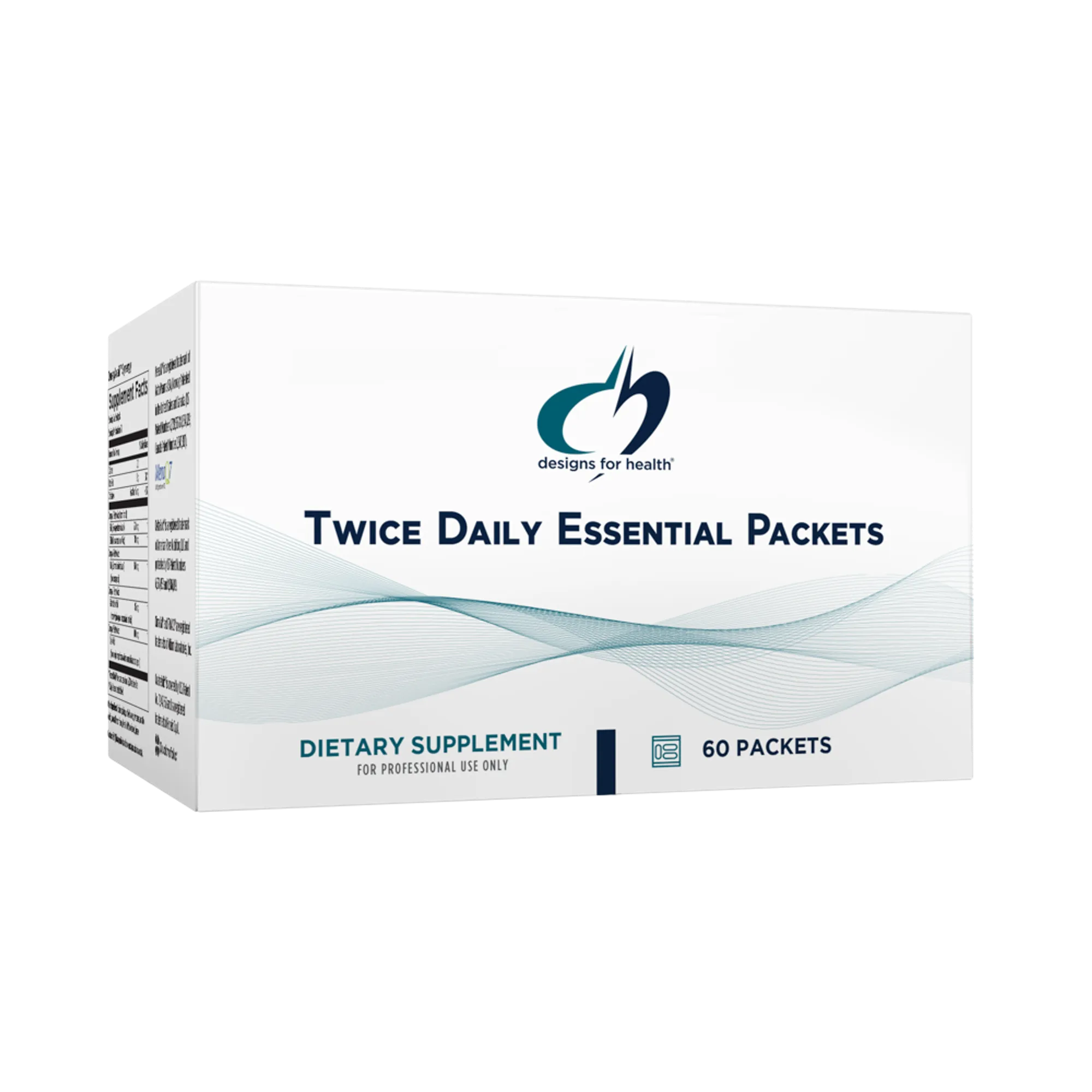
Twice Daily Essential Packets: Supporting Recovery Pathways
Restoring ATP with Magnesium and Calcium Malate
To combat the profound energy deficits seen in complex chronic illnesses, supplementation must directly target mitochondrial ATP production. This is where the specific forms of minerals become crucial. Magnesium malate and calcium malate are created by binding elemental minerals to malic acid. Malic acid is not just a carrier; it is a vital organic compound that acts as a primary catalyst in the Krebs cycle. By providing both the mineral (which activates necessary enzymes) and the malate (which actively drives the cycle forward), these compounds directly fuel cellular energy metabolism.
Pharmacokinetic studies have demonstrated that magnesium malate yields the highest Area Under the Curve (AUC) in serum compared to other forms, meaning it remains at therapeutic levels in the bloodstream for an extended period. In the context of ME/CFS and Long COVID, this sustained delivery of magnesium and malic acid helps clear accumulated lactate from muscle tissue, accelerating recovery and delaying the onset of exercise-induced physical fatigue. Furthermore, highly bioavailable calcium malate supports proper muscle contraction, helping to reduce the risk of spasms and neuromuscular exhaustion that often accompany dysautonomia.
Calming Dysautonomia with Omega-3s and Lipase
Addressing the autonomic neuropathy and neuroinflammation of Long COVID requires robust support for lipid membrane repair. High-dose supplementation with EPA and DHA provides the raw materials the body needs to produce Specialized Pro-resolving Mediators (SPMs). These resolvins and protectins actively cross the blood-brain barrier to quiet hyperactive microglia, enhancing the clearance of metabolic waste from the brain via the glymphatic pathway. This mechanism is theorized to be a primary way Omega-3s help alleviate persistent brain fog and neuro-fatigue.
Crucially, Omega-3s have shown direct benefits for autonomic dysfunction. By regulating neurotransmitter transmission via lipid rafts in cell membranes, Omega-3s help soothe the erratic signaling of the autonomic nervous system. To ensure these fatty acids are actually utilized, formulations that include lipase—the specific digestive enzyme responsible for breaking down dietary fats—are highly beneficial. Lipase ensures that the Omega-3s are properly emulsified and absorbed in the intestinal tract, maximizing their bioavailability even in patients who may have compromised gut function or mast cell activation syndrome (MCAS) affecting their digestion.
Quenching Oxidative Stress with DeltaGold Tocotrienols
To halt the vicious cycle of mitochondrial damage, the body requires an antioxidant powerful enough to stop lipid peroxidation in its tracks. DeltaGold® tocotrienols, derived from the annatto plant, provide a unique, tocopherol-free source of delta and gamma tocotrienols. Because they are unhindered by alpha-tocopherol (which can sometimes compete for absorption), these tocotrienols rapidly integrate into the mitochondrial membranes. Recent 2026 research from Tohoku University has highlighted that tocotrienols are uniquely capable of helping to protect against ferroptosis, a form of iron-dependent cell death driven by severe lipid oxidation that is heavily implicated in chronic disease and organ injury.
By heavily suppressing the nuclear factor-κB (NF-κB) signaling pathway—the master regulator of inflammation—tocotrienols reduce the circulation of pro-inflammatory cytokines. Other literature suggests targeted tocotrienol supplementation can result in a massive decrease in urine 8-OHdG, a primary biomarker of oxidative DNA damage. For patients with Long COVID, this profound antioxidant capacity helps shield the delicate endothelial cells from further damage, allowing the vascular system space to heal and restore proper blood flow to oxygen-starved tissues.
Methylated B-Vitamins for Neurological Repair
Finally, the nervous system requires specific, active forms of B-vitamins to repair myelin and synthesize neurotransmitters. Many individuals have genetic variations (such as the MTHFR mutation) that prevent them from efficiently converting standard folic acid or cyanocobalamin into their active forms. Utilizing pre-methylated forms, such as Quatrefolic® (5-methyltetrahydrofolate) and Methylcobalamin (active B12), bypasses these genetic bottlenecks. These active vitamins immediately enter the methylation cycle, a biochemical pathway critical for DNA repair, the detoxification of homocysteine, and the production of serotonin and dopamine, thereby supporting both cognitive clarity and mood stability during the grueling recovery process.

Symptoms This Comprehensive Blend May Help Manage
When utilizing a comprehensive blend of bioavailable vitamins, chelated minerals, omega-3s, and tocotrienols, patients may experience support for a variety of complex symptoms:
Profound Fatigue and PEM: By supplying magnesium malate and active B-vitamins directly to the mitochondria, this combination supports the Krebs cycle, enhancing ATP production and helping to clear muscle-aching lactic acid after exertion.
Brain Fog and Cognitive Dysfunction: Omega-3 fatty acids (EPA/DHA) support the fluidity of neuronal membranes and generate pro-resolving mediators that help clear neuroinflammation, while methylated B12 and folate support neurotransmitter synthesis for improved focus.
POTS and Tachycardia: Omega-3s help regulate autonomic nervous system signaling and stabilize heart rates, while highly absorbable calcium malate supports smooth, coordinated muscle and vascular contractions.
Muscle Pain and Spasms: Magnesium malate is clinically recognized for its ability to soothe neuromuscular excitability, reducing the frequency of muscle spasms and the deep tissue pain often seen in fibromyalgia and ME/CFS.
Immune Dysregulation: Meaningful doses of Vitamin D, zinc, and selenium provide the necessary cofactors for immune cells to function properly, helping to balance the immune response and support balanced inflammatory responses.
Endothelial and Vascular Issues: Delta-tocotrienols provide massive antioxidant protection against lipid peroxidation, defending the delicate endothelial lining of blood vessels from the oxidative stress that drives microclotting and poor circulation.
Practical Considerations: Forms, Dosing, and Absorption
The Importance of Bioavailable Forms
When dealing with chronic illness, the digestive tract is often compromised, making standard, inexpensive supplement forms virtually useless. The efficacy of a multivitamin relies entirely on its bioavailability—how much of the active ingredient actually reaches your bloodstream and cells. This is why the use of TRAACS® (The Real Amino Acid Chelate System) minerals is so vital. By binding trace minerals like zinc, manganese, and chromium to amino acids (glycine), the minerals are recognized by the body as proteins and are easily absorbed through the intestinal wall, bypassing the usual digestive bottlenecks that cause stomach upset.
Similarly, the use of malate forms for macro-minerals is a game-changer. Standard magnesium oxide is notoriously poorly absorbed and often acts merely as a laxative. Magnesium malate, however, remains highly soluble in the digestive tract and provides extended therapeutic serum levels. The inclusion of Vitamin K2 (as MenaQ7® Full Spectrum) ensures that the highly bioavailable calcium is directed exactly where it belongs—into the bones—rather than calcifying in the arteries or soft tissues, which is a common risk with cheap calcium supplements.
Enhancing Lipid Absorption with Lipase
Omega-3 fatty acids are incredibly beneficial, but they are notoriously difficult for some patients to digest, often resulting in unpleasant "fish burps" or gastrointestinal distress. This occurs when the body fails to properly emulsify the fats. The OmegAvail™ Synergy complex addresses this by including lipase, the specific digestive enzyme required to break down lipids. By pre-packaging the enzyme with the fatty acids, the supplement ensures that the EPA and DHA are efficiently cleaved and absorbed into the lymphatic system, maximizing their therapeutic potential for neuroinflammation and dysautonomia.
Dosing Timing and Potential Interactions
For optimal absorption, Twice Daily Essential Packets are designed to be split into two doses, typically taken with meals. Taking them with food—particularly meals containing a small amount of healthy fat—further enhances the absorption of the fat-soluble vitamins (A, D, K, and the tocotrienols) and the Omega-3s. Splitting the dose also ensures a steady, continuous supply of water-soluble B-vitamins and Vitamin C throughout the day, as the body cannot store these and will excrete any excess.
While generally very safe, patients should be aware of potential interactions. High doses of Omega-3s and Vitamin E can have a mild blood-thinning effect, so individuals on prescription anticoagulants (like warfarin) should consult their doctor. Additionally, those taking medications for diagnosing or managing Long COVID thyroid conditions should space their mineral supplements away from their thyroid medication to help avoid absorption interference. Always consult with your healthcare provider before beginning a new foundational regimen.

Follow the Science
Clinical Trials on Micronutrients and Fatigue
The scientific community is increasingly validating the use of targeted micronutrients for post-viral syndromes. A prominent 2023 review on the complexities of ME/CFS and Long COVID highlights the need for targeted therapies, while other trials have investigated the use of L-arginine combined with liposomal Vitamin C for Long COVID patients with persistent fatigue. By the end of the 28-day trial, the active group showed significant improvements in the 6-minute walk test and handgrip strength. Astonishingly, only 8.7% of the supplemented participants still reported persistent fatigue, compared to 80.1% in the placebo group, highlighting the power of antioxidant therapy in restoring endothelial function.
Furthermore, other research has evaluated high-dose Vitamin D supplementation in Long COVID patients. The researchers found that correcting Vitamin D deficiency led to statistically significant improvements in subjective fatigue, anxiety, and cognitive function (brain fog). Similarly, an open-label trial by van Campen et al. (2019) demonstrated that high-dose, highly absorbable Vitamin B12 allowed 66% of ME/CFS patients to be classified as "responders," showing increased daily step counts and significantly lowered fatigue scores.
Omega-3s in Pediatric and Adult POTS
The cardiovascular benefits of Omega-3s are well-documented, but their specific application for dysautonomia is a breakthrough area of research. A milestone 2023 study published in Children investigated treatments for adolescents who developed POTS or Inappropriate Sinus Tachycardia (IST) following a COVID-19 infection. The researchers found that Omega-3 fatty acid supplementation significantly reduced the characteristic heart rate spikes experienced upon standing. In fact, the heart rate increase was curbed to an average of 25.6 bpm, making the Omega-3 intervention highly competitive with pharmaceutical treatments like low-dose propranolol and ivabradine.
Tocotrienols and Oxidative Damage
The profound antioxidant capacity of DeltaGold tocotrienols has been proven in numerous clinical settings. Other literature has evaluated DeltaGold in postmenopausal women experiencing high oxidative stress. The tocotrienol intervention resulted in a massive 49% decrease in urine 8-OHdG, a highly reliable biomarker of oxidative DNA damage. By suppressing this systemic oxidative stress, the tocotrienols actively protected the patients' cellular and bone health, demonstrating their vital role in combating the "inflammaging" processes that mirror the chronic inflammation seen in ME/CFS and Long COVID.
The Path Forward
Building a Foundation for Healing
Living with a complex chronic illness like Long COVID, ME/CFS, or dysautonomia is an exhausting, daily battle. When your body feels like it is constantly running on empty, it is easy to feel overwhelmed by the sheer number of symptoms you are trying to manage. It is important to validate that your exhaustion is not in your head—it is the result of measurable, physiological disruptions at the cellular level. While there is no single magic pill that can instantly resolve these conditions, providing your body with the precise, highly bioavailable nutrients it needs to repair its mitochondria, soothe its nervous system, and quench oxidative stress is a critical step in the right direction.
Comprehensive Care and Next Steps
Supplements like Twice Daily Essential Packets are designed to be the bedrock of your nutritional strategy, removing the guesswork and pill fatigue of managing a dozen different bottles. However, true recovery requires a comprehensive, multi-disciplinary approach. Foundational nutrition must be paired with aggressive rest, strict pacing to avoid PEM, nervous system regulation techniques, and the guidance of a medical professional who understands complex chronic illness. Always consult your healthcare provider before starting any new supplement regimen to ensure it aligns with your specific lab results and medications.