Can TruFerra Iron Supplementation Alleviate Severe Fatigue in Long COVID and POTS?
March 6, 2026
TruFerraIron SupplementLong COVID
Share:
Disclaimer: The information provided here is for educational purposes only and is not intended as medical advice. It should not be used to diagnose, treat, cure, or prevent any medical condition. Instead, use it as a starting point for discussion with your healthcare provider. Always consult with a qualified healthcare provider before starting any new medication, supplement, device, or making changes to your health regimen.
Months or even years after a mild viral infection, many people find themselves fighting a daily battle against debilitating symptoms like profound fatigue, racing heart rates, and severe brain fog. For those living with complex chronic conditions such as Long COVID, myalgic encephalomyelitis/chronic fatigue syndrome (ME/CFS), postural orthostatic tachycardia syndrome (POTS), and mast cell activation syndrome (MCAS), the search for answers can be incredibly frustrating. You might be told by your healthcare provider that your routine blood work looks completely normal, yet you can barely stand up in the shower without feeling faint. This disconnect between standard laboratory results and your lived reality is a hallmark of these invisible illnesses, and it often points to deeper, functional dysregulations at the cellular level.
One of the most critical yet frequently misunderstood pieces of this complex puzzle is iron metabolism. Iron is an essential mineral that dictates how our bodies transport oxygen, generate cellular energy, and regulate immune responses. However, in the context of chronic illness, the body's relationship with iron becomes highly complicated. Viral infections, chronic inflammation, and immune dysfunction can alter how iron is absorbed, stored, and utilized, leading to a state of cellular starvation even if your total body iron appears adequate on paper. In this comprehensive guide, we will explore the intricate science of iron metabolism, how conditions like Long COVID and POTS disrupt these vital pathways, and how specialized supplementation with TruFerra Blister Packs can help safely restore your body's iron levels without the severe gastrointestinal distress associated with traditional iron pills.
TL;DR
Iron deficiency drives severe fatigue and autonomic dysfunction in chronic illnesses like Long COVID and POTS.
Standard iron pills often cause severe gut irritation and are poorly absorbed by the body.
TruFerra uses a patented matrix to bypass the stomach, supporting better absorption and minimizing side effects.
Restoring iron levels may help support energy production, cognitive function, and mast cell stability.
What is Iron and How Does TruFerra Work?
The Essential Role of Iron in Cellular Respiration
To truly understand why iron is so vital for individuals battling chronic fatigue, we must first look at its role at the microscopic level inside our cells. Iron is a fundamental trace mineral that acts as a critical co-factor in the production of adenosine triphosphate (ATP), the primary energy currency of the human body. This energy production occurs within the mitochondria, the microscopic powerhouses located inside almost every cell. The mitochondria rely on a complex sequence of biochemical reactions known as the electron transport chain to generate ATP. Iron is an indispensable structural component of the cytochrome enzymes that make up this chain, specifically within Complexes I, II, and III. Without adequate intracellular iron, electrons cannot flow efficiently through these complexes, leading to a drastic reduction in cellular energy output and the onset of profound, systemic exhaustion.
Beyond its structural role in the electron transport chain, iron is also inherently highly reactive, possessing a strong redox potential. This means it can easily transition between different chemical states, specifically the ferrous (Fe2+) and ferric (Fe3+) states. This unique chemical flexibility allows iron to facilitate the transfer of electrons during cellular respiration. However, this same reactivity means that free, unbound iron can be dangerous, generating oxidative stress and damaging cellular structures. Therefore, the human body has evolved intricate, highly regulated mechanisms to safely absorb, transport, and store iron, ensuring it is delivered precisely where it is needed without causing collateral damage to surrounding tissues.
Hemoglobin, Myoglobin, and Oxygen Transportation
While mitochondrial energy production is crucial, the most well-known function of iron is its central role in oxygen transportation. Approximately 70 percent of the total iron in a healthy human body is found within hemoglobin, the complex protein inside circulating red blood cells. Hemoglobin is responsible for binding to oxygen in the lungs and carrying it through the bloodstream to every tissue and organ in the body. The iron atom at the center of the hemoglobin molecule is what physically binds to the oxygen. When iron levels are depleted, the body cannot produce adequate amounts of healthy, fully functioning red blood cells, leading to a state of hypoxia, or oxygen deprivation, at the tissue level. This lack of oxygen delivery is a primary driver of the shortness of breath, dizziness, and muscle weakness frequently experienced by patients with chronic illness.
In addition to hemoglobin, about 10 percent of the body's iron is utilized in the formation of myoglobin. Myoglobin is a specialized protein found primarily in skeletal and cardiac muscle tissues. Its primary function is to accept oxygen from hemoglobin and store it within the muscle cells for immediate use during physical exertion. For individuals living with conditions like ME/CFS, where post-exertional malaise (PEM) is a defining symptom, the health of myoglobin is incredibly important. When myoglobin lacks sufficient iron, the muscles are rapidly depleted of oxygen during even minor physical activities, such as walking up a flight of stairs or taking a shower. This rapid oxygen depletion contributes significantly to the heavy, leaden feeling in the limbs and the severe physical crashes that characterize PEM.
The TruFerra Difference: Bypassing the Stomach
When a patient is diagnosed with iron deficiency, the standard medical protocol is to prescribe oral iron supplements, most commonly in the form of ferrous sulfate. Ferrous sulfate is highly concentrated and theoretically highly bioavailable. However, it comes with a massive clinical drawback: it is notoriously harsh on the gastrointestinal (GI) tract. When standard ferrous sulfate enters the highly acidic environment of the stomach, it rapidly oxidizes from its absorbable ferrous state (Fe2+) into an insoluble ferric state (Fe3+). This oxidized iron cannot be easily absorbed by the intestines, leaving large amounts of free iron to linger in the gut. This unabsorbed iron triggers severe oxidative stress, inflammation, and feeds pathogenic gut bacteria, resulting in debilitating side effects like severe nausea, abdominal cramping, and constipation. In fact, clinical research indicates that up to 80 percent of patients experience these GI side effects, leading to a 50 percent early discontinuation rate.
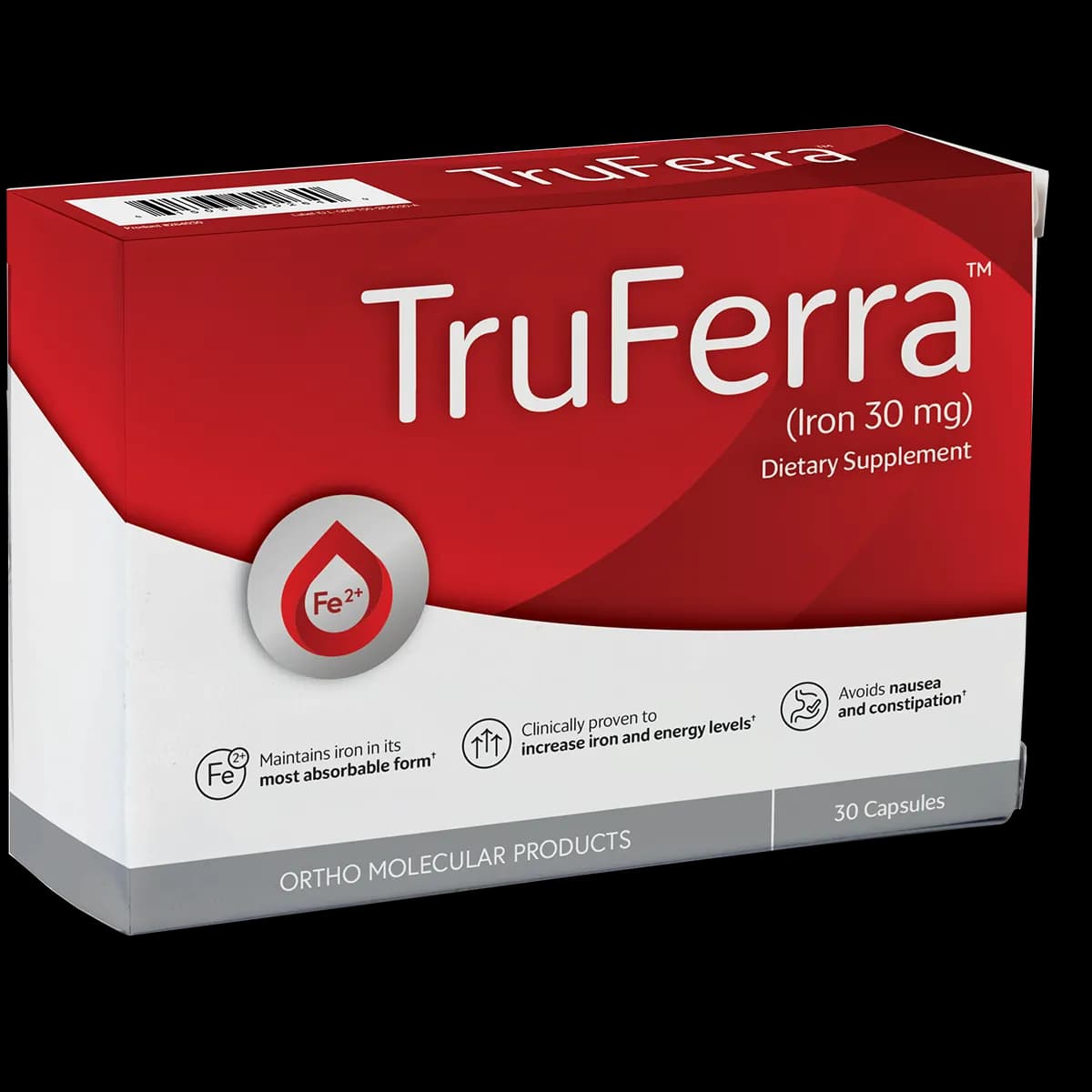
This is where TruFerra Blister Packs represent a significant medical advancement. Formulated by Ortho Molecular Products, TruFerra utilizes a patented micro-encapsulation technology known as the ST1406A® matrix. This specialized formula acts as a protective shield around the ferrous sulfate, preventing it from breaking down and oxidizing in the harsh acid of the stomach. Instead, the iron remains stabilized in its ideal, highly absorbable ferrous (Fe2+) state until it reaches the duodenum, the specific section of the upper small intestine where the body naturally absorbs iron. By targeting the body's natural site of absorption and bypassing the stomach entirely, TruFerra delivers enhanced bioavailability while virtually eliminating the gastric irritation, nausea, and constipation that make traditional iron supplements so difficult to tolerate.
How Long COVID and Chronic Illness Impact Iron Levels
Inflammatory Iron Sequestration in Long COVID
The pathophysiology of Long COVID involves a complex interplay of immune dysregulation, persistent viral persistence, and chronic inflammation. One of the most significant ways this systemic inflammation impacts the body is through the disruption of iron metabolism. During an acute viral infection like SARS-CoV-2, the immune system mounts a defense mechanism known as nutritional immunity. The body intentionally attempts to starve the invading virus of the iron it needs to replicate. It achieves this by releasing a surge of inflammatory cytokines, particularly Interleukin-6 (IL-6), which in turn signals the liver to produce high amounts of a hormone called hepcidin. Think of hepcidin as a strict gatekeeper; it blocks the absorption of new iron from the gut and traps existing iron inside storage proteins called ferritin within the macrophages.
In a healthy immune response, this iron sequestration is temporary. However, in Long COVID, the immune system fails to reset, leading to a chronic state of elevated hepcidin. This creates a condition known as inflammatory anemia or the anemia of chronic disease. Even if the patient has plenty of total iron stored in their body, that iron is locked away in ferritin and unavailable for use. The red blood cells are starved of the iron they need to transport oxygen, and the mitochondria are deprived of the iron required to make ATP. This is why many Long COVID patients experience profound, suffocating fatigue and exercise intolerance despite having "normal" or even elevated ferritin levels on standard blood tests. Furthermore, recent large-scale surveys from the UK have revealed that Long COVID causes excess inflammation of the uterine lining, leading to significantly heavier and longer menstrual periods, putting female patients at a severe risk for absolute iron deficiency on top of their inflammatory iron sequestration.
The "Ferritin Paradox" in ME/CFS
Myalgic encephalomyelitis/chronic fatigue syndrome (ME/CFS) is a devastating neuroimmune condition characterized by post-exertional malaise, unrefreshing sleep, and profound autonomic dysfunction. The relationship between ME/CFS and iron is highly complex, often described by researchers as a "ferritin paradox." On one hand, absolute iron deficiency (hypoferritinemia) is incredibly common in the ME/CFS population. Intracellular pathogens, such as certain reactivated viruses or bacteria that are often implicated in triggering ME/CFS, can hijack the host's iron stores for their own replication. This leaves the patient's cells severely depleted of the iron necessary to maintain basic neurological and muscular function. For these patients, correcting the iron deficit is a crucial step in managing their debilitating fatigue.
Conversely, a subset of patients—particularly those who developed ME/CFS as a direct result of COVID-19—exhibit pathologically high levels of ferritin (hyperferritinemia). A 2023 clinical study analyzing Long COVID patients found that those whose fatigue was severe enough to meet the diagnostic criteria for ME/CFS had massively elevated serum ferritin levels, averaging 193.0 µg/L compared to just 86.7 µg/L in fully recovered patients. In this context, the high ferritin is not a sign of healthy, robust iron stores. Instead, it acts as a glaring biomarker of chronic immune system activation, oxidative DNA damage, and severe endocrine dysregulation. This paradox highlights why standard, surface-level blood tests are often insufficient for diagnosing the true nature of cellular starvation in complex chronic illnesses.
MCAS, Gut Dysfunction, and Iron Depletion
Mast cell activation syndrome (MCAS) is a condition where the body's mast cells—key players in the immune system's allergic response—become overly sensitive and activate inappropriately, releasing a flood of inflammatory mediators like histamine, leukotrienes, and cytokines. The relationship between MCAS and iron is a vicious, bidirectional cycle. First, the medical management of MCAS often inadvertently causes iron deficiency. Patients frequently rely on H2 antihistamines (like famotidine) and proton pump inhibitors to manage gastrointestinal symptoms and acid reflux. These medications drastically reduce stomach acid production. Because stomach acid is strictly required to cleave dietary iron into an absorbable state, long-term use of these drugs leads to severe malabsorption of iron and other vital nutrients.
Furthermore, the chronic release of mast cell mediators damages the delicate mucosal lining of the gastrointestinal tract. This leads to localized inflammation (duodenitis) and rapid transit times, meaning food and supplements move through the digestive system too quickly to be properly absorbed. Compounding the issue, many MCAS patients are forced to adopt highly restrictive, low-histamine diets to help manage severe allergic flares. Unfortunately, these diets often require the elimination of heavily iron-rich foods, such as aged meats, certain beans, and spinach, as well as citrus fruits rich in Vitamin C, which is necessary for iron absorption. This combination of medically induced low stomach acid, gut inflammation, and dietary restriction makes iron deficiency almost inevitable for many individuals battling severe MCAS.
TruFerra: Supporting Energy, Oxygenation, and Autonomic Function
Restoring Mitochondrial ATP Production
When navigating the complexities of chronic illness, replenishing depleted cellular iron stores is a critical step toward regaining functional capacity. TruFerra provides a highly bioavailable source of ferrous sulfate that directly supports the restoration of mitochondrial ATP production. By delivering stabilized iron directly to the duodenum, TruFerra ensures that the mineral is efficiently absorbed into the bloodstream and transported to the cells that desperately need it. Once inside the cell, this iron is rapidly incorporated into the cytochrome enzymes of the electron transport chain. This structural repair allows the mitochondria to resume the efficient transfer of electrons, effectively turning the cellular power plants back on. For patients suffering from the crushing, leaden fatigue of Long COVID or ME/CFS, this restoration of ATP production is essential for improving baseline energy levels and reducing the severity of post-exertional crashes.
Moreover, the efficient absorption of TruFerra helps to bypass the inflammatory roadblocks set up by conditions like Long COVID. Because the patented ST1406A® matrix protects the iron from degradation in the stomach, a higher percentage of the active mineral reaches the specific DMT-1 transporters in the gut. This targeted delivery system means that patients can achieve meaningful increases in their intracellular iron stores without having to consume massive, highly irritating doses of standard iron. By gently and effectively raising iron levels, TruFerra helps to break the cycle of cellular hypoxia, ensuring that the tissues have the oxygen and energy they need to repair damaged cellular structures and support overall recovery.
Stabilizing Mast Cells to Reduce Histamine Release
One of the most profound, yet under-discussed, benefits of iron repletion is its direct impact on mast cell stability. Mast cells are highly sensitive to their environment, and research has shown that they require adequate intracellular iron to remain calm and stable. When a patient becomes iron deficient, their mast cells become "primed" and hyper-reactive. In this iron-depleted state, mast cells are far more likely to degranulate—burst open—in response to minor triggers, releasing massive amounts of histamine and pro-inflammatory cytokines like TNF-alpha and Interleukin-6. This hyper-reactivity drives the systemic allergic symptoms, brain fog, and localized pain that characterize MCAS.
By carefully restoring iron levels with a highly tolerable supplement like TruFerra, patients can help to physically stabilize the membranes of their mast cells. Because TruFerra is specially formulated to be non-irritating to the gastrointestinal tract, it provides a safe pathway for MCAS patients to rebuild their iron stores without triggering the severe gut inflammation and subsequent mast cell flares associated with standard, unprotected ferrous sulfate supplements.
Supporting Blood Volume and Autonomic Tone in POTS
Postural orthostatic tachycardia syndrome (POTS) is a form of dysautonomia characterized by an abnormal, rapid increase in heart rate upon standing, accompanied by severe dizziness, blood pooling in the legs, and fainting. A significant driving factor in many POTS cases is chronically low blood volume (hypovolemia) and impaired oxygen delivery to the brain. Iron plays a mandatory role in the synthesis of red blood cells. By supplementing with TruFerra, patients can support the healthy formation of hemoglobin, which in turn helps to optimize red blood cell mass and improve overall blood volume. This increase in volume provides the cardiovascular system with the physical fluid it needs to maintain adequate blood pressure and cerebral perfusion when transitioning from a seated to a standing position.
Furthermore, iron is a non-negotiable co-factor for the enzyme tyrosine hydroxylase. This enzyme is responsible for the synthesis of catecholamines—specifically dopamine, norepinephrine, and epinephrine. These vital neurotransmitters are the chemical messengers that the autonomic nervous system uses to communicate with the blood vessels, instructing them to constrict and push blood back up to the brain against the force of gravity. When iron is deficient, the body cannot produce adequate norepinephrine, leading to poor vascular tone, excessive blood pooling in the lower extremities, and the compensatory, racing tachycardia seen in POTS. By supporting healthy iron levels, TruFerra aids in the proper synthesis of these crucial neurotransmitters, helping to stabilize autonomic function and reduce the severity of orthostatic intolerance.

Symptoms TruFerra May Help Manage
Targeting Debilitating Fatigue and Post-Exertional Malaise
The profound exhaustion experienced by individuals with complex chronic illnesses is not standard tiredness; it is a deep, cellular lack of energy. TruFerra targets the physiological roots of this fatigue by supporting oxygen transport and mitochondrial function.
Profound, Unrelenting Fatigue: By providing the iron necessary for the cytochrome enzymes in the electron transport chain, TruFerra supports the restoration of cellular ATP production, helping to lift the heavy, leaden feeling of systemic exhaustion.
Post-Exertional Malaise (PEM): Iron is critical for the formation of myoglobin, the protein that stores oxygen directly in the muscle tissue. Supporting myoglobin health helps reduce the rapid oxygen depletion in muscles that triggers severe physical crashes after minor exertion.
Muscle Weakness and Heaviness: Adequate iron levels ensure that skeletal muscles receive the continuous supply of oxygenated blood required to maintain strength and endurance during daily activities, reducing the sensation of walking through wet cement.
Addressing Orthostatic Intolerance and Dizziness
For patients with dysautonomia and POTS, simply standing up can trigger a cascade of debilitating cardiovascular and neurological symptoms. Iron repletion plays a vital role in stabilizing the autonomic nervous system.
Lightheadedness and Pre-Syncope (Fainting): By supporting the production of hemoglobin and optimizing red blood cell volume, TruFerra helps ensure that an adequate supply of oxygen-rich blood reaches the brain when standing, reducing the dizzy, faint sensations of orthostatic intolerance.
Postural Tachycardia (Racing Heart Rate): Iron is a required co-factor for the synthesis of norepinephrine, the neurotransmitter that tells blood vessels to constrict. Improving vascular tone helps reduce blood pooling in the legs, reducing the heart's need to beat excessively fast to compensate.
Shortness of Breath (Air Hunger): Often referred to as "air hunger," the feeling of being unable to take a deep, satisfying breath is frequently linked to cellular hypoxia. Enhancing hemoglobin's oxygen-carrying capacity helps alleviate this distressing symptom.
Alleviating Brain Fog and Cognitive Dysfunction
Cognitive impairment, commonly referred to as brain fog, is one of the most frustrating and universally reported symptoms across Long COVID, ME/CFS, and MCAS. The brain is a highly metabolically active organ that requires a constant, massive supply of oxygen and energy to function.
Severe Brain Fog and Confusion: The brain consumes roughly 20 percent of the body's total oxygen supply. By improving cerebral perfusion and oxygen delivery via healthy red blood cells, TruFerra supports mental clarity and processing speed.
Poor Concentration and Memory Issues: Iron is essential for the synthesis of key neurotransmitters, including dopamine and serotonin, which regulate mood, focus, and executive function. Supporting these pathways can help lift the cognitive haze and improve short-term memory recall.
Histamine-Induced Neurological Symptoms: By helping to physically stabilize mast cells and reduce their hyper-reactivity, adequate iron levels can decrease the systemic release of histamine and inflammatory cytokines that directly cross the blood-brain barrier and trigger neuroinflammation.
Practical Considerations: Forms, Dosing, and Absorption
The DMT-1 Transporter and Ferrous vs. Ferric Iron
To maximize the benefits of iron supplementation, it is crucial to understand the highly specific mechanisms the body uses to absorb it. The human body does not passively absorb iron; it actively transports it across the intestinal lining using a specialized protein called the Divalent Metal Transporter 1 (DMT-1). This transporter is located primarily in the duodenum and the upper jejunum of the small intestine. Crucially, the DMT-1 transporter is highly selective—it will only accept iron that is in its reduced, ferrous (Fe2+) state. It physically cannot transport oxidized, ferric (Fe3+) iron. This biochemical strictness is the primary reason why so many over-the-counter iron supplements fail to raise a patient's ferritin levels, despite containing high doses of elemental iron.
When dietary non-heme iron or standard iron supplements are ingested, they must navigate the complex, changing pH levels of the digestive tract. While the highly acidic environment of the stomach helps to dissolve iron salts, the transition into the more alkaline environment of the duodenum often causes unprotected iron to rapidly oxidize into the unusable ferric state. Furthermore, inorganic iron is highly susceptible to dietary inhibitors. Compounds like phytic acid (found in whole grains and legumes), polyphenols (found in tea and coffee), and calcium can readily bind to free iron in the gut, chelating it and rendering it completely unavailable for DMT-1 transport. This is why timing and formulation are so critical when attempting to correct a clinical iron deficiency.
Why Standard Ferrous Sulfate Causes Gastrointestinal Distress
Because the DMT-1 transport system has a limited capacity and is easily overwhelmed, standard medical guidance often recommends taking massive doses of traditional ferrous sulfate—sometimes up to 200 mg three times a day—in a brute-force attempt to force absorption. However, this approach backfires severely for patients with sensitive gastrointestinal tracts or conditions like MCAS. The vast majority of this high-dose iron is not absorbed. Instead, it remains in the gut, where it undergoes rapid oxidation reactions that generate highly damaging Reactive Oxygen Species (ROS). This localized oxidative stress burns and inflames the delicate mucosal lining of the intestines, triggering the classic side effects of severe nausea, abdominal cramping, and black, tarry stools.
Beyond direct tissue damage, this unabsorbed iron wreaks havoc on the gut microbiome. Iron is a primary, highly sought-after nutrient for many pathogenic, disease-causing gut bacteria. When large amounts of residual ferrous sulfate flood the lower intestines, it feeds these enteropathogens at the expense of protective, beneficial microbial species, leading to severe gut dysbiosis. For a patient with MCAS, this combination of ROS-induced mucosal damage and bacterial overgrowth is a guaranteed trigger for a systemic mast cell flare. This is precisely why TruFerra's patented ST1406A® matrix is so revolutionary; by encapsulating the iron and preventing it from breaking down until it reaches the DMT-1 transporters, it ensures high absorption while starving pathogenic bacteria and protecting the gut lining from oxidative burns.
Optimal Dosing, Timing, and Co-factors for TruFerra
When integrating TruFerra into your daily routine, strategic timing can further enhance its efficacy. TruFerra Blister Packs provide 30 mg of highly bioavailable iron (as Ferrous Sulfate) per capsule. The blister pack packaging is intentionally designed to protect each individual capsule from environmental oxidation and moisture, ensuring the stability of the ST1406A® matrix until the moment you take it. Because the patented formula protects the iron from stomach acid, TruFerra is remarkably gentle and can often be taken on an empty stomach without causing the severe nausea associated with traditional iron, which further maximizes its absorption rate.
However, to ensure the absolute best results, it is generally recommended to take your iron supplement away from known dietary inhibitors. Avoid taking TruFerra simultaneously with calcium supplements, dairy products, or large amounts of coffee and black tea, as the tannins and calcium can interfere with the DMT-1 uptake process. While traditional iron supplements strictly require the co-administration of high-dose Vitamin C (ascorbic acid) to force the iron into a ferrous state, TruFerra's pre-stabilized, micro-encapsulated formula reduces this absolute dependency, making it an excellent option for MCAS patients who cannot tolerate citrus or fermented Vitamin C sources. As always, it is critical to work with your healthcare provider to determine the optimal dosing schedule based on your specific lab results and individual tolerability.

Follow the Science
Clinical Trials on Ferritin Levels and POTS
The intersection of iron metabolism and autonomic dysfunction is a rapidly expanding area of medical research. A pivotal study analyzing the medical records of patients at an autonomic clinic found a direct, highly significant correlation between low iron stores—measured by serum ferritin—and the presence of Postural Orthostatic Tachycardia Syndrome (POTS). The clinical data revealed that the mean serum ferritin level in POTS patients was distinctly lower, averaging 37.1 ng/mL, compared to 57.8 ng/mL in patients without POTS. Furthermore, the researchers discovered that patients with a serum ferritin level below 50 ng/mL were 2.84 times more likely to exhibit POTS than those with levels above that threshold. This data strongly supports the growing consensus among dysautonomia specialists that a "normal" lab range (often stated as anything above 15 ng/mL) is functionally insufficient for patients with autonomic disorders, who typically require optimal ferritin levels closer to 50–100 ng/mL to maintain healthy vascular tone and neurological function.
Research on Iron Deficiency and Mast Cell Degranulation
The profound impact of iron on mast cell stability is an area of ongoing immunological research, particularly regarding how iron levels may influence mast cell reactivity and inflammatory cytokine release.
The Efficacy of TruFerra's Patented Delivery System
The unique formulation of TruFerra is backed by robust clinical evaluations demonstrating its superiority over traditional iron supplements. Clinical trials assessing the ST1406A® micro-encapsulation matrix have yielded highly quantifiable, positive results for both absorption and patient compliance. According to verified clinical data, a standard dose of the TruFerra formulation demonstrates over twice the absorption rate of conventional, unprotected ferrous sulfate. By successfully bypassing the stomach and targeting the DMT-1 transporters in the duodenum, the patented formula was shown to cause six times less gastrointestinal irritation than standard oral iron. This dramatic reduction in severe side effects like nausea and constipation led to a four-fold increase in patient adherence to the supplementation protocol. Most importantly, the clinical trials proved that this targeted delivery system successfully increased systemic iron stores by more than 100 percent within a six-week period, providing a safe, highly effective route to iron repletion for sensitive patients.
The Path Forward
Validating the Complexity of Chronic Iron Deficiency
Living with a complex chronic illness like Long COVID, ME/CFS, POTS, or MCAS is an incredibly heavy burden, made even heavier when your symptoms are dismissed or misunderstood by the traditional medical system. If you have been told that your severe fatigue, dizziness, and brain fog are "just anxiety," or if you have been frustrated by standard blood tests that fail to capture the reality of your cellular starvation, please know that your experience is valid. The science clearly shows that functional iron deficiency, inflammatory iron sequestration, and intracellular depletion are very real, highly complex physiological processes that deeply impact your autonomic and immune function. You are not imagining the severity of your symptoms, and the inability to tolerate harsh, standard iron supplements is a documented medical reality, not a personal failure.
Integrating TruFerra into a Comprehensive Care Plan
While restoring your body's iron stores is a powerful and necessary step toward cellular recovery, it is important to remember that supplementation is just one piece of a much larger, comprehensive management strategy. Healing from neuroimmune and autonomic conditions requires a multifaceted approach. Alongside targeted nutritional support like TruFerra, it is crucial to continue practicing aggressive pacing to manage your energy envelope and help manage severe post-exertional crashes. Utilizing symptom tracking can help you identify your unique triggers and understand how your body responds to different interventions over time. Furthermore, because iron metabolism is so deeply intertwined with inflammation and immune function, it is vital to work closely with a knowledgeable healthcare provider who can run comprehensive, functional iron panels—including ferritin, TIBC, and transferrin saturation—to accurately monitor your progress and ensure you are supplementing safely and effectively.
Next Steps for Your Health Journey
If you are struggling with the debilitating fatigue of Long COVID, the orthostatic intolerance of POTS, or the hyper-reactivity of MCAS, and you suspect that poor iron utilization may be a contributing factor, there are advanced, gentle options available to support your recovery. You do not have to choose between remaining iron-deficient and enduring the severe gastrointestinal distress of traditional iron pills. By utilizing advanced, patented delivery systems that respect your body's natural biology, you can safely rebuild your cellular energy and support your autonomic health. Explore TruFerra Blister Packs to learn more about how this highly bioavailable, non-irritating iron supplement can become a foundational part of your comprehensive healing protocol. Always consult with your healthcare provider before beginning any new supplement regimen to ensure it is appropriate for your specific clinical needs.