Can TruAdapt Plus Support the Adrenal Response in Long COVID and ME/CFS?
March 6, 2026
TruAdapt PlusLong COVIDME/CFS
Share:
Disclaimer: The information provided here is for educational purposes only and is not intended as medical advice. It should not be used to diagnose, treat, cure, or prevent any medical condition. Instead, use it as a starting point for discussion with your healthcare provider. Always consult with a qualified healthcare provider before starting any new medication, supplement, device, or making changes to your health regimen.
"Months after recovering from the initial SARS-CoV-2 infection, many people still fight debilitating symptoms with what we call Long COVID. But what is it that allows some people to recover within a couple of weeks while others suffer from long-term symptoms for months or even years?" This question echoes through the minds of millions living with complex chronic conditions like Long COVID, myalgic encephalomyelitis/chronic fatigue syndrome (ME/CFS), and dysautonomia. When your body is trapped in a perpetual state of fight-or-flight, the exhaustion goes far beyond normal tiredness. It is a profound, cellular depletion that leaves you struggling to complete basic daily tasks, battling severe brain fog, and experiencing debilitating crashes after minor exertion.
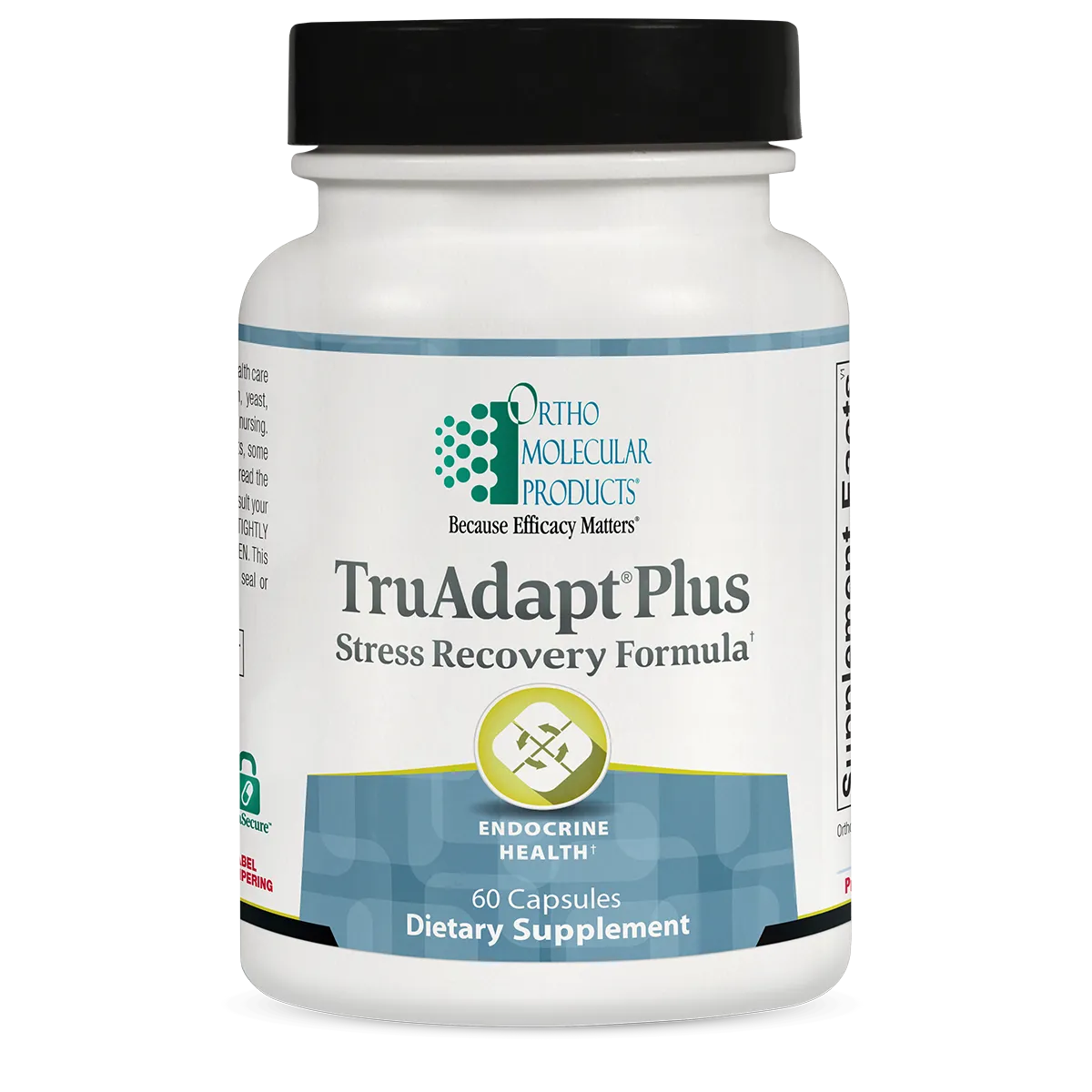
For many patients, this relentless fatigue is deeply intertwined with the body's central stress management system: the hypothalamic-pituitary-adrenal (HPA) axis. Prolonged physical and psychological stress, such as fighting a chronic viral infection or managing systemic inflammation, places an immense burden on this system. Over time, the adrenal glands and the brain's signaling pathways can become dysregulated, leading to an imbalance in crucial hormones like cortisol and DHEA. TruAdapt Plus by Ortho Molecular is a targeted supplement formulated to support the body's stress response system. By combining potent adaptogenic botanicals—including Ashwagandha, Rhodiola, Holy Basil, Schisandra, and Licorice Root—with bovine adrenal concentrate, it aims to promote hormonal balance, counteract the negative effects of stress, and support mental and physical well-being during periods of profound exhaustion.
TL;DR
Chronic illness can dysregulate your stress response, leading to profound fatigue and inflammation.
TruAdapt Plus uses adaptogens to support hormonal balance and cellular energy.
Ingredients like Ashwagandha and Rhodiola may help manage exhaustion and brain fog.
Always consult your healthcare provider before starting new supplements, especially those with glandulars.
What is TruAdapt Plus?
The Anatomy of the Stress Response
To understand how TruAdapt Plus works, we must first look at the natural function of the stress response in a healthy body. Stress is defined as any disturbance that threatens the body's state of balance, known as homeostasis. This can include extreme temperature changes, psychological trauma, sleep deprivation, physical injury, or the toxic exposure and systemic inflammation caused by a viral infection. When the brain perceives a threat, it activates the hypothalamic-pituitary-adrenal (HPA) axis. This complex neuroendocrine network acts as the body's central command center for managing stress, coordinating the release of hormones that prepare the body to either fight the threat or flee from it.
The HPA axis operates through a precise cascade of chemical signals. It begins in the hypothalamus, a small region at the base of the brain, which releases corticotropin-releasing hormone (CRH). CRH travels to the nearby pituitary gland, stimulating it to secrete adrenocorticotropic hormone (ACTH) into the bloodstream. ACTH then travels down to the adrenal glands, which sit atop the kidneys, prompting them to release glucocorticoids, primarily cortisol, as well as other hormones like dehydroepiandrosterone (DHEA) and adrenaline. In a healthy acute stress response, this hormonal surge provides a temporary burst of energy, heightens alertness, and temporarily suppresses non-essential functions like digestion and reproduction so the body can focus entirely on survival.
The Role of Cortisol and DHEA
Cortisol is often vilified as the "stress hormone," but it is absolutely essential for life and plays a critical role in regulating metabolism, reducing inflammation, and managing the sleep-wake cycle. In a healthy individual, cortisol levels follow a diurnal rhythm: they peak in the early morning to help you wake up and gradually decline throughout the day, reaching their lowest point at night to allow for restful sleep. Crucially, cortisol acts as the primary "brake" on the immune system. It prevents the immune response from becoming hyperactive and causing excessive collateral damage to the body's own tissues during an infection or injury.
DHEA is another vital hormone produced by the adrenal cortex, often acting as a counterbalance to cortisol. While cortisol breaks down tissues to mobilize immediate energy (a catabolic state), DHEA promotes tissue repair, immune function, and cellular growth (an anabolic state). A healthy stress response relies on a delicate balance between cortisol and DHEA. When the threat has passed, the high levels of circulating cortisol send a negative feedback signal to the hypothalamus and pituitary gland, telling them to stop producing CRH and ACTH. This shuts down the stress response, allowing the body to return to a state of rest and recovery.
The Concept of Adaptogenic Support
However, when stress becomes chronic—such as during a prolonged illness like Long COVID or ME/CFS—the HPA axis is forced into a state of continuous activation. The body progresses through three stages of stress: the initial alarm phase (fight-or-flight), the resistance phase (where the body attempts to adapt to ongoing stress), and finally, the exhaustion phase. In the exhaustion phase, the prolonged burden on the HPA axis leads to a breakdown in the negative feedback loop and an imbalance in cortisol and DHEA production. This is where adaptogens come into play. Adaptogens are unique botanical compounds that help the body resist stressors of all kinds, whether physical, chemical, or biological.
Rather than acting as stimulants that force the body to produce more energy, adaptogens work by modulating the HPA axis and cellular stress pathways. They help to raise the body's threshold for stress, smooth out the peaks and valleys of cortisol production, and support cellular energy metabolism without causing a subsequent crash. TruAdapt Plus utilizes a synergistic blend of these adaptogenic herbs, alongside glandular extracts, to target the multiple biochemical pathways involved in the stress response, aiming to restore equilibrium to a deeply fatigued system.
How Chronic Illness Impacts the HPA Axis
Hypocortisolism in Long COVID and ME/CFS
In conditions like Long COVID and ME/CFS, the HPA axis often undergoes a profound dysregulation. While acute stress typically causes high cortisol levels, chronic, unrelenting stress can eventually lead to a state of hypocortisolism, or abnormally low circulating cortisol. Cortisol levels in Long COVID patients were roughly half of those found in fully recovered controls. This drop in cortisol was not accompanied by a compensatory spike in ACTH, pointing directly to a central dysfunction in the brain's signaling pathways rather than a primary failure of the adrenal glands themselves.
This state of hypocortisolism has devastating downstream effects. Because cortisol acts as the immune system's primary brake, its depletion leaves patients vulnerable to chronic, unchecked systemic inflammation. Without sufficient cortisol to suppress inflammatory cytokines, minor triggers—such as mild physical exertion or cognitive effort—can provoke a massive immune response. This unchecked inflammation drives debilitating symptoms like profound fatigue, orthostatic intolerance, and the severe crashes known as post-exertional malaise (PEM), a hallmark feature of both Long COVID and ME/CFS. Furthermore, studies have shown that patients often lose their healthy diurnal cortisol rhythm, experiencing flattened morning cortisol spikes and abnormally elevated evening levels, which deeply disrupts circadian rhythms and sleep architecture.
Neuroinflammation and the Inflammatory Reflex
How does a viral infection like SARS-CoV-2 break the HPA axis? Researchers have isolated several overlapping mechanisms, heavily implicating neuroinflammation. Chronic systemic inflammation from a viral infection can breach the blood-brain barrier or travel via the vagus nerve to the central nervous system. Pro-inflammatory cytokines, such as IL-6 and TNF-alpha, activate microglia (the brain's resident immune cells), which trigger neuroinflammation specifically in the paraventricular nucleus of the hypothalamus. This chronic inflammatory signaling lowers the threshold for stress processing, effectively altering the set point of the HPA axis and eventually suppressing the production of CRH and ACTH.
Additionally, direct viral damage and autoimmunity play a significant role. SARS-CoV-2 utilizes ACE2 receptors, which are highly expressed in the hypothalamus, pituitary, and adrenal tissues. The virus may directly infiltrate and damage these endocrine glands through microvascular damage or microthrombi (blood clots). Post-viral autoimmunity can also lead to the production of autoantibodies against components of the HPA axis and autonomic nervous system receptors, disrupting the vital communication between the brain and the adrenal glands. This creates a vicious cycle where neuroinflammation suppresses cortisol, and the lack of cortisol allows neuroinflammation to run rampant.
Allostatic Overload and "Adrenal Burnout"
During the acute phase of severe infections, the body mounts a massive stress response. According to the allostatic overload theory, this initial, prolonged hyper-activation of the HPA axis causes glucocorticoid receptors in the brain to upregulate or become resistant. Over time, an exaggerated negative feedback loop is established, suppressing cortisol production and leaving the patient in a state of exhaustion. While alternative medicine often refers to this as "adrenal fatigue," mainstream endocrinology recognizes it as a central downregulation of the HPA axis. The adrenal glands themselves may also suffer from mitochondrial dysfunction, physically lacking the cellular energy (ATP) required to synthesize adequate cortisol and DHEA on demand.
This neuroendocrine dysfunction explains why patients with dysautonomia and Long COVID struggle so profoundly with stress resilience. When the HPA axis is blunted, the body cannot mount an appropriate physiological response to everyday challenges. A simple walk, a stressful conversation, or a change in temperature can overwhelm the system, leading to nervous tension, irritability, and a worsening of physical symptoms. Supporting the HPA axis is therefore a critical component of managing these complex chronic conditions and improving overall quality of life.
TruAdapt Plus: Supporting the Stress Response
Ashwagandha and GABAergic Modulation
TruAdapt Plus contains a comprehensive blend of ingredients designed to target the disrupted pathways of the HPA axis. One of the primary botanicals is Ashwagandha (Withania somnifera), standardized to contain 1.5% withanolides. Withanolides are steroidal lactones that act as powerful adaptogens. At the cellular level, withanolides help balance the HPA axis by modulating the release of CRH and ACTH, preventing harmful cortisol spikes during acute stress while supporting baseline cortisol levels in states of exhaustion. They also enhance the signaling of gamma-aminobutyric acid (GABA), an inhibitory neurotransmitter that limits neuronal excitability. By boosting GABAergic activity, Ashwagandha induces a calming effect on the central nervous system, helping to alleviate anxiety and nervous tension without causing excessive sedation.
Holy Basil, Ursolic Acid, and Enzyme Inhibition
Another key ingredient is Holy Basil (Ocimum sanctum), standardized to contain ursolic acid. Ursolic acid is a pentacyclic triterpene that directly dampens HPA-axis hyper-reactivity. It has been shown to inhibit CRH receptor-1, preventing the initial stress cascade from overwhelming the system. Furthermore, ursolic acid protects against stress-induced oxidative damage in the hippocampus and frontal cortex, brain regions vital for memory and emotional regulation. Holy Basil also modulates the gut-brain axis, strengthening the intestinal barrier to prevent bacterial endotoxins from leaking into the bloodstream and triggering systemic inflammation, which would otherwise continuously activate the HPA axis.
Rhodiola Rosea, Rosavins, and Neurotransmitter Regulation
Rhodiola rosea, standardized to contain 3% rosavins, is renowned for its ability to combat severe physical and mental fatigue. Rosavins act by modulating the interactions between the hypothalamus, pituitary, and adrenal glands, preventing the depletion of stress hormones. Crucially, standardized extracts of Rhodiola increase the permeability of the blood-brain barrier to precursors of dopamine and serotonin. By enhancing the activity of these vital neurotransmitters, Rhodiola helps fight the profound mental fatigue, depression, and brain fog that are so common in Long COVID and ME/CFS. It also exhibits potent neuroprotective properties, defending cellular structures against the oxidative stress generated during prolonged illness.
Schisandra Berry and Cellular Energy (AMPK)
Schisandra Berry extract provides a unique mechanism of action by targeting cellular energy metabolism. Its active compounds, primarily lignans and polysaccharides, actively stimulate AMP-activated protein kinase (AMPK), a master regulator of cellular energy. When the body undergoes physical fatigue and ATP is depleted, Schisandra enhances ATP production, promotes mitochondrial biogenesis, and improves the efficiency of the Krebs cycle. Additionally, Schisandra activates the Nrf2/ARE signaling pathway, triggering the body's endogenous antioxidant defense system. This helps scavenge free radicals and accelerates the clearance of metabolic waste products like lactic acid from muscle tissue, directly combating the physical exhaustion and muscle soreness associated with post-exertional malaise.
Licorice Root and Cortisol Half-Life Extension
Chinese Licorice Root, standardized to 12% glycyrrhizin, plays a fascinating role in cortisol metabolism. In the body, glycyrrhizin is converted into glycyrrhetinic acid, which is a potent inhibitor of the enzyme 11-beta-hydroxysteroid dehydrogenase type 2 (11β-HSD2). Normally, this enzyme rapidly deactivates cortisol into cortisone to prevent it from overwhelming mineralocorticoid receptors. For patients with hypocortisolism, this mechanism helps maximize the utility of the limited cortisol their adrenal glands are able to produce, providing vital support for blood pressure regulation and energy maintenance.
The Role of Bovine Adrenal Concentrate
Finally, TruAdapt Plus includes Bovine Adrenal Concentrate. In the realm of alternative medicine and glandular therapy, the theory is that consuming animal glandular tissue provides the specific peptides, enzymes, and cofactors needed by the human adrenal glands to regenerate and heal. Proponents suggest that these concentrates supply the raw building blocks necessary for the adrenal cortex to synthesize stress hormones, helping to "spare" the exhausted human adrenals and giving them time to recover. While mainstream endocrinology debates the exact mechanisms of glandular therapy, many functional medicine practitioners utilize these concentrates to provide targeted nutritional support to the HPA axis during the exhaustion phase of chronic stress.
Symptoms TruAdapt Plus May Help Manage
Physical and Cognitive Symptoms
By targeting the HPA axis and supporting cellular energy pathways, the ingredients in TruAdapt Plus may help manage a variety of debilitating symptoms associated with chronic illness:
Profound Physical Fatigue: Adaptogens like Rhodiola and Schisandra stimulate AMPK and enhance mitochondrial ATP production, providing cellular energy support to combat relentless exhaustion.
Post-Exertional Malaise (PEM): Schisandra accelerates the clearance of metabolic waste like lactic acid, while Ashwagandha helps blunt the inflammatory cytokine spikes that trigger severe crashes after minor exertion.
Brain Fog and Cognitive Dysfunction: Rhodiola enhances the permeability of the blood-brain barrier to neurotransmitter precursors, supporting dopamine and serotonin activity to improve focus, memory, and mental clarity.
Unrefreshing Sleep and Insomnia: Ashwagandha enhances GABAergic signaling, promoting a calming effect on the central nervous system that can help restore healthy sleep architecture and counteract nighttime cortisol spikes.
Autonomic and Emotional Symptoms
The systemic effects of HPA axis dysregulation often manifest in autonomic and emotional challenges. TruAdapt Plus aims to address these through several mechanisms:
Nervous Tension and Anxiety: The withanolides in Ashwagandha and the eugenol in Holy Basil act on GABA receptors to provide anxiolytic (anti-anxiety) effects, helping to soothe a hyperactive nervous system.
Orthostatic Intolerance and Dizziness: Licorice root inhibits the breakdown of cortisol, extending its half-life and promoting sodium retention, which can help support blood volume and blood pressure in patients with dysautonomia or POTS.
Irritability and Mood Swings: By smoothing out the erratic peaks and valleys of cortisol production, the adaptogenic blend helps stabilize mood and increase the body's overall resilience to emotional and psychological stressors.
Systemic Inflammation: Holy Basil's ursolic acid and Schisandra's activation of the Nrf2/ARE antioxidant pathway help neutralize free radicals and suppress chronic inflammatory signaling that drives systemic symptoms.
Practical Considerations: Forms, Dosing, and Absorption
Optimal Dosing and Timing
The suggested use for TruAdapt Plus is 2 capsules taken one or two times per day, or as recommended by your healthcare professional. Because this formulation is designed to support the HPA axis and influence cortisol levels, timing can be crucial. For patients dealing with hypocortisolism or a flattened diurnal cortisol curve, taking the supplement in the morning and early afternoon may help support the natural waking spike in cortisol and provide energy throughout the day. Taking adaptogens that stimulate cellular energy (like Rhodiola and Schisandra) too late in the evening may interfere with sleep for some individuals, though the calming effects of Ashwagandha can counterbalance this for others. It is highly recommended to work with a practitioner to tailor the timing to your specific circadian rhythm and symptom presentation.
Bioavailability and Absorption Factors
The bioavailability of botanical extracts can vary based on individual digestion and gut health, which is often compromised in Long COVID and ME/CFS. Taking TruAdapt Plus with a small amount of healthy fat may enhance the absorption of fat-soluble compounds like the steroidal lactones in Ashwagandha and the triterpenes in Holy Basil. The formulation utilizes standardized extracts—such as Ashwagandha standardized to 1.5% withanolides and Rhodiola standardized to 3% rosavins—which ensures a consistent, therapeutic dose of the active bioactive compounds in every capsule. This standardization is critical, as the clinical efficacy of adaptogens is heavily dependent on the concentration of these specific molecular components.
Potential Drug Interactions and Contraindications
While adaptogens are generally well-tolerated, the potent ingredients in TruAdapt Plus require careful consideration regarding safety and drug interactions. Licorice root, due to its glycyrrhizin content, can cause sodium retention and potassium loss, potentially leading to elevated blood pressure. Individuals with pre-existing hypertension, kidney disease, or those taking potassium-depleting diuretics should use licorice-containing supplements with extreme caution. Additionally, Schisandra berry can interact with the cytochrome P450 enzyme system in the liver, potentially altering the metabolism of medications such as blood thinners, immunosuppressants, and sedatives.
Furthermore, because this product contains bovine adrenal concentrate, it may introduce trace amounts of exogenous hormones into the system. While functional medicine utilizes this for glandular support, mainstream endocrinology cautions that unregulated hormone exposure can suppress the body's natural HPA axis over time. Patients with autoimmune thyroid conditions, hyperthyroidism, or severe adrenal insufficiency (Addison's disease) should consult their specialist before using glandulars. Always discuss new supplements with your healthcare provider, especially if you are on prescription medications for Long COVID or dysautonomia.

Follow the Science
Clinical Evidence for Ashwagandha and Rhodiola
The botanical ingredients in TruAdapt Plus are supported by a robust body of clinical research demonstrating their efficacy in managing stress and fatigue. A 2023 narrative review discussed current research on the health-promoting activities of Ashwagandha. High-concentration extracts of Ashwagandha have been shown to lower morning cortisol by up to 67% in highly stressed individuals over 60 days, proving its potent ability to modulate the HPA axis. Similarly, clinical trials on Rhodiola rosea have demonstrated rapid and significant reductions in chronic fatigue symptoms. In a pivotal trial, patients taking 400 mg of standardized Rhodiola extract experienced significant declines in physical and mental fatigue after just one week, with continued improvements in concentration and burnout scores over an 8-week period.
Research on Holy Basil and Schisandra
Holy Basil has also been rigorously studied for its adaptogenic properties. A recent 8-week randomized, double-blind, placebo-controlled trial investigated a standardized Holy Basil extract in adults experiencing stress. The study found a 37% reduction in perceived stress and a 48% improvement in sleep quality, alongside significantly lower hair cortisol concentrations, which serve as a biomarker for long-term HPA-axis activity. Schisandra berry's anti-fatigue mechanisms are well-documented in both animal and human models. A 2020 placebo-controlled trial on adult women demonstrated that 1,000 mg of Schisandra extract daily for 12 weeks led to a highly significant increase in skeletal muscle strength and a significant decrease in resting blood lactate levels, confirming its ability to clear fatigue-inducing metabolic waste and enhance physical endurance.
Understanding the Limitations of Adrenal Concentrates
While the botanical evidence is strong, research on bovine adrenal concentrates is more complex. A 2018 study by the Mayo Clinic analyzed several over-the-counter adrenal support supplements and found that many contained undeclared active hormones, including thyroid hormone (T3) and steroid hormones like cortisol and pregnenolone. While functional medicine practitioners argue that these trace hormones provide necessary glandular support for exhausted adrenals, endocrinologists caution that exogenous hormones can cause HPA axis suppression and alter blood test results. Therefore, while the adaptogenic herbs in TruAdapt Plus have extensive clinical validation for safety and efficacy, the inclusion of adrenal concentrate underscores the importance of using this supplement under the guidance of a knowledgeable healthcare provider who can monitor your endocrine function.
The Path Forward
Validating Your Experience
Living with a complex chronic illness like Long COVID, ME/CFS, or dysautonomia is an exhausting journey. When your body's stress response system is dysregulated, the fatigue you experience is not a lack of willpower or a psychological failing; it is a profound physiological depletion rooted in neuroinflammation and HPA axis dysfunction. Validating this reality is the first step toward effective management. You are dealing with a nervous system that is trapped in a state of hyper-vigilance while simultaneously lacking the hormonal resources to cope with daily demands. Finding the right support to soothe this system and restore balance is crucial for improving your quality of life.
A Comprehensive Management Strategy
While TruAdapt Plus offers a potent blend of adaptogenic botanicals and glandular support designed to modulate cortisol, enhance cellular energy, and combat nervous tension, it is not a standalone cure. True recovery and symptom management require a comprehensive, multi-disciplinary approach. Supplements must be paired with aggressive pacing to avoid post-exertional malaise, meticulous symptom tracking, nervous system regulation techniques, and ongoing medical care. By addressing the root causes of HPA axis dysfunction and providing targeted nutritional support, you can help your body build resilience and slowly regain its equilibrium.
Always remember that managing chronic illness is a marathon, not a sprint. Work closely with your healthcare provider to ensure that any new supplement, especially those influencing hormonal pathways, is safe and appropriate for your unique clinical picture.