Can Vitamin B12 and Folate Support Energy and Brain Fog in Long COVID and POTS?
March 6, 2026
TrifolaminVitamin B12Folate
Share:
Disclaimer: The information provided here is for educational purposes only and is not intended as medical advice. It should not be used to diagnose, treat, cure, or prevent any medical condition. Instead, use it as a starting point for discussion with your healthcare provider. Always consult with a qualified healthcare provider before starting any new medication, supplement, device, or making changes to your health regimen.
Months or even years after a viral infection, many patients find themselves trapped in a bewildering maze of debilitating symptoms. You might be sleeping ten hours a night only to wake up feeling as though you haven't rested at all. You might experience a racing heart simply from standing up, or find that your brain fog is so thick you struggle to recall common words. When you finally make it to a doctor's office, your standard blood panels often come back completely "normal." This paradox—feeling profoundly ill while looking perfectly healthy on paper—is a universal and deeply frustrating experience for those living with Long COVID, myalgic encephalomyelitis/chronic fatigue syndrome (ME/CFS), dysautonomia, and mast cell activation syndrome (MCAS).
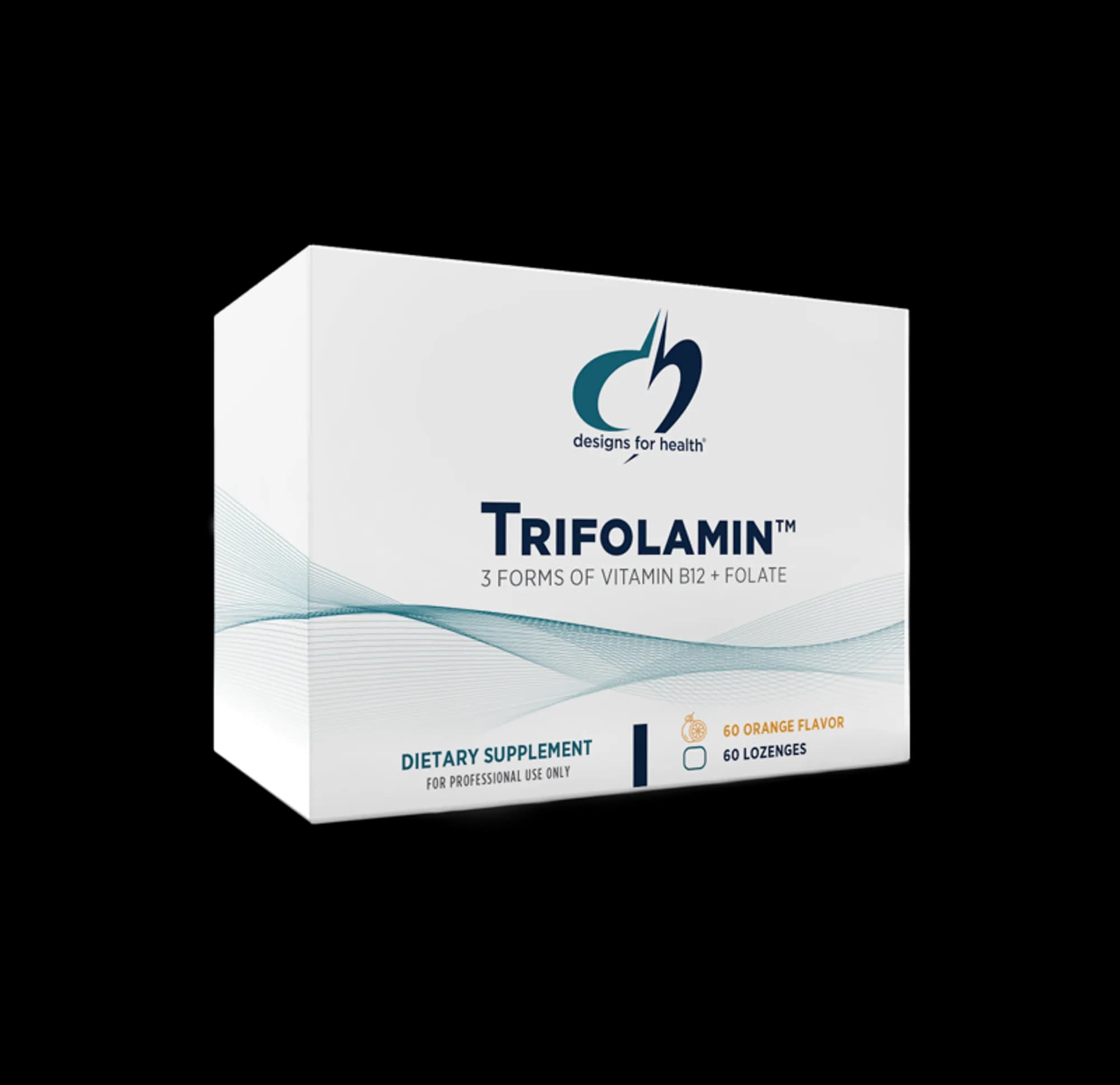
The reality is that these complex chronic conditions operate at a microscopic, cellular level that standard lab tests frequently miss. One of the most critical areas of cellular dysfunction involves the body's methylation cycle and mitochondrial energy production—processes that rely entirely on adequate levels of specific B vitamins. When your body is subjected to the severe stress of a viral infection or chronic inflammation, its demand for these nutrients skyrockets, often leading to localized deficiencies in the brain and nervous system. In this article, we will explore the intricate science behind Trifolamin™ lozenges, a targeted supplement that delivers a highly bioavailable, synergistic blend of three active forms of Vitamin B12 and bioactive folate to support cellular recovery, nerve health, and sustained energy production.
TL;DR
B12 and folate are essential for cellular energy and nerve health, often depleted by chronic illness.
Standard blood tests may miss localized B12 deficiencies in the brain and nervous system.
Trifolamin™ provides bioavailable B12 and folate that bypass the digestive system for better absorption.
Targeted supplementation may help manage fatigue, brain fog, and neuropathy in complex chronic conditions.
What are Vitamin B12 and Folate?
Vitamin B12 (cobalamin) and Folate (Vitamin B9) are essential, water-soluble vitamins that act as the fundamental building blocks for human life. Unlike stimulants such as caffeine, which merely mask fatigue by blocking cellular sleep receptors, B12 and folate are structural cofactors. This means they are physically required by your body's enzymes to carry out the biochemical reactions that keep you alive. Without them, your cells cannot synthesize DNA, produce red blood cells, repair damaged nerve sheaths, or generate the microscopic energy molecules (ATP) required for everything from muscle contraction to conscious thought.
In a healthy body, these vitamins are obtained through a nutrient-dense diet. Vitamin B12 is primarily found in animal products like meat, fish, eggs, and dairy, while folate is abundant in dark leafy greens, legumes, and nuts. However, consuming these nutrients is only the first step. The body must successfully digest, absorb, transport, and convert these vitamins into their active, usable forms. For individuals living with complex chronic illnesses, this multi-step process is frequently broken at several different stages, leading to severe cellular starvation even if their diet is theoretically adequate.
To truly understand why these nutrients are so vital for patients with post-viral conditions, we must look at how they interact inside the cell. They do not work in isolation; rather, they are the key drivers of a massive, interconnected biochemical engine that dictates how your genes are expressed, how your nerves communicate, and how your body clears out metabolic toxins.
The most critical function of B12 and folate occurs within a biochemical pathway known as One-Carbon Metabolism (OCM), which drives the methylation cycle. Methylation is a simple chemical process where a "methyl group" (one carbon atom bound to three hydrogen atoms) is transferred from one molecule to another. This tiny transfer acts like a biological switch, turning genes on and off, building neurotransmitters, and processing hormones. The methylation cycle occurs in every single cell of your body, billions of times per second.
Here is how the cycle relies on these two vitamins: First, dietary folate must be converted into its active form, known as 5-methyltetrahydrofolate (5-MTHF), by an enzyme called MTHFR. Once converted, 5-MTHF holds onto a precious methyl group. Its job is to hand this methyl group over to a toxic, inflammatory amino acid called homocysteine, converting it into a healthy, essential amino acid called methionine. However, 5-MTHF cannot make this transfer on its own. It absolutely requires Vitamin B12 to act as a bridge or cofactor for the enzyme methionine synthase.
If Vitamin B12 is present and the transfer is successful, methionine is created and subsequently converted into S-adenosylmethionine (SAMe). SAMe is the body's universal "methyl donor." It travels throughout the body, providing the methyl groups required to synthesize DNA, build the protective myelin coating around your nerves, and create crucial neurotransmitters like serotonin, dopamine, and norepinephrine. If B12 is deficient, the entire cycle stalls. Folate becomes trapped in a useless state (a phenomenon known clinically as the "folate trap"), SAMe production plummets, and toxic homocysteine builds up in the bloodstream, triggering systemic inflammation and oxidative stress.
When discussing Vitamin B12 supplementation, it is crucial to understand that "B12" is not a single compound, but rather a family of related molecules known as cobalamins. Many over-the-counter supplements use cyanocobalamin, a cheap, synthetic form of B12 attached to a cyanide molecule. To use cyanocobalamin, your body must expend precious energy to strip away the cyanide, detoxify it, and convert the remaining cobalamin into an active form. For patients with chronic fatigue, this energy expenditure is highly counterproductive. Trifolamin™ instead utilizes the three naturally occurring, bioavailable forms of B12: Methylcobalamin, Adenosylcobalamin, and Hydroxycobalamin.
Methylcobalamin is one of the two biologically active coenzymes of B12. It operates primarily in the cell's fluid cytosol. This is the form directly responsible for driving the methylation cycle described above. By supplying pre-methylated B12, you bypass the need for the body to convert it, immediately supporting the reduction of homocysteine and the production of SAMe for neurological repair.
Adenosylcobalamin is the second biologically active coenzyme, and it functions exclusively inside your cellular power plants: the mitochondria. It acts as a necessary "key" for the enzyme methylmalonyl-CoA mutase, which allows your body to metabolize carbohydrates, fats, and amino acids efficiently. Adenosylcobalamin fuels the TCA (Krebs) cycle to produce sustained cellular energy (ATP), preventing severe metabolic fatigue.
Hydroxycobalamin is a highly stable precursor form. Once absorbed, the body stores it longer than other forms, slowly releasing it through the kidneys to maintain a steady, prolonged B12 supply. The body can dynamically convert Hydroxycobalamin into either Methylcobalamin or Adenosylcobalamin depending on what specific tissues require at any given moment. Furthermore, it acts as a powerful scavenger of cellular toxins, famously binding to excess nitric oxide and other free radicals to facilitate their safe excretion from the body.
How Long COVID and Dysautonomia Impact B12 and Folate
To understand why patients with Long COVID and ME/CFS experience such profound neurological and physical exhaustion, we have to examine how viral infections interact with the body's nutrient stores. When a virus like SARS-CoV-2 enters the body, it hijacks the host's cellular machinery to replicate. This viral replication process requires a massive amount of methyl groups to synthesize viral RNA and to actively suppress the host's immune responses. Researchers have described this acute viral demand as a "methyl-group assault", a phenomenon that rapidly drains the host’s One-Carbon Metabolism pool, severely depleting available B12 and folate.
As the virus strips the body of its methyl donors, the methylation cycle grinds to a halt. This leads to a dangerous accumulation of homocysteine. High homocysteine levels are highly toxic to the vascular system; they trigger the coagulation cascade, decrease antithrombin activity, and cause endothelial dysfunction. This biochemical cascade is a primary driver of the micro-clots and vascular damage frequently observed in Long COVID patients. When you ask What Causes Long COVID?, this virus-induced nutrient depletion and subsequent vascular inflammation is a massive piece of the puzzle.
Furthermore, the One-Carbon Metabolism cycle is intimately tied to the production of glutathione, the body's master antioxidant. Under the severe stress of a viral infection, the body prioritizes whatever little B12 and folate is available for basic survival mechanisms, leaving nothing left for glutathione synthesis. This results in unchecked oxidative stress, where free radicals run rampant, damaging cellular membranes and mitochondrial DNA, leading to the profound, heavy fatigue characteristic of post-viral syndromes.
Another major factor impacting B12 and folate status in chronic illness is the health of the gastrointestinal tract. Dysautonomia, a dysfunction of the autonomic nervous system that controls automatic bodily processes, is incredibly common in Long COVID and ME/CFS. When the autonomic nervous system is impaired, it often fails to send the proper signals to the digestive tract, resulting in delayed gastric emptying or gastroparesis. This slowing of gut motility creates a stagnant environment in the small intestine, which is the perfect breeding ground for Small Intestinal Bacterial Overgrowth (SIBO).
SIBO creates a devastating vicious cycle for B12 absorption. The overgrown bacteria in the small intestine are net consumers of Vitamin B12; they essentially steal the vitamin from your food before your body has a chance to absorb it. Additionally, the chronic inflammation caused by SIBO and mast cell activation in the gut damages the delicate microvilli lining the intestinal walls, further impairing the absorption of all nutrients, including dietary folate. This means that even if a patient is eating a perfectly balanced, nutrient-dense diet, their body is actively starving at a cellular level due to this malabsorption cycle.
This gut-brain axis disruption explains why oral supplementation with standard, digestion-dependent B12 pills often fails to produce clinical improvements in these patient populations. The gut is simply too inflamed and dysregulated to process and transport the nutrients into the bloodstream. This is why alternative delivery methods that bypass the digestive tract entirely are so crucial for recovery.
Perhaps the most striking connection between B12, folate, and chronic fatigue conditions lies in the central nervous system. For decades, researchers have noted that patients with ME/CFS often present with symptoms identical to severe B12 deficiency—brain fog, memory loss, neuropathy, and profound fatigue—yet their standard blood tests show "normal" or even high serum B12 levels. This paradox was explored by Dr. Björn Regland and his team in a 2015 study on the response to Vitamin B12 and folic acid in Myalgic Encephalomyelitis and Fibromyalgia.
The study by Dr. Björn Regland and colleagues focused on the clinical response to Vitamin B12 and folic acid in patients with Myalgic Encephalomyelitis and Fibromyalgia. Understanding these mechanisms is crucial when exploring if Long COVID can trigger ME/CFS.
Additionally, a significant portion of the population carries a genetic polymorphism in the MTHFR gene, which impairs the enzyme responsible for converting dietary folate into its active 5-MTHF form. When a patient with an MTHFR mutation experiences the inflammatory stress of a viral infection, their already-sluggish methylation cycle is easily overwhelmed. This genetic predisposition makes them highly vulnerable to the neurotoxic effects of homocysteine buildup and the severe depletion of SAMe, further locking them into a state of chronic neuroinflammation and autonomic dysfunction.
Trifolamin™: Supporting Methylation, Energy, and Nerve Health
Trifolamin™ lozenges are specifically formulated to address the complex biochemical roadblocks seen in chronic illness by delivering highly bioavailable, active forms of these crucial nutrients. One of the primary therapeutic targets of this formulation is the restoration of mitochondrial function. Mitochondria are the microscopic power plants inside your cells responsible for generating adenosine triphosphate (ATP), the energy currency of the body. In conditions like Long COVID and ME/CFS, mitochondrial dysfunction is a core driver of post-exertional malaise (PEM) and chronic fatigue.
This is where the inclusion of Adenosylcobalamin becomes critical. Inside the mitochondria, adenosylcobalamin acts as the essential coenzyme for methylmalonyl-CoA mutase. This specific enzyme is responsible for converting methylmalonyl-CoA into succinyl-CoA. Succinyl-CoA is a vital intermediate molecule that feeds directly into the Citric Acid Cycle (also known as the Krebs cycle or TCA cycle), which is the primary engine of ATP production.
When adenosylcobalamin is deficient, this conversion cannot take place. Methylmalonic acid (MMA) builds up to toxic levels in the cell, and the Krebs cycle is starved of its necessary fuel. This forces the cell to rely on inefficient, anaerobic (oxygen-less) energy production, which generates lactic acid and causes the heavy, burning muscle fatigue and rapid exhaustion characteristic of PEM. By supplying direct, active adenosylcobalamin, Trifolamin™ helps bypass this metabolic roadblock, allowing the mitochondria to resume efficient, aerobic ATP production and supporting sustained physical and cognitive energy.
The neurological symptoms of chronic illness—such as severe brain fog, memory impairment, anxiety, and depression—are deeply tied to the brain's ability to synthesize neurotransmitters. This process is heavily reliant on the methylation cycle and the production of SAMe (S-adenosylmethionine). Trifolamin™ addresses this by providing a synergistic combination of Methylcobalamin and Quatrefolic® [6S]-5-methyltetrahydrofolate.
Quatrefolic® is a patented, highly bioactive form of folate (glucosamine salt) that completely bypasses the MTHFR enzyme. For patients with MTHFR genetic mutations, standard folic acid supplements are virtually useless and can even be harmful, as unmetabolized folic acid can build up in the blood and block folate receptors. By providing pre-methylated 5-MTHF alongside Methylcobalamin, Trifolamin™ instantly supplies the two exact keys needed to unlock the methionine synthase enzyme.
Once this enzyme is activated, the body can efficiently convert toxic homocysteine into methionine, which is then used to produce SAMe. SAMe is the critical methyl donor required by the brain to synthesize serotonin (for mood regulation and sleep), dopamine (for motivation and cognitive focus), and norepinephrine (for autonomic nervous system balance). Furthermore, SAMe is required for the synthesis of myelin, the protective fatty sheath that insulates nerve fibers. By restoring SAMe production, this targeted supplementation supports the repair of damaged nerves, helping to alleviate the tingling, numbness, and neuropathic pain often experienced by patients.
While Methylcobalamin and Adenosylcobalamin provide immediate, active support to the cytosol and mitochondria, Hydroxycobalamin plays a crucial role in long-term stability and cellular protection. Hydroxycobalamin is a highly stable precursor form of B12 that binds tightly to transport proteins in the blood. This allows the body to create a "reservoir" of B12, slowly releasing it over time and converting it into the active forms exactly when and where specific tissues need it. This prevents the rapid spike and crash of B12 levels often seen with single-form supplements.
Beyond its role as a stable reservoir, Hydroxycobalamin is a potent intracellular scavenger of toxins. In patients with chronic neuroinflammation and immune dysregulation, there is often an overproduction of nitric oxide and other reactive oxygen species (free radicals). These molecules cause severe oxidative stress, damaging cellular membranes and triggering systemic inflammation. Hydroxycobalamin has a unique molecular structure that allows it to bind directly to excess nitric oxide (forming nitrosocobalamin) and other toxins, neutralizing them and facilitating their safe excretion through the kidneys. This scavenging action provides a powerful protective effect against the ongoing oxidative damage seen in post-viral syndromes.
For patients dealing with Mast Cell Activation Syndrome (MCAS), the synergistic action of B12 and active folate offers a critical pathway for symptom relief. MCAS is characterized by hyper-reactive mast cells that inappropriately release massive amounts of histamine and other inflammatory mediators into the bloodstream, causing allergic-type reactions, flushing, gastrointestinal distress, and systemic inflammation.
The body clears excess intracellular histamine primarily through an enzyme called Histamine N-methyltransferase (HNMT). As the name suggests, HNMT relies entirely on the process of methylation to function; specifically, it requires a steady supply of SAMe to attach a methyl group to the histamine molecule, breaking it down and rendering it harmless. If a patient is deficient in active B12 or folate, their methylation cycle stalls, SAMe production drops, and the HNMT enzyme cannot function.
This results in a severe bottleneck where histamine builds up inside the cells, dramatically lowering the threshold for mast cell degranulation and triggering severe MCAS flares. By restoring the methylation cycle with bioavailable Methylcobalamin and 5-MTHF, Trifolamin™ supports the optimal function of the HNMT enzyme, aiding the body in efficiently clearing excess histamine. This biochemical support is a foundational step in stabilizing hyperactive mast cells and reducing the systemic inflammatory burden of MCAS.

Symptoms Trifolamin™ May Help Manage
Because Vitamin B12 and Folate are foundational to mitochondrial energy production, nervous system repair, and histamine regulation, supplementing with the bioavailable forms found in Trifolamin™ can help manage a wide array of complex symptoms. While supplements are not a cure, supporting these critical biochemical pathways can significantly improve daily functioning and quality of life.
Here are the primary symptoms this targeted supplementation may help manage:
Profound Fatigue and Post-Exertional Malaise (PEM): By supplying Adenosylcobalamin directly to the mitochondria, this supplement supports the methylmalonyl-CoA mutase enzyme, allowing the Krebs cycle to produce aerobic ATP efficiently. This helps prevent the cellular energy crashes and lactic acid buildup that drive severe fatigue and PEM.
Brain Fog and Cognitive Dysfunction: The combination of Methylcobalamin and bioactive 5-MTHF restores the production of SAMe, the universal methyl donor required for synthesizing neurotransmitters like dopamine and serotonin. This supports improved focus, memory retrieval, and overall cognitive clarity.
Neuropathy (Tingling, Numbness, and Nerve Pain): Vitamin B12 is strictly required for the synthesis and maintenance of myelin, the protective sheath that insulates peripheral nerves. Restoring B12 levels helps repair damaged myelin, reducing the burning, tingling, and numbness often felt in the hands and feet.
POTS and Orthostatic Tachycardia: B12 is a vital cofactor in the degradation of catecholamines (like adrenaline). Adequate B12 levels help regulate the autonomic nervous system and improve baroreceptor function, which can help calm the inappropriate sympathetic nervous system spikes (racing heart) seen upon standing in POTS patients.
Mast Cell and Histamine Flares: By supporting the methylation cycle, active B12 and folate ensure the production of SAMe, which is required by the HNMT enzyme to break down intracellular histamine. This helps clear histamine overload, potentially reducing the frequency and severity of MCAS symptoms like flushing, itching, and GI distress.
Vascular Inflammation and Micro-clotting Risks: Successful methylation converts toxic, inflammatory homocysteine into healthy methionine. Lowering homocysteine levels reduces endothelial (blood vessel) inflammation and helps normalize the coagulation cascade, supporting healthier blood flow and reducing micro-vascular damage.
If you are experiencing a combination of these issues, it is highly recommended to review What Are the Symptoms of Long COVID? to better understand how these systemic dysfunctions are interconnected.
Practical Considerations: Forms, Dosing, and Absorption
When it comes to Vitamin B12 supplementation, what you swallow is far less important than what you actually absorb into your bloodstream. In a healthy digestive system, B12 absorption is an incredibly complex, multi-stage process. First, adequate stomach acid is required to detach B12 from food proteins. Then, the stomach lining must secrete a specialized protein called Intrinsic Factor (IF). The B12 binds to IF, travels through the entire length of the small intestine, and is finally actively absorbed at the very end of the digestive tract in the terminal ileum.
For patients with chronic illnesses, this process is almost always compromised. Factors such as low stomach acid, gut inflammation, SIBO, autoimmune destruction of parietal cells (pernicious anemia), or the use of common medications like proton pump inhibitors (antacids) and metformin can completely block this active absorption pathway. This is why swallowing standard B12 capsules often results in expensive urine and zero clinical improvement. Trifolamin™ utilizes a lozenge delivery system specifically designed to bypass these gastrointestinal roadblocks.
When you allow a Trifolamin™ lozenge to dissolve slowly under your tongue or in your cheek (sublingual or buccal administration), the highly vascularized mucosal tissues of your mouth absorb the dissolved B12 and folate directly into the systemic bloodstream. This transmucosal absorption completely bypasses the need for stomach acid, Intrinsic Factor, and intestinal transport, ensuring that the active nutrients reach your brain and tissues rapidly and efficiently.
Even the portion of the lozenge that is eventually swallowed provides a significant therapeutic benefit due to the high dosage. Trifolamin™ contains 3,000 mcg of Vitamin B12. At high oral doses (typically anything over 500 mcg), the body utilizes a secondary absorption mechanism called "passive diffusion." Through passive diffusion, approximately 1% to 2% of the swallowed B12 is absorbed directly through the intestinal wall, entirely independent of Intrinsic Factor or the active transport mechanisms that are often damaged in chronic illness.
This dual-action absorption—direct transmucosal uptake in the mouth followed by passive diffusion in the gut—makes the high-dose lozenge format one of the most reliable and scientifically validated methods for restoring B12 levels, particularly for individuals with severe malabsorption issues, dysautonomia-induced gastroparesis, or MTHFR genetic mutations.
Trifolamin™ lozenges provide a potent dose of 3,000 mcg of combined Methylcobalamin, Hydroxycobalamin, and Adenosylcobalamin, alongside 680 mcg DFE of Quatrefolic® [6S]-5-methyltetrahydrofolate. The suggested use is to take one lozenge per day, or as directed by your healthcare practitioner. For optimal results, it is best to take the lozenge after a meal. Crucially, you must allow the lozenge to dissolve slowly and completely in your mouth before swallowing; chewing or immediately swallowing the lozenge will negate the benefits of the sublingual delivery system.
Because B12 and folate are water-soluble vitamins, they are generally considered very safe, as the body will excrete any excess through the urine. However, when you first begin supplementing with active, methylated vitamins, you may experience a temporary adjustment period. As your methylation cycle "wakes up" and your body begins to clear out accumulated toxins and process neurotransmitters more efficiently, some patients report mild, temporary increases in fatigue or mild headaches. This is often referred to as a "methylation detox" and typically subsides within a few days to a week.
It is important to note that while some patients notice improvements in energy and cognitive clarity within a few weeks, repairing damaged myelin sheaths and restoring deep cellular mitochondrial function takes time. Consistent, daily use over several months is usually required to see the full neurological and systemic benefits. Always consult with your healthcare provider before starting any new supplement, especially if you are undergoing testing for autoimmune conditions or are taking medications that affect blood clotting or neurotransmitter levels.

Follow the Science
The scientific literature strongly supports the connection between post-viral syndromes and profound B-vitamin depletion.
In the realm of ME/CFS, the evidence for B-vitamin intervention is equally compelling. Dr. Björn Regland's 2015 publication explored the response to Vitamin B12 and folic acid in patients with Myalgic Encephalomyelitis and Fibromyalgia.
Dysautonomia, and specifically Postural Orthostatic Tachycardia Syndrome (POTS), has also been closely linked to Vitamin B12 status in clinical literature. A landmark 2014 case-control study published in Pediatrics by Dr. Taliha Öner and colleagues investigated the relationship between B12 levels and POTS in adolescents. The study evaluated 125 patients with vasovagal syncope and 50 healthy controls. The results were striking: 47.2% of the symptomatic patients had a Vitamin B12 deficiency, compared to only 18% of the healthy controls.
Even more significantly, among the patients who specifically exhibited a POTS response during a tilt-table test, 62.8% were found to have low Vitamin B12 levels. The researchers concluded that B12 deficiency leads to sympathetic nervous system baroreceptor dysfunction, directly contributing to the orthostatic tachycardia and autonomic instability seen in POTS. This underscores the critical importance of evaluating and supporting B12 status in dysautonomia management.
Historically, painful intramuscular (IM) injections were considered the only viable treatment for severe B12 deficiency, especially in patients with malabsorption issues.
For patients with chronic illness who may struggle with the logistics, cost, or physical trauma of frequent injections, sublingual lozenges like Trifolamin™ offer an accessible alternative.
The Path Forward
Living with a complex, invisible illness like Long COVID, ME/CFS, dysautonomia, or MCAS is an exhausting journey. It is incredibly validating to understand that your symptoms are not "all in your head"—they are rooted in microscopic, biochemical realities, such as the depletion of crucial cellular nutrients and the stalling of your body's methylation cycle. While the medical system can sometimes be slow to recognize these intricate cellular dysfunctions, the science clearly shows that targeted nutritional support can make a profound difference in how your cells function and how you feel on a daily basis.
It is important to remember that supplements are just one piece of a comprehensive management puzzle. Restoring your cellular health requires a multi-faceted approach that includes aggressive pacing, symptom tracking, nervous system regulation, and working closely with a medical team that understands post-viral conditions. If you are struggling to navigate this journey, exploring resources on How Can You Live with Long-Term COVID can provide valuable strategies for daily management.
By supplying your body with the bioavailable, active forms of Vitamin B12 and folate it desperately needs, you are providing your cells with the fundamental tools required to repair damaged nerves, clear out metabolic toxins, and restart your mitochondrial engines. Always consult with your healthcare provider before adding new supplements to your regimen to ensure they align with your specific medical needs and lab results.