Can Tricobalamin™ Lozenges Support Energy and Neurological Health in Long COVID and ME/CFS?
March 6, 2026
Vitamin B12Long COVIDME/CFS
Share:
Disclaimer: The information provided here is for educational purposes only and is not intended as medical advice. It should not be used to diagnose, treat, cure, or prevent any medical condition. Instead, use it as a starting point for discussion with your healthcare provider. Always consult with a qualified healthcare provider before starting any new medication, supplement, device, or making changes to your health regimen.
Living with a complex chronic illness often feels like navigating a labyrinth in the dark. For individuals battling Long COVID, myalgic encephalomyelitis/chronic fatigue syndrome (ME/CFS), dysautonomia, and mast cell activation syndrome (MCAS), the daily reality is shaped by unpredictable, debilitating symptoms. Profound exhaustion that worsens after minor exertion, cognitive dysfunction often described as "brain fog," and a heart that races simply from standing up are not just inconveniences; they are life-altering physiological disruptions. When seeking answers, patients are frequently met with standard blood tests that return "normal" results, leaving them feeling dismissed and frustrated by a medical system that struggles to quantify their invisible illness.
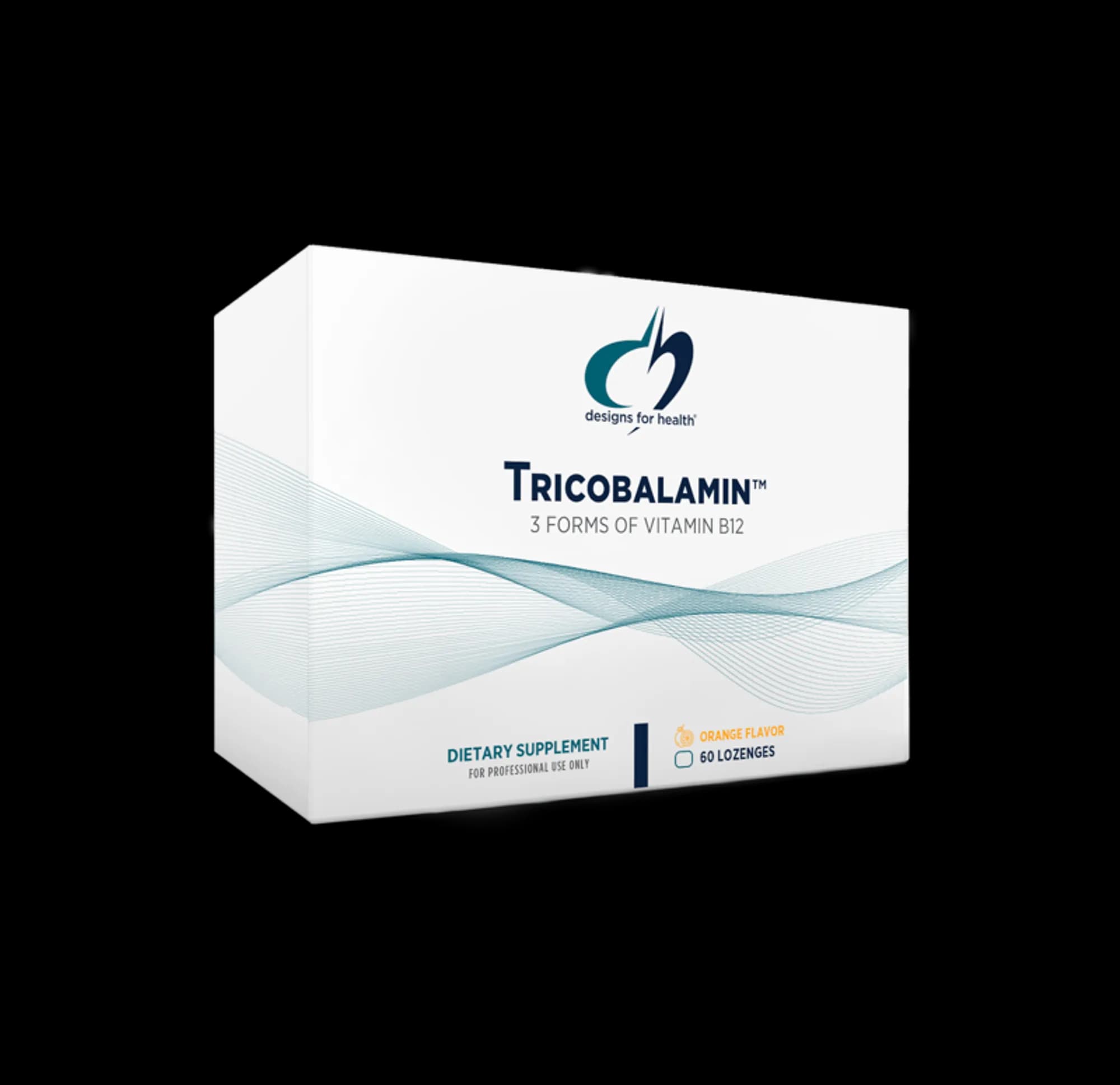
However, emerging clinical research is beginning to illuminate the cellular mechanisms driving these post-viral syndromes, and one critical piece of the puzzle is cellular energy metabolism. At the very center of this metabolic engine lies Vitamin B12, a structurally complex and absolutely vital nutrient. While standard B12 supplements often rely on synthetic forms that the body struggles to utilize, specialized formulations like Tricobalamin™ lozenges offer a synergistic blend of three bioavailable, active forms: methylcobalamin, hydroxycobalamin, and adenosylcobalamin. By understanding how these specific forms interact with our biochemistry at a molecular level, we can better comprehend why restoring functional B12 status is a cornerstone of managing complex chronic conditions.
TL;DR
Vitamin B12 is essential for cellular energy and nerve health in complex chronic conditions.
Functional B12 deficiency can occur despite normal blood tests due to inflammation and oxidative stress.
Tricobalamin lozenges provide three active B12 forms to bypass absorption issues and support mitochondria.
Targeted B12 supplementation may help manage fatigue, brain fog, and dysautonomia symptoms.
What is Vitamin B12 (Cobalamin)?
The Architectural Marvel of the Cobalamin Molecule
Vitamin B12, collectively known in the scientific community as cobalamin, is a structurally intricate, water-soluble vitamin that plays an indispensable role in human physiology. At the molecular level, it is an architectural marvel, featuring a central corrin ring that tightly binds a single cobalt atom. This unique structure makes it the only vitamin that contains a trace mineral at its core. In a healthy body, cobalamin is the master regulator of several critical biochemical pathways, including genomic DNA synthesis, the maturation of red blood cells, and the maintenance of the central and peripheral nervous systems. Without sufficient B12, the body's cellular machinery fundamentally stalls, leading to widespread systemic dysfunction.
The various forms of Vitamin B12, known as vitamers, differ solely based on the specific upper axial ligand attached to that central cobalt atom. The synthetic form most commonly found in over-the-counter supplements and fortified foods is cyanocobalamin, which contains a cyanide molecule. While stable and cheap to produce, the human body cannot use cyanocobalamin directly; it must expend cellular energy to cleave the cyanide group, detoxify it, and convert the remaining molecule into an active form. In contrast, the body naturally relies on three specific, highly bioavailable forms: methylcobalamin, adenosylcobalamin, and hydroxocobalamin. These are the exact forms provided in Tricobalamin™ lozenges, allowing the body to bypass energy-intensive conversion steps and immediately utilize the nutrient.
The Three Bioactive Forms: Methyl, Adenosyl, and Hydroxy
Each of the three natural forms of B12 serves a distinct and non-interchangeable purpose within cellular metabolism. Methylcobalamin operates primarily in the cytosol, the intracellular fluid of the cell. It acts as a vital methyl group carrier and a required cofactor for the enzyme methionine synthase. This enzyme is responsible for the remethylation of homocysteine into methionine, a process that simultaneously regenerates tetrahydrofolate for DNA synthesis and produces S-adenosylmethionine (SAMe), the universal methyl donor required for neurotransmitter production and myelin maintenance. By keeping homocysteine levels in check, methylcobalamin also protects the cardiovascular system from oxidative damage.
Adenosylcobalamin, on the other hand, functions deep inside the cellular mitochondria—the powerhouses of our cells. It is the essential cofactor for the enzyme methylmalonyl-CoA mutase, which catalyzes the conversion of L-methylmalonyl-CoA into succinyl-CoA. This biochemical step is an absolute requirement for feeding intermediates into the Krebs cycle (or TCA cycle) to generate adenosine triphosphate (ATP), the primary currency of cellular energy. Finally, hydroxocobalamin acts as a highly versatile precursor and a potent intracellular scavenger of reactive oxygen species (ROS). It circulates in the bloodstream longer than other forms and can be seamlessly converted by cellular processing enzymes into either methylcobalamin or adenosylcobalamin, depending on exactly what the cell needs at that exact moment.
The Journey of B12 Through a Healthy Body
In a healthy individual, the absorption of dietary Vitamin B12 is a highly complex, multi-step journey that is easily disrupted. When consumed through food, B12 is bound to animal proteins. In the stomach, hydrochloric acid and the enzyme pepsin must first cleave the B12 from these proteins. Once liberated, the vitamin binds to a specialized protein called Intrinsic Factor (IF), which is secreted by the parietal cells of the stomach lining. This B12-IF complex then travels through the digestive tract until it reaches the distal ileum (the final section of the small intestine), where it is actively absorbed into the bloodstream.
Once in the blood, B12 binds to a transport protein called transcobalamin II, which acts as a molecular taxi, delivering the vitamin to target cells throughout the body. Inside the cells, the molecule is stripped of its upper ligand and converted into the specific active coenzyme forms required for survival. However, this delicate digestive pathway is highly vulnerable to disruption from gut inflammation, low stomach acid, autoimmune conditions, or the use of common medications like proton pump inhibitors. This is why alternative delivery methods, such as sublingual lozenges, have become a crucial tool in functional medicine for ensuring adequate absorption.
How Long COVID and ME/CFS Impact Vitamin B12 Pathways
The Phenomenon of Functional B12 Deficiency
When exploring What Causes Long COVID and ME/CFS, researchers consistently observe severe metabolic and immune dysregulation that directly impacts nutrient utilization. One of the most perplexing challenges in diagnosing these conditions is the phenomenon of "functional" or paradoxical Vitamin B12 deficiency. In a functional deficiency, a patient's standard serum blood test may show normal or even highly elevated levels of Vitamin B12. However, due to systemic inflammation and oxidative stress, the body is unable to effectively transport the vitamin from the bloodstream into the cells, or it fails to convert inactive forms into the active intracellular coenzymes. Consequently, the cells remain starved of B12, and the patient experiences severe deficiency symptoms despite their bloodwork appearing perfectly healthy.
This cellular starvation is largely driven by the inflammatory cytokines released during chronic immune activation. In conditions like mast cell activation syndrome (MCAS), which frequently co-occurs with Long COVID and ME/CFS, the constant degranulation of mast cells releases a flood of inflammatory mediators like Interleukin-6 (IL-6). These cytokines can interfere with transcobalamin II, the transport protein responsible for carrying B12 into the tissues. Furthermore, patients with these complex chronic illnesses often suffer from severe gut dysbiosis and gastrointestinal inflammation, which drastically impairs the stomach's ability to produce Intrinsic Factor and the ileum's ability to absorb nutrients, compounding the systemic deficit.
Endothelial Senescence and Viral Reactivation
Recent groundbreaking research has highlighted the role of the endothelium—the inner lining of blood vessels—in the pathophysiology of post-viral syndromes. Acute viral infections, such as SARS-CoV-2, can induce endothelial cell senescence, a state where cells stop dividing but refuse to die, instead secreting a toxic cocktail of pro-inflammatory, pro-coagulant, and vasoconstrictive molecules. This senescence-associated secretory phenotype (SASP) is a major driver of the microclots, reduced cerebral perfusion, and severe tissue hypoxia seen in Long COVID. Vitamin B12, particularly in its role as a regulator of homocysteine, is critical for maintaining endothelial health; when B12 is functionally deficient, homocysteine accumulates, further damaging the fragile endothelial lining and perpetuating a vicious cycle of vascular inflammation.
Furthermore, the immune exhaustion seen in these conditions often allows for the reactivation of dormant viruses, such as Epstein-Barr Virus (EBV) and Herpes Simplex Virus 1 (HSV-1). Studies have shown heightened EBV and HSV-1 reactivation in ME/CFS and Long COVID, along with increased circulating fibronectin and depletion of natural IgM, which may contribute to cellular dysfunction. Because the active form of B12, adenosylcobalamin, is required for mitochondrial ATP production, a deficiency in this specific vitamer leaves the mitochondria defenseless against viral-induced fragmentation and dysfunction, directly contributing to the debilitating fatigue experienced by patients.
The Toll of Oxidative Stress and Neuroinflammation
The intersection of viral persistence, immune dysregulation, and nutrient depletion creates a massive burden of oxidative stress within the central nervous system. In a healthy state, the body relies on robust antioxidant defense systems to neutralize free radicals and reactive oxygen species (ROS). However, in Long COVID and ME/CFS, these defense mechanisms are quickly overwhelmed. Dr. Martin Pall’s well-known NO/ONOO- hypothesis suggests that an excess of nitric oxide (NO) and peroxynitrite (a highly damaging free radical) drives the neuroinflammation responsible for cognitive dysfunction and sensory overload.
Vitamin B12, specifically the hydroxocobalamin form, is one of the body's most potent natural scavengers of nitric oxide. When B12 levels are depleted or functionally blocked, the brain loses this critical defense mechanism. The resulting unchecked neuroinflammation damages delicate neuronal structures and impairs the synthesis of vital neurotransmitters. This biochemical cascade helps explain What Are the Symptoms of Long COVID, illustrating why patients experience such profound neurological and cognitive impairments long after the initial viral infection has cleared.
Tricobalamin™: Supporting Cellular Energy and Nerve Health
Adenosylcobalamin and the Mitochondrial Engine
To combat the profound energy deficits seen in complex chronic illnesses, supplementation must target the cellular machinery directly. Tricobalamin™ lozenges provide a highly bioavailable dose of adenosylcobalamin, the specific form of Vitamin B12 required by the mitochondria. When patients ask Can Long COVID Trigger ME/CFS? Unraveling the Connection, the answer often lies in acquired mitochondrial dysfunction. Adenosylcobalamin acts as the essential coenzyme for methylmalonyl-CoA mutase. By facilitating the conversion of methylmalonyl-CoA into succinyl-CoA, this vitamer ensures a steady supply of intermediates into the Krebs cycle, directly supporting the production of ATP.
When this specific mitochondrial pathway is restored through targeted supplementation, the cells can begin to transition away from inefficient, lactic-acid-producing anaerobic glycolysis and back toward highly efficient aerobic respiration. This shift is crucial for patients suffering from post-exertional malaise (PEM), as it helps rebuild the cellular energy reserves required to tolerate physical and cognitive exertion without triggering a debilitating crash. Furthermore, by preventing the toxic accumulation of methylmalonic acid (MMA)—which occurs when this pathway is stalled—adenosylcobalamin protects the myelin sheath from structural degradation, supporting long-term neurological stability.
Methylcobalamin, Methylation, and Neurotransmitter Balance
The inclusion of methylcobalamin in Tricobalamin™ provides direct support for the body's methylation cycle, a biochemical pathway that is frequently impaired in post-viral syndromes. Methylation is responsible for turning genes on and off, detoxifying chemicals, and synthesizing neurotransmitters. By acting as a cofactor for methionine synthase, methylcobalamin ensures the efficient conversion of homocysteine into methionine, thereby generating S-adenosylmethionine (SAMe). SAMe is the critical methyl donor required for the production of serotonin, dopamine, and norepinephrine—neurotransmitters that regulate mood, focus, and autonomic nervous system function.
For patients experiencing the severe brain fog, depression, and cognitive slowing associated with Long COVID, supporting neurotransmitter synthesis is a vital therapeutic angle. Additionally, the methylation cycle is deeply intertwined with the production of glutathione, the body's master antioxidant. By providing pre-methylated B12, Tricobalamin™ helps bypass common genetic mutations (such as MTHFR polymorphisms) that hinder the body's ability to create its own methyl groups, ensuring that these vital neurological and detoxification pathways remain fueled even in the face of chronic illness.
Hydroxocobalamin as a Potent Nitric Oxide Scavenger
The third component of Tricobalamin™, hydroxocobalamin, offers a unique and highly specialized mechanism of action that is particularly beneficial for patients with neuroinflammation and dysautonomia. Unlike the other forms, hydroxocobalamin possesses a profound chemical affinity for nitric oxide and other reactive nitrogen species. In the context of chronic illness—such as vasovagal syncope, where a high prevalence of Vitamin B-12 deficiency has been observed—hydroxocobalamin acts as a molecular sponge, directly binding to and neutralizing these damaging molecules.
This scavenging action helps to reduce the overall burden of oxidative stress within the central nervous system, providing a neuroprotective effect that neither methylcobalamin nor adenosylcobalamin can achieve on their own. Furthermore, hydroxocobalamin serves as a stable, long-lasting reservoir of Vitamin B12 in the bloodstream. Because it binds tightly to transport proteins, it ensures a sustained delivery of cobalamin to the tissues over time. Once inside the cell, the body can easily convert this unmethylated precursor into whichever active form it requires, providing a flexible and gentle source of support for highly sensitive patients.

Symptoms Tricobalamin™ May Help Manage
Targeting Post-Exertional Malaise and Fatigue
Post-Exertional Malaise (PEM): By supplying adenosylcobalamin directly to the mitochondria, Tricobalamin™ supports the Krebs cycle and ATP production. This helps raise the cellular energy threshold, potentially reducing the severity and duration of crashes following physical or cognitive exertion.
Profound Chronic Fatigue: The synergistic blend of three active B12 forms ensures that both the cytosolic and mitochondrial energy pathways are fueled, combating the deep, unyielding exhaustion that characterizes ME/CFS and Long COVID.
Muscle Weakness and Heaviness: By preventing the accumulation of toxic methylmalonic acid (MMA) and supporting efficient aerobic respiration, active B12 helps reduce the lactic acid buildup that contributes to the sensation of leaden, heavy limbs.
Addressing Dysautonomia and POTS Symptoms
Postural Orthostatic Tachycardia Syndrome (POTS): Vitamin B12 is a required cofactor for the COMT enzyme, which degrades excess adrenaline and noradrenaline. By supporting this pathway, B12 helps calm the sympathetic nervous system overdrive that causes rapid heart rate upon standing.
Neuropathic Pain and Tingling: The adenosylcobalamin form is essential for synthesizing the healthy fatty acids required to maintain and repair the myelin sheath, the protective coating around peripheral nerves, thereby reducing sensations of numbness, burning, and tingling.
Blood Pooling and Vasodilation: Hydroxocobalamin's ability to scavenge excess nitric oxide helps restore proper vascular tone, assisting the autonomic nervous system in constricting blood vessels to prevent blood from pooling in the lower extremities.
Supporting Cognitive Function and Brain Fog
Cognitive Dysfunction (Brain Fog): By lowering neuroinflammation and neutralizing reactive oxygen species, the active forms of B12 protect delicate neuronal structures, supporting clearer thinking, better memory retrieval, and improved focus.
Mood Instability and Anxiety: Methylcobalamin directly fuels the production of SAMe, the universal methyl donor required to synthesize mood-regulating neurotransmitters like serotonin and dopamine, helping to stabilize the emotional fluctuations often seen in chronic illness.
Histamine Intolerance: Vitamin B12 is necessary to produce the SAMe required by the HNMT enzyme, which is responsible for breaking down intracellular histamine in the brain. Supporting this pathway can alleviate the neurological symptoms associated with mast cell flares.
Practical Considerations: Forms, Dosing, and Absorption
The Advantage of the Lozenge Delivery System
When considering What Drugs Are Used for COVID Long Haulers? and which supplements are most effective, the method of delivery is just as critical as the active ingredients. Tricobalamin™ utilizes a specialized lozenge delivery system designed to maximize absorption. Traditional oral B12 capsules must survive the harsh environment of the stomach, where they rely on adequate stomach acid, digestive enzymes, and Intrinsic Factor to be absorbed in the gut. For patients with chronic illness, gut dysbiosis, or those taking acid-reducing medications, this digestive pathway is often severely compromised, rendering standard pills largely ineffective.
By allowing the lozenge to dissolve slowly and completely in the mouth, Tricobalamin™ takes advantage of the rich network of capillaries located in the oral mucosa (under the tongue and inside the cheeks). This sublingual and buccal absorption allows a portion of the active Vitamin B12 to diffuse directly into the bloodstream, entirely bypassing the gastrointestinal tract and the liver's first-pass metabolism. Furthermore, the high dosage (3,000 mcg) ensures that any portion of the lozenge that is eventually swallowed will still be absorbed via passive diffusion in the gut, guaranteeing that the body receives a clinically relevant dose of these vital coenzymes regardless of digestive health.
Navigating MCAS Sensitivities with B12 Forms
For patients managing Mast Cell Activation Syndrome (MCAS) alongside Long COVID or ME/CFS, introducing new supplements requires extreme caution. The mast cells in these individuals are highly reactive and easily triggered by synthetic additives or sudden biochemical shifts. The widely available cyanocobalamin is generally avoided in this population, as the body must expend energy to cleave and detoxify the cyanide molecule, which can provoke an immune response. Tricobalamin™ avoids this entirely by providing only bioidentical, natural forms of the vitamin.
However, patients with MCAS and underlying genetic methylation mutations (such as MTHFR) must also be mindful of their response to methyl donors. While methylcobalamin is essential, introducing high doses too quickly can sometimes cause "overmethylation," leading to temporary anxiety, irritability, or insomnia. Because Tricobalamin™ blends methylcobalamin with the unmethylated, gentler forms of hydroxocobalamin and adenosylcobalamin, it provides a more balanced approach. The unmethylated forms offer immediate mitochondrial support and toxin scavenging without overstimulating the nervous system, making this synergistic blend generally better tolerated by sensitive individuals than a pure, high-dose methylcobalamin supplement.
Safety, Drug Interactions, and Co-factors
Vitamin B12 is universally recognized as exceptionally safe, with no established Tolerable Upper Intake Level (UL) due to its water-soluble nature; the body simply excretes any excess through the urine. However, to maximize the efficacy of Tricobalamin™, it is important to consider essential co-factors. B12 does not work in isolation; its biochemical pathways rely heavily on adequate levels of Folate (Vitamin B9), Riboflavin (Vitamin B2), and Magnesium. Ensuring these complementary nutrients are balanced is crucial for fully activating the methylation and mitochondrial energy cycles.
Patients should also be aware of potential drug interactions that can deplete B12 levels over time. Long-term use of Metformin (a common diabetes medication) and Proton Pump Inhibitors (PPIs) are well-documented to significantly impair the absorption of Vitamin B12 from food. While the lozenge delivery of Tricobalamin™ helps bypass the digestive hurdles caused by PPIs, patients on these medications should work closely with their healthcare provider to monitor their functional B12 status via markers like Methylmalonic Acid (MMA) and Homocysteine, rather than relying solely on standard serum B12 tests.

Follow the Science: Clinical Evidence for B12 in Chronic Illness
Studies on B12 Deficiency in Post-Viral Syndromes
The scientific literature increasingly supports the critical role of Vitamin B12 in managing post-viral illnesses. A 2014 study evaluated 125 adolescents with vasovagal syncope and discovered that 47.2% were deficient in Vitamin B12, compared to 18% of healthy controls. The researchers noted that children with a POTS pattern had significantly lower Vitamin B12 levels compared to those without the POTS response. Furthermore, investigations into ME/CFS frequently highlight the prevalence of functional B12 deficiency, where cellular transport mechanisms are blocked by inflammatory cytokines, starving the brain and muscles of this essential nutrient despite normal blood tests.
Clinical trials targeting these deficiencies have shown promising results. These findings align with large-scale patient-reported outcome analyses, which consistently rank high-dose, highly bioavailable Vitamin B12 as one of the most effective interventions for relieving the profound fatigue and cognitive dysfunction associated with these complex conditions.
The Impact of B12 on Dysautonomia and POTS
The connection between Vitamin B12 and autonomic nervous system dysfunction is a major focal point in current dysautonomia research. A landmark pediatric case-control study investigated adolescents presenting with vasovagal syncope and Postural Orthostatic Tachycardia Syndrome (POTS). The researchers found that Vitamin B12 deficiency was present in 47.2% of the patient group, compared to 18% of healthy controls. Among those who tested positive for POTS on a tilt-table test, they had significantly lower Vitamin B12 levels compared to those without the POTS response, highlighting the connection between B12 and autonomic function.
Supplementation with methylated B-vitamins, including active B12, restored the enzymatic pathway, cleared the excess norepinephrine, and resulted in vast clinical improvement of the patient's POTS symptoms, underscoring the vital importance of active B12 forms in regulating autonomic function.
Meta-Analyses on Sublingual Absorption Efficacy
When evaluating the efficacy of sublingual lozenges versus traditional oral capsules, recent massive meta-analyses provide clear guidance. A highly comprehensive 2025 systematic review analyzed 16 studies comprising over 6,000 participants to compare sublingual, oral, and intramuscular B12 administration. The data revealed that high-dose sublingual and oral routes were highly effective at raising serum cobalamin levels and lowering homocysteine, successfully correcting deficiencies through passive diffusion mechanisms that bypass the need for Intrinsic Factor.
While the review found no statistically significant difference in raw efficacy between high-dose oral and sublingual routes, functional medicine practitioners continue to favor sublingual lozenges like Tricobalamin™ for chronically ill populations. For patients with severe gastrointestinal inflammation, dysphagia, or malabsorption issues common in Long COVID and ME/CFS, the lozenge format ensures that the active vitamers can enter the bloodstream through the oral mucosa, providing a reliable, gentle, and highly bioavailable delivery method that avoids the unpredictable environment of an inflamed gut.
The Path Forward
Validating the Chronic Illness Experience
If you are navigating the complex, unpredictable symptoms of Long COVID, ME/CFS, dysautonomia, or MCAS, it is crucial to know that your experience is valid. The profound exhaustion, the cognitive fog, and the autonomic instability are not in your head; they are the result of measurable, physiological disruptions at the cellular level. When standard medical tests fail to capture the full picture of your illness, it can be deeply isolating. However, as our understanding of How Does a Doctor Diagnose Long COVID? evolves, so too does our ability to target the specific biochemical pathways—like mitochondrial energy production and methylation—that have been compromised by chronic inflammation and viral persistence.
Integrating Tricobalamin™ into Your Management Strategy
Restoring cellular health requires a comprehensive, multi-faceted approach. While no single supplement is a cure for complex chronic conditions, providing your body with the precise, bioavailable nutrients it needs to function is a foundational step in healing. Tricobalamin™ lozenges offer a scientifically grounded way to support your mitochondrial engine, protect your nervous system, and manage the debilitating symptoms of functional B12 deficiency. By delivering a synergistic blend of methylcobalamin, adenosylcobalamin, and hydroxocobalamin through an optimized lozenge system, this formulation ensures that your cells receive the exact coenzymes required to rebuild energy reserves and stabilize autonomic function.
A Collaborative Approach to Healing
As you explore targeted nutritional support, remember that supplements are most effective when integrated into a broader management strategy that includes aggressive pacing, nervous system regulation, and symptom tracking. Because every patient's biochemistry is unique, especially when navigating conditions like MCAS and POTS, it is essential to work collaboratively with a healthcare provider who understands the nuances of complex chronic illness. Together, you can monitor your functional nutrient markers and tailor a protocol that gently and effectively supports your path forward.