Can Vitamin K2 and Geranylgeraniol (GG) Support Vascular Health in Long COVID and Dysautonomia?
March 6, 2026
Vitamin K2GeranylgeraniolLong COVID
Share:
Disclaimer: The information provided here is for educational purposes only and is not intended as medical advice. It should not be used to diagnose, treat, cure, or prevent any medical condition. Instead, use it as a starting point for discussion with your healthcare provider. Always consult with a qualified healthcare provider before starting any new medication, supplement, device, or making changes to your health regimen.
Months or even years after a viral infection, many patients find themselves battling a complex web of symptoms—debilitating fatigue, racing heart rates upon standing, severe brain fog, and deep muscle aches. When navigating the realities of Long COVID, myalgic encephalomyelitis/chronic fatigue syndrome (ME/CFS), and dysautonomia, it can feel as though the body’s foundational systems have lost their ability to communicate and repair. While much of the medical focus has centered on immune dysregulation and inflammation, emerging research is pointing toward a critical, often-overlooked driver of these chronic symptoms: severe vascular and endothelial dysfunction.
The blood vessels are not just passive pipes; they are dynamic, living tissues that regulate blood flow, oxygen delivery, and immune responses. When the endothelium—the delicate inner lining of the blood vessels—becomes damaged by viral persistence or chronic inflammation, the resulting microclots and poor tissue perfusion can trigger widespread autonomic and metabolic chaos. In the search for targeted nutritional support, functional medicine is increasingly turning to the profound biochemical synergy of Vitamin K2 and a lesser-known lipid molecule called Geranylgeraniol (GG).
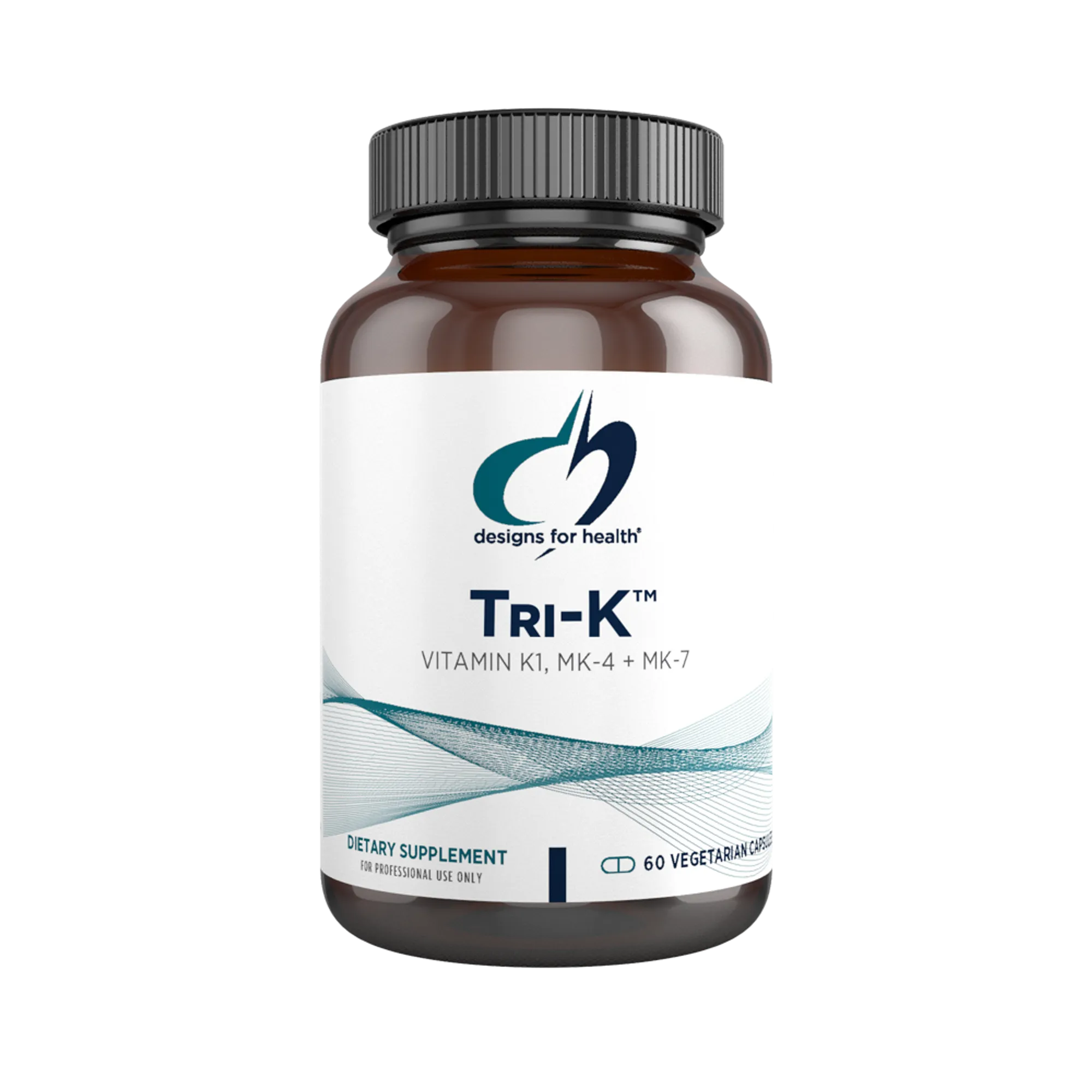
Tri-K™ by Designs for Health is a specialized supplement that combines Vitamin K1, Vitamin K2 (as MK-4), and a patented form of Geranylgeraniol known as GG-Gold®. Together, these compounds work at the molecular level to support arterial elasticity, may promote healthy blood clotting, and provide the cellular building blocks necessary for muscle repair and mitochondrial energy production. In this comprehensive guide, we will explore the intricate biochemistry of how Tri-K™ supports the vascular and muscular systems, and why it may be a valuable tool for those learning how to live with Long-Term COVID and related complex chronic conditions.
TL;DR
Tri-K™ combines Vitamin K1, K2, and Geranylgeraniol to support vascular and muscular health.
Vitamin K2 may help maintain arterial elasticity and support healthy bone mineral density.
Geranylgeraniol (GG) provides building blocks that may support endogenous CoQ10 synthesis and muscle repair.
Always consult your healthcare provider before starting supplements, especially if taking blood thinners.
What is Tri-K™?
The Synergy of Vitamins K1, K2, and Geranylgeraniol
To understand the clinical utility of Tri-K™, it is essential to break down its three primary components and how they interact within the human body. Vitamin K is not a single molecule, but rather a family of fat-soluble vitamins that share a common chemical structure known as a naphthoquinone ring. Vitamin K1 (Phytonadione), which makes up the majority of dietary Vitamin K from leafy green vegetables, is primarily utilized by the liver to synthesize coagulation factors that ensure healthy blood clotting. However, K1 has a very short half-life and does not easily reach extrahepatic (outside the liver) tissues like the bones, brain, or blood vessels.
Vitamin K2, specifically in the form of Menaquinone-4 (MK-4), is the biologically active, tissue-specific form of the vitamin. Unlike other forms of K2 that are synthesized by gut bacteria, MK-4 is unique because the human body actively synthesizes it internally from dietary K1. This conversion happens directly inside the tissues that need it most, such as the arterial walls, pancreas, and testes. MK-4 is responsible for regulating calcium distribution throughout the body, ensuring that calcium is deposited into the bones rather than accumulating in the soft tissues and blood vessels.
The third and perhaps most fascinating component of Tri-K™ is Geranylgeraniol (GG). GG is an endogenous isoprenoid compound—a naturally occurring lipid molecule that acts as a fundamental biochemical building block. In a healthy body, GG is the exact structural side-chain that the enzyme UBIAD1 uses to convert Vitamin K1 into the active MK-4 form. By providing 17.5 mg of patented GG-Gold® alongside K1 and MK-4, Tri-K™ supplies the body with both the raw materials and the precise biological catalysts needed to optimize Vitamin K status across all cellular tissues.
The Mevalonate Pathway and Endogenous Synthesis
The true power of Geranylgeraniol lies in its relationship with the mevalonate pathway, one of the most heavily trafficked and ancient biochemical pathways in human biology. This pathway begins with a simple molecule called Acetyl-CoA and undergoes a series of enzymatic steps to synthesize critical biomolecules. While the mevalonate pathway is most famous for producing cholesterol, it is equally responsible for synthesizing Coenzyme Q10 (CoQ10), dolichol, and sex hormones.
Geranylgeraniol sits at a critical junction within this pathway. It is the obligatory structural substrate required for the body to synthesize its own CoQ10 endogenously. Furthermore, GG is essential for a post-translational protein modification process called protein prenylation (specifically, geranylgeranylation). During this process, GG attaches to specific signaling proteins (such as the GTPases Rap1, Rho, and Rac) and anchors them to the cell membrane. This anchoring is an absolute requirement for intracellular signaling, skeletal muscle growth, and cellular survival. Without adequate GG, muscle cells cannot repair themselves, and mitochondrial energy production grinds to a halt.
The Calcium Paradox: Bone and Vascular Crosstalk
Vitamin K2 operates at the center of a profound biological phenomenon that researchers refer to as the "Calcium Paradox" or "Bone-Vascular Crosstalk". In states of Vitamin K deficiency, patients often experience two seemingly contradictory pathologies simultaneously: their bones lose calcium (leading to osteopenia or osteoporosis), while their arteries accumulate calcium (leading to vascular calcification and arterial stiffness).
This paradox occurs because the body relies on Vitamin K2 as an essential cofactor for the enzyme gamma-glutamyl carboxylase. This enzyme is responsible for the "activation" (gamma-carboxylation) of specific Vitamin K-dependent proteins (VKDPs). When K2 is abundant, it activates proteins that pull calcium out of the bloodstream and lock it into the skeletal matrix, while simultaneously activating sweeping proteins that clear calcium crystals away from the delicate endothelial lining of the blood vessels. Tri-K™ is designed to provide the specific MK-4 and GG molecules that may help keep this delicate calcium distribution system functioning optimally.
How Long COVID and Dysautonomia Impact Vascular and Muscular Systems
Viral-Induced Endothelial Dysfunction and Vitamin K Depletion
To understand what causes Long COVID and its myriad of systemic symptoms, we must look closely at the vascular system. COVID-19 is increasingly recognized not just as a respiratory illness, but as a severe vascular disease characterized by widespread endothelial dysfunction. The SARS-CoV-2 virus directly attacks the ACE2 receptors located on the surface of endothelial cells, triggering a massive inflammatory cascade. This viral assault causes a rapid, localized depletion of Vitamin K in extrahepatic tissues, particularly in the lungs and blood vessels, creating a state of severe, localized deficiency.
This profound depletion of Vitamin K leaves the endothelium highly vulnerable. One of the primary Vitamin K-dependent proteins, Matrix Gla Protein (MGP), is responsible for protecting pulmonary and vascular elastic fibers from degradation. Research on severe acute COVID-19 and Long COVID highlights a high prevalence of cardiovascular symptoms, which may be exacerbated by the depletion of Vitamin K and resulting high levels of inactive MGP. Without activated MGP to shield them, the elastic fibers in the blood vessels undergo rapid proteolysis (breakdown), leading to arterial stiffness, loss of vascular tone, and persistent endothelial inflammation.
Microclots, Inactive Protein S, and Capillary Rarefaction
The vascular chaos of Long COVID and dysautonomia is further compounded by abnormal blood clotting. Endothelial cells synthesize Protein S, a crucial Vitamin K-dependent anticoagulant that prevents localized thrombosis. Because Vitamin K is heavily depleted in the extrahepatic tissues during and after a viral infection, endothelial Protein S cannot be carboxylated into its active form. The failure of this localized anticoagulant system is a primary driver of the microclots commonly observed in Long COVID patients.
These persistent microclots block the tiny capillaries that feed oxygen and nutrients to the brain, muscles, and organs—a phenomenon known as capillary rarefaction. This chronic state of poor tissue perfusion (hypoxia) forces the cells to rely on inefficient anaerobic metabolism, generating high levels of lactic acid and driving the severe brain fog, cognitive impairment, and deep muscle aches that patients experience daily. In conditions like postural orthostatic tachycardia syndrome (POTS), this endothelial dysfunction impairs the blood vessels' ability to constrict properly upon standing, leading to severe blood pooling in the lower extremities and compensatory tachycardia.
Metabolic Dysfunction and Skeletal Muscle Fatigue
In myalgic encephalomyelitis/chronic fatigue syndrome (ME/CFS), the dysfunction extends beyond the blood vessels and deep into the skeletal muscle tissue. Chronic inflammation, oxidative stress, and metabolic gridlock severely impair the mevalonate pathway, leading to a systemic drop in endogenous Geranylgeraniol (GG) production. While this GG depletion is most famously observed as a side effect of statin medications (statin-induced myopathy), similar metabolic blocks occur in complex chronic illnesses.
Without adequate GG, skeletal muscle cells suffer a "geranylgeranylation defect." Critical structural proteins cannot anchor to the cell membrane, leading to elevated intracellular calcium, mitochondrial collapse, and the activation of apoptotic (cell death) pathways. This cellular-level muscle damage manifests clinically as debilitating post-exertional malaise (PEM), severe muscle weakness, and an inability to recover from even minor physical exertion. The body is essentially starved of the structural lipids it needs to repair muscle fibers and synthesize the CoQ10 required for ATP energy production.
Tri-K™: Supporting Endothelial Function, Bone Health, and Energy
Activating Matrix Gla Protein (MGP) for Arterial Elasticity
Supplementing with the synergistic blend in Tri-K™ aims to help counteract the vascular degradation seen in chronic illness by restoring the body's localized Vitamin K status. The primary mechanism of action for vascular support is the activation of Matrix Gla Protein (MGP). Synthesized by vascular smooth muscle cells and the endothelium, MGP is the most potent natural inhibitor of vascular calcification currently known to medical science.
When the MK-4 in Tri-K™ activates MGP via gamma-carboxylation, the protein acts as a biological "sweeper." It physically binds to calcium crystals in the bloodstream and arterial walls, escorting them away from the vascular system. Furthermore, carboxylated MGP directly blocks Bone Morphogenetic Protein-2 (BMP-2), halting a dangerous cellular process where smooth muscle cells in the arteries trans-differentiate into bone-like osteoblast cells. By helping to prevent this calcification and preserving the elastin fibers in the vascular wall, Tri-K™ may help maintain the arterial flexibility required for proper blood pressure regulation and autonomic function.
Osteocalcin Activation and Bone Mineralization
Simultaneously, Tri-K™ supports the skeletal system through the activation of Osteocalcin (OC). Osteocalcin is secreted by bone-building cells called osteoblasts. In the absence of adequate Vitamin K2, osteocalcin remains in an inactive, undercarboxylated state and cannot bind calcium. When activated by the MK-4 in Tri-K™, osteocalcin undergoes a structural conformational change that exposes calcium-binding sites.
This activated osteocalcin helps pull calcium from the bloodstream and incorporates it directly into the bone's hydroxyapatite matrix, which may support bone mineral density and structural strength. Beyond simple carboxylation, the specific MK-4 form of Vitamin K2 possesses unique bone-sparing properties. Research suggests it promotes the differentiation of new osteoblasts while suppressing the activity of osteoclasts (the cells that break down bone tissue) by increasing osteoprotegerin and reducing pro-apoptotic proteins. This is particularly vital for chronic illness patients who may suffer from bone density loss due to prolonged bed rest, inactivity, or mast cell-driven systemic inflammation.
Restoring Protein Prenylation and CoQ10 Synthesis with GG
The inclusion of 17.5 mg of GG-Gold® in Tri-K™ provides a profound secondary mechanism of action that addresses the muscular and mitochondrial fatigue of ME/CFS and Long COVID. By supplying exogenous Geranylgeraniol, the supplement may help bypass metabolic blockades in the mevalonate pathway. This provides the exact low-molecular-weight lipid required to restore protein prenylation in skeletal muscle cells.
When GG successfully attaches to the Rap1 and Rho GTPases, it anchors these signaling proteins to the cell membrane, triggering cytoprotective autophagy and potentially rescuing the muscle cells from apoptosis and structural collapse. Simultaneously, the abundance of GG provides the raw substrate needed for the body to synthesize its own CoQ10 directly inside the mitochondria. Unlike bulky synthetic CoQ10 supplements that struggle to cross cellular membranes, GG easily diffuses into the cells, fueling endogenous CoQ10 production via a mass action effect and supporting the electron transport chain's ability to generate ATP.
Endothelial Protection and Nitric Oxide Production
Finally, the synergistic action of MK-4 and GG supports the endothelium by promoting the production of Nitric Oxide (NO). Animal models have demonstrated that Vitamin K2 directly boosts endothelium-dependent vasodilation by enhancing the activity of endothelial nitric oxide synthase (eNOS). Nitric Oxide is a crucial signaling molecule that tells the blood vessels to relax and dilate, improving blood flow and reducing the sheer stress on the vascular walls. By potentially reducing oxidized LDL and lowering systemic inflammatory markers, the ingredients in Tri-K™ may help create a hospitable environment for the endothelium to heal from viral-induced trauma, potentially easing the burden of post-viral dysautonomia.
Symptoms Tri-K™ May Help Manage
Targeted Symptom Relief Through Vascular and Muscular Support
Post-Exertional Malaise (PEM) and Muscle Fatigue: By supplying Geranylgeraniol (GG), Tri-K™ provides the obligatory substrate for endogenous CoQ10 synthesis and skeletal muscle protein prenylation. This may help repair damaged muscle fibers at the cellular level, potentially reducing the severity of muscle aches and the devastating energy crashes characteristic of ME/CFS and Long COVID.
Orthostatic Intolerance and Tachycardia: In dysautonomia and POTS, poor vascular tone causes blood to pool in the lower extremities. By activating Matrix Gla Protein (MGP) and protecting vascular elastin fibers, Vitamin K2 may help maintain the structural integrity and elasticity of the blood vessels, supporting the body's ability to properly constrict and pump blood back to the heart upon standing.
Brain Fog and Cognitive Impairment: Persistent microclots and capillary rarefaction deprive the brain of oxygen. By supporting the activation of Protein S (a localized endothelial anticoagulant) and improving Nitric Oxide-mediated vasodilation, Tri-K™ may help optimize cerebral blood flow and tissue perfusion, which could alleviate neurocognitive symptoms.
Joint Pain and Bone Density Loss: Chronic illness often limits mobility, leading to disuse osteopenia, while systemic inflammation further degrades bone health. The MK-4 in Tri-K™ activates osteocalcin to drive calcium directly into the bone matrix, potentially improving structural density and reducing the deep, aching bone pain reported by many patients.
Cold Extremities and Poor Perfusion: Raynaud's-like symptoms and cold hands and feet are common in dysautonomia due to endothelial dysfunction. By helping to prevent the calcification of the microvasculature and supporting healthy endothelial signaling, Tri-K™ may help maintain open, flexible capillaries that can efficiently deliver warm, oxygenated blood to the extremities.
Statin-Associated Muscle Symptoms (SAMS): For patients taking cholesterol-lowering statin medications, the drug-induced depletion of GG causes severe myopathy. Supplementing with the GG-Gold® in Tri-K™ may help bypass this blockade, potentially rescuing muscle cells from statin-induced apoptosis without interfering with the drug's cardiovascular benefits.
Practical Considerations: Forms, Dosing, and Absorption
Understanding MK-4 Pharmacokinetics and Bioavailability
When considering Vitamin K supplementation, understanding the pharmacokinetics of different forms is crucial. Vitamin K2 is generally available in two primary forms: Menaquinone-4 (MK-4) and Menaquinone-7 (MK-7). MK-7, derived from fermented foods like natto, has a very long biological half-life and is highly effective at microgram doses. However, fermented products are notoriously high in histamine, making MK-7 a frequent trigger for patients with comorbid Mast Cell Activation Syndrome (MCAS).
MK-4, the form utilized in Tri-K™, is the exact tissue-specific form of Vitamin K2 that the human body naturally synthesizes. It is generally much better tolerated by MCAS patients because it is not derived from bacterial fermentation. However, MK-4 has a shorter half-life and poorer baseline bioavailability compared to MK-7. This is precisely why the formulation of Tri-K™ is so innovative: by combining MK-4 with its direct precursor, Geranylgeraniol (GG), the supplement provides a synergistic boost, helping ensure that the body has the molecular tools it needs to optimize tissue delivery and utilize the MK-4 efficiently before it is cleared from the bloodstream.
The Role of GG-Gold® in Supplementation
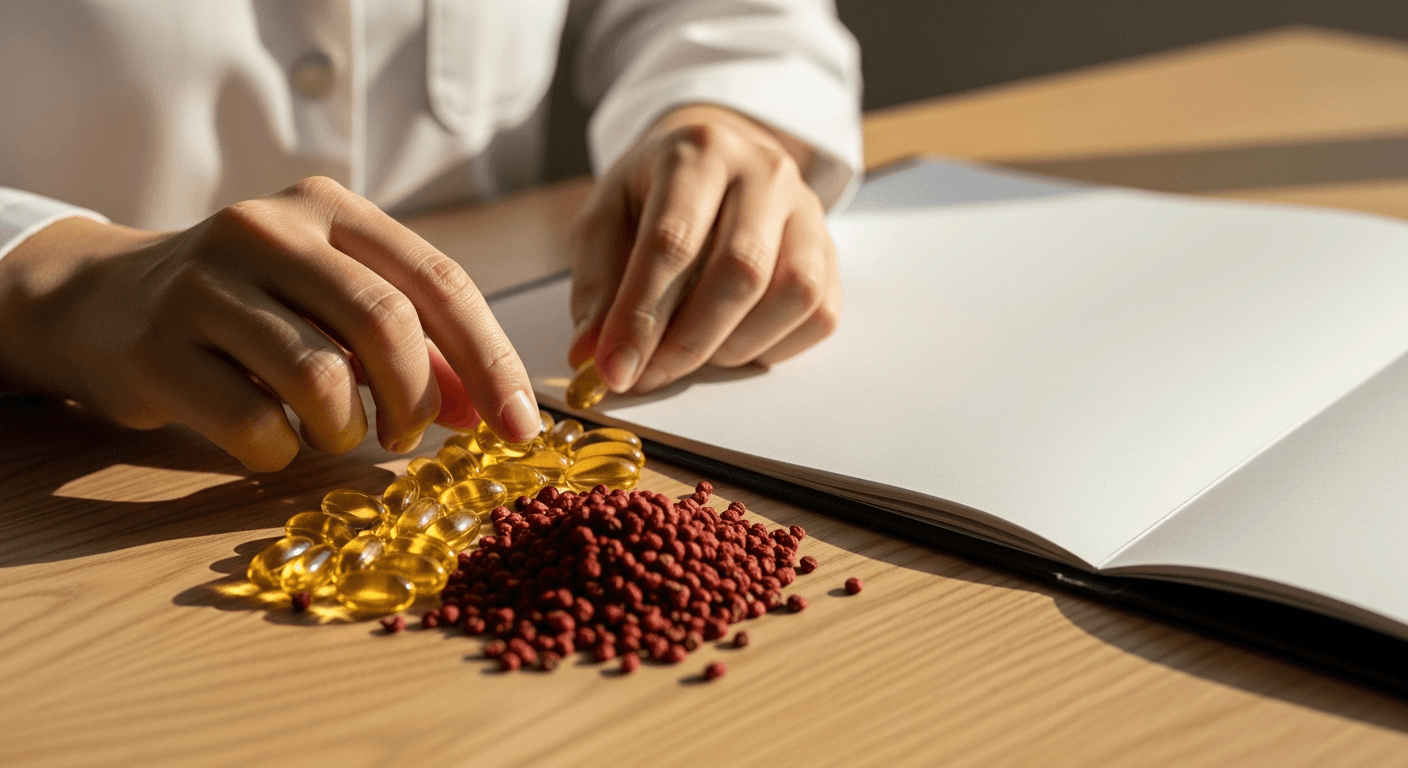
The Geranylgeraniol in Tri-K™ is provided as GG-Gold®, a patented extract developed by American River Nutrition. Because the human body’s natural production of GG drops significantly with age, chronic illness, and pharmaceutical use, high-quality supplementation is vital. GG-Gold® is extracted directly from the seeds of the South American Annatto plant (Bixa orellana), which is naturally abundant in highly purified Geranylgeraniol.
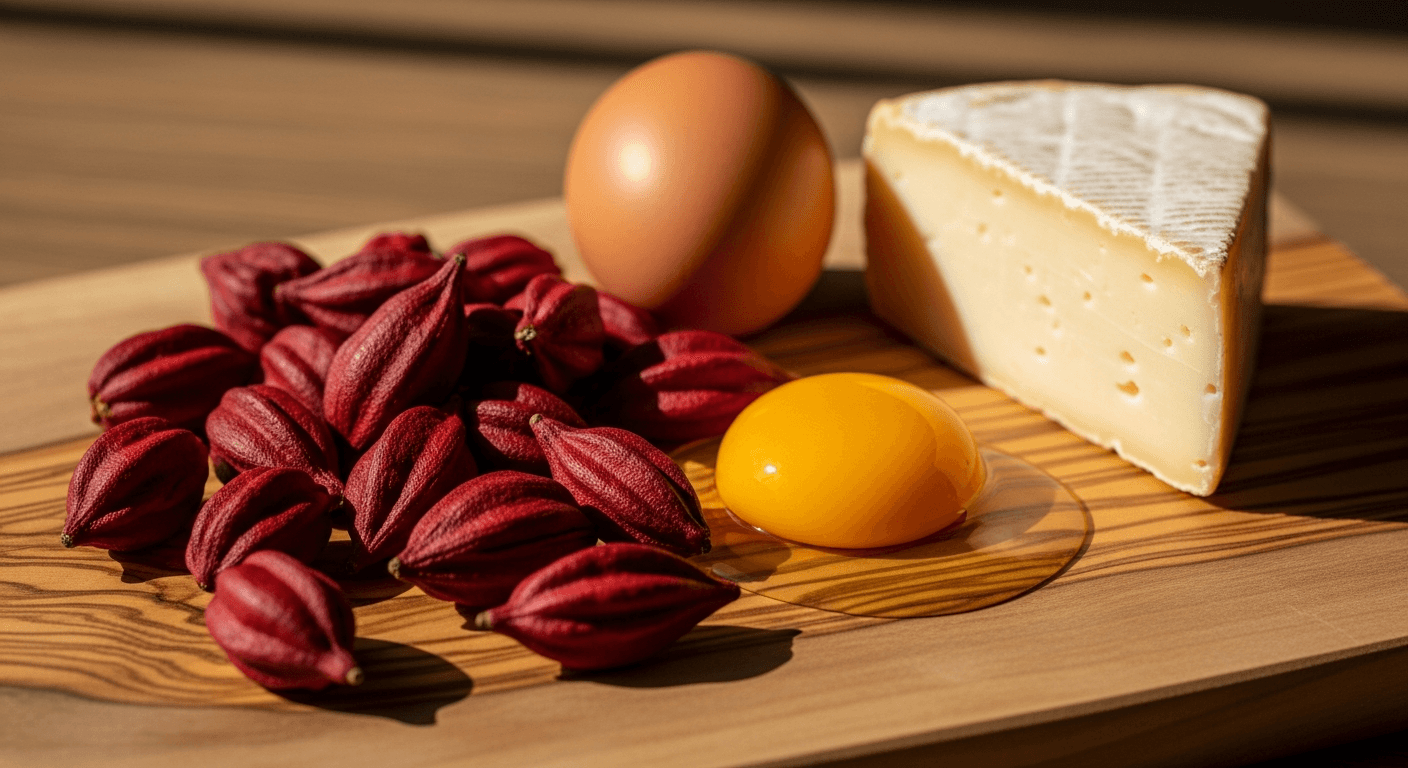
Because Vitamins K1, K2, and GG are all highly lipophilic (fat-soluble) molecules, their absorption in the gastrointestinal tract is entirely dependent on the presence of dietary fat. They are absorbed via micelle formation in the gut and transported through the lymphatic system via chylomicrons. Therefore, it is absolutely essential to take Tri-K™ with a meal that contains healthy fats (such as avocado, olive oil, or nuts) to ensure optimal bioavailability and therapeutic efficacy.
Safety, Contraindications, and Blood Thinner Interactions
While Tri-K™ is generally well-tolerated, there is one critical medical contraindication that must be strictly observed. Vitamin K supplements directly interact with Vitamin K Antagonists (VKAs), such as the prescription blood thinner Warfarin (Coumadin). These medications work specifically by inducing a state of Vitamin K deficiency to prevent blood clotting (by inhibiting the VKORC1 enzyme). Taking Tri-K™ while on Warfarin will directly counteract the medication, potentially leading to dangerous thrombotic events.
Patients taking newer Direct Oral Anticoagulants (DOACs) like Eliquis or Xarelto do not typically have this specific interaction, as these drugs target different clotting factors (like Factor Xa) rather than Vitamin K. However, because Long COVID and dysautonomia often involve complex coagulopathies and hyper-viscosity, any patient with a history of blood clots, or anyone taking anticoagulant or antiplatelet medications, must consult their prescribing hematologist or healthcare provider before introducing a Vitamin K supplement.
Follow the Science
The 2025 Long COVID Clinical Trial
The clinical understanding of Vitamin K's role in post-viral syndromes is still advancing, and dedicated large-scale clinical trials evaluating Vitamin K2 and D3 supplementation specifically for Long COVID are not yet available.
Reversing Arterial Stiffness and Endothelial Damage
The potential of Vitamin K2 to help reverse existing vascular damage has been explored in both animal and human models. A foundational 2007 animal study tested high-dose MK-4 on rats with accumulated arterial calcification. Researchers found that after 12 weeks of MK-4 treatment, there was a massive 53% reduction in previously accumulated arterial calcification, resulting in a reported reversal of carotid artery stiffness.
In human trials, the KING trial evaluated renal transplant patients with subclinical Vitamin K deficiency. After 8 weeks of Vitamin K2 supplementation, patients experienced a remarkable 14.2% reduction in arterial stiffness (measured by carotid-femoral pulse wave velocity) and a 55.1% reduction in inactive MGP levels in the blood. These findings suggest a potential structural impact of Vitamin K2 on supporting the elasticity of the endothelial lining.
Rescuing Skeletal Muscle Function In Vitro
While Geranylgeraniol (GG) is often discussed for its potential to support muscle cells, robust evidence specifically confirming its role in preventing statin-induced myotoxicity in muscle cell models remains limited.
However, a 2019 study in the Journal of Clinical Medicine demonstrated that GG may help prevent the cytotoxic effects of metabolic blockades while preserving cellular function. For patients with ME/CFS and profound muscle fatigue, research suggests GG may be a valuable piece of the metabolic puzzle.
Vitamin K Depletion in Acute COVID-19
Further supporting the "consumptive coagulopathy" theory, a 2022 study analyzing blood samples from acute COVID-19 patients found that lipophilic Vitamin K2 subtypes are drastically consumed during the infection. Patients had significantly lower K2 levels compared to healthy controls and non-COVID pneumonia patients. Researchers concluded that the severe lung pathology "consumes" Vitamin K at an accelerated rate as the body desperately tries to activate MGP to counteract elastic fiber deterioration, leaving the patient severely deficient and vulnerable to long-term vascular sequelae.
The Path Forward
Integrating Vascular Support into Chronic Illness Care
Living with complex, invisible illnesses like Long COVID, ME/CFS, and dysautonomia is an exhausting journey. When your symptoms are unpredictable and your body feels like it is constantly fighting itself, it is easy to feel overwhelmed by the sheer complexity of the underlying biology. However, understanding the mechanisms of endothelial dysfunction, protein prenylation, and the Calcium Paradox provides a validating framework: your symptoms are not in your head; they are rooted in profound, measurable biochemical disruptions.
Tri-K™ offers a targeted approach to supporting vascular and muscular health. By combining the synergistic power of Vitamin K1, MK-4, and Geranylgeraniol, this formulation provides molecular building blocks that may support arterial elasticity, protect the endothelium, and fuel endogenous cellular repair. While no single supplement is a cure for complex chronic conditions, restoring proper Vitamin K and GG status can be a powerful piece of a comprehensive management strategy alongside rigorous pacing, symptom tracking, and personalized medical care.
As always, because of the complex coagulopathies involved in post-viral syndromes and the direct interactions with certain blood-thinning medications, it is imperative to consult with your healthcare provider before starting any new supplement regimen. By taking a science-backed, mechanistic approach to vascular health, you can begin to support your body's innate ability to heal and stabilize.