Can Tributyrin Support Gut Health and Manage Symptoms of Long COVID and ME/CFS?
March 6, 2026
TributyrinGut HealthLong COVID
Share:
Disclaimer: The information provided here is for educational purposes only and is not intended as medical advice. It should not be used to diagnose, treat, cure, or prevent any medical condition. Instead, use it as a starting point for discussion with your healthcare provider. Always consult with a qualified healthcare provider before starting any new medication, supplement, device, or making changes to your health regimen.
Months or even years after a viral infection, many patients find themselves battling a bewildering array of symptoms that seem entirely disconnected. You might experience profound, crushing fatigue that worsens after minimal exertion, alongside sudden food intolerances, debilitating brain fog, and unpredictable gastrointestinal distress. When you visit a gastroenterologist for the severe bloating and a neurologist for the cognitive dysfunction, it can feel like your body is failing in separate, isolated systems, leaving you without cohesive answers. However, emerging research into complex chronic conditions like Long COVID, myalgic encephalomyelitis/chronic fatigue syndrome (ME/CFS), and mast cell activation syndrome (MCAS) is uncovering a unifying, foundational thread: the profound disruption of the gut microbiome.
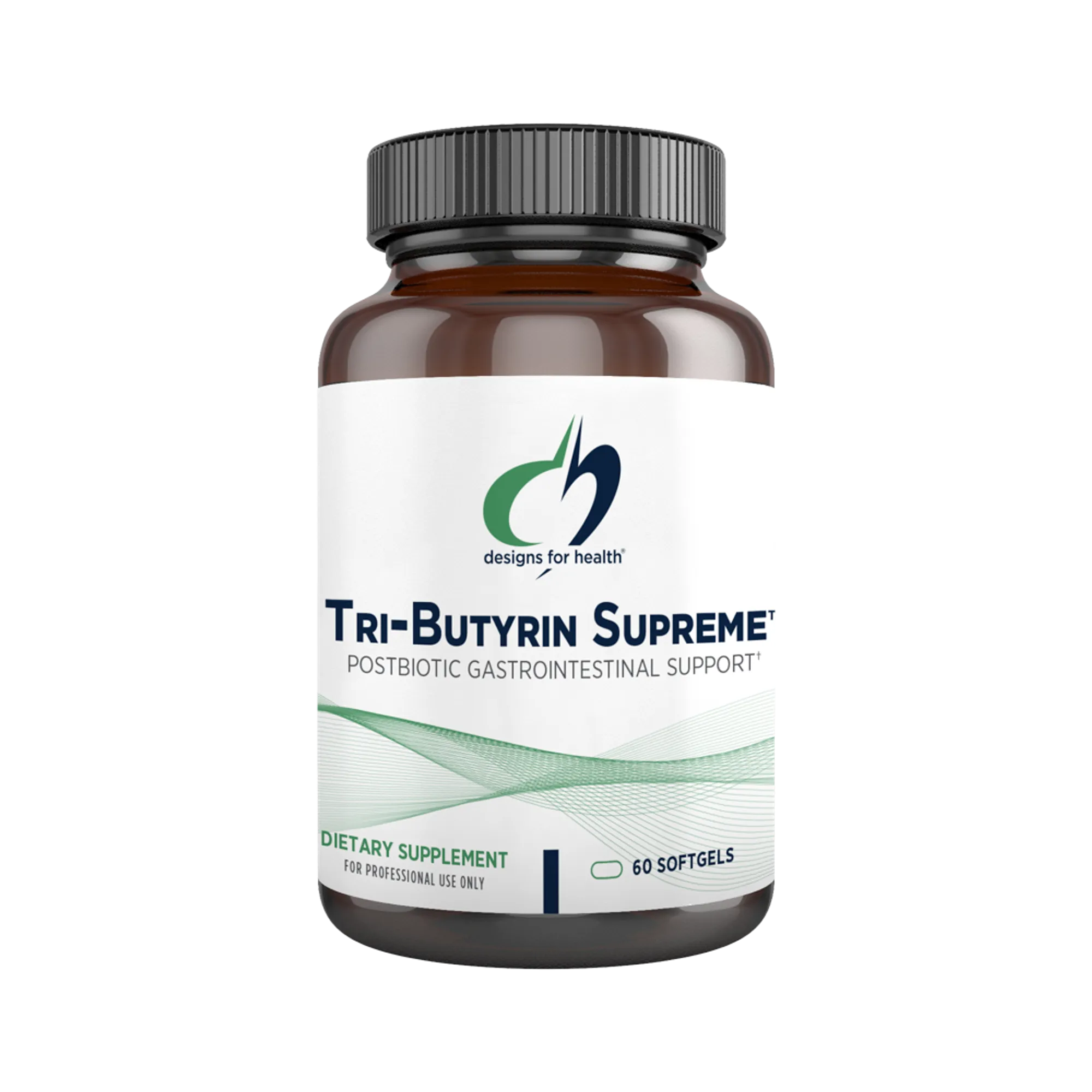
Specifically, scientists are discovering that a severe deficiency in a single, crucial molecule called butyrate may be driving much of this systemic dysfunction, linking the health of your digestive tract directly to the inflammation in your brain and immune system. When the beneficial bacteria that naturally produce butyrate are wiped out by viral infections or chronic illness, the gut barrier collapses, sending inflammatory shockwaves throughout the entire body. Tri-Butyrin Supreme™ by Designs for Health offers a targeted, scientifically advanced method for delivering this essential compound directly to where the body needs it most. By bypassing the stomach and delivering butyrate directly to the colon, this novel supplement aims to rebuild the gut barrier, stabilize hyperactive immune cells, and provide foundational support for patients navigating the complexities of post-viral and chronic fatigue syndromes.
TL;DR
Gut dysbiosis and butyrate deficiency are foundational drivers of Long COVID, ME/CFS, and systemic inflammation.
Tri-Butyrin Supreme™ delivers bioavailable butyrate directly to the colon, bypassing stomach acid and absorption issues.
Supplementing with tributyrin may help support the gut barrier, stabilize mast cells, and reduce neuroinflammation.
Consult your healthcare provider to integrate targeted gut support into a comprehensive chronic illness management plan.
What is Tributyrin (CoreBiome™)?
The Foundation of Gut Health: Short-Chain Fatty Acids
In a healthy, optimally functioning gastrointestinal tract, the foods we eat are not entirely digested in the stomach or small intestine. Complex carbohydrates, resistant starches, and dietary fibers travel intact down into the large intestine, where they encounter a vast, complex ecosystem of trillions of microorganisms known as the gut microbiome. These beneficial commensal bacteria ferment the undigested fibers, and as a byproduct of this microbial fermentation, they produce highly bioactive compounds called short-chain fatty acids (SCFAs). Among the three primary SCFAs produced in the human gut—acetate, propionate, and butyrate—butyrate stands out as the most critical molecule for maintaining local gastrointestinal homeostasis and systemic immune health. Although it is the least abundant of the three, research indicates that butyrate is an indispensable signaling molecule and metabolic fuel source that dictates the health of the entire intestinal lining.
Unlike the vast majority of cells in the human body, which rely on glucose delivered through the systemic bloodstream for their energy needs, the epithelial cells that line the colon (known as colonocytes) are uniquely adapted to extract their energy directly from the gut lumen. Butyrate serves as the primary metabolic fuel for these colonocytes, providing an astonishing 60% to 70% of their total daily adenosine triphosphate (ATP) requirements. Once absorbed into the colonocyte via specific transporters like the Sodium-Coupled Monocarboxylate Transporter 1 (SMCT-1), butyrate enters the mitochondria where it undergoes rapid $\beta$-oxidation. This localized energy production is absolutely vital; without a constant, robust supply of butyrate, colonocytes quickly experience energy failure, leading to cellular atrophy, impaired tissue repair, and the rapid degradation of the protective intestinal barrier.
The Challenge of Supplementing Butyrate
Given the profound biological importance of butyrate, especially for individuals suffering from chronic gastrointestinal distress or systemic inflammation, supplementing this molecule directly seems like an obvious clinical intervention. However, delivering bioavailable butyrate to the colon presents a massive pharmacological challenge. When patients consume standard, free butyric acid or simple butyrate salts (such as sodium butyrate), the compound is highly water-soluble and is almost entirely absorbed in the stomach and the very upper portions of the small intestine. Because it is absorbed so proximally in the digestive tract, it is rapidly metabolized by the liver and cleared from the bloodstream, meaning that virtually none of the therapeutic butyrate actually reaches the large intestine where the colonocytes desperately need it to repair the gut barrier.
Furthermore, traditional butyrate supplements present significant practical barriers to patient compliance. Free butyric acid is infamous for its intensely putrid odor, frequently compared to the smell of rancid butter or human vomit, which can cause severe nausea and foul-tasting eructation (burping) even when encapsulated. Additionally, to achieve a therapeutically relevant dose of butyrate using a sodium butyrate salt, a patient must simultaneously ingest a massive, potentially dangerous load of sodium. This high sodium intake is heavily contraindicated for patients dealing with dysautonomia, postural orthostatic tachycardia syndrome (POTS), hypertension, kidney dysfunction, or those who are highly sensitive to massive osmotic shifts in the gut, making standard sodium butyrate an imperfect tool for long-term gastrointestinal rehabilitation.
The CoreBiome™ Advantage: A Molecular Trojan Horse
To overcome the severe limitations of standard butyrate supplementation, researchers developed a novel, highly advanced molecular delivery system known as tributyrin. Tributyrin is not a simple salt; rather, it is a specialized triglyceride molecule created by chemically binding three individual molecules of butyric acid to a single, stable glycerol backbone. This unique molecular structure acts as a protective "Trojan horse" as it travels through the harsh environment of the human digestive system. Because the butyrate molecules are securely locked into the ester bonds of the triglyceride, tributyrin completely resists degradation by the highly acidic gastric juices in the stomach, successfully bypassing the upper gastrointestinal tract without being prematurely absorbed or metabolized.
The true genius of the tributyrin delivery system, specifically the patented CoreBiome™ form found in Tri-Butyrin Supreme™, lies in its targeted, enzyme-dependent release mechanism. Once the intact tributyrin molecule reaches the small and large intestines, it encounters specific digestive enzymes known as pancreatic lipases. These lipases act as a biological key, slowly cleaving the ester bonds and gradually liberating the three butyrate molecules from the glycerol backbone. Recent in vitro modeling studies using the Simulator of the Human Intestinal Microbial Environment (SHIME®) have demonstrated that this slow-release mechanism allows up to 59% of the tributyrin dose to survive completely intact until it reaches the colon. This ensures a massive, localized delivery of butyrate directly to the starving colonocytes, completely bypassing the odor, the sodium load, and the premature absorption issues that plague traditional supplements.
How Chronic Illness Impacts the Gut Microbiome
Viral Persistence and Dysbiosis in Long COVID
The intersection of post-viral syndromes and gastrointestinal health has become one of the most intensely researched areas in modern immunology. During an acute SARS-CoV-2 infection, the virus does not merely target the respiratory system; it actively binds to ACE2 receptors that are densely populated along the luminal surface of the intestinal tract. This direct viral interaction downregulates ACE2 expression, which critically impairs the absorption of essential amino acids like tryptophan. Without sufficient tryptophan, the gut cannot produce the antimicrobial peptides needed to keep opportunistic bacteria in check, leading to a profound state of microbial imbalance known as dysbiosis. This mechanism helps explain the severe gastrointestinal symptoms associated with Long COVID, as the gut environment becomes highly inflamed and structurally compromised.
While the microbiome of patients who fully recover from acute COVID-19 typically restabilizes within a few months, those who develop Long COVID exhibit a persistent, entrenched dysbiosis that can last for years. A comprehensive 2024 meta-analysis revealed that the most consistent hallmark of this Long COVID dysbiosis is the severe, systemic depletion of beneficial, butyrate-producing bacteria, most notably Faecalibacterium prausnitzii and Bifidobacterium pseudocatenulatum. Simultaneously, these patients suffer from massive overgrowths of pro-inflammatory, opportunistic pathogens like Ruminococcus gnavus and Streptococcus species. This catastrophic loss of native butyrate production removes the primary energy source for the gut lining, driving a vicious cycle of inflammation that researchers increasingly believe is central to what fundamentally causes Long COVID and its multisystemic presentation.
The Butyrate Deficiency in ME/CFS
The devastating impact of microbiome disruption is not limited to post-COVID sequelae; it is also a foundational feature of myalgic encephalomyelitis/chronic fatigue syndrome (ME/CFS). For decades, patients with ME/CFS have reported severe gastrointestinal distress alongside their debilitating neurological and physical symptoms, prompting researchers to investigate how Long COVID can trigger ME/CFS through shared biological pathways. Recent multi-omics research utilizing advanced shotgun metagenomic sequencing has confirmed that ME/CFS patients possess a distinct, highly abnormal gut microbiome profile characterized by a functional, genetic deficiency in the microbial capacity to synthesize butyrate. The specific bacterial species responsible for producing this vital short-chain fatty acid are functionally absent or severely depleted in the ME/CFS gut ecosystem.
This profound lack of butyrate-producing microbes is not merely an incidental finding; it correlates directly with the severity of the patient's clinical presentation. Landmark studies published in Cell Host & Microbe demonstrated a striking inverse relationship between the abundance of Faecalibacterium prausnitzii and the intensity of a patient's physical fatigue and post-exertional malaise (PEM). The lower the levels of native butyrate production, the more severe the patient's systemic exhaustion. This suggests that the metabolic starvation of the colonocytes, driven by the absence of butyrate, creates a localized energy crisis in the gut that rapidly scales into a systemic, total-body energy failure, trapping the patient in a state of profound, unremitting exhaustion.
Leaky Gut and Systemic Endotoxemia
When the colonocytes are starved of butyrate, they can no longer maintain the complex protein structures that hold the intestinal wall together. The gut barrier relies on "tight junctions"—dynamic protein complexes that act as a highly selective gate, allowing microscopic nutrients to pass into the blood while blocking massive, dangerous molecules. Without the ATP generated by butyrate oxidation, these tight junctions physically degrade and pull apart, leading to a pathological condition clinically recognized as increased intestinal permeability, or "leaky gut." Recent immunological research has confirmed that patients with ME/CFS and Long COVID exhibit significantly elevated circulating biomarkers of this barrier dysfunction, proving that their intestinal walls are structurally compromised.
The consequences of a leaky gut are catastrophic for the immune system and the brain. When the barrier fails, toxic bacterial byproducts—specifically lipopolysaccharides (LPS), which are endotoxins found in the cell walls of Gram-negative bacteria—translocate out of the digestive tract and pour directly into the systemic bloodstream. This triggers a state of "metabolic endotoxemia," where the immune system mounts a massive, aggressive response against these circulating toxins. The resulting flood of pro-inflammatory cytokines easily crosses the blood-brain barrier, activating microglial cells in the brain and triggering severe neuroinflammation. This gut-driven neuroinflammatory cascade is currently one of the leading mechanistic explanations for the profound brain fog, sensory overload, and cognitive dysfunction experienced by patients with complex chronic illnesses.
Tri-Butyrin Supreme™: Supporting Gut Barrier and Immune Function
Fueling Colonocytes and Activating AMPK
By delivering a concentrated, highly bioavailable source of butyrate directly to the large intestine, Tri-Butyrin Supreme™ acts as a targeted metabolic intervention that may help reverse the catastrophic breakdown of the gut barrier. When the CoreBiome™ tributyrin is cleaved by pancreatic lipases, the liberated butyrate is rapidly absorbed by the starving colonocytes. Inside the cell, this sudden influx of metabolic fuel triggers a profound biochemical cascade. The butyrate undergoes mitochondrial $\beta$-oxidation, rapidly generating massive amounts of ATP. This sudden restoration of cellular energy is the critical first step in rehabilitating the gastrointestinal tract, allowing the colonocytes to resume their normal functions of fluid absorption, cellular renewal, and tissue repair.
More importantly, this influx of butyrate directly activates an intracellular energy sensor known as AMP-activated protein kinase (AMPK). Pivotal in vitro studies have demonstrated that AMPK activation is the exact mechanism by which butyrate builds and fortifies the gut barrier. When activated, AMPK orchestrates the physical reorganization of the cell's actin cytoskeleton, forcefully pulling tight junction proteins—specifically Zonula Occludens-1 (ZO-1), Claudin-1, and Occludin—into their correct functional conformations at the apical membrane. By physically zipping these cellular gaps closed, tributyrin supplementation helps halt the translocation of lipopolysaccharides (LPS) into the bloodstream, potentially helping to shut off the primary source of metabolic endotoxemia and systemic inflammation.
Epigenetic Regulation via HDAC Inhibition
Beyond its role as a metabolic fuel, the butyrate delivered by Tri-Butyrin Supreme™ acts as a powerful epigenetic regulator. Inside the nucleus of human cells, DNA is tightly coiled around proteins called histones. The tightness of this coiling dictates which genes are turned on or off. Butyrate is a naturally occurring histone deacetylase (HDAC) inhibitor. By inhibiting HDAC enzymes, butyrate promotes a hyperacetylated state of chromatin, which physically opens up the DNA structure. This allows specific transcription factors to bind to the promoter regions of genes, fundamentally altering the cell's behavior and inflammatory profile at the deepest genetic level.
The clinical implications of this HDAC inhibition are profound for patients with chronic inflammation. Through this epigenetic mechanism, butyrate actively represses the transcription of nuclear factor kappa B (NF-κB), the master regulator of the inflammatory response. By silencing NF-κB, butyrate downregulates the production of highly destructive, pro-inflammatory cytokines such as Interleukin-6 (IL-6) and Tumor Necrosis Factor-alpha (TNF-α). Simultaneously, it upregulates the expression of Interleukin-10 (IL-10), a potent anti-inflammatory cytokine that promotes tissue healing and immune tolerance. This dual action—suppressing the bad while promoting the good—makes tributyrin an incredibly powerful tool for calming the systemic immune hyper-reactivity seen in post-viral syndromes.
Silencing Mast Cell Activation
The epigenetic power of butyrate extends directly to the management of mast cell activation syndrome (MCAS), a condition frequently comorbid with Long COVID, ME/CFS, and dysautonomia. Mast cells are immune sentinels stationed throughout the gut lining, and in MCAS, they become hyper-reactive, inappropriately degranulating and flooding the body with histamine, tryptase, and other inflammatory mediators. This hyper-reactivity is heavily influenced by the gut microbiome; when dysbiosis occurs and butyrate-producing bacteria are lost, mast cells lose a critical, natural stabilizing signal, leaving them primed to overreact to even minor triggers like food antigens or stress hormones.
Tri-Butyrin Supreme™ helps restore this lost stabilizing signal. Breakthrough immunological research has revealed that butyrate's HDAC inhibitory effects specifically target and repress "super-enhancers" within human mast cells. By altering histone acetylation, butyrate significantly downregulates the expression of crucial tyrosine kinases—specifically BTK, SYK, and LAT. These kinases are the essential communication lines that connect the mast cell's surface receptors (like the IgE receptor) to its internal degranulation machinery. By genetically silencing these kinases, butyrate effectively cuts the wires, helping to prevent the mast cell from degranulating and releasing histamine, thereby acting as a powerful, natural mast cell stabilizer.

Symptoms Tributyrin May Help Manage
Gastrointestinal and Barrier Symptoms
Because Tri-Butyrin Supreme™ directly targets the health of the colonocytes and the integrity of the intestinal mucosal barrier, it may help address the localized, debilitating digestive symptoms that frequently accompany complex chronic illnesses. By restoring cellular energy and closing the leaky tight junctions, patients may experience relief from a variety of gastrointestinal complaints.
Targeted GI Benefits:
Severe Bloating and Distension: By modulating the gut microbiome and encouraging the growth of beneficial, gas-regulating bacteria, tributyrin helps reduce the abnormal fermentation that causes painful abdominal bloating.
Food Intolerances and Sensitivities: By repairing the leaky gut barrier, tributyrin may help prevent undigested food proteins from entering the bloodstream, which reduces the inappropriate immune responses that trigger sudden food allergies and sensitivities.
Chronic Diarrhea and Motility Issues: Butyrate regulates water and sodium absorption in the colon; restoring adequate butyrate levels helps normalize bowel movements and stabilize erratic gut motility.
Abdominal Pain and Cramping: The potent anti-inflammatory effects of HDAC inhibition calm the localized inflammation in the intestinal lining, reducing visceral hypersensitivity and chronic abdominal pain.
Systemic and Neurological Manifestations
The benefits of tributyrin extend far beyond the digestive tract. Because the gut microbiome is intimately connected to the brain and the systemic immune system via the gut-brain axis, healing the intestinal barrier has profound downstream effects on neurological and systemic symptoms. By halting metabolic endotoxemia and stabilizing mast cells, Tri-Butyrin Supreme™ can help manage some of the most challenging aspects of post-viral syndromes.
Targeted Systemic Benefits:
Debilitating Brain Fog and Cognitive Dysfunction: By helping to prevent lipopolysaccharides (LPS) from leaking into the blood, tributyrin may help stop the gut-driven neuroinflammatory cascade that activates microglia in the brain, helping to clear cognitive clouding and improve focus.
Post-Exertional Malaise (PEM) and Severe Fatigue: By resolving the localized energy crisis in the gut and reducing the massive metabolic burden of chronic systemic inflammation, tributyrin helps preserve total-body energy reserves, potentially reducing the severity of PEM crashes.
Histamine Overload and Allergic Reactions: Through its epigenetic downregulation of mast cell activation kinases (BTK, SYK, LAT), butyrate stabilizes hyper-reactive mast cells, reducing systemic histamine release, hives, and allergic-type reactions common in MCAS.
Immune Hyper-reactivity: By promoting the differentiation of Regulatory T-cells (Tregs) and increasing anti-inflammatory IL-10 production, tributyrin helps calm an overactive, autoimmune-leaning immune system.
Practical Considerations: Forms, Dosing, and Absorption
The Bioavailability Paradox: Tributyrin vs. Sodium Butyrate
When selecting a butyrate supplement, patients and practitioners are often faced with a choice between standard sodium butyrate and tributyrin. Understanding the pharmacokinetics—how the body absorbs and processes these compounds—is crucial for achieving the desired clinical outcome. A landmark 2025 pharmacokinetic study provided the first head-to-head human comparison of oral tributyrin and sodium butyrate, revealing what researchers call the "bioavailability paradox." The study found that sodium butyrate is absorbed incredibly rapidly, reaching its maximum concentration in the systemic bloodstream in just 22.5 minutes. While this rapid systemic spike might offer short-term neurological benefits, it means that almost none of the sodium butyrate actually survives the journey to reach the lower colon.
Tributyrin, on the other hand, exhibited a significantly delayed absorption profile, taking 51.5 minutes to reach its peak, with a much lower maximum concentration in the blood. While this might sound like a disadvantage, it is actually the exact mechanism that makes tributyrin superior for gut health. Because tributyrin requires enzymatic digestion by pancreatic lipases to release its butyrate molecules, it acts as a sustained-release reservoir. Instead of flashing into the bloodstream all at once, it slowly and steadily drips butyrate into the intestinal lumen as it travels through the digestive tract, ensuring a continuous, therapeutic supply of fuel for the colonocytes.
Targeted Colonic Delivery
The true power of the CoreBiome™ tributyrin found in Tri-Butyrin Supreme™ is its ability to deliver targeted therapy precisely where the dysbiosis and barrier breakdown are most severe: the large intestine. Advanced in vitro modeling using the Simulator of the Human Intestinal Microbial Environment (SHIME®) has mapped exactly how this compound survives digestion. The data shows that only about 41% to 49% of the tributyrin dose is hydrolyzed in the upper gastrointestinal tract and small intestine. This early release is actually beneficial, as it helps combat Small Intestinal Bacterial Overgrowth (SIBO) and localized upper GI inflammation.
Crucially, the remaining 51% to 59% of the tributyrin dose survives completely intact to enter the colon. Once in the large intestine, this massive delivery of butyrate not only feeds the colonocytes and repairs the tight junctions but also acts as a powerful "postbiotic" signaling molecule. The sudden presence of high colonic butyrate actively alters the local pH and microbial environment, creating a positive feedback loop that encourages the regrowth of native, beneficial bacteria like Akkermansia mucinophila and Bifidobacterium species, potentially helping to reverse the dysbiosis seen in Long COVID and ME/CFS.
Tolerability, Timing, and Dosing
From a practical standpoint, Tri-Butyrin Supreme™ solves the major compliance issues associated with traditional butyrate therapy. Because the butyrate molecules are chemically locked into a triglyceride backbone, the supplement is completely devoid of the putrid, rancid-butter odor and foul taste that make free butyric acid intolerable for many patients. Furthermore, because it is not a sodium salt, it contains zero sodium, making it entirely safe for patients with dysautonomia, hypertension, or those who must strictly manage their electrolyte and fluid balance.
The suggested use for Tri-Butyrin Supreme™ is highly convenient, typically requiring just one softgel per day, which delivers a potent 300 mg dose of the CoreBiome™ compound. For optimal absorption and to facilitate the release of the necessary pancreatic lipases, it is generally recommended to take the softgel alongside a meal that contains some dietary fat. While some patients may notice improvements in bloating and bowel regularity within a few weeks, the deep, epigenetic repair of the gut barrier and the stabilization of systemic mast cells is a cumulative process. Consistent, long-term supplementation over several months is often required to achieve meaningful reductions in systemic neuroinflammation and immune hyper-reactivity.

Follow the Science
Microbiome Alterations in Post-Viral Syndromes
The scientific consensus linking gut dysbiosis to the persistence of post-viral symptoms has solidified rapidly over the past few years. A comprehensive 2024 systematic review and meta-analysis quantifying gut dysbiosis in COVID-19 patients across multiple global cohorts revealed a significant, universal loss of microbial diversity. The data specifically highlighted the catastrophic depletion of butyrate-producing keystone species like Faecalibacterium prausnitzii, alongside the dangerous enrichment of pathogenic Enterococcus species. The meta-analysis concluded that this specific pattern of dysbiosis strongly correlates with disease severity, prolonged ICU admissions, and the eventual development of Long COVID.
Further prospective studies, including research analyzing Long COVID patients 3 to 6 months post-infection, have demonstrated that this microbial imbalance is not just a marker of gastrointestinal distress, but a driver of systemic organ dysfunction. In these cohorts, patients with the lowest levels of butyrate-producing bacteria exhibited significantly reduced lung function (measured by FEV1 and FVC) and a higher incidence of persistent respiratory complications. This highlights the critical importance of the gut-lung axis, proving that the metabolic starvation of the gut lining has profound, measurable impacts on pulmonary recovery and systemic oxygenation in post-viral patients.
ME/CFS, Leaky Gut, and Advanced Diagnostics
The connection between butyrate deficiency and myalgic encephalomyelitis/chronic fatigue syndrome (ME/CFS) has been validated by some of the most advanced multi-omics research to date. Landmark 2023 studies published in Cell Host & Microbe utilized shotgun metagenomic sequencing to confirm that ME/CFS patients possess a functional, genetic deficiency in their microbiome's capacity to synthesize butyrate. This deficiency directly correlates with the physical degradation of the intestinal barrier. Immunological research has further shown that ME/CFS patients exhibit significantly elevated circulating markers of bacterial translocation, including IgG antibodies against lipopolysaccharides (LPS) and elevated zonulin-1, proving that their leaky gut is actively driving systemic immune activation.
This gut-immune connection is so robust that it is now being used to develop diagnostic tools. A groundbreaking 2025 AI-driven study published in Nature Medicine mapped the exact interactions between the microbiome, metabolism, and the immune system in ME/CFS patients. By analyzing these disrupted microbial pathways—specifically the severe deficiency in butyrate and tryptophan—the AI platform achieved a staggering 90% accuracy in diagnosing ME/CFS. This represents a massive breakthrough for patients wondering how a doctor diagnoses Long COVID or ME/CFS, as it provides concrete, measurable biological evidence of the disease's gut-driven pathophysiology.
Mast Cell Stabilization Studies
The therapeutic potential of butyrate extends into the realm of epigenetic immune regulation, particularly concerning mast cell activation syndrome (MCAS). Pivotal research published in the European Journal of Immunology has elucidated the exact molecular mechanisms by which butyrate calms hyper-reactive mast cells. The studies demonstrated that butyrate acts as a powerful histone deacetylase (HDAC) inhibitor, selectively targeting and repressing the "super-enhancers" that control core mast cell identity genes. By causing hypoacetylation at these specific promoter regions, butyrate fundamentally shifts the transcriptional program of the mast cell, making it significantly less reactive to environmental triggers.
Furthermore, the research showed that this epigenetic silencing directly downregulates the expression of crucial tyrosine kinases, including BTK, SYK, and LAT. Because these kinases are required to transmit the signal from the IgE surface receptor to the internal degranulation machinery, their suppression effectively paralyzes the mast cell's ability to release histamine and tryptase. This concentration-dependent inhibition of mast cell degranulation provides a robust, scientifically validated rationale for using targeted butyrate delivery systems, like tributyrin, as a foundational stabilizing therapy for patients battling the unpredictable, systemic allergic reactions characteristic of MCAS.
The Path Forward
Rebuilding the Foundation of Health
Living with complex, invisible illnesses like Long COVID, ME/CFS, dysautonomia, and MCAS is an incredibly isolating and frustrating experience. The relentless fatigue, the unpredictable cognitive crashes, and the sudden, severe gastrointestinal distress can make your own body feel like an unsafe, unpredictable environment. It is entirely validating to feel overwhelmed when your symptoms span across multiple bodily systems, and it is crucial to understand that these symptoms are not in your head—they are the result of measurable, physiological disruptions in your cellular energy and immune regulation. Learning how you can live with long-term COVID requires patience, immense self-compassion, and a commitment to addressing the root biological causes of your symptoms.
Healing the gut microbiome and repairing the intestinal barrier is not a quick fix or an overnight miracle cure; it is a foundational, structural rehabilitation process. Just as a collapsed building requires time and raw materials to rebuild its foundation, your gastrointestinal tract requires a consistent, reliable supply of metabolic fuel to repair its tight junctions and calm the localized immune hyper-reactivity. By understanding that a deficiency in butyrate is actively driving the leaky gut and systemic endotoxemia that fuel your symptoms, you can begin to take targeted, scientifically grounded steps toward restoring your body's internal equilibrium.
Integrating Targeted Support
While Tri-Butyrin Supreme™ offers a highly advanced, targeted method for delivering essential butyrate directly to the colon, it is most effective when integrated into a comprehensive, holistic management strategy. Rebuilding the gut barrier must be paired with aggressive symptom tracking, strict energy pacing to avoid post-exertional malaise (PEM), and dietary modifications that support your unique tolerances. Working closely with a healthcare provider who understands the intricate connections between dysbiosis, mast cell activation, and neuroinflammation is essential for tailoring a protocol that addresses your specific clinical presentation and metabolic needs.
By providing the starving colonocytes with the exact molecular fuel they need to repair the intestinal wall, tributyrin supplementation represents a powerful tool for shutting off the systemic inflammatory cascade at its source. If you are struggling with the debilitating gastrointestinal, cognitive, and immune symptoms of post-viral or chronic fatigue syndromes, restoring your gut's native butyrate levels may be a critical step on your path toward improved quality of life and long-term symptom management.