Can Traumeric Support Healthy Inflammatory Balance in Long COVID and MCAS?
March 6, 2026
TraumericLong COVIDMCAS
Share:
Disclaimer: The information provided here is for educational purposes only and is not intended as medical advice. It should not be used to diagnose, treat, cure, or prevent any medical condition. Instead, use it as a starting point for discussion with your healthcare provider. Always consult with a qualified healthcare provider before starting any new medication, supplement, device, or making changes to your health regimen.
Months or even years after a viral infection, many individuals find themselves battling a relentless and unpredictable array of symptoms. Whether it is the profound exhaustion of myalgic encephalomyelitis/chronic fatigue syndrome (ME/CFS), the erratic immune responses of mast cell activation syndrome (MCAS), or the complex systemic inflammation of Long COVID, living with a chronic illness can feel like an uphill battle against your own body. You may experience debilitating brain fog, migrating joint pain, or sudden allergic-like reactions that seem to have no clear trigger. It is a deeply frustrating reality, especially when standard medical tests often return "normal" results, leaving you without answers or validation for the very real physiological dysfunction occurring at the cellular level.
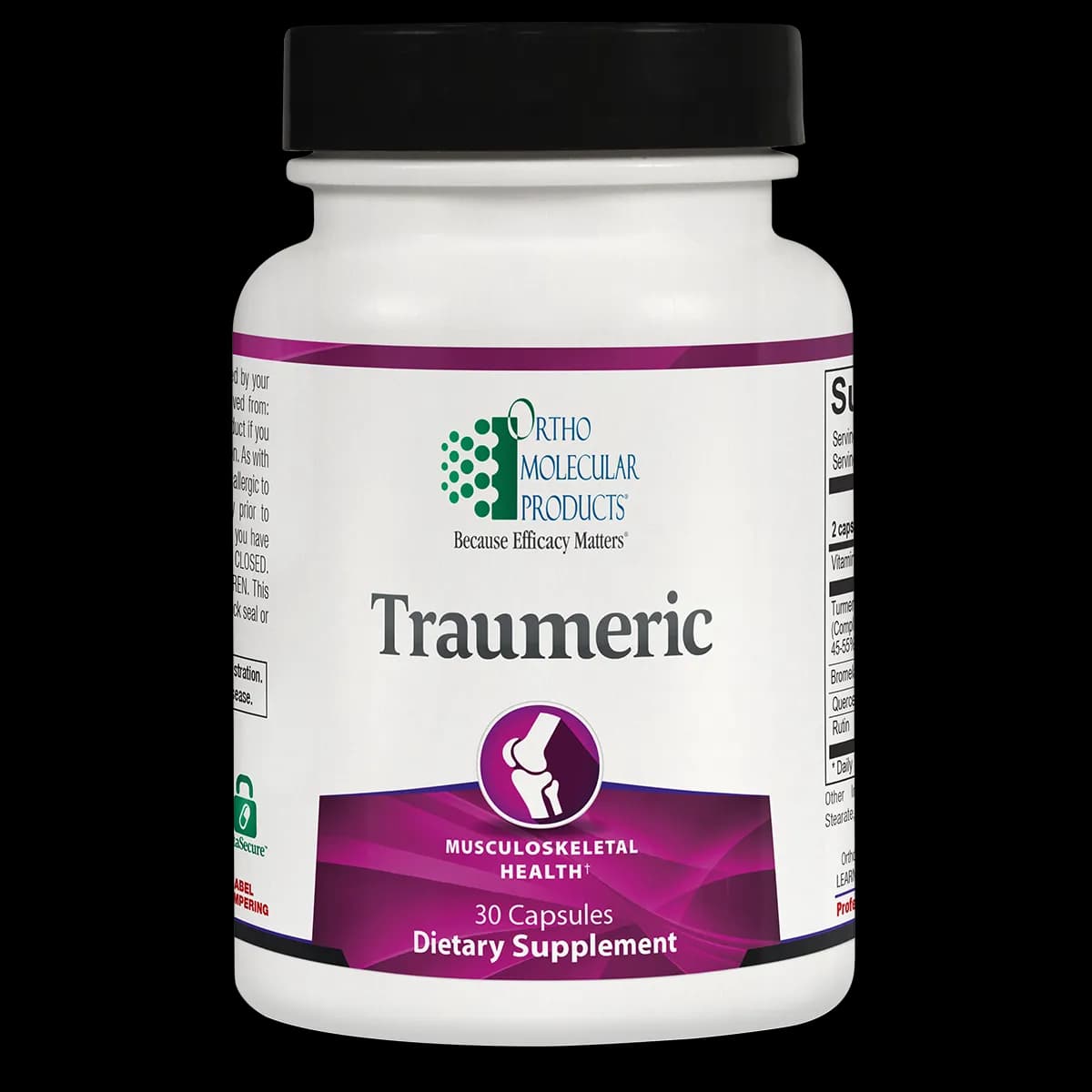
At the core of many of these complex chronic conditions is a profound disruption in how the body manages inflammation and immune signaling. When the immune system becomes locked in a hyper-reactive state, it creates a vicious cycle of oxidative stress, tissue damage, and energy depletion. Finding ways to gently but effectively modulate this inflammatory response is a cornerstone of functional medicine and chronic illness management. This is where comprehensive, multi-target botanical formulations come into play. Traumeric, a specialized supplement by Ortho Molecular, is designed to support healthy inflammatory balance by combining the complete turmeric matrix with a synergistic blend of powerful bioflavonoids and enzymes, including quercetin, rutin, and bromelain. In this article, we will explore the intricate science behind these ingredients, how they interact with your body's inflammatory pathways, and why they may be a valuable tool in your comprehensive management strategy.
TL;DR
Traumeric combines a turmeric matrix with quercetin, rutin, and bromelain to support inflammatory balance.
It may help manage symptoms of Long COVID, ME/CFS, and MCAS by modulating immune signaling.
The formula is designed for high bioavailability, overcoming the poor absorption of isolated curcumin.
Always consult a healthcare provider before starting, especially if taking blood thinners or other medications.
What is Traumeric?
The Power of the Complete Turmeric Matrix
Traumeric is not a standard, isolated curcumin supplement. To understand its formulation, we must first look at the natural architecture of the turmeric root (Curcuma longa). In a healthy body, the compounds found in turmeric act as powerful modulators of the innate immune system, helping to regulate the natural inflammatory cascade triggered during tissue repair. Historically, the supplement industry has focused almost exclusively on isolating curcuminoids—the primary active polyphenols in turmeric. However, isolating curcumin strips away hundreds of other bioactive molecules that naturally occur in the plant. Traumeric utilizes the Complete Turmeric Matrix (CTM), which preserves the whole-root architecture. This matrix includes a standardized amount of 45%–55% curcuminoids, but crucially, it also retains 2%–6% turmerin protein and 3%–8% volatile oils.
These additional components are not mere fillers; they are biologically active compounds that play critical roles in the body. Turmerin is a water-soluble peptide natively found in the turmeric root that acts as a highly effective antioxidant, capable of scavenging superoxide radicals and binding iron cations to prevent lipid peroxidation at the cellular membrane. Meanwhile, the volatile oils, known as turmerones (such as ar-turmerone, α-turmerone, and β-turmerone), act as natural lipid carriers. In the human digestive tract, these essential oils drastically enhance the cellular permeability of the curcuminoids, allowing them to bypass the gut barrier and reach systemic circulation. Furthermore, research indicates that ar-turmerone exhibits its own independent anti-inflammatory and neuroprotective properties, making the complete matrix a far more comprehensive tool for supporting cellular health than isolated curcumin alone.
The Synergistic Flavonoid Trio: Quercetin, Rutin, and Bromelain
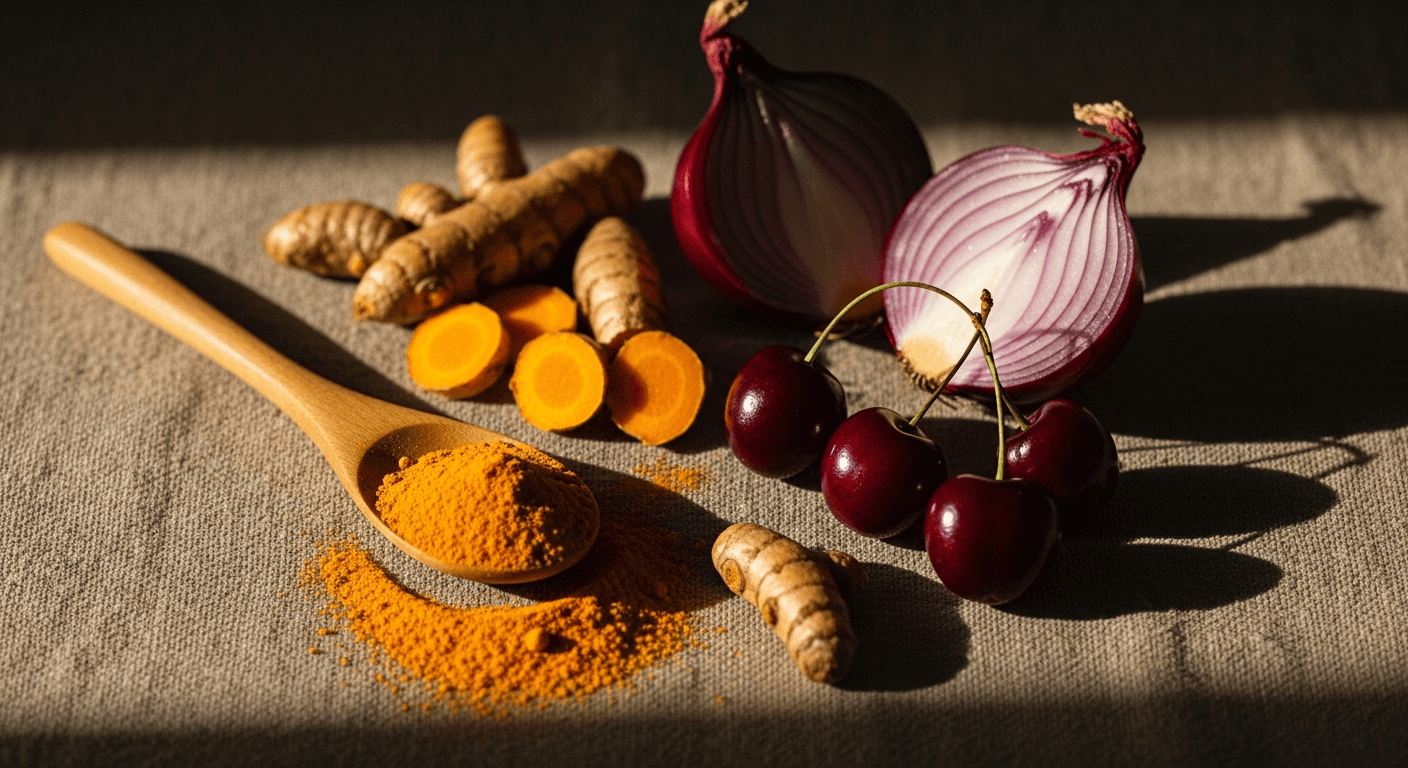
Beyond the complete turmeric matrix, Traumeric incorporates a highly researched triad of compounds: quercetin, rutin, and bromelain. Quercetin dihydrate (240 mg per serving) is a powerful natural flavonoid, or plant pigment, found abundantly in apples, red onions, and capers. At the molecular level, quercetin functions as a potent antioxidant and a master regulator of immune cell function. It is particularly renowned for its ability to interact with mast cells—the immune cells responsible for releasing histamine and other inflammatory mediators. By influencing calcium ion channels within the cell membrane, quercetin helps to maintain cellular stability and prevent the inappropriate release of these chemicals into the bloodstream.
Rutin (50 mg per serving) is a bioflavonoid and a glycoside of quercetin, meaning it is essentially a quercetin molecule bound to the sugar rutinose. This unique structural difference gives rutin a distinct physiological profile. Because of its glycosylated structure, rutin acts as a "slow-release" modulator in the gastrointestinal tract. As it travels through the digestive system, it is slowly converted into the active quercetin aglycone by colonic microbiota, providing sustained antioxidant support directly to the gut lining. Finally, Bromelain (240 mg per serving) is a complex mixture of proteolytic (protein-digesting) enzymes extracted from the stem and fruit of the pineapple plant. While it possesses its own ability to break down inflammatory protein complexes in the blood, its primary role in this formulation is synergistic: it significantly increases the permeability of the intestinal mucosa to flavonoids like quercetin and rutin, drastically improving their cellular uptake.
Vitamin C as a Foundational Antioxidant
Rounding out the Traumeric formulation is a targeted dose of Vitamin C (30 mg as Ascorbic Acid USP). Vitamin C is an essential, water-soluble vitamin that the human body cannot synthesize on its own. It is a foundational component of the body's antioxidant defense system, circulating in the blood and neutralizing reactive oxygen species (ROS) before they can cause oxidative damage to cellular DNA, proteins, and lipids. In the context of inflammatory balance, Vitamin C plays a crucial role in recycling other antioxidants, including the flavonoids present in this formula, effectively extending their functional lifespan within the body.
Furthermore, Vitamin C is an essential cofactor for the enzymatic synthesis of collagen, the primary structural protein in connective tissues, blood vessels, and skin. By supporting collagen integrity, Vitamin C helps maintain the structural barriers that can be compromised during states of chronic inflammation. It also plays a vital role in immune function by supporting the chemotaxis (movement) of neutrophils to sites of infection or injury and enhancing the phagocytic capabilities of immune cells. In a comprehensive formula like Traumeric, Vitamin C acts as a stabilizing force, enhancing the overall antioxidant capacity and supporting the structural repair mechanisms that are often taxed in chronic illness.
How Chronic Illness Impacts Inflammatory Signaling
The Cytokine Storm and Long COVID
To understand why a supplement like Traumeric may be beneficial, we must examine the pathophysiology of the conditions it aims to support. In Long COVID (Post-Acute Sequelae of SARS-CoV-2), the initial viral infection triggers a hyperactive immune response often referred to as a "cytokine storm." Cytokines are small signaling proteins secreted by immune cells that orchestrate the body's inflammatory response. In a healthy scenario, pro-inflammatory cytokines like Interleukin-6 (IL-6), Interleukin-1 beta (IL-1β), and Tumor Necrosis Factor-alpha (TNF-α) are released to fight the virus, followed by anti-inflammatory cytokines to resolve the inflammation. However, in Long COVID, this system fails to shut off.
The immune system remains locked in a state of chronic, low-grade inflammation. This persistent elevation of circulating cytokines damages endothelial cells (the lining of blood vessels), leading to microvascular inflammation, impaired blood flow, and the formation of microclots. This systemic inflammation is a primary driver of the debilitating symptoms experienced by Long COVID patients, including severe fatigue, myalgia (muscle pain), and neuroinflammation, commonly experienced as "brain fog." The continuous oxidative stress generated by this inflammatory state also depletes the body's endogenous antioxidant reserves, creating a vicious cycle where the body lacks the resources to neutralize the ongoing cellular damage. You can learn more about how this impacts daily functioning in our guide on maintaining your independence with chronic illness.
Mast Cell Activation Syndrome (MCAS) and Histamine Overload
Another complex condition deeply intertwined with Long COVID and dysautonomia is Mast Cell Activation Syndrome (MCAS). Mast cells are a critical component of the innate immune system, stationed in tissues that interface with the external environment, such as the skin, gastrointestinal tract, and respiratory lining. They contain granules filled with potent chemical mediators, including histamine, tryptase, leukotrienes, and prostaglandins. In a healthy individual, mast cells degranulate (release these chemicals) in response to a genuine threat, such as a parasite or a severe allergen.
In MCAS, however, these mast cells become highly unstable and hyper-reactive. They begin to degranulate inappropriately in response to harmless triggers—such as temperature changes, stress, certain foods, or even physical exertion. This floods the body with histamine and inflammatory mediators, leading to widespread, unpredictable symptoms like hives, severe gastrointestinal distress, tachycardia (rapid heart rate), and profound fatigue. The constant release of leukotrienes and prostaglandins further fuels systemic inflammation, sensitizing pain receptors and contributing to the chronic pain and neuroinflammation seen in these patient populations. Traditional antihistamines only block histamine receptors; they do not stop the mast cell from breaking open and releasing the hundreds of other inflammatory chemicals it contains.
Mitochondrial Dysfunction and ME/CFS Fatigue
Myalgic encephalomyelitis/chronic fatigue syndrome (ME/CFS) is characterized by a profound, debilitating exhaustion that is not alleviated by rest, and is severely exacerbated by physical or cognitive exertion—a phenomenon known as post-exertional malaise (PEM). At the cellular level, this exhaustion is heavily linked to mitochondrial dysfunction. Mitochondria are the powerhouses of the cell, responsible for producing adenosine triphosphate (ATP), the energy currency required for every physiological process.
Chronic inflammation, such as that driven by persistent viral remnants or hyperactive mast cells, generates massive amounts of reactive oxygen species (ROS). These free radicals directly damage the delicate mitochondrial membranes and the enzymes involved in the electron transport chain. As a result, ATP production plummets, and the cells are forced to rely on inefficient, anaerobic energy production pathways, which generate lactic acid and further contribute to muscle pain and fatigue. This energy deficit is not just "tiredness"; it is a fundamental inability of the cells to meet the metabolic demands of the body. The chronic inflammatory signaling also downregulates mitochondrial biogenesis—the creation of new mitochondria—trapping the patient in a state of profound energy depletion and systemic dysfunction.
Traumeric: Supporting Inflammatory Balance and Immune Health
Modulating the NF-κB Pathway and Cytokine Production
Traumeric's comprehensive formulation targets the root of these inflammatory vicious cycles through multiple distinct biochemical pathways. The most profound mechanism of the complete turmeric matrix is its ability to modulate Nuclear Factor kappa B (NF-κB). NF-κB is a master transcription factor—a protein complex that controls the transcription of DNA, cytokine production, and cell survival. In chronic illnesses like Long COVID and ME/CFS, NF-κB is chronically activated, continuously instructing the cell's nucleus to produce pro-inflammatory cytokines like IL-6 and TNF-α.
By preventing this transcription factor from entering the nucleus, the complete turmeric matrix effectively cuts off the inflammatory cascade at its source, downregulating the production of destructive cytokines. Furthermore, the complete matrix has been shown to simultaneously upregulate the production of anti-inflammatory cytokines, such as IL-10, helping to restore baseline immune homeostasis. This dual action—suppressing the bad while promoting the good—is why whole-plant botanical matrices are often preferred in functional medicine over synthetic anti-inflammatories that merely suppress immune function.
Stabilizing Mast Cells and Reducing Histamine
For individuals dealing with MCAS or histamine intolerance, the combination of quercetin and rutin in Traumeric offers targeted, mechanistic support. Quercetin is widely recognized in immunological research as a premier natural mast cell stabilizer. It achieves this by inhibiting the influx of calcium ions into the mast cell. Because a sudden influx of intracellular calcium is the biological "trigger" that forces the mast cell to degranulate, blocking this channel effectively stabilizes the cell membrane, preventing the release of histamine, tryptase, and inflammatory cytokines into the bloodstream.
Furthermore, studies indicate that quercetin downregulates the enzyme histidine decarboxylase, which is responsible for converting the amino acid histidine into histamine, thereby reducing the body's overall histamine load. Rutin complements this action by targeting a specific receptor known as the P2X7 receptor on mast cells. Recent research published in physiological journals has revealed that rutin significantly inhibits this receptor, which is heavily involved in mediating mast cell degranulation and triggering inflammatory pain. Because rutin is slowly metabolized in the gut, it provides localized stabilization to the intestinal mast cells, which are often highly reactive in patients with chronic gastrointestinal symptoms.
Balancing Prostaglandin and Leukotriene Metabolism
Another critical mechanism of Traumeric is its ability to balance the metabolism of eicosanoids—specifically prostaglandins, prostacyclins, leukotrienes, and thromboxanes. These are powerful lipid mediators derived from arachidonic acid that play complex roles in inflammation, pain signaling, and blood clotting. Overproduction of pro-inflammatory prostaglandins (like PGE2) and leukotrienes is a major driver of chronic pain, muscle aches, and the microvascular inflammation seen in Long COVID and dysautonomia.
Both the complete turmeric matrix and quercetin actively inhibit the enzymes responsible for synthesizing these compounds: cyclooxygenase-2 (COX-2) and lipoxygenase (LOX). Interestingly, studies show that the volatile oils in the complete turmeric matrix actually possess a higher ability to inhibit COX-2 in vitro than isolated curcuminoids alone. By gently inhibiting these enzymatic pathways, Traumeric helps to reduce the activating signals of compounds involved in pain and inflammation, particularly the muscle and joint pain that often follows physical exertion or a "crash" in ME/CFS patients. Additionally, by modulating thromboxane metabolism, these compounds support healthy blood flow and vascular integrity, which is crucial for patients dealing with the endothelial dysfunction associated with long-term viral sequelae.
Symptoms Traumeric May Help Manage
Targeting Systemic and Localized Inflammation
Because Traumeric operates through pleiotropic mechanisms—meaning it interacts with multiple molecular targets simultaneously—it can help manage a wide array of symptoms associated with complex chronic illnesses.
Migrating Joint and Muscle Pain: By inhibiting the COX-2 and LOX enzymatic pathways, the complete turmeric matrix and quercetin reduce the production of pain-sensitizing prostaglandins and leukotrienes, helping to alleviate the deep, aching muscle pain and joint stiffness common in ME/CFS and Long COVID.
Post-Exertional Malaise (PEM) and Exercise Recovery: The profound oxidative stress generated during physical exertion can trigger severe crashes in chronically ill patients. Traumeric's potent antioxidant capacity helps neutralize exercise-induced free radicals, while its ability to balance inflammatory signaling may help mitigate the severe inflammatory backlash that characterizes PEM.
Gastrointestinal Distress and Food Sensitivities: The slow-release nature of rutin, combined with the gut-modulating effects of the complete turmeric matrix, provides localized anti-inflammatory support to the intestinal lining. This can help soothe the abdominal cramping, bloating, and erratic bowel movements driven by intestinal mast cell activation.
Addressing Fatigue and Cognitive Dysfunction
The systemic effects of Traumeric also extend to neurological and energy-related symptoms, which are often the most debilitating aspects of these conditions.
Brain Fog and Neuroinflammation: Both curcuminoids and quercetin are capable of crossing the blood-brain barrier. By lowering systemic levels of IL-6 and TNF-α, and by stabilizing mast cells within the central nervous system, these compounds help reduce the neuroinflammation that manifests as cognitive impairment, memory issues, and "brain fog."
Profound Fatigue and Energy Deficits: Chronic inflammation directly impairs mitochondrial ATP production. By suppressing the NF-κB pathway and neutralizing mitochondrial oxidative stress, Traumeric helps protect the cellular powerhouses, supporting more efficient energy production and potentially reducing the severity of daily fatigue.
Allergic-Like Reactions and Hives: For patients with MCAS, the unpredictable onset of flushing, hives, and rapid heart rate can be terrifying. The synergistic mast-cell-stabilizing effects of quercetin and rutin help raise the threshold for degranulation, potentially reducing the frequency and severity of these histamine-driven episodes.
Practical Considerations: Forms, Dosing, and Absorption
Overcoming the Bioavailability Hurdle
One of the most significant challenges in botanical medicine is bioavailability—the degree and rate at which an active compound is absorbed into the systemic circulation. Isolated curcumin and raw quercetin are notoriously poorly absorbed by the human digestive tract. They are highly hydrophobic (water-repelling) and are rapidly metabolized and excreted by the liver before they can reach the targeted tissues. This is why standard, cheap turmeric supplements often yield disappointing clinical results.
Traumeric overcomes this hurdle through its sophisticated formulation. By utilizing the Complete Turmeric Matrix, the supplement leverages the plant's natural volatile oils (turmerones) and water-soluble proteins to act as natural delivery vehicles. Pharmacokinetic studies comparing the complete turmeric matrix to conventional curcumin formulations have demonstrated that the complete matrix achieves an absorption rate 10-fold higher than unformulated curcuminoids, and keeps the active ingredients circulating in the bloodstream for significantly longer. Furthermore, the inclusion of the proteolytic enzyme bromelain directly increases the permeability of the intestinal mucosa to the flavonoids quercetin and rutin, ensuring that these powerful mast cell stabilizers actually reach systemic circulation rather than being passed through the digestive tract.
Optimal Dosing and Timing
The suggested use for Traumeric is 2 or more capsules per day, or as recommended by your health care professional. Because this formulation is designed to modulate chronic inflammatory pathways and stabilize mast cells, consistency is key. These are not acute, fast-acting pharmaceuticals like NSAIDs or antihistamines; they are foundational modulators that build up in the system over time. Many functional medicine practitioners recommend taking flavonoid and turmeric complexes in divided doses (e.g., one capsule in the morning and one in the evening) to maintain steady blood levels of the active compounds throughout the day.
For patients specifically targeting mast cell stabilization, taking the supplement 20 to 30 minutes before meals may be beneficial. This allows the quercetin and rutin to begin stabilizing the gastrointestinal mast cells before they are exposed to potential food triggers. Because the complete turmeric matrix already contains natural lipid carriers (volatile oils), it does not strictly need to be taken with a heavy, high-fat meal like isolated curcumin does, though taking it with a small amount of healthy fat may still optimize overall absorption. It typically takes 4 to 8 weeks of consistent daily use to notice significant shifts in chronic inflammatory symptoms, joint pain, or baseline fatigue levels.
Safety, Contraindications, and Interactions
While Traumeric is formulated from natural botanical extracts, it is highly biologically active and must be used with appropriate clinical consideration. The compounds in this formula, particularly curcumin and quercetin, have mild natural anti-thrombotic (blood-thinning) properties. Therefore, individuals taking prescription anticoagulants (like warfarin or Eliquis) or antiplatelet medications should consult their healthcare provider before starting Traumeric, as it may increase the risk of bruising or bleeding.
Additionally, bromelain is derived from the pineapple plant. Individuals with severe, true IgE-mediated pineapple allergies should avoid this product. For patients with highly sensitive MCAS or severe salicylate intolerance, botanical extracts can sometimes act as initial triggers before their stabilizing effects take hold. It is always recommended to start with a low dose (e.g., one capsule) to assess your body's tolerance before titrating up to the full suggested dose. Finally, because quercetin can influence the activity of certain liver enzymes (like the CYP450 system), it may alter the metabolism of various prescription medications, including certain antibiotics and immunosuppressants. Always review your current medication list with a knowledgeable provider.
Follow the Science
Clinical Trials on Curcumin and Long COVID
The scientific community has increasingly turned its attention to botanical modulators for managing the complex sequelae of viral infections.
Furthermore, a 2023 randomized controlled trial published in the journal Nutrients observed adults who had recovered from acute COVID-19 but continued to experience lingering immune dysregulation. The study demonstrated that curcumin supplementation significantly suppressed persistent elevations of IL-6 and MCP-1 (a chemokine that promotes monocyte movement to inflammation sites). This clinical data strongly supports curcumin's ability to help clear the lingering inflammatory markers that drive Long COVID symptoms. Another trial by Askari et al. noted a highly significant reduction in severe weakness and fatigue—affecting 83.3% of the curcumin group versus only 38.5% of the placebo group (p = 0.025)—highlighting its potential for addressing profound post-viral exhaustion.
Research on Flavonoids and Mast Cell Stabilization
The clinical evidence supporting quercetin and rutin for mast cell disorders is equally robust. Prominent immunologists and mast cell researchers have long advocated for the use of specific flavonoids to manage MCAS and neuroinflammation. Research highlights that quercetin can perform as well as or better than Cromolyn Sodium (a prescription mast cell stabilizer) at equivalent concentrations in inhibiting cytokine release from human mast cells in vitro. Unlike Cromolyn, quercetin does not typically cause tachyphylaxis, a phenomenon where a drug rapidly loses its effectiveness over time.
Additionally, foundational research on ME/CFS pathophysiology suggests that stress and viral remnants activate mast cells in the hypothalamus, driving central nervous system fatigue and brain fog. Studies demonstrate that flavonoids like quercetin can cross the blood-brain barrier, inhibit mast cell cytokine secretion, and halt microglia activation, directly targeting the neuroinflammatory mechanisms of ME/CFS. The synergistic addition of rutin, which specifically targets the P2X7 receptor to prevent inflammatory pain signaling, makes this combination a highly targeted approach for complex immunological conditions.
The Superiority of the Whole Plant Matrix
When evaluating the efficacy of turmeric, the distinction between isolated curcumin and the complete matrix is critical. A comparative study evaluating whole turmeric versus isolated curcumin on genetic expression found that the whole turmeric diet more effectively modulated pro-inflammatory genes (such as IL-6, iNOS, and COX-2) than the isolated curcumin diet. The researchers concluded that the hundreds of non-curcuminoid compounds in the whole root provide vital synergistic effects that isolate formulations cannot replicate.
The Path Forward
A Comprehensive Approach to Healing
Navigating life with Long COVID, ME/CFS, dysautonomia, or MCAS requires immense resilience. There is no single magic pill that will instantly reverse these complex, multi-system conditions. True healing and symptom management require a comprehensive, individualized approach. Supplements like Traumeric are powerful tools designed to support your body's foundational biochemistry—helping to cool the fires of systemic inflammation, stabilize hyper-reactive mast cells, and protect your cellular energy production. However, they are most effective when integrated into a broader management strategy that includes aggressive pacing, nervous system regulation, dietary modifications, and careful symptom tracking.
For instance, managing the profound exhaustion of ME/CFS requires strict adherence to energy envelope principles to avoid crashes, while managing MCAS often requires identifying and removing specific environmental and dietary triggers. As you navigate the upcoming seasons, you might find our guide on surviving the holidays with a chronic illness helpful for managing stress and exertion. By combining smart lifestyle strategies with targeted, science-backed nutritional support, you can begin to shift your body out of a state of chronic alarm and back toward a state of balance and repair.
Validating Your Experience
If you are struggling with invisible symptoms that fluctuate wildly from day to day, please know that your experience is valid. The profound fatigue, the sudden allergic reactions, the migrating pain, and the cognitive fog are not in your head—they are the result of measurable, physiological dysregulation at the cellular level. The scientific community is finally beginning to understand the intricate mechanisms driving these conditions, and targeted therapies are becoming more refined.
Always remember to consult with a knowledgeable healthcare provider before introducing new supplements into your protocol, especially if you are managing a complex chronic illness or taking prescription medications. A functional medicine practitioner can help you determine the optimal dosing and ensure that Traumeric fits safely within your comprehensive care plan. With patience, the right support team, and science-backed tools, it is possible to improve your quality of life and regain a sense of stability.