Can Thermo-EFx™ Support Healthy Weight Management in Long COVID and ME/CFS?
March 6, 2026
Thermo-EFxWeight ManagementLong COVID
Share:
Disclaimer: The information provided here is for educational purposes only and is not intended as medical advice. It should not be used to diagnose, treat, cure, or prevent any medical condition. Instead, use it as a starting point for discussion with your healthcare provider. Always consult with a qualified healthcare provider before starting any new medication, supplement, device, or making changes to your health regimen.
For many individuals living with complex chronic conditions like Long COVID, myalgic encephalomyelitis/chronic fatigue syndrome (ME/CFS), and dysautonomia, the scale can become a source of profound frustration. Despite eating less and trying desperately to maintain their health, many patients experience sudden, unexplained, and stubborn weight gain. This is not a failure of willpower or a simple matter of "calories in, calories out." Instead, it is a downstream symptom of a profound, systemic metabolic gridlock. When the body's cellular engines—the mitochondria—are damaged by viral infection or chronic inflammation, the entire metabolic system shifts into a protective, low-energy conservation mode.
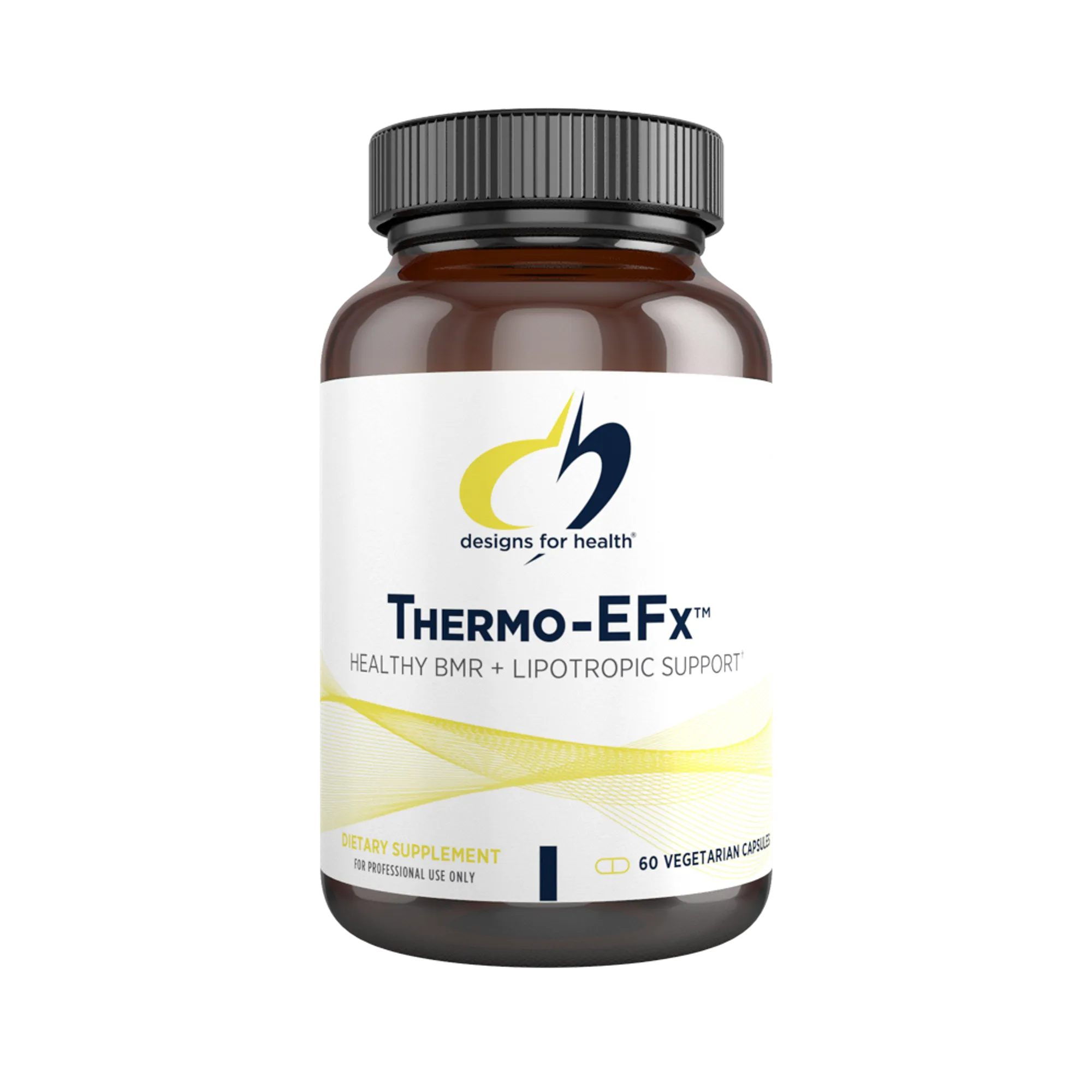
In the search for metabolic support, traditional weight-loss supplements often pose a severe risk. Most conventional fat burners rely heavily on central nervous system stimulants like high-dose caffeine or ephedrine derivatives. For a patient with Long COVID or postural orthostatic tachycardia syndrome (POTS), these stimulants can trigger terrifying heart rate spikes, severe anxiety, and debilitating post-exertional malaise (PEM) crashes. This is where Thermo-EFx™ by Designs for Health enters the clinical conversation. Designed to support thermogenesis and healthy basal metabolic rates without the harsh stimulant-associated side effects, this unique formula utilizes a synergistic blend of bitter orange extract, naringin, and green tea extract to gently encourage the body's natural fat-burning pathways.
TL;DR
Chronic illnesses like Long COVID can cause mitochondrial dysfunction, leading to a lowered metabolic rate and weight gain.
Traditional stimulant-based fat burners can trigger severe symptom crashes in patients with dysautonomia or ME/CFS.
Thermo-EFx™ uses non-stimulant ingredients like p-synephrine and naringin to gently support resting metabolic rate.
Always consult a healthcare provider before starting metabolic supplements, especially if you have autonomic nervous system sensitivity.
What is Thermo-EFx™?
The Science of Non-Stimulant Thermogenesis
Thermo-EFx™ is a specialized dietary supplement formulated to support healthy weight management through a biological process known as thermogenesis. Thermogenesis is the dissipation of cellular energy as heat. In a healthy metabolism, the body naturally burns a portion of the calories consumed to maintain core body temperature and fuel basic physiological functions. However, when metabolic pathways become sluggish or impaired, the body tends to store those calories as white adipose tissue (fat) rather than burning them. Thermo-EFx™ aims to gently upregulate this heat-producing process, effectively increasing the resting metabolic rate (RMR) without relying on aggressive central nervous system stimulation.
The distinction between stimulant-driven weight loss and non-stimulant thermogenesis is critical at the molecular level. Traditional stimulants force the adrenal glands to pump out massive amounts of adrenaline, indiscriminately activating all sympathetic nervous system receptors. This causes the heart to race, blood vessels to constrict, and the brain to feel wired. In contrast, non-stimulant thermogenic agents target specific, localized receptors found primarily in fat tissue and skeletal muscle. By acting directly on these localized cellular pathways, Thermo-EFx™ encourages the mitochondria within fat cells to "uncouple" their energy production, releasing stored lipids as heat rather than hoarding them, all while leaving the central nervous system relatively undisturbed.
The Synergistic Triad of Ingredients
The efficacy of Thermo-EFx™ relies on a highly specific, synergistic triad of naturally derived compounds. The foundational ingredient is Bitter Orange extract (Citrus aurantium L.), specifically branded as Advantra-Z®. This extract is standardized to contain 30% p-synephrine, a naturally occurring protoalkaloid. Unlike the banned substance ephedrine, p-synephrine has a unique molecular structure that allows it to bind to fat-burning receptors without significantly interacting with the receptors that control heart rate and blood pressure. This makes it a fascinating compound for those seeking metabolic support without cardiovascular strain.
The second pillar of the formula is Naringin, a potent citrus bioflavonoid extracted from grapefruit and other citrus fruits. Naringin acts as a metabolic amplifier. On its own, it has been shown to activate key cellular energy sensors that tell the body to stop storing fat and start burning it. When combined with p-synephrine, naringin significantly extends and enhances the thermogenic effect, creating a synergistic boost to the resting metabolic rate that neither compound could achieve as effectively on its own. The formula includes a robust 600 mg dose of naringin to ensure this metabolic amplification occurs.
The final component is Green Tea Extract (Camellia sinensis), standardized to contain 95% polyphenols and 45% EGCG (Epigallocatechin gallate). EGCG is one of the most extensively researched botanical compounds in the world of metabolic health. It works by inhibiting the enzymes that normally break down the body's natural fat-burning signals, thereby prolonging the thermogenic state. Furthermore, EGCG provides profound antioxidant support, which is crucial because the process of burning fat naturally generates free radicals. By neutralizing these oxidative stressors, the green tea extract in Thermo-EFx™ helps protect delicate cellular structures during increased metabolic output.
Why Stimulant-Free Matters for Chronic Illness
For the general population, a racing heart from a strong cup of coffee or a stimulant-heavy fat burner might just be an uncomfortable nuisance. However, for individuals navigating how to live with long-term COVID or ME/CFS, central nervous system stimulants can be actively harmful. Many of these patients suffer from comorbid dysautonomia, a dysfunction of the autonomic nervous system that controls involuntary functions like heart rate and blood pressure. The most common manifestation is POTS, where simply standing up causes an exaggerated, exhausting spike in heart rate.
Introducing a traditional stimulant into a nervous system already stuck in a state of "fight or flight" dysautonomia is akin to pouring gasoline on a fire. It exacerbates tachycardia, triggers severe anxiety, and rapidly depletes the patient's already fragile energy reserves, inevitably leading to a severe post-exertional malaise (PEM) crash. Thermo-EFx™ was specifically chosen for its ability to bypass these systemic triggers. By utilizing p-synephrine and flavonoids that target adipose tissue directly rather than the adrenal glands, it offers a pathway to support metabolic health and weight management that respects the neurological fragility of complex chronic illness.
How Chronic Illness Impacts Metabolism and Weight
The Hypometabolic State and Mitochondrial Gridlock
To understand why weight management is so incredibly difficult for those with chronic fatiguing illnesses, we must look at the cellular level. Both Long COVID and ME/CFS are increasingly recognized by researchers as conditions characterized by severe mitochondrial dysfunction. Mitochondria are the microscopic powerhouses inside our cells responsible for converting the food we eat and the oxygen we breathe into adenosine triphosphate (ATP), the fundamental energy currency of the body. In a healthy individual, this process—known as oxidative phosphorylation—runs smoothly, efficiently burning calories to meet the body's energy demands.
However, in the wake of a severe viral infection like SARS-CoV-2, this system can become fundamentally broken. Recent research suggests that the virus, or the lingering spike protein, can directly damage mitochondrial membranes and disrupt the delicate balance of mitochondrial fusion and fission. The cells become trapped in a "hypometabolic state"—a form of biological gridlock where they can no longer efficiently process glucose and fatty acids into ATP. Because the cells cannot generate enough energy, the patient experiences profound, crushing fatigue. Simultaneously, because the calories from food are not being burned for energy, the body has no choice but to shuttle them into white adipose tissue for storage, driving rapid and unexplained weight gain.
Plummeting Resting Metabolic Rate (RMR)
This mitochondrial gridlock has a devastating impact on the body's Resting Metabolic Rate (RMR). Your RMR represents the number of calories your body burns at rest just to keep your heart beating, your lungs breathing, and your brain functioning. It accounts for roughly 60% to 70% of your total daily energy expenditure. When the mitochondria are damaged and ATP production plummets, the body perceives this cellular energy crisis as a state of starvation. To survive, the autonomic nervous system drastically downregulates the RMR, slowing down every non-essential biological process to conserve whatever little energy remains.
When the RMR drops, the mathematical equation of weight management completely changes. A patient might be eating a strict, low-calorie diet of only 1,500 calories a day. But if their chronic illness has suppressed their resting metabolic rate down to 1,200 calories a day, they will continue to gain weight despite their severe dietary restriction. This metabolic slowing is often compounded by endocrine disruptions common in Long COVID, such as subacute thyroiditis or drastically lowered systemic cortisol levels, both of which further depress the basal metabolic rate and promote the accumulation of stubborn fat, particularly around the midsection.
The Vicious Cycle of PEM and Inactivity
In a healthy population, the standard medical advice for weight gain is to "exercise more." For patients asking what causes Long COVID symptoms to flare, the answer is often exertion itself. This population suffers from post-exertional malaise (PEM), a hallmark symptom where even minor physical or cognitive activity triggers a disproportionate and debilitating exacerbation of all symptoms. Because their aerobic energy pathways are broken, forcing exercise causes their cells to rely on inefficient anaerobic metabolism, rapidly building up toxic lactic acid and causing severe cellular damage.
Because these patients cannot safely exercise, their Non-Exercise Activity Thermogenesis (NEAT)—the calories burned through daily movement like walking, cleaning, or even fidgeting—plummets to near zero. They are trapped in a vicious cycle: mitochondrial dysfunction causes weight gain and fatigue; the fatigue prevents physical activity; the lack of physical activity further reduces daily caloric expenditure; and the resulting weight gain places even more physical strain on their already struggling cardiovascular and musculoskeletal systems. Breaking this cycle requires interventions that can gently stimulate the metabolic rate at rest, without requiring the patient to engage in dangerous, crash-inducing physical exertion.
Thermo-EFx™: Supporting Metabolic Function and Thermogenesis
p-Synephrine: Beta-3 Adrenergic Activation
The primary mechanism by which Thermo-EFx™ supports a healthy metabolism is through the action of p-synephrine, the active compound in bitter orange extract. To understand how it works, we must look at the body's adrenergic receptor system. In human tissue, there are several types of these receptors. Alpha-1, beta-1, and beta-2 receptors are primarily located in the cardiovascular system and the lungs; when stimulated by adrenaline or ephedrine, they cause the heart to race and blood pressure to spike. However, beta-3 adrenergic receptors are entirely different. They are located almost exclusively in human white and brown adipose (fat) tissue and skeletal muscle.
Clinical research demonstrates that p-synephrine has a highly specific binding affinity for these beta-3 receptors, while exhibiting virtually no affinity for the beta-1 or beta-2 receptors that control heart rate. When p-synephrine binds to the beta-3 receptors on a fat cell, it acts as a molecular key, unlocking a process called lipolysis. It signals the cell to break down stored triglycerides into free fatty acids. Furthermore, it activates AMP-activated protein kinase (AMPK), an enzyme that suppresses the formation of new fat cells (adipogenesis) and encourages the body to burn those newly released free fatty acids as heat. This highly targeted mechanism allows p-synephrine to increase the resting metabolic rate without acting as a systemic cardiovascular stimulant.
Naringin: AMPK Activation and Fat Browning
Naringin, the potent citrus bioflavonoid included in Thermo-EFx™, plays a crucial complementary role by directly influencing how the body stores and utilizes fat. The human body contains two primary types of fat: white adipose tissue (WAT), which stubbornly stores excess energy, and brown adipose tissue (BAT), which is metabolically active and burns energy to generate heat. Recent mechanistic studies have revealed that naringin has the remarkable ability to promote the "browning" of white fat, essentially converting lazy, energy-storing cells into highly active, energy-burning beige adipocytes.
At the cellular level, naringin achieves this by acting as a powerful activator of the AMPK signaling pathway. When naringin phosphorylates AMPK, it triggers a downstream cascade that upregulates a master transcription coactivator known as PGC-1α. PGC-1α then travels to the nucleus of the cell and commands it to build new mitochondria. More importantly, it drastically increases the expression of Uncoupling Protein 1 (UCP1). UCP1 sits in the mitochondrial membrane and intentionally "short-circuits" the energy production process. Instead of capturing energy as ATP, UCP1 forces the mitochondria to release the energy from fat directly as heat. By upregulating this pathway, naringin transforms fat tissue from a passive storage depot into an active metabolic furnace.
EGCG: COMT Inhibition and Mitochondrial Biogenesis
The third pillar of the Thermo-EFx™ mechanism is Epigallocatechin gallate (EGCG), the highly bioactive polyphenol found in green tea extract. EGCG supports thermogenesis through a fascinating enzymatic blockade. When the nervous system wants to burn fat, it releases norepinephrine into the synaptic cleft to stimulate the fat cells. However, the body quickly degrades this norepinephrine using an enzyme called Catechol-O-methyltransferase (COMT), shutting off the fat-burning signal almost as soon as it begins. Extensive research shows that EGCG naturally inhibits the COMT enzyme. By blocking COMT, EGCG prolongs the lifespan and activity of norepinephrine, keeping the metabolic "furnace" turned up for a significantly longer duration.
Beyond its role in prolonging thermogenesis, EGCG is a profound protector and builder of mitochondria. Like naringin, EGCG stimulates the AMPK pathway, driving mitochondrial biogenesis—the creation of fresh, healthy mitochondria to replace the ones damaged by chronic illness. Furthermore, as the cellular metabolic rate increases, mitochondria naturally produce reactive oxygen species (free radicals) as a byproduct. If left unchecked, these free radicals cause oxidative stress that damages the cell. EGCG acts as a potent molecular scavenger, neutralizing these free radicals and stabilizing the mitochondrial membrane. This dual action ensures that as Thermo-EFx™ gently turns up the metabolic dial, the cellular machinery is protected from oxidative wear and tear.

Symptoms Thermo-EFx™ May Help Manage
Targeting Metabolic and Energy Symptoms
While Thermo-EFx™ is primarily designed for weight management, its mechanisms of action—specifically AMPK activation, mitochondrial support, and localized thermogenesis—can help manage a cluster of interconnected metabolic symptoms frequently experienced by patients with complex chronic illnesses:
Weight Loss Resistance: By upregulating beta-3 adrenergic receptors and increasing the resting metabolic rate, p-synephrine helps counteract the severe hypometabolic state that makes losing weight nearly impossible for patients who cannot safely exercise.
Metabolic Sluggishness and Cold Intolerance: Many patients with dysautonomia and ME/CFS struggle with poor temperature regulation and constantly feeling cold. By stimulating Uncoupling Protein 1 (UCP1) and promoting brown adipose tissue thermogenesis, naringin and EGCG help the body generate internal heat, potentially improving cold tolerance.
Cellular Energy Deficits: The activation of the AMPK pathway by both naringin and EGCG signals the body to initiate mitochondrial biogenesis. Over time, building new, healthy mitochondria may help improve the baseline cellular energy capacity that is so severely depleted in Long COVID.
Oxidative Stress and Inflammation: The high concentration of polyphenols in the green tea extract provides potent antioxidant scavenging. This helps neutralize the reactive oxygen species generated by damaged mitochondria, potentially reducing the systemic oxidative stress that drives brain fog and muscle aches.
Stubborn Adipose Accumulation: By inhibiting the COMT enzyme, EGCG prolongs the body's natural lipolytic (fat-breaking) signals, helping to mobilize stubborn white adipose tissue that has accumulated due to prolonged inactivity and endocrine disruption.
Practical Considerations: Forms, Dosing, and Absorption
Optimizing Absorption and Bioavailability
When incorporating Thermo-EFx™ into a daily regimen, understanding the bioavailability of its ingredients is crucial for maximizing its metabolic benefits. Bioavailability refers to the proportion of a supplement that actually enters systemic circulation and is able to have an active effect on the body's cells. While p-synephrine and naringin are generally well-absorbed, EGCG (the active polyphenol in green tea extract) is notoriously fragile. When consumed, EGCG can be rapidly degraded by the acidic environment of the stomach and the digestive enzymes in the intestines, meaning only a fraction of the ingested dose typically reaches the bloodstream.
To optimize the absorption of the EGCG in Thermo-EFx™, timing and dietary context matter significantly. Clinical observations suggest that taking green tea polyphenols on an empty stomach can drastically improve their absorption rates, as there are fewer dietary proteins and minerals (like iron or calcium) in the digestive tract to bind to the EGCG and prevent its uptake. Additionally, taking the supplement alongside a source of Vitamin C (ascorbic acid) has been shown in studies to stabilize the EGCG molecule in the gut, preventing its degradation and significantly boosting its plasma concentration. Patients may want to consider taking their dose with a small glass of water containing a squeeze of lemon or a Vitamin C supplement.
Dosing Strategies for Chronic Illness
The suggested use for Thermo-EFx™ is taking two capsules per day, or as directed by a healthcare practitioner. For the general population, this is a straightforward protocol. However, for individuals navigating the complexities of Long COVID symptoms or ME/CFS, a more nuanced approach is highly recommended. Because chronic illness often leaves the nervous system and gastrointestinal tract hypersensitive, "start low and go slow" is the golden rule of functional supplementation. Patients should consider beginning with just one capsule per day to carefully monitor how their unique metabolic and autonomic systems respond to the thermogenic upregulation.
Divided dosing is also strongly recommended. Rather than taking both capsules at once, splitting the dose—perhaps one capsule in the morning and one in the early afternoon—helps maintain a steady, gentle elevation in the resting metabolic rate throughout the day. This prevents any sudden metabolic spikes that a fragile system might misinterpret as a stressor. Furthermore, because thermogenesis inherently increases cellular activity and heat production, it is vital to avoid taking Thermo-EFx™ late in the evening or close to bedtime, as the increased metabolic output could interfere with the body's natural cooling process required for deep, restorative sleep.
Cardiovascular Safety and Dysautonomia Considerations
The most critical practical consideration for the RTHM patient population revolves around cardiovascular safety, particularly for those with dysautonomia or POTS. As previously detailed, the p-synephrine in Thermo-EFx™ is fundamentally different from traditional stimulants because it is highly selective for beta-3 receptors (fat burning) and has virtually no affinity for beta-1 receptors (heart rate) or alpha-1 receptors (blood pressure). Extensive safety reviews involving hundreds of subjects have repeatedly demonstrated that p-synephrine, at standard doses, does not cause significant alterations to heart rate, blood pressure, or electrocardiographic data.
However, "virtually no affinity" does not mean "zero risk" for a severely dysregulated autonomic nervous system. Patients with severe POTS, inappropriate sinus tachycardia (IST), or uncontrolled hypertension must approach any metabolic or thermogenic supplement with extreme caution. While Thermo-EFx™ is formulated to avoid stimulant-associated side effects, the very act of increasing the metabolic rate requires the body to adapt. Any patient with a history of cardiovascular instability, severe dysautonomia, or those taking prescription medications for heart rate control (such as beta-blockers or Ivabradine) must consult their primary care physician or dysautonomia specialist before introducing Thermo-EFx™ into their protocol.

Follow the Science
Clinical Evidence for p-Synephrine and RMR
The scientific literature surrounding the ingredients in Thermo-EFx™ provides compelling evidence for their ability to safely modulate the resting metabolic rate. A highly cited, double-blind, placebo-controlled clinical trial published in the International Journal of Medical Sciences specifically investigated the thermogenic effects of p-synephrine and its synergy with bioflavonoids. The researchers found that administering a single 50 mg dose of p-synephrine alone resulted in a statistically significant 65 kilocalorie increase in the resting metabolic rate (RMR) compared to the placebo group within 75 minutes of ingestion.
Crucially, the study demonstrated that combining p-synephrine with specific citrus bioflavonoids drastically amplified this effect. When the 50 mg of p-synephrine was combined with 600 mg of naringin (the exact dose found in Thermo-EFx™), the resting metabolic rate climbed to 129 kilocalories above the placebo. When a third flavonoid, hesperidin, was added to the mix, the RMR increased by an impressive 183 kilocalories. Most importantly for the chronic illness community, the researchers meticulously monitored cardiovascular markers and noted that these significant increases in metabolic expenditure occurred without any corresponding elevation in heart rate or blood pressure, validating the non-stimulant nature of beta-3 adrenergic activation.
Research on EGCG and Fat Oxidation
The metabolic benefits of green tea extract and its primary polyphenol, EGCG, have been extensively documented over decades of research. A landmark human clinical trial published in the American Journal of Clinical Nutrition by Dulloo et al. provided foundational evidence for EGCG's thermogenic properties. The study found that a green tea extract containing 50 mg of caffeine and 90 mg of EGCG significantly increased 24-hour energy expenditure by roughly 4% (an extra ~78 calories per day) and significantly lowered the respiratory quotient. A lower respiratory quotient indicates that the body has shifted its substrate utilization away from burning carbohydrates and toward oxidizing stored fats for fuel.
More recent mechanistic studies published in Food & Nutrition Research have elucidated exactly how EGCG achieves this at the cellular level. Researchers evaluating diet-induced obese mice found that EGCG supplementation directly stimulated non-shivering thermogenesis in brown adipose tissue. The EGCG powerfully upregulated key thermogenic genes, including UCP1 and PRDM16, leading to significantly less body weight gain and reduced liver lipids compared to the control group. These findings confirm that EGCG acts as a profound metabolic modulator, capable of shifting the body's internal machinery toward a state of active energy dissipation.
Naringin's Role in Metabolic Health
Naringin is increasingly recognized not just as an amplifier for p-synephrine, but as a potent metabolic therapeutic in its own right. A 2023 mechanistic study published in the Archives of Pharmacal Research investigated naringin's effects on white adipocytes (fat cells). The researchers discovered that naringin successfully induced the formation of "small multi-lipid droplets," which are morphologically characteristic of energy-burning beige adipocytes. By activating the AMPK signaling pathway, naringin elevated core thermogenic markers and suppressed adipogenesis (fat accumulation) markers, effectively proving its ability to promote the "browning" of white fat.
Furthermore, in vivo studies evaluating the systemic impact of naringin on diet-induced obesity have shown remarkable results. Research published in 2024 demonstrated that naringin ameliorated obesity by heavily upregulating UCP1 and PGC-1α mRNA and protein expression in both brown and white adipose tissue. Immunofluorescence staining confirmed highly elevated UCP1 protein density within the fat tissue of naringin-treated subjects. This robust body of evidence underscores why the combination of p-synephrine, EGCG, and naringin in Thermo-EFx™ represents a scientifically grounded, multi-targeted approach to supporting metabolic health and thermogenesis.
The Path Forward
A Validating Approach to Weight Management
If you are living with Long COVID, ME/CFS, or dysautonomia and watching the scale creep up despite your best efforts, it is vital to hear this: your weight gain is a physiological symptom of a complex, systemic illness, not a reflection of your willpower. The severe mitochondrial dysfunction, plunging resting metabolic rate, and endocrine disruptions caused by these conditions create a biological environment where weight gain is almost inevitable. It is a survival mechanism enacted by a body that feels it is starving for cellular energy. Validating this reality is the first step in approaching weight management with the compassion and scientific nuance it requires.
Integrating Supplements with Pacing
While Thermo-EFx™ offers a scientifically grounded, non-stimulant approach to gently upregulating your resting metabolic rate, it is not a magic cure. It is designed to be one piece of a comprehensive, medically supervised management strategy. Because you cannot simply "exercise away" the weight without risking severe PEM crashes, strategies like aggressive pacing, heart rate monitoring, and anti-inflammatory nutrition must remain the foundation of your care. By combining these pacing strategies with targeted metabolic support, you can begin to gently coax your body out of its hypometabolic conservation mode.
As always, because the autonomic nervous system in chronic illness is highly sensitive, it is imperative to consult with your healthcare provider or dysautonomia specialist before starting any new supplement, especially one designed to influence metabolic rate. Together, you can determine if the targeted thermogenic support of Thermo-EFx™ is a safe and appropriate tool for your unique physiological landscape.