Can L-Theanine Calm the Nervous System in Long COVID and Dysautonomia?
March 6, 2026
L-TheanineLong COVIDDysautonomia
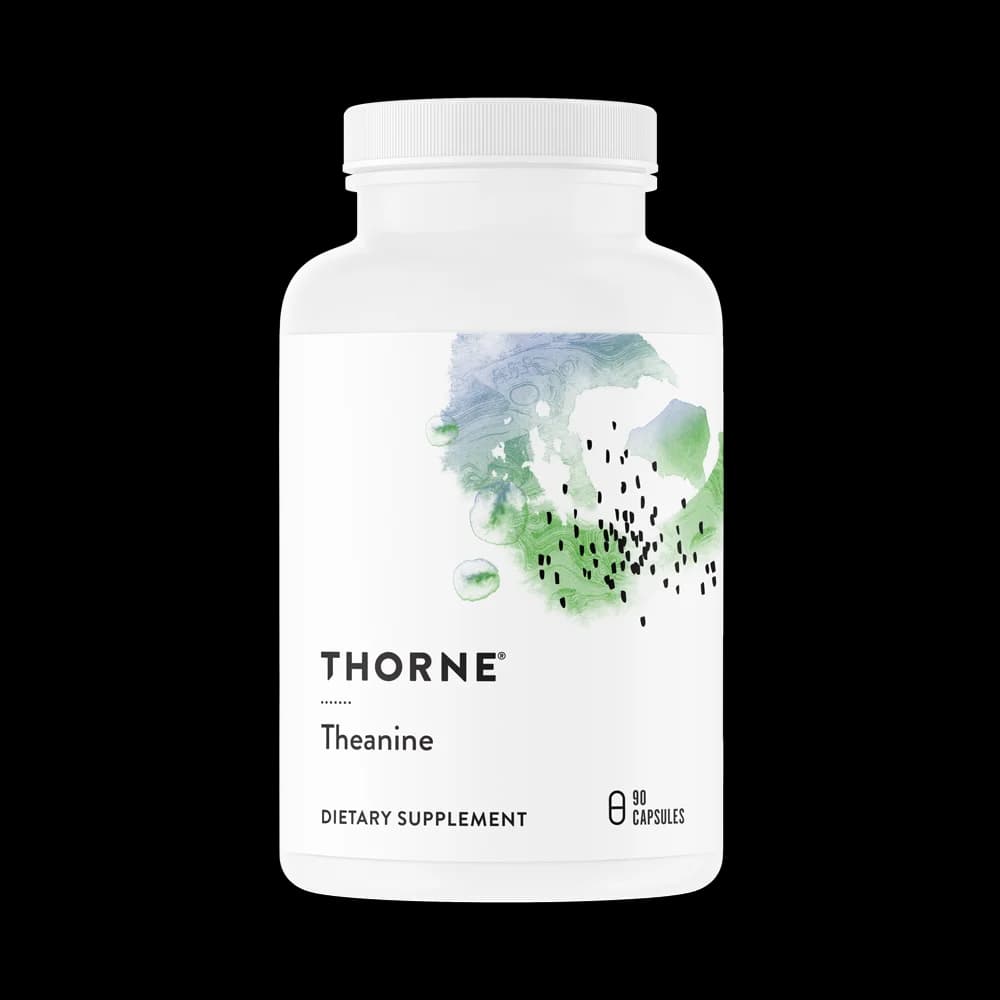
Share:
Disclaimer: The information provided here is for educational purposes only and is not intended as medical advice. It should not be used to diagnose, treat, cure, or prevent any medical condition. Instead, use it as a starting point for discussion with your healthcare provider. Always consult with a qualified healthcare provider before starting any new medication, supplement, device, or making changes to your health regimen.
Living with complex chronic conditions like Long COVID, myalgic encephalomyelitis/chronic fatigue syndrome (ME/CFS), and dysautonomia often feels like being trapped in a body that cannot find its "off" switch. Patients frequently describe a debilitating state of being "tired but wired"—a paradoxical existence where profound, crushing fatigue coexists with a racing heart, racing thoughts, and an inability to achieve restorative sleep. This autonomic hyperarousal, combined with the cognitive impairment commonly known as brain fog, leaves many searching for validating answers and targeted relief.
While pharmaceutical interventions can sometimes offer symptom management, they often come with unwanted side effects like next-day sedation or cognitive dulling. This is where targeted nutritional support, specifically amino acids that directly cross the blood-brain barrier, can play a pivotal role. L-theanine, a unique compound found almost exclusively in the tea plant (Camellia sinensis), has emerged as a compelling, science-backed tool for modulating the nervous system. By gently shifting brain wave patterns and balancing key neurotransmitters, L-theanine offers a promising pathway for patients looking to calm their dysregulated nervous systems without sacrificing mental clarity.
What is L-Theanine?
The Calming Amino Acid
L-theanine (γ-glutamylethylamide) is a naturally occurring, non-protein amino acid that was first discovered by Japanese scientists in 1949. Unlike the amino acids that serve as the building blocks for proteins in our muscles and tissues, L-theanine acts primarily as a neuromodulator. In nature, it is synthesized in the roots of the Camellia sinensis plant and transported to the leaves, where it constitutes the majority of the plant's total amino acid content. For decades, it has been consumed globally in green and black teas, celebrated for its unique ability to induce a state of "wakeful relaxation"—calming the mind without inducing the drowsiness typically associated with traditional sedatives or sleep medications.
At a molecular level, L-theanine is highly bioavailable and lipophilic (fat-soluble), which grants it a rare and crucial ability: it can easily cross the highly selective blood-brain barrier. It achieves this by utilizing the leucine-preferential transport system, a specialized gateway that allows specific nutrients to pass directly from the bloodstream into the central nervous system. Once inside the brain, research indicates that L-theanine begins to exert its effects rapidly, typically reaching peak concentrations in the brain tissue within 45 to 60 minutes of oral ingestion. This rapid onset makes it an exceptionally responsive tool for acute stress management and neurological support.
Modulating the Brain's Electrical Activity
The human brain operates through a symphony of electrical impulses, categorized into different frequency bands or "waves." When we are highly stressed, anxious, or experiencing the hyperarousal common in dysautonomia, our brains often produce an excess of high-frequency beta waves. Conversely, when we take traditional pharmaceutical sedatives, the brain is forced into low-frequency theta or delta waves, which cause heavy drowsiness and cognitive impairment. L-theanine operates entirely differently by specifically stimulating the production of alpha brain waves (8–13 Hz).
Alpha waves are the electrical signature of a relaxed, yet highly alert and focused mental state. They are the same brain waves generated during deep meditation, daydreaming, or the moments just before falling asleep. Electroencephalogram (EEG) studies have consistently demonstrated that oral ingestion of L-theanine significantly increases alpha band oscillatory activity, particularly in the occipital, parietal, and frontal regions of the brain. This electrical shift explains why patients often report feeling a profound sense of physical relaxation while simultaneously experiencing sharpened mental focus and clarity, a combination that is particularly valuable for those battling post-viral cognitive fatigue.
Balancing the Neurotransmitter Seesaw
Beyond its electrical effects, L-theanine acts as a master regulator of the brain's chemical messengers, known as neurotransmitters. The brain relies on a delicate seesaw of excitatory neurotransmitters (which stimulate neuronal firing) and inhibitory neurotransmitters (which calm neuronal firing). In a healthy nervous system, this seesaw is perfectly balanced. However, chronic stress and chronic illness can severely disrupt this equilibrium. L-theanine helps restore this balance through structural mimicry. Because its molecular shape is incredibly similar to glutamate—the brain's primary excitatory neurotransmitter—L-theanine can bind to glutamate receptors without actually activating them.
By occupying these receptor sites, L-theanine acts as an antagonist, effectively blocking excess glutamate from overstimulating the brain. Simultaneously, clinical research shows that L-theanine stimulates the production of Gamma-aminobutyric acid (GABA), the brain's primary inhibitory neurotransmitter. GABA acts as the nervous system's "brake pedal," slowing down racing thoughts and buffering the physiological response to stress. Furthermore, L-theanine enhances the levels of mood-regulating monoamines, specifically dopamine and serotonin, in critical brain regions like the prefrontal cortex and hippocampus. This multi-targeted chemical modulation dampens the Hypothalamic-Pituitary-Adrenal (HPA) axis, leading to a measurable reduction in the release of the stress hormone cortisol.
How Long COVID and Dysautonomia Impact the Nervous System
The Glutamate Storm and Brain Fog
To understand why L-theanine is so relevant for complex chronic illnesses, we must first examine how conditions like Long COVID and ME/CFS physically alter the brain. One of the most debilitating symptoms reported by patients is "brain fog"—a term that severely understates the profound cognitive impairment, memory loss, and executive dysfunction they experience. Recent neuro-immune research suggests that this cognitive dysfunction is heavily driven by chronic neuroinflammation. When the immune system remains activated long after an initial viral infection, it releases inflammatory cytokines that can compromise the integrity of the blood-brain barrier.
This neuroinflammation triggers a dangerous cascade known as glutamate excitotoxicity. As the brain becomes inflamed, it produces and releases excessive amounts of glutamate. While normal levels of glutamate are essential for learning and memory, an unchecked "glutamate storm" is highly neurotoxic. It overexcites neurons to the point of exhaustion and cellular death, jamming normal cellular communication. A groundbreaking 2025 PET imaging study from Yokohama City University investigated the brains of Long COVID patients suffering from severe brain fog. The researchers discovered that these patients had an abnormally high density of AMPA receptors (the specific receptors that glutamate binds to) across their brains, and this excessive receptor density strongly correlated with the severity of their cognitive impairment.
Autonomic Dysfunction and the "Tired but Wired" State
In addition to neuroinflammation, patients with Long COVID, ME/CFS, and Postural Orthostatic Tachycardia Syndrome (POTS) frequently suffer from severe autonomic nervous system dysfunction, known as dysautonomia. The autonomic nervous system controls all of our automatic bodily functions, including heart rate, blood pressure, digestion, and temperature regulation. It is divided into two main branches: the sympathetic nervous system (the "fight-or-flight" response) and the parasympathetic nervous system (the "rest-and-digest" response). In a healthy body, these two branches work in harmony, smoothly transitioning control based on the environment.
However, in dysautonomia, the nervous system often becomes stuck in a state of sympathetic hyperarousal. The body perceives a constant state of threat, leading to inappropriate surges of adrenaline and norepinephrine. This is what drives the classic POTS symptoms of tachycardia (rapid heart rate) upon standing, as well as the profound sleep disturbances seen in these patient populations. Patients find themselves physically exhausted from cellular energy deficits, yet their nervous systems are too "wired" and flooded with excitatory chemicals to allow for the deep, restorative sleep necessary for healing. This creates a vicious cycle where poor sleep exacerbates autonomic dysfunction, which in turn further degrades sleep quality.
Mast Cell Activation and Neuroinflammation
The clinical picture is often further complicated by mast cell activation syndrome (MCAS), a condition frequently comorbid with Long COVID and POTS. Mast cells are immune cells that reside in tissues throughout the body, including the brain and the gut. Their primary job is to release chemical mediators, like histamine and inflammatory cytokines, in response to injury or pathogens. In MCAS, these cells become hyper-reactive and degranulate inappropriately in response to benign triggers, including foods, environmental changes, and notably, physical or emotional stress.
When mast cells in the central nervous system degranulate, they release a flood of histamine directly into the brain tissue, severely compounding neuroinflammation and exacerbating the glutamate storm. Because stress is a primary trigger for mast cell degranulation, the constant sympathetic hyperarousal seen in dysautonomia acts as a perpetual catalyst for MCAS flares. Managing this interconnected web of Long COVID symptoms requires interventions that can simultaneously calm the autonomic nervous system, buffer the stress response, and protect the brain from excitotoxicity.
L-Theanine: Supporting Neurotransmitter Balance and Sleep
Antagonizing AMPA Receptors to Clear Brain Fog
L-theanine's unique pharmacological profile makes it exceptionally well-suited to address the specific neurological disruptions seen in post-viral syndromes. Because the cognitive impairment in Long COVID and ME/CFS is heavily driven by glutamate excitotoxicity and an overabundance of AMPA receptors, L-theanine's ability to act as a glutamate antagonist is its most critical mechanism of action for brain fog. By structurally mimicking glutamate, L-theanine binds to the NMDA, AMPA, and Kainate receptors in the brain. However, unlike glutamate, it does not activate these receptors; it simply occupies them, acting as a physical blockade.
This receptor blockade effectively shields the brain's neurons from the neurotoxic "glutamate storm." By preventing the overstimulation of cortical neurons, L-theanine halts the excitotoxic cascade that drains cellular energy and impairs cognitive processing. As the excitatory noise is quieted, patients often experience a lifting of the dense cognitive fog, allowing for improved executive function, better working memory, and a greater capacity to process information without immediate neurological fatigue. This mechanism aligns perfectly with the recent findings that targeting AMPA receptors is a prime therapeutic pathway for mitigating post-viral cognitive impairment.
Boosting GABA for Autonomic Calming
To combat the sympathetic hyperarousal and "tired but wired" state characteristic of dysautonomia and POTS, the nervous system desperately needs an increase in parasympathetic tone. L-theanine facilitates this shift by directly stimulating the production of GABA, the brain's primary inhibitory neurotransmitter. When GABA levels rise, it acts as a systemic calming agent, signaling the vagus nerve to shift the body out of its chronic "fight-or-flight" state and into a "rest-and-digest" mode. This autonomic shift is crucial for patients struggling with living with long-term COVID.
By boosting GABA, alongside serotonin and dopamine, L-theanine effectively blunts the release of stress hormones like cortisol and epinephrine from the adrenal glands. This reduction in circulating stress hormones can help stabilize heart rate fluctuations, reduce the intensity of adrenaline surges, and ease the physical sensation of internal tremors or anxiety that many dysautonomia patients experience. Furthermore, by promoting a calm autonomic state without traditional sedation, L-theanine allows patients to engage in necessary daily activities and pacing strategies without feeling chemically heavily or lethargic.
Supporting Restorative Sleep Architecture
Perhaps one of the most profound benefits of L-theanine for the chronic illness community is its impact on sleep architecture. Traditional sleep aids often force the brain into unconsciousness, bypassing the natural stages of sleep and leaving patients feeling unrefreshed the next day. L-theanine, however, improves sleep quality by addressing the root cause of the insomnia: an overactive, anxious mind and a dysregulated nervous system. By increasing alpha brain waves and boosting GABA, L-theanine helps quiet racing thoughts and physically relaxes the body, easing the natural transition into sleep.
Clinical studies on sleep have shown that L-theanine significantly reduces sleep onset latency—the time it takes to fall asleep. More importantly, it has been shown to decrease the amount of time spent in light, fragmented sleep, promoting a shift toward the deeper, more restorative stages of non-rapid eye movement (NREM) sleep. For patients with ME/CFS and Long COVID, whose bodies require deep sleep for cellular repair and immune modulation, this improvement in sleep architecture is a critical component of their overall management strategy.
Stabilizing Mast Cells Through Stress Reduction
While L-theanine is not a traditional antihistamine, clinical immunologists and MCAS specialists often utilize it as a supportive, natural mast cell stabilizer. Because mast cells are highly sensitive to stress hormones like corticotropin-releasing hormone (CRH) and cortisol, the chronic stress of living with a debilitating illness can keep mast cells in a constant state of hyper-reactivity. By dampening the HPA axis and reducing the systemic stress response, L-theanine removes one of the primary triggers for mast cell degranulation.
It is crucial to note, however, that while L-theanine is naturally derived from green tea, patients with MCAS or severe histamine intolerance should avoid consuming green tea itself. Green tea is fermented and naturally high in histamine, which can trigger severe allergic-type reactions and systemic inflammation. Therefore, clinical consensus dictates that these patients should exclusively use pure, isolated L-theanine supplements, ensuring they receive the neurological benefits of the amino acid without the histamine burden of the whole plant.
Symptoms L-Theanine May Help Manage
Targeted Symptom Relief
Brain Fog and Cognitive Fatigue: By acting as an AMPA receptor antagonist, L-theanine blocks neurotoxic excess glutamate, protecting neurons from excitotoxicity and clearing the "static" that impairs memory and focus.
"Tired but Wired" Insomnia: By boosting GABA and increasing relaxing alpha brain waves, L-theanine quiets racing thoughts and eases the transition into sleep without forcing the brain into artificial, unrefreshing sedation.
Autonomic Hyperarousal and Anxiety: L-theanine dampens the HPA axis stress response, reducing the release of cortisol and adrenaline, which helps calm the physical sensations of internal tremors, racing heart, and sympathetic overdrive.
Poor Sleep Architecture: Clinical trials indicate that L-theanine reduces time spent in fragmented, light sleep and promotes deeper, more restorative NREM sleep phases, which are crucial for post-viral recovery.
Stress-Induced MCAS Flares: By buffering the body's physiological response to stress and lowering circulating stress hormones, L-theanine removes a major trigger for inappropriate mast cell degranulation.
Sensory Overload: The increase in alpha brain waves promotes a state of "relaxed alertness," helping patients process sensory information (light, sound, movement) with less neurological overwhelm and fatigue.
Practical Considerations: Forms, Dosing, and Absorption
Crossing the Blood-Brain Barrier
When considering L-theanine supplementation, understanding its bioavailability and pharmacokinetics is essential for maximizing its therapeutic benefits. L-theanine is highly bioavailable and is actively transported across the intestinal lining using multiple specialized amino acid transporters. Because it is fat-soluble, it easily crosses the blood-brain barrier via the leucine-preferential transport system. When shopping for supplements, patients will often see standard L-theanine compared to a trademarked form called Suntheanine. In nature, theanine exists in two forms: L-theanine (highly absorbed) and D-theanine (poorly absorbed). Suntheanine is a patented form created via a proprietary fermentation process that guarantees a 100% pure L-isomer yield. However, independent experts note that any high-quality, pure standard L-theanine supplement from a reputable manufacturer will deliver the exact same active compound and cognitive benefits.
The delivery method also impacts the onset of action. Standard capsules or tablets typically take 30 to 60 minutes to dissolve and enter the bloodstream. For patients seeking faster relief from acute autonomic surges or sudden anxiety, dissolving L-theanine powder in water or using sublingual drops can bypass portions of the digestive tract, potentially initiating calming effects in as little as 15 to 30 minutes. Regardless of the form, the functional half-life of L-theanine in the body generally extends to 2.5 to 3 hours, though the subjective cognitive and relaxing benefits often last for 4 to 6 hours.
Timing and the Empty Stomach Rule
The timing of your dose and the contents of your stomach drastically dictate how effectively L-theanine is absorbed. Because L-theanine must utilize specific amino acid transporters in the gut to enter the bloodstream, it is subject to competition. If you take L-theanine alongside a heavy meal, particularly one high in protein, it must compete with other dietary amino acids for those transport gateways, significantly delaying its absorption and blunting its peak effects. Therefore, the "empty stomach rule" is highly recommended: taking L-theanine at least 30 to 45 minutes before a meal, or two hours after eating, provides the fastest and most efficient absorption.
Optimal timing also depends on the patient's specific symptom goals. For daytime brain fog, sensory overload, or pacing support, a dose of 100 mg to 200 mg taken in the morning or early afternoon is typical. It is highly synergistic when taken alongside a small amount of caffeine (if tolerated by the patient's dysautonomia), as the L-theanine smooths out the stimulant "jitters" and prolongs the attention span. For sleep support, a larger dose of 200 mg to 400 mg taken roughly 30 to 60 minutes before bed is standard practice, helping to shift the nervous system into a parasympathetic state conducive to rest.
Safety, Interactions, and POTS Considerations
L-theanine is generally recognized as safe and is exceptionally well-tolerated by the vast majority of adults, with adverse effects being incredibly rare and usually limited to mild nausea or headaches when first adjusting to the supplement. However, there are critical considerations for the chronic illness community. Because L-theanine promotes relaxation and vasodilation, it has natural blood-pressure-lowering (antihypertensive) properties. For patients with Postural Orthostatic Tachycardia Syndrome (POTS) who already struggle with chronic low blood pressure (hypotension), L-theanine could potentially exacerbate dizziness or pooling of blood in the extremities. It should be used with caution and monitored closely in these individuals.
Furthermore, L-theanine can interact with prescription medications. Taking it alongside pharmaceutical blood pressure medications can cause blood pressure to drop too low. It may also interact with stimulant medications, such as those prescribed for ADHD or severe fatigue, by blunting or modifying their excitatory efficacy. Interestingly, some patients with severe hyperadrenergic POTS report paradoxical reactions to L-theanine, experiencing spikes in anxiety or heart rate rather than relaxation. This highlights the importance of bio-individuality in complex chronic illness; what calms one nervous system may irritate another. Always consult with a healthcare provider before introducing a new supplement, especially when managing multiple overlapping syndromes.
Follow the Science
Recent Trials on Stress and Focus
The clinical evidence supporting L-theanine has expanded significantly in recent years, moving beyond subjective reports to objective, quantifiable neurological data. A robust 2024 randomized, double-blind, placebo-controlled trial published in Neurology and Therapy investigated the daily use of 400 mg of L-theanine over 28 days in adults experiencing moderate stress. The researchers utilized the Perceived Stress Scale (PSS) alongside objective cognitive testing. The findings were striking: participants taking L-theanine saw a nearly 18% decrease in perceived stress by Day 28. More impressively, their correct reaction times on the Stroop test (a measure of cognitive attention and executive function) improved by over 21%, validating the claim that L-theanine relaxes the nervous system while actively improving mental focus.
Further supporting its role in mental health, a comprehensive December 2024 systematic review published in BMC Psychiatry analyzed 11 randomized controlled trials encompassing over 800 participants. The review concluded that L-theanine, particularly at doses between 200 mg and 400 mg daily, was highly effective at reducing overall psychiatric symptoms and anxiety when used as an adjunctive treatment. The researchers noted its consistent ability to improve sleep satisfaction in patients with generalized anxiety, highlighting its utility as a non-pharmaceutical intervention for chronic nervous system dysregulation.
Evidence for Sleep Architecture
The impact of L-theanine on sleep has been a major focus of recent literature. A November 2023 systematic review published in MDPI Proceedings aggregated global data on L-theanine for sleep disturbances, analyzing 11 journal articles comprising nearly 500 participants. The review found that L-theanine supplementation significantly improved multiple sleep parameters, most notably reducing sleep onset latency (the time it takes to fall asleep) and improving overall sleep quality and morning wakefulness. The researchers determined that doses between 50 mg and 655 mg per day were effective, though they cautioned that massive doses exceeding 655 mg did not offer additional benefits and could potentially disrupt normal sleep architecture.
Additionally, combination therapies are showing immense promise. An October 2023 clinical trial investigated the synergistic effects of combining 700 mg of GABA with 200 mg of L-theanine in adults with sleep disorders, using objective wearable devices to track sleep stages. The simultaneous intake significantly improved the global Pittsburgh Sleep Quality Index (PSQI) score by more than 3 points—a massive improvement compared to historical single-ingredient trials. Participants also showed vastly improved objective sleep recovery scores, demonstrating that stacking these amino acids can profoundly impact autonomic recovery during the night.
The Path Forward
A Gentle Approach to Nervous System Regulation
Navigating the daily realities of Long COVID, ME/CFS, dysautonomia, and MCAS is an exhausting, full-time job. When your nervous system feels like it is constantly betraying you—trapped in a cycle of hyperarousal, crushing fatigue, and cognitive static—finding safe, effective tools to regain a sense of equilibrium is paramount. L-theanine offers a uniquely gentle yet powerful approach to nervous system regulation. By respecting the brain's delicate chemistry, it works with your body to clear the glutamate storm, boost calming GABA, and promote the alpha brain waves necessary for true, restorative relaxation.
Part of a Comprehensive Strategy
It is important to remember that no single supplement is a cure for complex chronic illness. L-theanine is most effective when utilized as one piece of a broader, comprehensive management strategy. This includes rigorous pacing to prevent post-exertional malaise (PEM), identifying and avoiding mast cell triggers, optimizing hydration and electrolytes for POTS, and working closely with a medical team that understands the nuances of post-viral syndromes. If you are struggling with the "tired but wired" state, poor sleep, or relentless brain fog, L-theanine may be a valuable addition to your toolkit.
As always, please consult with your primary care provider or specialist before starting any new supplement regimen, especially if you are taking prescription medications for blood pressure, sleep, or mental health, or if you have a history of paradoxical reactions to neuro-active compounds.