Can Th1 Support Help Rebalance the Immune System in Long COVID and ME/CFS?
March 5, 2026
Th1 SupportLong COVIDME/CFS
Share:
Disclaimer: The information provided here is for educational purposes only and is not intended as medical advice. It should not be used to diagnose, treat, cure, or prevent any medical condition. Instead, use it as a starting point for discussion with your healthcare provider. Always consult with a qualified healthcare provider before starting any new medication, supplement, device, or making changes to your health regimen.
Months or even years after recovering from an initial viral infection, many individuals find themselves trapped in a relentless cycle of debilitating symptoms. Whether diagnosed with Long COVID, myalgic encephalomyelitis/chronic fatigue syndrome (ME/CFS), or dysautonomia, patients often describe a profound sense of their body being at war with itself. You might experience sudden, crushing post-exertional malaise (PEM) after minor activities, unpredictable allergic-like reactions to foods you once tolerated, or a persistent, heavy brain fog that makes concentrating nearly impossible. These are not merely signs of being "tired"; they are the clinical manifestations of a profoundly dysregulated immune system struggling to find its baseline.
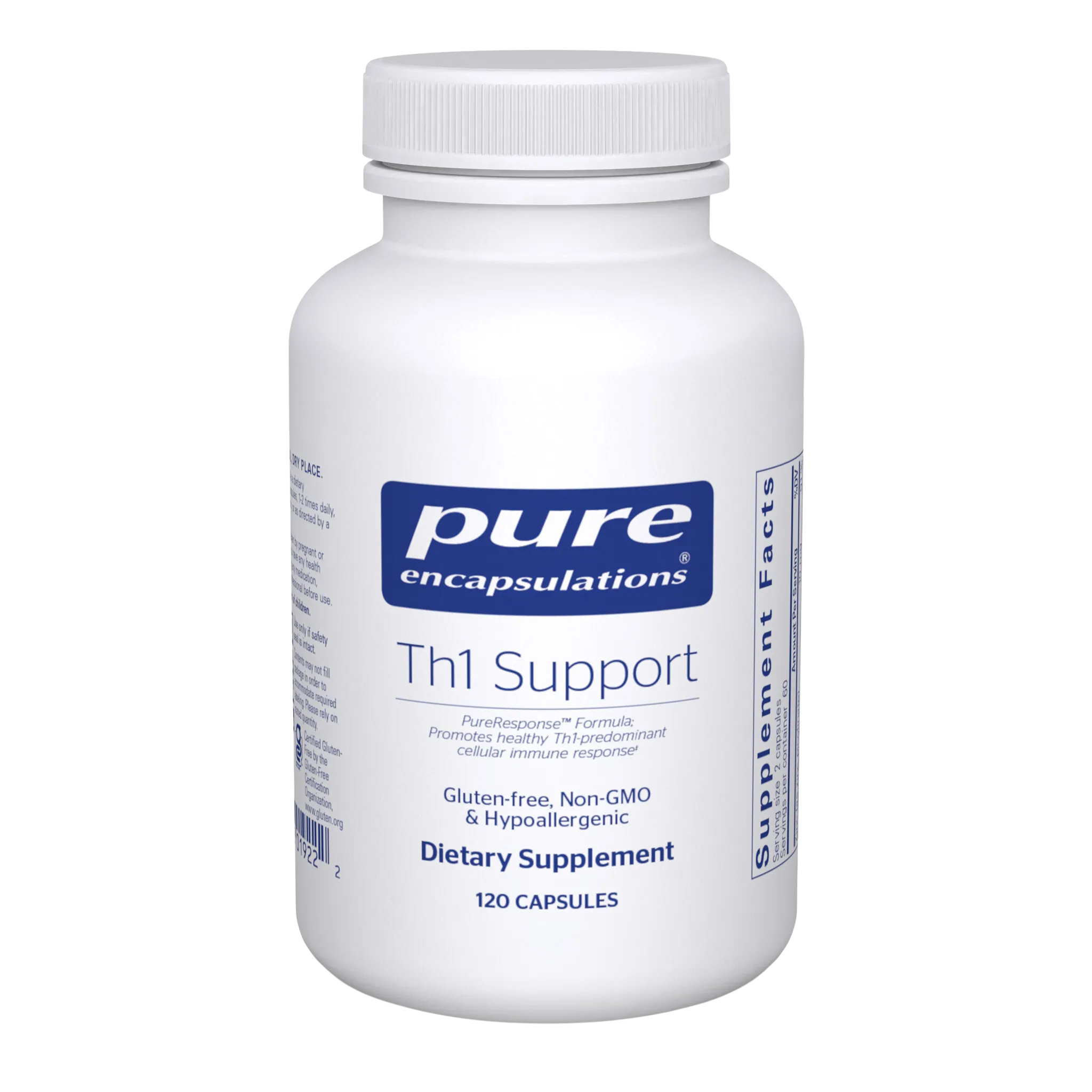
In the search for answers, medical researchers have increasingly focused on the delicate balance of the adaptive immune system, specifically the equilibrium between different types of T-cells. When this balance is shattered by a severe viral insult, chronic inflammation and viral persistence can take hold. This is where targeted nutritional interventions come into play. Th1 Support by Pure Encapsulations is a specialized supplement designed to promote healthy activation of cellular immunity and maintain immunological homeostasis. By combining extensively researched phytochemicals like berberine, baicalin, and sulforaphane with essential minerals like zinc, this formula aims to support the body's natural defenses. In this comprehensive guide, we will explore the deep molecular biology of the immune system, how complex chronic illnesses disrupt it, and how the ingredients in Th1 Support may help you manage your symptoms and improve your quality of life.
TL;DR
Th1 Support aims to balance the immune system and manage chronic inflammation in complex conditions.
Key ingredients include berberine, baicalin, sulforaphane, and zinc to support cellular defense and antioxidant production.
The formula may help manage fatigue, brain fog, and immune hypersensitivity associated with chronic illnesses.
Supplements are not standalone solutions but can support a comprehensive, holistic care plan.
What is Th1 Support?
The Foundation of Cellular Immunity
To understand how Th1 Support functions, we must first explore the extraordinary complexity of the human immune system. The immune system is broadly divided into two main branches: the innate immune system, which provides immediate, non-specific defense against pathogens, and the adaptive immune system, which mounts highly specific, targeted attacks and retains immunological memory. At the heart of the adaptive immune response are T lymphocytes, or T-cells. Born in the bone marrow and matured in the thymus gland, these white blood cells are the master orchestrators of your body's defense strategy. When a foreign invader—such as a virus or bacteria—enters the body, antigen-presenting cells like dendritic cells capture pieces of the pathogen and present them to naive T-cells. This critical interaction, combined with a specific cocktail of chemical messengers called cytokines, determines what kind of specialized defender the naive T-cell will become.
The Th1 vs. Th2 Balancing Act
Once activated, T-helper (Th) cells differentiate into specific lineages, the most prominent being Th1 and Th2 cells. This differentiation creates a dynamic, highly regulated seesaw within the immune system. Th1 cells are the drivers of cell-mediated immunity. Their primary job is to hunt down and destroy intracellular pathogens, such as viruses that have hijacked your cells, and certain types of bacteria. To accomplish this, Th1 cells secrete powerful pro-inflammatory cytokines, most notably Interferon-gamma (IFN-γ) and Interleukin-2 (IL-2). These chemicals activate macrophages and cytotoxic CD8+ T-cells, turning them into highly efficient pathogen-killing machines. A robust Th1 response is absolutely essential for clearing acute viral infections and helping keep latent viruses dormant.
On the other side of the seesaw are Th2 cells, which drive humoral immunity. Instead of attacking infected cells directly, Th2 cells focus on extracellular threats like parasites, toxins, and allergens. They secrete a different set of cytokines, including Interleukin-4 (IL-4), IL-5, and IL-10. These messengers stimulate B-cells to produce antibodies (including IgE, the antibody responsible for allergic reactions) and activate eosinophils and mast cells. In a healthy, optimally functioning immune system, the Th1 and Th2 pathways exist in a state of mutual antagonism; when one pathway ramps up to fight a specific threat, it naturally suppresses the other to prevent the immune system from overreacting and causing collateral damage to the body's own tissues.
The Role of Targeted Phytochemicals
When the immune system is healthy, this seesaw tips back and forth seamlessly as needed. However, in complex chronic illnesses, this delicate balance can become "stuck," leading to a state of chronic immune dysfunction. This is where the concept of immunomodulation becomes vital. Unlike traditional immunosuppressive drugs that broadly dampen the entire immune response, or immunostimulants that blindly push the system into overdrive, immunomodulators aim to restore homeostasis. Th1 Support utilizes a synergistic blend of bioactive plant compounds—phytochemicals that support healthy T-cell differentiation and immune signaling.
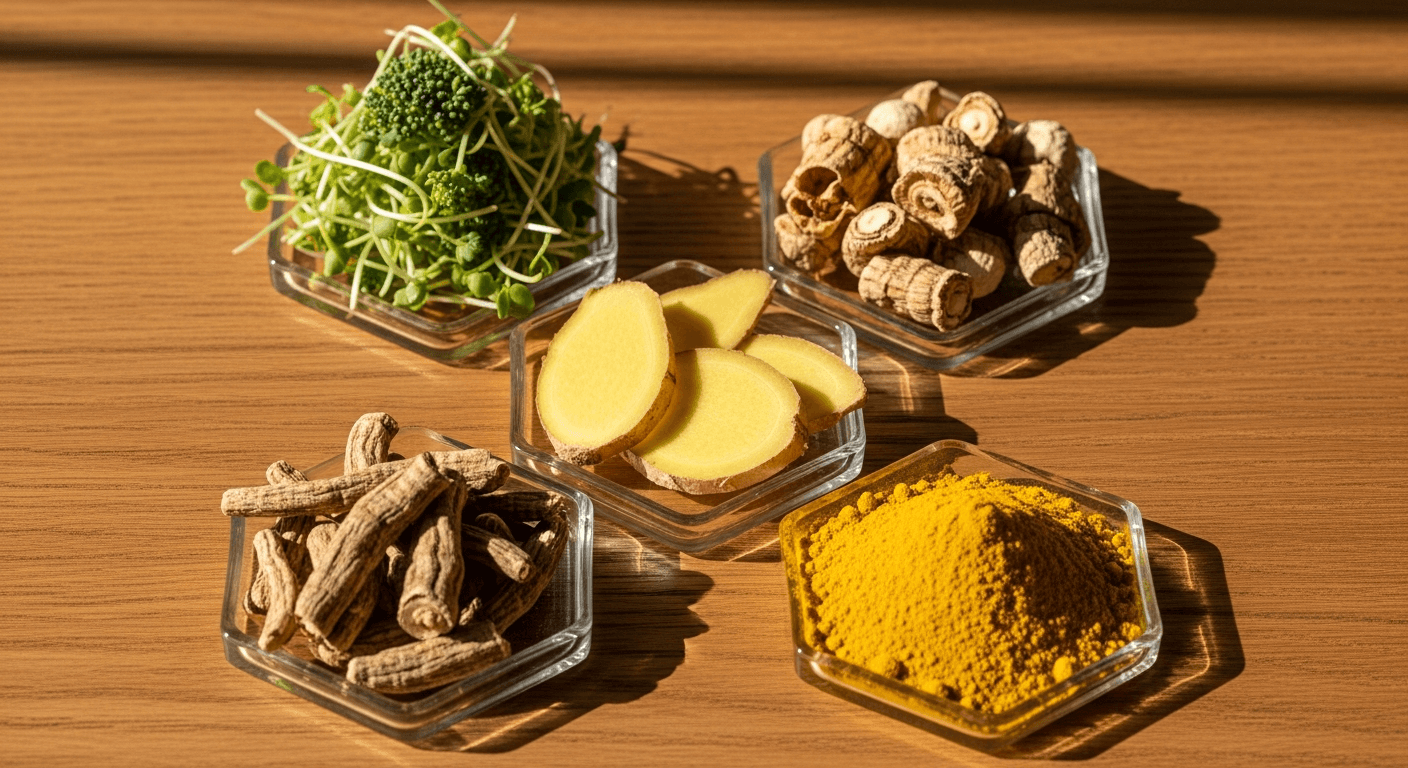
By providing standardized extracts of berberine, Chinese skullcap (standardized to baicalin), and broccoli sprout concentrate (standardized to sulforaphane), alongside highly bioavailable zinc picolinate, this formula is designed to provide the molecular signaling necessary to help a "stuck" immune system find its equilibrium. These ingredients do not simply force the body to produce more Th1 cells; rather, research suggests they help regulate the cytokine environment, support the maturation of naive T-cells, and promote the healthy cellular defense mechanisms required for innate immunity and long-term tissue health.
How Long COVID and ME/CFS Impact Immune Balance
T-Cell Exhaustion and Viral Persistence
In conditions like Long COVID and ME/CFS, the immune system's elegant balancing act is profoundly disrupted. When the body encounters a severe or novel viral threat, such as the SARS-CoV-2 virus or the Epstein-Barr Virus (EBV), it mounts a massive Th1 response to clear the infection. However, if the virus is not entirely eradicated—a phenomenon known as viral persistence or the presence of viral reservoirs—the immune system remains locked in a state of high alert. Over time, the constant demand to produce antiviral cytokines takes a severe toll on the T-cells. According to a comprehensive 2024 review in the journal Cell, this relentless activation leads to a phenomenon known as T-cell exhaustion. Exhausted T-cells lose their ability to proliferate, their cytokine production drops, and they begin to express inhibitory receptors like PD-1 on their surface, effectively rendering the body's primary antiviral defense system functionally impaired.
This exhaustion creates a dangerous vulnerability. With the Th1 antiviral response weakened, latent viruses that the immune system normally keeps dormant—such as EBV, Human Herpesvirus 6 (HHV-6), or Cytomegalovirus (CMV)—can reactivate. This reactivation triggers a new wave of immune alarm signals, further draining the body's cellular energy reserves and contributing heavily to the debilitating fatigue and post-exertional malaise (PEM) that are hallmark symptoms of these conditions. To understand the root of these complex cascades, you can explore more about What Causes Long COVID? and how these initial viral insults trigger long-term systemic changes.
The Shift Toward Th2 Dominance and Autoimmunity
As the Th1 response fails or becomes exhausted, the immune seesaw often tips dramatically toward a Th2-dominant state. This compensatory shift has profound clinical implications for patients. A hyperactive Th2 response drives the overproduction of IgE antibodies and stimulates mast cells, leading to the sudden onset of new food sensitivities, chemical intolerances, and allergic-like reactions that many patients experience. This state of hypersensitivity is closely linked to mast cell activation syndrome (MCAS), a condition frequently seen alongside Long COVID and dysautonomia. Furthermore, the loss of immune regulation allows for the breakdown of self-tolerance, paving the way for the production of autoantibodies that mistakenly attack the body's own tissues, including the autonomic nervous system and vascular endothelium. For a deeper dive into this specific mechanism, read our guide on Autoimmunity and Immune Dysregulation in Long COVID.
The Cytokine Storm and Bystander Damage
Complicating the picture further is the presence of chronic, low-grade inflammation. While classic ME/CFS has historically been viewed as primarily Th2-dominant, recent research into Long COVID reveals a more chaotic picture of simultaneous immune hyperactivation. A 2025 study published in the Journal of Molecular and Cellular Cardiology highlights that Long COVID patients often suffer from prolonged cytokine dysregulation, featuring elevated levels of pro-inflammatory markers like Interleukin-6 (IL-6) and Tumor Necrosis Factor-alpha (TNF-α). This sustained inflammatory signaling damages the endothelial cells lining the blood vessels, promoting microvascular thrombosis (microclots) and cardiovascular dysfunction. The immune system, in its desperate attempt to clear lingering viral antigens, ends up causing "bystander damage" to healthy tissues, resulting in the widespread pain, neuroinflammation (brain fog), and organ dysfunction that define the chronic illness experience. Understanding Can Long COVID Trigger ME/CFS? Unraveling the Connection helps clarify why these inflammatory patterns overlap so heavily between the two conditions.
Th1 Support: Supporting Viral Defense and Cellular Health
Berberine and the Modulation of T-Cell Differentiation
Berberine HCl, a naturally occurring isoquinoline alkaloid extracted from plants like Coptis chinensis, is a cornerstone of the Th1 Support formula. At the molecular level, berberine acts as a profound immunomodulator with a unique ability to influence T-cell differentiation. By modulating intracellular communication networks, berberine may help manage the runaway hyper-inflammation often seen in autoimmune states. Furthermore, berberine has been shown to downregulate the expression of T-bet, the master transcription factor required for naive T-cells to commit to the Th1 lineage. This might sound counterintuitive for a "Th1 Support" supplement, but it highlights the adaptogenic nature of the compound: in states of severe, tissue-damaging Th1 autoimmune inflammation, berberine acts as a crucial brake.
Conversely, in states of immunodeficiency or viral persistence where the cellular immune response is exhausted, berberine may help restore balance. Studies have shown that it can influence antigen-presenting cells, such as macrophages and dendritic cells, to optimize their production of Interleukin-12 (IL-12). IL-12 is the primary cytokine responsible for encouraging the healthy, appropriate maturation of T-cells into effective Th1 defenders. Additionally, berberine activates AMP-activated protein kinase (AMPK), an enzyme often referred to as the metabolic master switch. By activating AMPK, berberine helps restore cellular energy production and mitochondrial function, which are critical for immune cells that require massive amounts of ATP to hunt down and clear persistent viral reservoirs.
Baicalin's Dual Antiviral and Anti-Inflammatory Action
The formula also features a potent extract of Chinese skullcap (Scutellaria baicalensis), standardized to contain 30% baicalin. Baicalin is a bioactive flavonoid glycoside that has garnered immense attention in modern pharmacology for its dual-action capabilities. First, it exhibits direct properties that support the body's defense against viral replication. By hindering the virus's ability to replicate, baicalin may help support the body's response to viral load, giving the exhausted Th1 immune system a chance to recover and mount a more effective, coordinated response.
Beyond its direct defensive properties, baicalin is a master regulator of host inflammation. Severe viral infections often cause damage not just through the virus itself, but via an uncontrolled host inflammatory response known as a cytokine storm. Baicalin actively interferes with the NF-κB signaling pathway and the NLRP3 inflammasome, which are the primary genetic drivers of systemic inflammation. By inhibiting the nuclear translocation of NF-κB, baicalin may help reduce the production of tissue-damaging cytokines like IL-1β and IL-6 at the source. A 2022 study in Frontiers in Immunology demonstrated that baicalin significantly enhances respiratory mucosal immunity and promotes the secretion of Type I interferons (IFN-α and IFN-β), which are vital for early antiviral defense, while simultaneously suppressing late-stage hyper-inflammation.
Sulforaphane, the Nrf2 Pathway, and Glutathione Restoration
Oxidative stress is a massive driver of symptoms in Long COVID and ME/CFS, leading to endothelial damage, mitochondrial dysfunction, and severe fatigue. To combat this, Th1 Support includes broccoli sprout concentrate, standardized to provide 400 mcg of sulforaphane. Sulforaphane is globally recognized by scientists as one of the most potent naturally occurring activators of the Nrf2 (Nuclear factor erythroid 2-related factor 2) pathway. Under normal conditions, Nrf2 is kept inactive in the cell's cytoplasm by a sensor protein called Keap1. When sulforaphane enters the cell, it modifies the cysteine residues on Keap1, forcing it to release Nrf2. Once free, Nrf2 translocates to the cell nucleus and binds to Antioxidant Response Elements (ARE), triggering a massive, systemic upregulation of Phase II detoxification enzymes.
The most critical downstream effect of Nrf2 activation is the robust stimulation of the body's endogenous production of glutathione, the master antioxidant. Patients with chronic viral illnesses frequently exhibit drastically depleted basal levels of glutathione, leaving their cells highly vulnerable to the reactive oxygen species (ROS) generated by chronic inflammation. By restoring glutathione levels, sulforaphane may help support redox homeostasis, protect the delicate vascular endothelium from microvascular damage, and manage the sustained inflammasome activation that drives Long COVID symptoms. Research published in Communications Biology has even highlighted sulforaphane's ability to reduce viral replication and lower the cellular expression of ACE2 receptors, further supporting its role in comprehensive immune defense.
Zinc Picolinate and Ginger for Innate Immune Function
Rounding out the formula are zinc (as zinc picolinate) and ginger extract. Zinc is an absolute biochemical necessity for the immune system. It serves as a critical structural component for thymulin, a hormone secreted by the thymus gland that is required for the maturation and differentiation of T-cells. Zinc deficiency rapidly leads to a decline in Th1 cytokines like IFN-γ and IL-2, while disproportionately sparing the Th2 response, thereby directly exacerbating the Th2-dominant immune skew seen in ME/CFS. By providing 10 mg of highly bioavailable zinc picolinate, the formula ensures the raw materials for T-cell maturation are present. Meanwhile, ginger extract provides synergistic support through its high concentration of gingerols and shogaols. These bioactive compounds have been shown to modulate the arachidonic acid cascade, inhibiting the COX-2 and LOX enzymes that produce pro-inflammatory prostaglandins and leukotrienes, thereby offering additional support for healthy inflammatory balance and tissue comfort.

Symptoms Th1 Support May Help Manage
Targeting Viral and Inflammatory Symptoms
Because Th1 Support targets the foundational mechanisms of immune regulation, cellular defense, and antioxidant production, it may help manage a wide array of interconnected symptoms experienced by patients with complex chronic illnesses. By supporting the body's response to viral persistence and managing systemic inflammation, patients may notice improvements in several key areas:
Post-Exertional Malaise (PEM) and Severe Fatigue: By activating the AMPK metabolic pathway via berberine and restoring cellular glutathione levels via sulforaphane, this formula supports mitochondrial energy production. This may help raise the threshold at which physical or cognitive exertion triggers a debilitating "crash."
Brain Fog and Cognitive Dysfunction: Neuroinflammation is heavily driven by the overproduction of cytokines like IL-6 and TNF-α, which can cross the blood-brain barrier. Baicalin's ability to inhibit the NF-κB pathway and suppress these specific cytokines may help protect neurological tissues and improve mental clarity.
Frequent or Lingering Infections: By providing zinc and supporting the healthy maturation of Th1 cells, the formula enhances the body's cell-mediated innate immunity, potentially helping the immune system keep latent viruses (like EBV) dormant and fight off opportunistic respiratory infections more effectively.
Addressing Allergic and Autoimmune Manifestations
The immunomodulatory properties of this supplement also extend to the hyper-reactive, allergic side of the immune spectrum. By helping to correct the Th1/Th2 imbalance, the ingredients in Th1 Support can provide secondary benefits for patients dealing with hypersensitivity disorders:
MCAS-Like Reactions and Food Sensitivities: When the immune system is skewed heavily toward Th2 dominance, mast cells become highly unstable and release histamine inappropriately. By supporting a more balanced immune response, the formula may help reduce the frequency and severity of these allergic-like flares. For more targeted mast cell support, you might also explore our guide on Ketotifen: Unveiling Relief for the Hidden Battles of MCAS, Long COVID, ME/CFS, and Dysautonomia.
Joint and Muscle Pain (Myalgia): Chronic, widespread pain is often a direct result of oxidative stress and systemic inflammation damaging the microvasculature in muscle tissues. The potent antioxidant effects of the Nrf2 pathway, driven by sulforaphane, combined with the COX-2 inhibiting properties of ginger extract, may help maintain healthy immune biomarkers related to tissue comfort and alleviate deep muscle aching.
Practical Considerations: Forms, Dosing, and Absorption
Optimizing Bioavailability and Absorption
When incorporating targeted phytochemicals into your management plan, understanding bioavailability—how much of the active ingredient actually reaches your systemic circulation—is crucial. Berberine, while highly effective at the cellular level, is known for having relatively poor intestinal absorption and being subject to rapid metabolism by the liver and efflux by P-glycoprotein pumps in the gut wall. To maximize its absorption, it is highly recommended to take Th1 Support with a meal that contains healthy fats. Interestingly, the inclusion of baicalin in this formula may offer a synergistic pharmacokinetic advantage; certain flavonoids have been shown to inhibit the P-glycoprotein efflux pumps, potentially enhancing the overall retention and systemic circulation of berberine when taken together.
The mineral component of the formula, zinc, is provided in the form of zinc picolinate. Zinc absorption is notoriously difficult, as it easily binds to phytates found in plant-based foods, rendering it insoluble. However, zinc picolinate—zinc bound to picolinic acid—has been demonstrated in clinical studies to be one of the most highly bioavailable forms of the mineral. Picolinic acid is a natural chelator produced by the body in the pancreas and secreted into the intestines specifically to facilitate mineral absorption across the intestinal lining. This ensures that the 10 mg of zinc provided in each serving is efficiently utilized by the thymus gland for T-cell maturation.
Dosing Strategies and Timing
The suggested use for Th1 Support is to take 2 capsules, 1 to 2 times daily, with meals, or as directed by your healthcare professional. Because berberine has a relatively short half-life in the bloodstream (typically around 4 to 6 hours), splitting the dose into twice-daily administrations (e.g., once with breakfast and once with dinner) can help maintain a more consistent level of the active phytochemicals in your system throughout the day. Taking the supplement with food not only improves the absorption of the lipophilic compounds but also helps mitigate any potential gastrointestinal upset, which can occasionally occur when taking concentrated botanical extracts on an empty stomach.
Potential Interactions and Contraindications
While Th1 Support is made with non-GMO ingredients and vegetarian capsules, it contains powerful bioactive compounds that require careful consideration. Berberine has well-documented blood sugar-lowering and metabolic effects. If you are currently taking prescription medications for diabetes or hypoglycemia, you must consult your doctor before using this supplement, as it may cause your blood sugar to drop too low. Additionally, berberine can inhibit certain cytochrome P450 enzymes in the liver (such as CYP3A4), which are responsible for metabolizing many common medications, including statins, immunosuppressants, and certain cardiovascular drugs. Altering these enzymes can change the concentration of your prescription medications in your blood. Finally, this product carries a strict warning: it is not to be taken by pregnant or lactating women, as berberine can cross the placenta and may cause harm to the developing fetus. Always consult with your prescribing physician to ensure this supplement fits safely into your specific medical regimen.
Follow the Science
Clinical Evidence for Berberine and Baicalin
The scientific foundation for the ingredients in Th1 Support is robust, spanning decades of in vitro, animal, and human clinical research. The immunomodulatory capacity of berberine has been extensively documented in autoimmune and inflammatory models.
Similarly, the antiviral and anti-inflammatory properties of baicalin are well documented in the pharmacological literature.
Sulforaphane Trials and Long COVID Research
The inclusion of sulforaphane is backed by compelling research into the Nrf2 pathway's role in viral defense. A pivotal 2022 study published in Communications Biology by Johns Hopkins researchers found that prophylactic doses of sulforaphane in mice infected with SARS-CoV-2 resulted in a 17% decrease in lung viral load and a 29% reduction in lung injury. Furthermore, the relevance of targeting T-cell abnormalities in Long COVID is supported by clinical observations. A 2021 study in the Journal of Investigative Medicine tracked Long COVID patients up to 400 days post-infection, revealing persistent T-cell perturbations, including reduced CD4+ and CD8+ effector memory T-cells and increased PD-1 expression (a marker of exhaustion). Interventions that support T-cell maturation and reduce exhaustion are therefore highly biologically plausible targets for therapy.
Understanding the Limitations
While the preclinical and mechanistic data are highly encouraging, it is crucial to approach the science with a realistic perspective. Many of the most profound results regarding berberine and baicalin have been observed in in vitro (cell culture) or in vivo (animal) models. While human trials exist for these compounds in the context of metabolic syndrome and general inflammation, large-scale, double-blind, placebo-controlled human clinical trials specifically evaluating this exact combination of ingredients for the management of Long COVID or ME/CFS are still needed. For example, while sulforaphane shows immense promise, the STAR-COVID19 trial demonstrated that it was not effective as an acute rescue intervention for hospitalized patients with severe COVID-19 pneumonia, highlighting that these supplements are best viewed as foundational, long-term modulators rather than acute medical treatments.
The Path Forward
Validating the Chronic Illness Experience
Living with a complex, invisible illness like Long COVID, ME/CFS, or dysautonomia is an exhausting journey. The sheer unpredictability of symptoms—from crushing fatigue to sudden cognitive decline—can make you feel disconnected from your own body and isolated from the world around you. It is entirely valid to feel frustrated when standard blood panels come back "normal" despite feeling profoundly unwell. The science we've explored confirms what you already know: your symptoms are rooted in real, measurable physiological disruptions, particularly within the complex networks of your immune system. If you are struggling to get your condition recognized, reading about How Does a Doctor Diagnose Long COVID? can provide valuable insights into navigating the medical system.
Integrating Supplements into Comprehensive Care
While Th1 Support offers a scientifically grounded approach to promoting immune balance, supporting cellular defense, and managing oxidative stress, it is not a standalone solution. True management of complex chronic conditions requires a multifaceted, holistic approach. This includes meticulous symptom tracking, strict adherence to pacing to avoid triggering post-exertional malaise, prioritizing restorative sleep, and working closely with a medical team that understands the nuances of neuroimmune disorders. Supplements are powerful tools designed to support your body's foundational biochemistry, giving your immune system the raw materials and signaling compounds it needs to slowly find its way back to homeostasis.
If you and your healthcare provider believe that supporting your cellular immunity and addressing chronic inflammation could benefit your recovery journey, you can learn more about this targeted formulation below.