Can Vitamin D and K2 Synergy Support Vascular Health in Long COVID and POTS?
March 5, 2026
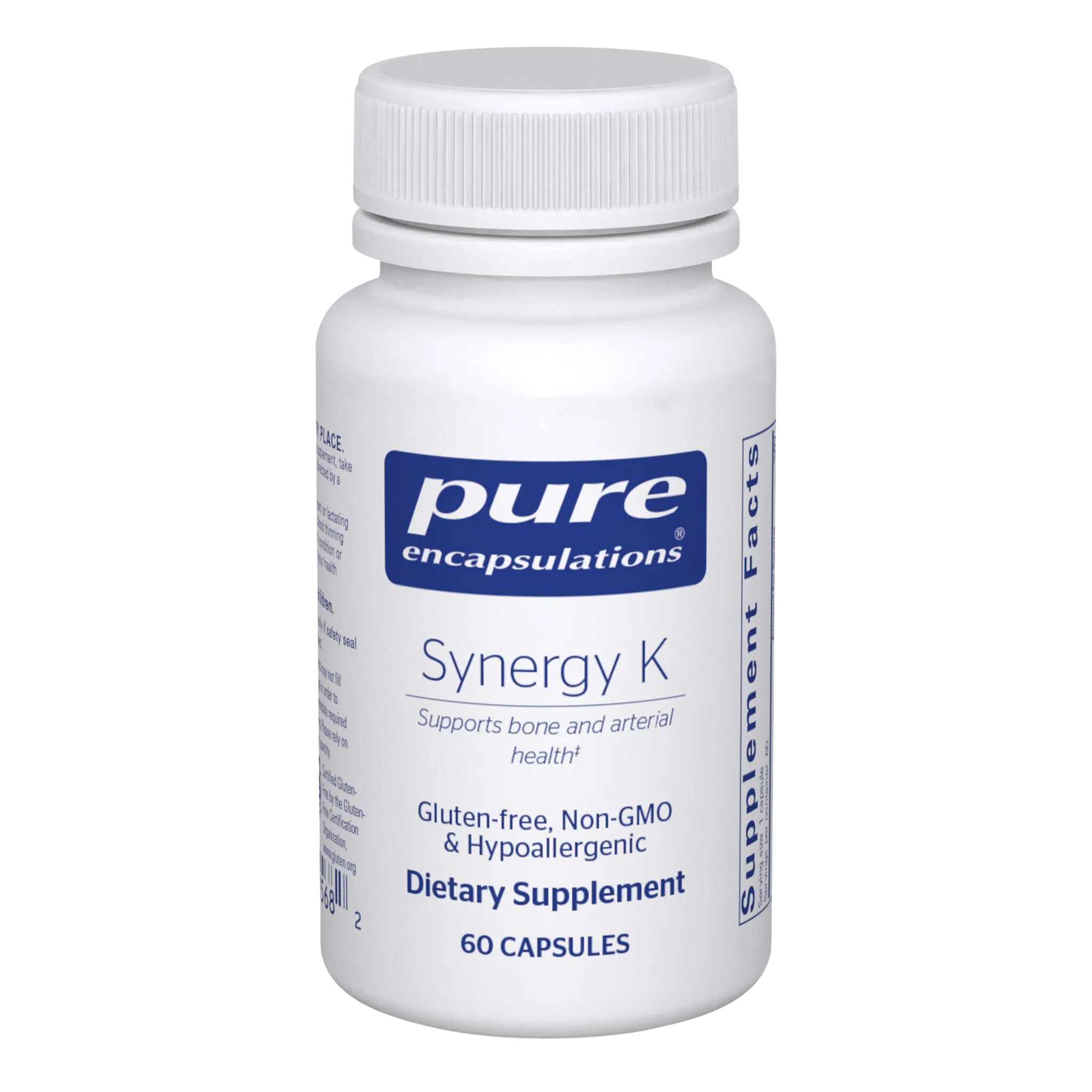
Synergy KVitamin K2Vitamin D3
Share:
Disclaimer: The information provided here is for educational purposes only and is not intended as medical advice. It should not be used to diagnose, treat, cure, or prevent any medical condition. Instead, use it as a starting point for discussion with your healthcare provider. Always consult with a qualified healthcare provider before starting any new medication, supplement, device, or making changes to your health regimen.
Months or even years after recovering from an initial SARS-CoV-2 infection, many individuals find themselves battling a complex web of debilitating symptoms. From the rapid, pounding heartbeat of postural orthostatic tachycardia syndrome (POTS) to the profound, unyielding exhaustion of post-exertional malaise (PEM), navigating life with Long COVID and related dysautonomia can feel like an endless uphill climb. Patients are often left frustrated by a lack of clear medical answers, struggling to explain to their providers how a seemingly standard respiratory virus could cause such widespread, systemic dysfunction across their entire body. The daily reality of managing these invisible illnesses requires immense resilience, as patients are forced to constantly monitor their energy envelopes and adapt to unpredictable symptom flares.
Emerging clinical research is increasingly pointing to the vascular system—specifically, the delicate inner lining of our blood vessels known as the endothelium—as a primary driver of these chronic symptoms. When the endothelium is damaged, it disrupts microcirculation, starving tissues of vital oxygen and triggering a cascade of autonomic nervous system misfires. In the search for targeted nutritional support to address this root cause, the profound biological synergy between Vitamin D3 and Vitamin K2 has taken center stage in medical literature. Together, these fat-soluble vitamins act as master regulators of calcium utilization, directing calcium away from vulnerable blood vessels and into the bones. By understanding the intricate biochemistry of comprehensive formulas like Synergy K, patients can explore new, science-backed avenues for supporting their vascular integrity, bone density, and overall health.
TL;DR
Vitamin D3 and K2 work synergistically to support calcium absorption and direct it to bones instead of blood vessels.
Endothelial dysfunction and arterial stiffness are key drivers of Long COVID and dysautonomia symptoms.
Synergy K provides targeted nutritional support that may help maintain vascular flexibility and bone density.
Always consult a healthcare provider before starting supplements, especially if taking blood thinners.
What is Vitamin K and D Synergy?
The Calcium Traffic Directors
To understand the profound benefits of Synergy K, we must first explore the intricate biological relationship between Vitamin D3 and Vitamin K. In a healthy human body, calcium is an essential mineral required not just for skeletal strength, but for muscle contraction, nerve signaling, and cardiovascular function. However, calcium requires strict biological supervision; without proper direction, it can become highly destructive. This dynamic is often referred to by researchers as the "Calcium Paradox." When individuals take high doses of calcium or Vitamin D3 in isolation, they risk elevating their blood calcium levels without providing the body with the necessary tools to direct that calcium to the correct tissues.
Instead of fortifying the skeletal system, this undirected calcium can precipitate out of the bloodstream and crystallize within the soft tissues. Over time, this leads to the calcification of arterial walls, heart valves, and kidneys, significantly increasing cardiovascular risk and contributing to the arterial stiffness often seen in dysautonomia. The synergy between Vitamin D3 and Vitamin K2 acts as a closed-loop biological traffic control system. While Vitamin D3 acts as the "supplier" by ensuring adequate calcium enters the bloodstream from the digestive tract, Vitamin K2 acts as the "director," ensuring that the calcium is safely deposited into the bone matrix and kept strictly out of the delicate vascular network.
This synergistic interplay is one of the most well-documented nutrient interactions in human physiology. A comprehensive narrative review highlights that the combined administration of these two vitamins provides cardiovascular and skeletal benefits that far exceed the use of either nutrient alone. By providing a carefully calibrated blend of Vitamin D3 alongside multiple forms of Vitamin K (K1, MK-4, and MK-7), Synergy K is designed to support this exact biological mechanism, offering a comprehensive approach to calcium utilization that protects the endothelium while promoting bone mineralization.
The Role of Vitamin D3 in Calcium Absorption
Vitamin D3, or cholecalciferol, is a fat-soluble vitamin that functions more like a systemic steroid hormone than a traditional nutrient. When synthesized in the skin via sunlight exposure or ingested through supplementation, it must undergo two enzymatic conversions—first in the liver to become calcidiol (25-hydroxyvitamin D), and then in the kidneys to become calcitriol (1,25-dihydroxyvitamin D), its biologically active form. Once active, calcitriol binds to the Vitamin D Receptor (VDR) present in the intestines, significantly upregulating the absorption of dietary calcium and phosphorus into the systemic circulation. Without adequate Vitamin D3, the body can only absorb a fraction of the calcium consumed, leading to potential skeletal deficits.
However, Vitamin D3's role extends far beyond simple intestinal absorption. At the cellular level, active calcitriol acts as a powerful genetic transcription factor. When it binds to the VDR in specific tissues, it directly upregulates the genetic expression and cellular production of two incredibly important Vitamin K-dependent proteins: Osteocalcin and Matrix Gla Protein (MGP). Osteocalcin is produced by osteoblasts (bone-building cells) to help construct the skeletal matrix, while MGP is produced by vascular smooth muscle cells and endothelial cells to protect the blood vessels.
The critical caveat in this biochemical process is that Vitamin D3 can only produce these proteins; it cannot activate them. When Osteocalcin and MGP are newly synthesized under the influence of Vitamin D3, they are released in an inactive, uncarboxylated state. In this dormant form, they are completely incapable of binding to calcium. This is precisely why learning what causes Long COVID and its associated vascular symptoms requires looking beyond single-nutrient deficiencies and understanding the necessity of nutrient synergy. Without the activating power of Vitamin K, the proteins generated by Vitamin D3 remain biologically useless.
The Activating Power of Vitamin K2
Vitamin K2 (menaquinone) is the essential biological key that unlocks the potential of the proteins generated by Vitamin D3. At the molecular level, Vitamin K acts as an indispensable cofactor for a specific enzyme known as gamma-glutamyl carboxylase. This enzyme is responsible for executing a precise biochemical transformation called carboxylation. During this process, the enzyme converts specific glutamic acid (Glu) residues on the inactive Osteocalcin and MGP proteins into gamma-carboxyglutamic acid (Gla) residues. This structural modification is a profound biological event that fundamentally alters the electrical charge of the proteins.
Once carboxylated by Vitamin K2, these proteins gain a highly negative charge, giving them a powerful, magnetic affinity for binding positively charged calcium ions. Activated Osteocalcin can now successfully grab calcium from the bloodstream and weave it permanently into the hydroxyapatite matrix of the bone, ensuring structural density and strength. Simultaneously, activated MGP becomes the most potent known inhibitor of soft-tissue calcification. It actively scavenges excess calcium in the vascular network, helping to keep it from binding to elastin fibers and forming dangerous arterial plaques.
When the body is deficient in Vitamin K2, this carboxylation process halts. The resulting buildup of inactive proteins—specifically dephosphorylated-uncarboxylated MGP (dp-ucMGP)—is a direct, measurable biomarker of extrahepatic (outside the liver) Vitamin K deficiency. High levels of dp-ucMGP are heavily correlated with accelerated arterial stiffness, cardiovascular disease, and the degradation of pulmonary tissues. By providing robust doses of Vitamin K2, formulas like Synergy K ensure that the gamma-glutamyl carboxylase enzyme has the necessary cofactors to continuously activate these vital protective proteins.
How Chronic Illness Impacts the Vascular System
Endothelial Dysfunction in Long COVID
To understand why vascular support is so critical for chronic illness patients, we must examine how viral infections fundamentally alter the cardiovascular system. SARS-CoV-2 is widely recognized not merely as a respiratory pathogen, but as a pan-vascular disease that directly attacks the delicate inner lining of the blood vessels, known as the endothelium. The virus binds to ACE2 receptors, which are highly expressed on endothelial cells, triggering widespread cellular damage, profound oxidative stress, and a hyper-inflammatory immune response. This initial assault compromises the structural integrity of the blood vessels, leading to a condition known as endothelial dysfunction.
Endothelial dysfunction is characterized by a shift in the vascular environment from a healthy, anti-thrombotic state to a highly pro-inflammatory and pro-coagulant state. Recent transcriptomic profiling studies of endothelial cells from post-COVID patients reveal persistent downregulation of genes controlling nitric oxide production (which is necessary for blood vessel dilation) and severe upregulation of inflammatory and apoptotic markers. This ongoing damage facilitates the continuous formation of microclots—tiny, amyloid-like fibrin structures that block capillaries and severely restrict microvascular blood flow. When tissues are starved of oxygen due to these microvascular blockages, it drives the profound, cellular-level exhaustion that is a hallmark of post-exertional malaise.
This persistent vascular injury helps explain how a doctor diagnoses Long COVID by looking for signs of systemic, multi-organ involvement rather than isolated respiratory issues. The endothelium is the largest organ in the body by surface area, and when it remains in a state of chronic dysfunction, the downstream effects are catastrophic. The blood vessels lose their elasticity, the immune system remains locked in a hyper-vigilant state, and the autonomic nervous system is forced to constantly overcompensate for the lack of proper blood flow, creating a vicious cycle of chronic illness that is incredibly difficult to break without targeted intervention.
The "Hepatic Triage" of Vitamin K
One of the most fascinating and devastating mechanisms discovered during the pandemic is how acute viral infections completely disrupt the body's Vitamin K metabolism. When the body faces a severe inflammatory threat like COVID-19, it enters a state of biological emergency. Because the endothelium is damaged, the body initiates a massive pro-coagulant response to repair the micro-tears in the blood vessels. To execute this, the liver requires massive amounts of Vitamin K to activate essential blood-clotting proteins, such as Factor II (prothrombin). This emergency response triggers a phenomenon researchers call the "hepatic triage" of Vitamin K.
During this triage, the body ruthlessly prioritizes survival by shuttling all available circulating Vitamin K directly to the liver to support coagulation. While this mechanism is designed to prevent acute hemorrhage, it comes at a severe cost: it completely starves extrahepatic tissues—such as the lungs, blood vessels, and cartilage—of their necessary Vitamin K supply.
Because the blood vessels are starved of Vitamin K, the protective Matrix Gla Protein cannot be activated. Without active MGP, the elastic fibers within the pulmonary tissues and arterial walls are left completely unprotected against viral proteolysis (enzymatic degradation) and calcium deposition. This localized nutritional starvation accelerates structural damage to the lungs and cardiovascular system, directly contributing to the long-term fibrotic changes and vascular stiffness that plague patients long after the acute infection has cleared. Understanding this triage mechanism is crucial for patients exploring how Long COVID triggers ME/CFS, as it highlights the profound, lingering metabolic deficits left in the virus's wake.
Arterial Stiffness and Dysautonomia
The long-term consequence of this extrahepatic Vitamin K starvation is a rapid acceleration of arterial stiffness. When MGP remains inactive, circulating calcium is free to precipitate into the vascular smooth muscle cells. Over time, these calcium deposits harden the elastic fibers of the blood vessels, severely reducing their ability to expand and contract in response to blood pressure changes. This loss of vascular flexibility is a mechanical disaster for the autonomic nervous system, which relies on highly responsive blood vessels to maintain stable hemodynamics when a person changes posture or exerts themselves.
In conditions like postural orthostatic tachycardia syndrome (POTS), arterial stiffness and endothelial dysfunction play a central role in symptom generation. Recent cardiovascular studies have shown that patients with post-acute COVID-19 syndrome and POTS exhibit significantly impaired peripheral and myocardial microvascular endothelial function. Because the stiffened, damaged blood vessels cannot properly constrict to push blood back up to the heart and brain against gravity, blood pools painfully in the lower extremities (acrocyanosis). The brain senses this drop in cerebral perfusion and triggers a massive release of adrenaline, forcing the heart to beat dangerously fast to compensate.
This continuous cardiovascular strain is exhausting. The heart is forced to work overtime against stiffened, calcified arteries, while the brain remains chronically under-perfused. This dynamic not only drives the hallmark tachycardia and palpitations of dysautonomia but also contributes heavily to the cognitive dysfunction (brain fog) and severe fatigue that patients experience daily. By recognizing that these autonomic misfires are rooted in measurable, structural vascular damage—driven in part by the deactivation of MGP—patients can begin to target the physiological root of their symptoms rather than merely managing the downstream neurological effects.
Synergy K: Supporting Blood Vessels and Bones
Activating Matrix Gla Protein (MGP)
Synergy K is specifically formulated to help support vascular health by providing robust, highly bioavailable doses of Vitamin K2. When a patient supplements with this formula, the Vitamin K2 enters the systemic circulation and is delivered directly to the extrahepatic tissues that were starved during the viral "hepatic triage." Once it reaches the vascular smooth muscle cells, Vitamin K2 acts as the essential cofactor for the gamma-glutamyl carboxylase enzyme, immediately restarting the carboxylation process that activates dormant Matrix Gla Protein (MGP).
The activation of MGP is a critical turning point for endothelial health. Once carboxylated, active MGP begins to aggressively scavenge the vascular network, binding to errant calcium ions and helping to keep them from crystallizing within the arterial walls. Furthermore, active MGP protects the delicate elastin fibers from enzymatic degradation, helping to restore the mechanical flexibility of the blood vessels. This renewed elasticity is vital for patients with dysautonomia, as it allows the blood vessels to properly constrict and dilate, improving venous return and reducing the autonomic burden on the heart.
By supporting healthy calcium metabolism, Synergy K may help maintain open, flexible microcapillaries. This improved microvascular perfusion ensures that oxygen and essential nutrients can finally reach the deep muscle tissues and the brainstem, directly combating the cellular hypoxia that drives post-exertional malaise. Cardiological analyses confirm that the robust cardiovascular benefits of Vitamin K2 are driven purely by these direct biological pathways—specifically, the mechanical prevention of calcium buildup in soft tissue, which is essential for restoring healthy hemodynamics in chronic illness patients.
Building Bone Density with Osteocalcin
While protecting the vasculature is paramount, Synergy K simultaneously addresses the skeletal risks associated with chronic illness. Many patients with Long COVID and ME/CFS are forced into prolonged periods of bed rest or severe inactivity due to debilitating fatigue. This lack of weight-bearing exercise rapidly accelerates bone demineralization, putting patients at a high risk for osteopenia and osteoporosis. Synergy K supports bone health by combining the calcium-absorbing power of Vitamin D3 with the bone-building precision of Vitamin K2.
As Vitamin D3 upregulates the production of Osteocalcin in the osteoblasts, the Vitamin K2 in the formula rapidly carboxylates it. This activated Osteocalcin acts like biological mortar, binding the circulating calcium and locking it securely into the hydroxyapatite matrix of the bone. Clinical trials evaluating postmenopausal women have demonstrated that the combined administration of Vitamin D3 and Vitamin K2 results in highly significant increases in lumbar spine bone mineral density that vastly outperform either vitamin taken in isolation. This synergistic loop ensures that the calcium absorbed via D3 is structurally integrated, protecting the skeletal integrity of patients navigating long-term recovery.
Immune Modulation and Inflammation
Beyond its role in calcium metabolism, the Vitamin D3 in Synergy K acts as a profound modulator of the immune system, which is crucial for patients dealing with persistent viral reservoirs and autoantibodies. Vitamin D3 interacts with the Vitamin D Receptor (VDR) on macrophages to trigger the production of antimicrobial peptides like cathelicidins and beta-defensin-2. These peptides promote autophagy, a cellular "clean-up" mechanism that helps the immune system clear out viral debris and damaged mitochondria, potentially addressing one of the root causes of ongoing Long COVID symptoms.
Furthermore, Vitamin D3 helps balance the "cytokine storm" that drives systemic inflammation. It actively downregulates the production of pro-inflammatory cytokines (such as IL-6 and TNF-alpha) while shifting T-cell differentiation away from aggressive Th1 and Th17 phenotypes. Instead, it promotes the development of immune-tolerant Regulatory T-cells (Tregs) and Th2 responses. This immunomodulatory shift helps calm the chronic neuroinflammation and central sensitization seen in ME/CFS, providing a biological circuit-breaker for an immune system that is stuck in a hyper-reactive loop.
Comprehensive Support with Multiple Forms
What sets Synergy K apart from standard supplements is its inclusion of multiple forms of Vitamin K, specifically K1, K2 (MK-4), and K2 (MK-7). Vitamin K1 (phylloquinone) is preferentially transported to the liver, where it ensures that basic coagulation factors are maintained, helping to keep the body from needing to "triage" extrahepatic stores during times of stress. By satisfying the liver's requirements first, K1 allows the K2 forms to bypass hepatic metabolism and travel directly to the peripheral tissues where they are needed most.
The inclusion of both MK-4 and MK-7 provides a full spectrum of extrahepatic support. MK-4 is the specific menaquinone synthesized by human and animal tissues, and it is found in high concentrations in the brain, nervous system, and reproductive organs, offering targeted, rapid-acting cellular support. Meanwhile, MK-7 provides long-lasting, systemic activation of MGP and Osteocalcin due to its extended half-life. This multi-form approach mirrors the complex biological requirements of the human body, ensuring that every tissue type receives the specific form of Vitamin K it needs to function optimally.

Symptoms Synergy K May Help Manage
Cardiovascular and Autonomic Symptoms
By addressing the root causes of endothelial dysfunction, arterial stiffness, and calcium mismanagement, the synergistic blend of Vitamin D3 and Vitamin K2 in Synergy K targets several of the most debilitating symptoms associated with dysautonomia and post-viral syndromes.
Rapid Heart Rate (Tachycardia): By supporting endothelial flexibility and reducing arterial calcification via MGP activation, Synergy K helps ease the mechanical workload on the heart. This improved vascular compliance may help alleviate the exaggerated, pounding cardiovascular responses seen in POTS patients upon standing.
Blood Pooling and Acrocyanosis: Activated MGP is essential for maintaining the structural integrity and elasticity of blood vessel walls. Healthy, responsive veins are crucial for proper vasoconstriction, which may help mitigate the painful, purple pooling of blood in the lower extremities and promotes efficient venous return to the heart.
Exercise Intolerance and PEM: Improved microvascular circulation ensures that oxygen and metabolic nutrients are efficiently delivered to deep muscle tissues. By combating microcapillary blockages, this formula may help mitigate the severe cellular hypoxia and exhaustion experienced after minimal physical exertion.
Brain Fog and Cognitive Dysfunction: The brain requires a massive, uninterrupted supply of blood to function. Supporting healthy, flexible blood flow to the brainstem and cerebral microvessels is essential for clearing neurotoxic metabolic waste and maintaining cognitive clarity and focus.
Musculoskeletal and Immune Symptoms
In addition to its profound vascular benefits, the precise calcium-directing mechanisms and immune-modulating properties of Synergy K offer targeted support for the skeletal and immune systems, which are often severely compromised in chronic illness.
Bone and Joint Pain: By actively directing calcium out of the bloodstream and into the skeletal matrix via carboxylated osteocalcin, this synergistic blend supports bone mineral density. This process may help reduce the deep, aching bone pain and joint stiffness frequently reported by patients who are bedbound or highly inactive.
Muscle Weakness: Vitamin D3 receptors are heavily expressed in skeletal muscle tissue. Optimizing D3 levels supports muscle fiber function, calcium handling within the muscle cells, and overall structural integrity, helping to combat the profound physical deconditioning associated with prolonged illness.
Frequent Infections: The immune-modulating properties of Vitamin D3, specifically the upregulation of antimicrobial peptides like cathelicidin, help support a robust and balanced innate immune response, protecting vulnerable patients against opportunistic pathogens and secondary infections.
Chronic Systemic Inflammation: By shifting T-cell differentiation toward regulatory profiles (Tregs) and downregulating pro-inflammatory cytokines, Vitamin D3 helps dampen the continuous, systemic inflammatory loops that drive widespread pain, neuroinflammation, and cellular exhaustion.
Practical Considerations: Forms, Dosing, and Absorption
Understanding MK-4 versus MK-7
When evaluating Vitamin K2 supplementation, understanding the pharmacokinetic differences between its molecular forms is crucial for achieving clinical efficacy. Within the Vitamin K2 family, MK-4 (menaquinone-4) and MK-7 (menaquinone-7) are the two primary forms utilized in human health. While they share the exact same mechanism of action—acting as a cofactor for the gamma-glutamyl carboxylase enzyme—their differing chemical structures drastically alter their bioavailability, how long they remain active in the bloodstream, and the dosages required to exert a biological effect.
MK-7 is characterized by a longer isoprenoid side chain, making it highly lipophilic (fat-soluble) and exceptionally bioavailable. Pharmacokinetic studies demonstrate that MK-7 has an incredibly long half-life of approximately 72 hours (3 days). Because it remains in the circulation for so long, taking it once daily allows blood levels to accumulate significantly, providing a steady, 24/7 stream of Vitamin K2 to continuously activate MGP in the blood vessels and Osteocalcin in the bones. This high bioavailability means MK-7 is highly effective at microgram (mcg) doses, making it the preferred form for systemic cardiovascular support.
In contrast, MK-4 has a very short half-life of only 1 to 2 hours and is rapidly cleared from the circulation by the liver. Because it decomposes so quickly, it requires massive milligram-level doses to force a sustained systemic effect. However, MK-4 is the specific form of Vitamin K2 that is endogenously synthesized by human tissues and is found in high concentrations in the brain and nervous system. By including both 1000 mcg of MK-4 and 45 mcg of MK-7, Synergy K provides the perfect balance: the MK-4 offers rapid, tissue-specific saturation for the nervous system, while the MK-7 ensures prolonged, systemic activation of vascular and skeletal proteins.
Optimizing Absorption and Timing
Because Vitamins D3, K1, and K2 are all fat-soluble vitamins, their absorption in the gastrointestinal tract is highly dependent on the presence of dietary lipids. When taken on an empty stomach, these vitamins struggle to cross the intestinal barrier and enter the lymphatic system. To maximize bioavailability, Synergy K must be taken with a meal that contains healthy fats, such as avocados, olive oil, nuts, or fatty fish. The dietary fat stimulates the release of bile acids, which emulsify the vitamins into micelles, allowing them to be efficiently absorbed and transported via chylomicrons into the bloodstream.
Furthermore, patients should be aware of the critical role that magnesium plays in this biochemical process. Magnesium acts as the essential "third pillar" in the D3/K2 synergy. It is a required cofactor for the enzymes in the liver and kidneys that convert inactive Vitamin D3 into its active hormonal form, calcitriol. Without adequate intracellular magnesium, the body cannot properly utilize the Vitamin D3 provided in the supplement, blunting the entire downstream activation of MGP and Osteocalcin. Patients navigating chronic illness should discuss optimizing their magnesium status alongside Synergy K with their healthcare provider.
Regarding timing, many patients find it beneficial to take Vitamin D-containing supplements earlier in the day, such as with breakfast or lunch. Vitamin D is naturally synthesized in response to sunlight and can subtly influence circadian rhythms by temporarily suppressing melatonin production. Taking Synergy K late in the evening may interfere with sleep architecture in sensitive individuals, exacerbating the insomnia and unrefreshing sleep frequently seen in ME/CFS and Long COVID.
Important Safety Warnings and Interactions
While the vitamins in Synergy K are essential for human health, there is a critical, absolute contraindication that patients must be aware of: Vitamin K is strictly contraindicated for individuals taking Vitamin K antagonist medications, such as Warfarin (Coumadin). These specific anticoagulant medications work by intentionally inducing a severe Vitamin K deficiency in the liver, thereby halting the production of clotting factors to thin the blood. Supplementing with any form of Vitamin K (K1 or K2) will directly neutralize the medication, potentially leading to dangerous, life-threatening blood clots.
It is important to note that this contraindication applies specifically to Vitamin K antagonists. Newer classes of blood thinners, known as Direct Oral Anticoagulants (DOACs) like Eliquis or Xarelto, operate through entirely different enzymatic pathways (such as direct Factor Xa inhibition) and are generally not affected by dietary Vitamin K. However, because many Long COVID patients are prescribed various anticoagulant or antiplatelet therapies to manage microclots, it is absolutely imperative that you consult your prescribing hematologist or primary care physician before introducing Synergy K into your regimen.

Follow the Science
Clinical Trials on Bone Density
The scientific literature robustly supports the combined use of Vitamin D3 and Vitamin K2 for skeletal health, demonstrating efficacy that far surpasses monotherapy. A landmark, two-year randomized controlled trial evaluated 92 postmenopausal women with osteoporosis, dividing them into groups receiving calcium alone, Vitamin D3 alone, Vitamin K2 alone, or a combination of D3 and K2. The results were striking: while the standalone groups saw only moderate improvements, the combined D3 and K2 group experienced a highly significant increase in lumbar spine bone mineral density that vastly outperformed the others, proving the necessity of nutrient synergy for structural integration.
These findings have been consistently replicated in modern literature. A comprehensive 2020 meta-analysis of 8 randomized clinical trials encompassing nearly 1,000 participants concluded that combining Vitamin K2 with Vitamin D3 significantly increases total bone mineral density compared to placebos or standalone treatments. The researchers noted that the combination specifically influenced cellular signaling pathways linked to the dynamic process of bone mineralization, actively combating age-related and inactivity-related reductions in bone mass.
For patients navigating complex chronic illnesses, these skeletal studies are highly relevant. The profound fatigue and post-exertional malaise associated with ME/CFS often force patients into prolonged periods of bed rest. This lack of mechanical loading rapidly accelerates bone demineralization. Understanding the science behind D3 and K2 synergy provides a validated, actionable strategy to protect skeletal integrity during periods of severe physical limitation, helping to reduce the risk of secondary complications like osteoporosis.
Cardiovascular Evidence and Arterial Health
The cardiovascular benefits of activating MGP via Vitamin K2 supplementation are equally well-documented. The AVADEC Trial (Aortic Valve Decalcification), a rigorous double-blind study, tested high-dose Vitamin K2 (720 µg/day) and Vitamin D3 (25 µg/day) over two years in elderly men. While the overarching results were nuanced, subsequent analyses revealed that the supplementation effectively reduced the progression of coronary artery calcification specifically among patients who already had a high baseline calcium burden, proving its efficacy in actively halting vascular degradation.
Further cardiological research has sought to understand exactly how these vitamins protect the heart. A recent PhD study investigating cardiovascular inflammation found that the D3 and K2 duo does not necessarily alter broad, systemic inflammatory markers like CRP. Instead, the researchers concluded that the robust cardiovascular benefits are driven purely by direct, localized biological pathways—specifically, the mechanical prevention of calcium buildup in soft tissue via MGP activation. This mechanical protection is what preserves the elasticity of the blood vessels.
This preservation of vascular elasticity is critical for understanding dysautonomia. When blood vessels remain flexible and free of calcified plaques, they can properly constrict and dilate in response to autonomic signals. By maintaining active MGP levels, Synergy K may help ensure that the vascular network remains responsive, supporting arterial health that can otherwise exacerbate blood pooling and tachycardia in conditions like POTS.
Emerging Research in Post-Viral Syndromes
This vascular damage has direct implications for autonomic dysfunction. A pivotal Circulation study evaluating microvascular POTS in post-acute COVID-19 patients revealed that these individuals exhibited significantly impaired peripheral and myocardial microvascular endothelial function compared to healthy controls. This data cements the link between POTS and structural vascular injury, validating that the autonomic misfires are driven by physical, measurable damage to the microcirculation rather than anxiety or deconditioning.
Finally, a 2017 narrative review highlights the synergistic interplay between Vitamins D and K for bone and cardiovascular health, rather than evaluating Vitamin D replacement therapy for ME/CFS. This underscores the importance of rectifying D3 and K2 deficiencies to support immune homeostasis and vascular repair in chronic illness.
The Path Forward
Validating the Vascular Struggle
Living with a complex chronic illness like Long COVID, ME/CFS, or dysautonomia is an incredibly isolating and frustrating experience. Patients frequently endure severe, debilitating symptoms—pounding tachycardia, profound exhaustion, and cognitive dysfunction—only to have standard blood panels and cardiac workups return as "normal." This diagnostic gap often leads to medical gaslighting, where physical symptoms are incorrectly dismissed as anxiety or psychological stress. It is vital to validate that the suffering you are experiencing is real, physiological, and rooted in complex biochemistry that standard tests simply are not designed to measure.
The emerging research surrounding endothelial dysfunction, the "hepatic triage" of Vitamin K, and the deactivation of Matrix Gla Protein provides a validating, science-backed explanation for these invisible symptoms. Your autonomic nervous system is not failing randomly; it is struggling to operate a vascular network that has been structurally compromised and nutritionally starved by a severe viral assault. Understanding these mechanisms is the first step in reclaiming your health, as it shifts the focus from merely masking downstream symptoms to actively supporting the physiological root cause of the dysfunction.
A Comprehensive Management Strategy
While the synergistic blend of Vitamin D3, K1, and K2 found in Synergy K offers powerful, targeted biochemical support for the vasculature and skeletal system, it is important to remember that supplements are just one piece of a much larger puzzle. There is no single "magic pill" for conditions as complex as Long COVID or ME/CFS. True recovery and symptom management require a comprehensive, multi-disciplinary approach that respects the body's deeply compromised energy limits.
Integrating targeted nutritional support must be done alongside strict energy conservation techniques. Radical resting, aggressive pacing, and meticulous symptom tracking are essential to prevent the severe crashes associated with post-exertional malaise. By learning how to manage fatigue with Long COVID and understanding how long symptoms may last, patients can set realistic expectations for their healing timeline. Supplements like Synergy K provide the biological building blocks for repair, but pacing provides the necessary energetic environment for that repair to actually take place.
Next Steps for Your Health
As research continues to unravel the intricate connections between viral infections, vascular health, and nutrient depletion, targeted therapies are becoming increasingly refined. We encourage you to discuss comprehensive vascular testing, Vitamin D panels, and nutritional strategies with a dysautonomia-literate healthcare provider who understands the complexities of post-viral syndromes. Together, you can build a personalized protocol that addresses your unique physiological needs.
If you and your medical team determine that supporting your calcium utilization, bone density, and endothelial function is the right next step for your recovery journey, consider exploring high-quality, synergistic formulations.
Sources
Clinical Trials and Meta-Analyses
Can Vitamin D and K2 Together Better Prevent Arterial Calcification? (AVADEC Trial Analysis)
Comparison of menaquinone-4 and menaquinone-7 bioavailability in healthy women