Can Vitamin K2 and D3 Support Blood Vessel Health in Long COVID?
March 5, 2026
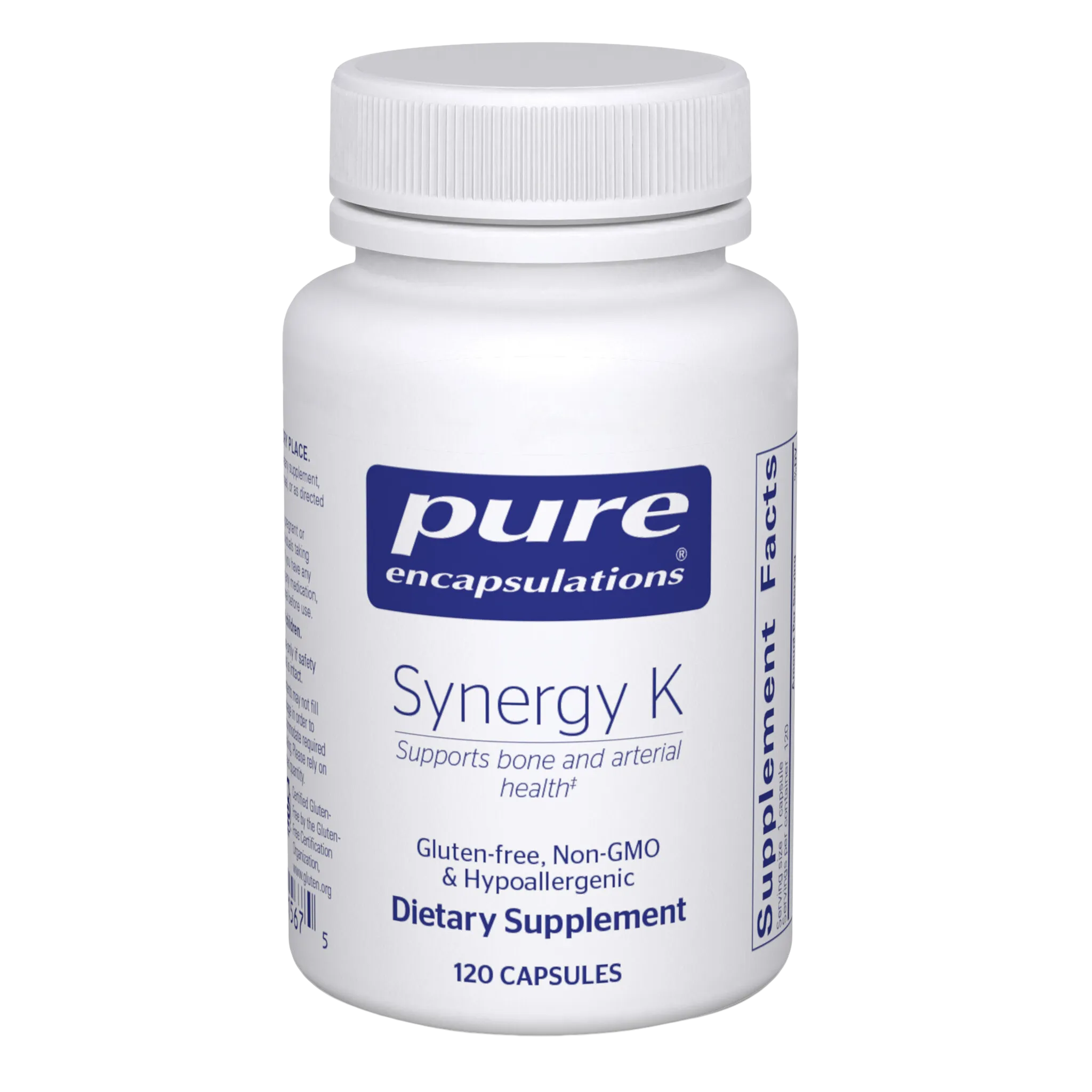
Synergy KVitamin K2Vitamin D3
Share:
Disclaimer: The information provided here is for educational purposes only and is not intended as medical advice. It should not be used to diagnose, treat, cure, or prevent any medical condition. Instead, use it as a starting point for discussion with your healthcare provider. Always consult with a qualified healthcare provider before starting any new medication, supplement, device, or making changes to your health regimen.
Months or even years after recovering from an acute viral infection, many individuals find themselves battling a relentless array of debilitating symptoms. If you are living with Long COVID, myalgic encephalomyelitis/chronic fatigue syndrome (ME/CFS), or dysautonomia, you are likely intimately familiar with the profound exhaustion, cognitive dysfunction, and unpredictable cardiovascular fluctuations that characterize these complex chronic conditions. For many patients, the search for answers leads to a deep dive into the microscopic world of cellular biology, revealing that the root of their suffering often lies not in a lingering virus, but in the sustained damage to the body's intricate vascular and structural systems. As researchers continue to unravel What Causes Long COVID?, one of the most compelling areas of emerging science focuses on the health of the endothelium—the delicate inner lining of our blood vessels.
In the pursuit of healing this vital vascular network, nutritional science has highlighted a powerful biological partnership: the synergistic relationship between Vitamin D3 and Vitamin K2. While Vitamin D has long been celebrated for its immune-modulating properties, scientists now understand that without adequate Vitamin K2, high doses of Vitamin D can inadvertently contribute to vascular stiffness and endothelial dysfunction. This phenomenon, known as the "Calcium Paradox," has positioned targeted supplementation as a critical tool for post-viral recovery. Synergy K by Pure Encapsulations offers a meticulously formulated blend of Vitamin K1, Vitamin K2 (in both MK-4 and MK-7 forms), and Vitamin D3 designed to support optimal calcium utilization. By directing calcium into the bones where it belongs and keeping it out of the arterial walls, this unique combination provides foundational support for both skeletal integrity and cardiovascular health in patients navigating the complexities of chronic illness.
TL;DR
Vitamin D3 and K2 work synergistically to support bone density and maintain vascular health.
Chronic infections can cause endothelial dysfunction, contributing to Long COVID and ME/CFS symptoms.
Synergy K provides a bioavailable blend of K1, K2 (MK-4 and MK-7), and D3.
Always consult a doctor before starting, especially if taking blood-thinning medications like Warfarin.
What is Synergy K (Vitamin K & D3)?
To truly understand the value of a combined supplement like Synergy K, we must first explore a fascinating biological conundrum known as the "Calcium Paradox." In clinical medicine, physicians frequently observe patients who simultaneously suffer from severe bone calcium depletion (osteoporosis or osteopenia) and dangerous vascular calcium overload (arterial calcification). For decades, the medical community struggled to understand how a patient could be fundamentally deficient in structural calcium while their blood vessels were becoming stiff and calcified. The answer lies in the intricate dance between Vitamin D3 and Vitamin K2, two fat-soluble vitamins that act as the master conductors of calcium metabolism. When you consume calcium through your diet or supplements, it does not automatically know where to go within the body. It requires specific hormonal and enzymatic signals to reach its proper destination.
Vitamin D3 acts as the initial gatekeeper in this process. When you take a Vitamin D3 supplement, it significantly increases the intestinal absorption of calcium, effectively opening the floodgates and elevating serum calcium levels in the bloodstream. However, Vitamin D3's job ends there; it lacks the biological mechanism to direct that newly absorbed calcium into the skeletal system. According to a comprehensive review in MDPI, if a patient is deficient in Vitamin K2, this influx of free-floating calcium can inappropriately deposit into the tunica media—the middle layer of the blood vessels—as well as into joint spaces and soft tissues. This is where the synergy becomes critical. Vitamin K2 acts as the biological traffic director, ensuring that the calcium mobilized by Vitamin D3 is safely and efficiently integrated into the bone matrix rather than accumulating in the arteries.
At the molecular level, the partnership between these vitamins relies on a highly specific post-translational modification process. When Vitamin D3 enters the system, it functions as a signaling hormone that upregulates the genetic expression of two vital Vitamin K-dependent proteins (VKDPs): Osteocalcin and Matrix Gla Protein (MGP). However, Vitamin D3 produces these proteins in a completely inactive, uncarboxylated state. In this dormant form, neither Osteocalcin nor MGP can perform their essential biological duties. They require a specific enzymatic activation process to become functional, and this is precisely where Vitamin K2 enters the biochemical equation.
Vitamin K2 serves as the non-negotiable cofactor for the γ-glutamyl carboxylase enzyme. This enzyme facilitates a process called carboxylation, which converts glutamic acid residues within these proteins into gamma-carboxyglutamic acid residues. Once carboxylated by Vitamin K2, Osteocalcin gains the ability to bind tightly to calcium in the bloodstream and weave it into the hydroxyapatite matrix of the bone, thereby increasing bone mineral density and structural strength. Simultaneously, activated Matrix Gla Protein (MGP) becomes the most potent known endogenous inhibitor of vascular calcification, acting as a biochemical "broom" that actively binds to calcium ions in the vascular smooth muscle and sweeps them out of the arterial walls, preserving the elasticity and health of the blood vessels.
Synergy K is uniquely formulated because it does not rely on a single form of Vitamin K; instead, it provides a comprehensive blend of Vitamin K1, Vitamin K2 (MK-4), and Vitamin K2 (MK-7). Understanding the distinct pharmacokinetic profiles of these different forms is essential for grasping how the supplement works systemically. Vitamin K1, also known as phylloquinone, is primarily found in leafy green vegetables. Its main biological role is localized in the liver, where it activates the specific coagulation factors required for basic, life-sustaining blood clotting. While essential for survival, Vitamin K1 has very little impact on extrahepatic tissues like bones and blood vessels, as it is rapidly cleared from the bloodstream by the liver.
Vitamin K2, collectively known as menaquinone, is subdivided based on the length of its isoprenoid side chains. Menaquinone-4 (MK-4) is a short-chain form of Vitamin K2 that the human body can synthesize in small amounts from K1. It plays a crucial role in gene expression and cellular health in specific tissues, including the brain and reproductive organs. However, MK-4 has a very short half-life of just a few hours, meaning it requires high or frequent dosing to maintain therapeutic blood levels. In contrast, Menaquinone-7 (MK-7), a long-chain form traditionally derived from fermented soybeans (natto), is highly bioavailable and boasts an impressive half-life of approximately 72 hours, and is a clinically validated and patented form of Vitamin K2 that meets the demands for health solution products, providing sustained support. By combining all three forms, Synergy K ensures both immediate and sustained support across all Vitamin K-dependent pathways.
How Chronic Illness Impacts the Vascular System
To understand why the synergistic action of Vitamin K2 and D3 is so profoundly relevant to patients with complex chronic illnesses, we must examine the specific pathophysiology of these conditions. A growing consensus among researchers investigating Can Long COVID Trigger ME/CFS? Unraveling the Connection points to widespread endothelial dysfunction as a primary driver of persistent symptoms. The endothelium is the single-cell-thick layer that lines the entire cardiovascular system, acting as a highly active metabolic organ that regulates blood pressure, immune cell trafficking, and the delivery of oxygen and nutrients to tissues. In a healthy state, the endothelium is coated with a protective, gel-like layer called the glycocalyx, which prevents inappropriate blood clotting and repels inflammatory molecules.
During an acute viral infection, such as SARS-CoV-2, the virus directly attacks and infiltrates these endothelial cells via ACE2 receptors. This triggers a massive, systemic inflammatory response that effectively strips away the protective glycocalyx and leaves the raw endothelial lining exposed and highly reactive. As highlighted in recent research on virus-induced endothelial senescence, this sustained damage forces the endothelial cells into a state of senescence—a "zombie-like" cellular state where they stop functioning normally but refuse to die. Instead, these senescent cells secrete a continuous stream of pro-inflammatory, pro-oxidant, and pro-coagulant molecules. This ongoing vascular inflammation severely impairs the blood vessels' ability to dilate (reduced flow-mediated dilation), leading to chronic tissue hypoxia (oxygen starvation) that manifests clinically as debilitating fatigue, severe brain fog, and post-exertional malaise (PEM).
The connection between this vascular devastation and Vitamin K2 deficiency is explained by a biological concept known as the "Triage Theory." When the body is subjected to the extreme physiological stress of an acute viral infection, it must ruthlessly prioritize its limited nutritional resources to ensure immediate, short-term survival, often at the expense of long-term health. During acute COVID-19, the massive systemic inflammation accelerates the degradation of elastic fibers in the lungs and blood vessels. In a desperate attempt to protect these vital tissues from complete destruction, the body rapidly consumes its available stores of Vitamin K2 to activate Matrix Gla Protein (MGP), which defends elastin against breakdown.
Because the human body inherently prioritizes sending any available Vitamin K (usually K1 from the diet) directly to the liver to maintain basic blood clotting mechanisms, the extrahepatic tissues—specifically the vascular endothelium and the skeletal system—are left severely deficient. Acute infections are thought to strain nutritional reserves, potentially leaving the patient in a state of localized deficiency. Without sufficient K2 to activate MGP, the blood vessels remain unprotected, stiff, and highly susceptible to the ongoing inflammation that characterizes Long COVID and ME/CFS.
The consequences of this virus-induced Vitamin K2 depletion extend beyond just arterial stiffness; they directly contribute to the micro-clotting pathology that plagues many long-haulers. While the liver produces the primary coagulation factors that cause blood to clot, the endothelial cells themselves produce a crucial protein called Protein S. Protein S is a localized, extra-hepatic anticoagulant that prevents the formation of tiny, inappropriate blood clots (micro-thrombi) within the capillaries. Crucially, Protein S is a Vitamin K-dependent protein. It requires the exact same Vitamin K2-driven carboxylation process as MGP and Osteocalcin to become active and functional.
When the endothelium is starved of Vitamin K2 due to the Triage Theory mechanism, Protein S remains uncarboxylated and inactive. This localized loss of anticoagulant protection creates a highly pro-thrombotic environment within the microvasculature. Fibrin amyloid micro-clots begin to form and lodge in the tiny capillaries of the brain, muscles, and organs, physically blocking the transfer of oxygen from the red blood cells into the surrounding tissues. This microvascular ischemia is a primary reason why patients experience such profound cognitive dysfunction and muscle pain, and it underscores why addressing the underlying endothelial environment is a critical component of How Can You Live with Long-Term COVID. By understanding this profound vascular disruption, we can better appreciate how targeted nutritional interventions aim to restore balance.
Synergy K: Supporting Endothelial and Bone Health
Synergy K provides a direct, mechanistic intervention for the exact pathways disrupted by chronic post-viral illness. By supplying a robust, bioavailable dose of Vitamin K2 (particularly the long-acting MK-7 form) alongside Vitamin D3, this supplement aims to correct the localized extrahepatic deficiencies caused by the Triage Theory. The primary therapeutic target in the context of endothelial dysfunction is the restoration of Matrix Gla Protein (MGP) activity. When a patient supplements with Synergy K, the MK-7 enters the bloodstream and remains active for up to 72 hours, providing a steady supply of the essential cofactor required by the γ-glutamyl carboxylase enzyme in the vascular smooth muscle cells.
As the enzyme utilizes the K2 to carboxylate MGP, the protein transitions from its inactive, harmful state (dp-ucMGP) into its active, protective state. This newly activated MGP immediately begins its work as a potent endogenous inhibitor of vascular calcification. It binds to the free calcium ions that have inappropriately settled in the endothelial lining and facilitates their removal. Furthermore, activated MGP protects the delicate elastin fibers within the blood vessels from enzymatic degradation. By clearing out calcium deposits and preserving elasticity, Synergy K helps to restore the structural integrity and flexibility of the blood vessels. This improved arterial compliance is essential for normalizing blood pressure fluctuations and improving the flow-mediated dilation that is so often impaired in dysautonomia and ME/CFS.
While the vascular benefits are critical for symptom management, the skeletal support provided by Synergy K is equally vital, particularly for patients who have been bedbound or severely limited in their physical activity. Prolonged inactivity, a harsh reality for many suffering from severe post-exertional malaise (PEM), naturally leads to a rapid decline in bone mineral density. Furthermore, the chronic systemic inflammation seen in Long COVID actively stimulates osteoclasts (cells that break down bone) while suppressing osteoblasts (cells that build bone). The combination of Vitamin D3 and Vitamin K2 in Synergy K acts synergistically to reverse this dangerous skeletal decline.
The Vitamin D3 component of the formula ensures that the digestive tract absorbs adequate amounts of calcium from the diet, while simultaneously upregulating the production of Osteocalcin in the bone tissue. The high-dose Vitamin K2 (including the 1000 mcg of MK-4, which is highly utilized in bone metabolism) then carboxylates this newly minted Osteocalcin. Once activated, Osteocalcin acts like a biological magnet, pulling the circulating calcium out of the bloodstream and locking it securely into the hydroxyapatite matrix of the skeleton. This coordinated, two-step process not only prevents the newly absorbed calcium from damaging the cardiovascular system but actively rebuilds the structural density and strength of the bones, mitigating the risk of osteoporosis associated with chronic illness and immobility.
Beyond its well-established roles in calcium metabolism, emerging research indicates that Vitamin K2 possesses potent, independent anti-inflammatory properties that are highly relevant to the management of complex chronic conditions. In patients with Long COVID and ME/CFS, the immune system is often locked in a state of chronic hyper-activation, continuously churning out inflammatory cytokines like Interleukin-6 (IL-6) and Tumor Necrosis Factor-alpha (TNF-a). Vitamin K2 has been shown to actively downregulate the expression of these specific inflammatory markers by inhibiting the NF-κB pathway, a primary genetic switch that controls the body's inflammatory response. By dampending this chronic inflammatory signaling, Vitamin K2 helps to quiet the overall systemic immune burden.
Furthermore, recent research has highlighted Vitamin K2's potential impact on the gut-vascular axis, including a possible role for Vitamin K2 and D3 supplementation in Long COVID patients in reducing circulating levels of (1,3)-β-d-glucan. This molecule is a biomarker for fungal translocation, indicating that the gut barrier has become overly permeable (leaky gut), allowing microbial fragments to escape into the bloodstream. When these fragments enter the circulation, they directly trigger severe endothelial inflammation. By reducing this translocation, the synergistic blend in Synergy K may not only support the blood vessels directly but also help to address one of the upstream, gut-derived triggers of chronic vascular inflammation, offering a truly multi-systemic approach to healing.

Symptoms Synergy K May Help Manage
Palpitations and Tachycardia: By activating Matrix Gla Protein (MGP) and clearing calcium deposits from the arterial walls, Vitamin K2 helps restore the natural elasticity and compliance of the blood vessels. This improved flexibility allows the cardiovascular system to better regulate blood pressure and heart rate, potentially reducing the erratic palpitations and rapid heart rates often experienced by patients with dysautonomia and Postural Orthostatic Tachycardia Syndrome (POTS).
Dizziness and Orthostatic Intolerance: Endothelial dysfunction impairs the blood vessels' ability to constrict and dilate appropriately when a patient changes position (such as standing up). By reducing localized endothelial inflammation and supporting vascular integrity, the combination of D3 and K2 may help stabilize blood pressure upon standing, thereby alleviating the severe dizziness and lightheadedness that characterize orthostatic intolerance.
Cold Extremities and Poor Circulation: The micro-clotting and vascular stiffness associated with post-viral illness severely restrict blood flow to the hands and feet. By supporting the activation of localized anticoagulants like Protein S and improving overall arterial health, Synergy K can help enhance microvascular circulation, reducing the painful coldness and numbness often felt in the extremities.
Severe Brain Fog and Cognitive Dysfunction: The brain is highly dependent on a dense network of micro-capillaries for a constant supply of oxygen and glucose. When these capillaries are inflamed or blocked by micro-thrombi due to Vitamin K2 deficiency, cognitive function plummets. By protecting the endothelial lining of the cerebral vasculature and reducing oxidative stress, Synergy K supports improved cerebral perfusion, which is critical for lifting the heavy, disorienting brain fog common in Long COVID and ME/CFS.
Deep Muscle Pain and Post-Exertional Malaise (PEM): Muscle tissue requires massive amounts of oxygen during physical exertion. If the endothelial cells cannot properly dilate the blood vessels to deliver this oxygen, the muscles are forced into anaerobic metabolism, generating painful lactic acid and triggering severe crashes (PEM). By improving flow-mediated dilation and vascular health, this supplement may help improve oxygen delivery to the muscles, potentially raising the threshold for exertion-induced symptom exacerbation.
Deep Bone and Joint Aches: The chronic depletion of calcium from the skeletal system, combined with inappropriate calcium deposition in the joint spaces, can lead to profound, aching pain in the bones and joints. By ensuring that Vitamin D3-absorbed calcium is properly directed into the hydroxyapatite matrix via activated Osteocalcin, Synergy K helps to remineralize the skeleton and clear painful calcifications from the joints, alleviating structural discomfort.
Practical Considerations: Forms, Dosing, and Absorption
When considering a Vitamin K supplement, understanding the pharmacokinetics—how the body absorbs, distributes, and clears the nutrient—is crucial for achieving therapeutic results. Synergy K is uniquely designed to leverage the distinct advantages of both major forms of Vitamin K2: Menaquinone-4 (MK-4) and Menaquinone-7 (MK-7). MK-4 is a short-chain menaquinone that is rapidly absorbed but equally rapidly cleared from the bloodstream, with a half-life of roughly 1 to 2 hours. Because of this rapid clearance, MK-4 is highly effective at targeting tissues that can quickly take it up, such as the bones and brain, but it struggles to maintain the sustained blood levels required for continuous cardiovascular protection unless taken in massive, frequent doses.
To bridge this gap, Synergy K includes MK-7, the long-chain menaquinone derived from bacterial fermentation. MK-7 is renowned for its exceptional bioavailability and an extended half-life of approximately 72 hours. This means that with a single daily dose, MK-7 can steadily accumulate in the bloodstream, providing a continuous, 24-hour supply of the cofactor needed to activate Matrix Gla Protein in the vascular smooth muscle, offering a significant, long-lasting elevation of circulating Vitamin K2. By combining 1000 mcg of MK-4 for rapid, targeted tissue support with 45 mcg of MK-7 for sustained vascular activation, this formula offers a comprehensive, full-spectrum approach to Vitamin K supplementation.
Because Vitamins D3, K1, and K2 are all fat-soluble vitamins, their absorption in the gastrointestinal tract is highly dependent on the presence of dietary lipids. If you take Synergy K on an empty stomach or with a completely fat-free meal, a significant portion of the active ingredients will pass through your digestive system unabsorbed, drastically reducing the clinical efficacy of the supplement. To maximize bioavailability, it is imperative to take this capsule alongside a meal that contains a healthy source of dietary fat.
You do not need to consume a heavy, greasy meal to achieve optimal absorption; moderate amounts of healthy fats are perfectly sufficient. Taking the supplement alongside a meal containing avocado, olive oil, nuts, seeds, full-fat dairy, or fatty fish like salmon will stimulate the release of bile acids from the gallbladder. These bile acids emulsify the fat-soluble vitamins, forming microscopic droplets called micelles that can easily pass through the intestinal wall and into the lymphatic system for distribution throughout the body. Establishing a consistent routine, such as taking the supplement with your most robust meal of the day, ensures that you are extracting the maximum therapeutic value from every capsule.
While Vitamin K and D3 are generally very safe and well-tolerated by the vast majority of patients, there is one critical, absolute contraindication that must be strictly observed: Synergy K must not be taken by individuals who are prescribed the anticoagulant medication Coumadin (Warfarin). Warfarin functions specifically as a Vitamin K antagonist; it prevents blood clots by intentionally blocking the enzyme that recycles Vitamin K in the liver, thereby keeping the basic coagulation factors in an inactive state. Because Synergy K contains a significant dose of Vitamin K1 (500 mcg) alongside K2, taking this supplement will directly override the mechanism of Warfarin, potentially leading to a dangerous reversal of the drug's blood-thinning effects and increasing the risk of major thrombotic events.
It is important to note that this strict contraindication applies primarily to Warfarin and other traditional Vitamin K antagonists. Newer classes of blood thinners, known as Direct Oral Anticoagulants (DOACs) like Eliquis (apixaban) or Xarelto (rivaroxaban), target specific clotting factors (like Factor Xa) and do not directly interfere with the Vitamin K cycle. Furthermore, many Long COVID and ME/CFS patients explore alternative anticoagulant protocols, such as triple anticoagulant therapy, to address micro-clotting. Because of the complex interplay between endothelial health, coagulation cascades, and nutritional supplements, it is absolutely essential that you consult with your prescribing physician or hematologist before adding Synergy K to your regimen if you are on any form of blood-thinning medication. They can help you determine What Drugs Are Used for COVID Long Haulers? and how supplements fit safely into that picture.

Follow the Science
The theoretical mechanisms of Vitamin K2 and D3 synergy have recently been explored by contemporary clinical research focused directly on post-viral illness. In January 2025, a randomized controlled trial investigated the exact impact of this combination on patients suffering from Long COVID. The study enrolled 151 adults who had been experiencing two or more moderate-to-severe Long COVID symptoms for at least three months. The participants were randomized to receive either the standard of care or an active daily intervention consisting of 240 µg of Vitamin K2 (specifically the MK-7 form) paired with 2000 IU of Vitamin D3 over a 24-week period.
The clinical outcomes of this trial were highly significant. Patients in the active K2/D3 arm experienced a 7.1% decrease in the proportion of individuals scoring highly on the severe Long COVID Index, whereas the standard of care group actually saw a 7.2% increase in symptom severity over the same period (p = 0.01). Beyond subjective symptom improvement, the researchers tracked objective biomarkers of vascular and systemic health. The supplemented group demonstrated marked, statistically significant reductions in oxidized LDL (ox-LDL)—a highly destructive molecule that drives atherosclerosis and endothelial dysfunction. Furthermore, the active arm showed profound reductions in systemic inflammatory markers, including sTNF-RI and sCD163, proving that the Vitamin K2 and D3 combination actively quells the hyper-inflammatory state that perpetuates Long COVID symptoms.
Beyond post-viral specific studies, the cardiovascular protective effects of this nutrient combination have been rigorously tested in broader populations at risk for vascular disease. The AVADEC Trial, a landmark double-blind, placebo-controlled clinical study published in JACC Advances in January 2024, evaluated the impact of high-dose Vitamin K2 (720 µg of MK-7) and Vitamin D3 (1000 IU) over a comprehensive 24-month period. The researchers specifically looked at the progression of Coronary Artery Calcification (CAC), a primary indicator of arterial stiffness and cardiovascular risk.
While the general population cohort showed varied results, the subgroup data revealed the profound targeted efficacy of the supplement. In high-risk patients who entered the trial with a severely elevated baseline CAC score (greater than 400 AU), the D3 and K2 combination significantly slowed the progression of arterial calcification (P = 0.047) compared to the placebo group. Additionally, participants taking the active supplement combination experienced significantly fewer overall cardiovascular safety events during the two-year period (1.9% versus 6.7% in the placebo group). This robust data reinforces the concept that Vitamin K2 is not just a theoretical cofactor, but a clinically proven intervention capable of halting the physical calcification and degradation of the cardiovascular system.
The long-term benefits of sustained Vitamin K2 supplementation on vascular flexibility have also been thoroughly documented. One of the most frequently cited studies in this field is the 3-Year MenaQ7 Trial, which monitored 244 healthy postmenopausal women taking a daily dose of 180 µg of MK-7. Over the three-year period, researchers utilized advanced imaging and pulse wave velocity measurements to track the physical elasticity of the participants' blood vessels, while simultaneously monitoring their blood for biomarkers of Vitamin K deficiency.
The results were striking. The women receiving the MK-7 supplement saw a massive 50% decrease in circulating levels of inactive MGP (dp-ucMGP), proving that the supplement was successfully activating the protective vascular proteins. Clinically, this biochemical activation translated into significantly improved arterial elasticity and a sharp reduction in arterial stiffness compared to the placebo group. Furthermore, the active group demonstrated significant improvements in bone mineral content and density, perfectly illustrating the dual-action "Calcium Paradox" resolution: the calcium was successfully kept out of the newly flexible arteries and deposited securely into the strengthening bones.
The Path Forward
Living with a complex chronic illness like Long COVID, ME/CFS, or dysautonomia is an arduous journey that requires immense resilience and patience. When your vascular system is compromised and your cellular energy is depleted, it is entirely normal to feel overwhelmed by the sheer unpredictability of your symptoms. It is important to remember that while targeted nutritional interventions like Synergy K offer profound, science-backed support for your endothelial and skeletal systems, they are not standalone cures. Healing the endothelium and restoring autonomic balance requires a comprehensive, multi-disciplinary approach. As you consider Do Long COVID Symptoms Come and Go?, remember that recovery is rarely linear.
Supplements work best when integrated into a broader management strategy that respects your body's current limitations. This includes strict adherence to pacing to avoid post-exertional malaise, meticulous symptom tracking to identify specific triggers, prioritizing restorative sleep, and working closely with a knowledgeable medical team to manage underlying viral persistence or immune dysregulation. By providing your body with the specific biochemical cofactors it needs—like the synergistic blend of Vitamin D3 and K2—you are essentially giving your cells the raw materials required to begin the slow, steady process of vascular repair and structural remineralization.
Your experience with these debilitating symptoms is real, valid, and rooted in documented physiological dysfunction, not anxiety or deconditioning. The emerging scientific focus on endothelial health, micro-clotting, and the "Calcium Paradox" provides a validating framework that explains exactly why you feel the way you do. Every step you take to understand your biology and support your vascular system is a step toward reclaiming your quality of life. Always consult with your healthcare provider before beginning any new supplement, especially to review potential interactions with your current medications. With the right comprehensive care plan, targeted nutritional support, and compassionate medical guidance, it is possible to support your body's innate healing mechanisms and navigate the path toward greater stability and well-being.