Can Omega-3s Calm the Autonomic Nervous System and Clear Brain Fog in Long COVID?
March 6, 2026
Thorne Super EPALong COVIDDysautonomia
Share:
Disclaimer: The information provided here is for educational purposes only and is not intended as medical advice. It should not be used to diagnose, treat, cure, or prevent any medical condition. Instead, use it as a starting point for discussion with your healthcare provider. Always consult with a qualified healthcare provider before starting any new medication, supplement, device, or making changes to your health regimen.
For many individuals living with complex chronic conditions, the simple act of standing up can trigger a cascade of debilitating symptoms. Your heart begins to race uncontrollably, a wave of dizziness washes over you, and a thick, impenetrable cloud of brain fog settles over your thoughts. These are the daily realities for patients battling Long COVID, myalgic encephalomyelitis/chronic fatigue syndrome (ME/CFS), and dysautonomia, including postural orthostatic tachycardia syndrome (POTS). When your autonomic nervous system is trapped in a perpetual state of "fight-or-flight" and your blood vessels are inflamed, finding a baseline of stability can feel like an insurmountable challenge. You may find yourself meticulously tracking your symptoms, pacing your energy to avoid crashes, and searching for foundational biological support that actually addresses the root mechanisms of your illness.
In the pursuit of managing these invisible, systemic illnesses, medical researchers have increasingly turned their attention to the cellular level—specifically, the structural integrity of our cell membranes and the body's innate ability to resolve chronic inflammation. This is where high-quality omega-3 polyunsaturated fatty acids, specifically eicosapentaenoic acid (EPA) and docosahexaenoic acid (DHA), enter the clinical conversation. Far beyond their traditional reputation as simple "heart health" supplements, EPA and DHA are now recognized as critical biological signaling molecules. They serve as the raw materials required to physically repair inflamed blood vessels, calm an overactive autonomic nervous system, and clear the neurological debris that contributes to severe cognitive dysfunction. In this comprehensive guide, we will explore the deep biochemical mechanisms of Thorne Super EPA, examining how its concentrated, ultra-pure formulation of EPA and DHA may offer vital support for patients navigating the complexities of post-viral syndromes and chronic autonomic dysfunction.
TL;DR
Omega-3s (EPA and DHA) support cellular membrane fluidity and help manage systemic inflammation.
They may help stabilize the autonomic nervous system and support cardiovascular health in chronic conditions.
Always take ethyl ester omega-3 supplements with a fat-containing meal for optimal absorption.
Consult your healthcare provider before starting high-dose omega-3s, especially if taking blood thinners.
What is Super EPA? The Biology of Omega-3s
The Foundation of Cellular Membranes
To understand how Thorne Super EPA works, we must first look at the microscopic architecture of the human body. Every single cell in your body—from your beating heart muscle cells to the delicate neurons in your brain—is encased in a protective lipid bilayer known as the cell membrane. This membrane is not a static wall; it is a highly dynamic, fluid structure that dictates how the cell communicates with its environment. The fluidity and functionality of this membrane are heavily dependent on the types of dietary fats incorporated into it. When you consume omega-3 polyunsaturated fatty acids like EPA (eicosapentaenoic acid) and DHA (docosahexaenoic acid), they physically embed themselves into these cellular membranes. Because of their unique, highly kinked molecular structures, EPA and DHA keep the cell membrane flexible and permeable. This structural fluidity is absolutely essential for the proper function of embedded ion channels, neurotransmitter receptors, and glucose transporters, while marine omega-3s are also associated with reduced risk of cardiovascular disease.
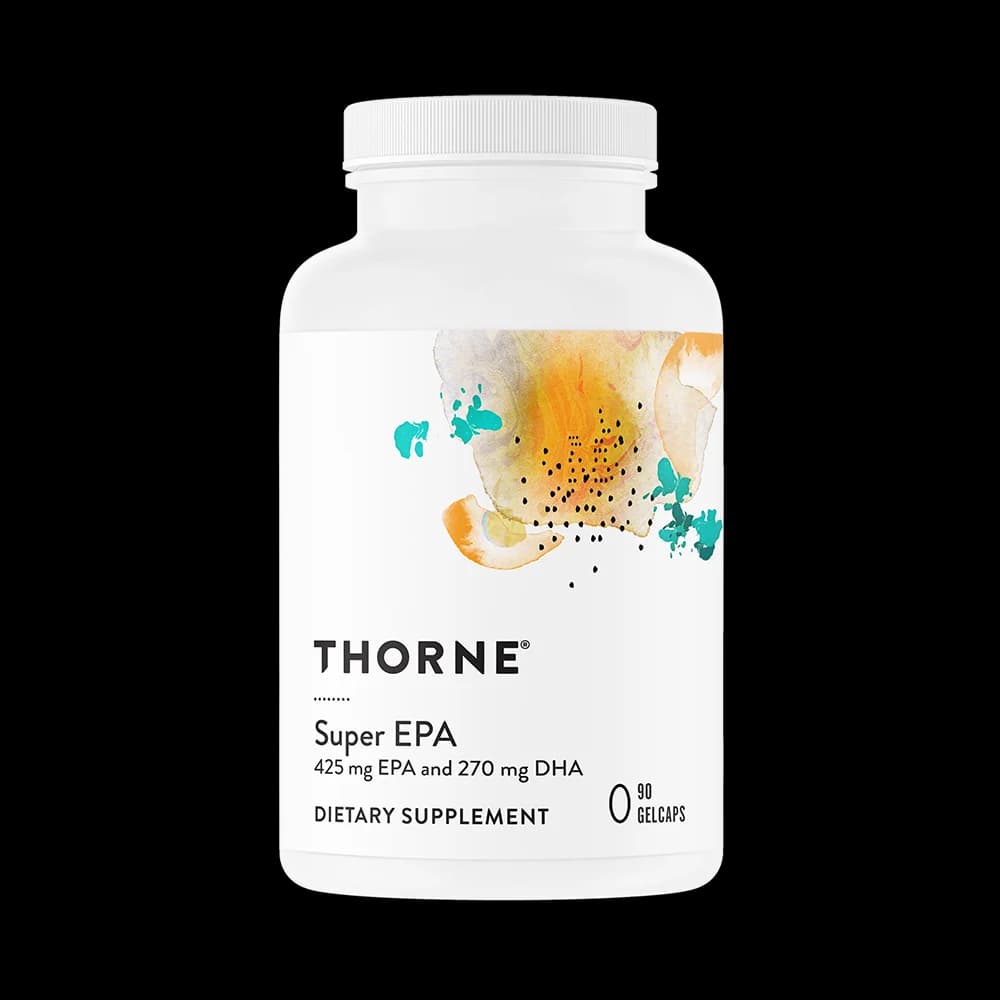
When cell membranes are deficient in EPA and DHA, they become rigid and dysfunctional, largely because they are forced to incorporate stiffer, pro-inflammatory omega-6 fatty acids or saturated fats. This cellular rigidity impairs the cell's ability to receive signals, absorb nutrients, and expel metabolic waste. By providing a highly concentrated dose of 425 mg of EPA and 270 mg of DHA per gelcap, Super EPA supplies the direct structural building blocks required to maintain optimal membrane fluidity across all organ systems. This is particularly crucial for the cardiovascular system and the central nervous system, where rapid, seamless cellular communication is required to maintain a healthy heart rate and clear cognitive function.
The Eicosanoid Pathway and Inflammatory Balance
Beyond their structural role, EPA and DHA are powerful bioactive molecules that govern the body's inflammatory response through the eicosanoid pathway. In a healthy body, inflammation is a necessary, acute response to injury or infection. When a threat is detected, enzymes known as cyclooxygenases (COX) and lipoxygenases (LOX) break down omega-6 fatty acids (like arachidonic acid) stored in the cell membrane to produce pro-inflammatory signaling molecules called prostaglandins and leukotrienes. These molecules act as the body's alarm system, recruiting immune cells to the site of injury. However, this inflammatory fire must be carefully controlled and eventually extinguished.
This is where EPA and DHA perform their most critical function. They directly compete with omega-6 fatty acids for access to those exact same COX and LOX enzymes. When your cellular membranes are rich in the EPA provided by Super EPA, these enzymes preferentially bind to the omega-3s instead. Rather than producing highly inflammatory alarms, the enzymes convert EPA and DHA into anti-inflammatory and inflammation-resolving mediators. By shifting this delicate enzymatic balance, EPA acts as a natural modulator, gently turning down the volume on systemic inflammation without suppressing the immune system's ability to function. This competitive inhibition is a fundamental mechanism by which omega-3s support a healthy inflammatory response in joints, muscles, and blood vessels.
The Brain's Structural Dependency on DHA
While EPA is primarily recognized for its potent systemic anti-inflammatory properties, DHA is the undisputed champion of neurological health. The human brain is composed of approximately 60% fat, and DHA is the most abundant omega-3 fatty acid in the central nervous system, making up a significant portion of the cerebral cortex and the retinas. DHA is not just floating in the brain; it is structurally integrated into the synapses, the tiny gaps where neurons communicate with one another. It plays an indispensable role in neurogenesis (the creation of new neurons) and synaptic plasticity (the brain's ability to adapt, learn, and form memories).
Furthermore, DHA is heavily involved in the synthesis of Brain-Derived Neurotrophic Factor (BDNF), a crucial protein that acts like fertilizer for the brain, promoting the survival of existing neurons and encouraging the growth of new neuronal connections. In conditions characterized by severe neurological fatigue and cognitive impairment, maintaining adequate cerebral levels of DHA is vital for preserving the structural integrity of the nervous system. By delivering a substantial 270 mg of highly purified DHA, Super EPA provides targeted nutritional support for the development, maintenance, and protection of healthy brain function and emotional well-being.
How Chronic Illness Impacts Lipid Pathways and Inflammation
The Cytokine Storm and Unresolved Inflammation in Long COVID
To understand why omega-3 depletion is so detrimental, we must examine how complex chronic illnesses hijack the body's natural inflammatory pathways. In conditions like Long COVID, the initial viral infection triggers an aggressive immune response often referred to as a cytokine storm. While the acute infection may pass, the immune system in many patients fails to return to a baseline state of rest. Instead, it remains locked in a cycle of chronic, low-grade hyperinflammation. Macrophages and microglia (the primary immune cells of the brain) become stuck in a pro-inflammatory "M1" state, continuously pumping out destructive cytokines like Interleukin-6 (IL-6) and Tumor Necrosis Factor-alpha (TNF-α). If you are wondering What Causes Long COVID?, this failure of the immune system to "stand down" is considered a primary driver of the condition.
In a healthy physiological scenario, the body relies on a process called "lipid mediator class switching" to terminate this inflammation. The local enzymes are supposed to stop utilizing omega-6s and begin converting omega-3s (EPA and DHA) into specialized molecules that actively resolve the inflammation. However, chronic illness, immense oxidative stress, and poor dietary absorption rapidly deplete the body's reserves of EPA and DHA. Without these vital omega-3 substrates, the resolution phase simply cannot occur. The inflammatory fire continues to burn unchecked, leading to widespread tissue damage, profound fatigue, and the exacerbation of mast cell activation syndrome (MCAS), where immune cells become hyper-reactive to everyday triggers.
Endothelial Dysfunction and Micro-Clotting
One of the most devastating impacts of this unresolved inflammation occurs within the cardiovascular system, specifically affecting the endothelium—the delicate, single-cell layer lining the inside of all blood vessels. The endothelium is responsible for regulating blood flow, controlling vascular tone, and preventing abnormal blood clotting. In Long COVID and ME/CFS, the continuous assault of inflammatory cytokines and viral spike proteins causes severe endothelial dysfunction. The damaged endothelial cells lose their ability to produce sufficient nitric oxide (NO), a crucial molecule that tells blood vessels to relax and dilate.
As nitric oxide levels plummet, blood vessels constrict, severely limiting the delivery of oxygen and nutrients to the brain and skeletal muscles. This hypoxic (low oxygen) environment is a major contributor to post-exertional malaise (PEM) and exercise intolerance. Furthermore, the damaged, inflamed endothelium becomes "sticky," promoting a prothrombotic state. Platelets begin to aggregate abnormally, leading to the formation of microscopic blood clots (fibrin amyloid microclots) that further plug up the capillaries. This vicious cycle of vascular constriction, micro-clotting, and oxygen deprivation creates a massive energy crisis at the cellular level, leaving patients feeling profoundly exhausted even after minimal exertion.
Autonomic Nervous System (ANS) Overdrive in POTS and Dysautonomia
The systemic inflammation and vascular damage seen in these conditions inevitably spill over into the autonomic nervous system (ANS), the master control center that regulates unconscious bodily functions like heart rate, blood pressure, and digestion. In dysautonomia, and specifically in Postural Orthostatic Tachycardia Syndrome (POTS), the ANS loses its delicate balance. The sympathetic nervous system (the "fight-or-flight" branch) becomes hyperactive, while the parasympathetic nervous system (the "rest-and-digest" branch, largely controlled by the vagus nerve) becomes suppressed and underactive. Many patients wonder, Can Long COVID Trigger ME/CFS? Unraveling the Connection—and this shared autonomic dysfunction is a key link between the two syndromes.
When a patient with POTS stands up, gravity pulls blood down into their lower extremities. In a healthy person, the ANS instantly triggers a mild vasoconstriction to push the blood back up to the brain. However, due to endothelial dysfunction and sympathetic overdrive, the dysautonomic patient's blood vessels fail to respond efficiently. To compensate for the lack of blood reaching the brain, the sympathetic nervous system dumps adrenaline into the bloodstream, causing the heart rate to spike violently. This constant state of neurological hyperarousal and cardiovascular instability is exhausting, and it is heavily exacerbated by the neuroinflammation and cellular membrane rigidity caused by systemic omega-3 depletion.
Super EPA: Supporting Resolution, Blood Flow, and Autonomic Tone
Specialized Pro-Resolving Mediators (SPMs) and Neuroinflammation
The therapeutic power of Thorne Super EPA lies in its ability to directly supply the biochemical substrates needed to break the cycle of chronic inflammation. When you supplement with high doses of EPA and DHA, your body utilizes these fatty acids to synthesize a remarkable class of signaling molecules known as Specialized Pro-resolving Mediators (SPMs), which include Resolvins, Protectins, and Maresins. Unlike traditional anti-inflammatory drugs (like NSAIDs) that merely block the inflammatory pathways, SPMs actively orchestrate the resolution of inflammation and the repair of damaged tissues. They are the biological "clean-up crew" that your immune system desperately needs during a chronic illness flare.
At the cellular level, EPA is converted into E-series Resolvins (such as RvE1), while DHA is converted into D-series Resolvins and Neuroprotectin D1 (NPD1). These SPMs bind to specific G-protein-coupled receptors (like ChemR23 and ALX/FPR2) on the surface of immune cells. When activated, these receptors halt the infiltration of destructive neutrophils into healthy tissues. More importantly for patients suffering from severe cognitive dysfunction, DHA-derived protectins cross the blood-brain barrier and force hyperactive microglia to switch from their destructive, pro-inflammatory (M1) state to a tissue-repairing (M2) state. In this M2 state, microglia engage in efferocytosis—the active phagocytosis, or "eating," of dead cellular debris, neurotoxic proteins, and lingering inflammatory cytokines. This active clearing of neurological debris is a primary mechanism by which omega-3s may help lift the cognitive fog, a topic explored deeply in our guide on What Is “Brain Fog” and Cognitive Dysfunction in Long COVID?.
Restoring Endothelial Function and Nitric Oxide
Super EPA also provides profound support for the cardiovascular system by directly targeting endothelial dysfunction. EPA and DHA have been shown to activate endothelial nitric oxide synthase (eNOS), the enzyme responsible for producing nitric oxide. By increasing the bioavailability of NO, omega-3s promote healthy vasodilation, allowing constricted blood vessels to relax and widen. This improved vascular tone enhances optimal blood flow, ensuring that oxygen and vital nutrients can effectively reach the brain and skeletal muscles, which is critical for combating the exercise intolerance seen in ME/CFS.
Furthermore, EPA plays a crucial role in modulating the physical composition of platelet membranes. By integrating into these membranes, EPA reduces the production of thromboxane A2, a potent compound that causes blood vessels to constrict and platelets to clump together. By gently inhibiting this pathway, Super EPA exerts a mild, natural antithrombotic effect, helping to prevent the abnormal platelet aggregation and micro-clotting that severely restrict microcirculation in Long COVID patients. This dual action—promoting vasodilation while reducing platelet stickiness—makes high-quality fish oil a cornerstone of cardiovascular recovery protocols.
Modulating the Vagus Nerve and Heart Rate Variability (HRV)
For patients battling POTS and dysautonomia, the autonomic benefits of EPA and DHA are particularly relevant. Clinical research indicates that omega-3 fatty acids directly influence Heart Rate Variability (HRV), a key biomarker of autonomic health. A higher HRV indicates a flexible, resilient nervous system with strong parasympathetic (vagal) tone. EPA and DHA interact with neurological pathways that increase cerebral acetylcholine levels, the primary neurotransmitter of the vagus nerve. By enhancing vagal tone, omega-3s provide a powerful calming effect on the heart, helping to counteract the sympathetic "fight-or-flight" overdrive.
Additionally, omega-3s physically embed themselves into the cardiac muscle cell membranes, where they modulate the function of specific ion channels (such as sodium and calcium channels). This modulation naturally slows the electrical conduction through the heart's atrioventricular (AV) node. By gently slowing this electrical signaling and boosting vagal tone, Super EPA can help lower abnormally high resting heart rates and reduce the severity of the tachycardic spikes that POTS patients experience upon standing, offering a non-pharmaceutical layer of autonomic stabilization.
Enhancing Mitochondrial Function and Metabolic Health
Finally, the EPA and DHA in Super EPA provide critical support for cellular energy production and metabolic health. Chronic inflammation causes severe oxidative stress, which damages the mitochondria—the energy-producing powerhouses of the cell. Omega-3s help protect the mitochondria by downregulating the NF-κB signaling pathway, thereby reducing the production of reactive oxygen species (ROS) that cause mitochondrial lipid peroxidation. By preserving the structural integrity of the mitochondrial membranes, EPA and DHA ensure that the electron transport chain can function efficiently to produce ATP (cellular energy).
Moreover, omega-3s play a fascinating role in metabolic regulation and weight management by promoting a healthy insulin response. DHA has been shown to upregulate peroxisome proliferator-activated receptor-gamma (PPAR-γ), a nuclear receptor that encourages the "browning" of white adipose tissue, essentially shifting fat cells from a storage state to an energy-burning state. By improving cell membrane fluidity, EPA and DHA also enhance the efficiency of insulin receptors, allowing glucose to enter the muscle cells more easily. This improved insulin sensitivity and metabolic markers helps stabilize blood sugar levels, preventing the energetic crashes that often exacerbate the fatigue of chronic illness.
Symptoms Super EPA May Help Manage
Targeted Symptom Relief for Complex Conditions
Orthostatic Tachycardia and Palpitations: By enhancing vagal nerve tone, increasing Heart Rate Variability (HRV), and modulating cardiac ion channels to slow electrical conduction, EPA and DHA help calm the autonomic nervous system and reduce the severe heart rate spikes associated with POTS and dysautonomia.
Brain Fog and Cognitive Fatigue: DHA is a critical structural component of the brain. By fueling the production of neuroprotectins and resolvins, omega-3s stimulate microglia to clear out neurotoxic debris and reduce the chronic neuroinflammation that disrupts memory, focus, and clear thinking.
Joint and Muscle Pain: EPA directly competes with pro-inflammatory omega-6 fatty acids for access to COX and LOX enzymes. This competitive inhibition reduces the production of inflammatory prostaglandins, promoting a balanced, healthy inflammatory response that alleviates deep tissue and joint aching.
Post-Exertional Malaise (PEM) and Exercise Intolerance: By activating endothelial nitric oxide synthase (eNOS), EPA and DHA promote vasodilation and improve microcirculation. This enhanced blood flow ensures that oxygen and nutrients can reach skeletal muscles more efficiently, supporting mitochondrial ATP production and reducing the severity of energetic crashes.
Poor Circulation and Cold Extremities: The mild antithrombotic properties of EPA help reduce abnormal platelet aggregation and blood viscosity. By keeping the blood flowing smoothly through the capillaries, omega-3s help combat the vascular constriction that leads to cold hands, cold feet, and poor peripheral circulation.
Metabolic Instability and Weight Fluctuations: By improving the fluidity of cellular membranes, EPA and DHA enhance the signaling of insulin receptors (like GLUT4). This promotes a healthy insulin response, stabilizes blood sugar levels, and supports overall metabolic health and weight management.
Practical Considerations: Forms, Dosing, and Absorption
The Molecular Distillation Process and Purity
When selecting a fish oil supplement, purity and concentration are paramount, especially for patients with compromised immune systems or mast cell activation syndrome (MCAS) who are highly sensitive to environmental toxins. Fish naturally bioaccumulate heavy metals (like mercury), polychlorinated biphenyls (PCBs), and other oceanic pollutants in their fat tissue. To ensure absolute safety, Thorne Super EPA undergoes a rigorous purification process known as molecular distillation. During this process, the raw fish oil is heated under a vacuum to exceptionally high temperatures for a fraction of a second. This safely separates the delicate EPA and DHA molecules from the environmental toxins and cholesterol without damaging the fatty acids.
The result of this molecular distillation is a highly concentrated, sterile, and exceptionally pure omega-3 solution. Furthermore, Super EPA is NSF Certified for Sport®. This elite certification means that every single batch is independently tested to ensure it meets its exact label claims and is completely free from over 200 substances banned by major athletic organizations. For patients with chronic illnesses, this certification provides profound peace of mind, guaranteeing that they are not inadvertently ingesting hidden contaminants, heavy metals, or inflammatory impurities that could trigger a symptom flare.
Ethyl Ester (EE) vs. Triglyceride (TG) Bioavailability
In the world of omega-3 supplementation, there is an ongoing scientific debate regarding the optimal molecular form: Triglyceride (TG) versus Ethyl Ester (EE). In nature, fish oil exists in the TG form. However, the molecular distillation process required to purify the oil inherently cleaves the fatty acids from their natural glycerol backbone, transforming the oil into an Ethyl Ester (EE). While some manufacturers use costly enzymes to re-attach the backbone (creating a re-esterified triglyceride), Thorne deliberately maintains Super EPA in the highly purified Ethyl Ester (EE) form.
The primary advantage of the EE form is spatial efficiency. By keeping the oil as an ethyl ester, Thorne is able to pack a massive, clinical-grade dose of omega-3s—425 mg of EPA and 270 mg of DHA—into a single, relatively small gelcap. In fact, Thorne notes that their Super EPA capsules are approximately 20% smaller than equivalent competitor products. Converting the oil back to a TG form increases the physical volume of the liquid, which would require patients to swallow massive "horse pills" or take significantly more capsules per day to achieve the same therapeutic dosage. For patients dealing with swallowing difficulties or pill fatigue, this concentrated, smaller capsule is a significant practical advantage.
The Crucial "Food Factor" for Optimal Absorption
While the Ethyl Ester form allows for incredible concentration, it does come with a specific requirement for optimal absorption. The human digestive system processes natural triglycerides very easily. However, because the EE form lacks a glycerol backbone, it is more resistant to pancreatic lipase enzymes. A landmark clinical study demonstrated that if an EE fish oil is taken on an empty stomach, the absorption rate of EPA and DHA can be as low as 20%. The fatty acids struggle to be properly transported into the lymphatic system without a dietary fat to assist them.
Therefore, the "food factor" is absolutely critical. When an Ethyl Ester supplement like Super EPA is taken alongside a meal containing healthy, dietary fats (such as avocados, olive oil, eggs, or nuts), the body is triggered to release a surge of bile salts and pancreatic enzymes. This digestive response effectively closes the bioavailability gap. Studies show that when taken with a high-fat meal, the absorption of EPA from an ethyl ester increases, matching or even exceeding the absorption of standard triglyceride forms. To get the maximum therapeutic benefit from Super EPA, it must be taken with food.
Safety, Bleeding Risk, and Drug Interactions
A common concern regarding high-dose omega-3 supplementation is the theoretical risk of excessive bleeding, due to EPA's mild antiplatelet effects. However, recent large-scale clinical data has largely debunked this as a severe clinical threat for the general population. A comprehensive 2024 meta-analysis published in the Journal of the American Heart Association reviewed over 120,000 patients and concluded that standard omega-3 supplementation is not associated with an increased risk of severe bleeding events, even when taken alongside background antiplatelet therapy. The FDA considers doses up to 5,000 mg (5 grams) per day of combined EPA and DHA to be safe for adults.
Despite this strong safety profile, drug interactions must still be considered. Because omega-3s can mildly prolong bleeding times, patients taking prescription anticoagulants (like Warfarin) or dual-antiplatelet therapy should consult their physician before starting high-dose fish oil, as their clotting times (INR) may need to be monitored more frequently. Additionally, omega-3s have a mild blood pressure-lowering effect, which can synergize with prescription antihypertensive medications. Finally, weight-loss drugs that block fat absorption (like Orlistat) will also block the absorption of Super EPA, so the supplement should be taken at a different time of day. Always consult your healthcare provider to determine the safest dosage for your specific medical history.
Follow the Science
Omega-3s in Post-Viral Dysautonomia and POTS
The clinical application of omega-3 fatty acids has expanded far beyond basic cardiovascular prevention, with recent studies specifically investigating their efficacy in complex autonomic disorders. A compelling 2023 clinical study published in Children (MDPI) focused on adolescents suffering from Postural Orthostatic Tachycardia Syndrome (POTS) and Inappropriate Sinus Tachycardia (IST), including those with post-COVID dysautonomia. The researchers sought to evaluate the effectiveness of lifestyle interventions and omega-3 supplementation as a foundational therapy before resorting to harsh pharmaceutical beta-blockers.
In the study protocol, patients were evaluated on the effects of omega-3 fatty acid supplementation in addition to medications like propranolol or ivabradine. The results were significant. The addition of omega-3 fatty acids alongside these treatments resulted in a reduction in the extreme heart rate spikes patients experienced upon standing. Specifically, the heart rate increases in children with POTS while standing were significantly lower after the therapy.
Endothelial Repair and Long COVID Trials
Researchers are also actively investigating the role of EPA and DHA in repairing the severe endothelial dysfunction that characterizes Long COVID. A recent double-blind, randomized, placebo-controlled pilot trial conducted at Hackensack University Medical Center (NCT05121766) evaluated the feasibility of using high-dose omega-3s to treat Long COVID in healthcare workers. Participants received roughly 1,512 mg of EPA and 612 mg of DHA daily for 12 weeks. While the study demonstrated that the supplement was exceptionally safe and successfully raised the participants' Omega-3 Index, it highlighted that 12 weeks may not be a long enough duration to see statistically significant symptom resolution in deeply entrenched post-viral syndromes, underscoring the need for long-term, sustained cellular support. If you are navigating this complex diagnostic journey, our guide on How Does a Doctor Diagnose Long COVID? provides further context on identifying these vascular markers.
However, other targeted trials show immense promise regarding the inflammatory markers of Long COVID. A 28-day trial published in the International Journal of Molecular Sciences assessed the use of a specialized, enzymatically liberated marine oil in patients suffering from COVID-19 symptoms. The findings revealed that participants taking the marine oil exhibited significantly lower levels of pro-inflammatory cytokines, better-balanced interferons (which are essential for viral clearance), and improved lung barrier function compared to the control group. This data strongly supports the mechanistic theory that providing the body with abundant EPA and DHA substrates is crucial for downregulating the cytokine storm and promoting the resolution of post-viral tissue damage.
The 2024 Consensus on Bleeding Risk and Safety
As clinical interest in high-dose omega-3 therapy grows, so does the rigorous evaluation of its safety profile. For years, practitioners hesitated to recommend high doses of fish oil due to theoretical concerns about excessive bleeding. However, a landmark 2024 systematic review and meta-analysis published in the Journal of the American Heart Association has provided definitive clarity. Analyzing 11 randomized clinical trials encompassing over 120,000 patients, the researchers concluded that standard omega-3 supplementation (EPA and DHA) is not associated with an increased risk of severe bleeding events, such as hemorrhagic stroke or gastrointestinal bleeding.
The meta-analysis confirmed that while high-dose prescription formulations of pure EPA (icosapent ethyl) carry a very modest absolute risk increase for bleeding (0.6%) and a slight increased risk of Atrial Fibrillation in patients with existing cardiovascular disease, standard over-the-counter formulations combining EPA and DHA like Super EPA remain exceptionally safe for the general population. The FDA and the European Food Safety Authority (EFSA) continue to affirm that doses up to 5,000 mg (5 grams) per day of combined EPA and DHA are safe and well-tolerated, paving the way for practitioners to confidently utilize these vital nutrients in the management of complex, inflammatory chronic illnesses.
The Path Forward
A Foundational Piece of the Puzzle
Living with a complex chronic condition like Long COVID, ME/CFS, or dysautonomia is an exhausting, unpredictable journey. The daily battle against brain fog, racing heart rates, and profound post-exertional malaise can leave you feeling disconnected from your own body. It is important to validate that these symptoms are not in your head—they are the result of deeply rooted physiological disruptions, driven by unresolved neuroinflammation, endothelial damage, and autonomic nervous system overdrive. While there is no single miracle cure for these intricate post-viral syndromes, healing begins by providing your cells with the foundational biological materials they need to repair themselves.
Thorne Super EPA is not a quick fix, but rather a vital, structural piece of a comprehensive management strategy. By delivering a highly concentrated, ultra-pure dose of EPA and DHA, this supplement provides the exact biochemical substrates your body requires to synthesize inflammation-resolving molecules, restore the fluidity of your cellular membranes, and gently coax your autonomic nervous system out of its chronic "fight-or-flight" state. When combined with rigorous symptom tracking, careful energy pacing, and a multidisciplinary medical approach, targeted nutritional support can help you slowly rebuild your cellular resilience and improve your daily quality of life.
Integrating Super EPA into Your Daily Routine
Because every patient's biological terrain is unique, it is crucial to approach supplementation thoughtfully. Always consult with your healthcare provider before introducing a new supplement, especially if you are currently taking prescription blood thinners, antihypertensive medications, or managing a complex cardiovascular condition. Your provider can help you determine the optimal dosage and ensure that Super EPA aligns safely with your broader treatment protocol. Remember to take your omega-3s alongside a meal containing healthy fats to maximize their absorption and therapeutic potential.