Can Super Aloe 450 Relieve Severe Constipation in Long COVID and Dysautonomia?
March 6, 2026
Cape AloeConstipationDysautonomia
Share:
Disclaimer: The information provided here is for educational purposes only and is not intended as medical advice. It should not be used to diagnose, treat, cure, or prevent any medical condition. Instead, use it as a starting point for discussion with your healthcare provider. Always consult with a qualified healthcare provider before starting any new medication, supplement, device, or making changes to your health regimen.
For many patients navigating the complex landscape of chronic illness, gastrointestinal distress is one of the most unpredictable and debilitating symptoms. Whether you are living with Long COVID, myalgic encephalomyelitis/chronic fatigue syndrome (ME/CFS), mast cell activation syndrome (MCAS), or postural orthostatic tachycardia syndrome (POTS), you may find that your digestive system simply stops working the way it used to. Severe, intractable constipation is not just an uncomfortable inconvenience; it is a systemic issue that can exacerbate fatigue, trigger neuroinflammation, and severely impact your quality of life. When the autonomic nervous system misfires, the gut loses its natural rhythm, leaving patients searching for effective, targeted relief.
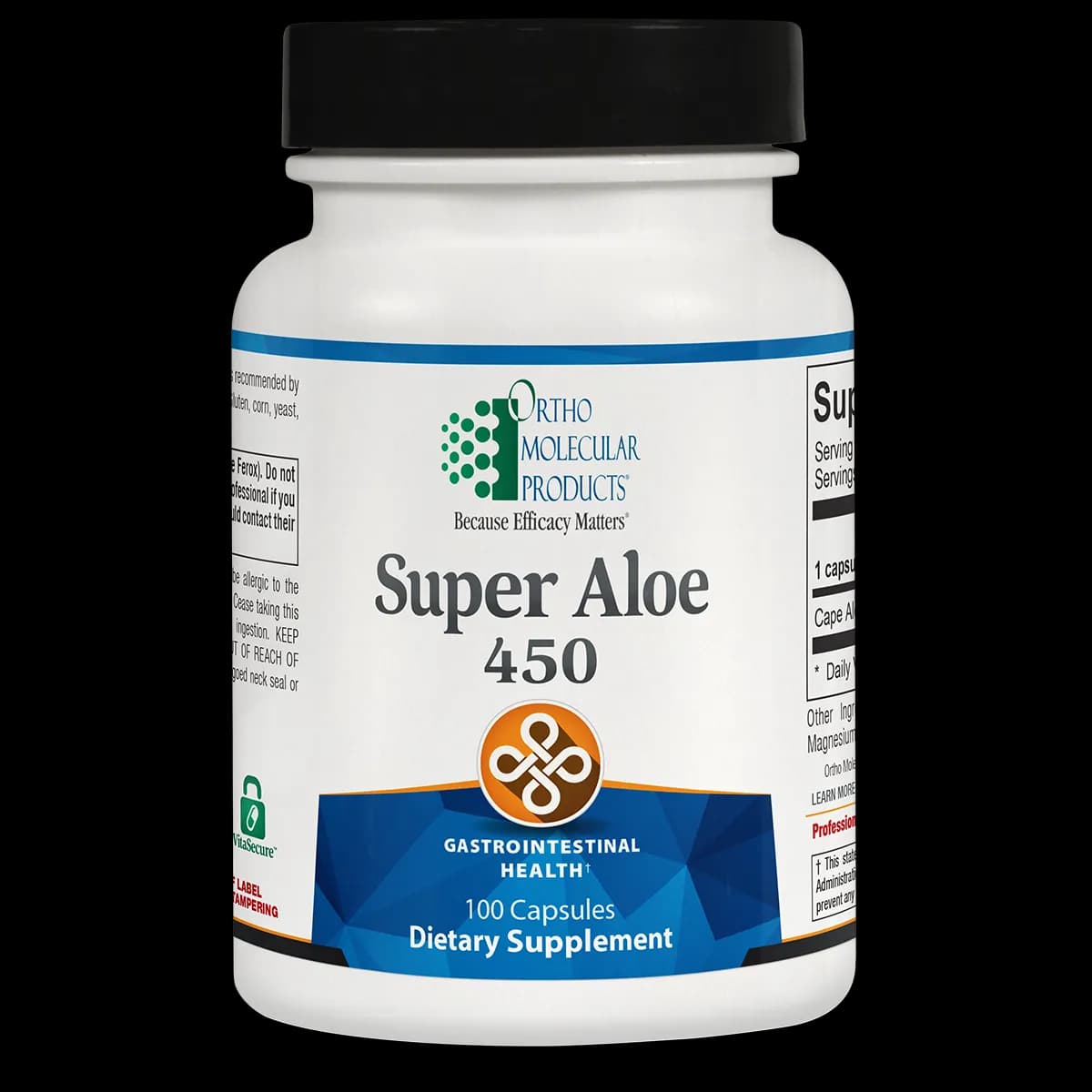
Enter Super Aloe 450, a specialized supplement derived from Aloe ferox (Cape Aloe). Unlike standard osmotic laxatives or fiber supplements that rely solely on drawing water into the bowel, Cape Aloe contains potent phytochemicals that actively stimulate the enteric nervous system and trigger fluid secretion at a cellular level. For patients whose constipation is driven by neurological dysfunction rather than simple dietary deficiencies, this mechanism offers a unique and powerful intervention. In this comprehensive guide, we will explore the deep biochemistry of Cape Aloe, how post-viral syndromes paralyze the gut, and how Super Aloe 450 can serve as a critical tool for managing occasional, severe constipation in complex chronic illness.
TL;DR
Super Aloe 450 may help manage severe, occasional constipation in chronic illnesses like Long COVID and ME/CFS.
It supports bowel motility by drawing water into the colon and stimulating muscle contractions.
Cape Aloe is a short-term rescue tool, not a daily supplement, to avoid laxative dependency.
Always consult your healthcare provider before use, especially if you have dysautonomia or electrolyte imbalances.
What is Super Aloe 450?
The Botanical Origins of Aloe Ferox
Super Aloe 450 is formulated from the dried latex of Aloe ferox, commonly known as Cape Aloe or bitter aloe. Indigenous to South Africa, this specific species of aloe has been utilized in traditional herbal medicine for centuries, primarily for its potent cathartic and purgative properties. It is crucial to distinguish Cape Aloe from the more commonly known Aloe vera. While Aloe vera is famous for its soothing, mucilaginous inner gel used for burns and topical skin conditions, the therapeutic power of Aloe ferox for gastrointestinal health lies in the bitter, yellow exudate found just beneath the thick skin of its leaves. This resinous sap is carefully harvested, dried, and concentrated to create a powerful botanical medicine.
The distinction between the inner gel and the outer leaf latex is not merely structural; it is profoundly biochemical. The dried resin of Cape Aloe is highly concentrated in a specific class of phytochemicals known as anthraquinone glycosides. According to pharmacopoeia standards, high-quality Cape Aloe extracts must contain at least 18% of these active derivatives, though some laboratory analyses have shown yields as high as 33.5% to 40%. This exceptionally high concentration makes Aloe ferox one of the most potent natural stimulant laxatives available, far exceeding the strength of standard aloe preparations.
Anthraquinone Glycosides: The Active Phytochemicals
To understand how Super Aloe 450 works, we must look at its primary active compounds: aloin A and aloin B. These anthraquinone glycosides are complex molecules consisting of an active aglycone (the therapeutic part of the molecule) bound to a sugar molecule (the glycoside). In their natural, ingested state, aloin molecules are relatively inert. As they pass through the acidic environment of the stomach and the enzymatic gauntlet of the small intestine, they remain largely unabsorbed and unchanged. This is a critical feature of their design, ensuring that the active compounds are not prematurely absorbed into the bloodstream before they reach their intended target: the large intestine.
Because aloin is not absorbed in the upper gastrointestinal tract, its systemic bioavailability is inherently low. Pharmacokinetic studies have demonstrated that when aloin is administered orally, only trace amounts are detected in blood plasma. Instead, the molecule acts as a highly targeted delivery system, carrying its therapeutic payload directly to the colonic mucosa where it is needed most. This localized action minimizes systemic side effects while maximizing the compound's efficacy in the lower bowel.
The Prodrug Mechanism and Gut Microbiota Activation
The true brilliance of Cape Aloe's mechanism of action lies in its reliance on the human microbiome. Aloin is considered a prodrug—a biologically inactive compound that must be metabolized within the body to become active. When the unabsorbed aloin reaches the distal colon, it encounters the dense, anaerobic bacterial populations of the gut microbiome. Specific strains of bacteria, such as Eubacterium species, produce an enzyme called β-glycosidase. This enzyme acts like a chemical key, cleaving the sugar molecule away from the aloin structure.
Once the sugar is removed, the aloin is transformed into its active, highly potent metabolite: aloe-emodin-9-anthrone (which can further oxidize into aloe-emodin). It is this specific metabolite, created exclusively by the action of your gut bacteria, that exerts the powerful laxative effects associated with Super Aloe 450. It is generally understood in clinical literature that purified aloin does not trigger laxation until it is successfully cleaved into aloe-emodin by colonic bacteria. This fascinating synergy between botanical medicine and human microbiology highlights the intricate ways in which our bodies process and utilize natural compounds.
How Dysautonomia and Long COVID Impact Gut Motility
The Vagus Nerve and Parasympathetic Failure
To understand why patients with complex chronic illnesses struggle so profoundly with constipation, we must examine the neurological control of the gut. The gastrointestinal tract is governed by the enteric nervous system (ENS), often referred to as the "second brain." However, the ENS does not operate in isolation; it receives critical top-down instructions from the central nervous system via the vagus nerve. The vagus nerve is the longest cranial nerve and serves as the primary superhighway of the parasympathetic nervous system, which is responsible for the body's "rest and digest" state. It dictates peristalsis (the wave-like muscle contractions that move waste), controls stomach acid secretion, and maintains the integrity of the intestinal lining.
In conditions like Long COVID, ME/CFS, and POTS, this intricate communication system frequently breaks down. Viral infections like SARS-CoV-2 can cause direct neuroinflammation or trigger an autoimmune response that damages the vagus nerve. This resulting vagus nerve dysfunction (VND) or autonomic neuropathy means the gut loses its parasympathetic signaling. A pivotal 2022 pilot study presented at ECCMID evaluated hundreds of Long COVID patients and found that a staggering 66% exhibited symptoms of vagus nerve dysfunction, including dysphagia and impaired gastric motility. Without the vagus nerve telling the gut to contract, the digestive tract effectively becomes paralyzed.
Gastroparesis and Right-Sided Fecal Loading
When vagal signaling fails, patients often develop a condition known as gastroparesis, or delayed stomach emptying. Food sits in the stomach for abnormally long periods, causing severe nausea, early satiety, and upper abdominal bloating. As this dysmotility cascades down into the lower intestines, it results in profound, intractable constipation. Unlike standard constipation caused by a lack of dietary fiber or poor hydration, neurologically driven constipation does not respond well to simple lifestyle changes. The muscles of the colon are physically capable of moving, but they are not receiving the neurological command to do so.
This autonomic failure often leads to a specific and highly uncomfortable clinical presentation known as right-sided fecal loading. In a healthy gut, stool moves steadily through the ascending, transverse, and descending colon before collecting on the left side (the rectum and sigmoid colon) for evacuation. However, in dysautonomia and POTS, the lack of peristalsis causes stool to back up much earlier in the digestive tract, often stagnating near the ileocecal valve on the lower right side of the abdomen. This right-sided backup creates intense pressure, referred pain, and a constant feeling of fullness that standard left-sided enemas or suppositories cannot reach.
The Vicious Cycle of Leaky Gut and Neuroinflammation
The consequences of gut paralysis extend far beyond abdominal discomfort; they drive systemic inflammation that exacerbates the core symptoms of chronic illness. When stool stagnates in the colon, it alters the delicate balance of the gut microbiome. Beneficial bacteria that rely on a steady transit of dietary fibers begin to die off, leading to a drastic reduction in the production of short-chain fatty acids (SCFAs) like butyrate. SCFAs are the primary energy source for the cells lining the colon (colonocytes) and are essential for maintaining the tight junctions that keep the intestinal barrier intact.
Without sufficient SCFAs, the intestinal lining begins to degrade, resulting in increased intestinal permeability, commonly known as "leaky gut." Endotoxins, such as lipopolysaccharides (LPS) from the cell walls of dying bacteria, leak through the compromised intestinal barrier and enter the bloodstream. This triggers a massive systemic immune response. The resulting flood of pro-inflammatory cytokines can cross the blood-brain barrier, activating microglial cells in the brain and driving profound neuroinflammation. This gut-brain inflammatory loop is a primary driver of the debilitating brain fog, cognitive dysfunction, and post-exertional malaise (PEM) seen in Long COVID and ME/CFS. Restoring bowel motility is therefore not just about digestive comfort; it is a critical step in lowering systemic neuroinflammation.
Super Aloe 450: Supporting Bowel Motility and Elimination
CFTR Channel Activation and Fluid Secretion
When the autonomic nervous system fails to provide the necessary signals for digestion, patients require an intervention that can bypass the broken vagal pathways and directly stimulate the gut. This is exactly how Super Aloe 450 functions. Once the aloin in Cape Aloe is metabolized by gut bacteria into its active form, aloe-emodin-9-anthrone, it exerts a potent secretagogue effect on the colonic epithelium. Its first major mechanism of action involves the manipulation of cellular ion channels to drastically increase the water content of the stool.
The active anthraquinone metabolite directly activates cystic fibrosis transmembrane conductance regulator (CFTR) chloride channels located on the apical membrane of the enterocytes (intestinal cells). When these channels are forced open, they actively pump chloride ions out of the cells and into the intestinal lumen. Simultaneously, the compound inhibits the Na⁺/K⁺-ATPase pump in the superficial epithelial cells. Normally, this pump works to reabsorb sodium and water from the stool back into the bloodstream. By inhibiting this pump and activating the CFTR channels, Cape Aloe creates a powerful osmotic gradient. Water is rapidly drawn from the surrounding tissues into the colon, significantly softening hard, impacted stool and increasing fecal volume. Pharmacological literature explains why anthraquinone laxatives are so effective at hydrating the bowel.
Stimulating the Interstitial Cells of Cajal
Hydrating the stool is only half the battle; the colon must also be stimulated to contract and expel the waste. This brings us to Cape Aloe's second major mechanism of action: the direct stimulation of colonic motility. Aloe-emodin-9-anthrone acts as a mild irritant to the colonic mucosa, which triggers a localized response in the enteric nervous system. It stimulates the local synthesis of prostaglandins, specialized lipid compounds that increase mucosal permeability and further promote fluid retention and muscle contraction.
More importantly, research indicates that aloe preparations actively upregulate the expression of C-kit positive cells. These cells are markers for the Interstitial Cells of Cajal (ICC), which act as the electrical "pacemakers" of the gastrointestinal tract. The ICCs generate the slow-wave electrical activity that dictates the rhythm of peristalsis. By stimulating these pacemaker cells, Cape Aloe forces the smooth muscles of the colon to contract vigorously. In vivo studies have shown that extracts of Aloe ferox can increase gastrointestinal motility by over 90% within a short timeframe, drastically accelerating the transit time of fecal matter through the distal colon.
Bypassing Autonomic Dysfunction
For patients with Long COVID, ME/CFS, or POTS, this dual-action mechanism is profoundly beneficial. Because the vagus nerve is damaged or dysfunctional, the central nervous system is failing to send the "contract and secrete" signals to the gut. Super Aloe 450 effectively acts as a localized, chemical override switch. It does not rely on the vagus nerve to initiate peristalsis; instead, it directly provokes the enteric nervous system and the local ion channels to do the work.
By forcing fluid into the bowel and artificially stimulating the pacemaker cells of the colon, Cape Aloe can clear out right-sided fecal loading and relieve the toxic burden of stagnant stool. This localized action helps break the vicious cycle of leaky gut and systemic inflammation. While it does not cure the underlying dysautonomia or repair the vagus nerve, it provides a highly effective, temporary rescue intervention to manage severe dysmotility and prevent the dangerous complications of severe fecal impaction.

Symptoms Super Aloe 450 May Help Manage
Because Super Aloe 450 acts as a potent stimulant laxative and secretagogue, it is specifically targeted at symptoms related to severe lower gastrointestinal dysmotility. For patients with autonomic neuropathy, this supplement may help manage the following symptoms:
Occasional, Severe Constipation: By activating CFTR chloride channels and inhibiting sodium reabsorption, Cape Aloe draws massive amounts of water into the colon, softening hard, impacted stool that has stagnated due to poor vagal tone.
Right-Sided Fecal Loading: The potent stimulation of the Interstitial Cells of Cajal (ICCs) forces vigorous peristaltic contractions, helping to move stool that has backed up near the ileocecal valve through the entire length of the colon.
Feeling of Incomplete Evacuation: By triggering strong, localized muscle contractions in the distal colon and rectum, Super Aloe helps ensure a complete bowel movement, relieving the persistent sensation of fullness common in dysautonomia.
Lower Abdominal Bloating and Pressure: Clearing impacted stool reduces the physical distension of the colon and prevents the excessive fermentation of stagnant waste by gut bacteria, thereby reducing painful gas and bloating.
Brain Fog Secondary to Gut Toxicity: By preventing stool stagnation, Cape Aloe helps reduce the reabsorption of endotoxins (like LPS) into the bloodstream, potentially lowering the systemic neuroinflammation that drives cognitive dysfunction in Long COVID and ME/CFS.
Practical Considerations: Forms, Dosing, and Safety
Timing and Pharmacokinetics
Understanding the pharmacokinetics of Super Aloe 450 is essential for achieving optimal results and avoiding unnecessary discomfort. Because aloin is a prodrug that must travel through the stomach and small intestine before being metabolized by colonic bacteria, there is a significant delay between ingestion and action. It typically takes 6 to 12 hours for the active metabolite, aloe-emodin-9-anthrone, to be generated and exert its effects on the colonic mucosa.
For this reason, the suggested use for Super Aloe 450 is to take 1 capsule at bedtime. This timing aligns the 6-to-12-hour pharmacokinetic window with your natural sleep cycle, allowing the supplement to work overnight and typically resulting in a bowel movement upon waking the next morning. It is critical to allow at least 24 hours before redosing. Taking multiple doses within a short timeframe will not speed up the bacterial metabolism process; it will only compound the amount of active anthraquinones in your colon, potentially leading to severe cramping and explosive diarrhea once the prodrug is finally activated. Super Aloe is available in both 250 mg and 450 mg potencies, allowing patients to tailor their dosage based on their individual sensitivity and the severity of their constipation.
The Importance of Short-Term Use
The most critical practical consideration regarding Super Aloe 450 is that it is intended strictly for the relief of occasional constipation. Global health authorities, including the European Medicines Agency (EMA) and the World Health Organization (WHO), universally advise against the continuous, long-term use of anthraquinone laxatives. Cape Aloe should generally not be used consecutively for more than 1 to 2 weeks.
Continuous reliance on stimulant laxatives can lead to a condition known as an "atonic colon" or laxative dependency. Because the supplement artificially stimulates the enteric nervous system and pacemaker cells, the colon can gradually lose its natural muscle tone and ability to contract independently. Over time, the patient becomes physically dependent on the laxative to achieve any bowel movement at all, creating a dangerous cycle of escalating doses and worsening baseline dysmotility. For patients with Long COVID or POTS who suffer from chronic dysmotility, Cape Aloe should be viewed as a "rescue" medication for severe backups, rather than a daily preventative supplement.
Melanosis Coli and Hypokalemia Risks
Long-term abuse of Cape Aloe carries specific, well-documented medical risks. The most visually striking is melanosis coli, a condition where the chronic apoptosis (cell death) of colonic epithelial cells leads to a dark brownish-black pigmentation of the colon wall. Clinical literature indicates that melanosis coli is clinically benign and usually reversible within a year of stopping the laxative, serving as a clear biological marker of laxative overuse.
A far more dangerous risk of chronic use is severe electrolyte imbalance, specifically hypokalemia (potassium depletion). Because Cape Aloe forces continuous fluid secretion and inhibits sodium/potassium reabsorption, chronic use literally flushes essential potassium stores out of the body through the stool. Hypokalemia can cause severe muscle weakness, exacerbate the fatigue seen in ME/CFS, and dangerously potentiate cardiac arrhythmias. This is particularly hazardous for POTS patients who already struggle with blood volume and electrolyte regulation. Furthermore, hypokalemia can negatively interact with cardiac medications, diuretics, and corticosteroids. Always consult your healthcare provider before introducing a stimulant laxative, especially if you have a history of cardiac issues or electrolyte instability.

Follow the Science
Clinical Efficacy of Cape Aloe
The use of Aloe ferox as a potent laxative is supported by both centuries of traditional use and modern pharmacological research. The exact mechanisms by which anthraquinone glycosides induce laxation have been extensively mapped. Pharmacological literature has demonstrated how the active metabolite, aloe-emodin-9-anthrone, inhibits the Na⁺/K⁺-ATPase pump and activates CFTR chloride channels to force fluid into the colon. Furthermore, animal models have quantified its efficacy; in vivo studies assessing the acute laxative activity of Aloe ferox resin extract showed that it increased gastrointestinal motility by over 90% compared to control groups, confirming its status as a highly effective stimulant cathartic.
Vagus Nerve Dysfunction in Post-Viral Syndromes
The connection between chronic illness and severe gut dysmotility is an area of rapidly expanding research, particularly in the wake of the COVID-19 pandemic. The hypothesis that post-viral syndromes are driven by autonomic neuropathy and vagal impairment is gaining significant clinical traction. A landmark 2022 study presented at the European Congress of Clinical Microbiology and Infectious Diseases (ECCMID) provided concrete data on this phenomenon, revealing that 66% of evaluated Long COVID patients exhibited clear signs of vagus nerve dysfunction, leading to profound gastrointestinal symptoms like dysphagia and delayed gastric emptying.
This neurological perspective fundamentally changes how we approach GI symptoms in conditions like ME/CFS and POTS. As outlined by researchers exploring the vagus nerve infection hypothesis, when the vagus nerve is compromised by localized infection or neuroinflammation, the gut loses its parasympathetic "rest and digest" signaling. This explains why standard dietary interventions often fail for these patients, and why targeted, localized stimulants like the anthraquinones found in Cape Aloe are sometimes necessary to manually override the paralyzed enteric nervous system and force motility.
Microbiome Metabolism of Aloin
Finally, the unique prodrug nature of Cape Aloe highlights the critical role of the gut microbiome in botanical medicine. It is understood that purified aloin is completely inactive until it is exposed to the β-glycosidase enzymes produced by colonic bacteria. A fascinating human trial from 1995 verified this by administering purified aloin to constipated patients; laxation only occurred once the aloin was successfully cleaved into aloe-emodin, which was subsequently recovered in the subjects' feces. This underscores the complex, symbiotic relationship between the supplements we ingest and the microbial ecosystems that process them, a particularly relevant factor for chronic illness patients who often suffer from severe dysbiosis.
The Path Forward
A Comprehensive Approach to Gut Health
Living with the gastrointestinal manifestations of Long COVID, ME/CFS, dysautonomia, or MCAS can be an incredibly frustrating and painful experience. When your autonomic nervous system is struggling to maintain basic functions like digestion and elimination, it is easy to feel betrayed by your own body. Validating this struggle is the first step toward effective management. Severe constipation in these conditions is not a sign that you are failing to eat enough fiber or drink enough water; it is a complex neurological symptom that requires targeted, intelligent interventions.
Super Aloe 450 offers a powerful, natural mechanism to bypass autonomic dysfunction and provide immediate relief for severe bowel impactions. By leveraging the specific biochemistry of anthraquinone glycosides to stimulate fluid secretion and force peristalsis, it can help clear toxic stagnation and reduce the systemic neuroinflammation driven by a leaky, paralyzed gut. However, it is vital to remember that Cape Aloe is a rescue tool, not a daily foundation. A comprehensive approach to gut health in chronic illness must also include strategies to repair the vagus nerve, such as vagus nerve stimulation (VNS), visceral mobilization, and microbiome modulation to support the long-term recovery of your autonomic nervous system.
Next Steps in Your Healing Journey
As you navigate the complexities of living with long-term COVID or other post-viral syndromes, building a personalized toolkit of therapies is essential. Super Aloe 450 can be a highly effective component of that toolkit for managing occasional, severe constipation. Because of its potent effects and the risks associated with long-term use, we strongly encourage you to work closely with a dysautonomia-literate healthcare provider to determine the appropriate dosage and frequency for your specific needs.
Disclaimer: This content is for educational purposes only and is not intended as medical advice. Super Aloe 450 is not intended to diagnose, treat, cure, or prevent any disease. Always consult your healthcare provider before starting any new supplement, especially if you have a history of cardiac conditions, electrolyte imbalances, or are taking prescription medications.