Can Cape Aloe Ease Constipation and Gut Dysmotility in Long COVID and Dysautonomia?
March 6, 2026
Cape AloeGastrointestinal HealthLong COVID
Share:
Disclaimer: The information provided here is for educational purposes only and is not intended as medical advice. It should not be used to diagnose, treat, cure, or prevent any medical condition. Instead, use it as a starting point for discussion with your healthcare provider. Always consult with a qualified healthcare provider before starting any new medication, supplement, device, or making changes to your health regimen.
The gut is frequently referred to as the body's second brain, a complex and highly sensitive ecosystem that governs digestion, nutrient absorption, and immune regulation. However, for individuals living with complex chronic conditions like Long COVID, myalgic encephalomyelitis/chronic fatigue syndrome (ME/CFS), and dysautonomia, it can often feel as though this second brain has completely shut down. Severe, intractable constipation and profound gastrointestinal dysmotility are among the most common, yet frequently under-discussed, debilitating symptoms of infection-associated chronic illness. When the autonomic nervous system misfires, the involuntary muscle contractions required to move food through the digestive tract simply stop, leaving patients with painful bloating, systemic inflammation, and a heavy, toxic burden that exacerbates their daily fatigue.
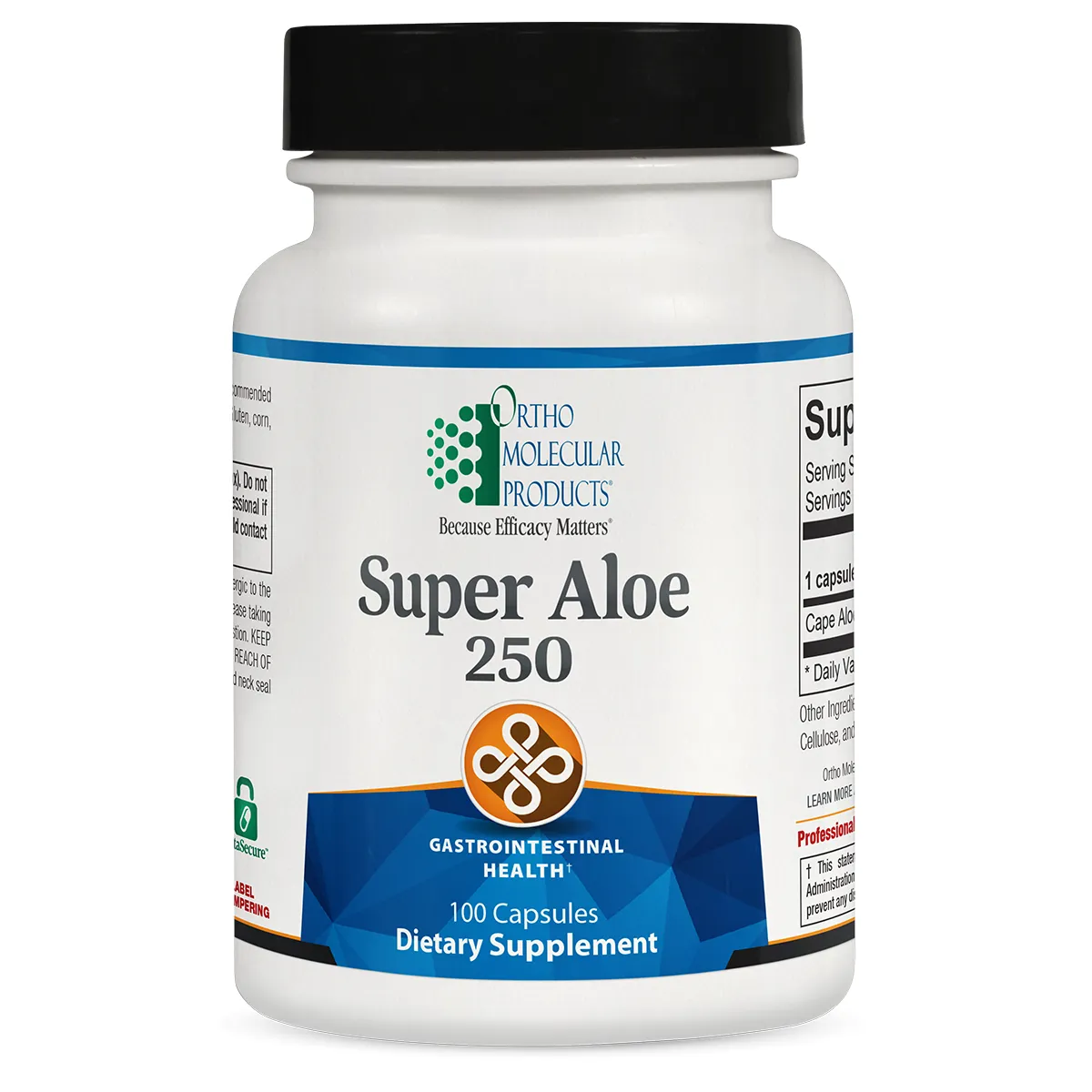
Finding relief for this neurologically driven constipation requires interventions that do more than just add bulk to the stool; it requires compounds that actively stimulate the sluggish intestinal machinery. Super Aloe 250, featuring a concentrated dose of Cape Aloe (Aloe ferox), is a targeted botanical intervention designed to do exactly that. By leveraging a unique class of phytonutrients that interact directly with the gut microbiome and the colonic mucosa, Cape Aloe forces the bowel to hydrate and contract. But how exactly does this powerful plant extract override a dysfunctional autonomic nervous system, and what critical safety considerations must patients with dysautonomia keep in mind? Let's explore the deep cellular mechanisms, the clinical evidence, and the practical realities of using Cape Aloe for occasional constipation.
TL;DR
Cape Aloe (Super Aloe 250) supports bowel motility for those with dysautonomia and chronic constipation.
It works by stimulating gut pacemakers and hydrating the colon, typically taking 8-12 hours to act.
Use only for short-term relief (1-2 weeks) to avoid laxative dependence and dangerous potassium depletion.
Always consult your doctor before use, as it may interact with medications and affect electrolyte balance.
What is Cape Aloe (Super Aloe 250)?
A Botanical Powerhouse from South Africa
Cape Aloe, scientifically known as Aloe ferox (and sometimes referred to as bitter aloe), is a robust, indigenous plant native to the diverse landscapes of South Africa. While it shares a botanical lineage with the more commonly known Aloe vera, Cape Aloe is fundamentally different in its chemical composition and clinical application. The therapeutic power of Aloe ferox does not lie in the soothing, clear gel found in the center of the leaf, which is often used for sunburns and mild tissue healing. Instead, its medicinal value is concentrated in the yellow, bitter latex (or sap) that flows just beneath the thick epidermis of the leaf. This bitter sap is harvested, dried, and crystallized into a potent resin that has been utilized in traditional pharmacopeias for centuries as a highly effective, fast-acting stimulant laxative.
The primary active constituents within this dried latex are a class of complex phytonutrients known as anthraquinone glycosides. According to botanical monographs published by the European Medicines Agency (EMA), high-quality Cape Aloe resin contains between 18% and 33.5% of these hydroxyanthracene derivatives. The most prominent and clinically significant of these compounds is aloin, which exists in nature as a mixture of two diastereomers: aloin A (also known as barbaloin) and aloin B (isobarbaloin). These molecules are the driving force behind Super Aloe 250's ability to relieve severe, occasional constipation, but their journey through the human body is remarkably complex.
The Biochemistry of Anthraquinone Glycosides
To understand how Cape Aloe functions, we must first look at the molecular structure of anthraquinone glycosides. These compounds are essentially "prodrugs," meaning they are ingested in an inactive form and require a specific physiological trigger to become therapeutically active. The "glycoside" portion of the name indicates that the active core of the molecule (the aglycone) is tightly bound to a sugar molecule. This attached sugar makes the entire compound incredibly bulky and highly hydrophilic (water-loving). Because of this specific molecular architecture, aloin cannot be broken down by the standard digestive enzymes present in the human stomach or the upper small intestine. Furthermore, its bulky, hydrophilic nature prevents it from being prematurely absorbed across the intestinal lining and into the bloodstream.
As a result, when a patient swallows a capsule of Super Aloe 250, the aloin passes through the highly acidic environment of the stomach and navigates the entire length of the small intestine completely intact and pharmacologically inert. This evolutionary design is brilliant, as it ensures that the potent laxative compounds do not irritate the delicate tissues of the upper gastrointestinal tract or cause premature fluid loss. The payload is safely delivered exactly where it is needed: the distal colon, where the environment is radically different and teeming with microbial life.
The Crucial Role of the Gut Microbiome
The true magic of Cape Aloe is entirely dependent on the metabolic power of the human gut microbiome. Once the intact aloin molecules reach the large intestine, they encounter a dense population of anaerobic bacteria, particularly strains belonging to the Bifidobacterium and Eubacterium genera. These specific colonic flora possess specialized bacterial enzymes known as beta-glucosidases. The bacteria use these enzymes to cleave the tight beta-glycosidic bonds, effectively stripping the sugar molecule away from the aloin complex to use it for their own energy. This enzymatic cleavage leaves behind the free, active aglycone metabolite known as aloe-emodin-9-anthrone.
This newly liberated anthrone is a highly reactive and potent pharmacological agent. It is the specific molecule responsible for triggering the massive shifts in fluid dynamics and muscle contractions that ultimately result in a bowel movement. Because this entire process relies on the physical transit time required for the capsule to reach the colon, followed by the time required for bacterial biotransformation, Cape Aloe exhibits a distinct, delayed onset of action. It typically takes between 8 to 12 hours from the moment of ingestion for the active metabolites to be generated and exert their effects, making the health of the patient's microbiome a critical variable in the supplement's overall efficacy.
How Long COVID and Dysautonomia Impact Gut Motility
The Vagus Nerve and Autonomic Failure
To understand why a potent stimulant laxative like Cape Aloe is sometimes necessary, we must examine exactly what causes Long COVID and ME/CFS to paralyze the digestive tract. The primary driver of severe gastrointestinal dysmotility in these patient populations is dysautonomia, a dysfunction of the autonomic nervous system (ANS). The ANS is responsible for controlling all the involuntary functions of the body, including heart rate, blood pressure, and digestion. Digestion is heavily governed by the parasympathetic branch of the ANS, often referred to as the "rest and digest" system, which is primarily controlled by the vagus nerve. The vagus nerve acts as a massive superhighway of electrical signals traveling from the brainstem directly to the enteric nervous system (ENS) embedded in the gut wall.
In patients with infection-associated chronic illnesses, this vital communication network is frequently damaged. Recent clinical research and comprehensive literature reviews have demonstrated that systemic neuroinflammation, viral persistence, and autoimmune responses can severely inflame and impair the vagus nerve. When vagal tone drops, the brain fails to send the necessary acetylcholine signals to the gut. Without these signals, the smooth muscles of the intestines lose their normal rhythm, and peristalsis—the coordinated, wave-like muscle contractions that propel food and waste forward—slows to a crawl or stops entirely. This results in profound, intractable constipation that does not respond to standard dietary fiber or increased water intake.
Small Fiber Neuropathy in the Enteric Nervous System
Beyond central vagus nerve impairment, many patients also suffer from localized nerve damage within the gut itself. Studies indicate that a significant percentage of individuals with Long COVID and ME/CFS develop Small Fiber Neuropathy (SFN), a condition where the tiny, unmyelinated peripheral nerve fibers are damaged or destroyed. According to research published in the International Journal of Molecular Sciences, these small autonomic nerve fibers are heavily concentrated in the mucosal and muscular layers of the gastrointestinal tract. When these fibers degrade, the gut literally loses its ability to sense the presence of food or stool, and it loses the mechanical ability to contract and secrete digestive fluids.
This localized neuropathy is often compounded by Mast Cell Activation Syndrome (MCAS), a condition frequently co-occurring with dysautonomia. Mast cells are immune cells that sit intimately close to autonomic nerve endings in the gut lining. When they become hyperactive and inappropriately degranulate, they flood the local tissue with histamine, prostaglandins, and inflammatory cytokines. This localized cytokine storm triggers visceral hypersensitivity (severe abdominal pain) and further paralyzes the normal motility of the bowel, creating a highly inflamed, stagnant environment where waste matter accumulates and compacts.
Splanchnic Blood Pooling and the Vicious Cycle of SIBO
The systemic nature of dysautonomia also impacts the vascular supply to the gut. Many patients suffer from Postural Orthostatic Tachycardia Syndrome (POTS), a form of dysautonomia characterized by an inability to properly regulate blood vessel constriction. When these patients stand or sit upright, gravity pulls their blood downward, and their autonomic nervous system fails to squeeze the blood vessels tight enough to push it back up to the brain. To compensate, the body often shunts blood away from the splanchnic (gastrointestinal) circulation. This chronic lack of adequate blood flow (ischemia) to the digestive organs further starves the intestinal muscles of the oxygen and energy they need to perform peristalsis, worsening the gastrointestinal symptoms associated with Long COVID.
When the bowel stops moving, a dangerous vicious cycle begins. Normal gut motility acts as a biological "sweeper," constantly pushing bacteria down into the large intestine where they belong. When transit time is drastically delayed, these bacteria can migrate upward into the small intestine, leading to Small Intestinal Bacterial Overgrowth (SIBO). SIBO causes severe bloating, fermentation of carbohydrates, and the release of methane gas, which ironically acts as a localized paralytic, slowing gut motility even further. Breaking this cycle requires an intervention that can forcefully override the neurological deficits and physically restart the sweeping motion of the bowel.
Super Aloe 250: Supporting Bowel Function and Motility
Stimulating the Enteric Pacemakers
When dietary changes, hydration, and osmotic laxatives fail to overcome the neurological deficits of dysautonomia, stimulant laxatives like Super Aloe 250 offer a forceful, targeted mechanism to restart bowel motility. Once the gut microbiome has successfully converted the aloin into its active metabolite, aloe-emodin-9-anthrone, this compound goes to work directly on the epithelial cells lining the distal colon. Its first major mechanism of action is the direct stimulation of the enteric nervous system, effectively bypassing the impaired vagus nerve signals coming from the brain.
The active anthrones irritate the colonic mucosa, which triggers a localized, low-grade inflammatory response. This response stimulates the release of specific signaling molecules, most notably Prostaglandin E2 (PGE2). The sudden localized spike in PGE2 acts as a powerful chemical messenger that directly stimulates the Interstitial Cells of Cajal (ICC). The ICC are the biological "pacemakers" of the gastrointestinal tract; they generate the slow-wave electrical potentials that dictate the rhythm of muscle contractions. By chemically stimulating these pacemakers, Cape Aloe forces the smooth muscle fibers of the colon wall to engage in vigorous, coordinated contractions, dramatically accelerating peristalsis and reducing the time it takes for stool to transit through the bowel.
Activating CFTR Chloride Channels for Hydration
However, simply squeezing the colon is not enough if the stool inside is rock-hard and impacted, a common scenario in chronic constipation where the slow transit time has allowed the body to over-absorb water from the waste. Super Aloe 250 addresses this by profoundly altering the fluid and electrolyte transport across the colonic epithelium. Recent molecular pharmacology research has revealed that active anthraquinone metabolites directly target and activate the Cystic Fibrosis Transmembrane Conductance Regulator (CFTR) chloride channels located on the apical surface of the intestinal cells.
By acting as CFTR potentiators, the aloe metabolites force these channels to open, resulting in a massive, active secretion of negatively charged chloride ions from the bloodstream into the lumen (the inside space) of the gut. This sudden influx of chloride creates a powerful electrical and osmotic gradient. To balance this gradient, positively charged sodium ions and large volumes of water passively follow the chloride into the bowel. This isotonic fluid accumulation rapidly hydrates, bulks, and softens the fecal mass, making it significantly easier to pass when the stimulated peristaltic waves occur.
Inhibiting Water Reabsorption
To ensure that the newly secreted water stays in the bowel and isn't immediately reabsorbed by the body, Cape Aloe employs a secondary anti-absorptive mechanism. The active anthrones directly inhibit the activity of the Na+/K+-ATPase pump located on the basolateral membrane of the enterocytes. Normally, this pump is responsible for pulling sodium (and consequently, water) out of the colon and back into the bloodstream. By shutting this pump down, Cape Aloe effectively traps the water inside the colon.
Furthermore, the previously mentioned surge in Prostaglandin E2 signaling has been shown to downregulate the expression of Aquaporin-3 (AQP3), a crucial water channel protein responsible for dehydrating stool. By simultaneously forcing water into the colon via CFTR channels, limiting its escape via Na+/K+-ATPase inhibition, and aggressively stimulating the smooth muscles, Super Aloe 250 provides a comprehensive, multi-angled approach to breaking through stubborn, neurologically driven constipation.
Symptoms Super Aloe 250 May Help Manage
Targeting Specific Gastrointestinal Roadblocks
By aggressively stimulating peristalsis and flooding the colon with hydrating fluids, Super Aloe 250 targets several specific, uncomfortable symptoms associated with severe gastrointestinal dysmotility:
Occasional, Intractable Constipation: For patients whose autonomic nervous system fails to send the "digest" signals, Cape Aloe acts as a chemical override, directly stimulating the enteric pacemakers to initiate the bowel movements that the brain is failing to trigger.
Hard, Dry, and Impacted Stools: Because dysautonomia slows transit time, the colon has too much time to extract water from waste, leaving it painfully hard. Cape Aloe's ability to activate CFTR chloride channels forces water back into the bowel, softening the stool and easing elimination without the need for excessive straining.
Sluggish Bowel Transit Time: By irritating the colonic mucosa and triggering Prostaglandin E2 release, the anthraquinone glycosides drastically accelerate the speed at which waste moves through the large intestine, helping to avoid the stagnation that leads to toxicity and discomfort.
Fecal Loading and Incomplete Evacuation: Patients with localized small fiber neuropathy often feel as though they cannot fully empty their bowels. The vigorous, coordinated smooth muscle contractions induced by Cape Aloe help ensure a more complete and satisfying evacuation of the lower bowel.
Dysmotility-Driven Bloating: While Cape Aloe does not directly manage SIBO, by clearing out the stagnant waste and accelerating transit time, it helps remove the physical blockages that allow fermenting bacteria to produce excessive, painful abdominal gas.
Practical Considerations: Forms, Dosing, and Crucial Safety Warnings
The 8-to-12 Hour Activation Window
When utilizing a potent botanical intervention like Super Aloe 250, understanding the pharmacokinetics—how the body processes the supplement—is essential for achieving the desired results without unnecessary discomfort. Super Aloe is available in both 250 mg and 450 mg capsules, allowing for tailored dosing based on the severity of the constipation. The standard suggested use is 1 capsule taken at bedtime. This specific timing is not arbitrary; it is dictated by the biological reality of anthraquinone glycosides. Because the aloin must physically travel through the stomach and small intestine, and then wait to be enzymatically cleaved by colonic bacteria, there is a mandatory 8-to-12 hour delay before the laxative effects begin. Taking the capsule at bedtime aligns this activation window with the patient's natural waking hours, typically resulting in a bowel movement the following morning.
The Dangers of Long-Term Use and Cathartic Colon
While Cape Aloe is highly effective, it is accompanied by crucial safety warnings that must be strictly adhered to, especially for patients with complex chronic illnesses. Super Aloe 250 is intended strictly for the short-term relief of occasional constipation (typically a maximum of 1 to 2 weeks of continuous use). It is not a daily, long-term management strategy. Chronic abuse or prolonged daily use of stimulant laxatives forces the colon to rely on chemical irritation to function. Over time, this damages the enteric nerves and smooth muscles, leading to a condition known as "cathartic colon" or laxative dependence, where the bowel becomes atonic (floppy) and completely unable to contract without the drug. Furthermore, long-term use can cause pseudomelanosis coli, a condition where the accumulation of dark anthraquinone metabolites permanently stains the intestinal mucosa a dark brown or black.
Hypokalemia: A Critical Risk for Dysautonomia Patients
Perhaps the most severe risk associated with the overuse of Cape Aloe is the development of hypokalemia, a dangerous depletion of potassium in the blood. Because Cape Aloe forcefully secretes water and electrolytes into the bowel to create a watery stool, chronic use literally flushes vital potassium out of the body. Potassium is an essential electrolyte required for maintaining the resting membrane potential of nerve and muscle cells, particularly the cardiomyocytes (heart muscle cells). For patients with POTS and dysautonomia, who already struggle with tachycardia and autonomic instability, hypokalemia is incredibly dangerous. It can exacerbate profound muscle weakness, worsen chronic fatigue, and trigger life-threatening cardiac arrhythmias by prolonging the QT interval of the heart. If you are working to diagnose Long COVID or manage POTS, maintaining strict electrolyte balance is paramount, making the cautious use of Cape Aloe critical.
Drug Interactions to Navigate
Because of its profound impact on bowel transit time and potassium levels, Cape Aloe has several major drug interactions. The rapid movement of the bowel can decrease the absorption and bioavailability of many general oral medications, meaning your other prescriptions may not fully absorb into your bloodstream. More importantly, the risk of hypokalemia means Cape Aloe interacts dangerously with several classes of drugs used for COVID long haulers and dysautonomia patients. It should never be used concurrently with cardiac glycosides (like Digoxin), as low potassium exponentially increases the toxicity of the drug. It also has additive potassium-depleting effects when combined with thiazide diuretics (water pills), corticosteroids, or even natural licorice root. Always consult your healthcare provider before introducing a stimulant laxative to your regimen, especially if you are on medications that affect heart rhythm or fluid balance.

Follow the Science: Clinical Evidence for Cape Aloe
Reversing Chemically Induced Constipation in Animal Models
The potent laxative effects of Aloe ferox are well-documented in both historical pharmacopeias and modern pharmacological literature. Because isolating specific botanical compounds in human trials can be complex, much of the foundational data regarding the efficacy of Cape Aloe comes from rigorous animal models, including studies of an aqueous leaf extract of Aloe ferox on Wistar rats.
Human Efficacy and Transit Time Acceleration
Further pre-clinical research underscores just how rapidly and aggressively Aloe ferox can accelerate transit time. A study published in the Brazilian Journal of Pharmacognosy (SciELO) evaluated the oral administration of Aloe ferox resin on gastrointestinal motility in mice. Doses of 50, 100, and 200 mg/kg significantly increased gastrointestinal transit within a mere 30-minute interval by 93.5%, 91.8%, and 93.8%, respectively, compared to just 46.5% in the control group. While human transit times are naturally longer due to the required microbiome activation, clinical evidence supports that aloin-containing aloe preparations yield a 70% to 80% success rate in resolving short-term constipation in human subjects.
Regulatory Consensus and Safety Guidelines
The overwhelming consensus among global health authorities is that while Cape Aloe is highly effective, its power must be respected. The European Medicines Agency (EMA) and the European Scientific Cooperative on Phytotherapy (ESCOP) both officially recognize the use of Cape aloe for the short-term relief of occasional constipation. However, their monographs explicitly state that it should not be used for more than 1 to 2 weeks without medical supervision due to the severe risks of electrolyte imbalance and laxative dependence. Furthermore, it is strictly contraindicated for pregnant or lactating women, children under 12, and individuals experiencing undiagnosed abdominal pain or intestinal obstruction. This scientific consensus highlights that Cape Aloe is a powerful tool, but one that requires precise, cautious application.
The Path Forward
A Short-Term Bridge to Better Motility
Living with the severe gastrointestinal symptoms of Long COVID, ME/CFS, and dysautonomia can be an exhausting, painful, and deeply frustrating experience. When your autonomic nervous system fails to regulate the basic functions of digestion, it is entirely valid to feel overwhelmed by the resulting toxicity and discomfort. Super Aloe 250 offers a potent, botanically derived mechanism to forcefully override these neurological deficits, providing rapid, effective relief from intractable constipation. However, it is vital to remember that Cape Aloe is a short-term bridge, not a long-term destination. It is a tool to clear the immediate roadblock, allowing you to focus on the deeper, systemic healing required to truly live with long-term COVID.
Building a Sustainable Gut Health Strategy
True recovery from dysautonomia-driven gut paralysis requires a comprehensive, multi-disciplinary approach. While Super Aloe 250 can provide the immediate relief necessary to break the vicious cycle of SIBO and fecal loading, your long-term strategy should focus on calming neuroinflammation, supporting vagal tone through targeted exercises or devices, managing MCAS triggers, and utilizing gentle, daily prokinetics under the guidance of a specialist. If you are struggling with severe, occasional constipation and are looking for a powerful, natural intervention to help restart your system, discuss Cape Aloe with your healthcare provider to ensure it fits safely within your broader management plan.