Can StressArrest™ Support a Calm Nervous System in Long COVID and Dysautonomia?
March 6, 2026
StressArrestGABALong COVID
Share:
Disclaimer: The information provided here is for educational purposes only and is not intended as medical advice. It should not be used to diagnose, treat, cure, or prevent any medical condition. Instead, use it as a starting point for discussion with your healthcare provider. Always consult with a qualified healthcare provider before starting any new medication, supplement, device, or making changes to your health regimen.
Living with complex, chronic conditions like Long COVID, myalgic encephalomyelitis/chronic fatigue syndrome (ME/CFS), and dysautonomia often feels like your nervous system is stuck in a perpetual state of overdrive. You might experience the paradoxical sensation of being completely exhausted yet entirely unable to relax, a state frequently described by patients as feeling "wired and tired." This relentless neurological tension is not merely a psychological reaction to being ill; it is a profound physiological dysregulation rooted in neuroinflammation and neurotransmitter imbalance. When the brain's chemical messengers are disrupted by chronic immune activation, the body loses its ability to shift out of a sympathetic "fight-or-flight" response, leaving patients battling debilitating symptoms like severe brain fog, sensory hypersensitivity, unpredictable heart rates, and unrefreshing sleep.
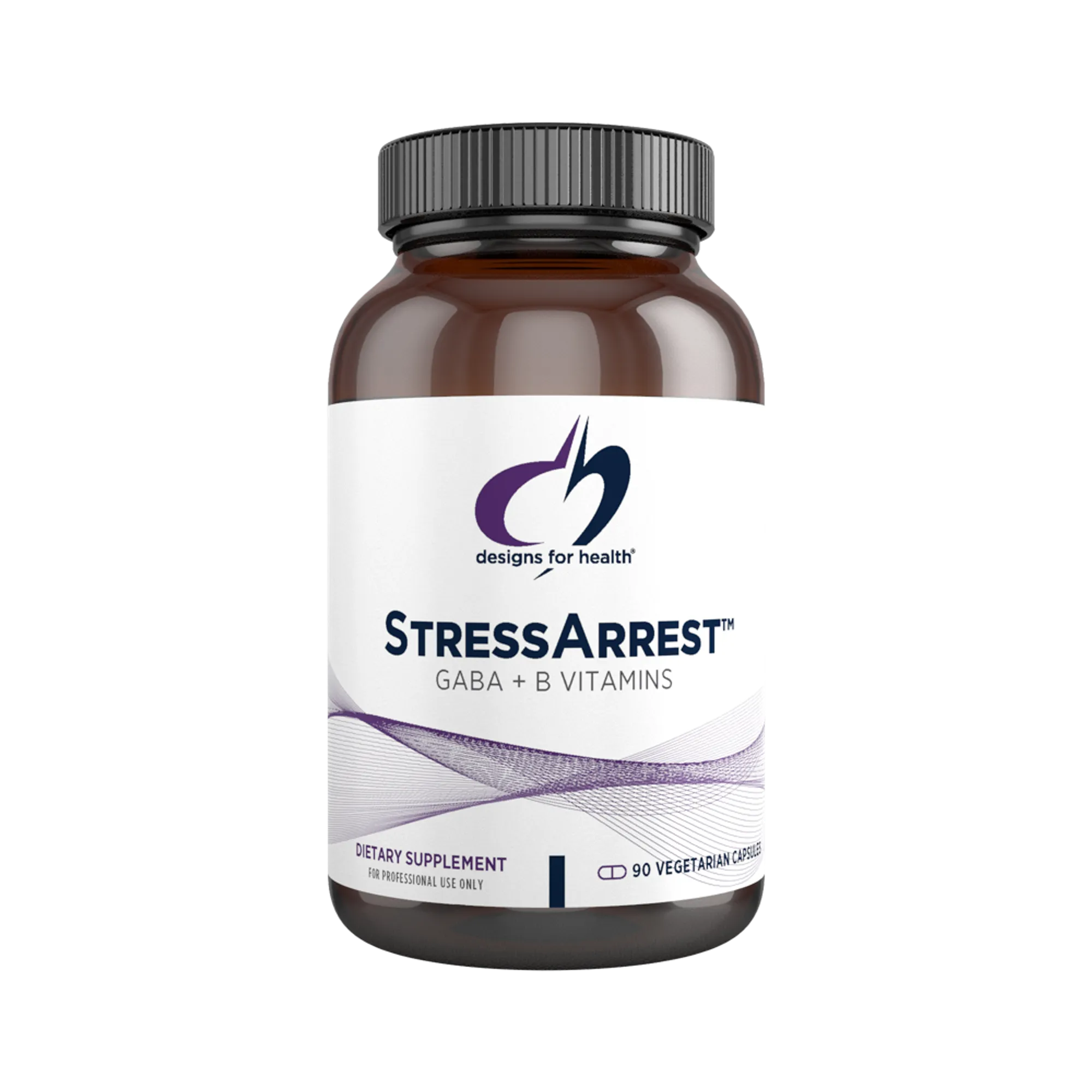
Finding ways to soothe this overactive nervous system is a cornerstone of managing these complex illnesses. This is where targeted nutritional support can play a vital role. StressArrest™ by Designs for Health is a uniquely formulated supplement designed to support a calm and balanced stress response. By combining gamma-aminobutyric acid (GABA), glycine, and essential B vitamins (niacinamide, pantothenic acid, and vitamin B6), this formula provides the specific biochemical building blocks the brain needs to restore inhibitory neurotransmitter function. In this comprehensive guide, we will explore the intricate molecular mechanisms behind these ingredients, how chronic conditions disrupt these pathways, and how StressArrest™ may help patients reclaim a sense of neurological calm and improve their overall quality of life.
TL;DR
Chronic conditions like Long COVID and ME/CFS may cause a "wired and tired" state due to neurotransmitter imbalances.
StressArrest™ combines GABA, glycine, and B vitamins to support a calm and balanced nervous system response.
These ingredients may help manage brain fog, sleep disruptions, and physical tension associated with chronic stress.
What is StressArrest™?
To understand how StressArrest™ functions, we must first examine its primary ingredient: gamma-aminobutyric acid (GABA). In a healthy human body, GABA serves as the chief inhibitory neurotransmitter within the central nervous system (CNS). Its primary biological mandate is to reduce neuronal excitability throughout the nervous system, effectively acting as the brain's natural brake pedal. When your brain is exposed to stress, excitatory neurotransmitters like glutamate surge, causing neurons to fire rapidly. GABA counteracts this by binding to specific transmembrane receptors (GABA-A and GABA-B) on the surface of neurons. This binding action opens ion channels, allowing negatively charged chloride ions to flood into the neuron, which hyperpolarizes the cell and makes it far less likely to fire an electrical impulse.
This hyperpolarization process is essential for preventing the brain from becoming overwhelmed by sensory input and stress signals. Without adequate GABA activity, the nervous system remains in a state of hyper-arousal, leading to physical tension, racing thoughts, and an inability to initiate sleep. Furthermore, GABA is not just active in the brain; it plays a crucial role in the enteric nervous system (the gut-brain axis) and helps regulate muscle tone throughout the body. By modulating this neuronal excitability, GABA ensures that the transition from a sympathetic "fight-or-flight" state to a parasympathetic "rest-and-digest" state occurs smoothly and efficiently.
The intricate balance between GABA and its excitatory counterpart, glutamate, dictates our daily cognitive and emotional stability. When this delicate equilibrium is maintained, we experience a calm, focused, and relaxed state of mind. However, the synthesis of GABA is a complex biochemical process that requires specific precursors and cofactors. The body must convert glutamate into GABA using an enzyme called glutamic acid decarboxylase (GAD), a process that is heavily dependent on the availability of specific micronutrients. This is why a deficiency in either the building blocks or the necessary enzymatic cofactors can lead to a profound disruption in the body's ability to self-soothe and regulate stress.
Alongside GABA, StressArrest™ includes glycine, the smallest and simplest non-essential amino acid in the human body. Despite its simple structure, glycine exerts a highly complex and powerful influence over the central nervous system. Like GABA, glycine functions directly as an inhibitory neurotransmitter, primarily localized in the brainstem and spinal cord. When glycine binds to specific glycine receptors (GlyRs), it facilitates the influx of chloride ions, further hyperpolarizing neurons and quieting electrical activity. This mechanism acts as an additional, synergistic brake on the nervous system, specifically helping to reduce physical muscle tension and calm the overactive neural pathways that are frequently associated with chronic, systemic stress.
Beyond its inhibitory role, glycine possesses a fascinating dual nature; it also acts as a required co-agonist with glutamate at N-methyl-D-aspartate (NMDA) receptors in the brain. These receptors are critical for learning, memory, and neuroplasticity. By modulating NMDA receptor activity, glycine helps ensure that excitatory signals are processed correctly without leading to toxic overstimulation. Recent breakthroughs have even discovered novel excitatory glycine receptors in the hippocampus—the brain region responsible for processing emotions—highlighting glycine's profound role in dictating how the brain responds to stress hormones like corticosterone.
Furthermore, glycine is deeply involved in the body's sleep architecture and thermoregulation. The onset of normal, restorative human sleep requires a natural drop in core body temperature. Glycine facilitates this by acting on NMDA receptors in the suprachiasmatic nucleus (the brain's circadian pacemaker), inducing peripheral vasodilation that allows heat to escape from the body. By naturally lowering core body temperature and inhibiting wakefulness neurons (orexin), glycine gently nudges the brain and body into a state conducive to deep, slow-wave sleep, making it an invaluable nutrient for those struggling with the insomnia often seen in chronic illness.
The final crucial components of the StressArrest™ formula are the B vitamins: niacinamide (Vitamin B3), pantothenic acid (Vitamin B5), and vitamin B6 (pyridoxine). These water-soluble vitamins act as indispensable coenzymes in the biochemical pathways that manufacture neurotransmitters. Vitamin B6, in particular, is the master synthesizer. It is the mandatory cofactor for the GAD enzyme mentioned earlier; without adequate Vitamin B6, the brain simply cannot convert excitatory glutamate into calming GABA. This means that even if the body has plenty of raw materials, a B6 deficiency will leave the nervous system trapped in an over-excited, anxious state, unable to produce its own natural tranquilizer.
Pantothenic acid (Vitamin B5) is widely recognized in clinical nutrition as the "anti-stress vitamin." It is absolutely vital for the synthesis of Coenzyme-A (CoA), a molecule at the very heart of cellular respiration and energy production. The adrenal glands require CoA to manufacture stress hormones like cortisol and epinephrine. By ensuring adequate Vitamin B5 availability, the body can regulate cortisol secretion more effectively, preventing adrenal fatigue and helping the physiological system mount a healthy, balanced response to chronic stressors. This metabolic support is essential for patients whose adrenal systems are constantly taxed by chronic illness.
Finally, niacinamide (Vitamin B3) plays a pivotal role in brain energy metabolism and the serotonin pathway. Vitamin B3 is a precursor to NAD+ (nicotinamide adenine dinucleotide), which protects brain cells from oxidative stress and generates cellular energy (ATP). Additionally, the body uses the amino acid tryptophan to create both serotonin (the mood-regulating neurotransmitter) and niacin. If you are deficient in Vitamin B3, your body will prioritize using available tryptophan to make niacin for basic cellular survival, thereby robbing the brain of the serotonin it needs to maintain a positive mood. Supplementing with niacinamide ensures that tryptophan is "spared" for serotonin production, providing comprehensive support for overall mental well-being.
How Chronic Illness Impacts the Nervous System
To comprehend why supplements like StressArrest™ are so relevant for chronic illness, we must examine how conditions like Long COVID and ME/CFS physically alter the brain. Current medical literature increasingly points to a unified neurochemical paradigm in these illnesses: a profound excitatory-inhibitory neurotransmitter imbalance. Specifically, patients suffer from an excess of excitatory glutamate and a severe deficit of inhibitory GABA. When a patient asks, What Causes Long COVID?, one of the primary answers lies in this state of severe cortical hyperexcitability, where the brain's chemical messengers are fundamentally disrupted by the aftermath of viral infection.
This imbalance leads to a phenomenon known as glutamate excitotoxicity. An overabundance of glutamate causes NMDA receptors to become overactivated, leading to oxidative stress, calcium overload in neurons, and eventual cellular damage. Clinically, this excitotoxicity manifests as the sensory hypersensitivity, profound "brain fog," and the paradoxical "wired but tired" state that plagues so many patients. A recent neuroimaging study by Thapaliya et al. (2025) utilized Magnetic Resonance Spectroscopy (MRS) to demonstrate significantly elevated glutamate levels in the brains of both Long COVID and ME/CFS patients, providing physical evidence of this toxic overstimulation.
Simultaneously, the failure of GABAergic signaling means the brain cannot effectively suppress this rampant overactivity. Because GABA is also responsible for regulating skeletal muscle tone, a systemic deficit—combined with high glutamate—contributes heavily to the severe muscle hypertonicity, physical cramping, and post-exertional malaise (PEM) seen in these conditions. When the brain cannot apply the brakes, every minor physical or cognitive exertion sends the nervous system into a tailspin, exacerbating the cycle of fatigue and neurological strain that defines the daily reality of ME/CFS and Long COVID.
The root catalyst for this devastating neurotransmitter imbalance is systemic neuroinflammation. Acute viral infections, such as SARS-CoV-2, or viral reactivations, such as Epstein-Barr Virus in ME/CFS, trigger profound immune dysregulation. This results in a state of low-grade, chronic neuroinflammation characterized by elevated inflammatory cytokines like IL-1β, IL-6, and TNF. As detailed in a comprehensive review on Neuropathology in ME/CFS and Long COVID, this inflammatory cascade directly impacts the central nervous system, altering brain volume, disrupting connectivity, and severely impairing the function of specialized glial cells known as astrocytes.
Astrocytes are the unsung heroes of the brain, responsible for clearing approximately 80% of the neuronally released glutamate from the synapses. Once they clear this excitatory chemical, they convert it into glutamine, which is the essential precursor that neurons require to synthesize fresh GABA. However, SARS-CoV-2 and chronic inflammatory cytokines actively target and impair these astrocytes. Consequently, the astrocytes fail to clear the glutamate (leaving toxic, excitatory levels in the brain) and simultaneously fail to provide glutamine (literally starving the brain of the materials needed to make GABA). This astrocyte failure creates a vicious, self-perpetuating cycle of neurological stress.
Furthermore, this viral-induced neuroinflammation causes profound mitochondrial strain within the brain cells. The inflammation depletes brain glutathione (a master antioxidant), causing a severe redox imbalance. This mitochondrial dysfunction impairs the enzymes necessary for the citric acid cycle, directly crippling the cellular energy (ATP) required to synthesize GABA and maintain neuronal health. This is why patients often wonder, Can Long COVID Trigger ME/CFS? Unraveling the Connection; the shared pathophysiology of neuroinflammation and mitochondrial failure provides a clear, mechanistic link between the two debilitating conditions.
The consequences of this GABA/glutamate imbalance extend far beyond the brain, heavily impacting the autonomic nervous system (ANS) and leading to dysautonomia. Dysautonomia, particularly Postural Orthostatic Tachycardia Syndrome (POTS), is a hallmark complication of both Long COVID and ME/CFS. The ANS controls involuntary bodily functions like heart rate, blood pressure, and digestion. When the central nervous system is depleted of GABA and flooded with glutamate, the autonomic control centers lose their regulatory capacity, resulting in erratic heart rates, severe dizziness upon standing, and profound gastrointestinal distress.
This autonomic disruption is heavily mediated by specific areas of the brain known as Circumventricular Organs (CVOs). Unlike most of the brain, CVOs lack a protective blood-brain barrier, making them highly vulnerable to circulating inflammatory cytokines and autoantibodies generated during chronic illness. Dysregulation of GABA and glutamate within these vulnerable CVOs directly disrupts neuroendocrine release and baroreflex function. This means the brain can no longer accurately read or control the body's blood pressure and heart rate, leading to the severe orthostatic intolerance that leaves many patients bedbound or reliant on mobility aids.
Additionally, research highlights that viruses like SARS-CoV-2 can directly or indirectly target the GABAergic and glutamatergic interneurons in the brainstem and hypothalamus. When these specific regulatory interneurons are impaired by neuroinflammation, the vagus nerve—the primary conduit of the parasympathetic nervous system—loses its ability to send calming signals to the heart and gut. The autonomic nervous system becomes overwhelmed by uncontrolled sympathetic stress signals, manifesting as the severe heart palpitations, nausea, and chronic "fight-or-flight" sensations that make living with dysautonomia so incredibly exhausting and unpredictable.
StressArrest™: Supporting Neurotransmitter Balance and Calm
When the nervous system is trapped in the hyperexcitable state characteristic of Long COVID and ME/CFS, targeted supplementation can help break the cycle. StressArrest™ provides a direct supply of GABA, aiming to restore the disrupted equilibrium between excitatory and inhibitory signals. By introducing exogenous GABA, the formula helps to compensate for the brain's impaired ability to synthesize this crucial neurotransmitter during periods of chronic neuroinflammation. This influx of GABA binds to available receptors, facilitating the influx of chloride ions and actively hyperpolarizing the overstimulated neurons, thereby acting as a pharmacological buffer against glutamate excitotoxicity.
While historically there was debate about whether oral GABA could cross the blood-brain barrier, modern clinical understanding has evolved significantly. Some proponents suggest oral GABA interacts with the peripheral nervous system, theorizing that by stimulating GABA receptors in the gut, it activates the vagus nerve, which then sends powerful, calming afferent signals up to the brain. This indirect pathway is thought to effectively reduce systemic stress and promote a profound sense of relaxation without requiring direct central nervous system penetration.
This peripheral action is particularly beneficial for managing the physical manifestations of dysautonomia and chronic stress. By modulating neuronal excitability throughout the body, supplemental GABA helps to lower resting heart rates, reduce muscle hypertonicity, and mitigate the physical sensation of anxiety. It helps to shift the autonomic nervous system away from the exhausting sympathetic overdrive and back toward a restorative parasympathetic state. For patients constantly battling the physical toll of invisible illness, this restoration of autonomic balance is a critical step toward improving daily functional capacity and overall well-being.
The inclusion of glycine in StressArrest™ provides a powerful, synergistic complement to GABA's inhibitory effects. While GABA acts as the primary brake pedal, glycine functions as an essential co-inhibitory neuromodulator, specifically targeting the physical tension and sleep disruptions that plague chronic illness patients. By binding to its own specific receptors in the brainstem and spinal cord, glycine helps to quiet the overactive neural pathways that cause muscle spasms, restless legs, and the inability to physically relax at night. This dual-action approach ensures that both the cognitive and physical aspects of chronic stress are addressed simultaneously.
One of glycine's most profound therapeutic benefits lies in its ability to repair fragmented sleep architecture. In conditions like ME/CFS and Long COVID, unrefreshing sleep is a cardinal symptom, often driven by the body's inability to lower its core temperature and transition into deep, slow-wave sleep. Glycine directly intervenes in this process. By acting on the suprachiasmatic nucleus, it induces peripheral vasodilation, allowing the body to shed heat rapidly. This physiological temperature drop is the biological trigger required for the brain to initiate the deepest, most restorative phases of the sleep cycle, helping patients wake up feeling more refreshed and less fatigued.
Furthermore, glycine's role as a co-agonist at the NMDA receptor means it helps regulate how the brain processes excitatory glutamate signals. In a neuroinflammatory state where glutamate is causing excitotoxicity, glycine helps to modulate these receptors, preventing them from becoming dangerously overactivated. This neuroprotective mechanism is vital for preserving cognitive function and mitigating the severe brain fog and sensory overload that occur when the brain is bombarded by unchecked excitatory signals. By buffering the NMDA receptors, glycine helps protect delicate neural networks from long-term inflammatory damage.
Providing the body with GABA and glycine is highly effective, but StressArrest™ goes a step further by including the essential B vitamins (B3, B5, and B6) necessary to repair the body's endogenous neurotransmitter production. Chronic stress and neuroinflammation rapidly deplete the body's water-soluble B-vitamin stores, creating a metabolic trap where the body cannot produce the very chemicals it needs to calm down. By supplying Vitamin B6 (pyridoxine), this formula directly fuels the glutamic acid decarboxylase (GAD) enzyme. This ensures that as the neuroinflammation begins to subside, the brain has the necessary cofactors to resume converting toxic glutamate into calming GABA on its own.
Pantothenic acid (Vitamin B5) plays a critical role in this recovery process by supporting the adrenal glands and cellular energy production. Because chronic illness places an immense, unrelenting burden on the adrenal system, patients often experience dysregulated cortisol rhythms—spiking at night when they should be sleeping, and crashing in the morning when they need energy. Vitamin B5 provides the raw material (Coenzyme-A) needed to stabilize this stress response. By preventing adrenal exhaustion, Vitamin B5 helps buffer the nervous system against the physiological shock of post-exertional malaise (PEM) and daily stressors, allowing for a more measured and resilient autonomic response.
Finally, niacinamide (Vitamin B3) provides the metabolic energy required for these complex neurological repairs. The brain is an incredibly energy-hungry organ, and neuroinflammation severely impairs its ability to generate ATP. Niacinamide acts as a direct precursor to NAD+, a crucial coenzyme that restores mitochondrial function and protects neurons from oxidative stress. Additionally, by sparing the amino acid tryptophan from being cannibalized for basic energy needs, niacinamide ensures that the brain has ample resources to synthesize serotonin. This comprehensive, multi-pathway support is what makes the combination of amino acids and B vitamins in StressArrest™ so uniquely suited for complex neurological recovery.

Symptoms StressArrest™ May Help Manage
Racing Thoughts and Mental Overdrive: By providing GABA to act as the brain's inhibitory brake pedal, the formula helps quiet the relentless, looping thoughts that often accompany chronic illness and neuroinflammation.
Severe Brain Fog and Cognitive Fatigue: Glycine helps modulate NMDA receptors, protecting the brain from glutamate excitotoxicity that damages neural pathways and impairs clear thinking and memory retrieval.
Unpredictable Mood Swings and Irritability: Vitamin B6 and Niacinamide (B3) support the synthesis of serotonin, helping to stabilize mood and prevent the emotional crashes associated with chronic stress depletion.
Feeling "Wired and Tired": By restoring the balance between excitatory glutamate and inhibitory GABA, the supplement helps the brain transition out of a state of exhausted hyper-arousal, allowing for genuine mental rest.
Difficulty Falling Asleep (Sleep Latency): Glycine naturally lowers core body temperature by inducing peripheral vasodilation, providing the precise physiological trigger the brain needs to initiate the sleep cycle quickly.
Unrefreshing, Fragmented Sleep: By inhibiting wakefulness neurons (orexin) and promoting deep, slow-wave sleep, the combination of GABA and glycine helps ensure that the sleep you do get is actually restorative.
Muscle Spasms and Physical Hypertonicity: GABA and glycine both act on receptors in the spinal cord and brainstem to reduce excessive electrical signaling to the muscles, helping to alleviate the chronic physical tension and cramping seen in ME/CFS.
Morning Grogginess and Fatigue: Unlike prescription sedatives that cause next-day hangovers, clinical trials show that glycine supplementation can actually improve morning alertness and reduce daytime fatigue.
Sensory Hypersensitivity (Light, Sound, Touch): By buffering the central nervous system against glutamate overload, GABA helps raise the threshold for sensory processing, making bright lights and loud noises less physically painful and overwhelming.
Erratic Heart Rate and Palpitations (Dysautonomia): By stimulating the vagus nerve via the gut-brain axis, oral GABA helps increase parasympathetic tone, which can help stabilize the erratic heart rates and autonomic spikes characteristic of POTS.
Adrenal Fatigue and Stress Intolerance: Pantothenic acid (Vitamin B5) provides the necessary Coenzyme-A to support healthy adrenal function, preventing the severe cortisol dysregulation that makes minor stressors feel catastrophic.
Post-Exertional Malaise (PEM) Triggers: By improving mitochondrial energy production (via B3/NAD+) and reducing systemic nervous system strain, the formula helps increase the body's overall resilience, potentially raising the threshold before a crash occurs.
Practical Considerations: Forms, Dosing, and Absorption
When integrating a supplement like StressArrest™ into your protocol, understanding how these nutrients are absorbed and utilized by the body is crucial for maximizing their benefits. The bioavailability of GABA has been a subject of extensive scientific discussion. Because standard synthetic GABA is a relatively large molecule, it does not easily cross the blood-brain barrier (BBB) via passive diffusion. However, as modern research has illuminated, it does not need to cross the BBB to be highly effective. The GABA in StressArrest™ is absorbed in the small intestine, where it interacts directly with the enteric nervous system. By binding to GABA receptors in the gut, it stimulates the vagus nerve, which then transmits powerful calming signals directly to the brain, effectively bypassing the need for BBB penetration.
Glycine, on the other hand, is highly bioavailable and rapidly absorbed in the small intestine via active transport mechanisms. Because it is the smallest amino acid, it easily crosses the blood-brain barrier and distributes quickly throughout the central nervous system. To maximize the absorption of both GABA and glycine, it is generally recommended to take amino acid supplements on an empty stomach, or at least away from heavy, protein-rich meals. When taken with a large amount of dietary protein, these isolated amino acids must compete with other amino acids for the same transport carriers in the gut, which can significantly reduce their absorption rate and blunt their therapeutic effects.
The synergy between GABA and glycine in this specific formulation is intentional. While they have different primary mechanisms of action, they work together to provide a comprehensive co-inhibitory effect on the nervous system. Glycine's ability to easily enter the brain and modulate NMDA receptors perfectly complements GABA's ability to soothe the peripheral nervous system via the gut-brain axis. This dual-pathway approach ensures that both the central and autonomic nervous systems receive the calming signals necessary to break the cycle of chronic hyper-arousal.
The inclusion of B vitamins in StressArrest™ is not merely for general health; they are precise, targeted cofactors required for the amino acids to function optimally. The Vitamin B6 in this formula is provided as Pyridoxine HCl. While the body must convert this into its active form (Pyridoxal-5-Phosphate, or P5P) in the liver, providing a steady supply of Pyridoxine ensures that the glutamic acid decarboxylase (GAD) enzyme has the raw materials it needs to continuously synthesize endogenous GABA. Because B vitamins are water-soluble and rapidly depleted during periods of chronic stress or neuroinflammation, daily replenishment is essential to maintain this enzymatic activity.
The Pantothenic Acid (Vitamin B5) is provided as d-Calcium Pantothenate, a highly stable and bioavailable salt form. This form is absorbed through a saturable, sodium-dependent multivitamin transporter in the gut. Once absorbed, it is rapidly converted into Coenzyme-A, the critical molecule required for adrenal support and cellular energy. Because Vitamin B5 is deeply involved in the Krebs cycle, its presence helps ensure that the mitochondria have the metabolic fuel necessary to process the other nutrients in the formula, preventing the cellular energy stalls that are so common in ME/CFS and Long COVID.
Niacinamide (Vitamin B3) is explicitly chosen over standard Niacin (nicotinic acid) for this formulation. Standard Niacin causes a harmless but often uncomfortable vasodilation effect known as the "niacin flush," which can be distressing for patients with dysautonomia or sensory hypersensitivity. Niacinamide is the flush-free form of Vitamin B3. It is almost completely absorbed (~100%) from the stomach and small intestine and is highly effective at raising NAD+ levels in the brain without triggering autonomic vascular responses. Furthermore, clinical studies have shown that niacinamide itself acts as a mild modulator of GABA receptors, adding another layer of anxiolytic (anti-anxiety) support to the formula.
The suggested use for StressArrest™ is to take 1 capsule per day, or as directed by your healthcare practitioner. Because the primary goal of this supplement is to promote a calm and relaxed state of mind, the optimal timing depends heavily on your specific symptom profile. If your primary struggle is with sleep latency (difficulty falling asleep) or unrefreshing sleep, taking the capsule 30 to 60 minutes before bedtime is highly recommended. This allows the glycine sufficient time to induce the peripheral vasodilation necessary to lower your core body temperature, while the GABA begins to quiet the racing thoughts that often keep chronic illness patients awake.
Conversely, if you suffer from severe daytime dysautonomia, sensory overload, or the "wired and tired" feeling throughout the afternoon, taking the capsule during the day may be more beneficial. Because StressArrest™ is designed to modulate neuronal excitability rather than act as a heavy sedative, many patients find it helps them maintain a focused, calm state without causing debilitating daytime drowsiness. However, it is always best to start with a single dose to see how your unique nervous system responds before adjusting the timing. If you experience any mild gastrointestinal upset, you can take it with a small, low-protein snack, though an empty stomach is optimal for absorption.
While the ingredients in StressArrest™ are generally recognized as safe and well-tolerated, there are important interactions to consider. Because GABA and glycine actively lower blood pressure and calm the nervous system, they can compound the effects of prescription sedatives, benzodiazepines, and blood pressure medications (antihypertensives). If you are currently taking medications for POTS (such as beta-blockers) or severe anxiety, it is imperative to consult your healthcare provider before introducing this supplement, as it may cause your blood pressure to drop too low (hypotension). Always work with a knowledgeable practitioner to ensure that nutritional supplements safely complement your existing medical protocol.

Follow the Science
The scientific understanding of GABA supplementation has advanced significantly in recent years, moving beyond theoretical biochemistry into robust clinical validation.
Furthermore, an exploratory 2023 clinical trial published in medRxiv utilized wearable fitness trackers to monitor the real-time physiological effects of GABA supplementation. The researchers found that objective markers of stress improved rapidly; electrodermal activity (a measure of sympathetic nervous system stress and sweating) significantly decreased after just one week of use. Additionally, average heart rates during sleep decreased significantly, and overall sleep quality scores improved drastically. These findings validate the experiences of many chronic illness patients who report that GABA helps quiet their racing hearts and physical anxiety, providing measurable evidence of its efficacy in dampening sympathetic overdrive.
The mechanisms behind these clinical improvements are deeply tied to the gut-brain axis. For patients asking How Does a Doctor Diagnose Long COVID?, understanding this gut-brain connection is vital, as autonomic testing often reveals the exact vagal tone deficits that GABA supplementation aims to correct.
Glycine is one of the most rigorously researched amino acids for sleep enhancement and neurological stability. Multiple randomized, double-blind clinical trials have consistently highlighted its efficacy in improving sleep architecture without causing the adverse side effects associated with prescription sleep aids. Studies have shown that participants taking glycine fall asleep an average of 10 to 15 minutes faster than those on a placebo. Objective polysomnography (sleep tracking) confirms that glycine not only shortens sleep latency but also stabilizes sleep states, helping patients achieve deeper, more restorative slow-wave sleep faster than placebo groups, which is crucial for cellular repair in ME/CFS.
Beyond simply inducing sleep, glycine has a unique impact on next-day cognitive function. A landmark study by Bannai et al. demonstrated that glycine uniquely improves morning alertness and reduces daytime fatigue in sleep-restricted volunteers. Unlike traditional sedatives that often leave patients feeling groggy and hungover, glycine supplementation actually improved psychomotor vigilance and cognitive performance the following day. This is a profound benefit for Long COVID patients battling severe brain fog, as it suggests that glycine not only helps repair the sleep cycle at night but actively contributes to clearer cognitive function during waking hours.
The neurological protection offered by glycine is also well-documented. A 2025 breakthrough study discovered novel excitatory glycine receptors heavily enriched in the hippocampus, the brain region responsible for processing anxiety and emotions. This research highlights how glycine regulates network excitability and buffers the brain's response to stress hormones like corticosterone. By modulating these receptors and working in tandem with GABA, glycine provides a scientifically validated mechanism for shifting the body out of a chronic "fight-or-flight" state, offering profound neuroprotection against the oxidative stress caused by prolonged neuroinflammation.
The clinical evidence supporting the use of high-dose B vitamins for mental health and neurotransmitter synthesis is robust and growing. A landmark 2022 randomized controlled trial by Field et al. at the University of Reading investigated the effects of high-dose Vitamin B6 on hundreds of young adults over a one-month period. The findings were highly significant: participants taking B6 experienced a statistically significant reduction in self-reported anxiety symptoms compared to the placebo group. This study provided concrete clinical evidence that supplementing with the specific cofactor required for GABA synthesis directly translates to reduced clinical anxiety.
To prove that the Vitamin B6 was specifically boosting GABA levels, the researchers in the Reading study utilized a novel visual focus test known as "visual surround suppression," which relies heavily on GABAergic inhibitory neurons in the brain. The group taking Vitamin B6 showed a marked increase in surround suppression, strongly indicating that GABA levels in the visual cortex had increased as a direct biological result of the B6 supplementation. This elegant study design confirmed the biochemical pathway: providing the brain with the B6 coenzyme directly increases its capacity to manufacture its own calming neurotransmitters.
Furthermore, the role of B vitamins in addressing chronic neuroinflammation is gaining traction in Long COVID research. Studies evaluating treatments for neuroinflammatory syndromes, such as the retrospective case series on CD8 T-cell dysfunction in ME/CFS and Long COVID, highlight the critical need for antioxidant and metabolic support to restore immune function. Vitamin B3 (Niacinamide) acts as a direct precursor to NAD+, a molecule essential for cellular repair and mitigating oxidative stress. By supporting mitochondrial function and ensuring the continuous synthesis of GABA and serotonin, the B vitamins in StressArrest™ provide a scientifically sound foundation for neurological recovery in complex chronic illnesses.
The Path Forward
If you are living with Long COVID, ME/CFS, or dysautonomia, it is crucial to understand that the relentless anxiety, the racing heart, and the inability to sleep are not simply "in your head." These symptoms are the direct result of profound, measurable physiological changes in your nervous system. The neuroinflammation, the depletion of GABA, and the toxic overload of glutamate are real, biochemical phenomena driven by your illness. When you ask, How Can You Live with Long-Term COVID, the first step is validating that your body is fighting a complex neurological battle, and it requires specific, targeted support to find its way back to equilibrium.
The frustration of dealing with a medical system that often misunderstands these invisible illnesses can be incredibly isolating. Many patients are incorrectly prescribed standard psychiatric medications that fail to address the root cause of their dysautonomia or neuroinflammation, leading to further side effects and despair. However, the emerging science surrounding the gut-brain axis, neurotransmitter synthesis, and the critical role of amino acids like GABA and glycine offers a validating and hopeful new perspective. By understanding the exact mechanisms of your symptoms, you can begin to advocate for treatments that actually address the underlying biochemistry of your condition.
Reclaiming your neurological calm is not about finding a single miracle cure, but rather about providing your body with the precise tools it needs to repair itself over time. The nervous system is remarkably plastic; given the right environment, the right cofactors, and the right inhibitory signals, it can slowly begin to downregulate the sympathetic overdrive and rebuild its natural resilience. Acknowledging the physiological reality of your symptoms is the most empowering step you can take toward meaningful management and recovery.
While StressArrest™ provides powerful, targeted support for neurotransmitter balance, it is most effective when utilized as one component of a comprehensive, holistic management strategy. Supplements provide the biochemical building blocks, but they must be paired with behavioral and lifestyle modifications to truly break the cycle of chronic illness. Pacing—the practice of carefully managing your physical and cognitive energy to avoid triggering post-exertional malaise (PEM)—remains the absolute cornerstone of ME/CFS and Long COVID management. No supplement can completely outwork the neurological damage caused by repeatedly pushing through severe fatigue and energy crashes.
Symptom tracking is another vital tool in your management arsenal. By keeping a detailed log of your heart rate, sleep quality, and cognitive fatigue, you can begin to identify your specific triggers and measure the objective impact of interventions like StressArrest™. For instance, you might notice that taking the supplement improves your HRV or lowers your resting heart rate during sleep, providing tangible evidence that your autonomic nervous system is responding positively. This data-driven approach allows you to work collaboratively with your healthcare provider to fine-tune your dosing, timing, and overall treatment protocol.
Finally, addressing the gut-brain axis through diet and microbiome support can significantly enhance the efficacy of amino acid supplementation. Because neuroinflammation often originates or is exacerbated by gut dysbiosis, supporting your digestive health can help improve the natural production of GABA and the absorption of essential B vitamins. By combining targeted supplementation, rigorous pacing, symptom tracking, and comprehensive medical care, you can create a robust framework for managing your symptoms and improving your daily quality of life. For more information on medical management, explore What Drugs Are Used for COVID Long Haulers?.
Navigating the complexities of Long COVID, ME/CFS, and dysautonomia is an arduous journey, but you do not have to do it without support. By providing your nervous system with the specific nutrients it needs to restore inhibitory balance, you can begin to alleviate the relentless physical and cognitive tension that defines these conditions. StressArrest™ offers a scientifically grounded, comprehensive approach to supporting neurotransmitter production and promoting a calm, resilient stress response. Always remember to consult with your healthcare provider before starting any new supplement regimen to ensure it aligns safely with your individual medical needs.