Can Stabilized R-Lipoic Acid and Taurine Support Energy Recovery in Long COVID and ME/CFS?
March 6, 2026
Stabilized R-Lipoic AcidTaurineLong COVID
Share:
Disclaimer: The information provided here is for educational purposes only and is not intended as medical advice. It should not be used to diagnose, treat, cure, or prevent any medical condition. Instead, use it as a starting point for discussion with your healthcare provider. Always consult with a qualified healthcare provider before starting any new medication, supplement, device, or making changes to your health regimen.
Months or even years after recovering from an initial SARS-CoV-2 infection, millions of people continue to fight a complex array of debilitating symptoms, a condition we now recognize as Long COVID. For many, the most devastating aspect of this illness is the profound, unyielding exhaustion that does not improve with rest, alongside cognitive impairment and autonomic nervous system dysfunction. Patients are often left searching for answers as to why their bodies can no longer produce the energy required for basic daily tasks. As researchers dive deeper into the pathophysiology of post-viral syndromes, a clear pattern has emerged: the cellular powerhouses known as mitochondria are struggling to function, and critical metabolic compounds are becoming severely depleted.
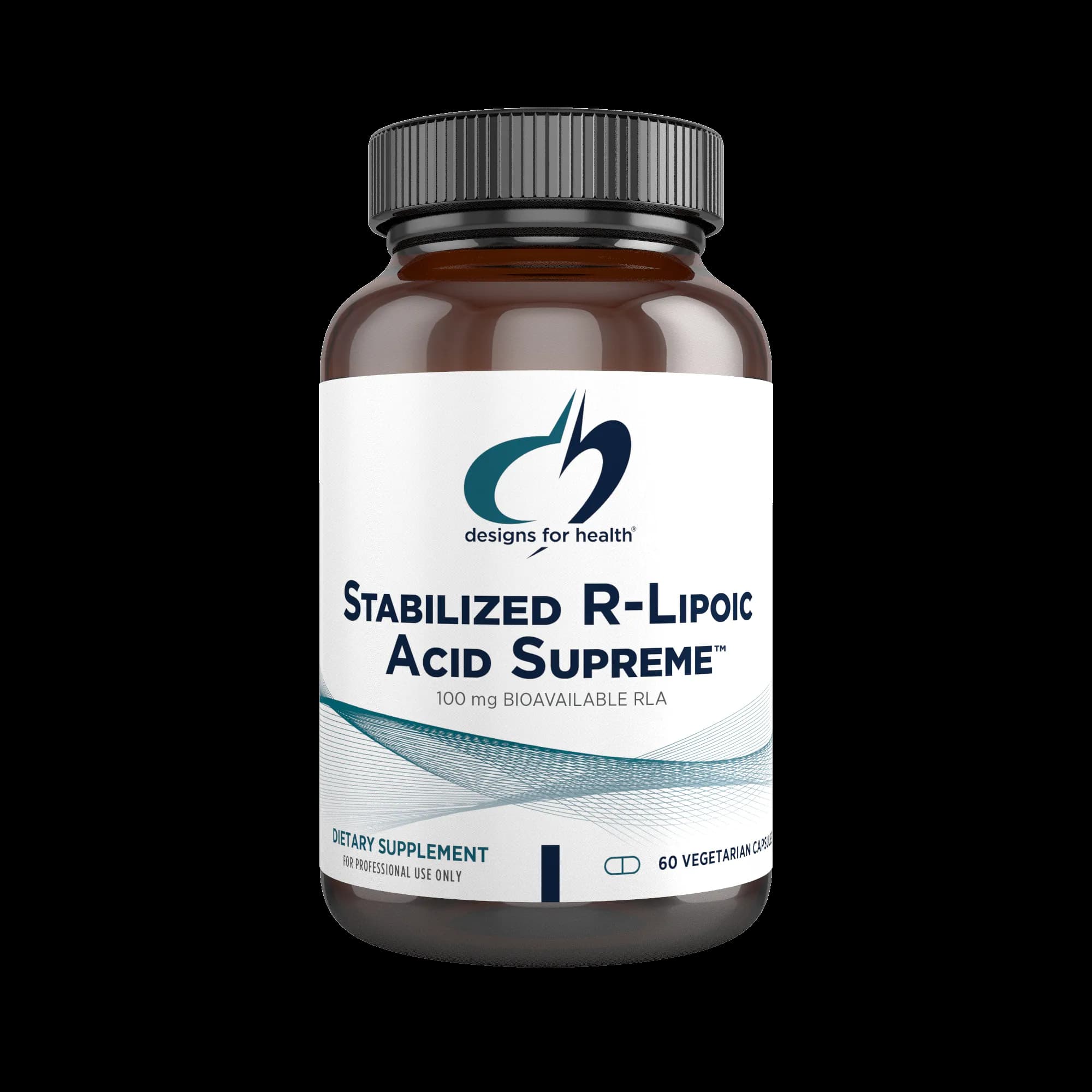
In the search for targeted, science-backed interventions, two specific molecules have taken center stage in recent clinical research: R-lipoic acid and taurine. When combined in formulations like Stabilized R-Lipoic Acid Supreme, these compounds offer a multi-targeted approach to addressing the root cellular dysfunctions seen in complex chronic illnesses. By supporting mitochondrial energy production, neutralizing systemic oxidative stress, and promoting a healthy inflammatory response, this specific combination of nutrients provides a promising avenue for patients looking to reclaim their metabolic health. In this comprehensive guide, we will explore the intricate biological mechanisms behind Stabilized R-Lipoic Acid Supreme and examine how it may support individuals navigating Long COVID, myalgic encephalomyelitis/chronic fatigue syndrome (ME/CFS), and dysautonomia.
TL;DR
R-lipoic acid and taurine may support mitochondrial function and cellular energy in chronic conditions.
These compounds help neutralize oxidative stress and promote a healthy inflammatory response.
Stabilized sodium R-lipoate offers improved stability and bioavailability compared to standard unstabilized forms.
Always consult a healthcare provider before starting new supplements, especially if taking metabolic medications.
What is Stabilized R-Lipoic Acid Supreme?
The Biological Role of R-Lipoic Acid
To understand the profound impact of Stabilized R-Lipoic Acid Supreme, we must first explore the natural function of its primary ingredient: alpha-lipoic acid (ALA). In a healthy body, ALA is a sulfur-containing fatty acid that functions as a vital coenzyme for cellular energy production and serves as one of the most potent broad-spectrum antioxidants known to human biology. However, commercially available ALA supplements are typically a "racemic mixture," meaning they contain a 50/50 split of two optical isomers: S-lipoic acid (a synthetic byproduct) and R-lipoic acid. R-lipoic acid (RLA) is the naturally occurring, biologically active enantiomer synthesized by plants, animals, and the human body. It is this specific "R" form that seamlessly binds to mitochondrial enzymes to facilitate life-sustaining biochemical reactions.
At the molecular level, R-lipoic acid is an absolute requirement for the function of five distinct mitochondrial multienzyme complexes. Most notably, it acts as an essential cofactor for the pyruvate dehydrogenase complex (PDC) and the alpha-ketoglutarate dehydrogenase complex. These enzymes act as the critical gatekeepers of the Krebs cycle (also known as the citric acid cycle), the primary metabolic pathway that converts the carbohydrates and fats we consume into adenosine triphosphate (ATP), the universal energy currency of our cells. Without adequate R-lipoic acid, the Krebs cycle stalls, pyruvate builds up and converts into lactic acid, and the cell experiences a profound energy crisis. By keeping these enzymatic pathways unblocked, R-lipoic acid ensures a steady, efficient flow of electrons through the mitochondrial respiratory chain.
Beyond energy production, R-lipoic acid operates through a highly sophisticated "energy-redox axis." It exists in a dynamic equilibrium with its reduced form, R-dihydrolipoic acid (R-DHLA). Together, this redox couple possesses a highly potent standard reduction potential, allowing it to neutralize a vast array of reactive oxygen species (ROS). Uniquely, because R-lipoic acid is both water-soluble and fat-soluble, it can freely traverse lipid-rich cellular membranes, enter the aqueous environment of the cytoplasm, and even cross the highly selective blood-brain barrier. This allows it to exert its protective effects in virtually every tissue compartment in the human body, shielding delicate cellular machinery from oxidative degradation.
Taurine: The Cellular Protector
The second critical component of Stabilized R-Lipoic Acid Supreme is taurine, formally known as 2-aminoethanesulfonic acid. Taurine is a conditionally essential, sulfur-containing amino acid found in exceptionally high concentrations in mammalian tissues, particularly in the brain, heart, retina, and skeletal muscle. Unlike other well-known amino acids, taurine is not utilized as a building block for protein synthesis. Instead, it remains free in the intracellular fluid, where it plays an indispensable role in cellular protection, osmoregulation (maintaining proper fluid balance), and metabolic homeostasis. For decades, taurine was primarily associated with cardiovascular health, but recent research has unveiled its profound importance in neurological and mitochondrial function.
Taurine's protective mechanisms are multifaceted and highly targeted. One of its primary roles is regulating the flow of calcium ions ($Ca^{2+}$) into and out of the mitochondria via the mitochondrial uniporter. Calcium signaling is crucial for activating energy-producing enzymes, but an excessive influx of calcium can trigger mitochondrial swelling, rupture, and cell death. Taurine acts as a biological buffer, preventing mitochondrial calcium overload and preserving the delicate electrochemical gradient (membrane potential) required for ATP synthesis.
Furthermore, taurine is a master regulator of the body's immune response to cellular damage. When the immune system's neutrophils respond to an infection or injury, they release hypochlorous acid (HOCl)—a highly toxic, bleach-like compound designed to destroy pathogens. While effective against invaders, excessive HOCl causes severe collateral damage to surrounding healthy tissues. Taurine directly reacts with this toxic compound to form taurine chloramine, a significantly less toxic molecule that actively exerts powerful anti-inflammatory effects by inhibiting the NF-κB signaling pathway. This unique mechanism allows taurine to calm hyperactive immune responses and protect tissues from chronic, low-grade inflammation.
The Synergy of RLA and Taurine
The combination of R-lipoic acid and taurine in a single formulation is not coincidental; these two molecules exhibit profound biochemical synergy, particularly regarding glucose metabolism and antioxidant defense. While R-lipoic acid works directly within the mitochondria to drive the Krebs cycle and recycle other antioxidants, taurine acts as a structural stabilizer and immune modulator in the surrounding cellular environment. Together, they provide comprehensive, full-spectrum support for cellular health. This synergy is particularly relevant for individuals dealing with complex chronic illnesses, where multiple physiological systems—including energy production, immune regulation, and autonomic nervous system function—are simultaneously compromised.
In the context of glucose metabolism, both compounds work in tandem to promote healthy insulin sensitivity and cellular glucose uptake. R-lipoic acid directly activates AMP-activated protein kinase (AMPK), the body's master metabolic switch, which triggers the translocation of glucose transporters to the cell surface. Simultaneously, taurine enhances the insulin signaling cascade by increasing the tyrosine phosphorylation of the insulin receptor, allowing cells to absorb glucose from the blood more efficiently. By combining these two potent metabolic regulators, Stabilized R-Lipoic Acid Supreme offers a highly effective strategy for maintaining metabolic homeostasis and ensuring that cells have the fuel they need to repair and thrive.
How Long COVID and ME/CFS Impact Cellular Energy
Viral Infection and Mitochondrial Dysfunction
To understand why Stabilized R-Lipoic Acid Supreme is so relevant to the chronic illness community, we must examine the physiological devastation caused by what causes Long COVID and ME/CFS. While the exact triggers of these conditions are still being intensely studied, a prevailing scientific consensus points to acquired mitochondrial dysfunction as a central driver of symptoms. When a virus like SARS-CoV-2 enters the body, it can hijack the host's cellular machinery, directly damaging mitochondrial structures and altering metabolic pathways. Recent biomarker studies have revealed that Long COVID patients often exhibit swollen mitochondria with disrupted cristae (the inner folds where energy production occurs), indicating a severe imbalance in mitochondrial fusion and fission processes.
This structural damage translates directly into functional failure. In patients with ME/CFS and Long COVID, the electron transport chain becomes highly inefficient, struggling to convert substrates into ATP. Instead of producing abundant energy, the damaged mitochondria enter a state of metabolic gridlock. This bioenergetic failure is the physiological root of post-exertional malaise (PEM), a hallmark symptom where even minor physical or cognitive exertion triggers a disproportionate and debilitating crash in energy. The body simply cannot generate the ATP required to meet the demands of the exertion, leading to a cascade of systemic exhaustion, muscle pain, and neurological dysfunction.
The Oxidative Stress Vicious Cycle
When mitochondria become dysfunctional, they don't just stop producing energy; they actively become sources of harm. Inefficient electron transport chains "leak" electrons, which prematurely react with oxygen to form massive amounts of reactive oxygen species (ROS), such as superoxide radicals. This creates a state of severe, unremitting oxidative stress. In a healthy body, endogenous antioxidants like glutathione would neutralize these free radicals. However, the sheer volume of ROS generated in Long COVID and ME/CFS rapidly depletes the body's natural antioxidant reserves. This depletion leaves cellular membranes, proteins, and DNA highly vulnerable to oxidative damage, a process known as lipid peroxidation.
This oxidative stress creates a vicious, self-perpetuating cycle. The free radicals damage the mitochondrial membranes and the delicate mitochondrial DNA (mtDNA), further impairing their ability to produce energy and causing them to leak even more ROS. Furthermore, this systemic oxidative stress triggers chronic neuroinflammation, as the immune cells in the brain (microglia) become hyperactivated. This neuroinflammatory state is strongly linked to the severe cognitive impairment, or "brain fog," that so many patients experience. Breaking this cycle requires potent, membrane-permeable antioxidants that can penetrate the mitochondria and neutralize the threat at its source.
Metabolic Derangement and Taurine Depletion
The metabolic derangement seen in post-viral syndromes extends beyond the mitochondria, profoundly impacting the body's circulating amino acid profiles. A breakthrough 2023 study published in Cell Reports Medicine by researchers at the University of Alberta utilized machine learning to analyze the metabolomes of hospitalized COVID-19 patients. They discovered that plasma taurine depletion was the most striking predictor of Long COVID severity. Patients with significantly lower levels of taurine experienced far more persistent symptoms, including severe fatigue and muscle pain, and had higher markers of systemic inflammation. Conversely, those who maintained healthy taurine levels experienced much better clinical recoveries.
This taurine depletion is particularly devastating for patients who develop dysautonomia, including postural orthostatic tachycardia syndrome (POTS), a frequent comorbidity of Long COVID. The autonomic nervous system relies on precise electrolyte balances and neurotransmitter regulation to control heart rate and blood pressure. Because taurine acts as an inhibitory neuromodulator that calms the sympathetic nervous system (the "fight or flight" response) and regulates cellular hydration, its absence leaves the autonomic nervous system highly unstable. This instability contributes to the rapid heart rates, palpitations, and orthostatic intolerance that characterize POTS, making the restoration of taurine levels a critical therapeutic target.
Stabilized R-Lipoic Acid Supreme: Supporting Cellular Recovery
Unblocking the Mitochondrial Krebs Cycle
Stabilized R-Lipoic Acid Supreme offers a targeted mechanism of action to address the profound bioenergetic failures seen in post-viral syndromes. At the core of its therapeutic potential is its ability to unblock the stalled mitochondrial Krebs cycle. In patients with symptoms of Long COVID and ME/CFS, the pyruvate dehydrogenase complex (PDC) is often suppressed by chronic inflammation and oxidative stress. R-lipoic acid acts as a direct, essential cofactor for the PDC, effectively forcing the enzyme back into its active state. By doing so, R-lipoic acid accelerates the conversion of pyruvate to acetyl-CoA, restoring the flow of metabolic substrates into the Krebs cycle and kickstarting the production of ATP.
Furthermore, R-lipoic acid exerts a powerful influence on cellular energy sensing by activating AMP-activated protein kinase (AMPK). AMPK is often described as the master metabolic regulator of the cell; when activated, it signals the cell to stop storing energy and start burning it. By activating AMPK in skeletal muscle and adipocytes, R-lipoic acid triggers the translocation of GLUT4 glucose transporters from the interior of the cell to the plasma membrane. This facilitates rapid, insulin-independent glucose uptake, ensuring that the struggling mitochondria have a continuous supply of fuel to generate the energy required to combat debilitating fatigue and post-exertional crashes.
Master Antioxidant Regeneration via the Nrf2 Pathway
While R-lipoic acid can directly scavenge free radicals, its most profound antioxidant mechanism is indirect. R-lipoic acid acts as a mild, beneficial biological stressor that triggers the body's endogenous oxidative stress response via the Nrf2 signaling pathway. When activated, the Nrf2 transcription factor travels to the cell nucleus and induces the expression of Phase II detoxification enzymes, such as heme oxygenase-1 (HMOX1). This genomic upregulation equips the cell with a robust, long-lasting defense mechanism against the massive influx of reactive oxygen species generated by dysfunctional mitochondria, helping to break the vicious cycle of oxidative damage.
Additionally, the R-lipoic acid/R-DHLA redox couple acts as the ultimate antioxidant recycler. In the battle against oxidative stress, antioxidants like Vitamin C, Vitamin E, and Coenzyme Q10 become oxidized and depleted. R-DHLA has the unique chemical ability to donate electrons to these depleted molecules, regenerating them back into their active, protective states. Furthermore, R-lipoic acid enhances the cellular uptake of cystine, which directly stimulates the de novo synthesis of intracellular glutathione—the body's master antioxidant. By restoring glutathione levels, Stabilized R-Lipoic Acid Supreme helps clear the neuroinflammation that drives cognitive dysfunction and brain fog.
Regulating Autonomic Function and Insulin Sensitivity
The taurine component of Stabilized R-Lipoic Acid Supreme provides critical support for the autonomic nervous system and metabolic homeostasis. In patients dealing with dysautonomia and POTS, the sympathetic nervous system is often locked in a state of hyperactivation, leading to adrenaline surges, tremors, and tachycardia. However, taurine is widely recognized in other literature for helping to smooth out autonomic spikes, reducing the sensory overstimulation and cardiovascular volatility that make daily life with dysautonomia so challenging.
Metabolically, taurine plays a fundamental role in maintaining glucose homeostasis and promoting a healthy inflammatory response. It enhances glucose-stimulated insulin secretion (GSIS) in the pancreas by improving the ATP/ADP ratio in beta-cells, while simultaneously amplifying the insulin signaling cascade in peripheral tissues like skeletal muscle. This dual action ensures that glucose is efficiently cleared from the bloodstream and delivered to the cells that desperately need energy. Furthermore, by directly scavenging toxic hypochlorous acid (HOCl) produced by hyperactive immune cells, taurine drastically reduces systemic inflammation, protecting delicate endothelial tissues and supporting overall cardiovascular health.

Symptoms Stabilized R-Lipoic Acid Supreme May Help Manage
Targeting Post-Viral Fatigue and PEM
Based on its mechanisms of action and clinical research, Stabilized R-Lipoic Acid Supreme targets several core symptoms of complex chronic illness. By addressing mitochondrial dysfunction and oxidative stress at the cellular level, this supplement combination may help manage the following symptoms:
Post-Exertional Malaise (PEM): By acting as a critical cofactor for the pyruvate dehydrogenase complex and unblocking the Krebs cycle, R-lipoic acid helps restore the cellular ATP production necessary to meet physical and cognitive demands, potentially reducing the severity and duration of post-exertional crashes.
Profound, Unrelenting Fatigue: The synergistic activation of AMPK by R-lipoic acid and the mitochondrial stabilization provided by taurine ensure that skeletal muscles receive and efficiently utilize glucose, directly combating the deep, cellular exhaustion characteristic of ME/CFS and Long COVID.
Muscle Pain and Weakness: By neutralizing the massive amounts of reactive oxygen species (ROS) that cause lipid peroxidation in muscle tissues, and by clearing lactic acid buildup, this formulation helps alleviate the chronic myalgia and heavy-limb sensation frequently reported by patients.
Addressing Brain Fog and Neuropathy
The neurological symptoms of post-viral syndromes are often the most distressing. Because R-lipoic acid can cross the blood-brain barrier, it offers targeted support for the central and peripheral nervous systems:
Cognitive Dysfunction (Brain Fog): By upregulating the Nrf2 pathway and stimulating the synthesis of intracellular glutathione, R-lipoic acid helps clear the neuroinflammation and microglial activation in the brain that disrupt memory, focus, and executive function.
Peripheral Neuropathy and Nerve Pain: R-lipoic acid is widely utilized in clinical settings to protect peripheral nerves from oxidative damage and improve nerve conduction velocity, helping to reduce the burning, tingling, and numbness associated with small-fiber neuropathy.
Supporting Dysautonomia and Cardiovascular Health
The inclusion of taurine provides specific, targeted relief for the autonomic and cardiovascular symptoms that frequently accompany post-viral illnesses:
Heart Palpitations and Tachycardia: Taurine acts as an inhibitory neuromodulator that calms the overactive sympathetic nervous system, while also regulating cellular calcium and magnesium flow, helping to stabilize the heart rhythm and reduce the adrenaline surges seen in POTS.
Orthostatic Intolerance: By supporting healthy endothelial function, regulating vascular tone, and assisting in cellular osmoregulation (fluid balance), taurine helps the cardiovascular system adapt more efficiently to changes in posture, mitigating dizziness and pre-syncope.
Systemic Inflammation: Taurine's unique ability to directly scavenge toxic hypochlorous acid (HOCl) produced by hyperactive neutrophils helps calm the chronic, low-grade immune activation that drives systemic symptoms in conditions like mast cell activation syndrome (MCAS).
Practical Considerations: Forms, Dosing, and Absorption
The Bioavailability Advantage of Bio-Enhanced RLA
When considering supplementation, the form of the nutrient is just as critical as the dosage. Standard, unstabilized R-lipoic acid presents significant pharmacokinetic challenges. It has poor aqueous solubility and is highly sensitive to the low-pH (acidic) environment of the human stomach. When standard RLA contacts stomach acid, it rapidly polymerizes into a sticky, rubbery mass, severely limiting its absorption. Because of this gastric degradation and significant hepatic first-pass metabolism, less than 10% to 30% of unstabilized RLA typically reaches the systemic circulation, often failing to achieve the plasma concentrations necessary for therapeutic neuroprotective effects.
Stabilized R-Lipoic Acid Supreme overcomes this hurdle by utilizing Bio-Enhanced® RLA, a structurally stabilized sodium salt form known as Sodium R-Lipoate (Na-R-ALA). By salifying the RLA into a sodium salt, the molecule becomes completely water-soluble and resistant to gastric polymerization. Clinical pharmacokinetic studies have demonstrated the advantages of this form. A study revealed that converting RLA to its sodium salt (NaRLA) improved its stability and bioavailability compared to unstabilized RLA. This enhanced bioavailability helps ensure that therapeutic levels of the active compound can reach the struggling mitochondria.
Optimal Timing and Absorption Tips
To maximize the efficacy of Stabilized R-Lipoic Acid Supreme, proper timing and administration are essential. Clinically, R-lipoic acid absorbs most efficiently on an empty stomach. It is generally recommended to take the supplement 30 to 45 minutes before a meal, or two hours after eating, accompanied by a full glass of water. Because the Bio-Enhanced® Na-R-ALA form reaches peak plasma concentration very rapidly, taking it on an empty stomach ensures that it bypasses potential binding interactions with dietary proteins and fats, allowing for a rapid, unimpeded surge of the antioxidant into the bloodstream.
However, it is important to note that R-lipoic acid, even in its stabilized form, can occasionally cause mild gastrointestinal distress, nausea, or acid reflux in sensitive individuals. If taking the supplement on an empty stomach causes intolerable nausea, it is perfectly acceptable to take it with a small, low-fat snack. While taking it with food may slightly blunt the peak absorption curve (reducing Cmax by roughly 20-30%), consistent daily dosing will still allow the compound to accumulate in tissues and exert its powerful metabolic and antioxidant effects over time. Patients often find that splitting the dosage or taking it with a light carbohydrate snack mitigates any GI discomfort.
Potential Interactions and Safety Precautions
While both R-lipoic acid and taurine are generally recognized as highly safe and well-tolerated, their potent physiological effects require specific precautions, particularly regarding metabolic medications. Because both compounds are powerful insulin sensitizers and glucose-lowering agents, they can significantly enhance the cellular uptake of blood sugar. If combined with prescription anti-diabetic medications (such as Metformin, sulfonylureas, or exogenous insulin), blood glucose levels can drop too low, leading to hypoglycemia. Patients taking blood sugar-lowering medications must monitor their glucose levels closely and consult their prescribing physician, as medication dosages may need to be adjusted.
Additionally, patients managing dysautonomia or POTS should be aware of taurine's cardiovascular effects. Taurine has a distinct, natural blood-pressure-lowering (hypotensive) effect, as it helps blood vessels relax and acts as a mild osmotic diuretic. While this is highly beneficial for individuals with hypertension, POTS patients who already suffer from chronically low blood pressure (hypotension) or hypovolemia should approach taurine supplementation with caution. If combined with pharmaceutical antihypertensive drugs (like beta-blockers or clonidine), it could hypothetically cause blood pressure to drop too low, exacerbating dizziness or orthostatic intolerance. Always initiate new supplements under the guidance of a healthcare provider familiar with your specific autonomic profile.

Follow the Science: Clinical Trials and Research
The Requpero Study on Long COVID and ME/CFS
Breakthrough Discoveries in Taurine and Post-Viral Illness
Simultaneously, taurine has emerged as a critical focal point in Long COVID research. Following the breakthrough 2023 University of Alberta study identifying profound taurine depletion in severe COVID-19 survivors, major clinical trials have been mobilized. The Canadian Institutes of Health Research (CIHR) is currently supporting the RECLAIM trial, a large-scale Phase 3 clinical study administering taurine supplements to 300 Long COVID patients. The goal is to determine if restoring plasma taurine levels can definitively improve clinical recovery, neurocognitive symptoms, and microbiome health. These ongoing trials highlight the shifting scientific consensus that taurine is not just a standard nutrient, but a vital metabolic factor that becomes critically exhausted during chronic viral immune responses.
Furthermore, researchers are specifically investigating taurine's impact on the autonomic nervous system in post-viral patients. A clinical trial led by York University is currently exploring taurine's effect on vascular function and orthostatic intolerance in Long COVID patients. By assessing heart and brain responses using advanced ultrasound technology while patients undergo postural changes, researchers aim to quantify how taurine supplementation stabilizes the dysregulated blood flow and autonomic hyperactivation that drive POTS and dysautonomia symptoms. This targeted research validates the experiences of countless patients who have utilized taurine to manage their rapid heart rates and sensory overstimulation.
Clinical Evidence for Metabolic and Neurological Health
Similarly, R-lipoic acid continues to demonstrate profound neuroprotective capabilities in rigorous clinical settings. Recent Phase 2B clinical trials investigating high-dose lipoic acid for Progressive Multiple Sclerosis have shown its potential to preserve brain volume and slow neurodegenerative atrophy. Furthermore, decades of clinical data support its use in reversing diabetic peripheral neuropathy, with studies showing that it significantly improves nerve conduction velocity and reduces neuropathic pain scores. Together, the clinical literature paints a clear picture: the combination of R-lipoic acid and taurine provides evidence-based, highly effective support for mitochondrial, metabolic, and neurological health.
The Path Forward
Validating the Chronic Illness Journey
Living with a complex chronic condition like Long COVID, ME/CFS, or dysautonomia is an incredibly challenging and often isolating experience. The profound fatigue, unpredictable cognitive impairment, and autonomic instability are largely invisible to the outside world, yet they dictate every aspect of daily life. If you are struggling to find the energy to complete basic tasks, or if you are constantly battling the neurological fallout of a post-exertional crash, your experience is valid, and your symptoms are rooted in real, measurable physiological dysfunction. The emerging research on mitochondrial failure and metabolic depletion confirms what patients have known all along: this is a systemic, biological crisis, not a psychological one.
While the scientific community is making rapid strides in understanding what drugs are used for COVID long haulers and how to target these cellular mechanisms, it is important to acknowledge that there are no overnight miracle cures for complex post-viral illnesses. Healing requires patience, persistence, and a multi-faceted approach. Supplements like Stabilized R-Lipoic Acid Supreme are not standalone fixes, but rather powerful tools designed to correct specific biochemical roadblocks. By providing your cells with the precise cofactors and antioxidants they need to restart the Krebs cycle and neutralize neuroinflammation, you are laying a critical foundation for long-term metabolic recovery.
A Comprehensive Management Strategy
To maximize the benefits of targeted supplementation, it must be integrated into a comprehensive, individualized management strategy. For patients dealing with ME/CFS and Long COVID, strict pacing is absolutely essential. Supplements can help raise your baseline energy envelope, but pushing past that envelope will still trigger the oxidative stress and mitochondrial damage that cause a PEM crash. Utilizing symptom tracking and heart rate monitoring can help you objectively measure your energy expenditure and ensure you are staying within your safe limits while your cellular machinery slowly repairs itself.
Furthermore, managing dysautonomia requires dedicated lifestyle interventions alongside metabolic support. While taurine helps stabilize the autonomic nervous system, patients with POTS must continue to prioritize adequate hydration, sodium loading (if recommended by their doctor), and the use of compression garments to manage blood volume and orthostatic intolerance. Because complex chronic illnesses affect every system in the body, it is crucial to work collaboratively with a knowledgeable healthcare provider who understands the intricacies of can Long COVID trigger ME/CFS and can help you tailor your treatment protocol, monitor for potential medication interactions, and adjust dosages as your body's needs evolve.
Next Steps in Your Healing Process
If you are ready to target the mitochondrial dysfunction and oxidative stress driving your symptoms, Stabilized R-Lipoic Acid Supreme offers a science-backed, highly bioavailable formulation to support your cellular recovery. By combining the Krebs cycle-unblocking power of Bio-Enhanced® R-Lipoic Acid with the autonomic and metabolic stabilization of taurine, this supplement provides comprehensive support for your brain, heart, and energy systems. Always consult with your healthcare provider before beginning any new supplement regimen, especially if you are taking blood sugar or blood pressure medications.
Sources
Novel biomarkers of mitochondrial dysfunction in Long COVID patients
Taurine supplementation modulates glucose homeostasis and islet function
Postural orthostatic tachycardia syndrome: the Mayo clinic experience
Is postural orthostatic tachycardia syndrome (POTS) a central nervous system disorder?
RECLAIM Trial: Canadian Institutes of Health Research on Taurine and Long COVID
Possible Application of Melatonin and Antioxidants in Long COVID