Can CoQ10 and PQQ Support Cellular Energy in Long COVID and ME/CFS?
March 5, 2026
CoQ10PQQLong COVID
Share:
Disclaimer: The information provided here is for educational purposes only and is not intended as medical advice. It should not be used to diagnose, treat, cure, or prevent any medical condition. Instead, use it as a starting point for discussion with your healthcare provider. Always consult with a qualified healthcare provider before starting any new medication, supplement, device, or making changes to your health regimen.
Living with complex, chronic conditions like Long COVID, myalgic encephalomyelitis/chronic fatigue syndrome (ME/CFS), and dysautonomia often feels like running a marathon with an empty gas tank. You might wake up feeling just as exhausted as when you went to sleep, struggling through brain fog that makes simple tasks feel monumental. This profound, debilitating lack of energy is not just "tiredness"—it is a physiological crisis occurring at the deepest cellular level. When your cells cannot produce enough energy to meet your body's demands, every system, from your brain to your heart, begins to struggle.
In the search for validating, science-backed management strategies, researchers have increasingly focused on the health of our mitochondria, the microscopic power plants inside our cells. Two compounds, Coenzyme Q10 (CoQ10) and Pyrroloquinoline Quinone (PQQ), have emerged as a powerful, synergistic combination for supporting mitochondrial function, cognitive health, and cardiovascular wellness. By understanding how these nutrients work together to rebuild and fuel our cellular engines, patients and caregivers can make informed decisions about integrating targeted supplements into their comprehensive care plans.
TL;DR
CoQ10 and PQQ work together to support cellular energy and build new mitochondria.
Chronic conditions like Long COVID and ME/CFS can deplete mitochondrial function and energy reserves.
Sustained-release CoQ10 with PQQ may help manage fatigue, brain fog, and autonomic challenges.
Always consult your healthcare provider before starting new supplements to ensure they fit your care plan.
What are CoQ10 and PQQ?
Coenzyme Q10 and the Cellular Power Plant
Coenzyme Q10 (CoQ10), also known as ubiquinone, is a fat-soluble, vitamin-like compound that is naturally synthesized in the human body and is present in virtually all cellular membranes. It is found in the highest concentrations in organs that demand massive amounts of energy, such as the heart, liver, kidneys, and skeletal muscles. At a molecular level, CoQ10 is an indispensable cofactor in the mitochondrial respiratory chain, also known as the electron transport chain (ETC). This microscopic assembly line is responsible for generating adenosine triphosphate (ATP), the primary energy currency that powers every biological process in your body, from a single heartbeat to complex cognitive thoughts. Research detailed by the Linus Pauling Institute highlights its essential nature in cellular survival.
The mechanism of action for CoQ10 in the electron transport chain relies on its unique ability to exist in three distinct oxidation states: the fully oxidized form (ubiquinone), the radical intermediate (semiquinone), and the fully reduced, active antioxidant form (ubiquinol). Located deep within the inner mitochondrial membrane, CoQ10 acts as a highly mobile, lipid-soluble electron shuttle. It accepts electrons from reducing equivalents generated during the metabolism of glucose and fatty acids—specifically receiving them from Complex I (NADH dehydrogenase) and Complex II (succinate dehydrogenase). Once it accepts these electrons, it is reduced to ubiquinol and rapidly shuttles them to Complex III (cytochrome bc1 complex).
As CoQ10 transfers these electrons, it simultaneously facilitates the active pumping of positively charged protons from the mitochondrial matrix into the intermembrane space. This accumulation of protons creates a powerful electrochemical gradient, often referred to as a proton motive force. When these protons flow back into the matrix through an enzyme called ATP synthase (Complex V), the kinetic energy generated is used to convert adenosine diphosphate (ADP) into ATP. Without sufficient CoQ10, this entire energy-producing assembly line grinds to a halt, leading to cellular starvation and profound systemic fatigue.
PQQ: The Architect of Mitochondrial Biogenesis
Pyrroloquinoline quinone (PQQ) is a naturally occurring, highly redox-active compound found in trace amounts in foods like kiwi, spinach, and human breast milk. Originally discovered as an enzyme cofactor in bacteria, PQQ is now widely recognized for its profound effects on mammalian cellular metabolism. While CoQ10 acts as the fuel and shuttle within existing mitochondria, PQQ acts as the master architect, stimulating a biological process known as mitochondrial biogenesis—the creation of brand new, healthy mitochondria within aging or damaged cells. According to research published in the Journal of Biological Chemistry, PQQ is uniquely capable of reversing cellular energy decline by expanding the cellular power grid.
PQQ exerts its biogenic effects by activating critical cellular signaling pathways. It begins by phosphorylating the cAMP response element-binding protein (CREB) at a specific site (serine 133). This activation triggers the promoter of PGC-1α (peroxisome proliferator-activated receptor-gamma coactivator 1-alpha), which acts as the master regulatory gene for mitochondrial biogenesis. The upregulation of PGC-1α subsequently increases the expression of nuclear respiratory factors (NRF-1 and NRF-2) and mitochondrial transcription factor A (TFAM). This complex cascade of genetic signaling directly leads to the replication of mitochondrial DNA and the physical construction of new mitochondria, effectively increasing the cell's overall capacity to generate energy.
Beyond building new mitochondria, PQQ is an exceptionally potent water-soluble antioxidant and neuroprotectant. It is capable of undergoing continuous oxidation and reduction cycles, making it highly efficient at neutralizing reactive oxygen species (ROS) before they can damage delicate cellular structures. PQQ also modulates critical inflammation regulators, including the NF-κB and MAPK pathways. By inhibiting NF-κB activation, PQQ significantly decreases the production of pro-inflammatory cytokines such as IL-6 and TNF-α, protecting neurons against oxidative neurotoxicity and enhancing the expression of Nerve Growth Factor (NGF), which is essential for the maintenance and survival of brain cells.
A Synergistic Partnership for Cellular Health
When combined, CoQ10 and PQQ form a highly sophisticated, synergistic partnership that addresses cellular energy production from multiple angles. You can think of PQQ as the construction crew that builds new, highly efficient power plants (mitochondria) across your cellular landscape. Meanwhile, CoQ10 acts as the high-octane fuel and the protective maintenance crew that keeps these new power plants running at peak efficiency. This dual-action approach ensures that the body not only has more biological machinery to produce energy but that the machinery is fully supplied with the necessary cofactors to operate without stalling.
This synergy is particularly crucial when combating severe oxidative stress. While PQQ operates as a water-soluble antioxidant protecting the internal mitochondrial DNA and aqueous cellular environments, CoQ10 operates as a lipophilic (fat-soluble) antioxidant. In its reduced ubiquinol form, CoQ10 directly scavenges free radicals within the lipid-rich outer membranes of the mitochondria, preventing a destructive process called lipid peroxidation. Together, they create a comprehensive shield that protects the cell from the inside out, making the combination highly relevant for complex chronic illnesses characterized by systemic inflammation and energy deficits.
How Chronic Illness Impacts Mitochondrial Function
The Viral Disruption of Energy Pathways in Long COVID
In the wake of the COVID-19 pandemic, researchers have worked tirelessly to understand What Causes Long COVID?. A leading theory centers on profound mitochondrial dysfunction. When the SARS-CoV-2 virus enters the body, it can hijack the host's cellular machinery, specifically targeting the mitochondria to manipulate energy production for viral replication. This hostile takeover disrupts the electron transport chain, leading to a loss of mitochondrial membrane potential and a drastic reduction in ATP synthesis. Even after the acute infection clears, the mitochondria may remain in a damaged, dysfunctional state, unable to meet the energy demands of daily life.
This persistent mitochondrial impairment creates a vicious cycle of oxidative stress and systemic inflammation. Because the damaged electron transport chain is inefficient, it "leaks" electrons, which interact with oxygen to form massive amounts of reactive oxygen species (ROS). This oxidative stress further damages the mitochondrial DNA and lipid membranes, leading to even less energy production and more inflammation. For patients, this microscopic crisis translates into the debilitating, whole-body fatigue and brain fog that are hallmark symptoms of Long COVID, leaving them feeling as though their batteries can never fully recharge.
Furthermore, the chronic immune activation seen in Long COVID continuously drains the body's energy reserves. The immune system requires massive amounts of ATP to sustain its defense mechanisms. When the mitochondria are compromised, the body is forced to prioritize basic survival functions over physical exertion or cognitive processing. This energy rationing is a primary driver of post-exertional malaise (PEM), where even minor physical or mental tasks trigger severe symptom exacerbations, commonly referred to as "crashes."
Oxidative Stress and CoQ10 Depletion in ME/CFS
The connection between viral infections and chronic energy deficits is not new; it is a well-documented phenomenon in myalgic encephalomyelitis/chronic fatigue syndrome (ME/CFS). Many patients wonder, Can Long COVID Trigger ME/CFS? Unraveling the Connection, and the clinical overlap is undeniable. Research has shown that ME/CFS is characterized by severe disorders in inflammatory, oxidative, and nitrosative (IO&NS) pathways. These hyperactive pathways consume vast amounts of endogenous antioxidants, rapidly depleting the body's natural stores of essential nutrients, including CoQ10.
A landmark 2009 study by Maes et al. identified a significant deficiency of CoQ10 in patients with ME/CFS. The researchers found that lower plasma levels of CoQ10 were directly correlated with increased severity of fatigue, autonomic dysfunction, and neurocognitive symptoms. The depletion of this critical electron shuttle means that the mitochondria literally lack the biochemical tools required to convert food into usable ATP. This deficiency is not merely a byproduct of the illness; it actively contributes to the pathophysiology of ME/CFS, perpetuating the cycle of profound exhaustion and cellular starvation.
The persistent oxidative stress in ME/CFS also damages the structural integrity of the mitochondria. Lipid peroxidation degrades the inner mitochondrial membrane, where the electron transport chain is housed. As the membrane loses its structural integrity, the proton gradient required for ATP synthesis dissipates. Without sufficient CoQ10 to neutralize the free radicals and protect these membranes, the mitochondria become increasingly fragmented and dysfunctional, further cementing the chronic nature of the illness and highlighting the critical need for targeted mitochondrial support.
The Autonomic Toll of Dysautonomia and POTS
Dysautonomia, particularly Postural Orthostatic Tachycardia Syndrome (POTS), places an immense, hidden energy burden on the body. In a healthy individual, the autonomic nervous system seamlessly regulates heart rate, blood pressure, and blood vessel constriction. However, in dysautonomia, these automatic processes become uncoordinated. When a patient with POTS stands up, blood pools in the lower extremities, and the sympathetic nervous system goes into overdrive, releasing massive amounts of adrenaline and norepinephrine to force the heart to beat faster in a desperate attempt to pump blood back to the brain.
This constant state of sympathetic overdrive—essentially living in a perpetual "fight or flight" response—requires a staggering amount of cellular energy. The heart muscle, which relies almost entirely on mitochondrial ATP to sustain its continuous contractions, is forced to work overtime. This relentless demand rapidly depletes cardiac and systemic CoQ10 stores. While learning How Can You Live with Long-Term COVID and comorbid POTS, patients often find that this autonomic exhaustion leads to profound secondary fatigue, exercise intolerance, and a heavy, weighted feeling in the limbs.
Moreover, the brain is highly sensitive to the fluctuating blood flow and oxygen delivery characteristic of dysautonomia. When cerebral hypoperfusion (reduced blood flow to the brain) occurs, brain cells face an immediate energy crisis. The neurons struggle to maintain their synaptic connections and process information, resulting in the severe cognitive impairment commonly known as brain fog. Supporting the mitochondrial health of both cardiac and neural tissues is therefore a critical component of managing the complex, overlapping symptoms of dysautonomia and post-viral syndromes.
SR-CoQ10 with PQQ: Supporting Cellular Recovery
Restoring the Electron Transport Chain
Supplementing with a high-quality, sustained-release form of CoQ10 directly addresses the biochemical bottlenecks occurring within dysfunctional mitochondria. By replenishing the cellular CoQ10 pool, the supplement ensures that there are enough highly mobile electron shuttles available in the inner mitochondrial membrane. This restoration allows Complex I and Complex II of the electron transport chain to efficiently offload their electrons, preventing the "traffic jam" that leads to electron leakage and subsequent free radical generation.
As the flow of electrons is restored, the electron transport chain can once again effectively pump protons into the intermembrane space, re-establishing the crucial electrochemical gradient. This proton motive force drives ATP synthase to produce adenosine triphosphate at a normalized rate. For patients experiencing the profound energy deficits of Long COVID or ME/CFS, this mechanistic restoration is vital. It provides the biological currency needed for muscles to contract without immediate exhaustion and for the immune system to regulate itself without draining the body's entire energy reserve.
Furthermore, CoQ10 supplementation supports extra-mitochondrial functions that are critical for cellular health. Outside the mitochondria, CoQ10 is highly concentrated in lysosomal membranes. Lysosomes are the cell's waste disposal system, responsible for clearing out damaged proteins and viral debris—a process essential for recovery from post-viral syndromes. CoQ10 transports protons to help maintain the highly acidic environment required for these lysosomal enzymes to function properly, thereby supporting cellular detoxification and reducing the burden of intracellular junk that contributes to chronic inflammation.
Activating Mitochondrial Biogenesis
While CoQ10 optimizes the existing cellular infrastructure, the addition of BioPQQ® introduces a transformative element: the stimulation of new mitochondrial growth. By activating the PGC-1α pathway, PQQ signals the cell's nucleus to begin transcribing the genes necessary for building fresh, undamaged mitochondria. This process of mitochondrial biogenesis is a game-changer for tissues that have sustained significant oxidative damage, as it effectively dilutes the pool of dysfunctional mitochondria with highly efficient, newly synthesized power plants.
The creation of a denser mitochondrial network has profound implications for energy distribution. When a cell has more mitochondria, the overall energy demand is distributed across a larger number of power plants. This means each individual mitochondrion does not have to work as hard, reducing the metabolic stress and the amount of reactive oxygen species generated during ATP production. This expanded energy capacity is particularly beneficial for the heart and the brain, organs that cannot afford a drop in energy availability without triggering severe symptoms like tachycardia or cognitive dysfunction.
PQQ also activates the AMPK (AMP-activated protein kinase) pathway, an essential cellular energy sensor. When AMPK is activated, it signals the body to increase energy production and decrease energy consumption, promoting a state of metabolic efficiency. This pathway also enhances the expression of sirtuins, a family of proteins associated with cellular longevity and stress resistance. By modulating these deep genetic pathways, PQQ helps reprogram the cell to prioritize energy conservation and repair, counteracting the chaotic metabolic state induced by chronic illness.
Comprehensive Antioxidant Defense
The combination of CoQ10 and PQQ provides a sophisticated, multi-layered antioxidant defense system that is uniquely suited to combat the severe oxidative stress seen in Long COVID and ME/CFS. Because CoQ10 is lipid-soluble, it embeds itself within the cellular and mitochondrial membranes. Here, in its active ubiquinol form, it acts as a potent scavenger of lipid peroxyl radicals, stopping the chain reaction of lipid peroxidation that can literally tear cell membranes apart. It also plays a pivotal role in regenerating other key antioxidants, such as vitamin E and vitamin C, back to their active states.
Complementing this, PQQ operates in the aqueous (water-based) environments of the cell, including the mitochondrial matrix and the cytoplasm. It is exceptionally efficient at neutralizing superoxide and hydroxyl radicals, protecting the delicate, circular mitochondrial DNA from oxidative mutations. Because mitochondrial DNA lacks the robust repair mechanisms found in nuclear DNA, this targeted protection by PQQ is critical for ensuring that newly generated mitochondria are healthy and fully functional.
Together, this synergistic antioxidant shield reduces the overall inflammatory burden on the body. By neutralizing free radicals before they can trigger the NLRP3 inflammasome and other inflammatory cascades, CoQ10 and PQQ help quiet the hyperactive immune responses that drive many chronic illness symptoms. This reduction in systemic neuroinflammation is a key mechanism by which this supplement combination supports the clearing of brain fog and the stabilization of autonomic nervous system function.

Symptoms SR-CoQ10 with PQQ May Help Manage
Targeting Fatigue and Exertion Intolerance
The profound exhaustion experienced in complex chronic illnesses is fundamentally different from normal tiredness; it is a manifestation of cellular energy failure. By directly supporting the biochemical pathways that generate ATP and expanding the cellular power grid through mitochondrial biogenesis, the combination of sustained-release CoQ10 and PQQ targets the root cause of this debilitating fatigue. Patients often seek strategies to manage these energy-limiting symptoms, making targeted mitochondrial support a cornerstone of functional recovery protocols.
Post-Exertional Malaise (PEM): By increasing the overall ATP capacity and reducing oxidative stress during physical or mental exertion, this combination may help raise the threshold at which a "crash" is triggered, allowing for better energy pacing.
Generalized Severe Fatigue: Restoring the electron transport chain's efficiency helps ensure a steady, reliable supply of cellular energy, reducing the heavy, weighted feeling that makes basic daily tasks feel impossible.
Muscle Weakness and Aching: Skeletal muscles require massive amounts of ATP to contract and relax. Improving mitochondrial output can alleviate the burning, aching sensations caused by lactic acid buildup and energy depletion in the muscles.
Supporting Cognitive Health and Neurological Function
The brain consumes roughly 20% of the body's total energy despite accounting for only 2% of its weight. When mitochondrial function declines, neurological symptoms are often the first to appear. PQQ's ability to stimulate Nerve Growth Factor (NGF) and protect N-methyl D-aspartate (NMDA) receptor activity, combined with CoQ10's neuroprotective antioxidant properties, makes this formula highly relevant for the cognitive challenges associated with post-viral syndromes.
Brain Fog and Cognitive Fatigue: By enhancing cellular oxygen utilization and providing a steady stream of ATP to neurons, this combination supports clearer thinking, better focus, and sustained mental stamina.
Memory Deficits: Clinical trials have demonstrated that PQQ, especially when combined with CoQ10, supports healthy cognitive performance, specifically improving working memory, immediate recall, and high-end mental processing speed.
Neuroinflammation: The multi-layered antioxidant defense neutralizes free radicals in the brain, helping to quiet the microglial activation and neuroinflammation that drive many sensory sensitivities and cognitive disruptions.
Cardiovascular and Autonomic Challenges
The cardiovascular system is heavily impacted by the autonomic dysfunction seen in POTS and Long COVID. The heart muscle is densely packed with mitochondria, requiring a relentless supply of energy to maintain its continuous rhythm. While supplements cannot cure the underlying autonomic nerve damage, supporting the heart's metabolic health can help the cardiovascular system better tolerate the stress of sympathetic overdrive and erratic heart rates.
Exercise Intolerance: By supporting heart muscle function and improving cellular oxygen utilization, CoQ10 and PQQ can help the cardiovascular system respond more efficiently to physical demands, potentially reducing the severity of exercise-induced symptom flares.
Palpitations and Cardiac Stress: Providing the heart with adequate CoQ10 helps protect the cardiac tissue from the massive oxidative stress generated during episodes of prolonged tachycardia, supporting overall cardiovascular resilience.
Endothelial Dysfunction: The antioxidant properties of this combination help protect the delicate inner lining of blood vessels (the endothelium) from oxidative damage, promoting healthier blood flow and vascular tone, which is often compromised in dysautonomia.
Practical Considerations: Forms, Dosing, and Absorption
The Bioavailability Challenge of Standard CoQ10
One of the most significant hurdles in CoQ10 supplementation is its notoriously poor bioavailability. In its natural, unformulated state, crystalline CoQ10 is a large, highly lipophilic (fat-soluble) molecule with a high melting point. When ingested, these large crystals tend to clump together in the water-based environment of the human digestive tract. As a result, standard CoQ10 supplements have an average absorption rate of only about 3%, meaning the vast majority of the active ingredient is excreted without ever reaching the bloodstream or the cells that desperately need it.
To compensate for this, many patients are advised to take CoQ10 with a heavy, high-fat meal to stimulate bile production and aid in lipid absorption. However, for patients with Long COVID, ME/CFS, or dysautonomia who frequently suffer from gastrointestinal motility issues, nausea, or fat malabsorption, relying on dietary fats for supplement absorption is highly unreliable. This leads to massive "inter-subject variance," where some individuals absorb the supplement adequately, while others receive almost no clinical benefit despite taking high doses.
Furthermore, standard CoQ10 and even many oil-solubilized softgels cause a rapid spike in blood plasma levels followed by a sharp decline. This uneven delivery system is not ideal for chronic energy deficits, as the mitochondria require a steady, continuous supply of electron shuttles to maintain ATP production throughout the day. The rapid clearance of standard CoQ10 often leaves patients experiencing an energy crash in the afternoon, necessitating multiple, inconvenient doses.
The MicroActive® Delivery System and Sustained Release
To overcome these profound absorption challenges, this specific formula utilizes MicroActive® CoQ10, a patented, highly bioavailable form developed through advanced micronization and encapsulation technology. In this proprietary process, each individual CoQ10 molecule is bonded with two molecules of beta-cyclodextrin, a natural, water-soluble compound derived from potato starch. This creates a unique molecular complex that features dual solubility: the inside of the complex is fat-soluble (securely holding the CoQ10), while the outside is water-soluble.
This dual solubility allows the MicroActive complex to be easily transported through the digestive system and absorbed into the bloodstream without relying on the presence of dietary fats. Clinical data published by BioActives LLC demonstrates that MicroActive CoQ10 is 3.7 times better absorbed than standard crystalline CoQ10. More importantly, it offers "universal bioavailability." In a 21-day clinical trial, 100% of the subjects taking MicroActive CoQ10 successfully doubled their blood plasma CoQ10 levels, proving its reliability even in individuals who are typically poor absorbers.
Beyond superior absorption, the beta-cyclodextrin complex provides a critical 24-hour sustained-release profile. As the complex travels through the digestive tract, it slowly breaks apart, depositing single CoQ10 molecules into the bloodstream at a steady, controlled rate. This prolonged plasma elevation ensures that the mitochondria have a continuous, uninterrupted supply of CoQ10 to fuel the electron transport chain, providing stable, all-day cellular energy support without the peaks and crashes associated with standard formulations.
Optimal Dosing, Timing, and Safety Profile
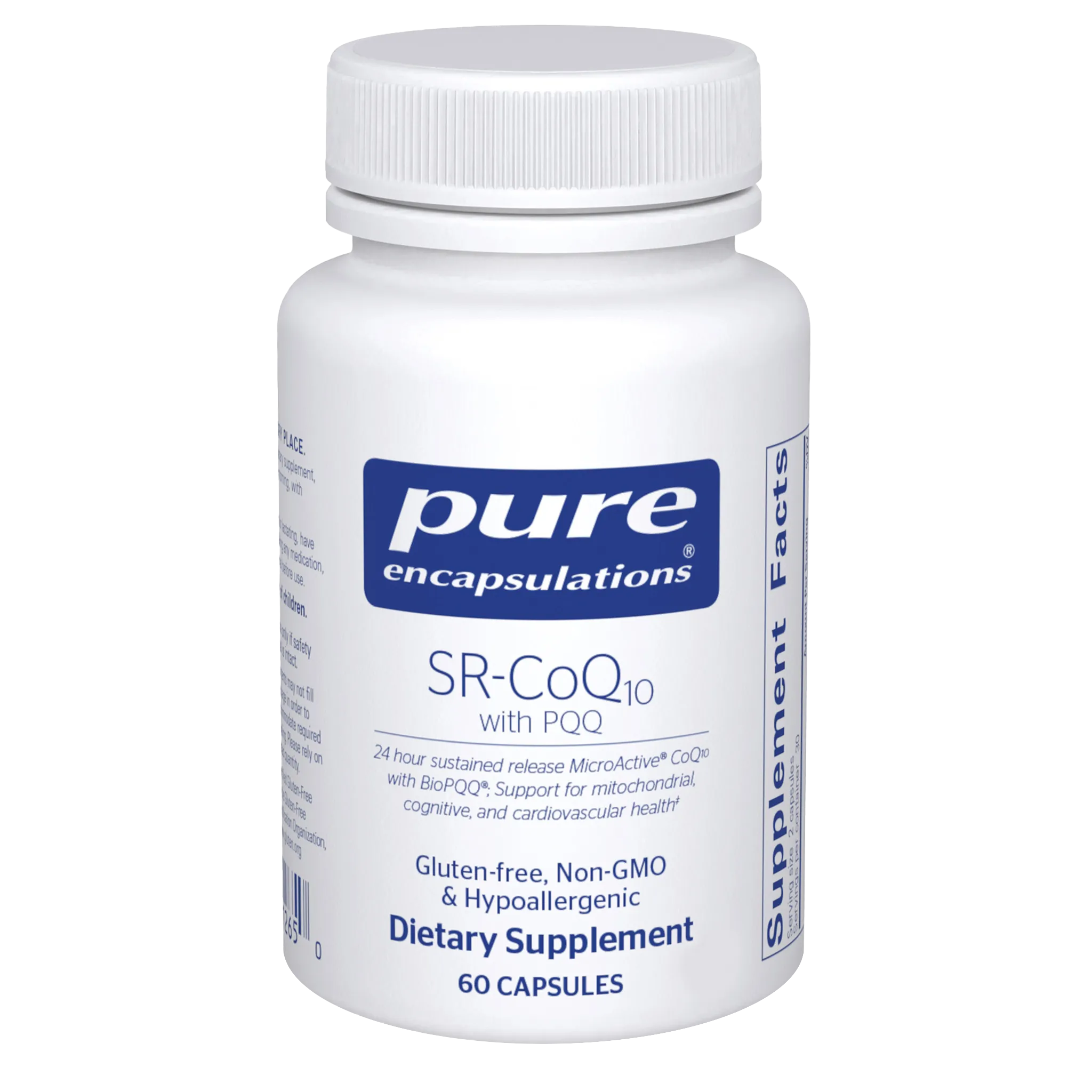
The SR-CoQ10 with PQQ formula provides 100 mg of MicroActive CoQ10 and 20 mg of BioPQQ® per serving. This specific ratio aligns perfectly with the dosages utilized in successful human clinical trials for cognitive and mitochondrial support. The suggested use is to take two capsules daily in the morning with a meal. Taking it in the morning is highly recommended, as the sustained cellular energy production can occasionally interfere with sleep onset if taken too late in the evening.
Both CoQ10 and PQQ have excellent safety profiles and are generally well-tolerated, even by individuals with sensitive systems. BioPQQ is manufactured in Japan using a patented natural fermentation process and is recognized as safe by major regulatory bodies. Because the MicroActive form is highly stable and water-dispersible, it avoids the gastrointestinal upset sometimes caused by heavy, oil-based softgels.
However, it is crucial to be aware of potential drug interactions. Because CoQ10 is structurally similar to Vitamin K, it can potentially interact with blood-thinning medications like Warfarin, possibly reducing their anticoagulant effectiveness. Additionally, CoQ10 has a mild, natural blood-pressure-lowering effect. Patients with dysautonomia who already struggle with low blood pressure or who are taking antihypertensive medications should monitor their blood pressure closely. As always, it is imperative to consult your healthcare provider before introducing new supplements, especially when managing complex chronic conditions or taking prescription medications.

Follow the Science: Clinical Evidence
Cognitive Function and Synergistic Benefits
Addressing Post-Viral Fatigue and ME/CFS
While the foundational Maes et al. study identified severe CoQ10 deficiency in ME/CFS patients, further research is needed to determine whether supplementing with CoQ10 and NADH reduces cognitive fatigue in ME/CFS patients.
Proven Universal Absorption and Efficacy Trials
The clinical efficacy of any supplement is entirely dependent on its bioavailability, which is where the MicroActive® CoQ10 clinical trials provide crucial validation. The benchmark study demonstrating its superior absorption was published in the journal Integrative Medicine by Madhavi and Kagan (2010).
In the acute 24-hour crossover phase of the study, MicroActive CoQ10 demonstrated 3.7 times the bioavailability of standard CoQ10 and clearly exhibited a sustained, 24-hour release profile, maintaining elevated plasma levels long after the other forms had been excreted. In the subsequent 21-day accumulation phase, the researchers tracked how well the different formulations built up in the patients' systems over time with a daily dose of 60 mg.
The accumulation data revealed the true clinical advantage of the MicroActive technology. After three weeks, 100% of the subjects in the MicroActive group had successfully doubled their baseline plasma CoQ10 levels, achieving what the researchers termed "universal bioavailability." In stark contrast, only 44% of the subjects taking the enhanced oil-solubilized softgels achieved a doubling of their plasma levels. This clinical proof of reliable, uniform absorption ensures that patients investing in this supplement are actually receiving the physiological benefits they need to support their cellular recovery.
The Path Forward
Validating the Invisible Struggle
Living with a complex, energy-limiting chronic illness is an incredibly isolating and frustrating experience. When your outward appearance doesn't match the profound physiological crisis occurring at the cellular level, it can be difficult for others to understand the severity of your symptoms. If you are struggling to explain your reality to medical professionals, learning How Does a Doctor Diagnose Long COVID? can provide valuable insights into navigating the healthcare system. Your exhaustion, brain fog, and post-exertional malaise are not in your head; they are deeply rooted in the biochemical realities of mitochondrial dysfunction and oxidative stress.
Acknowledging the biological basis of your symptoms is the first crucial step toward validating your experience. You are fighting a daily battle against cellular starvation and systemic inflammation. It is entirely normal to feel overwhelmed by the sheer effort required to get through the day. By focusing on the microscopic mechanisms that drive these conditions—like the electron transport chain and mitochondrial biogenesis—we can move away from blame and toward targeted, science-backed strategies that address the root causes of your suffering.
It is also important to recognize that healing from post-viral syndromes and dysautonomia is rarely a linear process. There will be good days and bad days, and finding the right combination of therapies requires patience and persistence. Validating your need for rest and prioritizing your cellular health is not a sign of weakness; it is a necessary, proactive approach to managing a complex physiological condition.
Building a Comprehensive Management Strategy
While the combination of sustained-release CoQ10 and PQQ offers powerful, targeted support for mitochondrial health, it is important to remember that supplements are just one piece of a much larger puzzle. There is no single magic pill that will instantly resolve the complexities of Long COVID, ME/CFS, or POTS. True functional recovery requires a comprehensive, multi-disciplinary management strategy that addresses the illness from every possible angle.
This strategy must include aggressive pacing and energy conservation to prevent the severe crashes associated with post-exertional malaise. It may also involve exploring prescription medications, dietary modifications, and other targeted therapies, such as learning about Metformin: Long COVID Risk Reduction and Diabetes Management to address overlapping metabolic issues. Working closely with a dysautonomia-literate or ME/CFS-literate healthcare provider is essential for tailoring these interventions to your specific biological needs and ensuring they interact safely with your current treatment plan.
Symptom tracking is another invaluable tool in your management arsenal. By carefully monitoring your daily activities, heart rate, and symptom severity, you can begin to identify your unique energy envelope and recognize the early warning signs of a crash. This data not only helps you make informed decisions about your daily routine but also provides your healthcare team with the objective information they need to adjust your treatment protocols effectively.
Exploring Targeted Cellular Support
If you are battling the profound fatigue, brain fog, and cardiovascular stress associated with mitochondrial dysfunction, supporting your cellular power plants is a logical, scientifically grounded step. The unique combination of MicroActive® CoQ10 and BioPQQ® provides a sophisticated, dual-action approach: building new, healthy mitochondria while ensuring they have the sustained fuel required to operate efficiently around the clock.
By addressing the energy crisis at its microscopic source, you are giving your cells the biological tools they need to repair, defend against oxidative stress, and restore functional balance to your nervous and cardiovascular systems. While the journey to recovery is complex, targeted nutritional support can provide a vital foundation for rebuilding your health and improving your daily quality of life.
Always remember to consult with your primary care physician or specialist before starting any new supplement regimen, especially if you are taking prescription medications like blood thinners or antihypertensives. To learn more about how this specific, highly bioavailable formulation can fit into your comprehensive care plan, explore the options below.