Can Sinatrol® Clear Respiratory Inflammation and Support Immune Health in Long COVID and MCAS?
March 6, 2026
SinatrolLong COVIDMCAS
Share:
Disclaimer: The information provided here is for educational purposes only and is not intended as medical advice. It should not be used to diagnose, treat, cure, or prevent any medical condition. Instead, use it as a starting point for discussion with your healthcare provider. Always consult with a qualified healthcare provider before starting any new medication, supplement, device, or making changes to your health regimen.
Months or even years after recovering from an acute viral infection, many individuals find themselves battling a relentless array of symptoms that simply will not resolve. For patients living with Long COVID, myalgic encephalomyelitis/chronic fatigue syndrome (ME/CFS), and mast cell activation syndrome (MCAS), the respiratory system often becomes a primary battleground. Chronic sinus congestion, thick and unyielding mucus, facial pressure, and a persistent, dry cough are not just seasonal annoyances—they are debilitating daily realities that severely impact quality of life, sleep architecture, and systemic energy levels. When your airways are constantly inflamed, your entire body is forced to operate in a state of chronic stress and oxygen depletion.
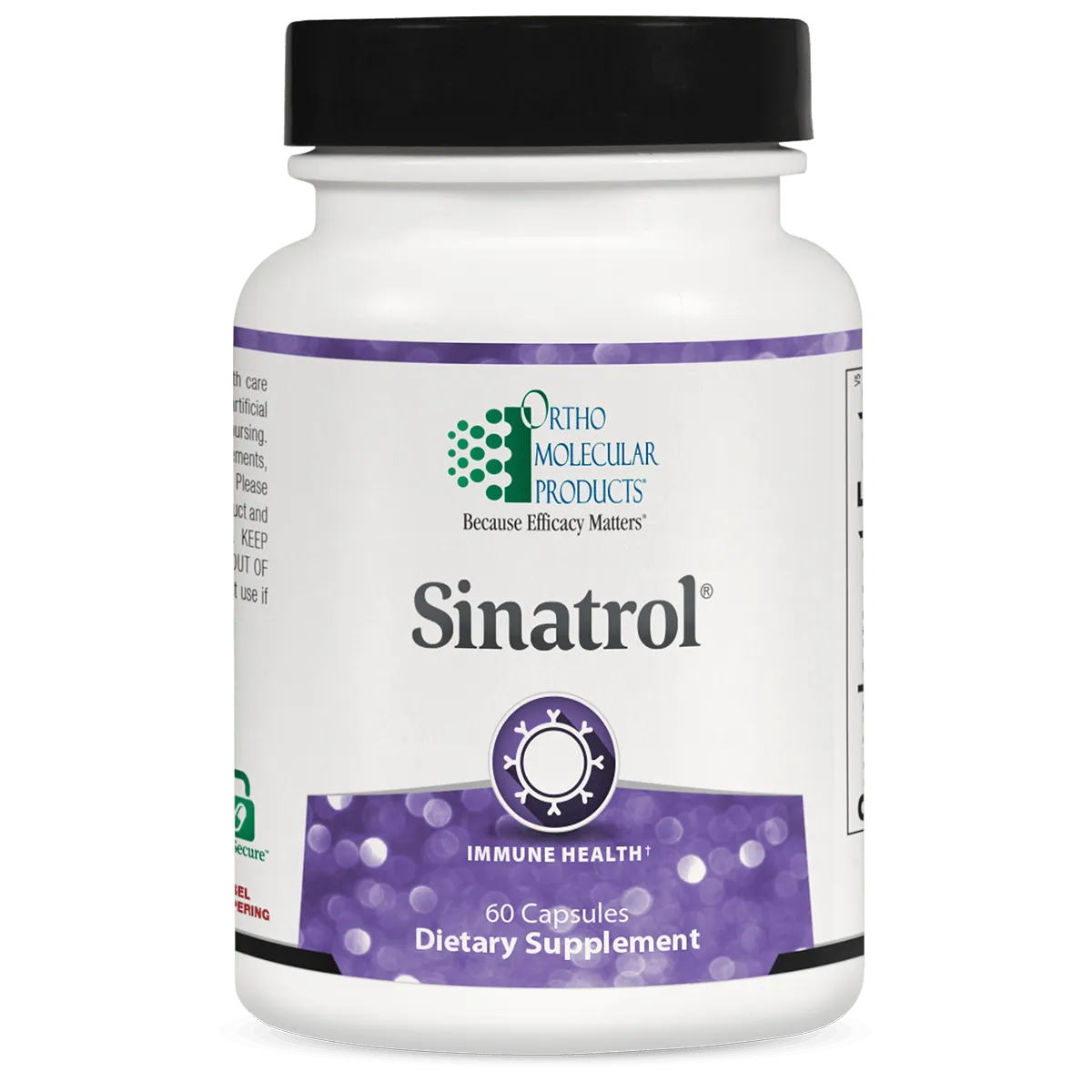
In the search for effective, science-backed management strategies, integrative medicine looks beyond simple symptom suppression. The goal is to restore the body's natural clearing mechanisms, modulate the hyperactive immune response, and reduce the systemic inflammatory burden. This is where targeted botanical and nutritional formulations come into play. Sinatrol®, a specialized preparation developed by Ortho Molecular, is designed to address the root causes of upper respiratory challenges. By combining potent mucolytics like N-Acetyl-L-Cysteine (NAC) and Bromelain with immune-modulating botanicals like Andrographis and Turmeric, Sinatrol offers a comprehensive approach to restoring mucociliary clearance and promoting mucosal healing. In this guide, we will explore the deep biochemistry of how Sinatrol works and why it may be a vital tool for patients navigating complex chronic illnesses.
TL;DR
Sinatrol® combines mucolytics and botanicals to support sinus health and natural mucociliary clearance.
Ingredients like NAC and Bromelain help thin mucus, allowing the airways to drain more effectively.
Botanicals like Andrographis and Turmeric support immune balance and help manage localized inflammation.
Targeting respiratory health may help manage systemic symptoms and oxidative stress in Long COVID and MCAS.
What is Sinatrol®?
The Anatomy of Healthy Sinuses and Mucociliary Clearance
To understand how a specialized supplement like Sinatrol® functions, we must first examine the natural biological processes that govern respiratory health. The human sinuses are a connected system of hollow cavities branching from the nasal passages. Under optimal, healthy conditions, these cavities remain entirely sterile, acting as a filtration and humidification system for the air we breathe. The internal surfaces of the sinuses and nasal passages are lined with a specialized soft tissue known as the respiratory mucosa. This mucosal layer is the body's first line of defense against inhaled pathogens, allergens, and environmental particulate matter.
The defense mechanism of the respiratory mucosa relies heavily on a process called mucociliary clearance (MCC). The mucosal tissue is populated by two critical structures: goblet cells and cilia. Goblet cells are specialized epithelial cells that continuously secrete a thin, highly calibrated layer of mucus. This mucus acts like a biological flypaper, trapping microscopic debris, bacteria, and viral particles before they can penetrate deeper into the respiratory tract. Meanwhile, cilia—microscopic, hair-like projections extending from the epithelial cells—beat in a synchronized, rhythmic wave. This continuous sweeping motion pushes the contaminated mucus out of the sinus cavities and into the back of the throat, where it is swallowed and neutralized by stomach acid.
When this system is functioning correctly, it operates entirely in the background, keeping the airways clear and sterile. However, when the body encounters an upper respiratory challenge—such as a viral infection, chronic inflammation, or an allergic response—this delicate system can rapidly break down. The goblet cells begin to overproduce mucus, and the biochemical composition of that mucus changes, becoming thick, highly viscous, and sticky. Simultaneously, the inflammatory response damages the delicate cilia, slowing or completely halting their rhythmic beating. This failure of mucociliary clearance leads to fluid entrapment within the sinus cavities, creating an ideal breeding ground for secondary bacterial infections and causing intense facial pressure and congestion.
The Role of a Synergistic Botanical Formulation
Sinatrol® is not a single-ingredient supplement; rather, it is a highly synergistic, multi-targeted formulation designed specifically to intervene at multiple points of the mucociliary breakdown process. Developed by Ortho Molecular, this preparation combines standardized botanical extracts with potent nutritional compounds to support upper respiratory challenges and overall immune health. The formulation is built on the understanding that simply drying out the sinuses—as many over-the-counter decongestants attempt to do—often exacerbates the underlying problem by making the trapped mucus even thicker and harder for the cilia to clear.
Instead, Sinatrol focuses on restoring the natural flow and clearance of the airways. It includes powerful mucolytic agents, specifically N-Acetyl-L-Cysteine (NAC) and Bromelain, which actively break down the molecular bonds that make mucus thick and sticky. By reducing the viscosity of the mucus, these ingredients allow the cilia to resume their sweeping motion, physically clearing the airway passages. This mechanical clearing is the essential first step in resolving chronic sinus pressure and helping to prevent the stagnation of fluid that leads to prolonged infections.
Beyond mechanical clearance, Sinatrol incorporates a robust matrix of immune-modulating and anti-inflammatory botanicals. Ingredients like Andrographis Leaf Extract, Turmeric Root Extract, Berberine, and Thyme Extract work at the cellular level to promote nasal microbial balance and calm the hyperactive inflammatory response. By addressing both the physical viscosity of the mucus and the underlying immune dysregulation driving its overproduction, Sinatrol provides a comprehensive, root-cause approach to sinus health.
Beyond Basic Congestion: A Systemic Approach
For patients living with complex chronic conditions, respiratory symptoms are rarely isolated events. The mucosal lining of the sinuses is intimately connected to the systemic immune system. When the sinuses are chronically inflamed, they act as a continuous source of systemic inflammation, releasing pro-inflammatory cytokines into the bloodstream. This localized immune battle drains the body's energy reserves, contributing heavily to the profound fatigue and post-exertional malaise (PEM) seen in conditions like ME/CFS and Long COVID.
Furthermore, the chronic oxidative stress generated by a persistent respiratory immune response depletes the body's master antioxidants, particularly glutathione. This depletion leaves cellular mitochondria vulnerable to damage, further impairing the body's ability to produce the energy required for healing. By utilizing a formulation like Sinatrol, patients are not just addressing localized sinus congestion; they are actively intervening in a systemic inflammatory loop. Restoring mucosal health and reducing the burden of oxidative stress in the respiratory tract is a critical component of a broader, whole-body recovery strategy.
How Long COVID and MCAS Impact Respiratory and Immune Function
Persistent Viral Reservoirs and Ciliary Dysfunction
To understand why respiratory symptoms persist for months or years in Long COVID, we must examine the specific pathophysiology of the SARS-CoV-2 virus. Research increasingly points to the presence of persistent viral reservoirs—fragments of the virus or intact viral particles that remain hidden in the body's tissues long after the acute infection has cleared. The respiratory mucosa, with its high concentration of ACE2 receptors, is a primary site for these reservoirs. The continuous presence of viral antigens keeps the local immune system in a state of chronic, low-grade activation, leading to sustained inflammation of the sinus and nasal cavities. Learn more about the root causes of Long COVID.
This chronic inflammation has a devastating effect on mucociliary clearance. A 2023 laboratory study utilizing human airway epithelial cells demonstrated that viral replication directly damages the ciliated cells. The localized oxidative stress generated by the immune response physically impairs the cilia, causing them to lose their synchronized beating rhythm. When the cilia fail, mucus stagnates. This stagnant mucus not only causes intense physical discomfort and congestion but also provides a protective biofilm where viral particles and secondary bacterial pathogens can evade immune detection, creating a self-perpetuating cycle of infection and inflammation.
Mast Cell Activation Syndrome (MCAS) in the Airways
For many patients with Long COVID, ME/CFS, and dysautonomia, the respiratory dysfunction is heavily driven by mast cell activation syndrome (MCAS). Mast cells are the sentinels of the immune system, heavily concentrated in mucosal tissues, including the sinuses and lungs. Their job is to detect threats and release inflammatory mediators, such as histamine, tryptase, and leukotrienes, to orchestrate an immune response. However, in MCAS, these cells become hyper-reactive and unstable, degranulating inappropriately in response to minor triggers like temperature changes, mild allergens, or even physical exertion.
The SARS-CoV-2 spike protein is known to directly stimulate mast cells via Toll-like receptor 4 (TLR4) and ACE2 receptors. When mast cells in the respiratory tract degranulate, the massive release of histamine causes immediate vasodilation (swelling of the nasal passages) and triggers the goblet cells to rapidly overproduce thick, sticky mucus. This results in severe, asthma-like shortness of breath, profound sinus pressure, and chronic post-nasal drip. Because this process is driven by immune dysregulation rather than a simple acute infection, traditional antibiotics and standard decongestants are often entirely ineffective, leaving patients deeply frustrated. Explore how immune dysregulation drives Long COVID symptoms.
The Vicious Cycle of Oxidative Stress and Inflammation
The intersection of viral persistence and mast cell hyperactivation creates a massive localized burden of oxidative stress. As immune cells like macrophages and neutrophils flood the sinus tissues to fight the perceived threat, they release reactive oxygen species (ROS) as a biological weapon. While ROS are necessary for destroying pathogens, an excess of these unstable molecules damages healthy host tissue. This oxidative stress rapidly depletes the mucosal tissue's supply of glutathione, the body's primary endogenous antioxidant.
Without adequate glutathione to neutralize the ROS, the oxidative damage triggers the activation of NF-κB (Nuclear Factor kappa B), a master genetic switch that controls the inflammatory response. Once activated, NF-κB translocates to the cell nucleus and commands the continuous production of pro-inflammatory cytokines like TNF-alpha and Interleukin-6 (IL-6). This biochemical cascade ensures that the respiratory inflammation remains "switched on" indefinitely. Breaking this vicious cycle requires targeted interventions that can simultaneously replenish antioxidant stores, stabilize mast cells, and inhibit the NF-κB pathway—which is precisely the multi-targeted approach utilized by the ingredients in Sinatrol.
Sinatrol®: Supporting Mucociliary Clearance and Immune Balance
N-Acetyl-L-Cysteine (NAC) and the Disulfide Bond Breakdown
The cornerstone of Sinatrol's mucolytic action is N-Acetyl-L-Cysteine (NAC), provided at a robust dose of 750 mg. At the molecular level, the thickness and stickiness of mucus are determined by mucin glycoproteins. In a state of chronic inflammation, these mucin polymers become tightly cross-linked by strong chemical bridges known as disulfide bonds. NAC contains a free sulfhydryl group that acts like a biochemical pair of scissors. It directly interacts with the mucin polymers, cleaving these disulfide bonds and breaking the massive glycoprotein structures into smaller, more manageable fragments. This process rapidly decreases the viscosity of the mucus, transforming it from a thick, glue-like substance into a thinner fluid that the damaged cilia can finally sweep away.
Beyond its mechanical mucolytic properties, NAC is a critical precursor to glutathione, the body's master antioxidant. By providing the rate-limiting amino acid cysteine, NAC fuels the intracellular synthesis of glutathione, directly combating the severe oxidative stress occurring in the respiratory mucosa. Furthermore, NAC has profound systemic implications for Long COVID patients suffering from neurocognitive symptoms. Clinical neuroscientists at Yale University have utilized NAC in combination with Guanfacine to mitigate neurocognitive "brain fog" in Long COVID patients. As a powerful antioxidant, NAC helps combat the neuroinflammation and oxidative stress frequently seen in post-viral syndromes.
Bromelain's Proteolytic Cleavage and Bradykinin Regulation
Working in tandem with NAC is Bromelain (200 mg), a powerful complex of proteolytic (protein-digesting) enzymes extracted from the stem of the pineapple plant. While NAC breaks the disulfide bonds in mucus, bromelain actively cleaves the peptide bonds of the inflammatory glycoproteins themselves. This dual-action approach ensures a highly effective reduction in mucus viscosity. Clinical data strongly supports this mechanism; a pediatric cohort study in Germany demonstrated that patients utilizing bromelain experienced significantly faster recovery times from acute sinusitis compared to those receiving standard conventional therapy.
Bromelain's benefits extend far beyond mucus degradation; it is a profound anti-inflammatory agent. At the cellular level, bromelain inhibits the synthesis of pro-inflammatory prostaglandins (specifically PGE-2) and COX-2 enzymes, which drive tissue swelling in the nasal mucosa. Crucially, bromelain regulates the kallikrein-kinin pathway. By inhibiting the conversion of kininogen to kinin, it significantly lowers blood levels of bradykinin, a peptide that causes blood vessels to dilate and promotes intense localized pain and inflammation. This reduction in bradykinin is essential for relieving the severe facial pressure and throbbing headaches associated with chronic sinusitis.
Andrographis and the NF-κB Inflammatory Pathway
To address the underlying immune dysregulation, Sinatrol includes 300 mg of Andrographis Leaf Extract, standardized to contain 30% andrographolides. Andrographis is a master immunomodulator. Its primary bioactive compound, andrographolide, exerts its effects by directly blocking the nuclear factor-kappa B (NF-κB) signaling pathway. In a hyperactive immune state, NF-κB translocates to the cell nucleus to trigger the massive release of inflammatory cytokines. Andrographolide prevents this translocation, effectively silencing the genetic command for inflammation and drastically reducing the expression of tissue-damaging cytokines like TNF-α, IL-6, and IL-1β.
Furthermore, Andrographis possesses potent direct antiviral properties. A 2023 study demonstrated that andrographolide mitigates respiratory viruses by up-regulating heme oxygenase-1 (HO-1), an enzyme that is highly protective against airway tissue injury. By stimulating classical macrophage activation and increasing phagocytosis, Andrographis helps the immune system efficiently clear persistent viral fragments and secondary bacterial invaders from the sinus cavities without triggering an overwhelming, self-destructive inflammatory cascade.
Turmeric and Berberine: Mast Cell Stabilization and AMPK Activation
For patients dealing with MCAS, the inclusion of Turmeric Root Extract (300 mg, standardized to 45-55% curcuminoids) is highly strategic. Curcumin is a potent mast cell stabilizer. It functions by inhibiting the Syk kinase pathway, a critical enzymatic cascade required for mast cell activation. By blocking this pathway, curcumin physically prevents the mast cells from degranulating, stopping the release of histamine and halting the allergic-inflammatory response before it can begin. This action is vital for reducing the airway hyperreactivity that plagues MCAS patients. Learn more about managing MCAS with targeted therapies.
Complementing the turmeric is Berberine (100 mg), a plant alkaloid that acts as a profound metabolic and immune regulator. Berberine mitigates respiratory inflammation by activating the AMPK/Nrf2 signaling pathway. AMPK is the cell's master energy sensor; when activated by berberine, it triggers the Nrf2 protein to move into the nucleus, where it promotes the massive production of endogenous antioxidant enzymes like superoxide dismutase (SOD). Simultaneously, berberine inhibits the NLRP3 inflammasome and helps shift macrophages in the respiratory tract from an inflammatory (M1) state to an anti-inflammatory, tissue-healing (M2) state, promoting the repair of damaged mucosal tissue.

Symptoms Sinatrol® May Help Manage
Respiratory and Sinus Symptoms
By targeting mucus viscosity and localized inflammation, the ingredients in Sinatrol may help alleviate a range of upper respiratory challenges:
Chronic Sinus Congestion: NAC and Bromelain actively break down the disulfide and peptide bonds in thick mucus, thinning it out and allowing the sinuses to drain effectively.
Facial Pressure and Headaches: By regulating the kallikrein-kinin pathway and lowering bradykinin levels, Bromelain helps reduce the intense vasodilation and tissue swelling that causes sinus pain.
Post-Nasal Drip and Cough: Restoring proper mucociliary clearance prevents stagnant mucus from pooling in the back of the throat, reducing the irritation that triggers chronic, dry coughing.
Airway Hyperreactivity: Turmeric acts as a mast cell stabilizer by inhibiting the Syk kinase pathway, helping to prevent the histamine release that causes sudden airway constriction and asthma-like symptoms in MCAS patients.
Immune and Systemic Symptoms
Because the respiratory mucosa is intimately tied to systemic immunity, supporting sinus health can have broader whole-body benefits:
Frequent Viral Reactivations: Andrographis stimulates macrophage phagocytosis and up-regulates HO-1, helping the immune system efficiently clear lingering viral fragments and secondary bacterial pathogens.
Chronic Systemic Inflammation: By inhibiting the NF-κB pathway, Andrographis and Berberine reduce the systemic circulation of pro-inflammatory cytokines (like IL-6 and TNF-alpha) that drive whole-body inflammation.
MCAS Flare-Ups: The synergistic combination of Turmeric and Berberine helps shift the immune response away from hyper-reactivity, promoting a more balanced, tolerant mucosal immune environment.
Cognitive and Fatigue Symptoms
The systemic effects of Sinatrol's ingredients, particularly NAC, extend to the neurological and metabolic symptoms of chronic illness:
Brain Fog and Cognitive Dysfunction: NAC acts as a powerful antioxidant that helps combat neuroinflammation and oxidative stress, which are linked to cognitive impairment and prefrontal cortex dysfunction.
Cellular Fatigue: By providing the precursor for glutathione synthesis, NAC helps neutralize the intracellular oxidative stress that damages mitochondria, supporting better cellular energy production.
Post-Exertional Malaise (PEM): Reducing the chronic, low-grade immune battle in the respiratory tract frees up systemic energy reserves, potentially raising the threshold for PEM triggers.
Practical Considerations: Forms, Dosing, and Absorption
Understanding the Sinatrol® Formulation and Dosage
Sinatrol is formulated as a comprehensive, multi-ingredient matrix, with a suggested use of 3 capsules per day, or as recommended by a healthcare professional. The efficacy of botanical medicine relies heavily on the quality and concentration of the active compounds. Ortho Molecular utilizes standardized extracts to ensure consistent therapeutic dosing. For example, the Andrographis Leaf Extract is standardized to contain 30% andrographolides, the primary bioactive compound responsible for NF-κB inhibition. Similarly, the Turmeric Root Extract is a complete matrix standardized to contain 45-55% curcuminoids, ensuring a potent mast-cell-stabilizing effect.
When integrating a complex formulation like Sinatrol into a chronic illness protocol, pacing and titration are essential. Patients with severe MCAS or highly sensitive nervous systems often benefit from starting with a lower dose (e.g., 1 capsule per day) and slowly titrating up to the full recommended dose. This allows the body to adjust to the mucolytic and immune-modulating effects without triggering a sudden "die-off" or Herxheimer reaction as stagnant mucus and trapped pathogens are finally cleared from the sinus cavities.
Bioavailability and Synergistic Absorption
One of the key advantages of the Sinatrol formulation is the synergistic interaction between its ingredients, particularly regarding bioavailability. Plant polyphenols like curcumin (turmeric) and berberine notoriously suffer from poor oral bioavailability, meaning they are rapidly metabolized by the liver before they can reach the systemic circulation. However, the inclusion of Bromelain acts as a powerful bioavailability enhancer. Bromelain increases cellular permeability in the gastrointestinal tract, significantly boosting the absorption rates of co-administered botanical compounds, ensuring that the curcumin and berberine reach therapeutic levels in the bloodstream.
The timing of administration can also influence the specific therapeutic effects of the supplement. When taken with meals, the proteolytic enzymes in bromelain will primarily act as digestive aids, breaking down dietary proteins in the stomach. To maximize its systemic anti-inflammatory and mucolytic effects in the respiratory tract, it is generally recommended to take Sinatrol between meals (on an empty stomach). This allows the bromelain to be absorbed intact into the bloodstream, where it can travel to the sinus mucosa to cleave inflammatory glycoproteins and regulate bradykinin levels.
Potential Interactions and Contraindications
While the ingredients in Sinatrol are generally safe and well-tolerated, their potent biochemical mechanisms require careful consideration, especially for patients on complex medication regimens. Bromelain influences blood coagulation by inhibiting platelet aggregation and reducing blood viscosity. Therefore, Sinatrol should be used with extreme caution—and only under medical supervision—in patients taking prescription anticoagulants or antiplatelet medications (blood thinners) due to an increased risk of bleeding.
Additionally, bromelain's ability to increase cellular permeability means it can strongly promote the absorption of certain pharmaceutical antibiotics, notably amoxicillin and tetracycline. While this can sometimes be utilized therapeutically to enhance antibiotic efficacy during an acute sinus infection, it can also unintentionally elevate antibiotic concentrations to toxic levels if not monitored. Finally, while NAC is highly beneficial for most, a small subset of MCAS patients may experience histamine-like reactions to sulfur-containing compounds; these individuals should introduce NAC-containing supplements slowly and monitor their symptoms closely. Learn more about diagnosing and managing Long COVID complexities.

Follow the Science
Clinical Evidence for NAC in Post-Viral Recovery
The scientific literature heavily supports the use of N-Acetyl-L-Cysteine for both acute respiratory infections and post-viral syndromes. A comprehensive 2025 meta-analysis evaluating 14 studies with over 20,000 participants confirmed NAC's profound efficacy in reducing systemic inflammation. The data demonstrated that NAC-treated patients exhibited significant reductions in inflammatory markers like C-reactive protein (CRP) and coagulation abnormalities (D-dimer), alongside vastly improved blood oxygenation ratios. These systemic anti-inflammatory effects are crucial for mitigating the endothelial and respiratory damage seen in Long COVID.
Furthermore, a recent 6-month randomized, double-blind, placebo-controlled trial investigated the long-term causal effect of NAC on patients recovering from COVID-19. Patients receiving 600 mg of oral NAC twice daily experienced a significantly more rapid and sustained decrease in St. George's Respiratory Questionnaire (SGRQ) scores across 1, 3, and 6-month checkpoints compared to the placebo group. This suggests that long-term NAC use actively supports the restoration of health-related quality of life and respiratory function. Additionally, clinical neuroscientists at Yale University have successfully utilized NAC in combination with Guanfacine to mitigate or eliminate neurocognitive "brain fog" in Long COVID cohorts by reducing neuroinflammation and oxidative stress.
Research on Andrographis and Bromelain for Sinusitis
The botanical components of Sinatrol also boast robust clinical backing. A massive systematic review published in PLOS One evaluated 33 randomized controlled trials involving 7,175 patients with acute respiratory tract infections. The analysis concluded that Andrographis paniculata provided a statistically significant improvement in overall symptoms compared to placebo, specifically highlighting profound improvements in cough and sore throat severity. Its ability to reduce sick leave and accelerate recovery is well-documented in double-blind trials.
Similarly, Bromelain has been studied for its potential in supporting the management of nasal and sinus swelling. A pediatric acute sinusitis trial in Germany found that patients managed exclusively with bromelain had the fastest mean recovery time (6.66 days) compared to those receiving standard conventional therapy (7.95 days). Another controlled, double-blind study assessing sinus inflammation revealed that 85% of subjects utilizing bromelain experienced complete relief from nasal inflammation, compared to only 40% in the placebo group, validating its powerful mucolytic and anti-bradykinin mechanisms.
Turmeric and Berberine in MCAS and Lung Injury
Integrative research increasingly points to flavonoids and alkaloids for managing the complex immune dysregulation of MCAS and Long COVID. The Front Line COVID-19 Critical Care Alliance (FLCCC) incorporates Curcumin into their recovery protocols due to its potent ability to block the Syk kinase pathway and stabilize mast cells. In clinical trials involving respiratory patients, nanocurcumin formulations have shown statistically significant improvements in the FEV1/FVC ratio, a primary marker of lung function and airway inflammation.
Berberine is also emerging as a critical therapeutic agent. Research published in International Immunopharmacology outlines how Berberine mitigates acute lung injury by activating the AMPK/Nrf2 signaling pathway, which promotes antioxidant enzymes and inhibits the NLRP3 inflammasome. Furthermore, clinical case studies by leading researchers have demonstrated the successful management of severe Long COVID cognitive dysfunction using integrated polyphenol approaches (such as those derived from the European olive tree), successfully suppressing neuroinflammation and supporting cognitive health.
The Path Forward
Validating the Burden of Chronic Respiratory Symptoms
Living with chronic respiratory symptoms, sinus pressure, and unyielding congestion is an exhausting, invisible battle. When your airways are compromised, every breath requires effort, and the resulting oxygen depletion and sleep disruption cascade into profound systemic fatigue. For patients with Long COVID, ME/CFS, and MCAS, these symptoms are often dismissed by conventional medicine as simple allergies or lingering colds. It is vital to validate that these symptoms are the result of deep, complex physiological dysregulation—driven by viral persistence, mast cell hyperactivation, and chronic oxidative stress. Your symptoms are real, and they require a sophisticated, multi-targeted approach to manage.
Integrating Supplements into a Broader Strategy
While Sinatrol® offers a powerful, science-backed formulation to support mucociliary clearance and immune balance, it is most effective when utilized as part of a comprehensive management strategy. Healing the mucosal barrier and calming the immune system requires a holistic approach. This includes strict pacing to prevent post-exertional malaise (PEM), adopting a low-histamine or anti-inflammatory diet to reduce the burden on mast cells, and identifying and mitigating environmental triggers like mold or indoor allergens that continuously provoke the respiratory tract. Supplements are powerful tools, but they work best when supported by a lifestyle designed to minimize systemic stress. Explore how AI enzymes can further support inflammation management.
Taking the Next Step in Your Health Journey
Navigating the complexities of chronic illness requires patience, self-compassion, and access to high-quality, targeted therapeutics. By addressing the root causes of mucus viscosity, oxidative stress, and inflammatory signaling, Sinatrol provides a comprehensive pathway toward restoring respiratory health and systemic immune balance. Always consult with your healthcare provider before introducing new supplements, especially if you are taking blood thinners or antibiotics, to ensure they align safely with your individual medical history and current treatment protocols.