Can Inositol and Alpha-Lipoic Acid Support Metabolic Health in Long COVID?
March 6, 2026
SensitolLong COVIDME/CFS
Share:
Disclaimer: The information provided here is for educational purposes only and is not intended as medical advice. It should not be used to diagnose, treat, cure, or prevent any medical condition. Instead, use it as a starting point for discussion with your healthcare provider. Always consult with a qualified healthcare provider before starting any new medication, supplement, device, or making changes to your health regimen.
In the wake of the COVID-19 pandemic, a complex and multifaceted health crisis has emerged, leaving millions of individuals grappling with debilitating, lingering symptoms. For those living with Long COVID, myalgic encephalomyelitis/chronic fatigue syndrome (ME/CFS), and related dysautonomia, the daily reality is often defined by profound exhaustion, cognitive impairment, and unpredictable symptom flares. While much of the early focus on these conditions centered around immune dysfunction and viral persistence, a new and critical area of medical research has come to the forefront: severe metabolic and mitochondrial impairment. Patients are increasingly discovering that their cellular engines are stalling, and their bodies are struggling to process energy efficiently.
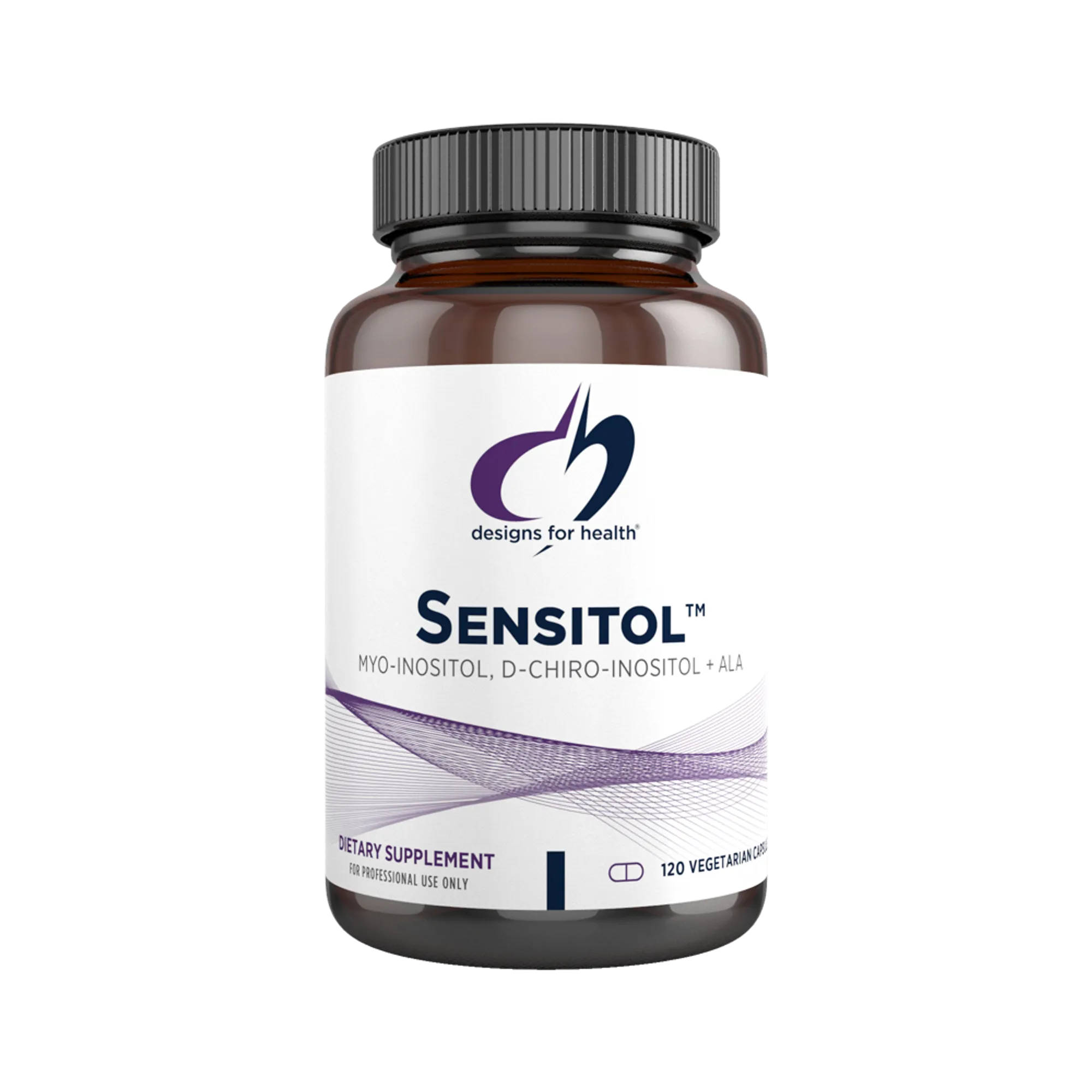
One of the most alarming discoveries in recent post-viral research is the high prevalence of new-onset insulin resistance and metabolic dysfunction in patients who were previously healthy. When the cells cannot properly respond to insulin or generate adenosine triphosphate (ATP) within the mitochondria, the entire systemic network suffers. This is where targeted nutritional interventions like Sensitol™ come into play. By combining specific, naturally occurring isomers of inositol with the potent antioxidant alpha-lipoic acid, this formulation aims to address the root biochemical pathways of energy production. In this comprehensive guide, we will explore the intricate mechanisms of these compounds, how chronic illness disrupts our metabolic equilibrium, and how supporting cellular health may offer a pathway toward improved quality of life.
TL;DR
Long COVID and ME/CFS are strongly linked to mitochondrial dysfunction and new-onset insulin resistance.
Sensitol™ combines inositol isomers and alpha-lipoic acid to support cellular energy and metabolic health.
Targeted metabolic support may help manage post-viral fatigue, brain fog, and blood sugar dysregulation.
Always consult your healthcare provider before starting supplements, especially if taking blood sugar medications.
What is Sensitol™? Understanding the Ingredients
The Role of Inositol Isomers in Cellular Signaling
To understand how Sensitol™ works, we must first dive into the molecular biology of its primary ingredients: myo-inositol (MI) and D-chiro-inositol (DCI). Inositols are naturally occurring sugar alcohols found in a variety of plant and animal foods, and they are synthesized endogenously within the human body. While they are often informally grouped with B-vitamins, they are actually distinct structural isomers that play an absolutely critical role as secondary messengers in cellular signaling. When a hormone—most notably insulin—binds to a receptor on the surface of a cell, it cannot physically enter the cell to exert its effects. Instead, it relies on a complex intracellular relay system to transmit its instructions to the nucleus and the metabolic machinery.
Myo-inositol and D-chiro-inositol serve as the direct precursors to these secondary messengers, known as inositol phosphoglycans (IPGs). However, MI and DCI regulate entirely different branches of glucose metabolism. Myo-inositol is primarily responsible for facilitating cellular glucose uptake. When insulin docks at its receptor, MI-derived messengers activate the phosphatidylinositol-3-kinase (PI3K) and protein kinase B (AKT) pathways. This biochemical cascade triggers the translocation of GLUT4 transport proteins from the interior of the cell to the outer membrane, effectively opening the doors for glucose to leave the bloodstream and enter the cell. Tissues with extraordinarily high energy demands, such as the brain, heart, and ovaries, rely heavily on this MI-driven pathway to maintain their function.
Conversely, D-chiro-inositol is responsible for what happens to that glucose once it is inside the cell. DCI is synthesized directly from MI via an insulin-dependent enzyme called epimerase. Once created, DCI-derived messengers primarily control non-oxidative glucose disposal. They downregulate an enzyme known as glycogen synthase kinase 3β (GSK3β) while simultaneously stimulating pyruvate dehydrogenase. This complex enzymatic shift channels cellular glucose away from immediate circulation and directs it toward ATP energy production and glycogen storage, predominantly within the liver and skeletal muscles. In a healthy human body, the physiological ratio of MI to DCI in blood plasma is tightly regulated at approximately 40:1, ensuring a perfect balance between glucose uptake and energy storage.
Alpha-Lipoic Acid as a Universal Antioxidant
The third key component of Sensitol™ is alpha-lipoic acid (ALA), a naturally occurring compound that has garnered immense attention in the fields of metabolic health and biohacking. ALA is unique among antioxidants because it is amphipathic, meaning it is both water-soluble and fat-soluble. This dual solubility allows it to easily penetrate cellular membranes, cross the highly selective blood-brain barrier, and integrate into the lipid-rich myelin sheaths that protect our nerves. Because it can travel virtually anywhere in the body, ALA is often referred to as the "universal antioxidant," capable of neutralizing free radicals in both the aqueous cytoplasm and the fatty cellular walls.
Beyond its role as a free radical scavenger, ALA is an obligatory co-factor for critical mitochondrial enzymes. Mitochondria are the microscopic powerhouses within our cells responsible for generating ATP through a process called the Krebs cycle (or TCA cycle). Alpha-lipoic acid is essential for the function of two major enzyme complexes within this cycle: pyruvate dehydrogenase and alpha-ketoglutarate dehydrogenase. Without adequate levels of ALA, these enzymatic reactions stall, the Krebs cycle halts, and the cell's ability to convert glucose and amino acids into usable energy is severely impaired. In this way, ALA acts as the biochemical spark plug that keeps the mitochondrial engine running smoothly.
Furthermore, inside the body, ALA is rapidly reduced to its active form, dihydrolipoic acid (DHLA). The ALA/DHLA redox couple possesses a remarkable ability to regenerate and recycle other depleted endogenous antioxidants. When molecules like Vitamin C, Vitamin E, and glutathione neutralize a free radical, they become oxidized and inactive. DHLA can donate electrons to these oxidized molecules, restoring them to their active, protective states. This continuous recycling profoundly amplifies the body's innate antioxidant defense system, making ALA an indispensable molecule for maintaining cellular resilience in the face of physiological stress.
The Synergy of Metabolic Support
The combination of MI, DCI, and ALA in Sensitol™ is not coincidental; it represents a highly targeted, synergistic approach to metabolic health. While the inositol isomers work at the cell membrane to ensure that insulin signals are heard and glucose is successfully transported indoors, alpha-lipoic acid works deep within the mitochondria to ensure that the imported glucose is efficiently burned for energy rather than stored as ectopic fat. This multi-tiered support system addresses the entire lifecycle of cellular energy production.
By supporting both the insulin signaling cascade and the mitochondrial Krebs cycle simultaneously, these ingredients help prevent the metabolic bottlenecks that lead to cellular starvation and systemic fatigue. When glucose uptake is optimized and mitochondrial respiration is unhindered, cells can maintain the high ATP output required for optimal neurological, cardiovascular, and muscular function. This synergy is particularly vital for individuals whose metabolic pathways have been disrupted by chronic illness, viral infections, or prolonged systemic inflammation.
How Chronic Illness Impacts Metabolic and Mitochondrial Function
Viral Hijacking and Mitochondrial Dysfunction
To comprehend why targeted metabolic support is so crucial, we must examine What Causes Long COVID? and how chronic illnesses like ME/CFS fundamentally alter human biochemistry. Current medical research heavily implicates severe mitochondrial dysfunction and cellular energetic failure in the pathogenesis of these post-viral syndromes. When a pathogen like the SARS-CoV-2 virus enters the body, it does not merely cause acute respiratory distress; it actively hijacks the host's cellular machinery to replicate. This viral hijacking places immense stress on the mitochondria, causing them to leak reactive oxygen species (ROS) into the surrounding cytoplasm.
This viral-induced oxidative stress damages the fragile inner mitochondrial membrane, leading to a drastic drop in ATP production. Recent studies on Long COVID patients have identified significant structural abnormalities in their mitochondria, including swollen organelles with disrupted cristae and an imbalance in the proteins that regulate mitochondrial fusion and fission. When the mitochondria are structurally compromised, they cannot process oxygen or glucose efficiently. This phenomenon, often referred to as a bioenergetic failure, is a primary driver of the profound, unyielding exhaustion that patients experience.
When cells cannot produce enough energy to meet the body's baseline demands, patients develop post-exertional malaise (PEM), a hallmark symptom where even minor physical or cognitive exertion triggers a massive exacerbation of symptoms. The body is essentially operating on a depleted battery that refuses to hold a charge. This mitochondrial impairment also contributes to the neurological symptoms of Long COVID, as the brain consumes roughly 20% of the body's total energy despite accounting for only 2% of its mass. When brain cells experience an energy deficit, the result is the debilitating cognitive impairment commonly known as brain fog.
The Onset of Post-Viral Insulin Resistance
Alongside mitochondrial failure, researchers have uncovered a startling connection between Long COVID and new-onset metabolic dysfunction. The intersection of Long COVID and insulin resistance is a rapidly emerging area of concern. The SARS-CoV-2 virus binds directly to ACE2 receptors, which are highly concentrated in the pancreas. This direct viral infiltration can damage pancreatic beta cells, impairing their ability to synthesize and secrete insulin properly. Furthermore, the chronic systemic inflammation and persistent cytokine release that characterize Long COVID blunt the cellular response to insulin worldwide throughout the body.
As a result, the body requires higher and higher concentrations of insulin to force glucose into the cells, a state known as hyperinsulinemia. A recent systematic review and meta-analysis evaluated over 12,000 participants and found that Long COVID patients exhibit significantly elevated global insulin resistance and fasting blood glucose compared to healthy controls. Alarmingly, this metabolic fallout is not restricted to individuals with pre-existing obesity or diabetes. Many patients presenting with post-viral insulin resistance fit a "lean phenotype," indicating that the virus itself, rather than lifestyle factors, is the primary driver of the metabolic shift.
In states of insulin resistance, a specific enzymatic failure occurs that directly involves inositol. The conversion of myo-inositol into D-chiro-inositol by the epimerase enzyme is strictly dependent on healthy insulin signaling. When tissues become insulin resistant, epimerase activity drops drastically. This creates a systemic DCI deficiency and a buildup of unused MI. Consequently, the liver and muscles fail to synthesize glycogen, worsening systemic hyperglycemia and leaving the cells starved for the very glucose that is trapped in the bloodstream.
The Vicious Cycle of Energy Depletion
The combination of mitochondrial dysfunction and insulin resistance creates a devastating, self-perpetuating vicious cycle. Because the cells are resistant to insulin, they cannot import enough glucose to fuel the mitochondria. Simultaneously, because the mitochondria are damaged by oxidative stress, they cannot efficiently convert whatever limited glucose they do receive into ATP. The resulting cellular starvation triggers further physiological stress, which in turn ramps up systemic inflammation, further worsening the insulin resistance.
This bidirectional relationship explains why so many patients with complex chronic illnesses struggle to find relief. If you only address the immune system without repairing the metabolic machinery, the cells remain too depleted to heal. Understanding How Can You Live with Long-Term COVID requires acknowledging this metabolic reality. Breaking this cycle requires targeted interventions that can simultaneously sensitize the cells to insulin, unblock the stalled mitochondrial pathways, and neutralize the rampant oxidative stress that is damaging the cellular infrastructure.
Sensitol™: Supporting Cellular Energy and Insulin Sensitivity
Restoring the Insulin Signaling Cascade
Sensitol™ is designed to directly intervene in these disrupted metabolic pathways. By providing a targeted dose of both myo-inositol and D-chiro-inositol, supplementation aims to bypass the enzymatic defects caused by insulin resistance. Because post-viral inflammation and hyperinsulinemia suppress the epimerase enzyme—preventing the body from converting MI into DCI—systemic tissues become starved of the DCI needed for glycogen synthesis. Supplementing with pre-formed DCI alongside MI ensures that both branches of the insulin signaling cascade are fully supported, regardless of the body's impaired enzymatic conversion rates.
When MI and DCI are introduced in their optimal ratios, they act as direct precursors to the inositol phosphoglycan (IPG) secondary messengers. This influx of messengers effectively "turns up the volume" on the insulin signal inside the cell. The PI3K/AKT pathway is reactivated, prompting the swift translocation of GLUT4 transporters to the cell membrane. As a result, glucose is efficiently cleared from the bloodstream and pulled into the cells, lowering systemic blood sugar and reducing the burden on the pancreas. This improved insulin sensitivity is crucial for breaking the cycle of metabolic dysfunction seen in Long COVID and ME/CFS.
Furthermore, this restoration of insulin signaling has profound downstream effects on hormonal balance. In conditions characterized by metabolic syndrome, hyperinsulinemia often triggers the overproduction of androgens and disrupts the delicate balance of sex hormones. By lowering circulating insulin levels and improving cellular sensitivity, the inositol isomers help regulate aromatase expression and increase sex hormone-binding globulin (SHBG), thereby promoting a healthier, more stable endocrine environment.
Reactivating the Mitochondrial Krebs Cycle
While the inositols handle glucose transport, the alpha-lipoic acid in Sensitol™ goes to work inside the mitochondria. As discussed earlier, post-viral fatigue is heavily driven by a stalled Krebs cycle and a failure to produce ATP. ALA acts as the essential co-factor that reactivates the pyruvate dehydrogenase complex. By supplying the mitochondria with exogenous ALA, we can help unblock this critical enzymatic bottleneck, allowing the mitochondria to resume converting pyruvate (derived from glucose) into acetyl-CoA, the primary fuel for the Krebs cycle.
Additionally, ALA is a potent activator of AMP-activated protein kinase (AMPK). AMPK is often described as the master metabolic switch of the cell; when activated, it signals the body that energy levels are low and initiates a cascade of compensatory mechanisms. AMPK activation stimulates mitochondrial biogenesis—the creation of new, healthy mitochondria to replace the damaged ones. It also ramps up fatty acid oxidation and further enhances glucose uptake independently of insulin. By triggering AMPK, ALA helps the body rebuild its cellular energy infrastructure from the ground up.
This mitochondrial reactivation is particularly relevant for addressing the severe post-exertional malaise (PEM) seen in ME/CFS and Long COVID. When the cellular battery capacity is expanded through mitochondrial biogenesis and unblocked enzymatic pathways, patients may experience a higher threshold for exertion before triggering a metabolic crash. While not a cure, supporting these foundational energy pathways is a critical component of managing complex chronic fatigue.
Neutralizing Oxidative Stress and Inflammation
The final therapeutic angle of Sensitol™ lies in its profound antioxidant capacity. The chronic immune activation seen in Long COVID produces a constant stream of reactive oxygen species (ROS) that degrade cellular membranes and damage mitochondrial DNA. Upon entering the cell, ALA is reduced to dihydrolipoic acid (DHLA), which immediately begins scavenging these free radicals. Because DHLA is amphipathic, it can protect both the watery interior of the cell and the lipid-rich mitochondrial membranes from oxidative destruction.
Beyond direct scavenging, ALA activates the Nrf2 pathway, a critical transcription factor that regulates the expression of over 200 genes involved in the body's innate antioxidant and detoxification responses. By upregulating Nrf2, ALA forces the body to produce more of its own protective enzymes, such as superoxide dismutase and catalase. Simultaneously, ALA inhibits nuclear factor-kappa B (NF-κB), the primary transcription factor responsible for triggering the production of pro-inflammatory cytokines.
This dual action—upregulating antioxidant defenses via Nrf2 while downregulating systemic inflammation via NF-κB—creates a highly favorable environment for cellular repair. By dampening the inflammatory fire and neutralizing the oxidative fallout of viral infection, the ingredients in Sensitol™ help protect the newly restored mitochondria and insulin receptors from further damage, allowing the body to slowly regain its metabolic footing.
Symptoms Sensitol™ May Help Manage
Targeting Energy Deficits
Because Sensitol™ acts on foundational metabolic and mitochondrial pathways, it may help manage several of the most debilitating symptoms associated with complex chronic illnesses. Here is how these ingredients target specific energy-related deficits:
Profound Fatigue and PEM: By supplying alpha-lipoic acid as a co-factor for pyruvate dehydrogenase, the supplement helps unblock the stalled Krebs cycle, allowing cells to produce more ATP. This increased cellular energy capacity may help raise the threshold for post-exertional malaise (PEM) and reduce the severity of daily exhaustion.
Brain Fog and Cognitive Impairment: The brain is a highly metabolically active organ that relies heavily on both insulin-mediated glucose uptake and mitochondrial ATP. By improving insulin sensitivity with myo-inositol and protecting neuronal mitochondria with ALA, this combination supports the energetic demands of the central nervous system, potentially alleviating cognitive sluggishness.
Muscle Weakness and Heaviness: Skeletal muscles require massive amounts of ATP to contract and function. When insulin resistance prevents glucose from entering muscle cells, patients experience profound physical heaviness. The inositol isomers help translocate GLUT4 transporters, driving glucose into the muscles where it can be utilized for physical energy.
Addressing Metabolic and Neurological Symptoms
Beyond energy production, the systemic effects of improved insulin signaling and antioxidant defense can help manage a range of secondary symptoms frequently seen in What Are the Symptoms of Long COVID?:
Blood Sugar Dysregulation: For patients who have developed post-viral insulin resistance or metabolic syndrome, the 40:1 ratio of MI to DCI directly supports healthy glucose utilization. By bypassing the epimerase defect, these isomers help lower fasting insulin and stabilize blood glucose levels, preventing the energetic crashes associated with dysglycemia.
Neuropathic Pain and Tingling: Small fiber neuropathy is a common complication of both diabetes and Long COVID. Alpha-lipoic acid is highly validated for its ability to repair nerve damage and reduce the burning, tingling sensations in the extremities by integrating into the lipid-rich myelin sheaths and neutralizing localized oxidative stress.
Dysautonomia and POTS: The autonomic nervous system regulates heart rate and blood pressure, and its dysfunction is a hallmark of Long COVID. By reducing autonomic cardiovascular neuropathy and supporting the energetic needs of the vagus nerve, ALA may help stabilize the unpredictable cardiovascular symptoms associated with dysautonomia.
Hormonal Imbalances: By lowering circulating insulin levels, the inositol blend helps regulate sex hormone-binding globulin (SHBG) and aromatase expression. This can be particularly beneficial for female patients experiencing menstrual irregularities or PCOS-like symptoms exacerbated by post-viral metabolic dysfunction.
Practical Considerations: Forms, Dosing, and Absorption
The Importance of the MI to DCI Ratio
When considering inositol supplementation, the specific ratio of the isomers is of paramount clinical importance. As previously discussed, the physiological ratio of myo-inositol to D-chiro-inositol in human blood plasma is roughly 40:1. Extensive clinical research, particularly in the context of insulin resistance and polycystic ovary syndrome (PCOS), has demonstrated that supplementing with this exact 40:1 ratio is the most effective way to restore systemic metabolic health without causing unintended side effects.
Taking D-chiro-inositol in isolation, or in ratios that are too high, can actually be counterproductive. While DCI is necessary for glycogen synthesis in the liver and muscles, an excess of DCI in the ovaries can hyper-stimulate theca cells, leading to an overproduction of testosterone and other androgens. This phenomenon, known as the "DCI paradox," highlights why a balanced approach is necessary. By providing a formulation that respects the body's natural 40:1 balance, Sensitol™ ensures that systemic insulin resistance is addressed without triggering ovarian toxicity or hormonal disruption.
For patients dealing with the complex metabolic fallout of Long COVID, this balanced ratio is crucial. It provides enough MI to drive cellular glucose uptake and support neurological function, while supplying just enough DCI to bypass the post-viral epimerase defect and ensure that glucose is properly stored as glycogen. This precise formulation maximizes therapeutic efficacy while maintaining a high safety profile for long-term use.
Navigating Alpha-Lipoic Acid Absorption
The bioavailability of alpha-lipoic acid is notoriously complex and requires careful attention to timing and administration. ALA exists as a chiral molecule with two optical isomers: R-lipoic acid (R-ALA) and S-lipoic acid (S-ALA). R-ALA is the naturally occurring, biologically active form synthesized by the human body, while S-ALA is a synthetic byproduct of chemical manufacturing. Pharmacokinetic studies reveal that the human body has a strong preference for the natural R-enantiomer, absorbing it much more efficiently than the synthetic S-form.
Timing is arguably the most critical factor in ALA absorption. According to data from the Linus Pauling Institute, taking alpha-lipoic acid with food severely blunts its absorption, decreasing peak plasma concentrations by up to 30%. Because ALA has a very short half-life (roughly 30 to 46 minutes), the delayed gastric emptying caused by a meal limits its rapid absorption into the bloodstream. Furthermore, taking the supplement with food forces ALA to compete with dietary amino acids for absorption in the intestinal tract. Therefore, for maximum clinical efficacy, ALA should ideally be taken on an empty stomach—30 to 60 minutes before a meal, or at least two hours after eating.
However, there is a significant caveat: taking ALA on an empty stomach is notorious for causing gastrointestinal discomfort, acid reflux, or nausea in sensitive individuals. For patients who experience severe heartburn from fasted ALA, healthcare providers often recommend taking it with a small meal or cracker. While this sacrifices a portion of its bioavailability, it ensures patient compliance for long-term regimens, which is ultimately more important than perfect absorption on any single day.
Timing, Safety, and Potential Interactions
Because both inositol and alpha-lipoic acid are highly effective at improving insulin sensitivity and driving glucose into the cells, they have a pronounced blood sugar-lowering effect. For the average patient with post-viral metabolic dysfunction, this is the desired outcome. However, for patients who are already taking prescription medications for diabetes (such as Metformin or insulin), combining these drugs with Sensitol™ can potentially lead to hypoglycemia (dangerously low blood sugar). Patients on these medications must monitor their blood glucose levels closely and consult their prescribing physician, as their medication dosages may need to be adjusted.
The suggested use for Sensitol™ is typically 2 capsules two times per day, or as directed by a healthcare practitioner. Because ALA has a short half-life, splitting the dose throughout the day helps maintain more consistent plasma levels of the antioxidant. It is also worth noting that ALA can compete with biotin for absorption, as they share the same transport mechanism in the body. Patients taking high doses of ALA long-term may want to ensure they have adequate biotin intake to prevent depletion.
Finally, while these ingredients are generally recognized as safe and well-tolerated, they are powerful biochemical modulators. Patients with a history of thiamine (Vitamin B1) deficiency—often seen in chronic alcohol use—should be cautious with ALA, as it can exacerbate thiamine-related neurological issues. As always, supplements should be integrated into a comprehensive care plan under the guidance of a qualified medical professional who understands the nuances of complex chronic illness.
Follow the Science: Research on Inositol and ALA
Clinical Trials on Post-Viral Fatigue
The scientific community is increasingly recognizing the potential of targeted metabolic therapies for post-viral syndromes. One of the most compelling pieces of evidence comes from the Requpero study by Barletta et al. (2022), a prospective observational trial that evaluated the use of alpha-lipoic acid combined with Coenzyme Q10 in 174 patients diagnosed with Chronic COVID Syndrome and ME/CFS. The treatment group received 100 mg of ALA twice daily for two months. The results were highly statistically significant: 53.5% of the treatment group achieved a "complete response" (defined as a >50% reduction in fatigue severity), compared to only 3.5% in the control group.
Furthermore, ongoing research is exploring the broader applications of ALA in post-viral recovery. A Phase 1 clinical trial at the University of California, Irvine (NCT01471652) is actively investigating a combination of ALA, N-acetyl cysteine (NAC), and liposomal glutathione for the treatment of Long COVID. The researchers hypothesize that targeting the exact triad of oxidative stress, glutathione depletion, and mitochondrial impairment with these specific antioxidants will help reverse persistent physical and neurocognitive symptoms, further validating the mechanistic rationale behind ALA supplementation.
In the realm of neuropathic pain and dysautonomia—common overlapping conditions in the ME/CFS community—ALA is already highly validated. It is formally approved in several European countries as a prescription treatment for diabetic peripheral neuropathy. Studies consistently demonstrate that oral doses can significantly repair nerve damage and reduce autonomic cardiovascular neuropathy, providing a strong scientific basis for its use in patients struggling with post-viral nerve pain and POTS.
Research on Post-COVID Metabolic Dysfunction
The link between Long COVID and metabolic dysfunction is supported by robust epidemiological data. A recent systematic review and meta-analysis evaluated over 12,000 participants and found that Long COVID is characterized by persistent insulin resistance, hyperglycemia, and β-cell dysfunction. These findings highlight the systemic impact of metabolic failure and its potential connection to the broader symptoms seen in Long COVID.
Similarly, research highlights that pre-existing metabolic dysfunction, such as insulin resistance and diabetes, is a predisposing risk factor for severe acute COVID-19. Emerging evidence suggests that this metabolic baseline, combined with a chronic inflammatory state, may strongly predispose individuals to developing Long COVID. These findings underscore the urgent need for metabolic interventions in the post-viral population, as the virus clearly acts as a profound metabolic stressor capable of inducing durable alterations in glucose regulation.
Even in mild cases of COVID-19, the metabolic fallout is evident. Recent meta-analyses have shown significant increases in the TyG index (a highly reliable biomarker for insulin resistance) nearly two years after a mild infection. Crucially, these studies show no impact of BMI on these metabolic outcomes, confirming that the virus itself—and the resulting mitochondrial and epimerase dysfunction—is the primary driver of this "lean phenotype" insulin resistance.
Studies on Inositol and Insulin Resistance
The efficacy of the 40:1 MI to DCI ratio is backed by years of rigorous clinical trials, primarily in the context of PCOS and metabolic syndrome. A landmark 6-month randomized controlled trial by Benelli et al. compared the 40:1 MI/DCI treatment to a placebo. The group taking the inositol combination saw statistically significant reductions in fasting insulin, free testosterone, and the HOMA-IR index (the standard measure for insulin resistance), alongside a restoration of hormonal balance.
More recently, prospective pilot studies have compared the 40:1 MI/DCI supplementation directly with Metformin, a widely prescribed anti-diabetic drug. Researchers measured "asprosin"—a hormone secreted by white adipose tissue that is highly elevated in insulin resistance and metabolic dysfunction. The studies found that the natural MI/DCI treatment reduced serum asprosin levels and improved glucose metabolism just as effectively as the pharmaceutical intervention, without the associated gastrointestinal side effects.
These findings validate the mechanistic theory that supplying the body with the correct ratio of inositol isomers can successfully bypass the epimerase defect caused by systemic inflammation. By restoring the intracellular secondary messengers required for insulin signaling, Sensitol™ leverages heavily researched biochemical pathways to support patients struggling with complex metabolic dysfunction.
The Path Forward: Rebuilding Cellular Health
A Comprehensive Approach to Recovery
Living with Long COVID, ME/CFS, or dysautonomia is an incredibly complex and often frustrating journey. The profound fatigue, cognitive impairment, and unpredictable symptom flares can make daily life feel like an insurmountable challenge. It is vital to remember that these symptoms are not in your head; they are the result of measurable, physiological disruptions in your body's metabolic and mitochondrial pathways. Validating this reality is the first step toward finding effective management strategies. While there is no single miracle cure for post-viral syndromes, understanding How Long Does Long COVID Last? involves recognizing that healing is a gradual process of rebuilding cellular resilience.
Supplements like Sensitol™ offer a targeted way to support the foundational biochemistry of energy production and insulin sensitivity. By unblocking the mitochondrial Krebs cycle with alpha-lipoic acid and restoring the insulin signaling cascade with myo-inositol and D-chiro-inositol, you can help provide your cells with the raw materials they need to function. However, supplements are just one piece of a much larger puzzle. They must be integrated into a comprehensive management strategy that includes aggressive resting, strict pacing to avoid PEM, and dietary choices that support stable blood sugar. You cannot supplement your way out of a metabolic crash if you are continuously pushing your body beyond its energetic envelope.
Tracking Your Progress
When introducing a new supplement aimed at metabolic health, symptom tracking becomes an invaluable tool. Because cellular repair takes time, the benefits of improved insulin sensitivity and mitochondrial biogenesis may not be immediately obvious. Keep a daily log of your energy levels, the severity of your brain fog, your tolerance for physical exertion, and any changes in neuropathic pain or autonomic symptoms. Over the course of several weeks or months, this data will help you and your healthcare provider determine if the intervention is moving the needle in the right direction.
Always consult with a qualified healthcare provider before starting any new supplement regimen, especially if you are currently taking medications for blood sugar management or have a history of complex chronic illness. A knowledgeable practitioner can help you navigate potential interactions, optimize your dosing schedule, and ensure that your metabolic interventions are safely aligned with your overall treatment goals. By combining targeted nutritional support with compassionate, evidence-based medical care, you can take meaningful steps toward reclaiming your cellular health.
Sources
Novel biomarkers of mitochondrial dysfunction in Long COVID patients
Alpha-Lipoic Acid and Coenzyme Q10 in the Treatment of Chronic COVID Syndrome (Requpero Study)
Phase 1 Trial of Antioxidant Therapy for Long COVID (UC Irvine)
New-onset insulin resistance in Long COVID patients (Al-Hakeim et al.)
High rates of new-onset diabetes in post-COVID cohorts (Man et al.)
The 40:1 Myo-Inositol/D-Chiro-Inositol ratio in metabolic syndrome and PCOS (Benelli et al.)
Alpha-Lipoic Acid Bioavailability and Food Interactions (Linus Pauling Institute)