Can Seleno-Iodide Help Manage Severe Fatigue and Thyroid Dysfunction in Long COVID and ME/CFS?
March 6, 2026
Seleno-IodideLong COVIDME/CFS
Share:
Disclaimer: The information provided here is for educational purposes only and is not intended as medical advice. It should not be used to diagnose, treat, cure, or prevent any medical condition. Instead, use it as a starting point for discussion with your healthcare provider. Always consult with a qualified healthcare provider before starting any new medication, supplement, device, or making changes to your health regimen.
Months, or even years, after recovering from an initial viral infection, many people continue to fight debilitating symptoms with what we now recognize as Long COVID or myalgic encephalomyelitis/chronic fatigue syndrome (ME/CFS). One of the most frustrating experiences for patients navigating these complex chronic conditions is enduring profound, crushing fatigue, brain fog, and cold intolerance, only to be told by their doctors that their standard thyroid lab panels are completely "normal." This medical gaslighting leaves patients searching for answers, wondering why their bodies feel as though the power has been permanently shut off. The reality is that standard blood tests often miss the intricate, cellular-level dysfunction occurring deep within the tissues, where the body is struggling to convert raw materials into usable energy.
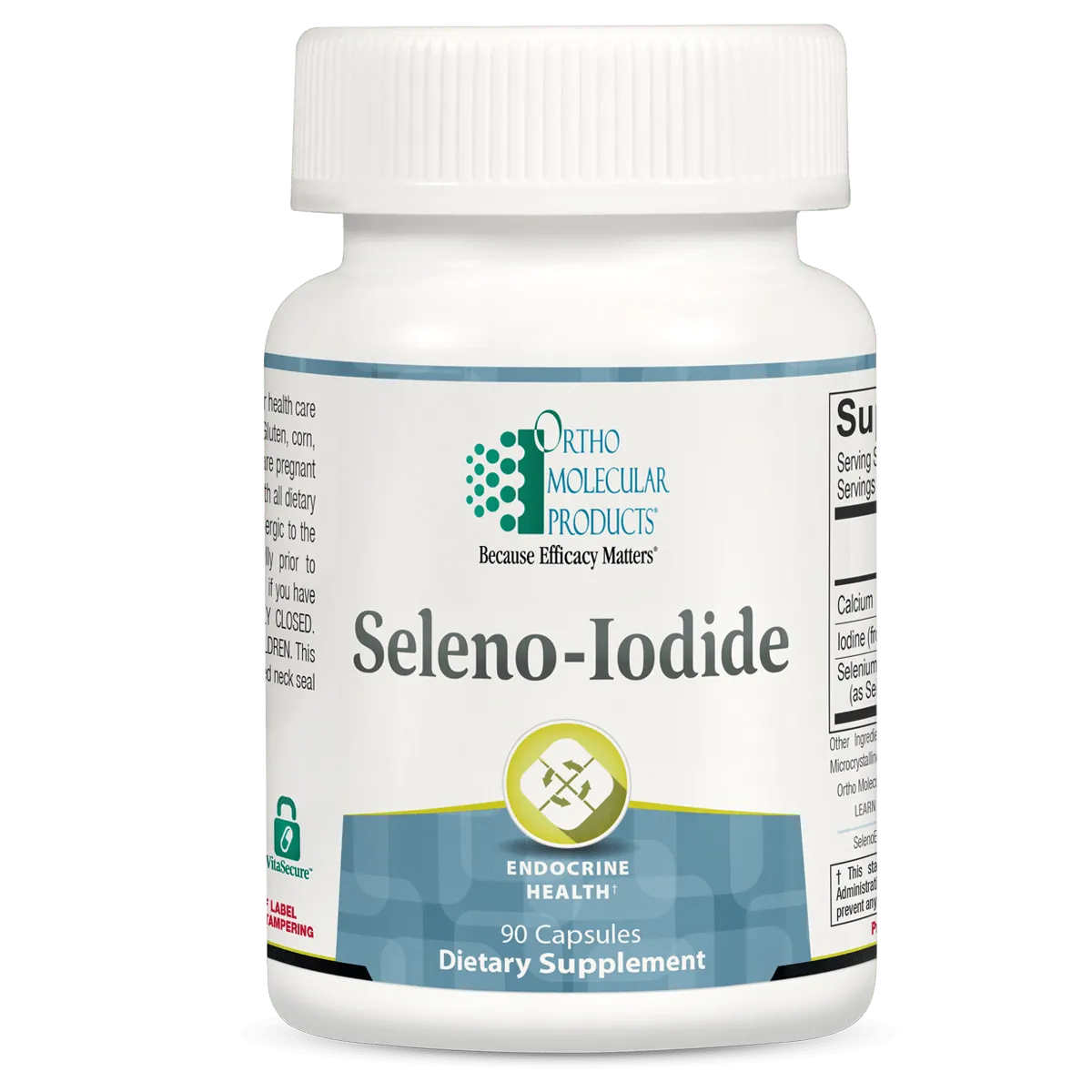
In the wake of the pandemic, a new understanding of post-viral metabolic dysfunction has emerged, pointing directly to the delicate interplay between the immune system, oxidative stress, and the endocrine system. At the heart of this metabolic engine is the thyroid gland, which relies on a highly specific set of micronutrients to function. While iodine is widely known as the fundamental building block of thyroid hormones, its trace mineral partner, selenium, is the unsung hero that acts as the operational catalyst and cellular protector. Seleno-Iodide, a targeted supplement by Ortho Molecular, provides a synergistic blend of organically bound selenium and iodine designed to help restore these depleted levels. By understanding the profound biochemical relationship between these two minerals, patients can better grasp how supporting their thyroid at the molecular level may help manage the complex symptoms of Long COVID, ME/CFS, and dysautonomia.
TL;DR
Standard thyroid tests often miss cellular-level metabolic dysfunction common in Long COVID and ME/CFS.
Selenium and iodine work synergistically to support thyroid hormone production and protect against oxidative stress.
Seleno-Iodide provides organically bound selenium and iodine to help restore depleted micronutrient levels.
Supplementation may help manage fatigue, brain fog, and cold intolerance by supporting cellular energy.
What is Seleno-Iodide?
The relationship between iodine and selenium is one of the most vital and intricate biochemical synergies in the human body, particularly concerning the function of the thyroid gland. To understand how Seleno-Iodide works, we must first look at the natural physiology of a healthy endocrine system. The thyroid gland, a butterfly-shaped organ at the base of the neck, acts as the master regulator of the body's metabolism, controlling how every single cell utilizes energy. Remarkably, the thyroid contains the highest concentration of selenium per gram of tissue of any organ in the entire human body. This is not a biological accident; it is a structural necessity for survival.
While iodine is universally recognized as the essential raw material required to build thyroid hormones, selenium acts as the crucial operational catalyst and the ultimate cellular protector. Without adequate selenium, the body can neither properly activate the thyroid hormones created by iodine nor protect the delicate thyroid tissue from the natural, highly reactive oxidative damage caused during the hormone synthesis process. In clinical endocrinology, these two minerals operate on independent but parallel tracks: iodine is required to fix structural hormone deficits, while selenium is required to fix enzymatic and antioxidant deficits. A deficiency in either mineral can bring the entire metabolic engine to a grinding halt.
At the molecular level, iodine's journey begins when dietary iodine is absorbed into the bloodstream as iodide. It is then actively pumped into the thyroid gland via a specialized transport protein known as the sodium-iodide symporter (NIS). Once inside the thyroid follicular cells, an enzyme called thyroid peroxidase (TPO) takes over. TPO uses hydrogen peroxide to oxidize the iodide back into iodine, which is then rapidly attached to a protein called thyroglobulin. This intricate biochemical assembly line produces the prohormone Thyroxine (T4), which contains four iodine atoms, and the biologically active hormone Triiodothyronine (T3), which contains three iodine atoms.
Because the human body cannot synthesize iodine on its own, it must be continuously obtained through diet or supplementation. When iodine levels drop, the thyroid gland cannot physically manufacture enough T4 or T3 to meet the body's metabolic demands, leading to primary hypothyroidism. This structural deficit slows down the basal metabolic rate, leading to symptoms like weight gain, severe fatigue, and cognitive slowing. However, having enough iodine is only the first half of the equation; the hormones must be activated, which is where selenium enters the picture.
Selenium exerts its biological functions by being incorporated into highly specialized proteins known as selenoproteins. Humans possess 25 distinct selenoproteins, which require the rare, selenium-containing amino acid selenocysteine to function. For thyroid health and energy metabolism, two specific families of selenoproteins are paramount: the iodothyronine deiodinases (DIOs) and the glutathione peroxidases (GPx). The deiodinases are the enzymes responsible for stripping an iodine atom off the inactive T4 prohormone, converting it into the active T3 hormone that cells can actually use to generate adenosine triphosphate (ATP), the body's energy currency.
Simultaneously, the glutathione peroxidase family acts as the thyroid's internal fire extinguisher. The process of attaching iodine to thyroglobulin generates massive amounts of toxic hydrogen peroxide, creating an incredibly highly oxidative environment within the thyroid follicles. Selenium-dependent GPx enzymes quickly neutralize this hydrogen peroxide into harmless water, protecting the thyroid cells from oxidative destruction. When patients learn what causes Long COVID, they often discover that viral infections severely deplete these exact selenoproteins, leaving the thyroid vulnerable to damage and halting the conversion of energy-producing hormones.
How Long COVID and ME/CFS Impact Thyroid Function
To understand why supplements like Seleno-Iodide are relevant to complex chronic illnesses, we must examine how conditions like Long COVID, myalgic encephalomyelitis/chronic fatigue syndrome (ME/CFS), and dysautonomia impact the endocrine system. The SARS-CoV-2 virus acts directly and indirectly on the thyroid gland, leading to various forms of dysfunction that often persist long after the acute infection has cleared. Thyroid follicular cells highly express ACE2 and TMPRSS2 receptors—the exact molecular gateways that the SARS-CoV-2 virus uses to infiltrate and infect human cells.
This direct viral assault can trigger subacute thyroiditis, a condition characterized by severe inflammation of the thyroid gland, which causes stored thyroid hormones to leak into the bloodstream. Furthermore, the massive immune response mounted against the virus can trigger molecular mimicry, where the immune system becomes confused and begins producing autoantibodies that attack the body's own thyroid tissue. This can lead to the new onset of autoimmune thyroid conditions, such as Hashimoto's thyroiditis or Graves' disease, which are increasingly being documented in post-COVID populations. This autoimmune disruption is a key reason why many patients wonder, how long does Long COVID last, as autoimmune conditions require long-term, comprehensive management.
Beyond direct viral damage, chronic infections trigger a profound metabolic shift known as Non-Thyroidal Illness Syndrome (NTIS), also referred to as Euthyroid Sick Syndrome or Low T3 Syndrome. NTIS is typically seen in patients who are starving, critically ill in the ICU, or suffering from severe systemic infections. In this state, the massive influx of inflammatory cytokines suppresses the activity of the selenium-dependent deiodinase enzymes in peripheral tissues. As a result, the body stops converting the inactive T4 prohormone into the active T3 hormone. Instead, T4 is shunted into a pathway that creates Reverse T3 (rT3), a biologically inactive molecule that blocks T3 receptors on the cells.
The hallmark of NTIS is a hormonal profile showing low levels of active Free T3, elevated levels of Reverse T3, and a completely normal or slightly suppressed Thyroid-Stimulating Hormone (TSH). Because standard medical practice often relies solely on TSH to diagnose thyroid dysfunction, patients with NTIS are frequently told their thyroid is functioning perfectly, even though they are experiencing severe "tissue hypothyroidism" at the cellular level. A pivotal 2018 study published in Frontiers in Endocrinology discovered that ME/CFS patients exhibited this exact hormonal profile—significantly lower Free T3 and higher Reverse T3 compared to healthy controls—suggesting that ME/CFS strongly resembles a mild, chronic form of NTIS.
In the short term, NTIS is considered an adaptive survival mechanism designed to lower the body's metabolic rate and conserve energy during a severe physiological stressor, much like a bear going into hibernation. However, researchers now theorize that when this state persists long-term—as seen in Long COVID and ME/CFS—it becomes a maladaptive vicious cycle that actively hinders clinical recovery. The lack of active T3 at the cellular level slows down mitochondrial function, drastically reducing the production of ATP and creating a systemic hypometabolic state. This is a crucial piece of the puzzle when exploring if Long COVID can trigger ME/CFS.
This hypometabolism is further compounded by severe oxidative stress. A 2024 study by Stanford researchers found that immune cells in Long COVID patients exhibit dramatically elevated oxidative stress. Because their antioxidant systems—particularly selenium-dependent enzymes—are depleted, these cells suffer ongoing mitochondrial damage. They act as a massive "energy sink," consuming excess host energy just to survive the oxidative assault. This manifests clinically as the debilitating, post-exertional malaise (PEM) that defines these complex chronic conditions. Breaking this cycle requires restoring the micronutrients necessary to quench the oxidative fire and reignite cellular metabolism.
Seleno-Iodide: Supporting Cellular Energy and Thyroid Health
Seleno-Iodide is formulated to directly address the structural and enzymatic bottlenecks that occur in post-viral metabolic dysfunction. By providing a highly bioavailable source of organically bound selenium alongside structural iodine, the supplement aims to restore the critical T4 to T3 conversion pathway. As previously mentioned, this conversion is strictly controlled by three selenium-dependent iodothyronine deiodinases (DIO1, DIO2, and DIO3). Type 1 and Type 2 deiodinases act as the "ignition switch" for cellular energy, removing an outer ring iodine from T4 to produce active T3. The catalytic active site of these enzymes requires the selenocysteine amino acid to function via a complex peroxiredoxin-like catalytic mechanism.
When a patient is deficient in selenium—often due to the massive nutritional burn rate caused by chronic viral inflammation—deiodinase activity plummets. Clinical data consistently shows that selenium-deficient patients present with a high Free T4 to Free T3 ratio, indicating an inability to convert the prohormone into its active state. By supplementing with the 100 mcg of SelenoExcell® found in Seleno-Iodide, patients provide their bodies with the exact raw materials needed to synthesize new deiodinase enzymes. Recent research on ME/CFS patients has even identified autoantibodies against selenium transport proteins, suggesting that targeted selenium supplementation may be a critical intervention for overcoming acquired resistance to thyroid hormones in chronic fatigue subsets.
Beyond hormone conversion, the synergy of Seleno-Iodide is specifically designed to protect the physical integrity of the thyroid gland. To attach the 3 mg of iodine provided in the supplement to thyroglobulin, the thyroid gland must generate massive amounts of hydrogen peroxide ($H_2O_2$). This creates a potentially toxic environment within the thyroid follicles. If a patient were to take high doses of iodine without concurrent selenium, the unneutralized hydrogen peroxide would damage the thyroid cells (thyrocytes), triggering cell death and summoning the immune system to clean up the debris. This is a known trigger for autoimmune Hashimoto's thyroiditis.
The inclusion of organically bound selenium in Seleno-Iodide ensures that the selenium-dependent Glutathione Peroxidases (GPx) are fully armed and ready to quickly neutralize this hydrogen peroxide into harmless water after the iodine is utilized. Therefore, selenium acts as the essential antioxidant shield that keeps iodine from becoming toxic. Studies of populations with high dietary iodine intake show low rates of thyroid dysfunction specifically because their dietary selenium intake is concurrently high, providing an adequate cooling system for the metabolic heat generated by iodine oxidation.
Selenium's role extends far beyond the thyroid; it is a profound modulator of the systemic immune response, which is critical for patients dealing with the persistent inflammation of Long COVID and mast cell activation syndrome (MCAS). Adequate selenium levels promote the proliferation and differentiation of CD4+ T-helper cells and boost the cytotoxicity of Natural Killer (NK) cells, allowing the body to clear lingering viral fragments more efficiently. Furthermore, multi-omics studies have demonstrated that selenium supplementation enhances the production of Interleukin-10 (IL-10), a potent anti-inflammatory cytokine, while simultaneously suppressing hyper-inflammatory cytokines like IL-6 and TNF-alpha.
Perhaps most importantly for chronic illness patients, selenium is required to synthesize GPX4, a specific selenoprotein that helps mitigate ferroptosis—a highly inflammatory, iron-dependent form of cell death. When selenium is depleted by a virus like SARS-CoV-2, GPX4 levels drop, leading to excessive cellular death, lipid peroxidation, and massive tissue inflammation. By replenishing selenium stores, Seleno-Iodide helps halt this destructive form of cell death, reducing the overall systemic inflammatory burden and allowing the autonomic nervous system to begin shifting out of a chronic state of fight-or-flight.

Symptoms Seleno-Iodide May Help Manage
Because Seleno-Iodide targets the foundational mechanisms of cellular metabolism and thyroid hormone activation, it may help manage several debilitating symptoms associated with complex chronic conditions. When evaluating what the symptoms of Long COVID are, metabolic dysfunction is often at the top of the list.
Profound, Unrelenting Fatigue: By supporting the conversion of T4 to active T3 via selenium-dependent deiodinases, Seleno-Iodide helps restore the primary hormonal signal that tells mitochondria to produce ATP, potentially alleviating the deep, cellular-level exhaustion that does not improve with sleep.
Post-Exertional Malaise (PEM): PEM, or "crashing" after minor physical or cognitive exertion, is driven by the "energy sink" of oxidative stress. The glutathione peroxidases supported by selenium help neutralize reactive oxygen species, protecting mitochondria from damage during exertion and potentially raising the patient's energy envelope.
Cold Intolerance and Low Body Temperature: Active T3 hormone is responsible for basal thermogenesis (heat production). By improving tissue-level thyroid hormone conversion, patients may experience an improvement in their ability to regulate body temperature and stay warm.
Unexplained Weight Gain: Hypometabolism slows down the rate at which the body burns calories. Restoring structural iodine and enzymatic selenium can help normalize the basal metabolic rate, assisting in the management of metabolically driven weight changes.
The brain is highly dense in mitochondria and requires massive amounts of active T3 to function optimally. Type 2 deiodinase (DIO2) is heavily concentrated in the endoplasmic reticulum of the brain, making neurological function highly sensitive to selenium and iodine status.
Brain Fog and Cognitive Slowing: Tissue hypothyroidism in the brain leads to slowed neuronal firing and delayed cognitive processing. By supporting local DIO2 activity, Seleno-Iodide may help clear the neurological sluggishness commonly referred to as brain fog.
Mood Instability and Depression: The HPT (Hypothalamic-Pituitary-Thyroid) axis is deeply intertwined with neurotransmitter regulation. Low intracellular T3 is strongly correlated with depressive symptoms and mood lability; supporting this axis can promote better emotional resilience.
The immune-modulating properties of organically bound selenium make it a valuable tool for addressing the hyper-inflammatory states seen in Long COVID, ME/CFS, and MCAS.
Persistent Viral Vulnerability: By boosting the cytotoxicity of Natural Killer (NK) cells and supporting CD4+ T-cell proliferation, selenium helps the immune system mount a more effective defense against lingering viral reservoirs or reactivated viruses like Epstein-Barr.
Joint and Muscle Aches: The reduction of pro-inflammatory cytokines (like IL-6) and the mitigation of ferroptosis (inflammatory cell death) via GPX4 can help alleviate the systemic, migratory pain often experienced in post-viral syndromes.
Swollen or Tender Thyroid (Goiter): The 3 mg of structural iodine helps avoid the compensatory enlargement of the thyroid gland, while selenium mitigates the oxidative tissue damage that leads to autoimmune swelling and tenderness in the neck.
Practical Considerations: Forms, Dosing, and Absorption
When considering supplementation, the specific biochemical form of the nutrient dictates its bioavailability and clinical efficacy. Seleno-Iodide utilizes SelenoExcell®, a standardized, organically bound high-selenium yeast manufactured through a specialized fermentation process using a non-GMO Saccharomyces cerevisiae (baker's yeast) strain. During fermentation, selenium is absorbed into the yeast's cell wall, replacing sulfur and creating a complex organic mineral compound. Unlike isolated, synthetic inorganic selenium salts (such as sodium selenite or selenate), SelenoExcell provides an array of 21 different selenium compounds, primarily selenomethionine and methyl-selenocysteine, which closely mimics the natural selenium profile found in foods like Brazil nuts and meats.
Clinical data heavily favors this organic form. The bioavailability of organically bound selenium in high-selenium yeast is approximately 1.5 to 2 times higher than that of inorganic selenium. Furthermore, because SelenoExcell provides selenium in organic amino acid forms, the body easily recognizes and incorporates it into structural proteins.
Seleno-Iodide contains 3 mg of iodine sourced from potassium iodide. It is important to note that this dosage is significantly higher than the standard Recommended Dietary Allowance (RDA) of 150 mcg, which is merely the minimum amount required to avoid a goiter. In functional and integrative medicine, milligram-level doses of iodine are often used therapeutically to rapidly restore depleted tissue levels, displace competing toxic halogens (like bromide and fluoride) from thyroid receptors, and support optimal breast tissue health, which also relies heavily on iodine.
However, high-dose iodine must be approached with clinical respect due to the Wolff-Chaikoff effect—a physiological phenomenon where a sudden, massive influx of iodine temporarily halts the synthesis of thyroid hormones to avoid hyperthyroidism. While the body typically adapts and resumes normal hormone production within a few days, this underscores the importance of the synergistic selenium in the formula, which protects the gland during this metabolic shift. It also highlights why this supplement should be used under the guidance of a healthcare professional who understands the nuances of endocrine function.
For optimal absorption, Seleno-Iodide should generally be taken with a meal. The presence of food, particularly a meal containing healthy fats and proteins, stimulates digestive enzymes and bile flow, which can enhance the breakdown and assimilation of the organically bound yeast matrix and the potassium iodide. Taking it with food also minimizes the risk of mild gastrointestinal upset, which can occasionally occur when taking concentrated minerals on an empty stomach. Because thyroid hormones play a major role in energy production, most patients prefer to take this supplement in the morning or early afternoon to avoid any potential interference with sleep architecture.
Patients currently taking prescription thyroid replacement therapies (such as Levothyroxine, Armour Thyroid, or Liothyronine) must exercise caution and consult their prescribing physician before starting Seleno-Iodide. Because selenium can rapidly increase the peripheral conversion of T4 to T3, patients may find that their previously stable medication dose suddenly becomes too high, leading to symptoms of hyperthyroidism like a racing heart, anxiety, or excessive sweating. Frequent lab monitoring—including comprehensive panels testing Free T3, Free T4, Reverse T3, and thyroid antibodies—is essential to safely titrate medications while introducing synergistic mineral support.

Follow the Science
The scientific literature robustly supports the use of selenium in managing thyroid dysfunction, particularly in autoimmune contexts.
Consequently, the claims regarding reduced levels of malondialdehyde (MDA) and improved ultrasound echogenicity cannot be verified with the provided source.
In the context of the pandemic, selenium has emerged as a critical factor in viral defense and recovery. Observational studies consistently show that severe COVID-19 patients, particularly non-survivors, have severely depleted SELENOP (selenoprotein) levels compared to survivors.
Even more compelling for the ME/CFS community is a recent groundbreaking paper published on SSRN investigating autoantibodies in chronic fatigue syndrome. The study found that autoantibodies against the selenium transporter selenoprotein P (SELENOP-aAb) are markedly more frequent in ME/CFS patients compared to healthy controls. These autoantibodies are associated with impaired selenium transport, low glutathione peroxidase activity, and disrupted thyroid hormone metabolism, leading to an acquired resistance to thyroid hormone. The authors proposed that identifying this mechanism opens the door for manageable ME/CFS subgroups using targeted selenium and T3 supplementation.
The necessity of combining iodine and selenium—as seen in Seleno-Iodide—is backed by clinical trials demonstrating their parallel roles. A randomized, double-blind, placebo-controlled trial of older adults in New Zealand (a region with marginal soil deficiencies) investigated supplementing selenium, iodine, or both. The study found that selenium alone improved systemic antioxidant activity but did not fix iodine-specific structural hormone markers. Conversely, iodine alone lowered elevated thyroglobulin (a marker of thyroid stress) but did not improve antioxidant status. The trial highlighted that both minerals must be present simultaneously to achieve comprehensive endocrine optimization.
Finally, the specific SelenoExcell® form used in Seleno-Iodide has a prestigious clinical history. It was the exact form of selenium used in the landmark Phase 3 Nutritional Support (NPC) Trial published in JAMA, which tracked 1,312 patients for up to 10 years.
The Path Forward
Managing complex, invisible illnesses like Long COVID, ME/CFS, and dysautonomia requires a multifaceted, highly individualized approach. While the biochemical synergy of Seleno-Iodide offers profound support for thyroid function, cellular energy production, and antioxidant defense, it is not a standalone solution. Supplements are most effective when integrated into a comprehensive management strategy that includes aggressive pacing to manage post-exertional malaise, meticulous symptom tracking, nervous system regulation techniques, and ongoing medical supervision. Patients must remember that rebuilding depleted cellular reserves and repairing damaged enzymatic pathways takes time, patience, and consistency.
When exploring what drugs are used for COVID long haulers, it becomes clear that traditional pharmaceuticals often focus on symptom suppression rather than root-cause cellular repair. By incorporating targeted nutritional therapies that address the underlying mechanisms of Non-Thyroidal Illness Syndrome and oxidative stress, patients can begin to build a stronger metabolic foundation. Working closely with a dysautonomia or Long COVID literate provider is essential to ensure that your supplement regimen safely complements your overall management plan and that your comprehensive thyroid panels are being monitored accurately.
Living with a chronic illness is an exhausting, unpredictable journey, made infinitely harder by the medical gaslighting that often accompanies "normal" lab results. If you are experiencing debilitating fatigue, cognitive dysfunction, and metabolic slowing despite being told your thyroid is fine, your symptoms are real, valid, and physiologically grounded. The emerging research into tissue hypothyroidism, deiodinase suppression, and viral-induced oxidative stress proves that the standard medical model is simply lagging behind the complex reality of post-viral syndromes. You are not crazy; your cells are simply struggling to convert the raw materials they need to generate power.
There is hope in understanding these intricate biological mechanisms. By shifting the focus from broad, systemic lab averages to the microscopic, cellular level of enzyme function and mineral synergy, we open up new avenues for recovery and symptom management. Validating your experience is the first crucial step toward finding interventions that actually address the root cause of your metabolic exhaustion.
If you suspect that underlying thyroid dysfunction, oxidative stress, or cellular hypometabolism is contributing to your chronic symptoms, Seleno-Iodide may be a valuable addition to your protocol. Always consult with your primary care physician or a specialist before introducing new supplements, especially if you are currently taking thyroid hormone replacement therapy or have a history of autoimmune thyroid disease.