Can Selenium Support Thyroid Health and Energy Levels in Long COVID and ME/CFS?
March 6, 2026
SeleniumLong COVIDME/CFS
Share:
Disclaimer: The information provided here is for educational purposes only and is not intended as medical advice. It should not be used to diagnose, treat, cure, or prevent any medical condition. Instead, use it as a starting point for discussion with your healthcare provider. Always consult with a qualified healthcare provider before starting any new medication, supplement, device, or making changes to your health regimen.
Living with complex chronic conditions like Long COVID, myalgic encephalomyelitis/chronic fatigue syndrome (ME/CFS), and mast cell activation syndrome (MCAS) often feels like fighting an invisible battle. You might experience profound exhaustion, unpredictable allergic reactions, and stubborn hypothyroid symptoms—even when your standard blood tests come back completely "normal." This frustrating paradox leaves many patients searching for answers at the cellular level, where the true root of these symptoms often lies.
One of the most critical, yet frequently overlooked, pieces of this cellular puzzle is Selenium. Far more than just a basic mineral, selenium acts as the master switch for your body's antioxidant defense systems and thyroid hormone metabolism. When viral infections or chronic inflammation deplete this essential nutrient, the resulting oxidative stress can drain your energy reserves and trigger a cascade of systemic dysfunction. In this comprehensive guide, we will explore the intricate biochemistry of selenium, how chronic illness hijacks your body's supply, and how targeted supplementation with highly bioavailable forms like L-Selenomethionine may help restore balance to your thyroid, immune system, and overall cellular health.
TL;DR
Selenium is a vital mineral supporting antioxidant defense and thyroid hormone conversion in the body.
Chronic infections like COVID-19 can deplete selenium, driving fatigue, inflammation, and oxidative stress.
Supplementing with L-Selenomethionine may help manage fatigue, brain fog, and hypothyroid symptoms.
Always consult your doctor before starting selenium to ensure safe and proper dosing.
What is Selenium?
Selenium is an essential trace mineral, meaning your body cannot synthesize it on its own and must obtain it through diet or supplementation. In a healthy body, selenium does not simply float freely in the bloodstream; instead, it is intricately woven into the fabric of specific proteins to create selenoproteins. This process occurs through a highly specialized co-translational mechanism where selenium is incorporated as selenocysteine (Sec), often referred to as the 21st amino acid. Because the selenol group of selenocysteine is highly reactive at physiological pH, it acts as a superior nucleophile, dramatically enhancing the catalytic efficiency of crucial enzymes.
The human genome encodes 25 distinct selenoproteins, but two of the most vital families are the Glutathione Peroxidases (GPx) and Thioredoxin Reductases (TrxR). These enzymes are the heavy lifters of your cellular antioxidant defense system. Without adequate selenium to form the active selenocysteine site, these enzymes cannot function, leaving your cells highly vulnerable to oxidative damage. Research published in the Journal of the American Chemical Society demonstrates that substituting standard cysteine for selenocysteine in these enzymes causes their catalytic activity to plummet to merely 6% to 11% of their normal capacity, proving just how irreplaceable this mineral is.
To understand how selenium protects your body, we must look at the microscopic battle against reactive oxygen species (ROS), commonly known as free radicals. Normal cellular metabolism, especially energy production in the mitochondria, naturally produces toxic byproducts like hydrogen peroxide and lipid peroxides. The Glutathione Peroxidase (GPx) family operates via a sophisticated two-step, "ping-pong" catalytic redox cycle to neutralize these threats. First, the active selenolate anion in the enzyme attacks the toxic peroxide, instantly reducing it to harmless water or alcohol while becoming oxidized itself.
In the second phase of this cycle, the enzyme must be "reloaded." It relies on reduced glutathione (GSH) to bind to the active site, releasing the oxidized particles and regenerating the active selenolate for the next cycle. This lightning-fast chemical relay allows a single selenium-dependent enzyme to neutralize thousands of free radicals per second. When this system is fully operational, it prevents the structural damage to cell membranes and mitochondrial DNA that drives premature aging and cellular dysfunction.
Beyond antioxidant defense, selenium is the absolute linchpin of thyroid function. The thyroid gland contains more selenium per gram of tissue than any other organ in the human body. This high concentration is required for the function of iodothyronine deiodinases (DIO1, DIO2, and DIO3), another class of critical selenoproteins. The thyroid gland primarily produces thyroxine (T4), a relatively inactive storage form of the hormone. To be utilized by your brain, muscles, and organs, T4 must be converted into the active hormone, triiodothyronine (T3).
The deiodinase enzymes are responsible for this conversion, physically stripping an iodine atom from the T4 molecule to create T3. Because these enzymes are entirely selenium-dependent, a deficiency in this mineral acts like a roadblock in your endocrine system. As clinical studies on thyroid function have shown, without enough selenium, T4 pools in the bloodstream while cellular T3 levels plummet, leading to a state of localized hypothyroidism even if your thyroid gland is technically producing enough raw hormone.
How Chronic Illness Impacts Selenium Levels
When exploring What Causes Long COVID?, researchers have uncovered a fascinating and destructive mechanism: acute viral infections actively hijack the host's selenium stores. RNA viruses, including SARS-CoV-2 and Epstein-Barr Virus (EBV), require massive amounts of cellular resources to replicate. Studies evaluating the molecular behavior of SARS-CoV-2 suggest that the virus's Main Protease actively targets host selenoproteins and the enzymes required for glutathione biosynthesis for targeted destruction. By knocking down your body's thioredoxin and glutaredoxin redox cycles, the virus intentionally halts your own DNA synthesis, conserving raw materials to maximize the synthesis of its own viral RNA.
This viral hijacking leaves the patient severely depleted of protective selenoproteins. Consequently, unchecked reactive oxygen species (ROS) flood the cells, causing the runaway systemic inflammation and tissue damage seen during acute infection. Worse, this depletion often persists long after the acute virus has cleared, leaving the body in a chronic state of oxidative stress. This mechanism helps explain Can Long COVID Trigger ME/CFS? Unraveling the Connection, as the persistent lack of antioxidant defense drives the exact mitochondrial dysfunction seen in both conditions.
Patients with ME/CFS and Long COVID share a debilitating core symptom: profound fatigue and post-exertional malaise (PEM). Recent evidence confirms that extreme oxidative stress, exacerbated by selenium depletion, drives this dysfunction. A landmark 2021 review in PNAS summarized that these complex conditions are fundamentally linked by severe redox imbalances—high levels of tissue-damaging free radicals paired with depleted antioxidants. This imbalance directly impairs the mitochondria's ability to generate adenosine triphosphate (ATP), the cellular energy currency.
Furthermore, a major 2019 study by Stanford researchers analyzed peripheral blood lymphocytes in ME/CFS and Long COVID patients. They found that immune cells from both groups exhibited massively elevated oxidative stress, particularly in memory immune cell subsets. The researchers concluded that this excessive oxidative and mitochondrial damage acts as a parasitic "energy sink." The body is forced to drain its available energy simply to fight constant oxidative damage, leaving virtually no ATP for normal physical or cognitive function, which directly manifests as chronic, crushing exhaustion.
Even if a patient with Long COVID or ME/CFS consumes adequate dietary selenium, their body may no longer be able to utilize it due to viral-induced autoimmunity. A pivotal 2023 study published in Medicina investigated selenium status in ME/CFS and Long COVID patients, discovering widespread selenium deficiency. More alarmingly, the researchers found that up to 15.6% of ME/CFS patients had high levels of circulating autoantibodies against Selenoprotein P (SELENOP-aAb), the primary transporter of selenium in the blood, compared to just 1-2% in healthy controls.
Because these autoantibodies attack the selenium transport mechanism, the patient's cells suffer from intracellular selenium deficiency, even if blood serum levels appear normal. This prevents the central nervous system, immune system, and thyroid gland from accessing the selenium they desperately need. Consequently, patients suffer from reduced deiodinase enzyme activity, leading to an "acquired resistance to thyroid hormone." This perfectly explains why so many chronic illness patients suffer from severe hypothyroid-like symptoms—such as mental fatigue, weight gain, and cold intolerance—despite having "normal" standard TSH and T4 lab results.
Selenium: Supporting Thyroid, Immunity, and Antioxidant Defense
One of the most profound therapeutic benefits of selenium supplementation is its ability to restore proper thyroid hormone metabolism. In patients with complex chronic illnesses, the inflammatory burden often suppresses the activity of the DIO1 and DIO2 deiodinase enzymes. This creates a bottleneck where the inactive T4 hormone cannot be converted into the active T3 hormone. By providing a highly bioavailable source of selenium, you supply the exact molecular building blocks needed to reactivate these enzymes.
Clinical studies on selenium deficiency have demonstrated that replenishing this mineral successfully lowers the Free T4 to Free T3 ratio. As the deiodinase enzymes come back online, T4 is efficiently converted into T3, resolving the cellular starvation that drives systemic fatigue and metabolic slowdown. Furthermore, in autoimmune thyroid conditions like Hashimoto's thyroiditis, selenium's antioxidant power neutralizes the reactive oxygen species generated during hormone synthesis. This protects the delicate thyroid tissue from oxidative damage and has been shown to significantly reduce levels of thyroid peroxidase antibodies (TPOAb), calming the autoimmune attack on the gland.
Mast Cell Activation Syndrome (MCAS) is a frequent comorbidity in Long COVID and dysautonomia, characterized by hyperactive mast cells that inappropriately release inflammatory mediators like histamine, prostaglandins, and leukotrienes. Mast cell degranulation is heavily triggered by intracellular reactive oxygen species. By bolstering the glutathione peroxidase system, selenium acts as a potent natural mast cell stabilizer. It decreases the generation of ROS, which in turn inhibits the redox-sensitive transcription factors that tell mast cells to burst open.
A pivotal in vitro study on mast cells demonstrated that selenium treatment significantly and dose-dependently decreases the release of major inflammatory mediators, particularly Prostaglandin D2 and β-hexosaminidase. While its direct effect on stopping histamine release is moderate, selenium is also crucial for the function of enzymes in the liver that break down circulating histamine. By raising the activation threshold of mast cells and supporting histamine clearance, selenium helps mitigate the unpredictable allergic-like flares, brain fog, and gastrointestinal distress that plague MCAS patients.
Selenium does not work in isolation; it is intimately tied to the body's master antioxidant, glutathione. While supplements like N-acetylcysteine (NAC) provide the raw materials to build glutathione, it is the selenium-dependent enzyme glutathione peroxidase that actually puts glutathione to work neutralizing free radicals. You can learn more about this synergy in our guide: Can NAC (N-Acetyl-l-Cysteine) Support Detoxification and Respiratory Health in Long COVID and ME/CFS?. Without adequate selenium, even high levels of glutathione remain functionally useless against oxidative stress.
By restoring this system, selenium promotes optimal immune function and a healthy inflammatory response. It helps shift the immune system away from the chronic, hyper-inflammatory state seen in post-viral syndromes and back toward a balanced, regulated state. Additionally, optimal selenium levels have been shown to exert a protective effect against toxic heavy metals like mercury and cadmium, binding to them and facilitating their safe excretion from the body, further reducing the overall toxic burden on a compromised system.
Symptoms Selenium May Help Manage
Profound Fatigue and PEM: By restoring the glutathione peroxidase system and neutralizing the oxidative stress "energy sink," selenium helps protect mitochondrial ATP production, potentially reducing the severity of post-exertional malaise and daily exhaustion.
Hypothyroid Symptoms (Cold Intolerance, Weight Gain): Selenium provides the essential cofactor for deiodinase enzymes, unblocking the conversion of inactive T4 to active T3, which regulates basal body temperature, metabolism, and cellular energy.
Brain Fog and Cognitive Dysfunction: The brain is highly susceptible to oxidative damage and neuroinflammation. Selenium's ability to cross the blood-brain barrier and neutralize reactive oxygen species helps protect delicate neural tissues and improve cognitive clarity.
Allergic-like Flares and MCAS Reactions: By acting as a natural mast cell stabilizer, selenium reduces the release of inflammatory mediators like Prostaglandin D2 and supports the liver enzymes responsible for breaking down systemic histamine.
Hair Loss and Skin Issues: Healthy thyroid function and robust antioxidant defenses are critical for the cellular turnover required for healthy hair follicles and skin elasticity. Selenium helps mitigate the oxidative damage that leads to brittle hair and dermatological flares.
Joint Pain and Systemic Inflammation: By downregulating redox-sensitive transcription factors that drive chronic inflammation, selenium helps soothe the systemic immune overactivation that often manifests as diffuse joint and muscle pain in ME/CFS and Long COVID.
Practical Considerations: Forms, Dosing, and Absorption
When it comes to supplementation, the chemical form of the mineral dictates how effectively your body can use it. L-Selenomethionine is a naturally occurring, highly bioavailable organic form of selenium. In this compound, selenium replaces the sulfur atom normally found in the essential amino acid methionine. Because its molecular structure is virtually identical to methionine, L-Selenomethionine utilizes the exact same active transport mechanisms in the gastrointestinal tract, allowing the body to recognize it as an amino acid and absorb it with exceptional efficiency.
Unlike inorganic forms like sodium selenite, which are rapidly flushed out of the body if not immediately used, L-Selenomethionine is directly incorporated into body proteins, such as skeletal muscle. This creates a safe, continuous "storage pool" of selenium. During normal metabolic protein turnover, the selenium is continuously released into the bloodstream, offering a steady, long-term supply for the production of vital antioxidant enzymes. A landmark clinical trial at Vanderbilt University confirmed that L-Selenomethionine has nearly twice the bioavailability of sodium selenite, making it the preferred choice for clinical replenishment.
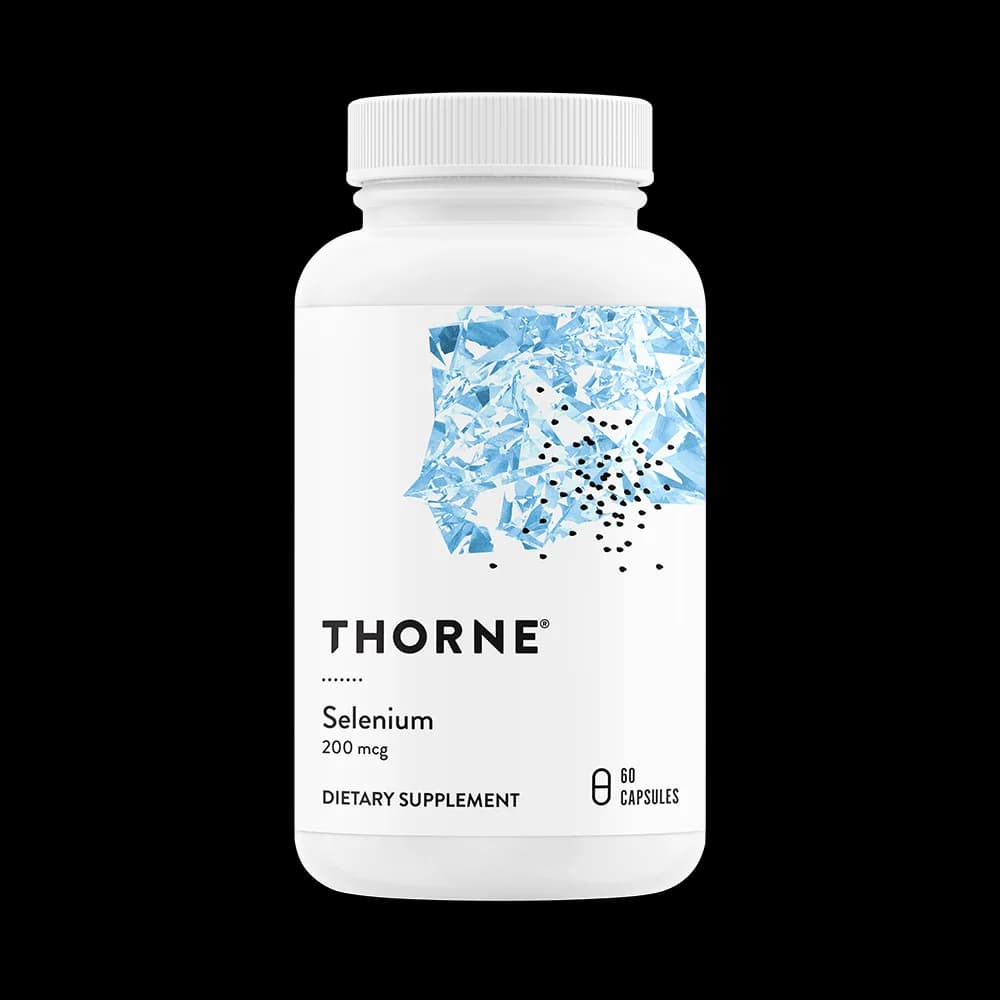
Because selenium is a trace mineral, the window between a therapeutic dose and a toxic dose is relatively narrow, requiring careful attention to dosing. The standard Recommended Dietary Allowance (RDA) for healthy adults is 55 micrograms (mcg) per day. However, for individuals dealing with chronic oxidative stress, viral depletion, or autoimmune thyroid conditions, clinical trials frequently utilize therapeutic doses of 200 mcg daily. This is the exact dosage provided in Thorne's L-Selenomethionine supplement, designed to safely saturate antioxidant pathways without overwhelming the system.
It is crucial to be aware of the Tolerable Upper Intake Level (UL), which is established at 400 mcg per day for adults. Exceeding this limit on a chronic basis can lead to adverse health effects. When supplementing with 200 mcg, it is generally safe for most individuals, but you should always account for other sources of selenium in your diet or daily multivitamin to ensure your total daily intake remains within the safe therapeutic window.
Chronic overconsumption of selenium leads to a condition known as selenosis (selenium toxicity). While L-Selenomethionine is highly safe at recommended doses, accidentally taking massive doses or combining multiple high-dose supplements can trigger this condition. The earliest warning sign of selenosis is a distinct garlic-like odor on the breath and a metallic taste in the mouth, caused by the body attempting to excrete excess selenium via the respiratory system as dimethyl selenide.
If over-supplementation continues, more severe physical signs emerge, including brittle hair and nails, severe hair loss (alopecia), persistent gastrointestinal distress (nausea and diarrhea), and neurological symptoms like irritability and paresthesia (a burning or prickling sensation in the extremities). Because of these risks, selenium supplementation is contraindicated in individuals with a history of hypersensitivity to its ingredients, and pregnant women must consult their healthcare practitioner before use. Always work with a medical professional to monitor your levels and ensure safe, effective use.
Follow the Science
The clinical evidence supporting selenium's role in autoimmune thyroid conditions is extensive and robust. A massive 2024 systematic review and meta-analysis published in Nutrients evaluated 35 randomized clinical trials involving thousands of patients with Hashimoto's thyroiditis. The researchers found that selenium supplementation significantly decreased thyroid peroxidase antibody (TPOAb) levels and dramatically reduced markers of oxidative stress, such as malondialdehyde. This provides concrete proof that selenium helps quell the autoimmune fire damaging the thyroid gland.
Furthermore, trials investigating the combination of selenium and myo-inositol have shown remarkable synergistic effects. In a randomized controlled trial of Hashimoto's patients with subclinical hypothyroidism, those taking a combination of selenium and myo-inositol experienced a 31% reduction in TSH levels, alongside increased levels of both T3 and T4. This data underscores selenium's critical role in not just protecting the thyroid, but actively restoring its ability to produce and convert hormones effectively.
In the realm of post-viral syndromes, selenium is emerging as a key biomarker and therapeutic target. The 2023 Sun and Schomburg study in Medicina provided groundbreaking insights by identifying widespread selenium deficiency and SELENOP autoantibodies in ME/CFS and Long COVID patients. By proving that these patients suffer from intracellular selenium starvation and acquired resistance to thyroid hormone, this research validates the profound physical fatigue patients experience, moving the needle away from psychological explanations and toward concrete biochemical pathophysiology.
Additionally, the landmark PNAS review on redox imbalance firmly establishes that restoring the antioxidant system is paramount for recovery in ME/CFS and Long COVID. By highlighting how viral infections deplete selenoproteins to fuel their own replication, the scientific community is increasingly recognizing that replenishing these specific redox pathways—through targeted supplements like L-Selenomethionine and glutathione precursors—is a logical and necessary step in comprehensive post-viral rehabilitation.
The Path Forward
Navigating life with Long COVID, ME/CFS, or dysautonomia is an incredibly complex and often isolating journey. It is deeply validating to understand that your symptoms—the crushing fatigue, the brain fog, the sudden allergic flares—are not in your head. They are the result of measurable, microscopic battles happening within your cells. When viral infections or chronic inflammation hijack essential nutrients like selenium, your body's fundamental ability to produce energy and regulate hormones is compromised. Understanding this mechanism is the first step toward regaining control of your health.
If you are struggling to manage these unpredictable symptoms, you are not alone. Learning How Can You Live with Long-Term COVID involves assembling a toolkit of strategies that address your biology from multiple angles. While no single supplement is a miracle cure, restoring your cellular antioxidant defenses and supporting your thyroid function with targeted nutrients can be a powerful piece of the puzzle.
Managing complex chronic illness requires a holistic, patient-centered approach. Supplements like L-Selenomethionine work best when integrated into a broader management strategy that includes rigorous symptom tracking, aggressive pacing to avoid post-exertional malaise, and a nutrient-dense diet. By providing your body with the highly bioavailable tools it needs to neutralize oxidative stress and unblock hormone conversion, you are laying the groundwork for cellular repair and improved quality of life.
As always, because selenium has a narrow therapeutic window and can interact with individual health profiles, it is essential to consult your healthcare provider before adding it to your regimen, especially if you are pregnant or managing multiple conditions. Together with your medical team, you can determine the right dosage and approach for your unique biology.
Sources
Thyroid function in patients with selenium deficiency exhibits high free T4 to T3 ratio
Redox imbalance links COVID-19 and myalgic encephalomyelitis/chronic fatigue syndrome
Oxidative stress is a shared characteristic of ME/CFS and Long COVID
SARS-CoV-2 Main Protease Targets Host Selenoproteins and Glutathione Biosynthesis
Direct Observation of Selenenic Acid in a Glutathione Peroxidase Model