Can SBI Protect® Support Gut Health and Immune Balance in Long COVID and ME/CFS?
March 6, 2026
SBI ProtectImmunoLinLong COVID
Share:
Disclaimer: The information provided here is for educational purposes only and is not intended as medical advice. It should not be used to diagnose, treat, cure, or prevent any medical condition. Instead, use it as a starting point for discussion with your healthcare provider. Always consult with a qualified healthcare provider before starting any new medication, supplement, device, or making changes to your health regimen.
Months or even years after an initial viral infection, many individuals living with complex chronic illnesses find themselves battling a relentless array of symptoms that seem to originate from deep within the digestive tract. Whether it is the unpredictable bloating and food sensitivities of mast cell activation syndrome (MCAS), the profound systemic inflammation of Long COVID, or the debilitating neuroimmune crashes of myalgic encephalomyelitis/chronic fatigue syndrome (ME/CFS), the gastrointestinal system often sits at the epicenter of the storm. For patients who have tried countless probiotics, restrictive diets, and digestive enzymes without lasting relief, the frustration can be overwhelming. The reality is that when the structural integrity of the gut barrier is compromised, simply adding more bacteria or removing foods is rarely enough to halt the underlying immune cascade.
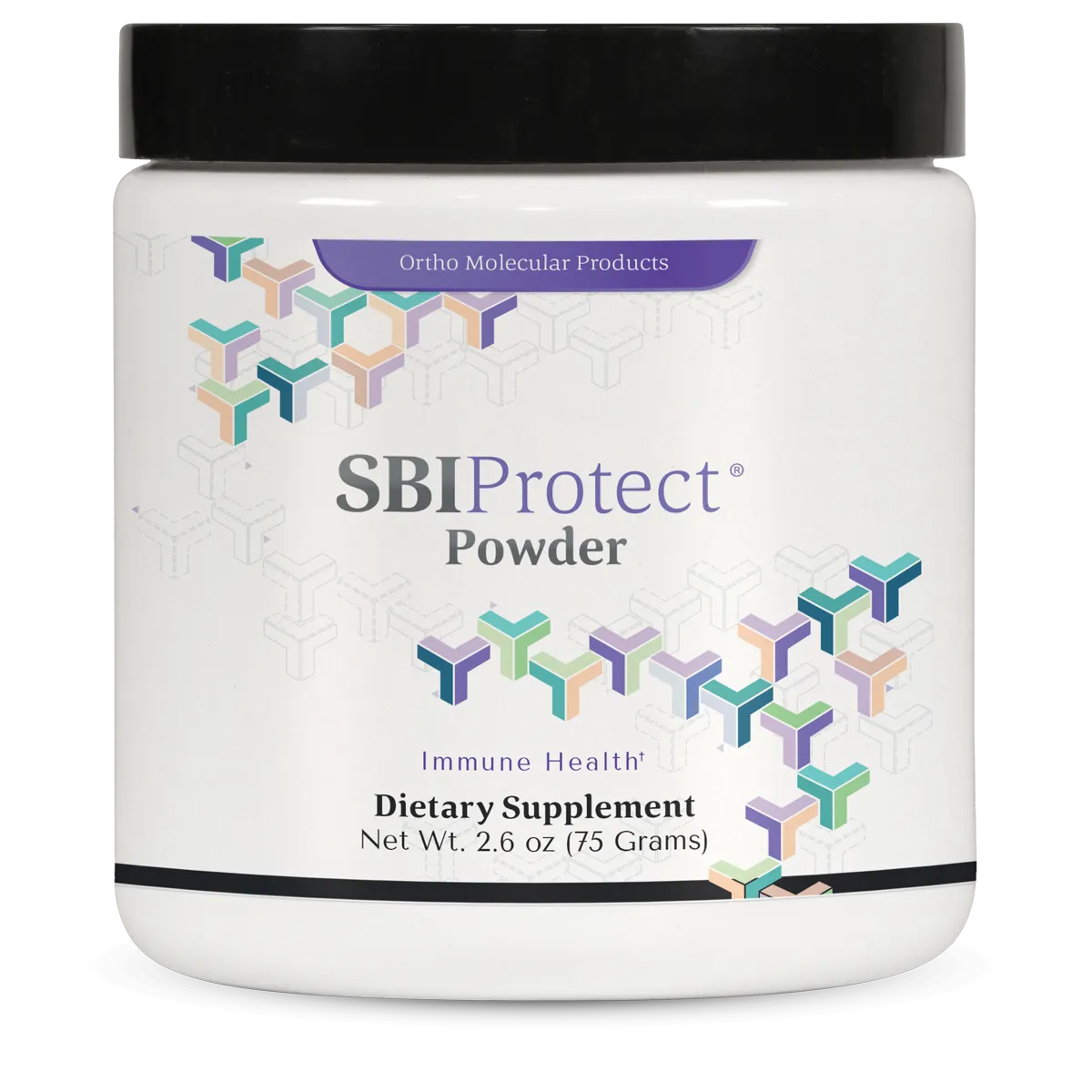
This is where targeted mucosal immune support becomes a critical piece of the puzzle. SBI Protect® Powder, formulated with a highly concentrated, purified ingredient known as serum-derived bovine immunoglobulin (SBI or ImmunoLin®), offers a unique, science-backed approach to repairing the gut barrier. Rather than acting as a traditional systemic immunosuppressant, SBI works locally within the gastrointestinal lumen to physically bind and neutralize bacterial toxins, viral fragments, and inflammatory antigens before they can trigger the immune system. By acting as a biological "sink" for these microscopic irritants, SBI Protect helps reset healthy immune tolerance, allowing the delicate tight junctions of the gut lining to heal. In this comprehensive guide, we will explore the intricate mechanisms behind serum-derived immunoglobulins, how gut barrier dysfunction drives chronic illness, and how this specialized protein isolate may help you reclaim your gastrointestinal and systemic health.
TL;DR
SBI Protect uses dairy-free bovine immunoglobulins to support gut barrier healing and immune tolerance.
It binds to toxins and inflammatory antigens in the gut, helping reduce systemic immune reactions.
May help manage symptoms of Long COVID, ME/CFS, MCAS, and dysautonomia by reducing mucosal inflammation.
SBI acts locally in the digestive tract and is safe for those without beef allergies.
What is Serum-Derived Bovine Immunoglobulin (SBI Protect)?
To understand how SBI Protect® Powder functions, it is essential to first understand its primary active ingredient: serum-derived bovine immunoglobulin (SBI), commercially known as ImmunoLin®. For decades, functional medicine has utilized bovine colostrum—the first milk produced by cows after giving birth—to support human gut health because it contains beneficial antibodies. However, colostrum has significant limitations for patients with complex chronic illnesses. It contains lactose, casein, whey, and potentially inflammatory endotoxins that can trigger severe reactions in individuals with mast cell activation syndrome (MCAS) or severe dairy allergies. Furthermore, the immunoglobulin concentration in standard colostrum typically hovers around 20 to 25 percent, meaning patients must consume large amounts to achieve a therapeutic dose.
SBI Protect bypasses these issues entirely. It is a highly purified, completely dairy-free protein isolate derived from bovine blood plasma rather than milk. Through a rigorous filtration and purification process, the resulting powder is composed of over 90 percent pure protein, with an exceptionally high concentration of immunoglobulins. Specifically, SBI contains more than 50 percent Immunoglobulin G (IgG), alongside smaller amounts of Immunoglobulin M (IgM) and Immunoglobulin A (IgA). Because it is entirely free of lactose, casein, and beta-lactoglobulin, it provides a hypoallergenic, highly tolerable option for patients who cannot tolerate traditional dairy-based gut supplements.
This specialized protein isolate is not a new or experimental compound; it is the exact same active ingredient utilized in the FDA-regulated prescription medical food EnteraGam®, which is widely prescribed by gastroenterologists for the management of chronic diarrhea and enteropathy. By delivering a massive dose of purified IgG directly to the digestive tract, SBI Protect provides the immune system with the exact tools it needs to manage microbial threats without triggering systemic allergic responses.
In a healthy human body, the gastrointestinal tract is heavily guarded by the mucosal immune system. Every day, your gut is exposed to trillions of microorganisms, dietary proteins, and environmental toxins. To manage this massive antigenic load, the body naturally secretes between 3,000 and 5,000 milligrams of immunoglobulins (primarily secretory IgA) into the intestinal lumen daily. These Y-shaped antibody proteins act as the gut's first line of defense. Their primary job is to identify foreign invaders, bind to their specific molecular structures, and neutralize them before they can interact with the delicate cells lining the intestinal wall.
When an individual is battling a chronic infection, severe dysbiosis, or post-viral immune dysregulation, the sheer volume of inflammatory antigens in the gut can easily overwhelm the body's natural immunoglobulin production. The local immune system becomes depleted, allowing pathogenic bacteria, viral fragments, and endotoxins to run rampant. By supplementing with a highly concentrated source of externally derived IgG, such as SBI Protect, you are essentially providing reinforcements to an exhausted mucosal immune system. The bovine IgG in SBI has been shown to survive the harsh, acidic environment of the human stomach, arriving intact in the intestines where it can immediately begin binding to inflammatory targets.
To fully grasp why immunoglobulins are so vital, we must look at the microscopic anatomy of the gut barrier. The intestinal lining is incredibly thin—it is composed of a single layer of epithelial cells (enterocytes) covered by a protective mucous layer. These epithelial cells are stitched together by complex protein structures known as tight junctions. Tight junctions, made of proteins like Zonula Occludens-1 (ZO-1), claudins, and occludin, act as dynamic gates. They open slightly to allow digested nutrients and water to absorb into the bloodstream, and they snap shut to keep bacteria, large undigested proteins, and toxins safely confined within the digestive tract.
When the gut is healthy, this barrier functions perfectly. However, when the gut is overwhelmed by inflammation, these tight junction proteins begin to degrade and pull apart. This creates microscopic gaps between the cells, a condition medically known as intestinal permeability, or more commonly, "leaky gut." Once the barrier is breached, the contents of the digestive tract spill into the lamina propria (the tissue just beneath the epithelium), where they encounter a massive army of immune cells. This breach is the fundamental biochemical starting point for the systemic inflammation seen in many complex chronic conditions.
How Long COVID and ME/CFS Impact the Gut Barrier
The connection between respiratory viruses and severe gastrointestinal dysfunction has become a focal point in modern medical research, particularly concerning Long COVID. During an acute SARS-CoV-2 infection, the virus does not solely target the lungs; it actively binds to ACE2 receptors, which are highly expressed on the enterocytes lining the terminal ileum and colon. Research suggests that in many Long COVID patients, viral RNA and spike proteins can persist in the gut tissue for months or even years after the initial infection clears. This phenomenon, known as viral persistence, turns the gastrointestinal tract into a chronic reservoir of inflammation.
As the local immune system constantly battles these lingering viral fragments, it releases a steady stream of pro-inflammatory cytokines, such as Interleukin-6 (IL-6) and Tumor Necrosis Factor-alpha (TNF-α). These cytokines actively dismantle the tight junction proteins, leading to profound intestinal permeability. Consequently, patients experience a wide array of gastrointestinal symptoms seen with Long COVID, including chronic diarrhea, severe bloating, and malabsorption. Furthermore, as the gut barrier fails, inflammatory mediators leak into the bloodstream, driving the systemic autoimmunity and immune dysregulation in Long COVID that causes brain fog, joint pain, and profound fatigue.
For individuals living with myalgic encephalomyelitis/chronic fatigue syndrome (ME/CFS), gut barrier dysfunction is a well-documented driver of the disease's most debilitating symptoms. Many patients wonder, can Long COVID trigger ME/CFS? The answer is a resounding yes, and the gut is a primary intersection point. In ME/CFS, chronic microbiome dysbiosis leads to an overgrowth of Gram-negative bacteria in the digestive tract. The cell walls of these bacteria contain a highly toxic, immunostimulatory molecule called lipopolysaccharide (LPS), also known as endotoxin.
When the tight junctions of the gut fail, massive amounts of LPS translocate from the intestinal lumen into the systemic circulation—a process known as metabolic endotoxemia. Once in the blood, LPS binds to Toll-Like Receptor 4 (TLR4) on immune macrophages, triggering an explosive release of systemic inflammation. This inflammation crosses the blood-brain barrier, resulting in severe neuroinflammation. This neuroimmune cascade is heavily implicated in the hallmark symptom of ME/CFS: post-exertional malaise (PEM), where even minor physical or cognitive exertion leads to a devastating crash in cellular energy and an exacerbation of systemic symptoms.
The breakdown of the gut barrier also has profound implications for the autonomic nervous system, particularly in conditions like Postural Orthostatic Tachycardia Syndrome (POTS) and other forms of dysautonomia. The gut and the brain are in constant communication via the vagus nerve, a massive cranial nerve that oversees heart rate, digestion, and respiratory rate. When the gut is highly inflamed and leaky, the localized cytokine storm directly irritates the afferent (upward-traveling) fibers of the vagus nerve.
This constant inflammatory signaling essentially short-circuits the autonomic nervous system. The brain receives danger signals from the inflamed gut and responds by keeping the body in a state of chronic sympathetic overdrive (fight-or-flight). This autonomic dysregulation manifests as the rapid heart rate, blood pressure fluctuations, dizziness, and severe gastrointestinal motility issues (such as gastroparesis or rapid transit) that characterize dysautonomia. Recent literature highlights that addressing the inflammatory root cause in the gut is a critical step in calming the vagus nerve and restoring autonomic tone.
Finally, we must examine the role of mast cells, the immune system's primary first responders. The gastrointestinal tract houses one of the largest populations of mast cells in the human body. In a healthy gut, these cells remain stable. However, in a state of intestinal permeability, undigested food proteins, bacterial toxins, and viral antigens constantly flood the mucosal tissue. This relentless exposure causes the local mast cells to become hyper-reactive and degranulate, releasing massive amounts of histamine, tryptase, and leukotrienes.
This localized mast cell activation quickly becomes systemic, driving the widespread allergic reactions, mysterious food sensitivities, and dermatological issues seen in mast cell activation syndrome (MCAS). Because the gut is the primary site of antigen exposure, healing the intestinal barrier is paramount. If the constant influx of triggers is not stopped at the mucosal level, systemic mast cell stabilizers will only provide partial relief.
SBI Protect: Supporting the Gut Barrier and Immune Tolerance
The primary mechanism by which SBI Protect supports the healing of the gut barrier is through a biochemical process known as steric hindrance. When you consume the serum-derived bovine immunoglobulins, the highly concentrated IgG molecules travel to the intestines and act like biological sponges. The Fab (fragment antigen-binding) regions of these Y-shaped antibodies have a high affinity for a wide variety of harmful microbial components, including lipopolysaccharide (LPS), bacterial flagellin, C. difficile toxins, and various viral antigens.
When the IgG binds to these microscopic threats, it forms large, bulky antigen-antibody complexes. This is where steric hindrance comes into play: these newly formed complexes are physically too large to pass through the delicate tight junctions of the intestinal lining, even if those junctions are already compromised and "leaky." By physically trapping these inflammatory triggers within the lumen of the gut, SBI ensures that they are safely excreted in the stool rather than translocating into the bloodstream. In vitro studies utilizing intestinal co-culture models have definitively proven that SBI effectively binds to LPS and helps prevent it from crossing damaged cellular barriers.
By successfully sequestering these antigens in the gut lumen, SBI Protect intercepts the inflammatory cascade before it can begin. Normally, when LPS or flagellin touches the immune cells (macrophages and dendritic cells) in the gut lining, it triggers Toll-Like Receptors (TLRs) to release a flood of destructive cytokines, particularly TNF-α and IL-6. As previously mentioned, these specific cytokines are responsible for actively disassembling the tight junction proteins ZO-1 and E-cadherin, worsening intestinal permeability.
Because SBI neutralizes the antigens before they can bind to the TLRs, the immune cells remain calm and do not release these destructive cytokines. Research in murine models of colitis has demonstrated that dietary intervention with serum-derived bovine immunoglobulins helps prevent the degradation of tight junction proteins, rescuing the expression of E-cadherin and ZO-1 by up to 40 percent compared to controls. By halting the cytokine assault, SBI gives the enterocytes the physiological peace and quiet they desperately need to synthesize new proteins and rebuild the structural integrity of the gut barrier.
The downstream effects of this mucosal healing are profound, particularly for patients dealing with hyper-reactive immune systems. When the gut barrier is fortified and the constant flood of translocating antigens is stopped, the local immune system can finally exit its state of chronic hyper-vigilance. This process is known as resetting immune tolerance. The immune cells stop treating every particle of food or harmless commensal bacteria as a deadly threat.
For patients with MCAS, this mechanism is life-changing. By binding to the triggers that cause mast cell degranulation, SBI essentially "blinds" the mast cells to the inflammatory chaos in the gut lumen. Without constant stimulation, the mast cells stabilize, histamine production drops, and patients often find that their list of tolerated foods begins to expand. This targeted mucosal approach perfectly complements systemic mast cell stabilizers, offering a multi-tiered defense against immune dysregulation.
A common concern when introducing a powerful antimicrobial binder is whether it will indiscriminately kill off beneficial gut bacteria. Fortunately, SBI Protect is highly selective. Because it is an immunoglobulin isolate rather than a broad-spectrum antibiotic, it targets specific pathogenic antigens (like LPS) without harming commensal flora. In fact, recent ex vivo microbiome research has shown that SBI actively promotes a healthier microbiome environment.
By reducing the inflammatory hostility of the gut environment, beneficial bacteria such as Bifidobacterium and Lactobacillus are able to thrive. As these healthy microbes flourish, they ferment dietary fibers into short-chain fatty acids (SCFAs) like butyrate, propionate, and acetate. Butyrate is the primary fuel source for the colonocytes (the cells lining the colon), providing them with the energy required to maintain cellular health and further reinforce the tight junctions. Thus, SBI Protect not only removes the bad but actively cultivates the good, creating a self-sustaining cycle of gut healing.

Symptoms SBI Protect May Help Manage
Chronic Diarrhea and Loose Stools: By neutralizing the bacterial toxins and inflammatory cytokines that draw excess water into the colon and speed up motility, SBI helps restore normal bowel transit times and improves stool consistency.
Bloating and Abdominal Pain: By binding to the microbial antigens that trigger localized mucosal inflammation and gas production, the immunoglobulins reduce the physical distension and visceral hypersensitivity that cause severe abdominal discomfort.
Brain Fog and Cognitive Dysfunction: By repairing the tight junctions and stopping the translocation of LPS into the bloodstream, SBI drastically reduces the systemic metabolic endotoxemia that crosses the blood-brain barrier and drives neuroinflammation.
Post-Exertional Malaise (PEM): By lowering the overall systemic immune burden and reducing the constant cytokine drain on cellular energy reserves, patients with ME/CFS may experience a higher baseline of energy and a reduction in the severity of their neuroimmune crashes.
Food Sensitivities and MCAS Flares: By physically shielding the gut's mast cells from undigested food proteins and bacterial triggers, SBI helps stabilize mast cell membranes, reducing localized histamine release and systemic allergic reactivity.
Dysautonomia and POTS Symptoms: By halting the localized gut inflammation that constantly irritates the vagus nerve, SBI helps calm the afferent signaling to the brain, supporting a more balanced autonomic nervous system and reducing sympathetic overdrive.
Practical Considerations: Dosing, Absorption, and Safety
When considering the pharmacokinetics of SBI Protect, it is crucial to understand that it does not function like a traditional vitamin or mineral supplement. Human adults lack the specific neonatal Fc receptors (FcRn) required to absorb large, intact immunoglobulin proteins across the intestinal lining and into the bloodstream. Therefore, the IgG in SBI Protect is not systemically absorbed; it remains entirely within the gastrointestinal tract.
This localized mechanism of action is actually its greatest strength. The human digestive system is a harsh environment, designed to break down proteins using stomach acid and proteolytic enzymes. However, the bovine immunoglobulins in ImmunoLin are exceptionally robust. Clinical data indicates that a significant portion of the ingested IgG survives the acidic environment of the stomach and arrives fully intact and biologically active in the small and large intestines. Because it works purely via steric hindrance within the gut lumen, it can exert profound systemic effects—lowering total body inflammation—without ever entering the bloodstream.
Because SBI Protect is supplementing the body's natural, daily production of mucosal immunoglobulins, the dosing is highly scalable and depends entirely on the severity of the patient's gut dysfunction. The standard suggested use for general immune support and gut maintenance is 1 scoop (2.5 grams) mixed into 4 ounces of water or a beverage of choice, taken twice daily. This provides a total of 5 grams of the ImmunoLin isolate per day, delivering a massive 2.4 grams of pure IgG directly to the mucosal lining.
For patients dealing with severe intestinal permeability, active Long COVID gut symptoms, or intense MCAS flares, functional medicine practitioners often recommend maintaining this 5-gram daily dose for several months to ensure adequate antigen binding while the tight junctions repair. In acute clinical settings, such as during a severe Inflammatory Bowel Disease (IBD) flare or an active C. difficile infection, gastroenterologists may utilize even higher doses (up to 10 grams daily) of the prescription equivalent. The powder is virtually tasteless and dissolves easily, making it simple to incorporate into a daily routine, ideally taken just before meals to intercept food-borne antigens.
One of the most compelling aspects of SBI Protect is its exceptional safety profile. The active ingredient, ImmunoLin, holds Generally Recognized as Safe (GRAS) status from the FDA and has been evaluated in over 40 human clinical trials with virtually no adverse side effects reported. Because it acts locally and is not systemically absorbed, it does not carry the risks of immunosuppression associated with systemic biologic drugs or corticosteroids. Furthermore, its completely dairy-free, lactose-free, and casein-free formulation makes it a safe haven for patients who have historically reacted poorly to bovine colostrum.
However, there is one critical contraindication. Because SBI is a highly concentrated protein isolate derived directly from bovine (beef) blood plasma, it must be strictly avoided by individuals with a known beef allergy or Alpha-gal Syndrome. Alpha-gal is a tick-borne allergy that causes severe, potentially anaphylactic reactions to mammalian meat and byproducts. If you have this specific allergy, SBI Protect is not safe for you.
SBI Protect is highly synergistic when used as part of a comprehensive gut-healing protocol. Because it does not harm beneficial bacteria, it can be safely taken alongside high-quality probiotics (such as spore-based Bacillus strains) to help reseed the microbiome while the immunoglobulins handle the inflammatory cleanup. It also pairs exceptionally well with mucin-supporting supplements like N-Acetylglucosamine (NAG) or L-glutamine, which provide the raw cellular building blocks needed to repair the physical gut lining once the cytokine storm has been quelled.
Regarding drug interactions, there are no documented negative interactions between SBI and prescription medications. However, because SBI acts as a physical binder in the digestive tract, standard functional medicine practice dictates that it should be taken at least one to two hours apart from life-saving prescription medications or other sensitive supplements to ensure that it does not inadvertently bind to and reduce the absorption of your medications.

Follow the Science: Clinical Trials and Research Findings
The clinical efficacy of serum-derived bovine immunoglobulins has been rigorously tested in numerous peer-reviewed studies, with recent research focusing heavily on its application in post-viral syndromes. One of the most significant trials in this space was the PICNIC Study (NCT04682041), a randomized, open-label clinical trial conducted in Spain involving 420 patients with COVID-19. The researchers hypothesized that utilizing oral bovine immunoglobulins (specifically the EnteraGam formulation) could sequester and eliminate the SARS-CoV-2 virus from its reservoir in the gut, thereby attenuating the immune system's systemic cytokine storm.
The results were highly compelling. The administration of the immunoglobulin isolate successfully targeted the gut-lung axis, leading to a reduction in systemic Interleukin-6 (IL-6) levels—one of the primary inflammatory cytokines responsible for severe COVID-19 progression and the lingering symptoms of Long COVID. By actively binding the viral antigens in the gastrointestinal tract, the SBI therapy helped reduce the systemic immune hyper-activation that drives long-term tissue damage and autonomic dysfunction.
Further evidence of SBI's ability to heal profound intestinal permeability comes from research on HIV-associated enteropathy. Patients with HIV often suffer from severe, chronic diarrhea and gut barrier breakdown due to constant viral assault on the mucosal immune system, a pathophysiology very similar to severe ME/CFS and Long COVID. In a randomized, double-blind study published in Pathogens and Immunity, patients were given either 2.5 grams or 5.0 grams of SBI twice daily.
The clinical data revealed that SBI administration led to a statistically significant decrease in circulating zonulin, a direct biomarker of tight junction permeability. Furthermore, it significantly reduced levels of Intestinal Fatty Acid Binding Protein (I-FABP), a marker of enterocyte damage and cellular turnover. Most impressively, patients experienced an increase in duodenal CD4+ T-cell counts, proving that by removing the antigenic burden from the gut lumen, the localized immune tissue was able to regenerate and heal.
To understand exactly how this healing occurs at a cellular level, researchers conducted an elegant in vitro co-culture study published in PLOS One. The team utilized a model of the intestinal epithelium featuring C2BBe1 monolayers that were intentionally damaged to simulate "leaky gut," alongside THP-1 immune monocytes. They then introduced highly inflammatory doses of LPS and Lipid A to the system.
When SBI was added to the model, it effectively bound the LPS and Lipid A in a dose-dependent manner. The critical finding was that this binding successfully inhibited the underlying monocytes from producing the destructive cytokines IL-8 and TNF-α. The researchers proved the concept of steric exclusion, demonstrating that the bound antigen-antibody complexes were physically too large to translocate across the damaged cellular barrier, perfectly illustrating the supplement's protective mechanism of action.
The Path Forward
Living with conditions like Long COVID, ME/CFS, dysautonomia, and MCAS often feels like fighting a war on multiple fronts. When your gastrointestinal system is constantly reacting to everything you eat, and the resulting inflammation triggers debilitating brain fog, profound fatigue, and racing heart rates, it is easy to feel overwhelmed and betrayed by your own body. If you have been told that your severe GI symptoms are "just IBS" or that your systemic crashes are unrelated to your digestion, know that your experience is valid. The science clearly shows that the gut barrier is the critical intersection point for post-viral inflammation, immune dysregulation, and autonomic dysfunction.
Healing a severely compromised gut barrier takes time, patience, and a multi-targeted approach. While there is no single miracle cure for complex chronic illness, utilizing advanced, clinically proven tools like serum-derived bovine immunoglobulins can provide your immune system with the critical support it needs. By acting as a biological sponge to neutralize toxins and viral fragments, SBI Protect removes the constant burden of inflammation, giving your delicate tight junctions the physiological rest required to rebuild and restore true immune tolerance.
As you navigate your path toward recovery, remember that supplements are most effective when utilized as part of a comprehensive management strategy that includes proper pacing, nervous system regulation, and targeted nutritional support. If you are wondering how a doctor diagnoses Long COVID or how to build a personalized gut-healing protocol, working with a specialized healthcare provider is essential. Always consult with your medical team before introducing new supplements, especially if you have complex allergies or are taking prescription medications.