Can SAMe and Folate Support Brain Fog and Fatigue in Long COVID?
March 6, 2026
SAMeLong COVIDME/CFS
Share:
Disclaimer: The information provided here is for educational purposes only and is not intended as medical advice. It should not be used to diagnose, treat, cure, or prevent any medical condition. Instead, use it as a starting point for discussion with your healthcare provider. Always consult with a qualified healthcare provider before starting any new medication, supplement, device, or making changes to your health regimen.
Months or even years after an initial SARS-CoV-2 infection, many individuals find themselves trapped in a labyrinth of debilitating symptoms—crushing fatigue, unpredictable heart rates, severe brain fog, and sudden allergic reactions. If you are living with Long COVID, myalgic encephalomyelitis/chronic fatigue syndrome (ME/CFS), or dysautonomia, you already know that these invisible illnesses affect every system in the body. But what connects a racing heart upon standing to a sudden inability to tolerate foods you once loved? Researchers are increasingly pointing to a microscopic, systemic failure in how our cells transfer energy and communicate: a broken methylation cycle.
At the heart of this cycle is a molecule called SAMe (S-adenosylmethionine), working in tandem with active folate. When a severe viral infection hijacks the body’s resources, the biochemical pathways that rely on SAMe—pathways responsible for breaking down adrenaline, clearing out histamine, and producing our master antioxidants—can grind to a halt. In this comprehensive guide, we will explore the intricate science behind SAMe and its essential cofactor, Quatrefolic (5-MTHF). We will dive deep into how these nutrients function at the cellular level, why chronic illness disrupts them, and how targeted supplementation might help restore balance to your nervous and immune systems.
TL;DR
SAMe is a vital molecule that supports cellular energy, antioxidant production, and nervous system balance.
Viral infections can deplete SAMe, potentially worsening brain fog, fatigue, and autonomic dysfunction.
Supplementing with SAMe and active folate (Quatrefolic) may help restore your body's methylation cycle.
Always start with a low dose and consult your doctor, especially if taking mood-altering medications.
What is SAMe?
The Universal Methyl Donor
SAMe, scientifically known as S-adenosylmethionine, is a naturally occurring, highly reactive molecule found in almost every living cell in the human body. First discovered by scientists in the early 1950s, SAMe serves as the universal "methyl donor" in human biochemistry. To understand what this means, imagine a methyl group—one carbon atom attached to three hydrogen atoms—as a microscopic "on/off" switch or a molecular key. SAMe travels throughout the body handing out these keys to over 200 different enzymes, a process known as transmethylation. By donating its methyl group, SAMe physically alters the structure and function of DNA, proteins, neurotransmitters, and the phospholipid membranes that protect our nerve cells. Without this constant transfer of methyl groups, the fundamental machinery of cellular life would immediately cease to function.
The synthesis of SAMe is a highly energy-dependent process that takes place primarily in the liver. The body creates SAMe by combining the essential amino acid L-methionine (obtained from dietary protein) with adenosine triphosphate (ATP), which is the primary energy currency produced by our mitochondria. This reaction is catalyzed by a specific enzyme called methionine adenosyltransferase (MAT). Because the creation of SAMe requires a massive amount of ATP, any condition that impairs mitochondrial function or energy production will inevitably lead to a downstream deficiency in SAMe. Once synthesized, SAMe acts as the biochemical spark plug for multiple critical pathways, ensuring that our genetic code is read correctly and our nervous system communicates smoothly.
The Transsulfuration Pathway and Antioxidant Defense
Beyond its role as a methyl donor, SAMe is the gatekeeper to the body's primary antioxidant defense system through a process called the transsulfuration pathway. After SAMe donates its methyl group, it is converted into a byproduct called S-adenosylhomocysteine (SAH), which is rapidly broken down into homocysteine. Under healthy conditions, a portion of this homocysteine is diverted down the transsulfuration pathway, where it is converted into the amino acid cysteine. Cysteine is the rate-limiting building block required to manufacture glutathione, often referred to as the body's "master antioxidant." Glutathione is absolutely essential for neutralizing free radicals, detoxifying heavy metals, and protecting cellular structures from oxidative stress.
Because the gastrointestinal tract naturally breaks down a large percentage of dietary cysteine before it can reach the bloodstream, the liver relies heavily on the SAMe-driven transsulfuration pathway to maintain adequate glutathione levels. In fact, SAMe acts as a direct molecular signal that tells the liver to ramp up glutathione production when the body is under toxic or inflammatory stress. When SAMe levels drop, glutathione production plummets in tandem, leaving the cells highly vulnerable to oxidative damage. This intimate connection between SAMe and glutathione explains why SAMe is so critical for liver health, cellular detoxification, and mitigating the widespread inflammation seen in complex chronic illnesses.
Aminopropylation and Cellular Repair
The third major biochemical fate of SAMe is a pathway known as aminopropylation, which is vital for cellular growth, tissue repair, and the modulation of pain. In this pathway, SAMe is decarboxylated and used to synthesize polyamines, such as spermidine and spermine. Polyamines are positively charged molecules that bind tightly to DNA and RNA, stabilizing their structures and promoting healthy cell division. This process is particularly important for the constant regeneration of tissues that experience high turnover, such as the lining of the gastrointestinal tract and the immune cells that patrol our bloodstream. Research indicates that polyamine synthesis is a fundamental requirement for cellular resilience.
A fascinating byproduct of this aminopropylation pathway is a compound called methylthioadenosine (MTA). MTA has garnered significant attention in medical research for its profound analgesic (pain-relieving) and anti-inflammatory properties. By indirectly modulating inflammatory signaling molecules, the MTA generated from SAMe metabolism helps to quiet hyperactive immune responses in localized tissues. This specific mechanism is believed to be one of the primary reasons why SAMe has been shown to support musculoskeletal and joint comfort, providing a biochemical explanation for its historical use in managing conditions characterized by widespread physical pain and stiffness.
The Role of Folate in the Methylation Cycle
SAMe does not operate in a vacuum; it is deeply dependent on a continuous, cyclical supply of specific B-vitamins, most notably folate (Vitamin B9). To maintain a healthy balance in the body, the potentially toxic homocysteine left over from SAMe metabolism must be constantly "re-methylated" back into methionine, which can then be used to create fresh SAMe. This recycling process is the core of the methylation cycle. The enzyme responsible for this recycling requires an active, bioavailable form of folate known as 5-methyltetrahydrofolate (5-MTHF), alongside Vitamin B12. If active folate is missing, the entire cycle stalls, leading to a dangerous buildup of homocysteine and a catastrophic drop in SAMe levels.
This is where the specific formulation of a supplement becomes critical. Many over-the-counter vitamins use synthetic folic acid, which the body must convert into 5-MTHF through a multi-step enzymatic process. However, a significant portion of the population carries genetic mutations (such as the MTHFR variant) that severely impair this conversion. By utilizing Quatrefolic®, a patented, structurally active form of 5-MTHF, the body is provided with the exact molecular key needed to bypass these genetic bottlenecks. Quatrefolic ensures that homocysteine is efficiently recycled, keeping the methylation cycle spinning and ensuring a steady, uninterrupted supply of SAMe for the brain, liver, and immune system.
How Long COVID and Chronic Illness Impact the Methylation Cycle
Viral Hijacking and the Exhaustion of SAMe
When a novel pathogen like SARS-CoV-2 enters the body, it initiates a hostile takeover of the host's cellular machinery to replicate itself. One of the most resource-intensive steps in this viral replication process is known as "viral RNA capping." To evade the host's immune system and successfully translate its viral proteins, the virus must attach a specific molecular cap to its RNA strands. This capping process requires a massive influx of methyl groups, and the virus steals these directly from the host's SAMe reserves. Metabolomic profiling of patients post-COVID infection has revealed profound, lingering disruptions in the methylation cycle, marked by severely depleted SAMe levels and an altered ratio of SAMe to S-adenosylhomocysteine (SAH).
This viral hijacking creates a systemic state of "hypomethylation," meaning the body no longer has enough methyl donors to perform its own essential functions. For individuals who develop Long COVID or trigger the onset of myalgic encephalomyelitis/chronic fatigue syndrome (ME/CFS), this biochemical theft is devastating. The body is suddenly forced to prioritize survival over homeostasis. Because SAMe is required to synthesize the myelin sheath that protects autonomic nerves and to produce the neurotransmitters that regulate cognitive function, the sudden depletion of SAMe provides a direct mechanistic explanation for the onset of severe brain fog, neuropathic pain, and autonomic nervous system dysfunction following a viral infection.
The Homocysteine Bottleneck and Vascular Damage
As the virus burns through the body's SAMe reserves, the methylation cycle breaks down, leading to a dangerous accumulation of the byproduct homocysteine. In a healthy system, active folate (5-MTHF) and Vitamin B12 would rapidly clear this homocysteine by recycling it back into methionine. However, the hypermetabolic state induced by fighting a severe infection rapidly depletes the body's stores of these crucial B-vitamins. The result is a biochemical traffic jam known as the "homocysteine bottleneck," where toxic levels of homocysteine begin to circulate freely in the bloodstream.
Elevated homocysteine is notoriously damaging to the delicate endothelial cells that line our blood vessels. It promotes oxidative stress, reduces the availability of nitric oxide (which is needed for blood vessels to dilate), and triggers a pro-thrombotic (clot-forming) state. This vascular damage is a major driver of the endothelial dysfunction and "microclots" frequently observed in Long COVID patients. As the microvasculature becomes inflamed and clogged, oxygen delivery to the brain and muscles is severely compromised, exacerbating the crushing fatigue and post-exertional malaise (PEM) that define ME/CFS and Long Haul COVID. The failure to clear homocysteine turns a temporary metabolic stall into a chronic, self-perpetuating cycle of vascular inflammation, which is why many wonder can Long COVID trigger ME/CFS?.
Genetic Vulnerabilities: The MTHFR Connection
The impact of this viral hijacking is not distributed equally among the population; genetic predispositions play a massive role in determining who develops complex chronic symptoms. The MTHFR gene provides the instructions for making methylenetetrahydrofolate reductase, the enzyme responsible for converting dietary folate into the active 5-MTHF required to recycle homocysteine. Recent studies integrating genomic data with targeted metabolomics have identified specific MTHFR mutations, particularly the C677T allele, as significant predictors of Long COVID severity. Individuals who carry these genetic variants already operate with a naturally sluggish methylation cycle.
When a patient with an MTHFR mutation contracts a severe virus, their already-compromised methylation cycle is pushed past its breaking point. Because their bodies struggle to produce active 5-MTHF naturally, they cannot mount the biochemical response necessary to clear the sudden spike in homocysteine or replenish the stolen SAMe. This genetic bottleneck explains why some individuals recover from an acute infection in a matter of weeks, while others with underlying methylation defects spiral into long-term systemic dysfunction. For these patients, standard synthetic folic acid is virtually useless; they require direct supplementation with bioavailable forms like Quatrefolic to bypass the broken enzyme and restart the cycle.
The Vicious Cycle of Oxidative Stress
The final blow delivered by a stalled methylation cycle is the collapse of the body's antioxidant defenses. As discussed earlier, SAMe is the primary driver of the transsulfuration pathway, which produces the master antioxidant glutathione. When SAMe levels are depleted by viral replication and the homocysteine bottleneck, glutathione production grinds to a halt. This leaves the mitochondria—the microscopic powerhouses inside our cells—completely unprotected against the massive amounts of free radicals generated during an immune response. The resulting oxidative stress damages the mitochondrial membranes, severely impairing their ability to produce ATP (cellular energy).
This creates a devastating, vicious cycle. The synthesis of new SAMe requires large amounts of ATP. But because the lack of SAMe has caused a depletion of glutathione, the mitochondria are too damaged to produce the ATP needed to make more SAMe. This mitochondrial exhaustion is a hallmark of ME/CFS and Long COVID, leading to the profound, cellular-level energy crisis that patients experience as post-exertional malaise (PEM). Breaking this cycle requires a multi-targeted approach: reducing oxidative stress, supporting mitochondrial function, and carefully reintroducing the specific methyl donors and cofactors needed to jumpstart the stalled biochemical machinery.
SAMe and Quatrefolic: Supporting the Body's Core Pathways
Restoring Histamine Degradation for MCAS Support
One of the most distressing comorbidities associated with Long COVID and ME/CFS is mast cell activation syndrome (MCAS), a condition where the immune system's mast cells become hyper-reactive, inappropriately releasing floods of histamine into the body. This excess histamine causes a cascade of allergic-type symptoms, ranging from severe gastrointestinal distress and skin rashes to sudden drops in blood pressure and profound brain fog. To manage this, the body relies on an enzyme called Histamine N-methyltransferase (HNMT), which is responsible for breaking down intracellular histamine, particularly within the central nervous system.
The critical factor here is that HNMT is entirely dependent on SAMe to function. HNMT literally uses the methyl group donated by SAMe to deactivate the histamine molecule. When a chronic infection depletes the body's SAMe reserves, HNMT cannot do its job, and histamine accumulates rapidly in the tissues and brain. By supplementing with SAMe and its cofactor Quatrefolic, patients can provide the exact biochemical fuel needed to turn the HNMT enzyme back on. This targeted support helps the body efficiently clear out excess histamine, helping to address the root metabolic cause of histamine intolerance rather than simply blocking histamine receptors with traditional antihistamines.
Balancing Catecholamines in Dysautonomia and POTS
Dysautonomia, and specifically postural orthostatic tachycardia syndrome (POTS), frequently emerges in the wake of a viral illness, raising questions about how a doctor diagnoses Long COVID. Hyperadrenergic POTS is characterized by an overactive sympathetic nervous system, leading to massive surges of stress hormones like norepinephrine (noradrenaline) and epinephrine (adrenaline) upon standing. This causes a racing heart, tremors, shortness of breath, and severe anxiety. The body clears these excess stress hormones using an enzyme called Catechol-O-methyltransferase (COMT). Just like the histamine-degrading enzyme, COMT requires a continuous supply of SAMe to function.
When the methylation cycle is stalled and SAMe is low, the COMT enzyme becomes sluggish. As a result, norepinephrine lingers in the bloodstream and synapses far longer than it should, keeping the nervous system locked in a state of perpetual "fight or flight." Providing the body with bioavailable SAMe and 5-MTHF supports the optimal function of the COMT enzyme, allowing it to efficiently methylate and degrade these excess catecholamines. By helping to clear the backlog of adrenaline, this biochemical support can play a crucial role in calming an overactive autonomic nervous system and managing the debilitating cardiovascular symptoms of dysautonomia.
Fueling Neurotransmitter Synthesis for Cognitive Clarity
The cognitive dysfunction associated with complex chronic illness—often described by patients as a thick, suffocating "brain fog"—is not merely a symptom of fatigue; it is a profound neurological deficit. The brain requires massive amounts of SAMe to synthesize monoamine neurotransmitters, including dopamine (responsible for motivation and reward), serotonin (responsible for mood and well-being), and melatonin (essential for restorative sleep). Furthermore, SAMe is required to synthesize phosphatidylcholine, a specific type of fat that maintains the fluidity and integrity of neuronal cell membranes, allowing brain cells to communicate effectively.
When viral exhaustion depletes SAMe, neurotransmitter production plummets, and neuronal membranes become rigid and dysfunctional. This biochemical drought manifests clinically as severe depression, apathy, cognitive slowing, and intractable insomnia. While clinical data supports the use of SAMe for reducing pain and stiffness in osteoarthritis, it is also theorized to directly resupply the brain with the methyl donors needed to rebuild these critical communication networks. The synergistic addition of Quatrefolic ensures that the folate-dependent pathways involved in serotonin and dopamine synthesis are fully supported, offering a mechanistic pathway to lift the fog and support a more positive, stable mood.
Boosting Glutathione and Liver Detoxification
The liver is the body's primary filtration system, tasked with neutralizing environmental toxins, clearing out metabolic waste, and processing the heavy load of cellular debris generated during a chronic immune response. To accomplish this monumental task, the liver relies almost entirely on glutathione. As we explored earlier, the synthesis of glutathione is inextricably linked to the SAMe-driven transsulfuration pathway. In states of chronic illness, the liver's demand for glutathione skyrockets, rapidly draining the available pool of cysteine and SAMe.
Supplementing with SAMe acts as a direct, powerful signal to the liver to ramp up its detoxification efforts. By bypassing the energy-intensive steps of natural SAMe synthesis, exogenous SAMe provides an immediate influx of the raw materials needed to generate fresh glutathione. In-vivo models and clinical trials have repeatedly demonstrated that SAMe supplementation restores hepatic glutathione levels, mitigating the severe oxidative stress that damages liver cells. This robust antioxidant support is vital for patients with Long COVID and ME/CFS, as it helps clear the systemic inflammation that keeps the immune system locked in a dysfunctional, hyper-reactive state.
Symptoms SAMe May Help Manage
Cognitive and Neurological Symptoms
The profound impact of SAMe on the central nervous system makes it a targeted option for several debilitating cognitive symptoms, a topic often explored in discussions about Long COVID and Mental Health. By supporting the synthesis of key neurotransmitters and maintaining the structural integrity of brain cells, SAMe may help address the root biochemical deficits that drive neurological dysfunction.
Severe Brain Fog and Cognitive Slowing: SAMe supports the production of phosphatidylcholine, which keeps neuronal membranes fluid and allows for rapid, efficient communication between brain cells, which may help clear the sluggishness associated with neuroinflammation.
Depression and Low Mood: By acting as a mandatory cofactor in the biosynthesis of serotonin and dopamine, SAMe supports the neurological pathways responsible for motivation, pleasure, and emotional stability.
Sleep Disturbances and Insomnia: The methylation cycle is required to convert serotonin into melatonin, the hormone that regulates our circadian rhythm. Supporting this cycle can help restore more natural, restorative sleep patterns.
Autonomic and Allergic Responses
For patients navigating the overlapping complexities of dysautonomia and mast cell activation, SAMe provides the specific biochemical keys needed to clear out excess inflammatory mediators and stress hormones.
Racing Heart and Adrenaline Surges (POTS): By fueling the COMT enzyme, SAMe may help the body efficiently break down and clear excess norepinephrine and adrenaline, calming the hyperactive sympathetic nervous system that drives postural tachycardia.
Histamine Intolerance and Allergic Flares (MCAS): SAMe is strictly required for the function of the HNMT enzyme, which degrades intracellular histamine. Restoring SAMe levels may help lower the systemic histamine burden, reducing the frequency and severity of allergic-type reactions.
Temperature Dysregulation and Sweating: The autonomic nervous system relies on precise neurotransmitter signaling to control blood vessel dilation and sweat gland function; stabilizing these signals can help mitigate unpredictable temperature swings.
Physical Pain and Fatigue
The physical toll of complex chronic illness is often rooted in mitochondrial exhaustion, oxidative stress, and localized tissue inflammation. SAMe’s role in antioxidant production and cellular repair offers multifaceted support for the physical body.
Widespread Muscle and Joint Pain: Through the aminopropylation pathway, SAMe generates methylthioadenosine (MTA), a compound with profound analgesic and anti-inflammatory properties that may help quiet pain signals in the musculoskeletal system.
Post-Exertional Malaise (PEM) and Cellular Fatigue: By driving the production of the master antioxidant glutathione, SAMe may help protect the mitochondria from the oxidative damage that impairs cellular energy (ATP) production, supporting a more resilient metabolic baseline.
Sluggish Detoxification and Liver Stress: Supplying the liver with the raw materials needed for transsulfuration supports the body's ability to efficiently process and eliminate the metabolic waste and cellular debris generated by a chronic immune response.
Practical Considerations: Forms, Dosing, and Absorption
The Bioavailability Challenge of SAMe
While the biochemical benefits of SAMe are profound, utilizing it effectively as an oral supplement presents significant pharmacological challenges. SAMe is a highly reactive and inherently unstable molecule. When exposed to the acidic environment of the stomach, it degrades rapidly, losing its ability to donate methyl groups. Clinical pharmacokinetic studies demonstrate that oral SAMe has extremely poor bioavailability, with only a tiny fraction of the ingested dose successfully crossing the intestinal lining and entering the bloodstream. Furthermore, its polar nature makes it difficult for the molecule to passively diffuse across cellular membranes.
To combat this, high-quality SAMe supplements are manufactured as stable salts (such as S-Adenosyl-L-methionine disulfate p-toluensulfonate) and are often encapsulated in ways that protect the compound from stomach acid. Because absorption rates vary so widely among individuals, it is crucial to take SAMe exactly as directed—typically on an empty stomach, at least 30 minutes before a meal, to minimize exposure to digestive acids and enzymes. Due to this low absorption rate, the clinical effects of oral SAMe are rarely immediate; it typically requires two to four weeks of consistent, daily supplementation for plasma levels to stabilize and for patients to notice a tangible shift in their symptoms.
The Importance of Active Folate (Quatrefolic)
As we have established, supplementing with SAMe without supporting the broader methylation cycle can lead to a dangerous buildup of the toxic byproduct homocysteine. This is why the inclusion of folate is a non-negotiable aspect of a well-designed methylation support protocol. However, the form of folate matters immensely. Synthetic folic acid, commonly found in cheap over-the-counter vitamins, must undergo a complex, multi-enzyme conversion process in the liver before the body can use it. For the millions of individuals with MTHFR genetic mutations, this conversion process is severely broken.
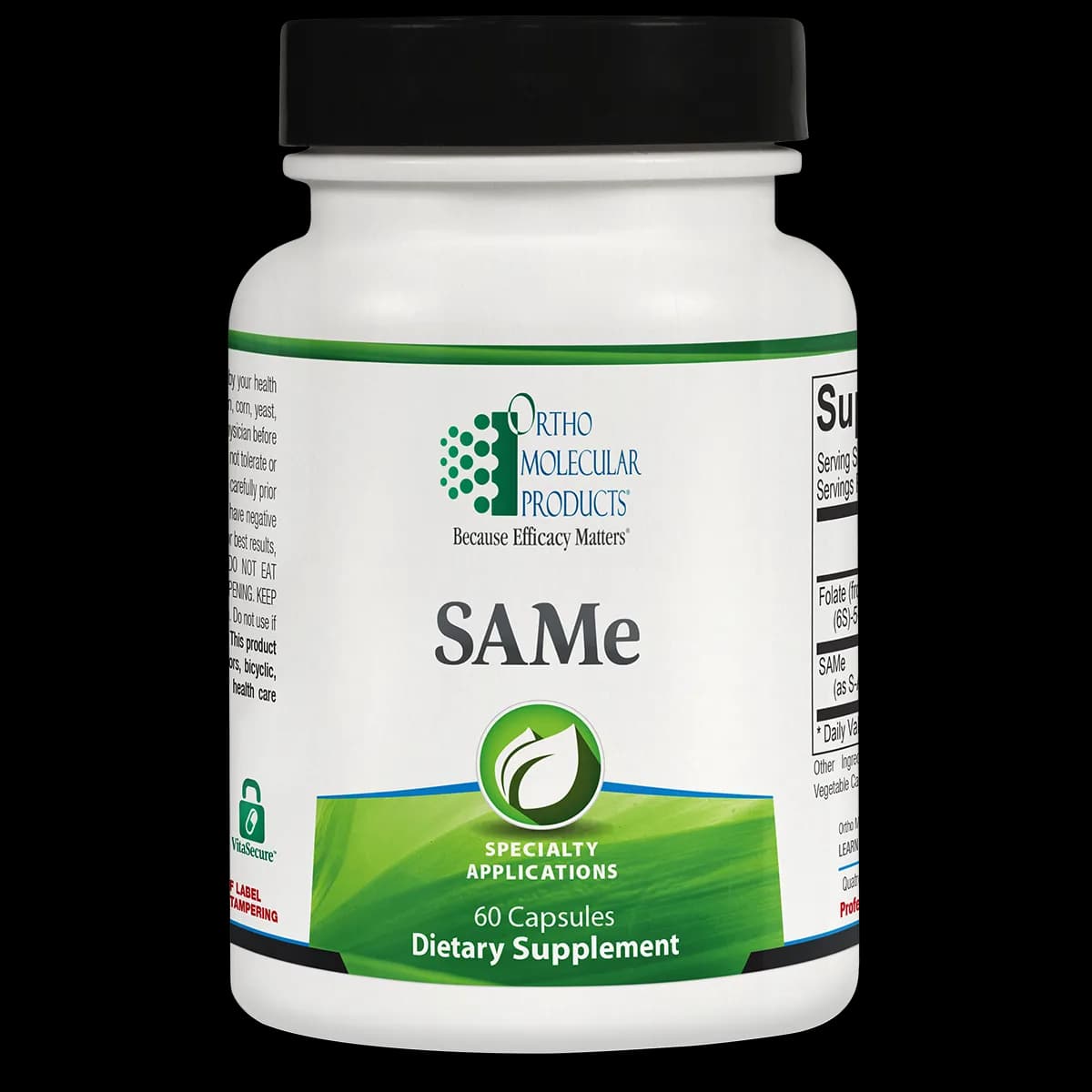
The Ortho Molecular product utilizes Quatrefolic®, which is the glucosamine salt of (6S)-5-methyltetrahydrofolate. This is the biologically active, readily available form of folate that the body can use immediately, regardless of genetic mutations. Quatrefolic provides the exact molecular key needed to bypass the MTHFR bottleneck, ensuring that homocysteine is rapidly and safely recycled back into methionine. This synergistic pairing ensures that the SAMe you ingest is utilized efficiently and that the entire methylation cycle is supported from start to finish, helping to avoid the metabolic traffic jams that exacerbate chronic illness symptoms.
Dosing Strategies and Titration
Because the nervous systems of individuals with Long COVID, ME/CFS, and dysautonomia are highly sensitized, the approach to dosing SAMe must be incredibly cautious and deliberate. While clinical trials for depression or osteoarthritis often utilize doses ranging from 800 mg to 1,600 mg daily, functional medicine practitioners strongly advise against starting at these high levels for complex chronic illness patients. Introducing a massive influx of methyl donors to a stalled system can cause a "paradoxical reaction" or overmethylation, leading to a sudden spike in neurotransmitters that the body cannot clear fast enough, resulting in severe anxiety, insomnia, or a flare-up of POTS symptoms.
The suggested use for this Ortho Molecular formulation is 1-2 capsules (providing 400 mg to 800 mg of SAMe) two times per day, but many specialists recommend starting even lower. A common strategy is to begin with a single 400 mg dose in the morning, allowing the body several days to adjust to the influx of methyl donors before slowly titrating upward. It is generally recommended to take SAMe early in the day, as its energy-boosting and neurotransmitter-stimulating effects can interfere with sleep if taken too close to bedtime. Always work closely with a healthcare provider to determine the optimal dosing schedule for your specific metabolic needs.
Crucial Safety Warnings and Drug Interactions
While SAMe is a naturally occurring compound, its powerful effects on neurotransmitter synthesis mean it carries significant safety warnings and potential drug interactions. The most critical interaction involves medications that alter serotonin levels in the brain. Because SAMe increases serotonin production, combining it with Selective Serotonin Reuptake Inhibitors (SSRIs), Serotonin-Norepinephrine Reuptake Inhibitors (SNRIs), Monoamine Oxidase Inhibitors (MAOIs), or even natural supplements like St. John's Wort can trigger Serotonin Syndrome—a potentially life-threatening condition characterized by high fever, tremors, muscle rigidity, and seizures.
Additionally, individuals diagnosed with bipolar disorder should never use SAMe without strict psychiatric supervision, as its antidepressant mechanisms can trigger severe manic or hypomanic episodes. Patients taking Levodopa for Parkinson's disease should also exercise extreme caution, as SAMe can alter the effectiveness of the medication over time. Common, less severe side effects of SAMe supplementation include mild gastrointestinal distress, such as nausea, upset stomach, or dry mouth. If you experience a sudden exacerbation of your dysautonomia symptoms, such as increased heart rate or severe anxiety, discontinue use and consult your medical team immediately.
Follow the Science
Clinical Evidence in Neuropsychiatric and Cognitive Health
The use of SAMe as a therapeutic agent has been extensively documented in the scientific literature, particularly in the realm of neuropsychiatry. A comprehensive 2024 systematic review analyzing 36 clinical studies and over 1,700 participants evaluated the efficacy of SAMe for central nervous system conditions. The researchers found that SAMe was highly effective in improving depressive symptoms in the vast majority of the trials, often performing as well as traditional tricyclic antidepressants but with a significantly more favorable side-effect profile. These studies, which typically utilized doses between 800 mg and 1,600 mg per day, validate SAMe's critical role in synthesizing monoamine neurotransmitters and restoring cellular membrane fluidity in the brain.
Emerging Data on Long COVID and Viral Exhaustion
While large-scale, double-blind randomized controlled trials specifically testing SAMe for Long COVID are still in their infancy, the biochemical rationale is heavily supported by emerging metabolomic data. Landmark studies leveraging the NIH IMPACC cohort have identified specific disruptions in the methionine cycle and the MTHFR gene as major predictors of COVID-19 severity and long-term sequelae. Furthermore, functional medicine research explicitly links the post-viral depletion of SAMe to the downstream failures of the HNMT and COMT enzymes, providing a unified mechanistic explanation for the comorbid presentation of MCAS, POTS, and ME/CFS.
Joint Health and Fibromyalgia Research
Historically, SAMe has been rigorously studied for its benefits in managing widespread physical pain, particularly in conditions like osteoarthritis and fibromyalgia—a syndrome that shares significant diagnostic overlap with ME/CFS. A 2008 review concluded that clinical trials show SAMe reduces pain and stiffness, and may stimulate cartilage production. The clinical data suggests that while NSAIDs provide immediate relief by blocking inflammatory enzymes, SAMe operates upstream by increasing joint glutathione levels, stimulating cartilage synthesis, and providing MTA-induced analgesia, which may offer a safer, long-term approach to managing chronic musculoskeletal pain without the risk of severe gastrointestinal bleeding.
The Path Forward
Validating the Complexity of Chronic Illness
Living with a complex, invisible illness like Long COVID, ME/CFS, or dysautonomia is an exhausting, often isolating experience. When your heart races unpredictably, your brain feels clouded by an impenetrable fog, and your energy reserves are constantly depleted, it is easy to feel betrayed by your own body. It is crucial to understand that these symptoms are not in your head; they are the result of profound, measurable biochemical disruptions at the cellular level. The viral hijacking of your methylation cycle and the subsequent depletion of vital molecules like SAMe and active folate represent a very real, physiological injury that requires targeted, compassionate care to heal.
A Comprehensive Management Strategy
While the science behind SAMe and Quatrefolic is incredibly promising, it is important to remember that no single supplement is a miracle solution for complex chronic conditions. Restoring a broken methylation cycle is just one piece of a much larger puzzle. True healing requires a comprehensive, multi-disciplinary approach. This means combining targeted nutritional support with aggressive pacing to manage your energy envelope, rigorous symptom tracking to identify your unique triggers, and working alongside specialists who understand the intricate connections between managing fatigue with Long COVID and the underlying dysfunction of the autonomic nervous system.
Next Steps for Your Healing Journey
As you navigate the complexities of your condition, empowering yourself with science-backed knowledge is the first step toward reclaiming your quality of life. By understanding how your cellular machinery operates, you can make informed decisions about the tools and therapies that best support your unique biology. If you believe that supporting your methylation cycle, boosting your antioxidant defenses, and fueling your neurotransmitter production could be the missing link in your management protocol, we encourage you to discuss this formulation with your medical team. Always consult your healthcare provider before introducing new supplements, especially if you are taking prescription medications.
Sources
S-adenosylmethionine and proliferation: new pathways, new targets
S-Adenosyl Methionine and Transmethylation Pathways in Neuropsychiatric Diseases
S-Adenosylmethionine: A Multifaceted Regulator in Cancer Pathogenesis and Therapy
Exploring the mechanisms behind S-adenosylmethionine (SAMe) in the treatment of osteoarthritis
An Allele of the MTHFR one-carbon metabolism gene predicts severity of COVID-19