Can Saccharomyces boulardii Support Gut Health and Immune Balance in Long COVID and MCAS?
March 6, 2026
Saccharomyces boulardiiLong COVIDMCAS
Share:
Disclaimer: The information provided here is for educational purposes only and is not intended as medical advice. It should not be used to diagnose, treat, cure, or prevent any medical condition. Instead, use it as a starting point for discussion with your healthcare provider. Always consult with a qualified healthcare provider before starting any new medication, supplement, device, or making changes to your health regimen.
Months or even years after recovering from an initial SARS-CoV-2 infection, many people find themselves fighting a relentless battle against debilitating, invisible symptoms. For those living with Long COVID, myalgic encephalomyelitis/chronic fatigue syndrome (ME/CFS), dysautonomia, and mast cell activation syndrome (MCAS), the journey is often marked by profound exhaustion, unpredictable allergic reactions, and severe gastrointestinal distress. When standard medical tests return "normal" results despite life-altering symptoms, it can feel incredibly isolating. However, emerging research is shining a light on a critical battleground in these complex chronic conditions: the gut microbiome. The intricate ecosystem of microbes in our digestive tract plays a foundational role in regulating systemic inflammation, immune responses, and even neurological function.
One of the most promising and extensively researched interventions for restoring this delicate balance is Saccharomyces boulardii. Unlike traditional bacterial probiotics, Saccharomyces boulardii is a unique, health-promoting yeast that has demonstrated remarkable potential in repairing the intestinal barrier, modulating hyperactive immune responses, and combating the severe dysbiosis often seen in post-viral syndromes. By supporting the production of vital immune proteins and actively neutralizing toxins, this resilient microorganism offers a targeted approach to managing the interconnected web of symptoms that define Long COVID and MCAS. In this comprehensive guide, we will explore the deep science behind Saccharomyces boulardii, its mechanisms of action at the cellular level, and how it may serve as a crucial ally in your comprehensive management strategy.
TL;DR
S. boulardii is a unique probiotic yeast that supports gut barrier repair and microbiome balance.
It may help manage gastrointestinal distress, histamine intolerance, and systemic inflammation in chronic conditions.
Unlike bacterial probiotics, it survives antibiotic treatments and does not produce histamine.
Always consult a healthcare provider before starting, as it is contraindicated for severely immunocompromised individuals.
What is Saccharomyces boulardii?
A Unique Probiotic Yeast
Saccharomyces boulardii (S. boulardii) is a highly specialized, non-pathogenic probiotic yeast that was first identified in the 1920s by French microbiologist Henri Boulard. While traveling in Indochina during a cholera outbreak, Boulard observed that individuals who consumed a specific tea made from the skins of lychee and mangosteen fruits did not develop the severe diarrhea associated with the infection. He subsequently isolated the active agent, which turned out to be this unique strain of yeast. Today, there are over 250 peer-reviewed articles examining its efficacy, making it one of the most rigorously studied probiotics available in clinical gastroenterology. It is distinctly different from Saccharomyces cerevisiae, commonly known as brewer’s or baker’s yeast, possessing unique genetic and metabolic properties that allow it to survive the harsh, acidic environment of the human digestive tract.
Unlike many bacterial probiotics that attempt to permanently colonize the gut lining, S. boulardii acts as a transient ambassador or "microbial engineer." Following oral ingestion, it transits rapidly through the upper gastrointestinal tract, reaching steady-state concentrations in the colon within about three days of daily dosing. During its journey, it does not permanently attach to the intestinal walls; instead, it exerts profound trophic (growth-promoting) and antimicrobial effects before being naturally eliminated from the body within three to five days after supplementation ceases. This transient nature is a key part of its safety profile, allowing it to aggressively combat pathogens and modulate the local environment without permanently altering the host's foundational microbiome architecture.
At the molecular level, S. boulardii interacts directly with the luminal environment by secreting highly specific, active enzymes. For example, research has identified that it secretes a 54-kDa serine protease that actively degrades the toxins produced by Clostridium difficile, as well as a 63-kDa phosphatase that destroys the endotoxins of pathogenic Escherichia coli. By physically neutralizing these harmful proteins, the yeast prevents them from binding to the brush border membrane receptors of the intestinal lining. This direct antitoxin action is complemented by its ability to stimulate the activity of the host's own digestive enzymes, enhancing nutrient transporter activity and aiding in the rapid recovery of damaged intestinal mucosa.
The First Line of Defense: Secretory IgA (sIgA)
One of the most critical functions of S. boulardii is its profound ability to support and boost the production of secretory Immunoglobulin A (sIgA). sIgA is the predominant protective antibody found in the mucosal secretions throughout the body, including the respiratory tract, urogenital tract, and, most importantly, the digestive system. It serves as the immune system's absolute first line of defense against foreign substances in the gut. When functioning optimally, sIgA acts like a biological security guard; it attaches to and neutralizes unrecognized proteins, toxins, and opportunistic pathogens, preventing them from adhering to the intestinal epithelium and crossing into the bloodstream. Depleted levels of sIgA are consistently found in individuals dealing with chronic food intolerances, severe dysbiosis, and the systemic immune dysregulation characteristic of post-viral syndromes.
Clinical and animal studies have demonstrated that the administration of S. boulardii yields an extraordinary increase in sIgA concentrations. Specifically, research shows an approximately 57% increase in sIgA concentration in the stool of treated subjects. It also significantly enhances the secretory component content in crypt cells isolated from the jejunum. This massive upregulation of mucosal immunity is not just localized to the gut; by stimulating the systemic phagocytic system, S. boulardii increases total serum IgM levels and activates Kupffer cells (specialized macrophages in the liver), leading to a much faster clearance of enteropathogenic bacteria from the bloodstream. This comprehensive immune activation is vital for patients whose immune systems have been exhausted by chronic viral persistence or persistent inflammatory loops.
Microbiome Engineering and Short-Chain Fatty Acids
Beyond its direct immune-stimulating properties, S. boulardii plays a crucial role in shaping the metabolic output of the gut microbiome. While it does not stay in the gut permanently, its presence creates a highly favorable environment for the recovery and proliferation of beneficial, commensal bacteria. It actively increases the alpha-diversity of the microbiome, promoting the rapid expansion of vital bacterial families such as Lachnospiraceae and Ruminococcaceae. These specific bacterial families are the primary producers of short-chain fatty acids (SCFAs), which are essential metabolic byproducts created when bacteria ferment dietary fibers. The restoration of these bacterial populations is a critical step in overcoming the severe dysbiosis that plagues many patients with complex chronic illnesses.
The increase in SCFA production—notably butyrate, propionate, and acetate—has profound downstream effects on human health. Butyrate, in particular, is the primary energy source for colonocytes (the cells lining the colon). It plays a mandatory role in maintaining the integrity of the tight junctions between intestinal cells, thereby helping to prevent "leaky gut" syndrome. Furthermore, butyrate exerts powerful systemic anti-inflammatory effects by inhibiting the NF-κB signaling pathway, which subsequently decreases the expression of pro-inflammatory cytokines such as IL-8, TNF-α, and IL-6. By acting as a catalyst for SCFA production, S. boulardii indirectly quells systemic inflammation and provides the necessary biological cues to train and mature the host's mucosal immune system.
How Long COVID and Chronic Illness Impact the Gut
Viral Disruption and the Gut Microbiome
The pathophysiology of Long COVID and related post-viral syndromes is deeply intertwined with severe and persistent disruptions to the gut microbiome. When an individual is infected with SARS-CoV-2, the virus does not merely affect the respiratory system; it actively binds to ACE2 receptors, which are highly expressed along the epithelial lining of the intestines. This direct viral invasion, combined with the massive systemic immune response, decimates the delicate balance of the gut flora. Studies have shown that Long COVID patients frequently exhibit a marked, long-term decrease in beneficial, SCFA-producing bacteria such as Faecalibacterium prausnitzii and Bifidobacteria. Simultaneously, there is a dangerous overgrowth of opportunistic pathogens and lipopolysaccharide (LPS)-producing bacteria, creating a state of profound dysbiosis that can persist for years after the acute infection has resolved.
This microbial imbalance is not a silent issue; it actively drives many of the debilitating symptoms experienced by patients. The depletion of beneficial bacteria directly impairs the body's ability to digest food properly, synthesize essential vitamins, and maintain immune homeostasis. You can learn more about the specific gastrointestinal symptoms seen with Long COVID in our dedicated clinical resource. Furthermore, this dysbiosis severely reduces the production of the critical short-chain fatty acids needed to fuel the intestinal lining. Without adequate butyrate, the cells of the gut wall begin to starve, leading to a breakdown in the physical barrier that separates the contents of the digestive tract from the systemic blood supply.
The Leaky Gut and Systemic Inflammation Cycle
When the intestinal barrier is compromised due to a lack of SCFAs and chronic viral inflammation, it results in increased intestinal permeability, commonly known as "leaky gut." The tight junction proteins—such as zonulin and occludin—that normally keep the intestinal cells tightly bound together begin to degrade. This degradation allows undigested food proteins, bacterial endotoxins (like LPS), and opportunistic pathogens to leak directly into the bloodstream. The immune system immediately recognizes these leaked substances as dangerous foreign invaders and mounts a massive, systemic inflammatory response. This constant influx of toxins keeps the immune system locked in a perpetual state of high alert, driving the autoimmunity and immune dysregulation that are hallmarks of Long COVID and ME/CFS.
This systemic inflammation creates a vicious, self-perpetuating cycle. The circulating inflammatory cytokines (such as IL-1β, IL-6, and TNF-α) travel throughout the body, causing widespread tissue damage and further impairing the function of the autonomic nervous system, leading to conditions like dysautonomia and POTS. Moreover, these cytokines lower the activation threshold of mast cells, making them hyper-reactive to otherwise harmless stimuli. This heightened state of mast cell reactivity is a primary driver of Mast Cell Activation Syndrome (MCAS), where patients experience severe, unpredictable allergic-like reactions to foods, environmental triggers, and even physical exertion. The leaky gut acts as the constant fuel source for this systemic inflammatory fire.
The Gut-Brain and Gut-Lung Axes
The impact of gut dysbiosis extends far beyond the digestive tract, communicating directly with the brain and respiratory system via complex biological networks known as the gut-brain and gut-lung axes. Chronic gut inflammation sends distress signals up the vagus nerve to the brain, triggering profound neuroinflammation. This neuroinflammatory state is heavily implicated in the severe cognitive dysfunction, commonly referred to as "brain fog," as well as the profound neurological fatigue seen in ME/CFS. Recent research published in Cell demonstrated that oral and gut microbiota differences are strongly associated with specific Long COVID symptom subphenotypes, completely independent of viral persistence, highlighting that bacterial dysbiosis alone can drive these neurological manifestations.
Similarly, the gut-lung axis plays a critical role in the persistent respiratory symptoms of Long COVID. The systemic circulation of gut-derived endotoxins and inflammatory cytokines can continuously irritate the pulmonary tissue, exacerbating shortness of breath and reducing lung capacity. A comprehensive review in ACS Infectious Diseases emphasized that microbiota-targeted treatments are essential for unraveling the gut-lung axis and modulating the immune therapies needed for Long COVID recovery. Understanding how a doctor diagnoses Long COVID often involves looking at these interconnected systemic symptoms, recognizing that the root cause of neurological and respiratory distress may actually originate in the severely disrupted ecosystem of the gastrointestinal tract.
Saccharomyces boulardii: Supporting Immune and GI Function
Restoring the Intestinal Barrier and sIgA
Saccharomyces boulardii offers a highly targeted, mechanistic approach to helping reverse the damage caused by chronic illness and restoring gastrointestinal integrity. Its primary therapeutic action is supporting the rapid repair of the intestinal barrier. By exerting trophic effects on the gut mucosa, S. boulardii stimulates the proliferation of healthy enterocytes and enhances the activity of brush border enzymes. This physical restoration of the gut lining directly combats intestinal permeability, closing the "leaky" tight junctions and halting the continuous flow of bacterial endotoxins into the bloodstream. By sealing the gut, the yeast effectively cuts off the primary fuel source for the systemic inflammation that drives Long COVID and ME/CFS symptoms.
Simultaneously, S. boulardii dramatically upregulates the production of secretory IgA (sIgA). As previously mentioned, sIgA acts as the biological security guard of the mucosal immune system. In patients with chronic dysbiosis, sIgA levels are often severely depleted, leaving the gut vulnerable to continuous infection and antigenic stimulation. By boosting sIgA levels by over 50%, S. boulardii equips the immune system with the necessary tools to bind and neutralize unrecognized proteins and opportunistic pathogens before they can trigger an inflammatory cascade. This localized immune support is crucial for lowering the overall systemic burden on the body's exhausted immune resources.
Calming Mast Cells and Histamine Clearance
For patients battling Mast Cell Activation Syndrome (MCAS) and severe histamine intolerance, finding a safe probiotic is notoriously difficult. Many common bacterial probiotic strains (such as Lactobacillus casei or Lactobacillus bulgaricus) possess the enzyme histidine decarboxylase, which converts dietary histidine into histamine in the gut, thereby adding to the body's histamine bucket and triggering severe reactions. However, because S. boulardii is a yeast, it does not produce histamine. It is considered a universally safe, low-histamine option that does not exacerbate mast cell degranulation.
More importantly, S. boulardii actively helps the body clear excess histamine. Clinical literature has shown that S. boulardii induces a negative feedback loop via the release of specific polyamines that directly upregulates the activity of Diamine Oxidase (DAO) in the intestinal mucosa. DAO is the primary enzyme responsible for breaking down and neutralizing extracellular histamine in the digestive tract. By boosting DAO production, S. boulardii enhances the body's capacity to process dietary histamine, significantly reducing the systemic histamine load that agitates mast cells. This mechanism pairs exceptionally well with medical interventions like Ketotifen, creating a comprehensive approach to stabilizing mast cells from both pharmacological and microbiome-based angles.
Combating Opportunistic Pathogens and Biofilms
Another critical mechanism of S. boulardii is its ability to aggressively compete with and neutralize opportunistic pathogens that thrive in a dysbiotic gut. It utilizes a process called steric hindrance, where the yeast physically binds to the surface of pathogenic bacteria (like E. coli and Salmonella), preventing them from adhering to the intestinal walls. Furthermore, S. boulardii is highly effective at combating Candida albicans overgrowth, a common and potent trigger for mast cell activation. By competing for space and essential nutrients, the probiotic yeast crowds out Candida, reducing the production of inflammatory gliotoxins that directly stimulate mast cell degranulation.
In addition to fighting bacteria and yeast, S. boulardii has demonstrated a remarkable ability to act as a mycotoxin binder. Mold toxicity is frequently identified as a root cause or major exacerbating factor in complex chronic illnesses. Animal studies have shown that S. boulardii can safely trap mold toxins—such as Ochratoxin A and Zearalenone—within the digestive tract. By binding these toxins, the yeast ensures they are safely excreted in the stool rather than being absorbed into the bloodstream, thereby removing another major trigger for systemic inflammation and immune hyper-reactivity.
Surviving the Antibiotic Onslaught
Many patients with Long COVID, ME/CFS, or tick-borne co-infections require prolonged or repeated courses of antibiotics. While necessary for treating specific bacterial infections, these antibiotics indiscriminately decimate the beneficial bacterial flora of the gut, leading to severe antibiotic-associated diarrhea and leaving the microbiome vulnerable to aggressive pathogens like Clostridium difficile. Because S. boulardii is a fungus, it is completely immune to antibacterial medications. It can be taken concurrently with antibiotic treatments without being destroyed.
This unique resilience makes S. boulardii an indispensable tool for protecting the microbiome during medical treatments. By surviving the antibiotic onslaught, it continues to produce beneficial enzymes, support sIgA levels, and physically block the expansion of C. difficile. It acts as a protective placeholder in the gut ecosystem, maintaining the structural integrity of the intestinal lining and helping to prevent the catastrophic dysbiosis that often follows heavy antibiotic use, ensuring that the patient's baseline gut health is preserved as much as possible during their recovery journey.

Symptoms Saccharomyces boulardii May Help Manage
Gastrointestinal Distress
Due to its direct trophic effects on the gut lining and its ability to modulate the microbiome, S. boulardii is highly effective at managing a wide range of debilitating digestive symptoms:
Bloating and Abdominal Distension: By crowding out gas-producing opportunistic bacteria and promoting the growth of beneficial SCFA-producers, S. boulardii significantly reduces the excessive fermentation that causes painful bloating.
Chronic Diarrhea and Loose Stools: The yeast secretes specific enzymes that enhance nutrient and fluid absorption in the enterocytes, while simultaneously degrading the bacterial toxins that trigger secretory diarrhea, making it highly effective for post-infectious IBS.
Intestinal Cramping and Discomfort: By lowering localized inflammation and inhibiting the NF-κB signaling pathway, S. boulardii helps soothe the irritated mucosal lining, reducing the visceral hypersensitivity that causes severe abdominal pain.
Antibiotic-Associated GI Symptoms: Because it survives antibacterial treatments, it may help prevent the severe dysbiosis and opportunistic infections (like C. difficile) that typically cause extreme GI distress during and after antibiotic courses.
Immune and Allergic Reactivity
By upregulating sIgA, stabilizing the gut barrier, and supporting DAO production, this probiotic yeast provides targeted relief for patients dealing with hyperactive immune responses:
Histamine Intolerance Symptoms: S. boulardii does not produce histamine and actively upregulates Diamine Oxidase (DAO), helping the body rapidly clear dietary histamine and reducing symptoms like flushing, tachycardia, and pruritus.
Food Sensitivities and Intolerances: By repairing the "leaky gut" tight junctions, the yeast prevents undigested food proteins from entering the bloodstream, thereby reducing the systemic immune reactions and new food allergies common in MCAS.
Susceptibility to Secondary Infections: The massive 57% increase in secretory IgA provides a robust first line of defense, neutralizing incoming viruses and bacteria before they can establish an infection in the immunocompromised host.
Mast Cell Degranulation Triggers: By actively binding mycotoxins and outcompeting Candida albicans, S. boulardii removes the root-cause fungal and toxic triggers that constantly agitate and destabilize mast cells.
Systemic and Neurological Symptoms
The profound connection between the gut and the brain means that healing the intestinal ecosystem can yield significant improvements in systemic and neurological function:
Brain Fog and Cognitive Dysfunction: By halting the translocation of lipopolysaccharides (LPS) into the bloodstream, S. boulardii drastically reduces the systemic inflammation that crosses the blood-brain barrier, thereby alleviating neuroinflammation and improving cognitive clarity.
Chronic Fatigue and Energy Deficits: The promotion of short-chain fatty acids like butyrate provides a vital, clean energy source for cellular metabolism, helping to combat the profound, cellular-level exhaustion seen in Long COVID and ME/CFS.
Post-Exertional Malaise (PEM): While not a cure for PEM, reducing the baseline inflammatory load and stabilizing mast cells means the body has more metabolic reserves to handle physical or cognitive exertion, potentially raising the threshold before a crash occurs.
Anxiety and Mood Instability: By modulating the gut-brain axis and altering the levels of commensal bacteria-derived metabolites, clinical trials have shown S. boulardii can significantly reduce the anxiety and irritability driven by chronic gut inflammation.
Practical Considerations: Forms, Dosing, and Absorption
The Importance of Strain and Survivability
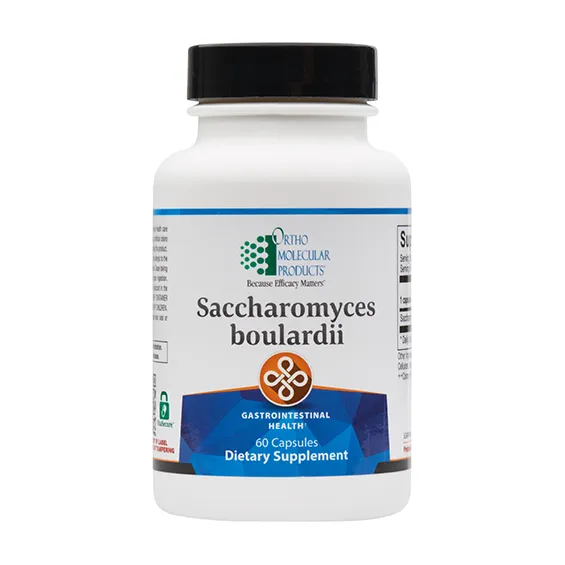
When selecting a Saccharomyces boulardii supplement, the specific formulation and strain verification are of paramount importance. Because it is a live yeast, it is highly sensitive to environmental factors such as extreme heat, moisture, and the severe acidity of the human stomach. To be an effective probiotic, the microorganism must possess certain qualities to withstand the natural defense factors of the host. The Ortho Molecular formulation of Saccharomyces boulardii is specifically engineered to be stomach acid-resistant, proven to survive high temperatures and successfully transit into the intestines where it exerts its therapeutic effects.
Furthermore, the manufacturing process dictates the viability of the product upon arrival. This specific formula is lyophilized (freeze-dried), a process that ensures the yeast remains highly stable at room temperature and maintains maximum viability for extended periods without the need for constant refrigeration. It is also completely lactose-free, which is crucial for patients with MCAS or severe gut dysbiosis who often have secondary lactose intolerance. Finally, the product is strain-verified through rigorous genetic typing to ensure maximum efficacy, guaranteeing that you are receiving the exact, clinically studied S. boulardii strain rather than a generic or potentially contaminated yeast variant.
Optimal Dosing and Timing
The suggested use for the Ortho Molecular Saccharomyces boulardii is typically 1 capsule (containing 420 mg or 5 billion CFU) taken two times per day, or as recommended by your healthcare professional. Because the yeast transits rapidly through the GI tract, consistent daily dosing is required to maintain steady-state concentrations in the colon. It generally takes about three days of continuous supplementation to reach optimal therapeutic levels in the gut, and the yeast will be naturally eliminated within three to five days if supplementation is stopped.
Regarding timing, there is often debate about whether to take probiotics on an empty stomach or with food. While S. boulardii is naturally robust, in vitro studies show that its viability can be challenged by the extreme pH of a completely empty stomach (pH ~1.1). However, taking the supplement with a meal acts as a natural buffer, temporarily raising the stomach's pH to around 3.0 or 4.0. Research confirms that at a pH of 4.0, the viability of S. boulardii remains completely unaltered, suggesting that taking it alongside food may maximize the survival capacity of the probiotic. Additionally, if you are currently taking antibacterial antibiotics, S. boulardii can be taken at the exact same time as your medication, as its fungal nature makes it immune to bacterial antibiotics.
Safety, Die-Off, and Contraindications
While Saccharomyces boulardii is widely considered one of the safest and most well-tolerated probiotics, especially for patients with MCAS and histamine intolerance, there are important practical considerations. Because it is highly effective at combating pathogenic bacteria and Candida, patients may experience a Herxheimer, or "die-off," reaction when first starting the supplement. As the pathogens are killed, they burst and release endotoxins, which can temporarily exacerbate symptoms like fatigue, brain fog, or GI distress. To mitigate this, functional medicine practitioners often recommend starting with a very low dose (e.g., a fraction of a capsule) and slowly titrating up as tolerated.
It is also critical to note the strict medical contraindications for this supplement. Because it is a live yeast, S. boulardii is absolutely contraindicated for individuals who are severely immunocompromised, critically ill in the ICU, or those who have an indwelling central venous catheter (such as a PICC line or port). In these highly specific, vulnerable populations, there is a documented risk of fungemia—a rare but serious condition where the yeast enters the systemic bloodstream. Always consult with your primary care provider or specialist before introducing any new supplement, especially if you have a complex medical history or are undergoing intensive medical treatments.

Follow the Science
Clinical Trials in Long COVID and Dysbiosis
The therapeutic potential of Saccharomyces boulardii for post-viral syndromes has recently been validated in major clinical settings. A landmark 6-month randomized, double-blind, placebo-controlled trial published in The Lancet Infectious Diseases (known as the RECOVERY trial) evaluated a synbiotic formulation (SIM01) that prominently featured S. boulardii for the management of Long COVID. The results were highly significant. Patients receiving the formulation experienced a 49% reduction in bloating, a 59% reduction in abdominal discomfort, and a massive 60% overall reduction in Gastrointestinal Symptom Rating Scale (GSRS) scores compared to the placebo group.
Crucially, because of the powerful gut-brain axis connection, the benefits extended far beyond the digestive tract. The intervention group in the RECOVERY trial also saw profound neurological and psychological improvements. General Anxiety Disorder (GAD-7) scores saw a 44% reduction, and patients reported significant alleviation of systemic Long COVID symptoms, including chronic fatigue, memory loss, and concentration difficulties. This trial provides robust, gold-standard evidence that modulating the gut microbiome with S. boulardii directly translates to measurable improvements in the multi-systemic symptoms of Long COVID.
Evidence for Mast Cell and Histamine Support
For patients with MCAS, clinical and veterinary models have provided strong evidence regarding the safety and efficacy of S. boulardii. A 2022 study published in Veterinary Sciences evaluated the supplementation of S. boulardii in adult dogs and tracked N-Methylhistamine (NMH), a primary, highly sensitive biomarker for mast cell activation and degranulation. The researchers found that the probiotic had no negative effect on NMH levels, definitively proving that it does not trigger mast cells or add to the histamine burden. Furthermore, the supplementation led to significant reductions in calprotectin (a marker of severe gut inflammation) and systemic cortisol levels.
Additionally, extensive pharmacological modeling confirms the histamine-clearing mechanisms of the yeast. Research literature demonstrates that S. boulardii releases specific polyamines that prompt the small intestine to increase the expression of crucial digestive enzymes, including Diamine Oxidase (DAO). This upregulation of DAO facilitates the rapid degradation of dietary histamine, providing a critical metabolic pathway for patients who suffer from severe histamine intolerance and cannot process histamine-rich foods without triggering a systemic mast cell cascade.
Microbiome Maturation and Immune Training
The deep connection between S. boulardii, microbiome diversity, and mucosal immunity has been thoroughly documented. A pivotal study in neonatal calves evaluating the effects of the probiotic on intestinal microbiota maturation found that S. boulardii dramatically increased microbial diversity and enriched vital bacterial taxa. Crucially, the researchers found a very high positive correlation between this probiotic-driven microbial diversity and the enhanced sIgA secretory capacity of the ileum. This suggests that S. boulardii does not just temporarily mask symptoms; it actively develops a stable microbial community that provides the necessary biological "cues" to train and promote the host's mucosal immune system for long-term resilience.
Further studies on the gut-brain axis have shown that in humanized models populated with the microbiota of patients suffering from Irritable Bowel Syndrome (IBS), treatment with S. boulardii normalized gastrointestinal transit times and reduced anxiety-like behaviors. This was associated with elevated levels of commensal bacteria-derived indoles, proving that the yeast's modulation of the microbiome physically impacts systemic pain pathways and neurological function, offering a scientifically validated pathway for managing the complex, overlapping symptoms of post-viral chronic illness.
The Path Forward
Validating the Complex Journey
Living with conditions like Long COVID, ME/CFS, dysautonomia, and MCAS is a profoundly challenging experience. When your body reacts unpredictably to food, environment, and exertion, and when standard medical tests fail to capture the severity of your daily reality, it is easy to feel overwhelmed and invalidated. The profound fatigue, the terrifying brain fog, and the relentless gastrointestinal distress are not in your head—they are the result of measurable, physiological disruptions in your immune system, autonomic nervous system, and gut microbiome. Finding safe, effective therapies that do not trigger further symptom flares is a daunting task, and the frustration of trial and error is a heavy burden to bear.
Integrating Probiotics into Your Protocol
Saccharomyces boulardii represents a scientifically grounded, targeted approach to addressing one of the core foundational issues in chronic illness: severe gut dysbiosis. By actively repairing the intestinal barrier, boosting protective sIgA levels, and helping to clear excess histamine without triggering mast cells, it offers a unique mechanism of support that traditional bacterial probiotics simply cannot match. However, it is essential to remember that no single supplement is a cure-all. True management of complex chronic illness requires a comprehensive, multi-layered approach.
This probiotic yeast should be viewed as one powerful tool in your broader management toolkit. It works best when integrated with strict pacing strategies to manage post-exertional malaise, detailed symptom tracking to identify specific food and environmental triggers, and ongoing medical care. We strongly encourage you to discuss Saccharomyces boulardii with your healthcare provider or a functional medicine specialist to ensure it aligns safely with your current medications, especially if you have a highly sensitive immune system or are navigating the complexities of can Long COVID trigger ME/CFS.
Taking the Next Step
If you are struggling with persistent gastrointestinal symptoms, histamine intolerance, or the systemic inflammation associated with Long COVID and MCAS, supporting your microbiome is a critical step toward regaining balance. The Ortho Molecular formulation of Saccharomyces boulardii offers a rigorously tested, stomach acid-resistant, and strain-verified option designed for maximum efficacy and survivability.
Sources
Saccharomyces boulardii: What Makes It Tick as Successful Probiotic?
Gut Microbiota and COVID-19: Unraveling the Gut–Lung Axis and Immunomodulatory Therapies
Schematic overview of the effects of Saccharomyces boulardii CNCM I-745 on Histamine and DAO
Bioavailability and Gastric Survival of Saccharomyces boulardii