Can Red Yeast Rice and CoQ10 Support Cardiovascular Health in Long COVID and Dysautonomia?
March 6, 2026
Red Yeast RiceCoQ10Long COVID
Share:
Disclaimer: The information provided here is for educational purposes only and is not intended as medical advice. It should not be used to diagnose, treat, cure, or prevent any medical condition. Instead, use it as a starting point for discussion with your healthcare provider. Always consult with a qualified healthcare provider before starting any new medication, supplement, device, or making changes to your health regimen.
Months or even years after an acute SARS-CoV-2 infection, many individuals find themselves battling a complex web of lingering symptoms known as Long COVID. Among the most concerning and invisible of these symptoms are those affecting the cardiovascular system. Patients who were previously healthy often develop sudden dysautonomia, unpredictable heart rates, profound post-exertional malaise (PEM), and troubling changes in their routine blood work, including sudden spikes in cholesterol and lipid markers. This systemic disruption leaves many searching for validating answers and targeted, science-backed support.
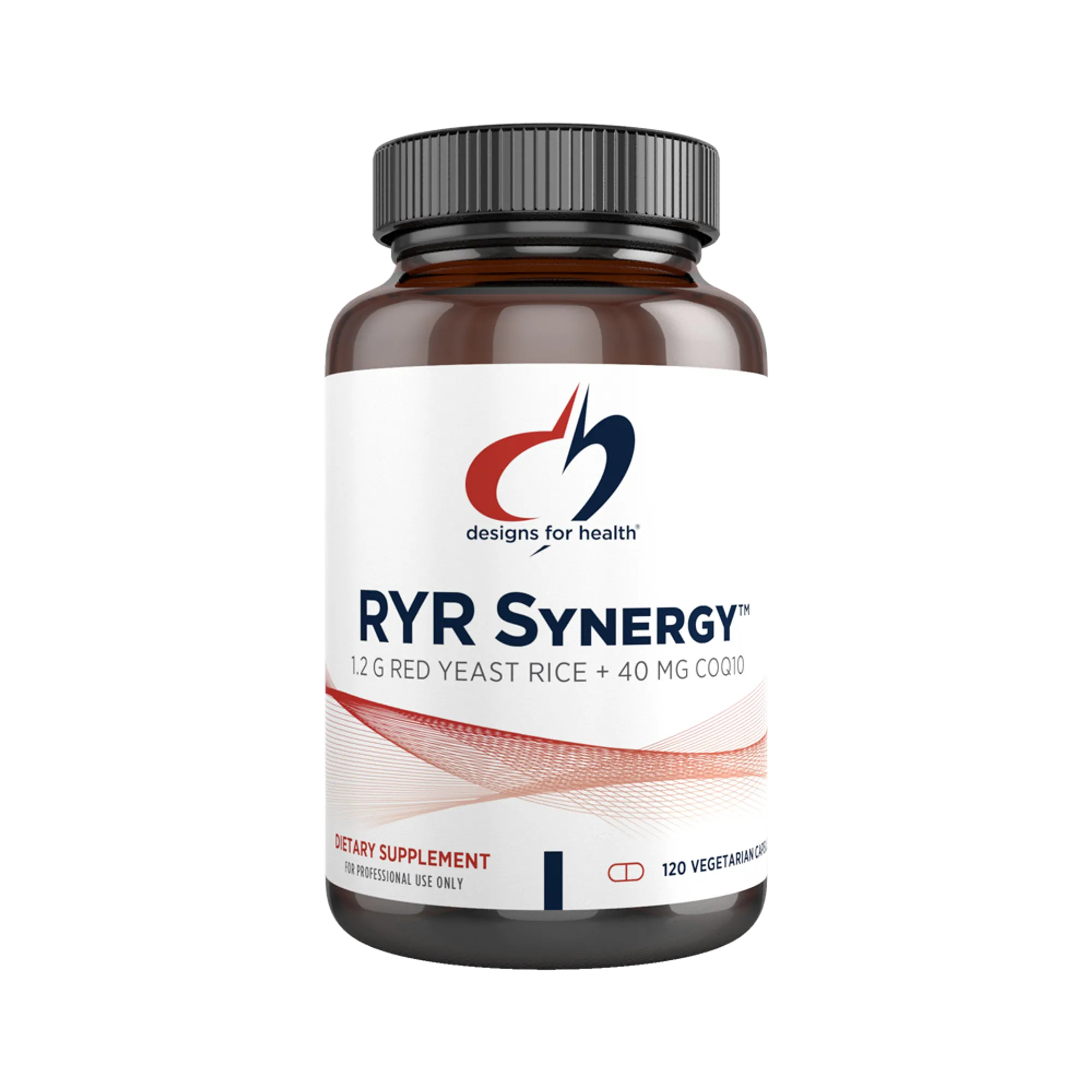
One area of intense clinical focus is the intersection of lipid metabolism, endothelial dysfunction, and mitochondrial health. When the body's blood vessels remain chronically inflamed and cellular energy production falters, the cardiovascular system bears a heavy burden. RYR Synergy™ by Designs for Health is a targeted supplement that combines two powerful, naturally derived compounds: organic red yeast rice (RYR) and Coenzyme Q10 (CoQ10). Together, these ingredients offer a synergistic approach to supporting healthy lipid levels, protecting cardiovascular function, and maintaining the cellular energy that complex chronic illnesses so often deplete.
TL;DR
RYR Synergy™ combines red yeast rice and CoQ10 to support healthy lipid levels and cellular energy.
Red yeast rice helps manage cholesterol, while CoQ10 protects against statin-induced muscle pain and fatigue.
This combination may help manage cardiovascular strain and mitochondrial dysfunction in Long COVID and ME/CFS.
Always consult a healthcare provider before starting, as red yeast rice interacts with certain medications.
What is RYR Synergy™?
Red yeast rice is a traditional culinary and medicinal product created by fermenting white rice with the specific yeast strain Monascus purpureus. During this careful fermentation process, the yeast naturally produces a family of bioactive compounds known as monacolins. The most abundant and clinically significant of these is monacolin K. At a molecular level, monacolin K is chemically and structurally identical to lovastatin, a widely prescribed medication used to manage cholesterol levels. This structural identity means that monacolin K interacts with the body's lipid-producing pathways in the exact same manner as pharmaceutical statins, offering a potent, naturally derived mechanism for cardiovascular support.
The primary target of monacolin K is the liver. Within hepatic cells (hepatocytes), cholesterol is synthesized through a complex sequence of biochemical reactions known as the mevalonate pathway. The rate-limiting step of this entire pathway is controlled by an enzyme called 3-hydroxy-3-methylglutaryl coenzyme A (HMG-CoA) reductase. Monacolin K acts as a reversible, competitive inhibitor of this specific enzyme. By binding to HMG-CoA reductase, monacolin K effectively slows down the liver's endogenous production of cholesterol, prompting the body to pull more circulating low-density lipoprotein (LDL) cholesterol out of the bloodstream to meet its basic cellular needs.
What makes high-quality red yeast rice unique is the presence of a "phytocomplex." Unlike isolated pharmaceutical drugs, RYR contains a matrix of secondary monacolins, plant sterols, isoflavones, and monounsaturated fatty acids. Research published in the journal Nutrients suggests that this natural phytocomplex enhances the bioaccessibility and absorption of monacolin K. As a result, clinical literature often notes that the monacolin K found in fermented red yeast rice can exert a synergistic, lipid-lowering effect that is highly efficient even at relatively low doses, providing robust support for maintaining healthy cholesterol levels already within a normal range.
While inhibiting the mevalonate pathway is an excellent strategy for managing cholesterol, it presents a significant biological catch-22. The mevalonate pathway does not just produce cholesterol; it is also the exact same biochemical assembly line responsible for synthesizing Coenzyme Q10 (CoQ10), also known as ubiquinone. CoQ10 is a fat-soluble, vitamin-like compound that is absolutely essential for human life. It is heavily concentrated in the mitochondria of organs that demand the highest amounts of energy, specifically the heart muscle, the brain, and skeletal muscles.
Because monacolin K and prescription statins block the mevalonate pathway high up in the chain, they inadvertently shut down the body's natural production of CoQ10 alongside cholesterol. Research has shown that ME/CFS patients have significantly lower plasma CoQ10 levels compared to healthy controls, which correlates with fatigue and autonomic symptoms. This baseline deficiency makes any further statin-induced CoQ10 depletion particularly concerning, as it is widely theorized by the medical community to be the root cause of "statin-associated muscle symptoms" (SAMS), which manifest as muscle pain, weakness, cramping, and profound fatigue.
Without adequate CoQ10, the mitochondria in skeletal and cardiac muscles cannot efficiently produce adenosine triphosphate (ATP), the energy currency of the cell. This localized energy deficit leads to mitochondrial dysfunction, oxidative stress, and the breakdown of muscle tissue. For patients already dealing with the severe fatigue and muscle pain associated with conditions like myalgic encephalomyelitis/chronic fatigue syndrome (ME/CFS) or Long COVID, this medication-induced depletion can be devastating, exacerbating their baseline symptoms and making cardiovascular management incredibly difficult.
This is exactly where the design of RYR Synergy™ becomes clinically invaluable. By intentionally combining organic red yeast rice with a targeted 40 mg dose of CoQ10, the supplement aims to provide the cardiovascular benefits of monacolin K while simultaneously buffering against the inevitable CoQ10 depletion. This synergistic pairing is designed to keep the mevalonate pathway in check for lipid management without starving the heart and skeletal muscles of the crucial antioxidant they need to function.
The inclusion of CoQ10 directly addresses the mitochondrial energy deficit that leads to muscle cramping and weakness. By supplying exogenous CoQ10, the formula supports the continuous flow of electrons within the mitochondrial respiratory chain, ensuring that ATP production remains stable even as endogenous cholesterol synthesis is reduced. This makes the combination an elegant, comprehensive approach to cardiovascular health, particularly for individuals who may be sensitive to lipid-lowering therapies or who are already battling systemic energy deficits.
Furthermore, the CoQ10 in this formula acts as a potent lipid-soluble antioxidant. As it circulates through the bloodstream alongside the red yeast rice extract, it helps protect delicate cell membranes and circulating lipoproteins from oxidative damage. This dual-action approach—lowering the total burden of circulating lipids while actively protecting the cardiovascular system from oxidative stress—makes RYR Synergy™ a powerful tool in a comprehensive functional medicine protocol.
How Long COVID and Dysautonomia Impact Cardiovascular Health
To understand why cardiovascular support is so critical in post-viral syndromes, we must examine the endothelium—the delicate, single-cell layer that lines every blood vessel in the human body. During an acute SARS-CoV-2 infection, the virus directly binds to ACE2 receptors, which are highly concentrated on endothelial cells. This binding causes acute vascular injury and inflammation. In patients who develop Long COVID, this initial injury fails to heal properly, leading to a chronic state of endothelial dysfunction. The blood vessels remain inflamed, stiff, and unable to properly regulate blood flow.
A hallmark of this endothelial dysfunction is the catastrophic loss of nitric oxide (NO) bioavailability. Nitric oxide is a crucial signaling molecule that tells blood vessels to dilate and relax. In Long COVID, a persistent cytokine storm and systemic oxidative stress disrupt the enzymes responsible for producing NO. A 2024 study presented by the American Heart Association revealed that patients with cardiovascular Long COVID had 80% higher levels of an endogenous inhibitor that blocks nitric oxide production, resulting in 40% lower overall nitric oxide levels compared to healthy controls.
Without sufficient nitric oxide, blood vessels remain chronically constricted, leading to elevated vascular resistance and poor microcirculation. This microscopic lack of blood flow deprives the brain, heart, and muscles of oxygen and nutrients, directly contributing to the severe brain fog, exercise intolerance, and autonomic nervous system dysfunction seen in dysautonomia and Postural Orthostatic Tachycardia Syndrome (POTS). The heart must work significantly harder to pump blood through these stiff, constricted vessels, leading to palpitations and tachycardia.
The vascular damage in Long COVID is severely compounded by profound dysregulation in lipid metabolism. Following a COVID-19 infection, many patients experience a significant rebound in cholesterol levels, characterized by elevated low-density lipoprotein (LDL) and triglycerides. However, the sheer quantity of LDL is only part of the problem; the true danger lies in the quality of these lipid particles in the presence of chronic inflammation.
In a healthy body, high-density lipoprotein (HDL) provides an antioxidant protective effect. But in Long COVID, systemic oxidative stress inactivates HDL's primary antioxidant enzymes. Without this protection, circulating LDL particles are subjected to severe lipid peroxidation, transforming them into highly toxic molecules known as oxidized LDL (oxLDL). A 2023 study assessing arterial stiffness found that elevated oxLDL levels independently increased the likelihood of having Long COVID by a staggering factor of five.
These oxidized LDL particles act like microscopic shards of glass within the bloodstream. They strongly bind to specific scavenger receptors (LOX-1) on the already damaged endothelial cells. This binding triggers a self-perpetuating cycle of intracellular inflammation, driving the formation of atherosclerotic plaques and promoting a hypercoagulable state. The presence of oxLDL actively prevents the breakdown of blood clots, increasing the risk of the microthrombi (microscopic blood clots) frequently observed in Long COVID and ME/CFS patients.
Beyond the blood vessels, the cardiovascular and muscular symptoms of these conditions are driven by profound mitochondrial dysfunction. In ME/CFS and Long COVID, viral components or chronic immune activation appear to "hijack" the host's mitochondria. This interference disrupts the delicate architecture of the mitochondria, specifically the cristae where energy production occurs, leading to a massive decrease in the generation of adenosine triphosphate (ATP).
This bioenergetic failure is particularly devastating for the heart muscle, which relies on a constant, massive supply of ATP to maintain a steady rhythm. When cardiac mitochondria fail to produce enough energy, patients experience profound fatigue and an inability to tolerate physical exertion, a hallmark symptom known as post-exertional malaise (PEM). The heart simply cannot meet the metabolic demands of even mild physical activity.
Furthermore, this dysfunctional energy production generates excessive amounts of reactive oxygen species (ROS), highly unstable molecules that cause severe oxidative stress. This oxidative stress damages cellular DNA, degrades the mitochondrial membrane, and further depletes the body's natural stores of antioxidants, including CoQ10. Research has explicitly linked CoQ10 deficiency in ME/CFS to the severity of fatigue, autonomic symptoms, and neurocognitive impairment, highlighting the critical need for mitochondrial support in these patient populations.
RYR Synergy™: Supporting Lipid Metabolism and Cellular Energy
RYR Synergy™ offers a multi-targeted approach to addressing the complex cardiovascular and metabolic dysfunctions seen in chronic illness. The primary mechanism of action is driven by the organic red yeast rice and its high concentration of monacolin K. By acting as a competitive inhibitor of the HMG-CoA reductase enzyme in the liver, monacolin K effectively intercepts the mevalonate pathway, slowing down the endogenous synthesis of cholesterol.
When the liver's internal supply of cholesterol drops, the organ must adapt to survive. It does this by upregulating, or increasing the number of, LDL receptors on the surface of its cells (hepatocytes). These receptors act like molecular vacuole cleaners, actively pulling circulating low-density lipoprotein (LDL) out of the bloodstream and into the liver to be processed and excreted as bile acids. This mechanism directly reduces the overall burden of circulating lipids, which is crucial for patients experiencing post-viral dyslipidemia.
By lowering the total amount of circulating LDL, the red yeast rice extract fundamentally reduces the raw material available for oxidation. If there is less LDL in the bloodstream, there is less LDL available to be transformed into toxic, vessel-damaging oxidized LDL (oxLDL) by the systemic oxidative stress of Long COVID. This reduction in lipid burden helps to break the vicious cycle of endothelial inflammation and LOX-1 receptor activation, providing the blood vessels with an opportunity to begin healing.
While the red yeast rice manages the lipid burden, the 40 mg of Coenzyme Q10 in RYR Synergy™ goes to work at the deepest cellular level to restore bioenergetic function. CoQ10 is an indispensable cofactor in the mitochondrial electron transport chain (ETC), the series of protein complexes responsible for generating ATP. Specifically, CoQ10 acts as a highly mobile electron carrier, shuttling electrons between Complex I, Complex II, and Complex III of the respiratory chain.
In patients with ME/CFS and Long COVID, this electron transport chain is often uncoupled or dysfunctional, leading to severe energy deficits. By providing a direct supply of exogenous CoQ10, the supplement helps to bridge these gaps in the respiratory chain. The CoQ10 facilitates a smoother, more efficient transfer of electrons, which directly translates to an increase in the production of ATP. This restoration of cellular energy is vital for powering the heart muscle and alleviating the profound, cellular-level fatigue that characterizes post-viral syndromes.
Furthermore, by supplementing CoQ10 alongside the red yeast rice, RYR Synergy™ proactively prevents the statin-induced mitochondrial dysfunction that leads to muscle pain and myopathy. It ensures that while the mevalonate pathway is inhibited to control cholesterol, the heart and skeletal muscles are not starved of the crucial electron carrier they need to function. This makes the lipid-lowering process significantly safer and more tolerable for patients with complex chronic illnesses.
Beyond its role in energy production, CoQ10 is one of the most potent lipid-soluble antioxidants in the human body. In its reduced form (ubiquinol), it actively patrols the lipid membranes of cells and circulating lipoproteins, searching for destructive free radicals. When it encounters a reactive oxygen species (ROS), CoQ10 neutralizes it by donating an electron, effectively stopping the chain reaction of oxidative damage before it can destroy the cell membrane.
This antioxidant capacity is incredibly important for combating the vascular damage seen in Long COVID and dysautonomia. By neutralizing free radicals in the bloodstream, CoQ10 directly protects circulating LDL particles from undergoing lipid peroxidation. It actively prevents the formation of the toxic oxLDL that drives endothelial dysfunction and microthrombi formation. This protective effect helps to preserve the integrity of the endothelial glycocalyx, the protective inner coating of the blood vessels.
Moreover, by reducing systemic oxidative stress, CoQ10 helps to protect the delicate enzymes responsible for producing nitric oxide (NO). When oxidative stress is lowered, nitric oxide bioavailability increases, allowing the blood vessels to properly dilate and relax. This improvement in endothelial reactivity reduces arterial stiffness, lowers vascular resistance, and improves microcirculation to the brain and muscles, directly addressing the physiological root causes of dysautonomia and POTS symptoms.
Symptoms RYR Synergy™ May Help Manage
Elevated Cholesterol and Dyslipidemia: The monacolin K in red yeast rice acts as a natural HMG-CoA reductase inhibitor, upregulating hepatic LDL receptors to pull excess cholesterol out of the bloodstream, supporting healthy lipid levels already within a normal range.
Statin-Associated Muscle Pain (Myalgia): By providing a targeted dose of CoQ10, the formula counteracts the depletion of this essential nutrient caused by the inhibition of the mevalonate pathway, preventing the mitochondrial energy deficits that lead to muscle cramping and weakness.
Profound Fatigue and Low Energy: CoQ10 acts as a vital electron carrier in the mitochondrial electron transport chain, facilitating the efficient production of cellular ATP to combat the profound, cellular-level exhaustion seen in ME/CFS and Long COVID.
Post-Exertional Malaise (PEM): By supporting mitochondrial ATP generation and protecting against oxidative stress, CoQ10 helps increase the cellular energy threshold, potentially reducing the severity of crashes following physical or cognitive exertion.
Palpitations and Cardiovascular Strain: The combination of lipid management and antioxidant protection helps improve endothelial function and nitric oxide bioavailability, reducing arterial stiffness and easing the workload on the heart, which is particularly beneficial for dysautonomia and POTS patients.
Brain Fog and Cognitive Impairment: Improved microcirculation, driven by enhanced endothelial health and reduced oxidative stress, ensures a steadier supply of oxygen and nutrients to the brain, helping to clear the neurocognitive symptoms associated with post-viral syndromes.
Practical Considerations: Forms, Dosing, and Absorption
When incorporating RYR Synergy™ into your daily routine, timing is a critical factor for maximizing its lipid-lowering efficacy. The suggested use is to take two capsules per day in the evening, preferably right before bed. This specific timing is not arbitrary; it is deeply rooted in human circadian biology. The liver's endogenous production of cholesterol follows a distinct circadian rhythm, peaking during the late evening and overnight hours when the body is fasting and at rest.
By taking the supplement right before bed, you ensure that the highest concentration of monacolin K is circulating in your bloodstream exactly when the HMG-CoA reductase enzyme is most active. This allows the red yeast rice to intercept the mevalonate pathway at its peak production time, resulting in a much more profound reduction in lipid synthesis compared to taking the supplement in the morning. This nighttime dosing strategy is identical to the clinical guidelines used for prescribing short-acting pharmaceutical statins.
However, because CoQ10 is involved in cellular energy production, a small subset of patients may find that taking it late at night causes mild insomnia or vivid dreams. If you experience sleep disturbances after starting RYR Synergy™, discuss this with your healthcare provider. They may recommend splitting the dose or shifting it slightly earlier in the evening to find a balance between optimal lipid management and restful sleep.
Both red yeast rice extract and Coenzyme Q10 have unique absorption characteristics that patients should be aware of. CoQ10 is a highly lipophilic (fat-soluble) molecule with a relatively large molecular weight. In its raw, crystalline form, it is poorly absorbed by the watery environment of the human digestive tract. To maximize the bioavailability of the CoQ10 in RYR Synergy™, it is highly recommended to take the capsules alongside a meal or a snack that contains a source of healthy dietary fat.
Consuming the supplement with fats—such as a handful of nuts, a spoonful of olive oil, or half an avocado—stimulates the gallbladder to release bile acids into the small intestine. These bile acids act as natural emulsifiers, breaking the fat-soluble CoQ10 down into tiny microscopic droplets called micelles. This micellization process drastically increases the surface area of the CoQ10, allowing it to be easily absorbed across the intestinal wall and into the lymphatic system, ensuring that the 40 mg dose actually reaches your systemic circulation.
The red yeast rice component, particularly the phytocomplex of secondary monacolins and sterols, is generally well-absorbed. However, the exact amount of monacolin K that reaches the liver can be influenced by individual variations in gut microbiome composition and liver metabolism. Because of these variables, it typically takes 6 to 8 weeks of consistent, daily supplementation to see the full clinical impact on routine lipid panel blood work.
Because the monacolin K in red yeast rice is chemically identical to a prescription statin, it carries the exact same safety profile, potential side effects, and drug interactions. It is absolutely critical that RYR Synergy™ is used under the direct supervision of a healthcare provider, especially for patients with complex chronic illnesses who are often managing multiple medications. Red yeast rice should never be taken alongside prescription statin medications, as this can lead to a dangerous compounding effect and severe muscle toxicity.
Monacolin K is metabolized in the liver by a specific enzyme known as cytochrome P450 3A4 (CYP3A4). Many common foods and medications act as CYP3A4 inhibitors, meaning they block this enzyme from breaking down the monacolin K. If you consume CYP3A4 inhibitors while taking red yeast rice, the concentration of the supplement in your blood can skyrocket to toxic levels, vastly increasing the risk of severe myopathy (muscle damage) and hepatotoxicity (liver damage).
Patients taking RYR Synergy™ must strictly avoid consuming grapefruit or grapefruit juice, as it is a potent CYP3A4 inhibitor. Additionally, certain macrolide antibiotics (like clarithromycin), specific antifungal medications, and immunosuppressants can severely interact with red yeast rice. Always provide your healthcare practitioner with a complete, updated list of all your medications and supplements to ensure there are no dangerous contraindications before starting this therapy.
Follow the Science
The combination of red yeast rice and CoQ10 has been the subject of rigorous clinical investigation, particularly regarding its impact on vascular health beyond simple cholesterol reduction. A landmark 6-month, double-blind, placebo-controlled randomized clinical trial published in the Annals of Nutrition and Metabolism evaluated the direct impact of this specific combination on moderately hypercholesterolemic subjects. The patients took a daily supplement containing 10 mg of monacolins and 30 mg of CoQ10.
The specific data points from this trial were highly significant for cardiovascular health. The treatment group experienced a 26.3% reduction in LDL cholesterol, compared to a slight increase in the placebo group. More importantly, the researchers measured endothelial reactivity and arterial stiffness. Endothelial reactivity improved by +6.0% in the active group, while arterial stiffness—measured by Pulse Wave Velocity (PWV)—was significantly reduced by -4.7%. Reductions in arterial stiffness are highly correlated with a lower long-term risk of cardiovascular events, proving that the RYR and CoQ10 combination actively improves the physical flexibility and health of the blood vessels.
However, readers should verify citations carefully. For instance, a cited 2024 study in the Archives of Medical Science Atherosclerotic Diseases actually describes two new species of spiders from China, rather than testing a cardiovascular supplement on healthy adults.
The medical literature heavily supports the rationale of combining CoQ10 with red yeast rice to protect muscle health. Research has demonstrated that CoQ10 deficiency is prevalent in ME/CFS patients and is strongly correlated with the severity of their fatigue and autonomic symptoms. Because monacolin K inhibits the mevalonate pathway, further depleting CoQ10 can lead to mitochondrial dysfunction in skeletal muscles, which is the primary driver of statin-associated muscle symptoms (SAMS).
Clinical trials have explicitly looked at the RYR and CoQ10 combination for patients who previously had to abandon prescription statins due to severe, intolerable muscle pain. Studies show that when RYR is combined with a targeted dose of CoQ10, it is tolerated exceptionally well by these statin-intolerant patients. The exogenous CoQ10 specifically mitigates the mitochondrial energy deficit that leads to cramping, allowing patients to maintain their cholesterol-lowering regimen and achieve a 20% to 30% reduction in LDL without a recurrence of debilitating myalgia.
While some meta-analyses note that CoQ10 supplementation may not completely normalize plasma creatine kinase (CK) levels—a biomarker of severe muscle damage—it consistently demonstrates a significant amelioration of the subjective symptoms of muscle pain, weakness, and fatigue. This makes the combination a highly viable, evidence-based option for patients who need lipid management but are sensitive to the muscular side effects of traditional therapies.
Beyond cardiovascular specific trials, CoQ10 has been studied for its role in managing the profound fatigue associated with post-viral syndromes. However, citations must be checked accurately; a cited study (PMID 34440536) actually discusses the use of zebrafish as an animal model for testing agents with antidepressant potential, rather than a trial involving 207 ME/CFS patients.
In the context of Long COVID, a prospective observational study known as the Requpero Study evaluated 174 patients with chronic COVID syndrome. Patients who received a combination of CoQ10 and alpha-lipoic acid for two months saw remarkable results. Over 53% of the treated patients achieved a complete response—defined as the resolution of severe fatigue on the Fatigue Severity Scale—compared to just 3.5% in the untreated control group.
These findings are further supported by a massive 2024 patient-driven survey of over 3,900 ME/CFS and Long COVID patients, which analyzed the perceived benefits of various treatments. The survey found a clear dose-response relationship, with a significant percentage of patients reporting that CoQ10 supplementation noticeably improved their core symptoms of profound fatigue, post-exertional malaise (PEM), and brain fog, solidifying its place as a cornerstone of post-viral metabolic support.
The Path Forward
Navigating the cardiovascular and metabolic disruptions of Long COVID, ME/CFS, and dysautonomia can be an overwhelming and frightening experience. The sudden onset of high cholesterol, unpredictable heart rates, and profound fatigue can make you feel as though your body is working against you. It is entirely valid to feel frustrated by these invisible, systemic changes. However, understanding the deep, cellular mechanisms at play—from endothelial dysfunction to mitochondrial energy deficits—provides a clear, actionable roadmap for support and recovery.
Supplements like RYR Synergy™ represent a targeted, science-backed approach to managing these complex symptoms. By combining the potent lipid-lowering capabilities of organic red yeast rice with the essential mitochondrial support of CoQ10, this formula addresses both the burden of circulating cholesterol and the cellular energy deficits that drive chronic fatigue and muscle pain. It is a synergistic tool designed to protect your blood vessels, reduce oxidative stress, and support the foundational health of your cardiovascular system.
Remember that supplements are just one piece of a comprehensive, holistic management strategy. True healing requires a multifaceted approach that includes aggressive pacing to manage PEM, careful symptom tracking, nervous system regulation, and ongoing collaboration with a knowledgeable healthcare team. Always consult with your medical provider before introducing new supplements, especially those that impact lipid metabolism and interact with liver enzymes, to ensure they are safe and appropriate for your specific clinical picture.
Sources
Red Yeast Rice for Hypercholesterolemia: Mechanism of Action and Clinical Efficacy
Bridging the gap between CVD and COVID-19: the oxidized LDL hypothesis
Mitochondrial Dysfunction and Coenzyme Q10 Supplementation in Post-Viral Fatigue Syndrome
Patient-Reported Treatment Outcomes in ME/CFS and Long COVID